Attractions and Places To See around Nava - Top 20
Best attractions and places to see around Nava include a diverse range of historical landmarks, cultural sites, and natural landscapes. This municipality in Asturias, Spain, is known for its cider culture and offers numerous outdoor activities. Visitors can explore verdant meadows, dense forests, and significant architectural heritage. The region provides opportunities for both cultural immersion and mountain walks.
Best attractions and places to see around Nava
- The most popular attractions is Monastery of Santa María de Valdediós, a religious…
Last updated: October 10, 2026
Town Hall Square
Highlight • Monument
Translated by Google •
Tip by

Soto de Agues Village
Highlight • Settlement
Translated by Google •
Tip by

Sign up now to discover places like this
Get recommendations on the best single tracks, peaks, & plenty of other exciting outdoor places.
Monastery of Santa María de Valdediós
Highlight • Religious Site
It will be inhabited by 15 …
Translated by Google •
Tip by

Villaviciosa
Highlight • Settlement
Tip by

Recuna Medieval Bridge
Highlight • Bridge
Translated by Google •
Tip by
Sign up for free to discover even more attractions around Nava.
Already have an account?
Start today with a free account
Your next adventure awaits.

Tips from the Community

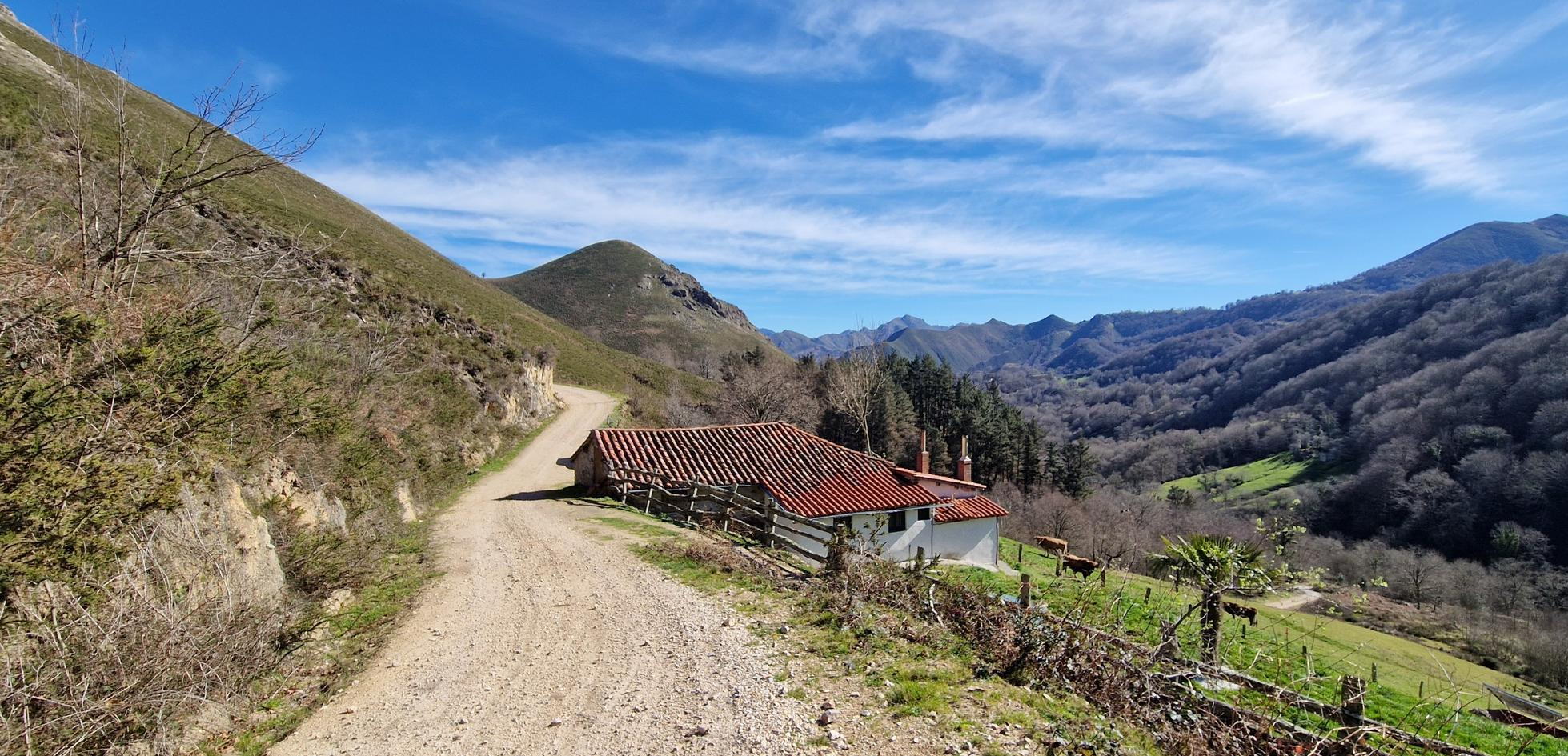
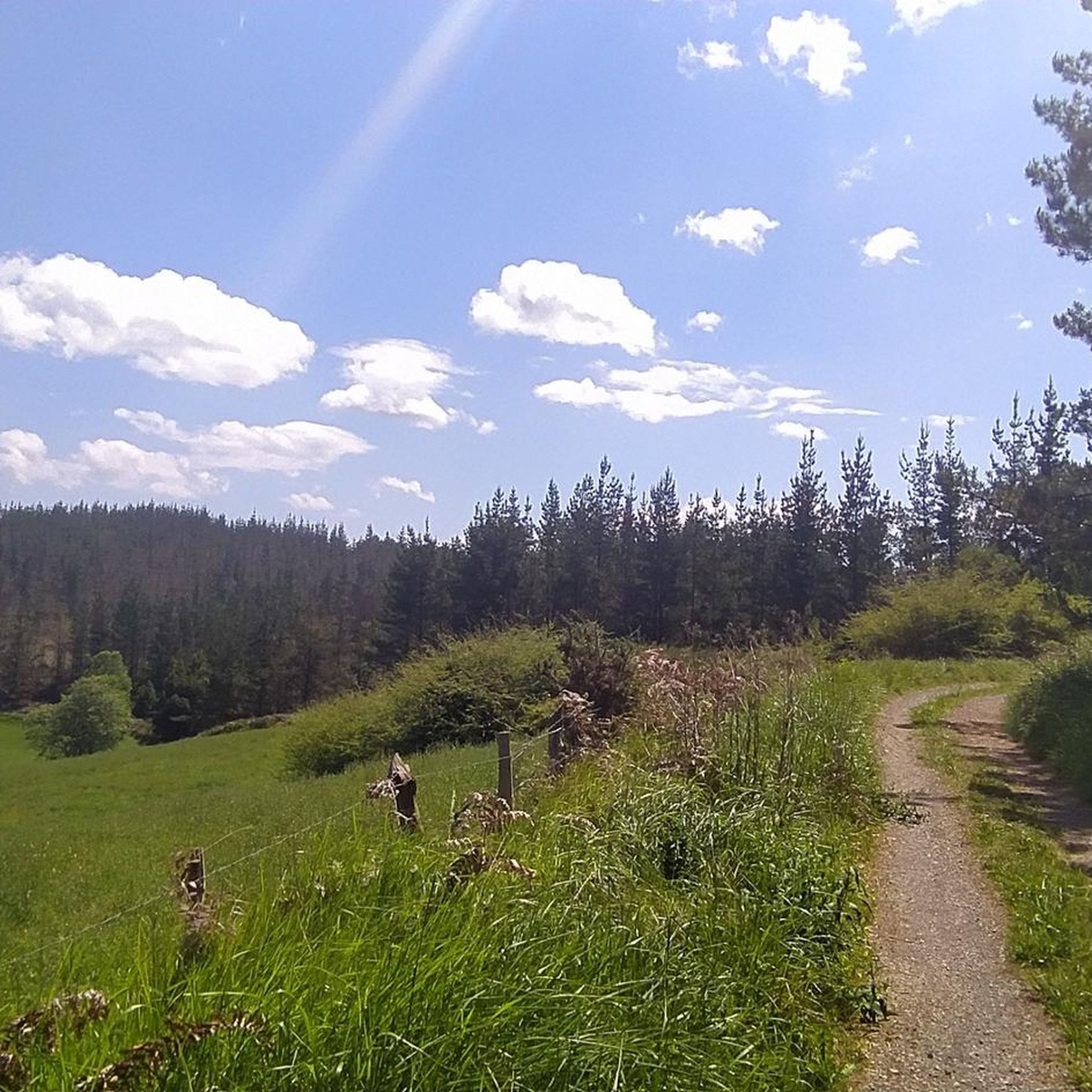
There is no way around Soto de Agues if you want to hike the Ruta del Alba in the Redes Natural Park, like I did, as a classic. A beautiful village with many beautiful old houses. Hikers are intercepted with their cars in a large car park just before the village, so they don't park randomly in the village. If you choose the Camín de Socuitu, which runs approximately parallel, for the last approx. 2km of the return journey instead of the Ruta del Alba, you will pass numerous hórreos (Asturian granaries) in the village.
0
0

The Villaviciosa Town Hall building is a building steeped in history and remarkable features. Location: Town Hall Square, in the heart of Villaviciosa. Style: Eclectic architecture with elements reflecting different eras. History: The original building dates from the 17th century, although it has undergone several renovations and expansions over time, especially in the 19th and 20th centuries. Characteristics: It features a sober and elegant main façade, with balconies and ornamental elements characteristic of the period of its renovation. The Villaviciosa coat of arms stands out on its frontispiece. Functions: Houses the administrative and political offices of the Villaviciosa municipal government. Significance: It is a symbol of civil power and an important landmark for the residents of the municipality.
1
0

Several routes depart from Soto de Agues, including the typical Ruta del Alba.
0
0

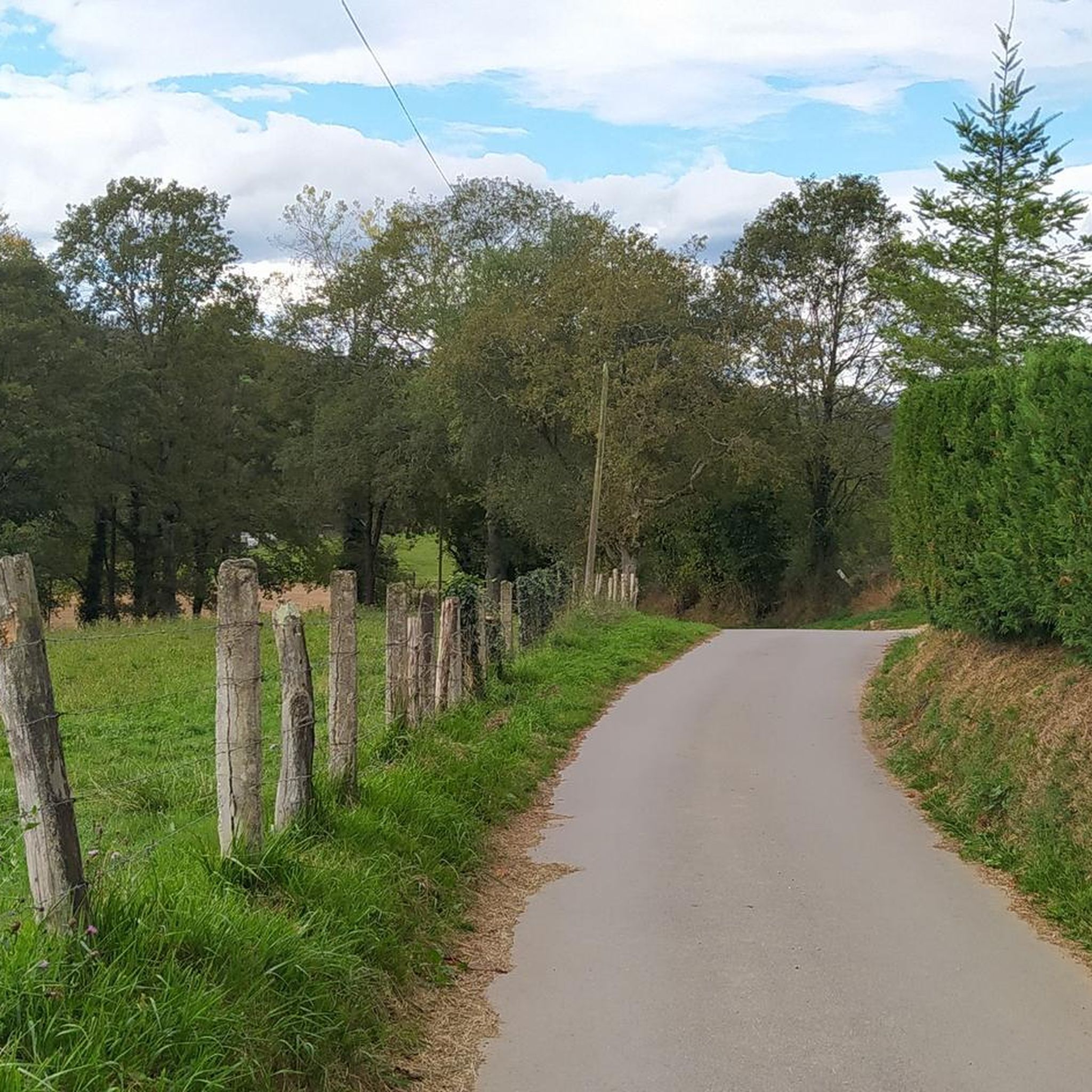
Lots of space, beautiful houses, benches to rest on the pilgrimage route.
1
0

Soto de Agues is a town in the council of Sobrescobio, located at 430 m altitude, at the end of one of the branches of the SC-2 road. It is divided into three neighborhoods: San Andrés, Agues and Soto. It preserves good examples of traditional architecture, a church dating from 1805, dedicated to San Andrés, and two hermitages, dedicated to San Antonio and Santa Ana, respectively. It is the starting point of several mountain routes, such as those of the Ruta del Alba (P. R. AS-62) and Cullargayos (P. R. AS-63).
12
0

From Soto de Argues you can start several mountain routes. The best known is perhaps the dawn route. A route that runs along paths that are comfortable to walk.
2
0

Different routes of different levels
1
1

The Town Hall is one of the places that attracts the most attention. The building was inaugurated in 1906 and is the work of the architect Antonio Suardíaz Valdés. The square is popularly known as "el Güevu" due to the ovoid shape it had until the last reform. The square is the setting for most of the festivities that are held in the town.
1
0
Frequently Asked Questions
What historical landmarks can I explore in and around Nava?
Nava is rich in historical sites. You can visit the majestic 16th-century Palacio de la Cogolla, or the 14th-century Palacio - Casa Fuerte de la Ferrería in Fuentesanta, which is a declared Historic-Artistic Monument. The Monastery of Santa María de Valdediós, a medieval Cistercian abbey, stands next to the pre-Romanesque church of San Salvador de Valdediós, a significant example of Asturian architecture. Don't miss the Recuna Medieval Bridge, a medieval jewel that was part of the Camino Real.
Are there any natural features or outdoor areas worth visiting in Nava?
Absolutely. The imposing Sierra de Peñamayor provides a stunning backdrop and is ideal for rural and mountain walks. The municipality boasts verdant meadows, dense forests, and blooming apple trees, especially near villages like Tresali and Ceceda. In early autumn, the Sierra de Peñamayor is a prime location to witness the 'Berrea,' the spectacle of deer rutting.
What cultural experiences does Nava offer, especially related to its famous cider?
Nava is known as the 'Cider Village.' A must-visit is the Museo de la Sidra (Cider Museum), an interactive museum where you can learn about the entire cider production process, from apple to bottle. If you visit in summer, you might experience the Festival de la Sidra (Cider Festival), an emblematic event featuring tastings, competitions, and cultural activities.
What kind of hiking trails are available around Nava?
Nava offers numerous trails for outdoor enthusiasts. Popular options include the Ruta de les Foces del Pendón, Ruta del Picu la Mua, Ruta de la Ribera del Río La Peña, and Sendero Local de Nava. For more detailed information and routes, you can explore the Hiking around Nava guide, which features routes like the 'Pendón River Gorges Trail' and 'Pico Texíu – Peña Mayor loop'.
Are there any family-friendly attractions or activities in Nava?
Yes, Nava offers several family-friendly options. The Town Hall Square, known as 'el Güevu,' is a central gathering place for town festivities. Exploring the Museo de la Sidra can be an engaging experience for all ages. Additionally, many of the rural landscapes and easier hiking trails, such as the 'Puente Pra loop' found in the Hiking around Nava guide, are suitable for families.
What is the best time of year to visit Nava?
Nava offers different experiences depending on the season. The summer months are vibrant, especially with the Festival de la Sidra. Early autumn is ideal for witnessing the 'Berrea' (deer rutting) in the Sierra de Peñamayor and enjoying pleasant hiking weather. Spring brings blooming apple trees, adding to the picturesque rural landscapes.
Can I find traditional Asturian architecture in Nava?
Yes, villages like Ceceda offer excellent examples of the traditional architecture found in the rural areas of Asturias. You can also see traditional elements in the Soto de Agues Village, which preserves good examples of traditional architecture and serves as a starting point for mountain routes.
What are some notable religious sites in the Nava area?
Beyond the Monastery of Santa María de Valdediós, Nava is home to several significant religious buildings. These include the Renaissance-style Iglesia de Nuestra Señora del Remedio (16th century) and the Iglesia de San Bartolomé de Nava. The municipality also features historical chapels like the Capilla de Santa Lucía in Ceceda and the Capilla de Santo Tomás in Priandi.
Are there opportunities for cycling around Nava?
Yes, Nava is a great base for cycling. You can find various routes for different cycling styles. For road cycling, check out the Road Cycling Routes around Nava guide, with options like the 'Quintana loop from Nava'. If you prefer off-road adventures, the Gravel biking around Nava guide offers challenging routes such as the 'Descent to Collada Aniciu Road – Les Praeres Ascent from Nava loop'.
What is the significance of the Town Hall Square in Nava?
The Town Hall Square, popularly known as 'el Güevu' due to its former ovoid shape, is the main setting for most of Nava's festivities. Inaugurated in 1906, it's a central point for community life and celebrations.
Where can I find unique artisan crafts in Nava?
Nava is a place where traditional techniques meet contemporary materials to create a wide range of crafts. You can find items from typical utensils like espadrilles and 'madreñas' (clogs) to ceramics and leather goods. Markets and fairs, especially during the summer, are excellent places to discover and appreciate these local artisan crafts.
Most popular attractions around Nava

Get inspired with the komoot mobile app


Explore more
Still not found the Highlight you’re looking for? See guides of the top attractions in other regions:
