Attractions and Places To See around Cubillos Del Sil - Top 20
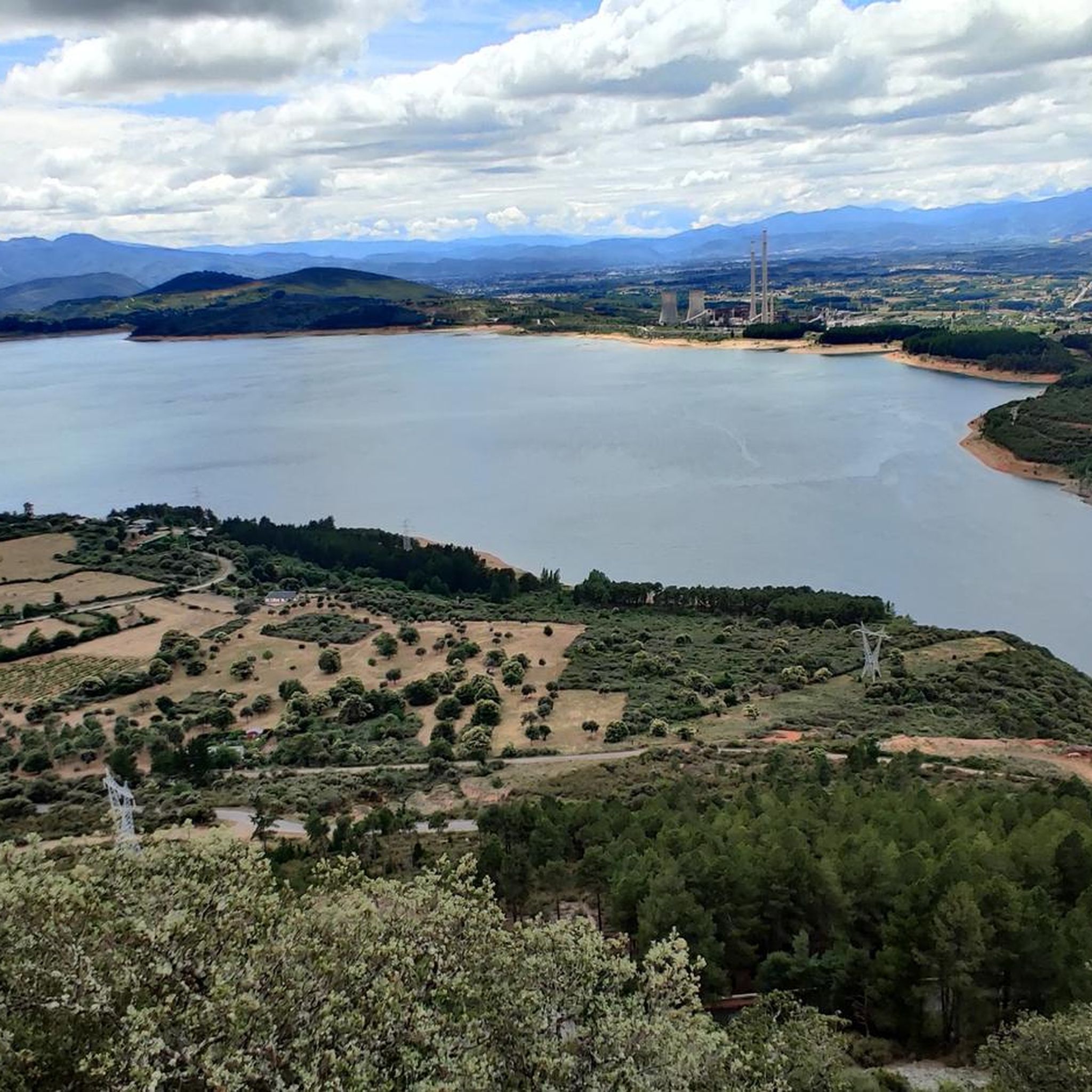
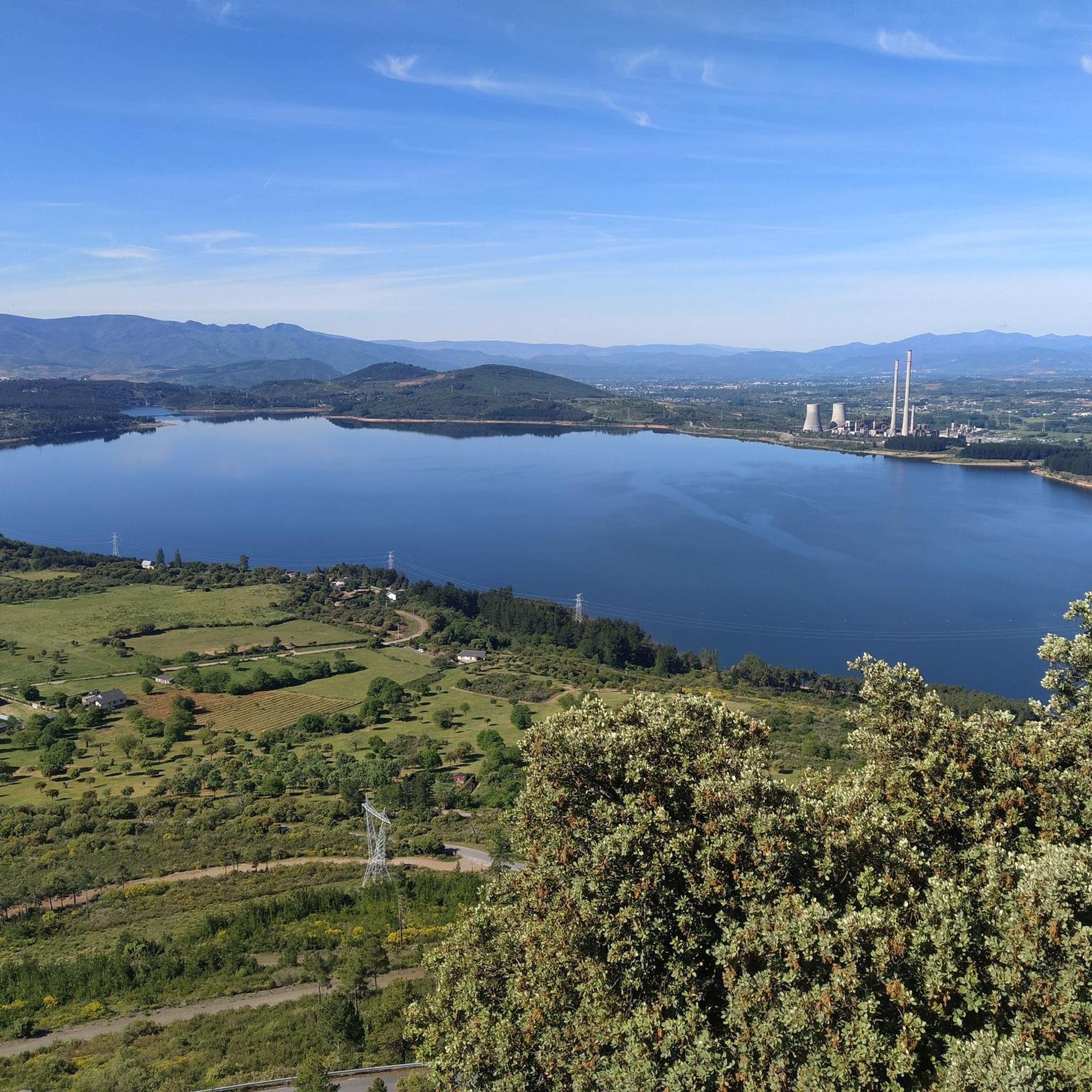
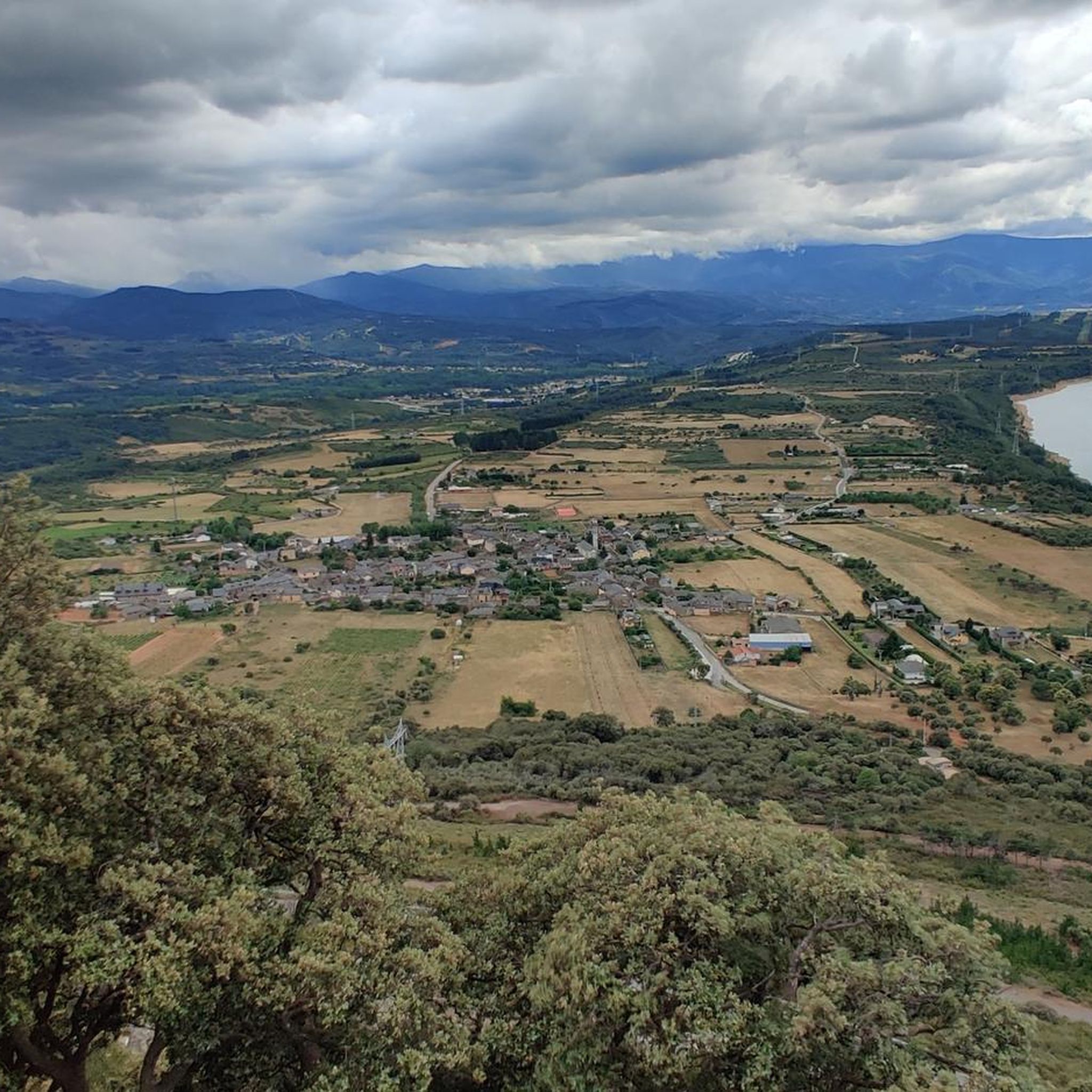
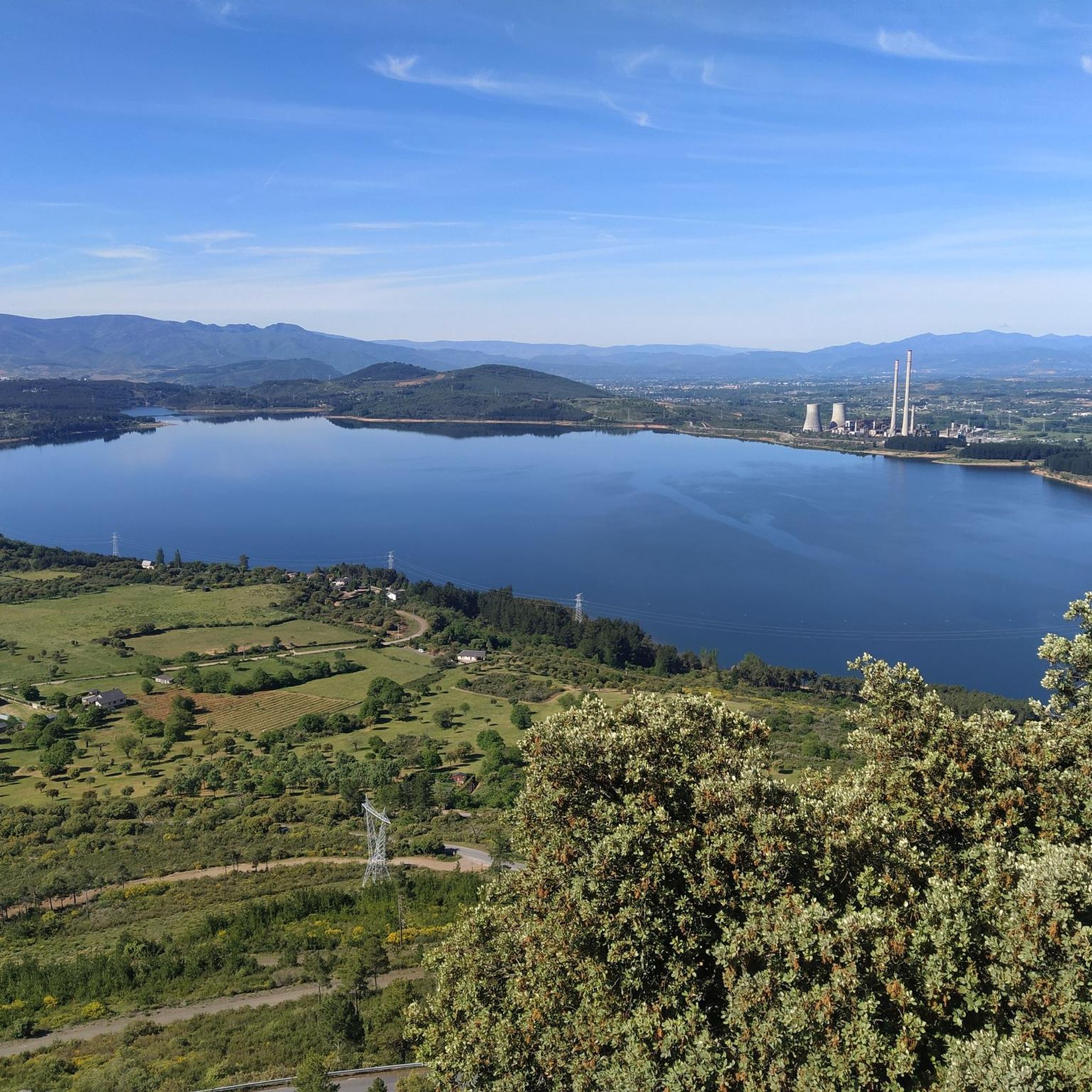
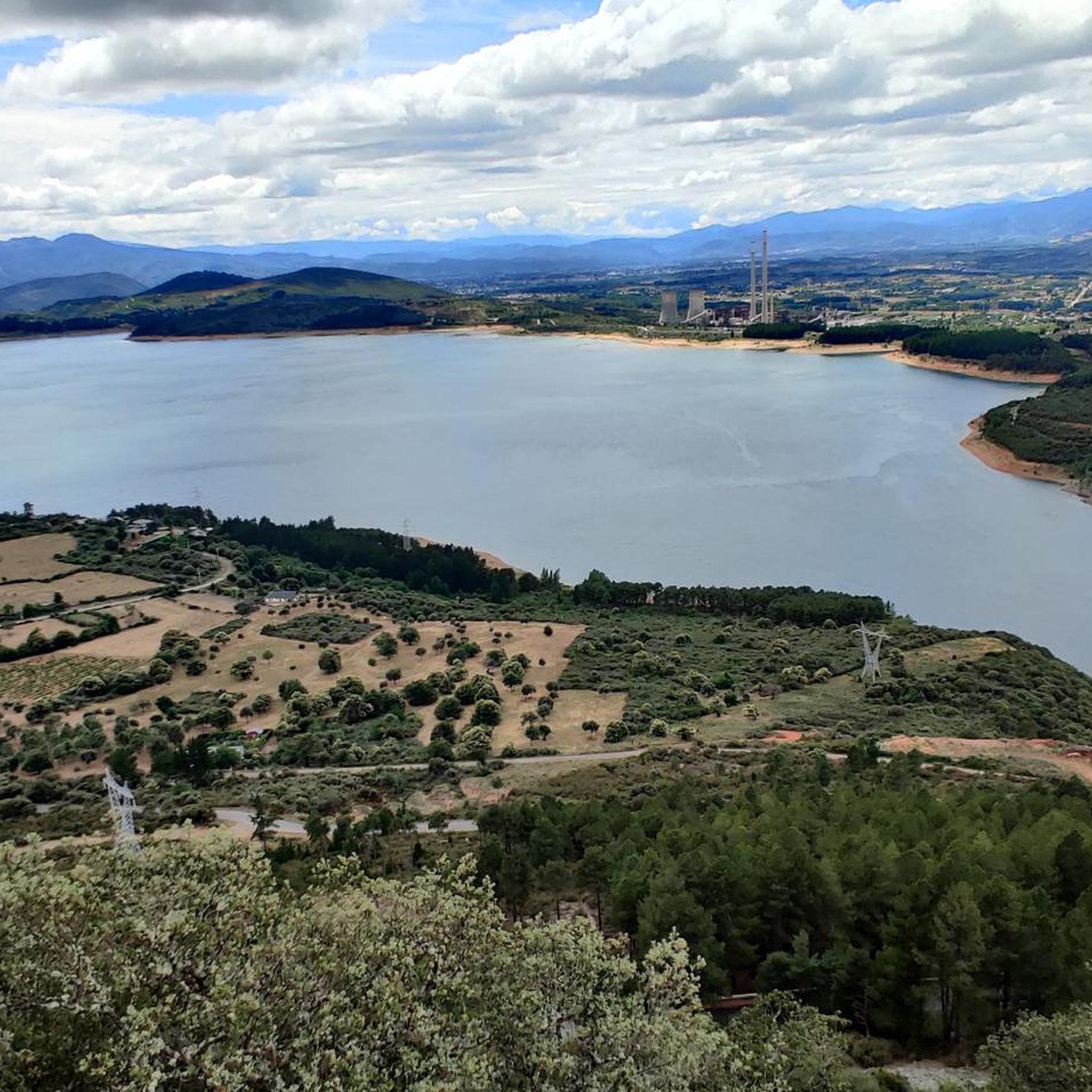
Attractions and places to see around Cubillos Del Sil are found within the El Bierzo region of León, Spain, offering a mix of historical, cultural, and natural sites. The area features pre-Roman settlements, medieval churches, and traditional wineries, alongside mountains, pine forests, and vineyards. Its location near the Bárcena Reservoir provides opportunities for outdoor activities. The municipality is also crossed by a 1st-century Roman road, part of the ancient Camino Olvidado.
Best attractions and places to see around Cubillos Del Sil
- The most popular attractions is Ponferrada Castle, a castle that consists of a large polygonal enclosure with double and triple defenses. In the Middle Ages, it was one of the largest fortresses in northwestern Spain.
- Another must-see spot is Molinaseca Roman Bridge, a bridge believed to be of Roman origin, though its current structure is primarily medieval Romanesque. It is the starting point of Molinaseca's main street, Calle Real, which features rural houses, bars, and restaurants.
- Visitors also love Sanctuary of Our Lady of Sorrows in Molinaseca, a religious building closely linked to the Camino de Santiago. This magnificent Romanesque church is an important point on the route connecting Astorga with Santo Tomás de las Ollas.
- Cubillos Del Sil is known for its historical sites, pre-Roman castros, and natural landscapes. Visitors can explore ancient fortified settlements, traditional wineries, and enjoy views from mountains like Monte Meno.
- The attractions around Cubillos Del Sil are appreciated by the komoot community, with over 345 upvotes and more than 207 photos shared by visitors.
Last updated: July 7, 2026
Molinaseca Roman Bridge
Highlight • Bridge
Translated by Google •
Tip by

Ponferrada Castle
Highlight • Castle
Translated by Google •
Tip by
Sign up now to discover places like this
Get recommendations on the best single tracks, peaks, & plenty of other exciting outdoor places.
Sign up for free
Sanctuary of Our Lady of Sorrows in Molinaseca
Highlight • Religious Site
Translated by Google •
Tip by
Basilica of Our Lady of the Encina
Highlight • Religious Site
If you ever get the chance to visit, you are sure to enjoy its rich history and spiritual atmosphere! 🙏✨
Translated by Google •
Tip by
Church of San Andrés
Highlight • Religious Site
Church of medieval origin although the current temple is baroque from the end of the 17th century.
It has a nave with a Latin cross plan, a dome on pendentives in the transept and a square tower with three sections.
The last body of the tower, where the bells are housed, is of more recent construction.
Its interior houses an interesting baroque altarpiece and a crucified figure from the 14th century, the Christ of the Fortress.
Translated by Google •
Tip by
Sign up for free to discover even more attractions around Cubillos Del Sil.
Sign up for free
Already have an account?
Start today with a free account
Your next adventure awaits.
Login or Signup

Tips from the Community

The Basilica of Our Lady of the Holm Oak, located in the old town of Ponferrada, is one of the most emblematic churches in the Bierzo region and a key point on the Camino de Santiago. It was built on the remains of a 12th-century medieval church known as Santa María. Construction of the current basilica began in 1573 and was completed a century later.
5
0

At the end of the 11th century, Osmundo, Bishop of Astorga, ordered the construction of a bridge (partly made of iron = pons ferrata) over the Sil for the pilgrims on the Way of St. James, near which a settlement was built. At the "pons ferrata", the iron bridge, the Knights Templar built a huge castle on a surface area of 160 x 90 m to protect the pilgrims on the Way of St. James. The medieval castle complex was inhabited by the Knights Templar from 1178 to 1312. Source: Wikipedia
5
0

On the patronage of this church: San ANDRES is one of the twelve apostles that Jesus Christ called to follow him. However, in the biblical accounts he is often somewhat overshadowed by his much more famous brother: San Pedro. In the four gospels we find the calling of the two siblings presented in different ways. According to the text of the Gospel of John (John 1:40-42), Andrew is called first (together with another disciple whose name is not mentioned). Later he tells his brother Simon that he has found the Messiah. The feast of San Andres in the calendar of saints is on November 30th in all major Christian denominations.
7
0

The Templars' heyday from the 12th to 14th centuries led to the construction of this mighty fortress, among other things to protect the pilgrims on the Way of St. James. The rampart on the city hill stands out impressively against the mountain backdrop and absolutely conforms to the stereotypical image of a knight's castle. It is sensationally well maintained and a feast for the eyes.
6
0
The order, often referred to simply as the "Order of the Knights Templar," whose full name is "Poor Knights of Christ and of Solomon's Temple in Jerusalem," takes us mentally back to the 13th century. Founded in the Holy Land, it spread surprisingly quickly to many countries in Central Europe, and this castle complex in Ponferrada, northern Spain, was one of its numerous branches. The order gained notoriety through its dissolution in 1312 by the French king and the pope, and many of its members were burned at the stake as alleged heretics. The main reason for the dissolution, however, was not the members' human and religious misconduct (heresy), which was merely a pretext, but the legendary wealth of this order. King Philip IV of France primarily wanted to secure the treasures to bolster his coffers.
6
0
Although the bridge is believed to be of Roman origin, its current structure is primarily medieval Romanesque, with some later renovations in the 18th and 20th centuries. It is built of ashlar and cobblestone and consists of seven spans of varying sizes. It is the starting point of the town's main street, Calle Real, which ends at a cross and is home to most of Molinaseca's rural houses, bars, and restaurants. If you ever have the opportunity to visit it, you will immerse yourself in the rich Jacobean tradition and enjoy its historical beauty. 🚶♂️🌉
11
0
The passion of the city of Ponferrada and the entire Bierzo region for their patron saint has given rise to so much devotion and beauty in this place of meeting and prayer. The information and treasures found in different areas inside the basilica are a summary of splendors and difficult moments that did not stop the desire to gather all that legacy. If you ever get the chance to visit, you are sure to enjoy its rich history and spiritual atmosphere! 🙏✨
8
0

The Templar Castle of Ponferrada is a superb building. It houses the Templar Library and the Ponferrada Center for Research and Historical Studies, with over 1,400 books, including facsimiles of works by Leonardo da Vinci. It was originally a Roman camp and later a citadel. In the early 12th century, the Templars took possession of the fortress, strengthening and expanding it to serve as a residential palace and as a protection for pilgrims on their way to Santiago de Compostela. The building has an irregular square plan, and its most notable entrance is reached by crossing the moat over a drawbridge and, further on, two large crenellated towers joined by an arch. Its twelve original towers depicted the constellations.
5
0
Frequently Asked Questions
What historical sites can I explore in and around Cubillos del Sil?
The region offers a rich array of historical sites. You can visit the impressive Ponferrada Castle, a large medieval fortress that was once one of the biggest in northwestern Spain. Also, explore the Molinaseca Roman Bridge, which, despite its name, is primarily medieval Romanesque. Within Cubillos del Sil itself, the Parish Church of San Cristóbal, with its 17th-century baroque altarpieces, and the Hermitage of San Roque are notable.
Are there any ancient Roman or pre-Roman sites to visit?
Yes, Cubillos del Sil is home to several pre-Roman fortified settlements known as *castros*, such as Castromocho near Posadina and Castro de Fresnedo, which offer archaeological interest. Additionally, a 1st-century Roman road crosses Cubillos del Sil, which was later converted into a Royal Road and forms part of the ancient pilgrimage path known as the "Camino Olvidado".
What natural attractions are there near Cubillos del Sil?
Nature enthusiasts can explore Monte Meno, a mountain east of Cubillos, offering pine forests and vineyards, with viewpoints like La Peña del Cuervo providing panoramic views. The nearby Bárcena Reservoir, though outside the municipality, is a large body of water surrounded by forests, ideal for hiking, cycling, kayaking, and fishing.
What role does the Camino de Santiago play in the area?
The region is deeply connected to the Camino de Santiago. The ancient Roman road through Cubillos del Sil is part of the "Camino Olvidado," a historic pilgrimage route. The Molinaseca Roman Bridge marks the beginning of Molinaseca's main street, a significant stop on the Camino Francés. The Sanctuary of Our Lady of Sorrows in Molinaseca is also closely linked to the Camino, serving as an important point on the route connecting Astorga with Santo Tomás de las Ollas.
Are there opportunities for hiking or cycling near these attractions?
Absolutely. The natural surroundings of Cubillos del Sil are perfect for various routes. You can find numerous options for cycling around the area, including routes around the Bárcena Reservoir, as detailed in the Cycling around Cubillos Del Sil guide. For gravel biking, explore routes like the one from Boeza Bridge to Ponferrada Castle, available in the Gravel biking around Cubillos Del Sil guide. There are also converted old railway lines, known as "Vías verdes mineras," suitable for both hiking and cycling.
Where can I find panoramic views of the region?
For breathtaking panoramic views, head to Monte Meno, located east of Cubillos. From viewpoints like La Peña del Cuervo, you can enjoy expansive vistas of the municipality and parts of lower Bierzo, encompassing pine forests and vineyards.
Are there family-friendly attractions in the area?
Many of the historical sites, such as Ponferrada Castle and the Molinaseca Roman Bridge, are considered family-friendly. Exploring the pre-Roman *castros* or enjoying outdoor activities around the Bárcena Reservoir also provides engaging experiences for families.
What religious buildings are notable in the area?
Beyond the Parish Church of San Cristóbal and the Hermitage of San Roque in Cubillos del Sil, you can visit the Sanctuary of Our Lady of Sorrows in Molinaseca, a magnificent Romanesque church important to the Camino de Santiago. Also, the Parish Church of Santa Eulalia in Finolledo houses a 12th-century Romanesque carving of the Virgen de Riguera, and the Parish Church of San Mamés in Cabañas de la Dornilla features a 19th-century neoclassical design.
Can I visit traditional local establishments?
Yes, in Fresnedo, you can visit an 18th-century Traditional Winery (Lagar Tradicional). This establishment was used by locals to press grapes until the 1980s and was restored in 2016, offering a glimpse into local traditions.
What do visitors particularly enjoy about the attractions around Cubillos del Sil?
Visitors appreciate the rich blend of history, culture, and natural beauty. The medieval charm of places like Molinaseca Roman Bridge and the historical significance of Ponferrada Castle are highly rated. Many also enjoy the spiritual atmosphere of the religious sites and the opportunities for outdoor activities in the scenic landscapes.
Are there specific routes for running in the area?
Yes, there are several running trails available. You can explore routes like the Río Sil Trail loop from Ponferrada or the Puente del Centenario loop. More options can be found in the Running Trails around Cubillos Del Sil guide.
What is the best time of year to visit Cubillos del Sil for outdoor activities?
While specific seasonal recommendations are not provided, the region's blend of heritage and natural beauty suggests that spring and autumn would be ideal for outdoor activities like hiking and cycling, offering pleasant temperatures and vibrant landscapes. Summer is also suitable, especially for water activities at the Bárcena Reservoir, though it can be warmer.
Most popular routes around Cubillos Del Sil
Most popular attractions around Cubillos Del Sil

Get inspired with the komoot mobile app


Explore more
Still not found the Highlight you’re looking for? See guides of the top attractions in other regions:
