The best road cycling routes around Cubillos Del Sil
4.7
(29)
2,693
riders
126
rides
Road cycling routes around Cubillos Del Sil are situated in the Bierzo region of León, Spain, characterized by a diverse topography. The area features gentle hills, dense forests, and significant water bodies like the Bárcena Reservoir. Cyclists encounter varied terrain, ranging from flatter sections along the Sil River to ascents into higher elevations, with more than 50% of the territory exceeding 1,000 meters. This landscape provides a range of road cycling experiences.
Best road cycling routes around Cubillos Del Sil
…Last updated: July 12, 2026
95
riders
65.1km
03:15
1,040m
1,040m
Hard road ride. Very good fitness required. Mostly well-paved surfaces and easy to ride.
62
riders
174km
09:23
2,760m
2,760m
Hard road ride. Very good fitness required. Some segments of this route may be unpaved and difficult to ride.

Sign up for free
35
riders
89.7km
05:20
2,140m
2,150m
Hard road ride. Very good fitness required. Mostly well-paved surfaces and easy to ride.
17
riders
47.0km
02:05
380m
380m
Moderate road ride. Good fitness required. Mostly well-paved surfaces and easy to ride.
12
riders
53.8km
03:33
660m
660m
Moderate road ride. Good fitness required. Some segments of this route may be unpaved and difficult to ride.
Get access to more routes and recommendations from other explorers.
Sign up for free
Already have an account?
Our route recommendations are based on thousands of hikes, rides, and runs completed by other people on komoot.
Start today with a free account
Your next adventure awaits.
Login or Signup

Tips from the Community

In the heart of Astorga, right next to the cathedral, lies one of the most unusual bishop's residences on the Iberian Peninsula: the Palacio Gaudi. It was designed and built by the famous Spanish architect of the same name (Antonio Gaudi, 1852-1926). A visit to the museum housed here is worthwhile both for the exhibits presented to visitors and, of course, for the imaginative architecture of the building.
0
0

The Basilica of Our Lady of the Holm Oak, located in the old town of Ponferrada, is one of the most emblematic churches in the Bierzo region and a key point on the Camino de Santiago. It was built on the remains of a 12th-century medieval church known as Santa María. Construction of the current basilica began in 1573 and was completed a century later.
5
0

The Bishop's Palace of Astorga is one of only three buildings that Antoni Gaudí built outside Catalonia.
3
0

Long and hard climb. I recommend going up the Peñalba slope, the approach and the passage through the village are very pretty. One of the most beautiful in Spain.
0
0
In the heart of Astorga, right next to the cathedral, lies one of the most unusual bishop's residences on the Iberian Peninsula: the Palacio Gaudi. It was designed and built by the famous Spanish architect of the same name (Antonio Gaudi, 1852-1926). A visit to the museum housed here is worthwhile both for the exhibits on display and, of course, for the imaginative architecture of the building.
2
0


On June 24, 1889, the prelate's name day, the first stone was laid. They had planned to complete the work on the palace in June 1894, but the bishop died in 1893, and this event radically changed the course of the work, paralyzed by the hostility between Gaudí and the Diocesan Council. Finally, Antonio Gaudí resigned from his post as chief architect, very upset by the treatment he received. In 1905, D. Julián de Diego y Alcolea ruled the diocese of Astorga and tried to convince Gaudí to return to the works of the palace, but he did not succeed. Ricardo García-Guereta, diocesan of León, was appointed architect and completed the work on October 12, 1913, as bishop D. Julián de Diego y Alcolea
4
0
Behind the city wall in the park you have a beautiful view of Gaudi's Pilgrimage Museum.
2
0
Frequently Asked Questions
How many road cycling routes are available in Cubillos Del Sil?
There are over 120 road cycling routes around Cubillos Del Sil, offering a wide range of options for different skill levels. You'll find everything from easier rides to more challenging ascents.
What kind of terrain can I expect on road cycling routes around Cubillos Del Sil?
The terrain around Cubillos Del Sil is quite diverse, featuring gentle hills, dense forests, and significant water bodies like the Bárcena Reservoir. You can expect a mix of flatter sections along the Sil River and ascents into higher elevations, with over 50% of the territory exceeding 1,000 meters. This variety caters to different cycling preferences.
Are there road cycling routes suitable for beginners or those looking for an easier ride?
Yes, Cubillos Del Sil offers a good selection of easier road cycling routes. Approximately 15 routes are classified as easy, providing a gentler experience through the region's beautiful landscapes. For example, the Cúa River in Cacabelos – Secondary road loop from Cubillos del Sil is a moderate option that offers a pleasant ride.
What are the best times of year for road cycling in Cubillos Del Sil?
The El Bierzo region, where Cubillos Del Sil is located, generally offers pleasant conditions for road cycling from spring through autumn. Spring and early summer provide lush landscapes and moderate temperatures, while autumn brings beautiful foliage. Summers can be warm, especially in lower elevations, but higher altitude routes offer cooler air. Winters can be cold with potential for snow or ice, particularly on higher roads.
What natural features can I see while road cycling in the Cubillos Del Sil region?
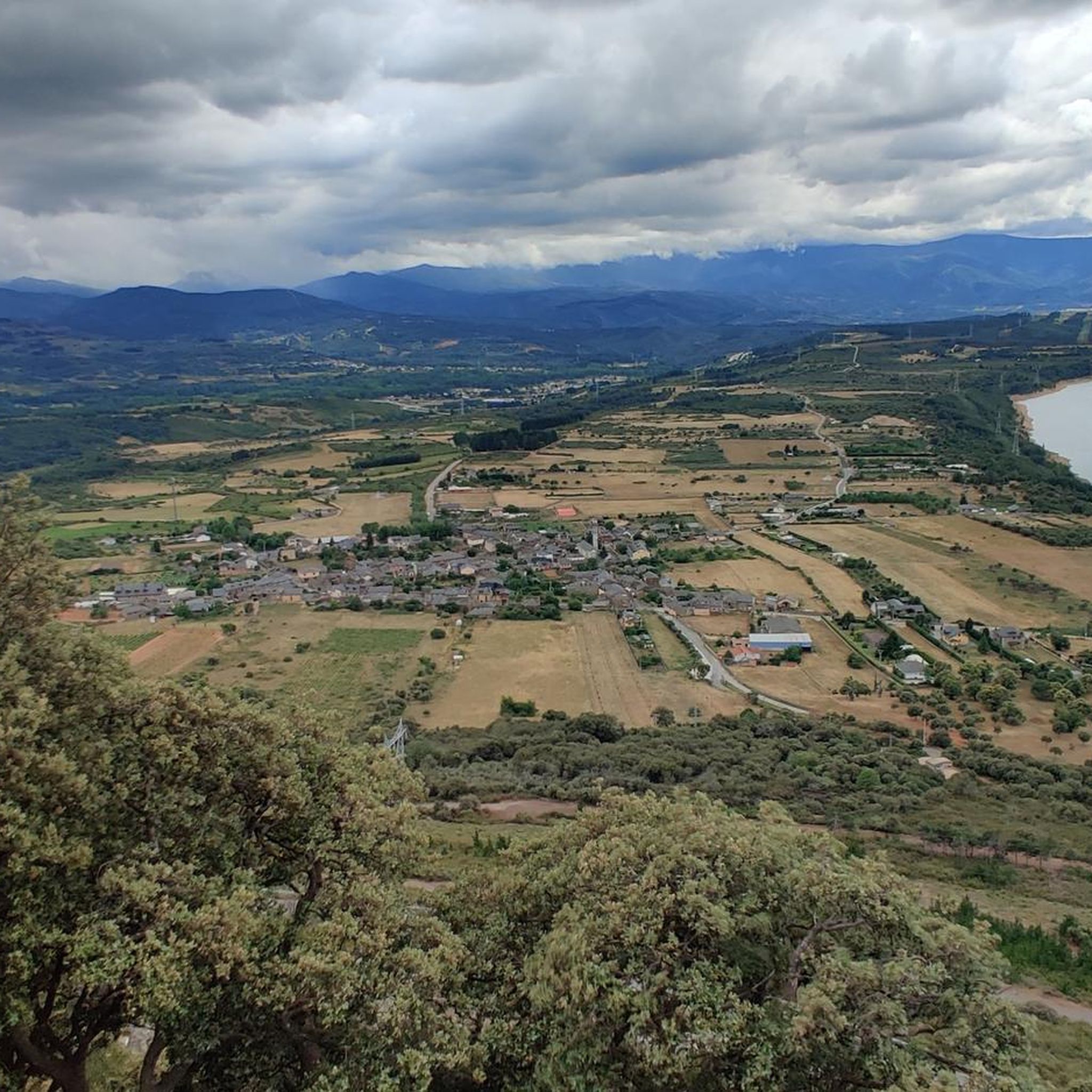
Road cycling in Cubillos Del Sil allows you to experience a rich natural environment. You'll often ride alongside the picturesque Sil River, encounter dense forests of chestnut and oak, and enjoy views of the expansive Bárcena Reservoir. The region's diverse topography also includes soft hills and elevated areas like Monte Meno, which features pine forests and vineyards.
Are there any historical landmarks or points of interest along the road cycling routes?
Yes, the region is rich in history. You might encounter sections of the ancient Roman road, "Vía Nova," which became part of the "Camino Olvidado" (Forgotten Way) to Santiago de Compostela. Notable landmarks include the Molinaseca Roman Bridge and the impressive Ponferrada Castle. The pre-Roman fortified settlements (castros) of Posadina, Finolledo, and Fresnedo also offer archaeological interest in scenic locations.
Which road cycling routes offer the best panoramic views?
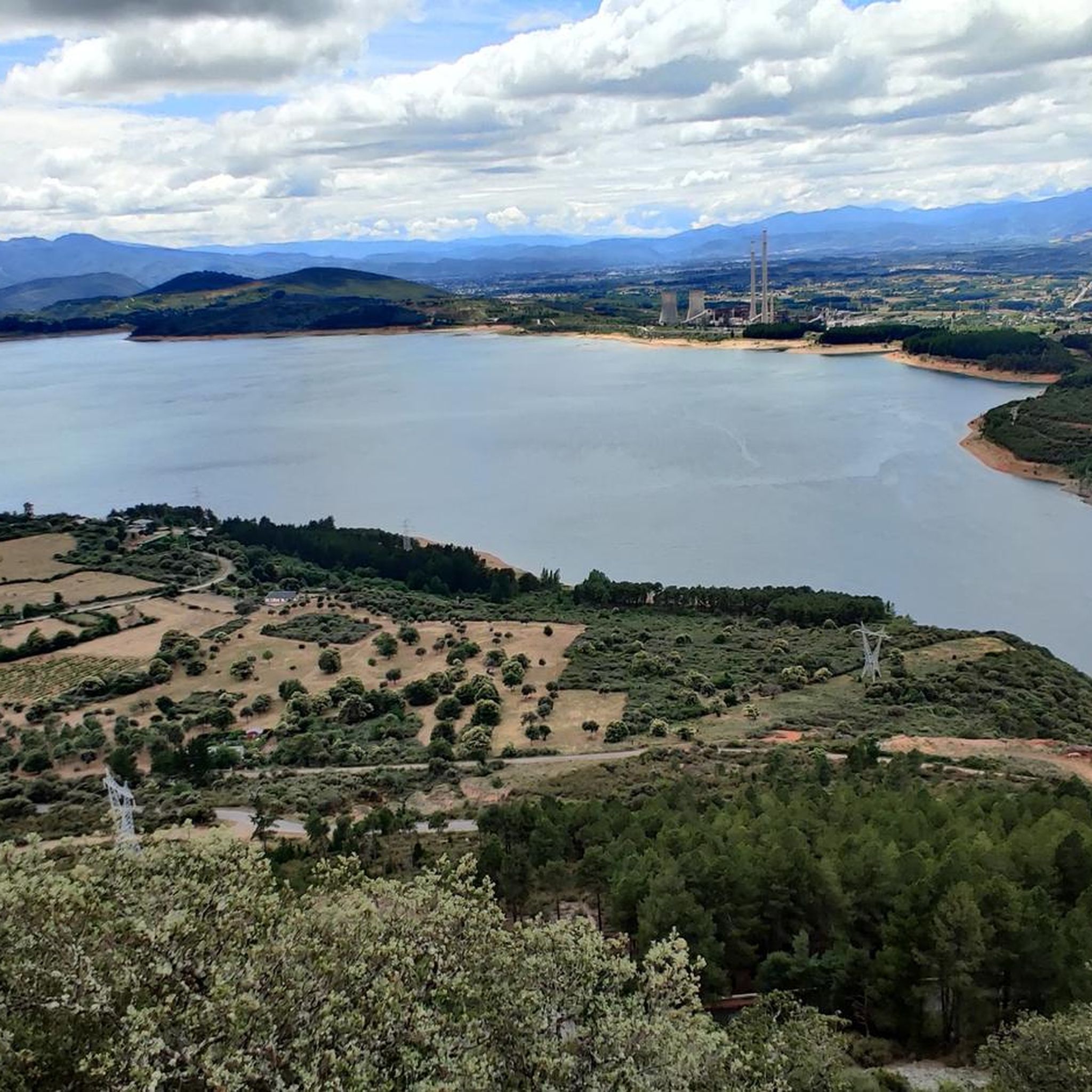
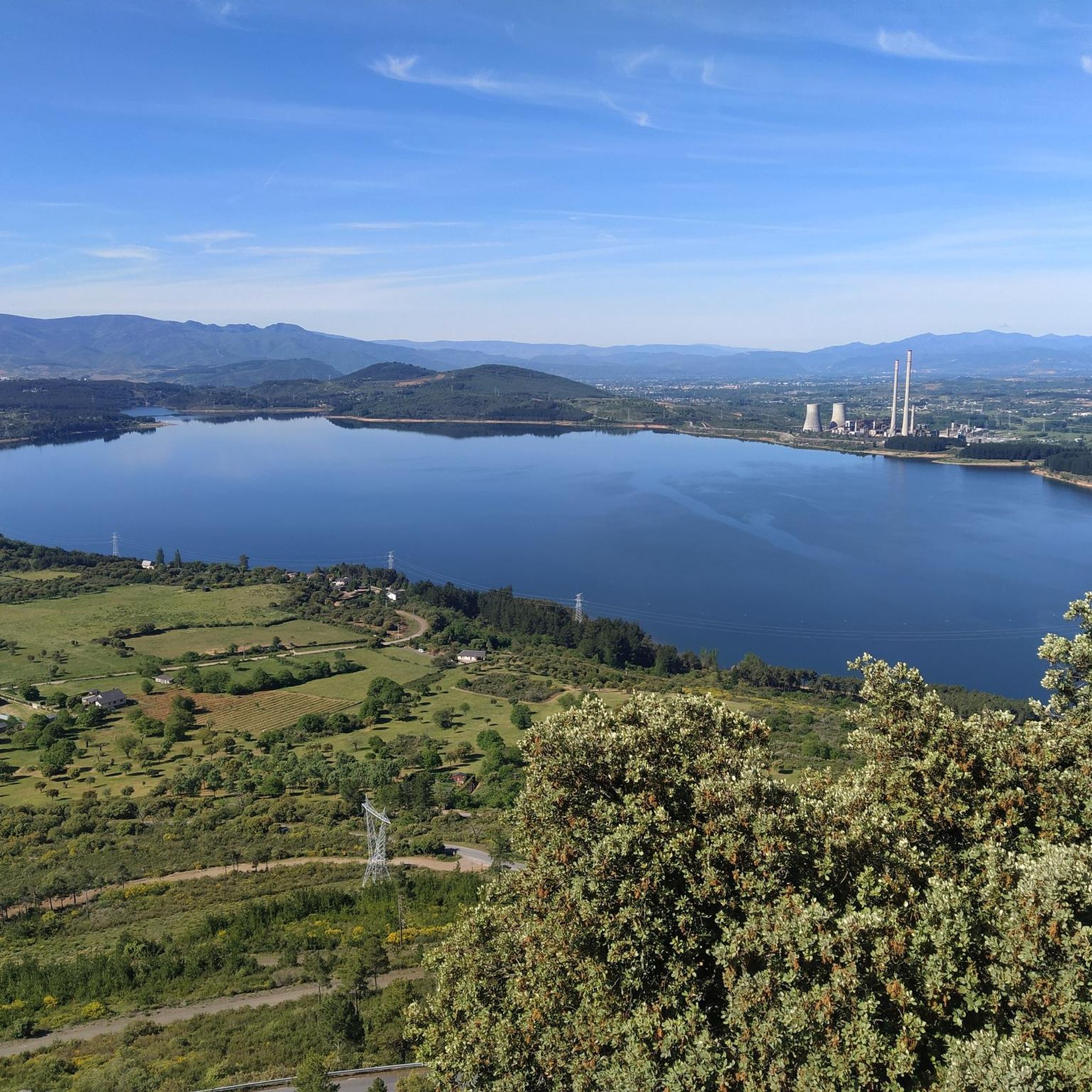
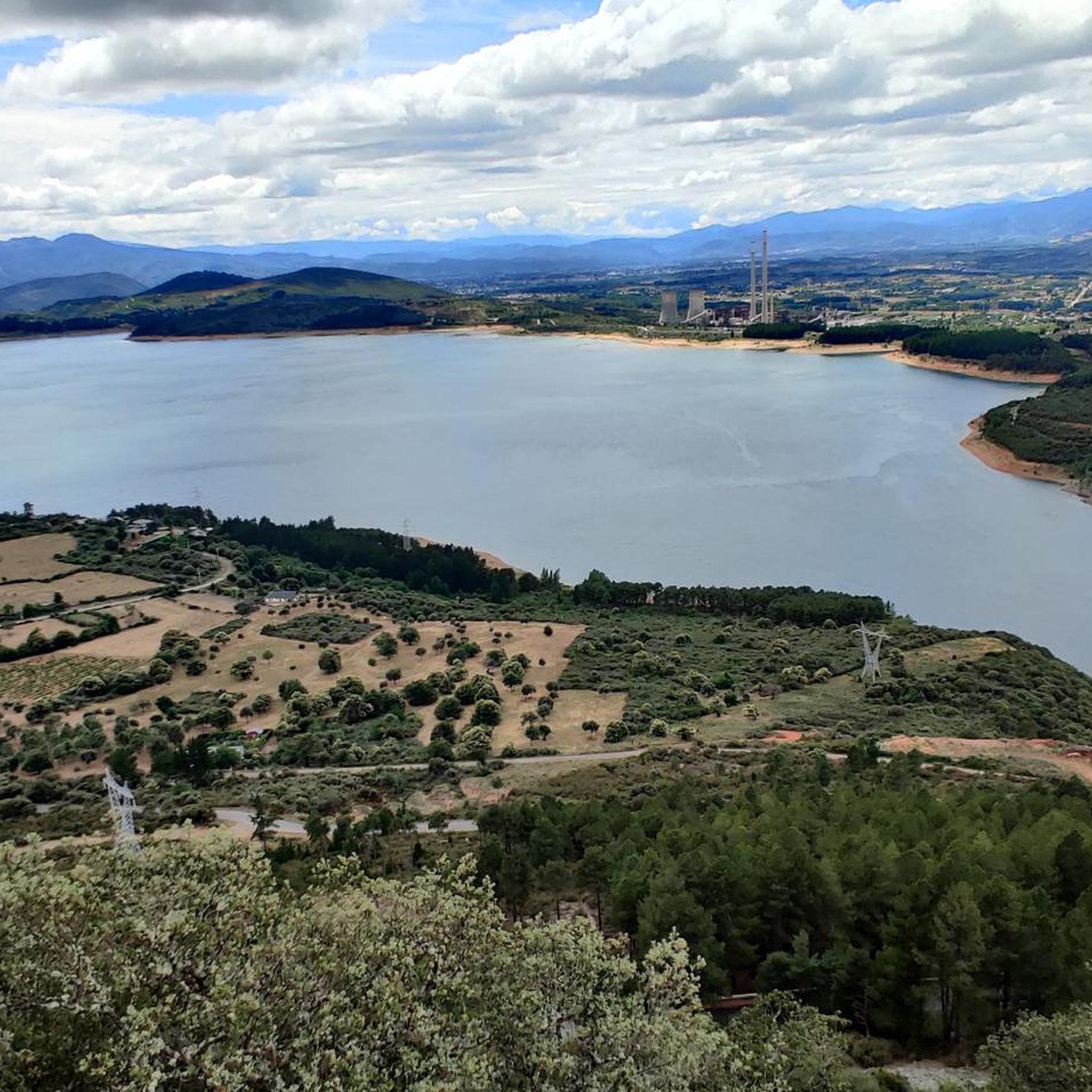
For breathtaking panoramic views, consider routes that pass by the Mirador de Peña del Seo or the Mirador de La Peña del Cuervo. These viewpoints offer extensive vistas of the municipality and the lower Bierzo region. Additionally, routes around the Bárcena Reservoir, such as those offering a View of the Bárcena Reservoir and the Compostilla II power plant, provide spectacular scenery.
Are there any circular road cycling routes starting from Cubillos Del Sil?
Yes, many road cycling routes in the area are designed as loops, allowing you to start and end in the same location. For instance, the Toreno – Puente del Centenario loop from Toreno is a popular circular option that explores the surrounding area.
What are some challenging road cycling routes for experienced riders?
For experienced riders seeking a challenge, Cubillos Del Sil and the wider Bierzo region offer numerous difficult routes. Over 40 routes are classified as difficult, featuring significant elevation gains. An example is the demanding Ponferrada Castle – Boeza Bridge loop from San Miguel de las Dueñas, which covers 78.2 km with substantial climbing.
Are there cafes or places to stop for refreshments along the road cycling routes?
Yes, as you cycle through the El Bierzo region, you'll find various towns and villages where you can stop for refreshments. Ponferrada, being a larger town nearby, offers numerous cafes, pubs, and restaurants. Smaller villages along the routes may also have local establishments to grab a drink or a bite to eat.
Is parking available for cyclists in Cubillos Del Sil?
Yes, parking is generally available in Cubillos Del Sil and surrounding towns, often in designated public parking areas. It's advisable to look for parking spots that are convenient for your starting point, especially if you're unloading bikes from a vehicle.
Can I reach Cubillos Del Sil by public transport with my bike?
While direct public transport options specifically designed for bikes to Cubillos Del Sil might be limited, it's often possible to reach nearby larger towns like Ponferrada by bus or train, which may have facilities for bike carriage. From Ponferrada, you can then cycle to Cubillos Del Sil. It's always best to check with the specific transport provider regarding their bike policies before traveling.
Are there family-friendly road cycling options in the area?
For families, the region offers some easier and flatter sections, particularly along river valleys or adapted greenways. While dedicated family-friendly road cycling routes might require careful selection due to varying traffic, focusing on the easier classified routes or quieter secondary roads can provide a more suitable experience. The former railway paths, known as "Vías verdes mineras," are often excellent for family cycling, though they may not always be paved for road bikes.
Are dogs allowed on road cycling routes in Cubillos Del Sil?
Generally, dogs are permitted on most public roads and trails in the region, provided they are kept under control, typically on a leash, and owners clean up after them. However, specific regulations might apply in certain protected natural areas or private properties. Always be mindful of local signage and respect wildlife and other users.
Most popular routes around Cubillos Del Sil
Most popular attractions around Cubillos Del Sil

Get inspired with the komoot mobile app


Explore more
Browse the best Road cycling routes in other regions.
