Attractions and Places To See around Villaseca De La Sagra - Top 14
Best attractions and places to see around Villaseca De La Sagra include a mix of historical landmarks, cultural sites, and natural features. This municipality in Toledo, Spain, is characterized by its agricultural landscape, proximity to the Tagus River, and well-preserved heritage. Visitors can explore a variety of sites, from ancient Roman remains to significant religious buildings and scenic natural trails. The area offers opportunities to experience both its rich past and its tranquil outdoor environment.
Best attractions and places to…
Last updated: October 15, 2026
Plaza Mayor of Alameda de la Sagra
Highlight • Settlement
Translated by Google •
Tip by

Church of Nuestra Señora de la Asunción (Cabañas de la Sagra)
Highlight • Religious Site
It stands out for its agricultural surroundings (cereals and legumes), its culinary traditions, and its proximity to Toledo and Madrid.
Translated by Google •
Tip by
Sign up now to discover places like this
Get recommendations on the best single tracks, peaks, & plenty of other exciting outdoor places.
Mount Magán
Highlight • Summit
Translated by Google •
Tip by

Parish Church of Saint Stephen the Protomartyr of Mocejón
Highlight • Religious Site
Translated by Google •
Tip by

Beautiful section of the Camino Natural del Tajo (GR 113)
Highlight • Trail
Translated by Google •
Tip by

Sign up for free to discover even more attractions around Villaseca De La Sagra.
Already have an account?
Start today with a free account
Your next adventure awaits.


Tips from the Community

If you survive the first corner, the rest is done.
0
0

What to see in Cabañas de la Sagra Parish Church of Our Lady of the Assumption Built between the 16th and 17th centuries, with a Mudéjar coffered ceiling and unique wooden details. Roman Villa Archaeological remains from the 3rd century AD, evidence of the Roman past in the area. Osborne Bull A Spanish cultural icon, visible from the road, ideal for photos. Natural surroundings Walks to Fuente de la Mora and Los Pinos, peaceful routes through fields of grain.
2
0
Cabañas de la Sagra is a peaceful and welcoming village, perfect for escaping the hustle and bustle of the city. It stands out for its agricultural surroundings (cereals and legumes), its culinary traditions, and its proximity to Toledo and Madrid.
2
0
The Plaza Mayor of Alameda de la Sagra is the social and cultural heart of the town, a space that blends tradition and everyday life. Located in the historic center of the town, it is surrounded by charming streets and traditional buildings. It is a meeting point for locals and visitors alike, with bars, restaurants, and shops offering typical cuisine.
15
0

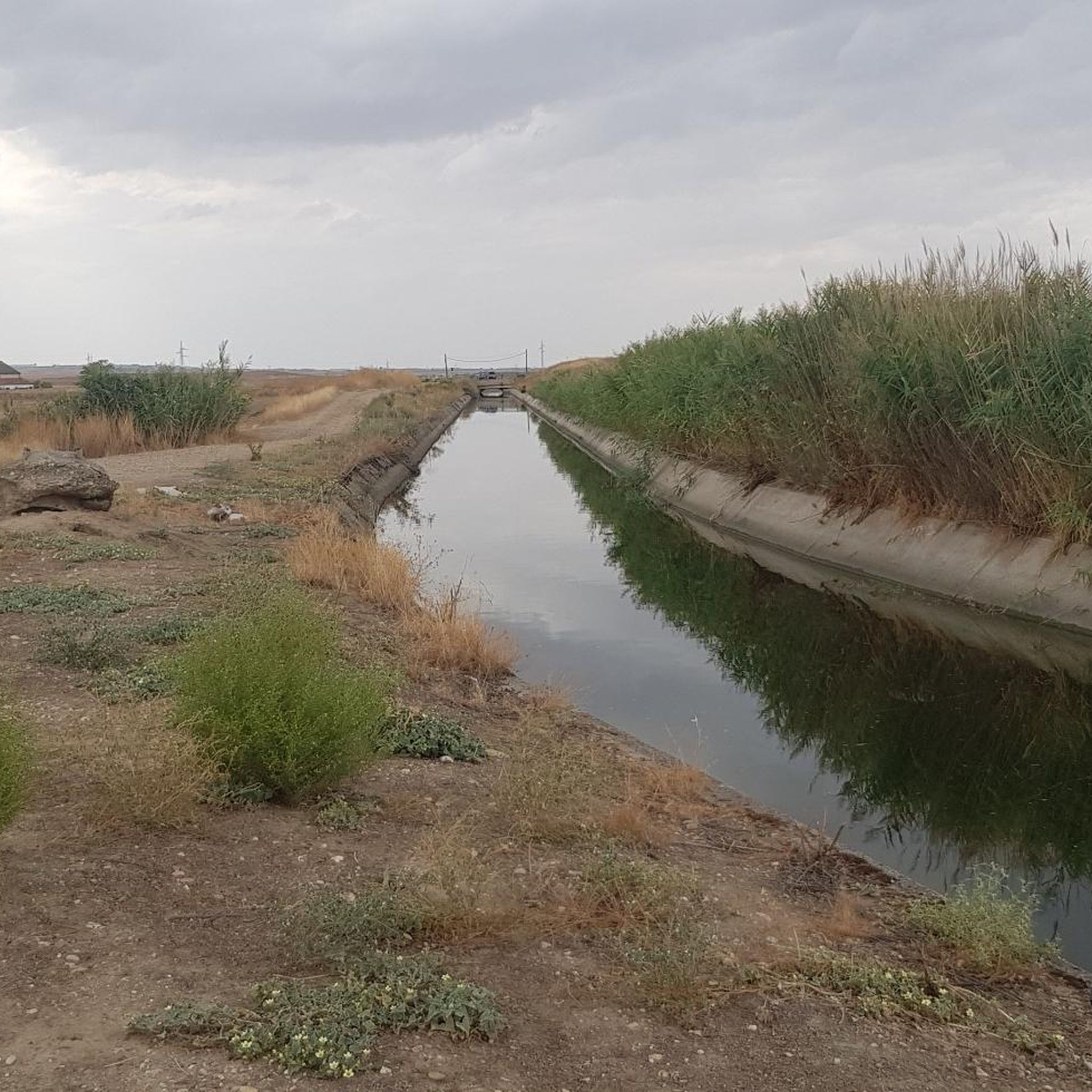
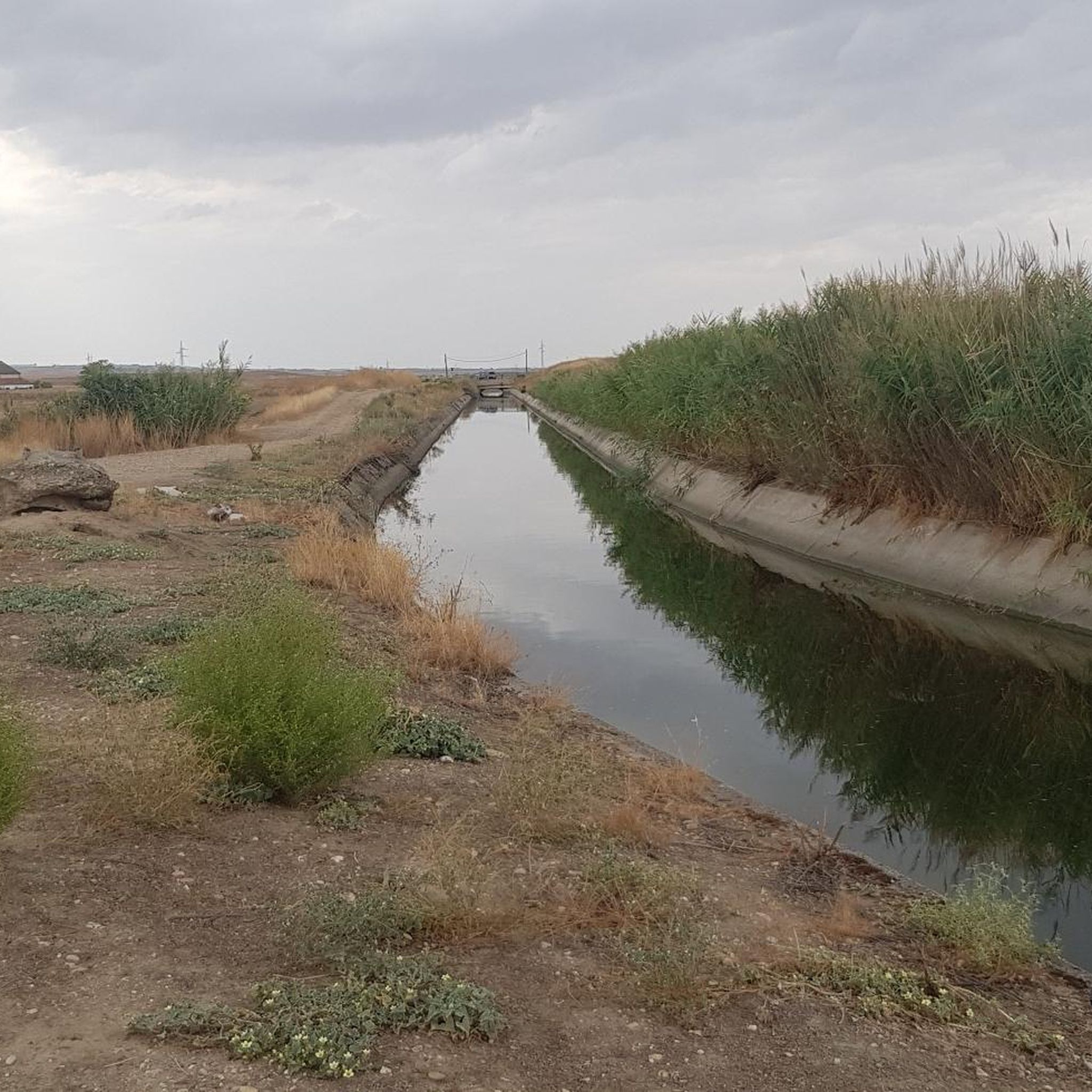
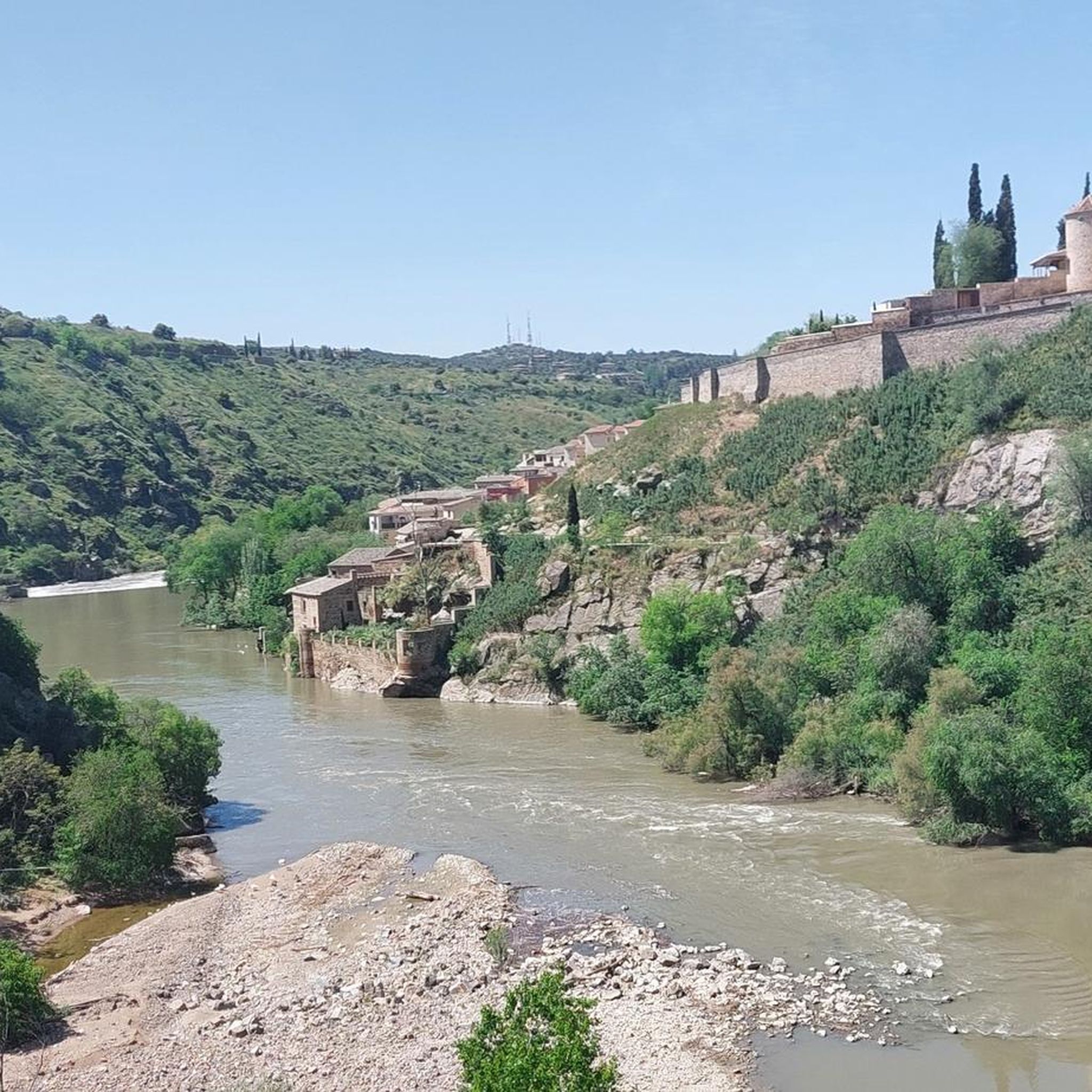
This entertaining section of the Tagus Nature Trail takes place on comfortable dirt tracks that meander between the river bed and the railway tracks.
1
0

Cabañas de la Sagra is one of the oldest towns in the region. The Mudejar church of Nuestra Señora de la Asunción dates from the 15th-16th centuries. You can also enjoy nature in the places of Fuente de la Mora and Los Pinos and visit the excavation of the ancient Roman villa.
1
1

Something curious about Mocejón is that it was not always located in this exact place. At first it was located on a hill next to the Tagus, but there, because there were more mosquitoes, they had many problems with malarial diseases, so it was decided to move the town to its current location.
4
1
This quiet town that manages to escape the orbits of Toledo and Madrid was created from a colony of plasterers that settled here in the 14th century. It can be a good place to rest in the shade or have a drink in the middle of the route.
3
2
Frequently Asked Questions
What natural features can I explore around Villaseca de la Sagra?
The region offers several natural points of interest. You can enjoy the Camino Natural del Tajo (GR 113), which runs along comfortable dirt tracks beside the Tagus River. The Rivera del Tajo Natural Park provides a recently constructed picnic area. For peaceful walks through grain fields, explore the natural surroundings of Fuente de la Mora and Los Pinos. Additionally, Mount Magán offers incredible views of the northern Toledo area after a somewhat steep ascent.
Are there any historical landmarks or cultural sites to visit in Villaseca de la Sagra?
Yes, Villaseca de la Sagra is rich in history. You can visit the 16th-century Plateresque-style Palace of the Marquises of Montemayor, a significant architectural site. The 17th-century Hospital de San Bernardo, now a cultural center and library, is another notable Baroque complex. The magnificent Herrerian Baroque Church of Santa Leocadia, dating from the second half of the 17th century, is also worth seeing. Don't miss the historic Plaza Mayor of Alameda de la Sagra, the heart of the town.
What kind of outdoor activities can I do near these attractions?
The area around Villaseca de la Sagra is excellent for various outdoor activities. You can find numerous routes for running, road cycling, and mountain biking. For running, explore trails like 'Tierra del Soldado loop from Olías del Rey' or 'Running loop from Pantoja' in the Running Trails around Villaseca De La Sagra guide. Cyclists can enjoy routes such as 'La Sagra Circular via Villaseca, Ced' or 'La Sagra Loop' from the Road Cycling Routes around Villaseca De La Sagra guide. Mountain bikers have options like 'Monte de Magán and Camino Natural del Tajo Loop' in the MTB Trails around Villaseca De La Sagra guide.
Are there any family-friendly attractions around Villaseca de la Sagra?
Yes, there are several family-friendly options. The Plaza Mayor of Alameda de la Sagra is a social and cultural hub, perfect for a stroll and enjoying the local atmosphere. The Camino Natural del Tajo (GR 113) offers comfortable dirt tracks suitable for family walks or cycling. The Rivera del Tajo Natural Park also provides a pleasant picnic area by the river.
Where can I find religious sites in the area?
Villaseca de la Sagra and its surroundings feature several significant religious buildings. These include the Herrerian Baroque Church of Santa Leocadia, the Ermita de Nuestra Señora de las Angustias (a 15th-century Baroque hermitage), and the small Capilla de Nuestra Señora de los Peligros. In nearby Mocejón, you can visit the Parish Church of Saint Stephen the Protomartyr, known for its historical relocation. Cabañas de la Sagra also hosts the Church of Nuestra Señora de la Asunción, built between the 16th and 17th centuries with a Mudéjar coffered ceiling.
What is the best time of year to visit Villaseca de la Sagra for outdoor activities?
The best times to visit for outdoor activities are typically spring (April-May) and autumn (September-October). During these seasons, the weather is generally mild and pleasant, ideal for hiking, cycling, and exploring. Summers can be very hot, making strenuous outdoor activities less comfortable, while winters are cooler but generally dry.
Are there any ancient Roman remains in the vicinity?
Yes, evidence of the area's Roman past can be found. Near Cabañas de la Sagra, there are archaeological remains of a Roman Villa dating from the 3rd century AD, offering a glimpse into the region's ancient history.
Can I go birdwatching or fishing along the Tagus River?
The Tagus River and its riparian ecosystem provide opportunities for birdwatching. The Rivera del Tajo Natural Park, located on the right bank of the river, is a good spot to observe local wildlife. Fishing is also possible in the Tagus River, though local regulations and permits should be checked.
What is the Osborne Bull and where can I see it?
The Osborne Bull is a large, silhouetted billboard of a bull, a Spanish cultural icon. You can spot one near Cabañas de la Sagra, visible from the road. It's a popular spot for photos and represents a unique piece of Spanish heritage.
Are there any unique historical facts about the local towns?
Mocejón has a curious history; it was originally located on a hill next to the Tagus River but was moved to its current location due to malaria problems. Alameda de la Sagra was founded as a colony of plasterers in the 14th century. These details highlight the rich and sometimes surprising past of the region's settlements.
What kind of landscape characterizes the Villaseca de la Sagra region?
The region is predominantly flat, characterized by an agricultural landscape, particularly vast fields of cereals and legumes. This area is often referred to as the 'granary of La Sagra.' There are also some low-lying hills, such as Mount Magán, which provide panoramic views of the surrounding flatlands.
Where can I find local gathering spots or cultural centers?
The Plaza Mayor of Alameda de la Sagra is a traditional meeting point with bars, restaurants, and shops. In Villaseca de la Sagra itself, the Hospital de San Bernardo now serves as the municipal cultural center and library, offering a hub for local activities and learning.
Most popular routes around Villaseca De La Sagra

Get inspired with the komoot mobile app


Explore more
Still not found the Highlight you’re looking for? See guides of the top attractions in other regions:
