The best gravel rides around Villaseca De La Sagra
4.0
(3)
23
riders
3
rides
Gravel bike trails around Villaseca De La Sagra are characterized by the region's largely flat or gently rolling terrain, offering extensive plains, agricultural fields, olive groves, and vineyards. The area provides numerous unpaved roads and dirt tracks suitable for gravel biking. Proximity to the Tagus River allows for routes along the "Camino Natural del Tajo," featuring comfortable dirt tracks that follow the riverbed. This topography makes the area ideal for long-distance gravel cycling.
Best gravel bike trails around Villaseca De…
Last updated: October 16, 2026
4
riders
34.5km
02:45
320m
320m
Moderate gravel ride. Good fitness required. Mostly paved surfaces. Suitable for all skill levels.
3
riders
31.4km
02:13
310m
310m
Moderate gravel ride. Good fitness required. Mostly paved surfaces. Suitable for all skill levels.

5.0
(1)
6
riders
40.7km
02:46
430m
430m
Moderate gravel ride. Good fitness required. Mostly paved surfaces. Suitable for all skill levels.
2
riders
Moderate gravel ride. Good fitness required. Mostly paved surfaces. Suitable for all skill levels.
4.0
(1)
1
riders
30.8km
02:18
190m
190m
Moderate gravel ride. Good fitness required. Mostly paved surfaces. Suitable for all skill levels.
Our route recommendations are based on thousands of hikes, rides, and runs completed by other people on komoot.
Start today with a free account
Your next adventure awaits.


Tips from the Community

hydration point
0
0

Toledo is a historic city in central Spain, the capital of the autonomous community of Castile-La Mancha. Located about 70 kilometers south of Madrid, it stands on a rocky promontory surrounded by the Tagus River and is entirely declared a UNESCO World Heritage Site. It is universally known as the "City of Three Cultures" for the centuries-long and peaceful coexistence of Christians, Muslims, and Jews.
0
0

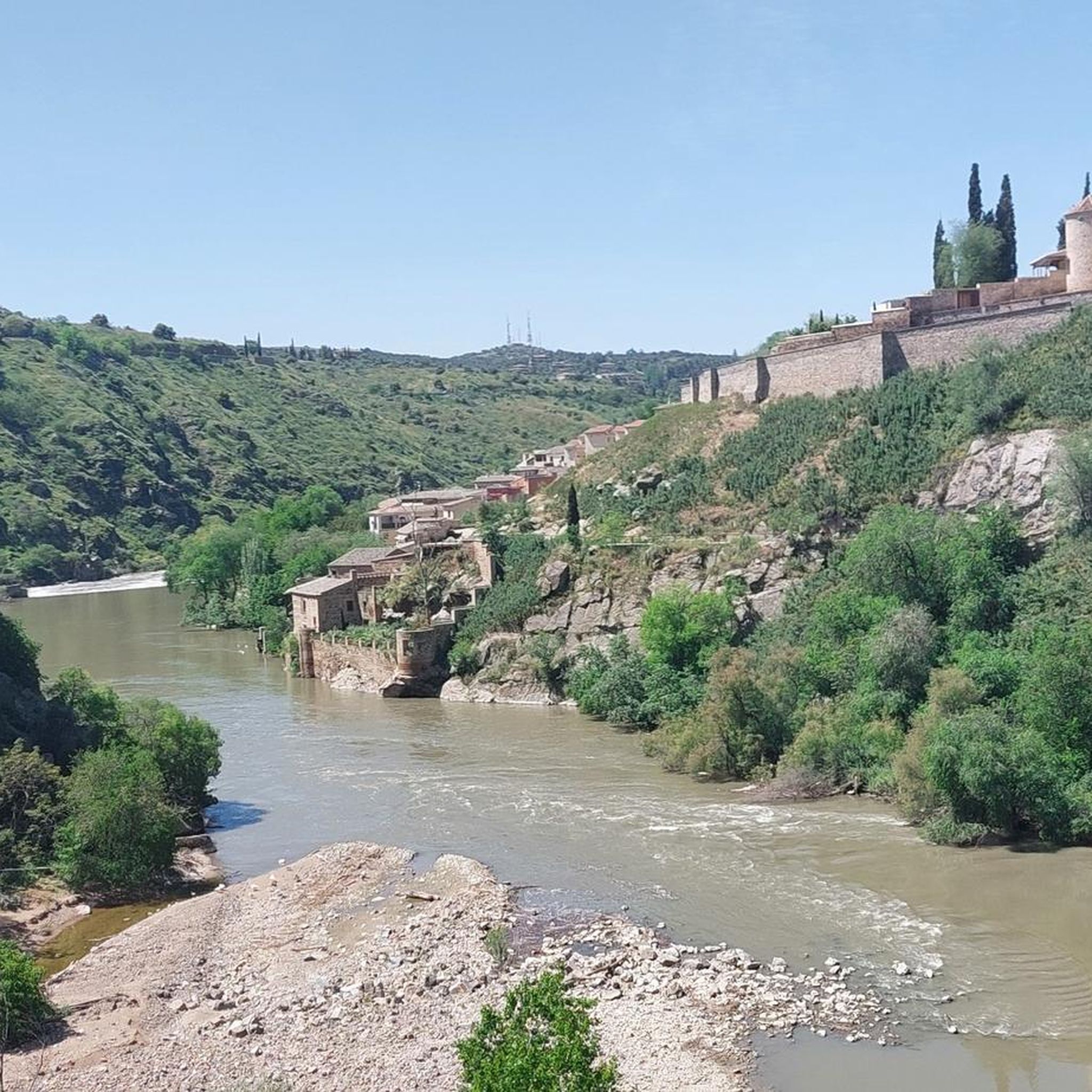
The view of Toledo from the Mirador del Valle road is considered one of the most iconic panoramas in Spain and, for many, the best way to admire the city. From this vantage point, you can appreciate the historic center surrounded by the Tagus River, which forms a meander that embraces the city. The Alcázar of Toledo dominates the upper part of the city. The Primate Cathedral, with its prominent Gothic tower, is also visible. Historic bridges such as the Alcántara Bridge and the San Martín Bridge are also prominent.
7
0
The Plaza Mayor of Alameda de la Sagra is the social and cultural heart of the town, a space that blends tradition and everyday life. Located in the historic center of the town, it is surrounded by charming streets and traditional buildings. It is a meeting point for locals and visitors alike, with bars, restaurants, and shops offering typical cuisine.
15
0
The view of Toledo from the Mirador del Valle road is considered one of the most iconic panoramas in Spain and, for many, the best way to admire the city. From this vantage point, you can appreciate the historic center surrounded by the Tagus River, which forms a meander that embraces the city. The Alcázar of Toledo dominates the upper part of the city. The Primate Cathedral, with its prominent Gothic tower, is also visible. Historic bridges such as the Alcántara Bridge and the San Martín Bridge are also prominent.
7
0
The Safont Waterwheel is a unique landmark in Toledo, located in Safont Park, next to the Tagus Nature Trail, very close to the Azarquiel Bridge and the bus station. It's an ideal spot for strolling along the riverbank and discovering a corner steeped in history and interesting facts.
4
0
The Camino de la Pozuela is a nature trail located on the outskirts of Toledo, ideal for hiking, mountain biking, and running. Natural landscape with olive trees, holm oaks, and remains of the Roman aqueduct. Panoramic views of the city of Toledo and the Sierra de Nambroca mountains at some points.
3
0
The most iconic view of Toledo from the road in the Cabeza area is from the Mirador del Valle, located in Ronda del Valle, very close to the Hermitage of the Virgen de la Cabeza. This spot is famous for its classic panoramic view, seen on postcards and paintings, with the Alcázar, the Primate Cathedral, and the Tagus River framing the city.
3
1
Frequently Asked Questions
What kind of terrain can I expect on gravel bike trails around Villaseca De La Sagra?
The region is characterized by largely flat or gently rolling terrain, featuring extensive plains, agricultural fields, olive groves, and vineyards. You'll primarily encounter unpaved roads and comfortable dirt tracks, especially along the Tagus River, making it ideal for gravel biking.
Are there any long-distance gravel routes available?
Yes, for those seeking longer rides, consider the 71.5 km (44.4 miles) Royal Palace of Aranjuez – El Cerrillo Gravel Pit loop from Pantoja. This route is rated difficult and offers a substantial challenge through the regional landscape.
What are some popular moderate gravel bike trails in the area?
Several moderate routes are popular, including the 34.6 km (21.5 miles) Geodetic Point – Bargas loop from Olías del Rey, which navigates through characteristic agricultural plains. Another option is the 31.6 km (19.6 miles) Entrance to Magán loop from Olías del Rey, offering views of the surrounding fields.
Are there any loop trails suitable for gravel biking?
Yes, many routes are designed as loops. For example, the 38.9 km (24.2 miles) Iglesia de Pantoja – Church of Alameda de la Sagra loop from Alameda de la Sagra takes you through agricultural fields and rural tracks. Another option is the 48.9 km (30.4 miles) Palacio de Galiana – View of the Palacio de Galiana loop from Olías del Rey.
What natural features can I explore while gravel biking near Villaseca De La Sagra?
The proximity to the Tagus River is a key feature. You can explore sections of the Camino Natural del Tajo (GR 113), which offers comfortable dirt tracks meandering along the riverbed. The wider area also features extensive plains and agricultural landscapes.
Are there any historical or cultural landmarks along the gravel routes?
Yes, you can incorporate historical sites into your rides. Nearby attractions include the Plaza Mayor of Alameda de la Sagra, the Parish Church of Saint Stephen the Protomartyr of Mocejón, and the Church of Nuestra Señora de la Asunción in Cabañas de la Sagra. These can add cultural depth to your cycling tours.
What is the best time of year for gravel biking in Villaseca De La Sagra?
The region experiences a temperate Mediterranean climate. Spring and autumn generally offer the most pleasant conditions for cycling, with milder temperatures. Summers can be hot, and winters are typically mild but can have cooler days.
What do other gravel bikers say about the routes in Villaseca De La Sagra?
The area is well-regarded by the komoot community, with an average rating of 4.0 stars. Riders often appreciate the extensive network of unpaved roads and dirt tracks that allow for long, uninterrupted rides through the characteristic agricultural plains and along the Tagus River.
Is there public transport access to Villaseca De La Sagra for cyclists?
Villaseca de la Sagra is accessible by regional bus services from Toledo and other nearby towns. For specific schedules and routes, it's advisable to check local public transport websites, as services can vary.
Where can I find parking if I bring my bike by car?
While specific parking areas for cyclists are not detailed for every route start, towns like Olías del Rey, Alameda de la Sagra, and Pantoja, which serve as starting points for many routes, typically offer public parking options within or near their urban centers.
Are there any viewpoints or scenic spots along the gravel trails?
Yes, routes often traverse open landscapes, providing expansive views of the agricultural plains and fields. The Mount Magán highlight offers a potential elevated perspective, and sections along the Tagus River provide picturesque riverside scenery.
Most popular routes around Villaseca De La Sagra
Most popular attractions around Villaseca De La Sagra

Get inspired with the komoot mobile app


Explore more
Browse the best Gravel rides in other regions.
