The best walks and hikes around Cabezabellosa
4.5
(40)
367
hikers
29
hikes
Hiking around Cabezabellosa offers exploration of a mountainous landscape nestled between the Jerte and Ambroz Valleys in northern Cáceres, Extremadura. The region is characterized by granite mountains, ancient dehesas, and a mix of native vegetation including oak and chestnut trees. Situated at approximately 850 meters, the area provides panoramic views of the surrounding valleys and distant mountain ranges. Water features, such as those near the Jerte-Plasencia Swamp, also contribute to the diverse terrain.
Best hiking trails around Cabezabellosa
- The most…
Last updated: July 8, 2026
1
hikers
12.9km
03:51
400m
400m
Moderate hike. Good fitness required. Mostly accessible paths. Sure-footedness required.
1
hikers
20.3km
05:09
50m
50m
This difficult 12.6-mile hike around the Jerte-Plasencia Swamp offers water features and scenic views, taking about 5 hours.

Sign up for free
4.8
(4)
41
hikers
4.30km
01:27
220m
220m
Easy hike. Great for any fitness level. Easily-accessible paths. Suitable for all skill levels.
5.0
(1)
17
hikers
Moderate hike. Good fitness required. Easily-accessible paths. Suitable for all skill levels.
4.3
(3)
13
hikers
Easy hike. Great for any fitness level. Easily-accessible paths. Suitable for all skill levels.
Get access to more routes and recommendations from other explorers.
Sign up for free
Already have an account?
Our route recommendations are based on thousands of hikes, rides, and runs completed by other people on komoot.
Start today with a free account
Your next adventure awaits.
Login or Signup
Tips from the Community

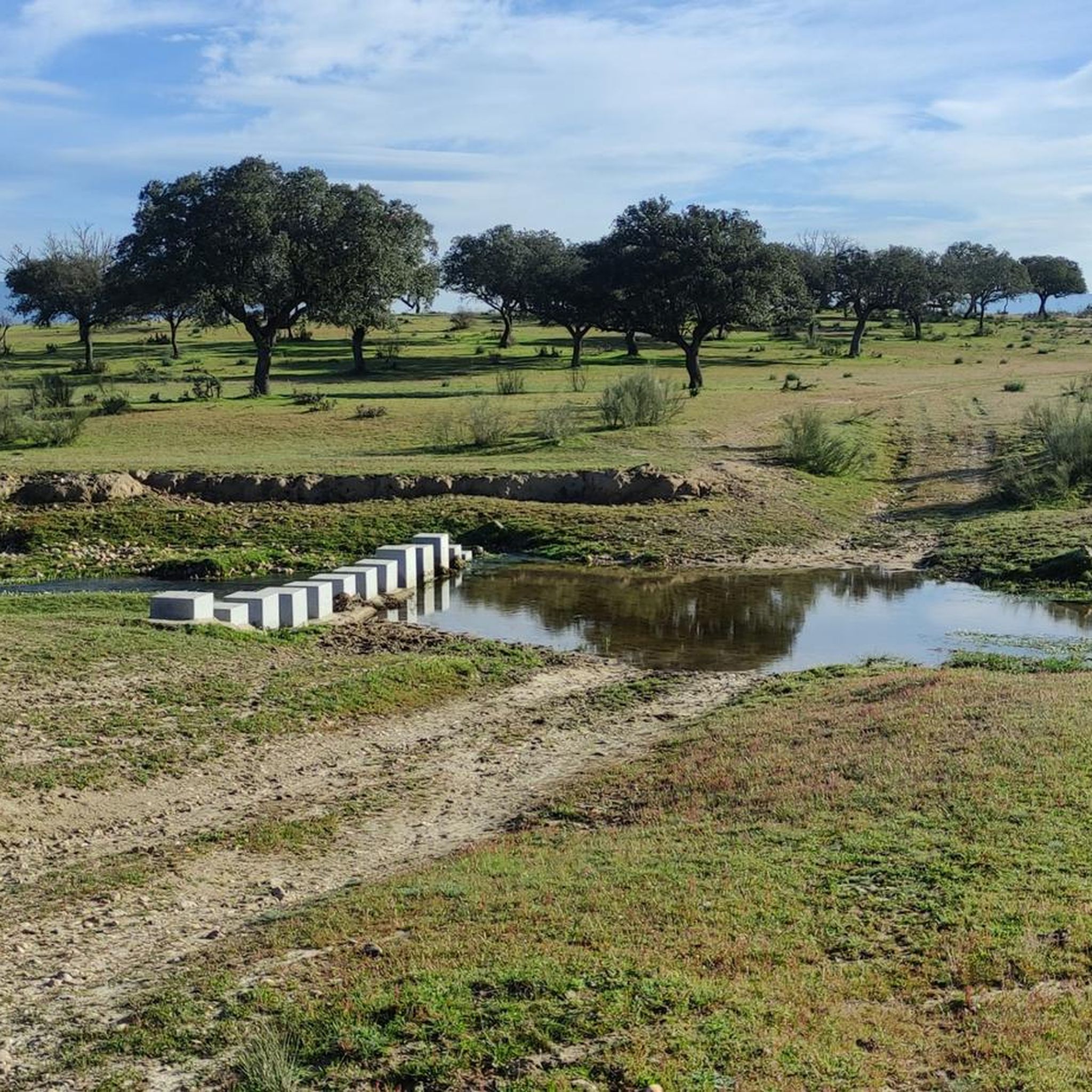
Beautiful landscapes of fields of trees that in spring times are in full bloom in a beautiful atmosphere to walk through!
0
0
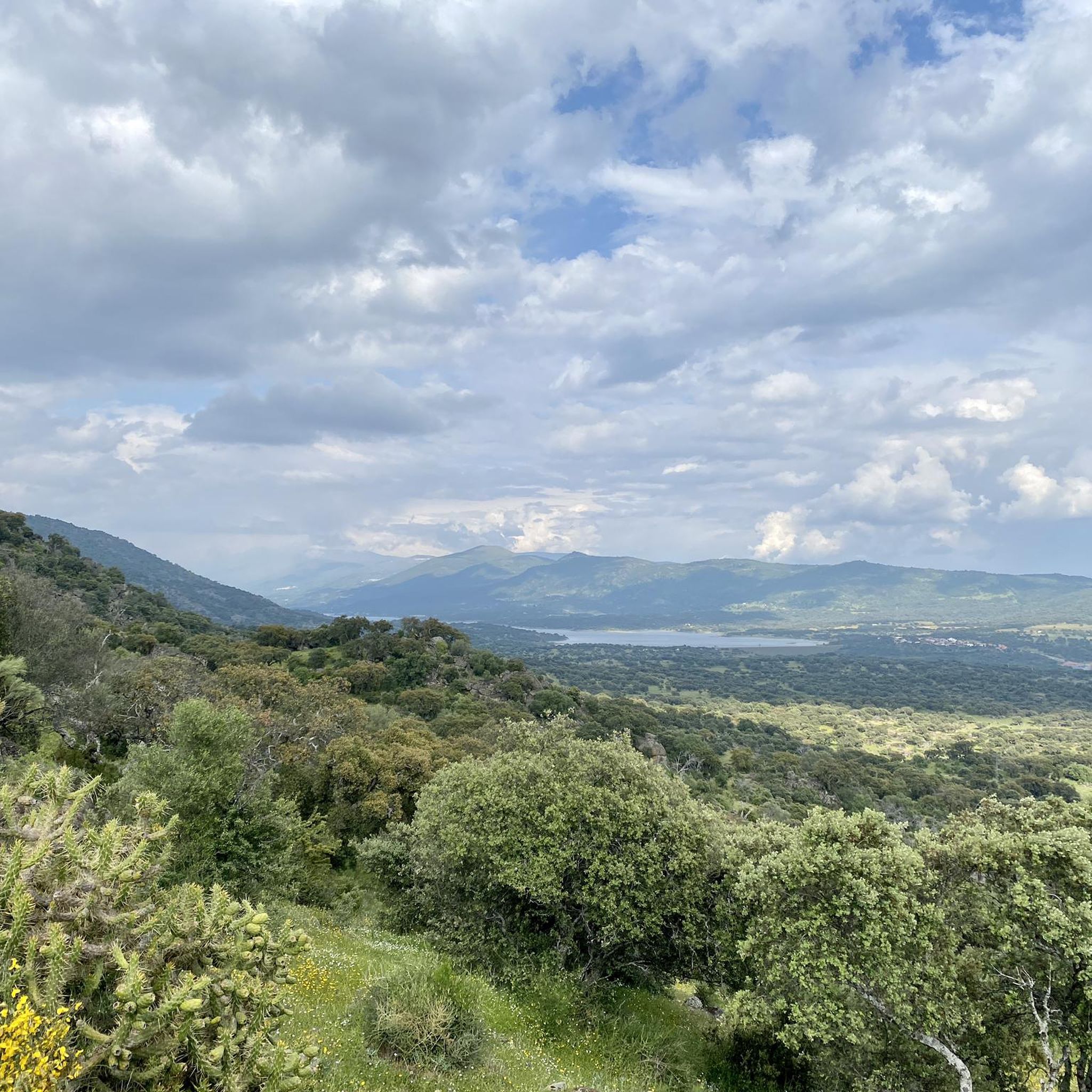
From here, you can see the Jerte reservoir nestled between the Gordo and Camocho mountains. The views are immense.
2
0

Easy path to follow for as long as you like
1
0

The municipality of Casas del Castañar belongs to the Valle del Jerte region, which is famous for its extensive cherry tree crops. If you do the Ruta de los Castaños you will be able to enjoy the view of these beautiful trees, which are especially beautiful in spring, when they are in bloom. However, they are worth admiring at any time. You can find them, normally, distributed in terraces.
2
0
At this point there is a group of century-old chestnut and oak trees, some of which are more than 700 years old and ten meters in diameter. There are four chestnut trees declared Singular Trees in the municipality of Casas del Castañar. In autumn you can enjoy a true visual spectacle thanks to the reddish tones of the leaves and the mist, which adds a mystical touch to the scene.
2
0

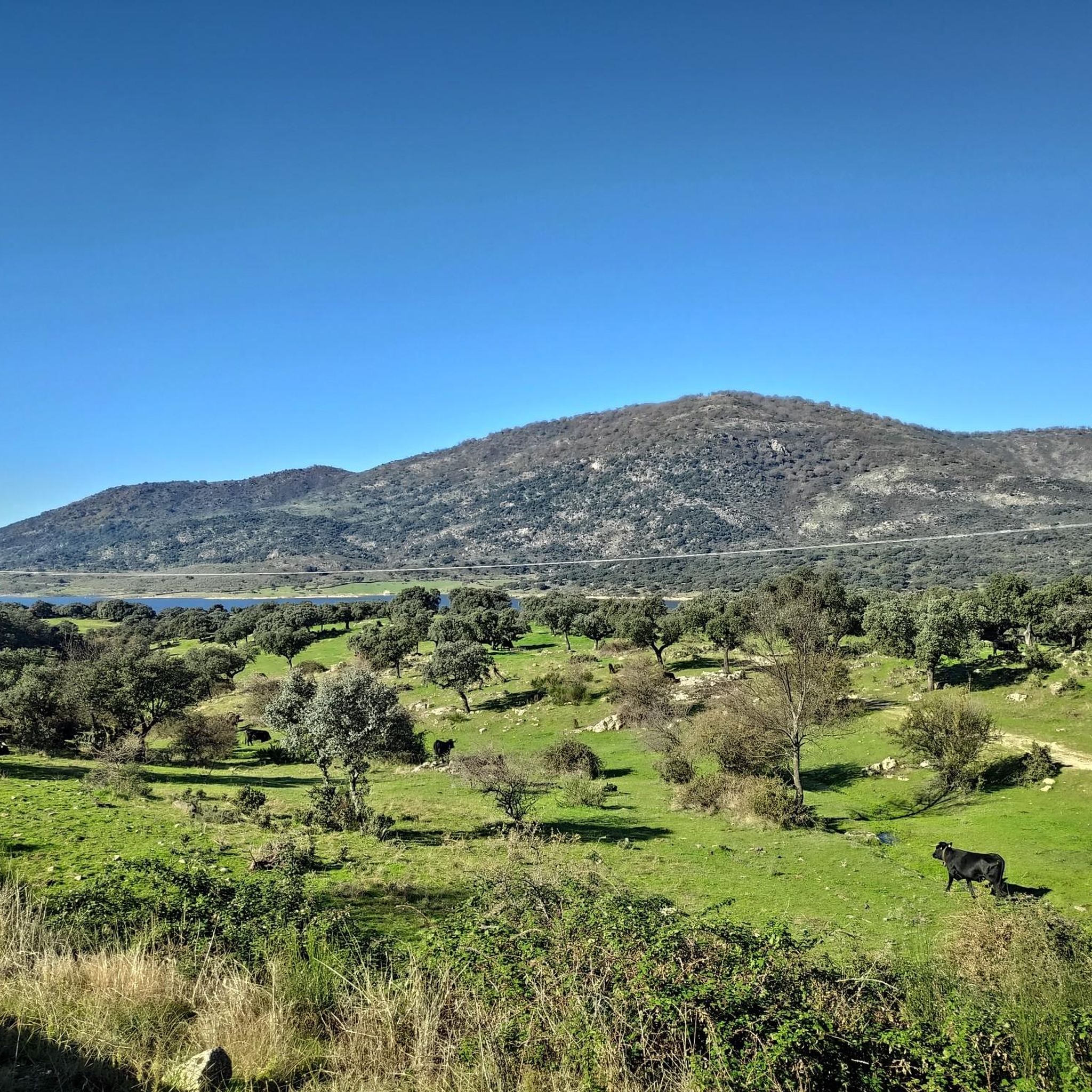
Spectacular views of the Plasencia Reservoir and the valley of the Jerte River below. The path passes next to the river dam.
1
0

A good place to stop and enjoy the view. The Plasencia Reservoir was built in the 80s on the Jerte River.
1
0

On the inner bank of the Jerte River, this panoramic path has been built that allows you to cross it from the dam of the reservoir almost in its entirety after passing through the city of Plasencia. A very crowded itinerary and without any difficulty.
1
1
Frequently Asked Questions
How many hiking trails are available around Cabezabellosa?
There are over 30 hiking routes in the Cabezabellosa area, catering to various preferences and fitness levels. The komoot community has explored these trails more than 300 times, highlighting the region's diverse terrain.
Are there easy hiking trails suitable for beginners or families?
Yes, Cabezabellosa offers 15 easy hiking routes perfect for beginners or families. A great option is the Centuries-old chestnut trees – Cherry fields loop from Casas del Castañar, a 2.8-mile (4.5 km) trail that takes you through ancient oak groves and cherry orchards.
Can I find circular hiking routes around Cabezabellosa?
Absolutely. Many routes in the area are circular. For example, the Cascada del Caozo – circular from Valdastillas (PR-CC 32) is a popular 5.1-mile (8.2 km) moderate trail that includes water features. Another option is the Plasencia Reservoir – Embalse de Plasencia loop from Ibarruri - La Esperanza, a moderate 8.7-mile (14 km) route.
Are there any hikes that feature waterfalls or water elements?
Yes, the region is rich in water features. The Cascada del Caozo – circular from Valdastillas (PR-CC 32) leads to the beautiful Caozo Waterfall. Additionally, the nearby Garganta de los Infiernos Natural Reserve is famous for its spectacular natural pools, known as Los Pilones, and waterfalls like Manto de la Virgen.
Which trails offer the best panoramic views of the region?
Cabezabellosa is renowned for its panoramic views. The Castle Viewpoint of Cabezabellosa from Jarilla route offers significant elevation gain and stunning vistas. The village itself is home to the Mirador de Cabezabellosa, a viewpoint with a steel and glass walkway at 870 meters, providing breathtaking views of the Jerte and Ambroz Valleys, Sierra de Gata, and even Portugal on clear days.
Are there any unique natural landmarks to explore on a hike?
Definitely. A traditional route from the village leads to the 'Roble del Acarradero' (also known as 'Roble de Romanejo'), a Pyrenean oak estimated to be over 500 years old and recognized as a singular tree of Extremadura. You can also find other Centuries-old chestnut trees on various trails.
What kind of terrain can I expect on hikes around Cabezabellosa?
The terrain around Cabezabellosa is diverse, characterized by granite mountains, ancient dehesas (wooded pastures), and a mix of native vegetation including rockroses, thyme, ferns, brambles, and chestnut trees. Trails can range from gentle paths through cherry orchards to more challenging routes with significant elevation changes.
What do other hikers enjoy most about hiking in Cabezabellosa?
The area is highly rated by the komoot community, with an average score of 4.5 stars from over 30 reviews. Reviewers often praise the stunning panoramic views, the peaceful ancient forests, and the variety of trails suitable for different abilities.
Are there any historical sites or attractions near the hiking trails?
Yes, you can combine hiking with exploring historical sites. The Plasencia Cathedral and Plaza Mayor de Plasencia are notable attractions nearby. Additionally, the Ermita de Nuestra Señora del Castillo (Hermitage of Our Lady of the Castle) on the 'Cancho del Buho' offers historical significance alongside incredible sunset views.
Is it possible to reach hiking trailheads using public transport, or is parking available?
While specific public transport links directly to all trailheads might be limited, Cabezabellosa is a village with amenities. Parking is generally available within or near the village, serving as a common starting point for many routes. It's advisable to check local transport options if you plan to rely on public services.
What is the best time of year to go hiking in Cabezabellosa?
Cabezabellosa offers great hiking opportunities throughout much of the year. Spring (for cherry blossoms and mild weather) and autumn (for vibrant foliage and comfortable temperatures) are particularly popular. Even winter can be pleasant, though some higher elevation trails might require more preparation. Summers can be hot, so early morning or late afternoon hikes are recommended.
Are there any long-distance or challenging hikes in the area?
Yes, for experienced hikers seeking a challenge, there are difficult trails available. For instance, the Plasencia Upstream Riverwalk is a demanding 12.6-mile (20.3 km) route. The region's mountainous terrain ensures options for significant elevation changes and longer durations.
Most popular attractions around Cabezabellosa

Get inspired with the komoot mobile app


Explore more
Browse the best Hikes in other regions.
