Attractions and Places To See around Cogollos De La Vega - Top 20
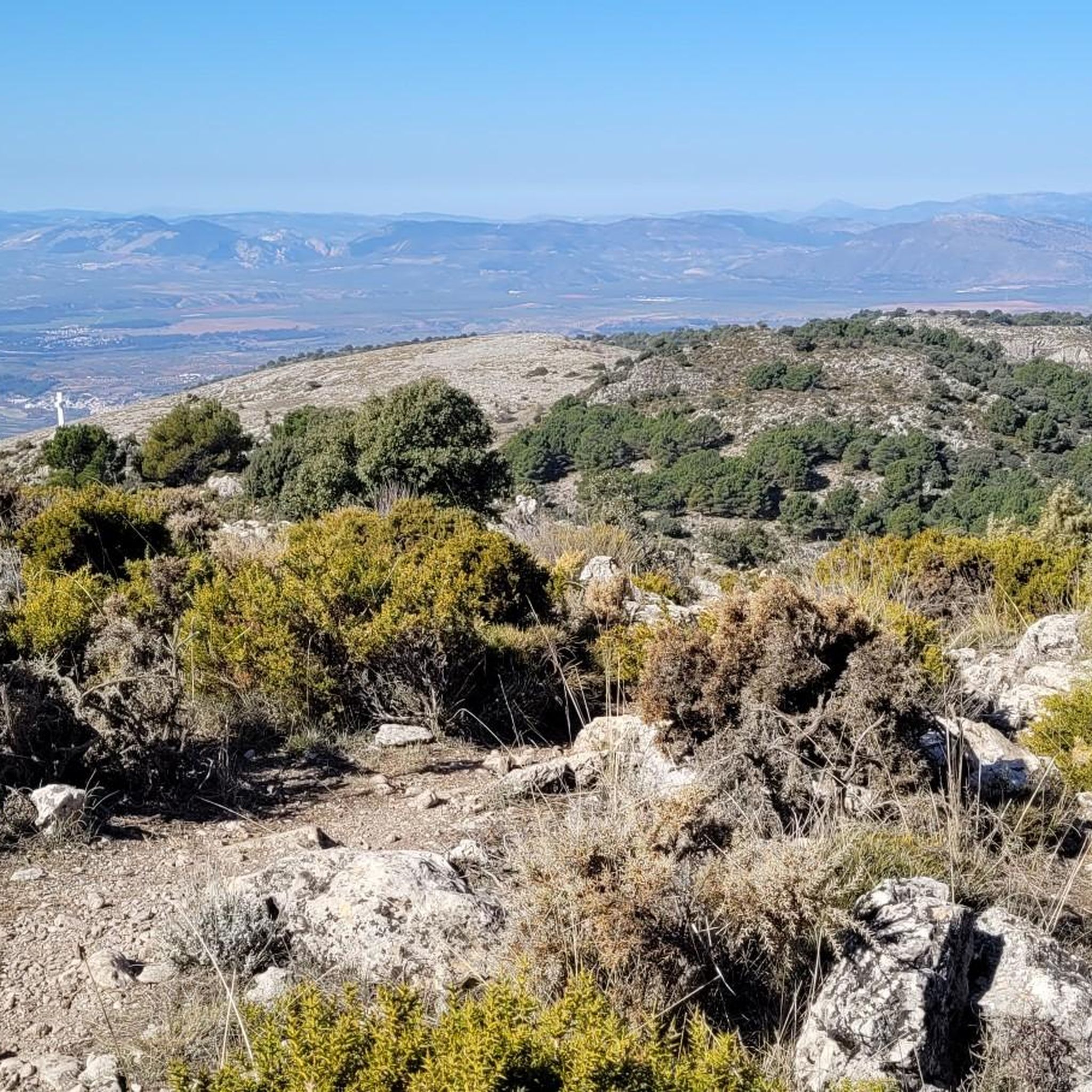
Best attractions and places to see around Cogollos De La Vega, located near Granada, offer a mix of historical sites, natural beauty, and cultural points of interest. The area is characterized by its connection to the Natural Park Sierra de Huétor and Sierra Arana, providing diverse landscapes. Historical landmarks such as 16th-century churches and ancient Arabic baths reflect the region's rich past. Visitors can explore a variety of sites that showcase both human history and natural environments.
Best attractions and…
Last updated: July 6, 2026
San Nicolás Viewpoint
Highlight • Viewpoint
Translated by Google •
Tip by

Albaicín neighborhood
Highlight • Settlement
Translated by Google •
Tip by

Sign up now to discover places like this
Get recommendations on the best single tracks, peaks, & plenty of other exciting outdoor places.
Sign up for free
Cubillas Reservoir
Highlight • Lake
Translated by Google •
Tip by

Sacromonte Abbey
Highlight • Religious Site
Translated by Google •
Tip by

Elvira Gate
Highlight • Historical Site
Translated by Google •
Tip by
Sign up for free to discover even more attractions around Cogollos De La Vega.
Sign up for free
Already have an account?
Start today with a free account
Your next adventure awaits.
Login or Signup

Tips from the Community

Nasrid origin (11th century): it served the old Azitini Mosque and was supplied by the Aynadamar irrigation ditch, a sophisticated Andalusian hydraulic system. Christian reconstruction (17th century): on top of the original Muslim cistern, next to the current Church of San Nicolás. The current structure dates from 1646 according to Henríquez de Jorquera.
9
0

The Albaicín is Granada's oldest quarter and a UNESCO World Heritage Site. With its narrow cobbled streets, whitewashed houses, and charming squares, the district still exudes the Moorish atmosphere of yesteryear. From its many miradores, such as the famous Mirador de San Nicolás, you have stunning views of the Alhambra and the Sierra Nevada. Wandering through the Albaicín is a journey back in time and one of the most beautiful experiences in Granada.
2
1

The Puerta de Elvira, also known as the Arco de Elvira, is a historic city gate in Granada. This gate was the main entrance to the city during Islamic rule, giving access from the road to Madīnat Ilbira (Medina Elvira) to the Cuesta de Alhacaba and Calle de Elvira. The gate was originally built in the 11th century by the Zirí sultans and later fortified in the 14th century during the Nasrid period. It is a fine example of Islamic architecture, with a horseshoe-shaped arch and flanking towers.
8
1

The Cubillas Reservoir extends across the municipalities of Albolote and Atarfe. It was built in 1956 and is primarily used for water supply and agricultural irrigation. The reservoir has an area of 194 hectares and a maximum depth of approximately 20 meters. The reservoir's main tributary is the Cubillas River. The reservoir's surroundings are characterized by pine forests, oak trees, and Mediterranean vegetation, and the lake is an important habitat for many fish species. The Cubillas Reservoir also serves as a resting place for various bird species, including the Great Cormorant and the Dunnock. The reservoir offers numerous recreational opportunities, including sailing, windsurfing, canoeing, jet skiing, and water skiing. There is a large picnic area on the shore and a restaurant overlooking the lake.
2
1


Most of the buildings are a testament to the time of the Moorish settlement. Some of the remains of the walls, however, date back to the Roman and Iberian eras. From Albaicín you can see the Alhambra. The view is an unforgettable spectacle, especially at sunset. The Alhambra is a 740-meter-long castle complex and a world-famous example of Islamic art. For this reason alone, this part of Granada is one of the most famous tourist attractions.
7
0
The Puerta de Elvira was built in the eleventh century. Commissioned by the Zirids, it quickly became one of the most important border fortifications in the Albaicín district of Granada. Later, the importance of the fortification was further emphasized when the Moorish ruler Yusuf I had the structure expanded into a fortress-like city gate. Today, the Puerta de Elvira is one of the best-preserved parts of the city walls.
4
0
Frequently Asked Questions
What historical sites can I explore in Cogollos De La Vega?
Cogollos De La Vega is rich in history. You can visit the 16th-century Iglesia Parroquial de la Anunciación, which may stand on the site of an ancient mosque. Don't miss the well-preserved 12th to 14th-century Arabic Baths, a declared Site of Cultural Interest. The Arabic Watchtower ("El Torreón" / La Atalaya) offers insights into Moorish defense and stunning panoramic views.
Are there any natural parks or significant natural features near Cogollos De La Vega?
Yes, a significant portion of Cogollos De La Vega is part of the Natural Park Sierra de Huétor, known for its holm oaks and gall oaks, perfect for nature enjoyment. The Sierra Arana mountain range also provides splendid natural spaces. For a unique experience, explore the Cueva del Agua, a deep cave with historical significance and impressive stalagmites and stalactites.
What are some family-friendly attractions around Cogollos De La Vega?
Families can enjoy several sites. The Sacromonte Caves Museum offers an ethnographic experience in recreated cave houses. The Elvira Gate, a historical monument, is also suitable for family visits. Additionally, the Jardín de la Paz, an olive grove symbolizing peace, provides a tranquil setting.
Where can I find the best viewpoints in the area?
For breathtaking views, head to the Arabic Watchtower ("El Torreón" / La Atalaya), situated at 1,160 meters above sea level, offering magnificent vistas of the Vega of Granada, Sierra Arana, the Cubillas, and Sierra Elvira. Another popular spot, though a bit further, is San Nicolás Viewpoint in Granada, known for its panoramic views of the Alhambra and Sierra Nevada.
What kind of outdoor activities can I do near Cogollos De La Vega?
The region is excellent for outdoor enthusiasts. You can find numerous hiking, mountain biking, and road cycling routes. For hiking, explore trails like the "Cogollos de la Vega Integral Trail" or routes around El Peñón de la Mata. You can find detailed routes and guides for these activities at Hiking around Cogollos De La Vega, MTB Trails around Cogollos De La Vega, and Road Cycling Routes around Cogollos De La Vega.
Are there any significant religious or cultural landmarks to visit?
Absolutely. The Iglesia Parroquial de la Anunciación is a notable 16th-century church with a Baroque interior. Near Granada, the Sacromonte Abbey is a significant 17th-century religious complex, including the Santas Cuevas. The entire region is also part of the historic "Ruta del Califato" (Caliphate Route), highlighting its deep cultural roots.
What is the highest point in the municipality of Cogollos De La Vega?
The highest peak within the municipality is El Peñón de la Mata, reaching 1668 meters. This mountainous area, primarily limestone, is popular for hiking, cycling, and climbing, and also holds archaeological remains and Spanish Civil War trenches.
What is the Albaicín neighborhood and why is it worth visiting?
The Albaicín neighborhood, located in Granada, is a historical settlement with narrow alleys and buildings that are a testament to its Moorish past. It offers an unforgettable spectacle, especially at sunset, with stunning views of the Alhambra. It's a unique and characteristic part of the city.
What is the best time of year for hiking in Cogollos De La Vega?
The Natural Park Sierra de Huétor and Sierra Arana offer great hiking opportunities. While specific seasonal advice isn't provided, generally, spring and autumn are ideal for hiking in Andalusia due to milder temperatures. Summer can be very hot, and winter might bring colder conditions at higher altitudes like El Peñón de la Mata.
Are there any archaeological sites or ancient ruins in the area?
Yes, the Arabic Baths date back to the 12th to 14th centuries and are a significant archaeological find. El Peñón de la Mata has archaeological remains of Neolithic settlements on its slopes. The Cueva del Agua also boasts a rich history with archaeological findings from Neolithic, Eneolithic, Argaric, Roman, and Arab cultures.
What do visitors enjoy most about the attractions around Cogollos De La Vega?
Visitors particularly appreciate the blend of historical depth and natural beauty. The panoramic views from spots like the Arabic Watchtower and San Nicolás Viewpoint are highly praised. The unique atmosphere of historical neighborhoods like Albaicín and the cultural insights offered by sites like Sacromonte Abbey are also very popular.
Can I find any unique cultural initiatives in Cogollos De La Vega?
Yes, Cogollos De La Vega is home to the Jardín de la Paz (Garden of Peace), an olive grove featuring olive trees from 21 Mediterranean countries with monotheistic cultures. This initiative symbolizes peace among peoples and offers a unique cultural and symbolic experience.
Most popular routes around Cogollos De La Vega
Most popular attractions around Cogollos De La Vega

Get inspired with the komoot mobile app


Explore more
Still not found the Highlight you’re looking for? See guides of the top attractions in other regions:
