Attractions and Places To See around La Aldehuela - Top 14
Best attractions and places to see around La Aldehuela, located in the province of Ávila, include a mix of historical sites and natural landscapes. This region is situated between Piedrahíta and El Barco de Ávila, serving as a base for exploring the Valdecorneja area and the foothills of the Sierra de Gredos mountains. Visitors can find diverse terrain, from river valleys to mountain passes, offering various outdoor activities. The area is characterized by its traditional architecture and significant historical landmarks.
Best attractions and places to see around La Aldehuela
- The most popular attractions is Valdecorneja Castle, a castle that dominates the Tormes River valley from an elevated position. It is considered one of the most emblematic monuments in the province of Ávila.
- Another must-see spot is Ponseca Bridge, an old bridge crossing the Corneja River. Emperor Carlos V reportedly passed over this bridge during his journey to the Yuste monastery.
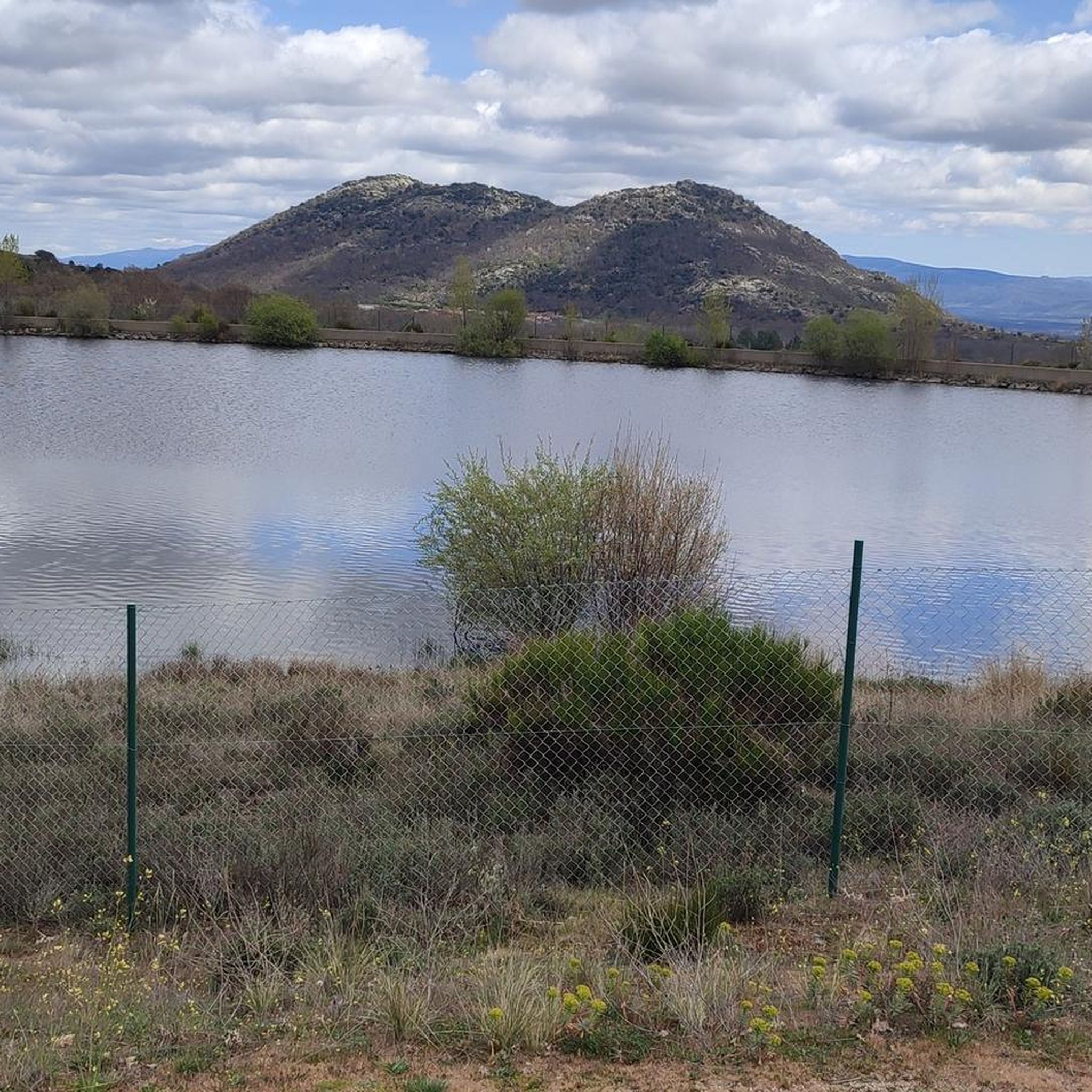
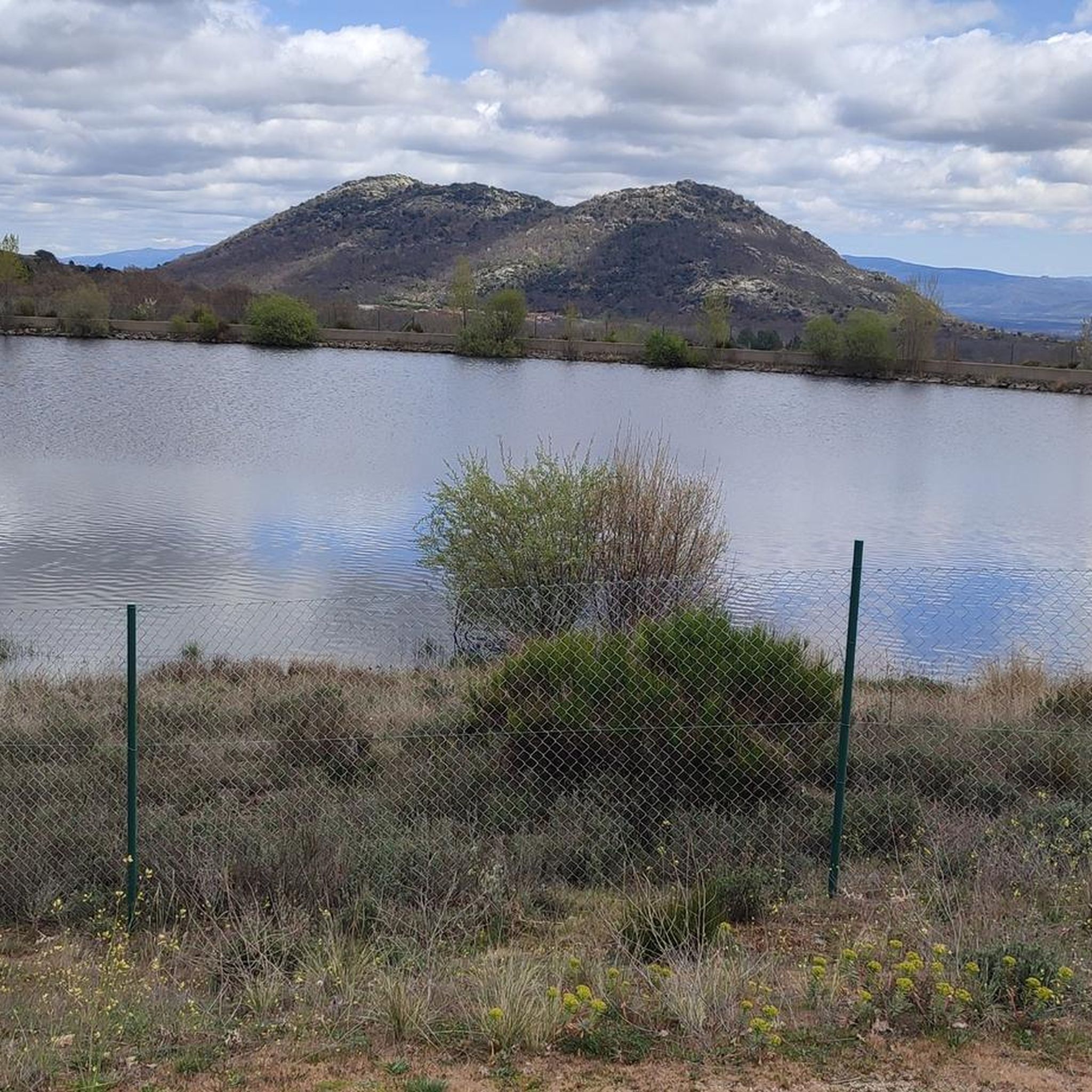
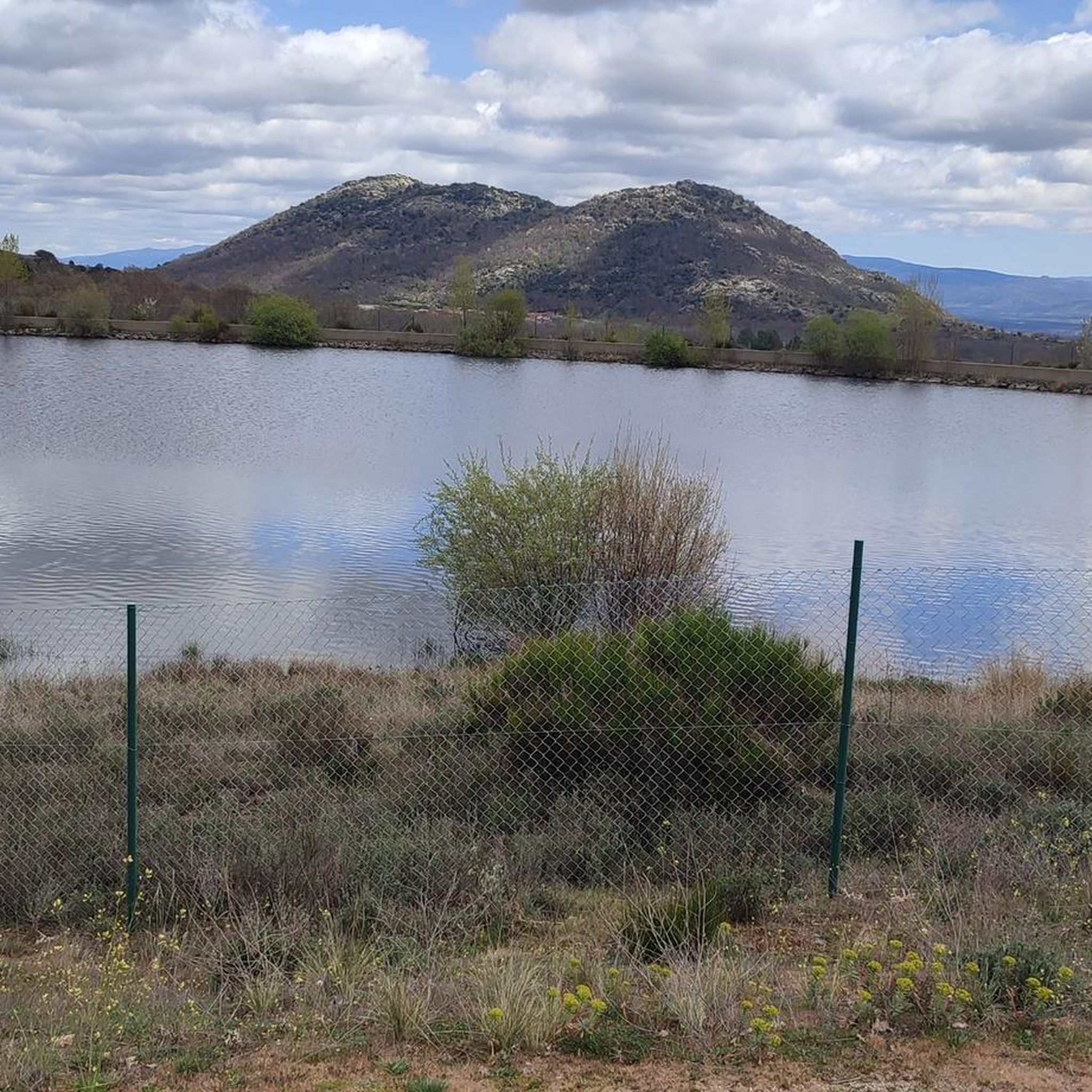
- Visitors also love Peña Negra Pass, a mountain pass offering views. On clear days, it is a popular spot for paragliding take-offs.
- La Aldehuela is known for historical sites, natural viewpoints, and trails. The region offers a variety of attractions to see and explore, from medieval structures to mountain landscapes.
- The attractions around La Aldehuela are appreciated by the komoot community, with 14 upvotes and 9 photos shared by visitors.
Last updated: June 29, 2026
Valdecorneja Castle
Highlight • Castle
Translated by Google •
Tip by

Peña Negra Pass
Highlight • Mountain Pass
Translated by Google •
Tip by

Sign up now to discover places like this
Get recommendations on the best single tracks, peaks, & plenty of other exciting outdoor places.
Sign up for free
Castle of El Barco de Ávila
Highlight • Castle
The main door has a Gothic arch with large voussoirs, to the right is the keep, square, through which you can access the battlements and towers.
Translated by Google •
Tip by
Ponseca Bridge
Highlight • Bridge
It crosses the river Corneja and as a curiosity, Emperor Carlos V passed over this bridge on his retirement journey to the Yuste monastery.
Translated by Google •
Tip by

La Horcajada
Highlight • Settlement
La Horcajada is located about 75 kilometers southwest of the provincial capital, Ávila, about 82 kilometers from Salamanca and 185 kilometers from Madrid. The town is located at 1033 m above sea level. n. m. between the towns of Piedrahíta and Barco de Ávila on the slopes of the Sierra de la Horcajada.
Translated by Google •
Tip by
Sign up for free to discover even more attractions around La Aldehuela.
Sign up for free
Already have an account?
Start today with a free account
Your next adventure awaits.
Login or Signup


Tips from the Community

Valdecorneja Castle, located in El Barco de Ávila, is a medieval gem that dominates the Tormes River valley from a strategic, elevated position. It is one of the most emblematic monuments in the province of Ávila and a must-see for history and architecture lovers.
2
0

Built on a Vettonian fort that was destroyed by the Romans, it was built in the 12th century and rebuilt in the 14th century. After being conquered from the Arabs, King Alfonso VI donated the Lordship of Valdecorneja to his daughter and son-in-law, Ramon de Borgoña, for repopulation. At the beginning of the 14th century, Henry II of Trastamara donated these lands to the House of Alba in the person of Don García Álvarez de Toledo. The House of Alba was responsible for building the castle. Grand Duke Don Fernando Álvarez de Toledo had his second residence here. During the Peninsular War, it suffered significant deterioration, not only due to the war itself but also because its stones were used to build private homes. The old interior arcade (which apparently formed a double gallery on the inside of the tower) was dismantled and rebuilt to provide arcades for the town hall building, located in the Plaza Mayor. Between 1851 and 1904, the interior of the castle grounds was used as a municipal cemetery, which further deteriorated its condition. Today, the exterior is in perfect condition after restorations carried out in 1985 and 2004, preserving its original perimeter. The pavement and part of the keep were repaired. Access to the monument is free, and visitors can see the well located in the center of the courtyard, a vaulted cistern excavated in the subsoil rock, and the ancient windows and oriel windows with double pointed arches. The courtyard is used for certain cultural events held in this town.
1
0

Beautiful views, on a good day you can see people taking off on paragliders.
0
0
La Horcajada is located in the southwest triangle of the province of Ávila. It is practically the space between the foothills of Gredos and the mountain ranges of Malpartida and Collado del Mirón, on the one hand, and the port of Villatoro and the confluence of the Corneja and Tormes rivers, on the other. This surface has been called "Valdecorneja" for centuries. The Cancionero de Baeza, from 1445, for example, records this. The four most important towns in the Valley are, possibly since Vetton times or before, El Mirón, Piedrahíta, La Horcajada and El Barco de Ávila. La Horcajada is located about 75 kilometers southwest of the provincial capital, Ávila, about 82 kilometers from Salamanca and 185 kilometers from Madrid. The town is located at 1033 m above sea level. n. m. between the towns of Piedrahíta and Barco de Ávila on the slopes of the Sierra de la Horcajada.
1
0
A large port, 15 km long if we start from Piedrahita, and with a constant slope of 6% except for a couple of short sections that are less and some sections that reach 9%, but very punctual. The condition of the asphalt is good, it is one of the few ports in the area with a surface in good condition. Upstairs it has very good views and there are usually people doing paragliding (if the weather conditions allow it)
0
0
Old bridge, currently misnamed La Fonseca, its real historical name is La Ponseca. It belongs to the municipality of La Horcajada, which has also recently been rehabilitated because its rock was detaching and its stability was beginning to be endangered. It crosses the river Corneja and as a curiosity, Emperor Carlos V passed over this bridge on his retirement journey to the Yuste monastery.
2
0

Beautiful castle that is located at the top of the town of El Barco de Ávila and that shows us the history that the town had in ancient times. Even running its walls are beautiful!
0
1

While riding my bike near Villar de Corneja, I come across this beautiful medieval bridge that allows us to cross the Corneja river. This river was really useful for irrigating the orchards and using the mills.
1
0
Frequently Asked Questions
What natural attractions can I explore around La Aldehuela?
The region offers diverse natural beauty. You can visit Peña Negra Pass, known for its stunning views and as a popular spot for paragliding. The area is also part of the Sierra de Gredos Regional Park, featuring the picturesque Tormes River Valley and the Caballeruelo Stream Valley with rich botanical diversity. For a scenic walk, explore the Garganta de Navamediana Trail PR-AV 38, which leads through an oak forest and along a gorge with waterfalls.
What historical sites are prominent in the La Aldehuela area?
History enthusiasts will find several significant sites. The most emblematic is Valdecorneja Castle in El Barco de Ávila, a medieval fortress dominating the Tormes River valley. Another notable landmark is Ponseca Bridge in La Horcajada, an old bridge over the Corneja River with historical significance, as Emperor Charles V reportedly crossed it. The nearby town of Piedrahíta also features the historic Palace of the Dukes of Alba.
Are there family-friendly activities or attractions in La Aldehuela?
Yes, several attractions are suitable for families. Exploring the grounds of Valdecorneja Castle can be an engaging historical outing. The traditional architecture found in towns like La Horcajada and nearby hamlets offers a glimpse into local heritage. Gentle walks along the Tormes River Valley or the Caballeruelo Stream Valley provide pleasant outdoor experiences for all ages.
What kind of hiking trails can I find around La Aldehuela?
The region offers a variety of hiking trails. You can explore the Garganta de Navamediana Trail PR-AV 38, an intermediate route through an oak forest and gorge with waterfalls. Other options include routes to peaks like Tarayuela or Peñanegra for more challenging hikes. For more detailed information and routes, refer to the Hiking around La Aldehuela guide.
What outdoor activities are available besides hiking?
Beyond hiking, the area is excellent for cycling. You can find routes like the 'Palace of the Dukes of Alba – Peña Negra Pass loop from Piedrahíta' or the 'Valdecorneja Castle – El Barco de Ávila loop from Bohoyo'. The Cycling around La Aldehuela guide and Road Cycling Routes around La Aldehuela guide offer many options. Peña Negra Pass is also a popular spot for paragliding on clear days.
What is the best time of year to visit La Aldehuela?
The best time to visit largely depends on your preferred activities. Spring and autumn offer pleasant temperatures for hiking and exploring historical sites, with the landscape showcasing vibrant colors. Summer is ideal for enjoying the river valleys and outdoor activities, though it can be warmer. Winter brings opportunities for snow sports at nearby Ski Sierra Béjar-La Covatilla, approximately 24.6 km away.
Are there any viewpoints offering panoramic scenery?
Yes, Peña Negra Pass is a prime location for panoramic views, especially on clear days where you can observe the surrounding mountains and valleys. The elevated position of Valdecorneja Castle also provides excellent vistas of the Tormes River valley.
What is the traditional architecture like in the region?
The region is characterized by its traditional masonry and ashlar architecture. You can observe this style in the local churches, such as the Church of Nuestra Señora de la Asunción in La Aldehuela itself, and in the charming hamlets and towns like Avellaneda and La Horcajada, which showcase historic buildings and cobbled streets.
Can I find any unique natural spots or 'hidden gems'?
Beyond the main highlights, the Caballeruelo Stream Valley offers a rich botanical diversity with oaks, walnuts, willows, ash trees, and chestnuts, providing a serene environment for exploration. The Ermita de Nuestra Señora del Soto, located next to the Caballeruelo stream and a nearby lagoon, offers a blend of heritage and a tranquil landscape.
What are the main towns or settlements near La Aldehuela that are worth visiting?
La Aldehuela is nestled between Piedrahíta and El Barco de Ávila, both offering attractions. El Barco de Ávila is home to Valdecorneja Castle and a historic-artistic site. Piedrahíta features the Palace of the Dukes of Alba. The municipality of La Horcajada is also significant, known for Ponseca Bridge and its traditional charm.
What do visitors appreciate most about the attractions around La Aldehuela?
Visitors frequently appreciate the blend of historical significance and natural beauty. The commanding presence of Valdecorneja Castle and the historical narrative of Ponseca Bridge are highly valued. The stunning views from Peña Negra Pass and the peaceful, diverse landscapes of the Sierra de Gredos foothills also receive high praise from the komoot community.
Are there opportunities for winter sports near La Aldehuela?
Yes, for those interested in winter sports, the Ski Sierra Béjar-La Covatilla resort is located approximately 24.6 km from La Aldehuela, offering facilities for skiing and other snow activities during the winter months.

Get inspired with the komoot mobile app


Explore more
Still not found the Highlight you’re looking for? See guides of the top attractions in other regions:
