Top 18 Mountain Passes around Pego
Best mountain passes around Pego are found within the Marina Alta region, characterized by its Mediterranean mountain scenery. This area features a landscape of pine forests, rocky outcrops, and deep valleys. The passes serve as routes connecting various towns and provide expansive views of the surrounding terrain and the distant coastline.
Best mountain passes around Pego
- The most popular mountain passes is Coll de Rates, a mountain pass that is a legendary ascent for cyclists. This climb is just…
Last updated: October 13, 2026
Coll de Rates
Highlight • Mountain Pass
Tip by

Vall d'Ebo Pass
Highlight • Mountain Pass
Tip by

Sign up now to discover places like this
Get recommendations on the best single tracks, peaks, & plenty of other exciting outdoor places.
Sa Creueta Pass (780 m)
Highlight • Mountain Pass
Translated by Google •
Tip by

Pego–Sagra Road
Highlight (Segment) • Mountain Pass
Translated by Google •
Tip by

Puerto de Sorell
Highlight • Mountain Pass
Tip by

Sign up for free to discover even more mountain passes around Pego.
Already have an account?
Start today with a free account
Your next adventure awaits.
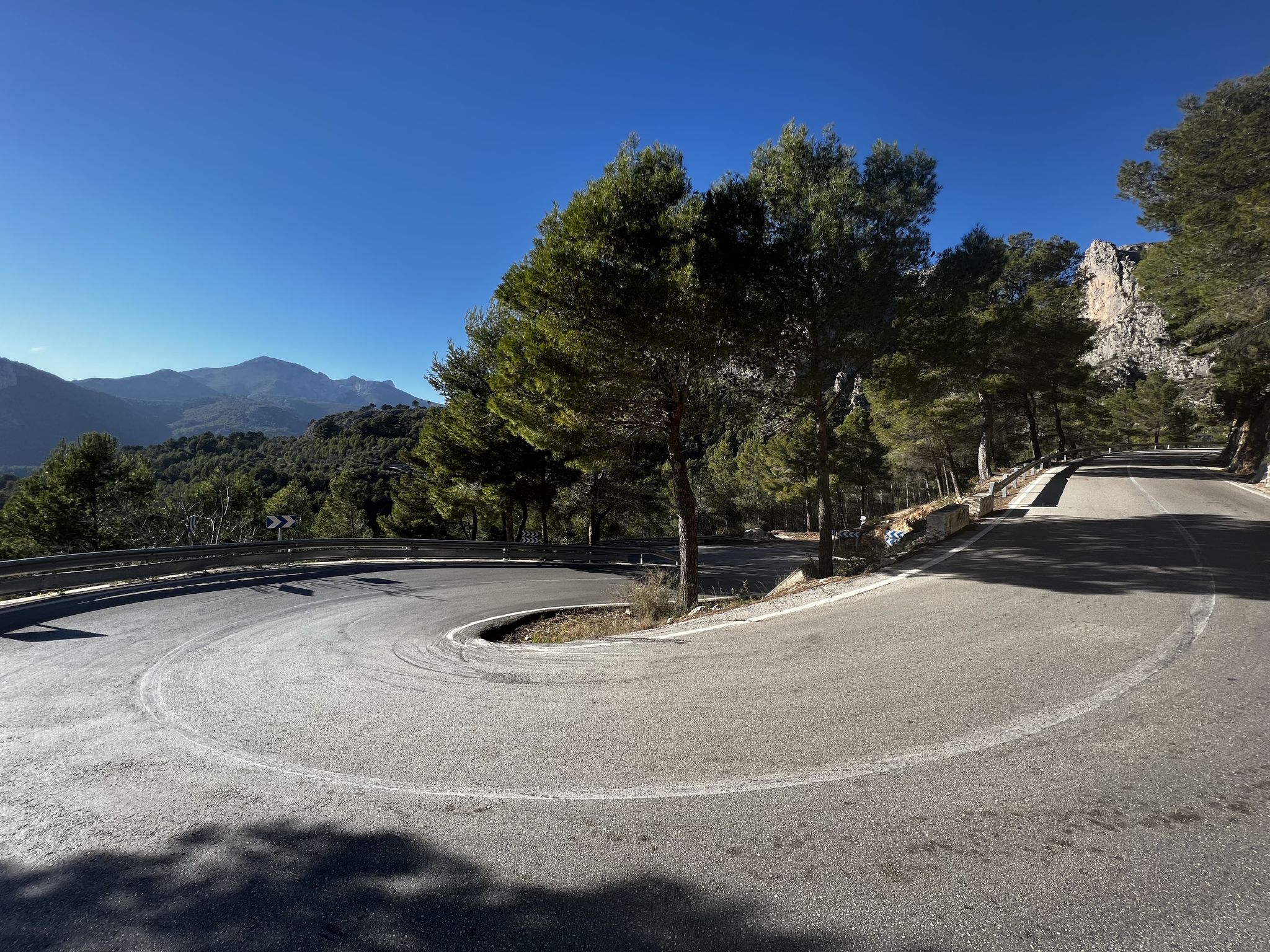
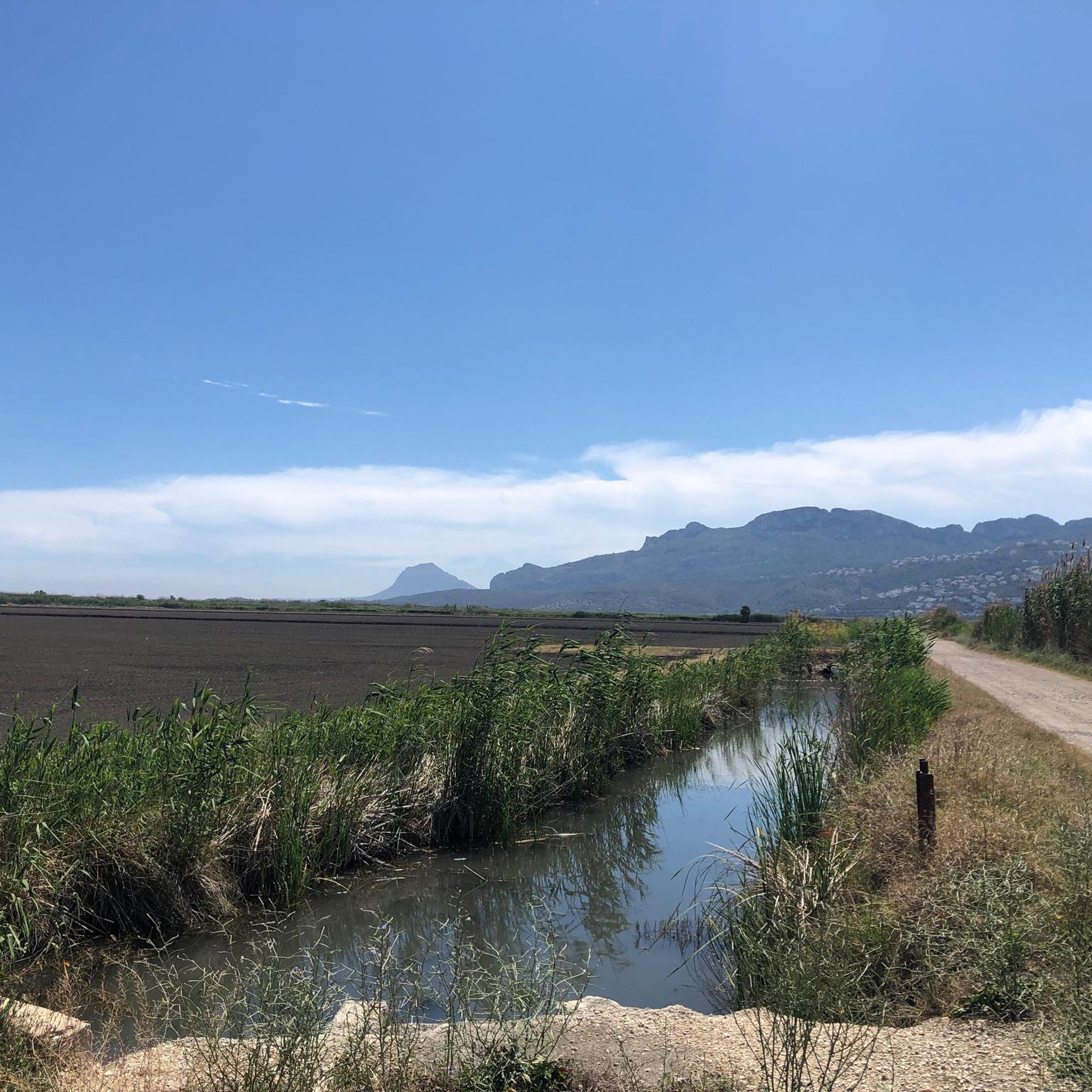
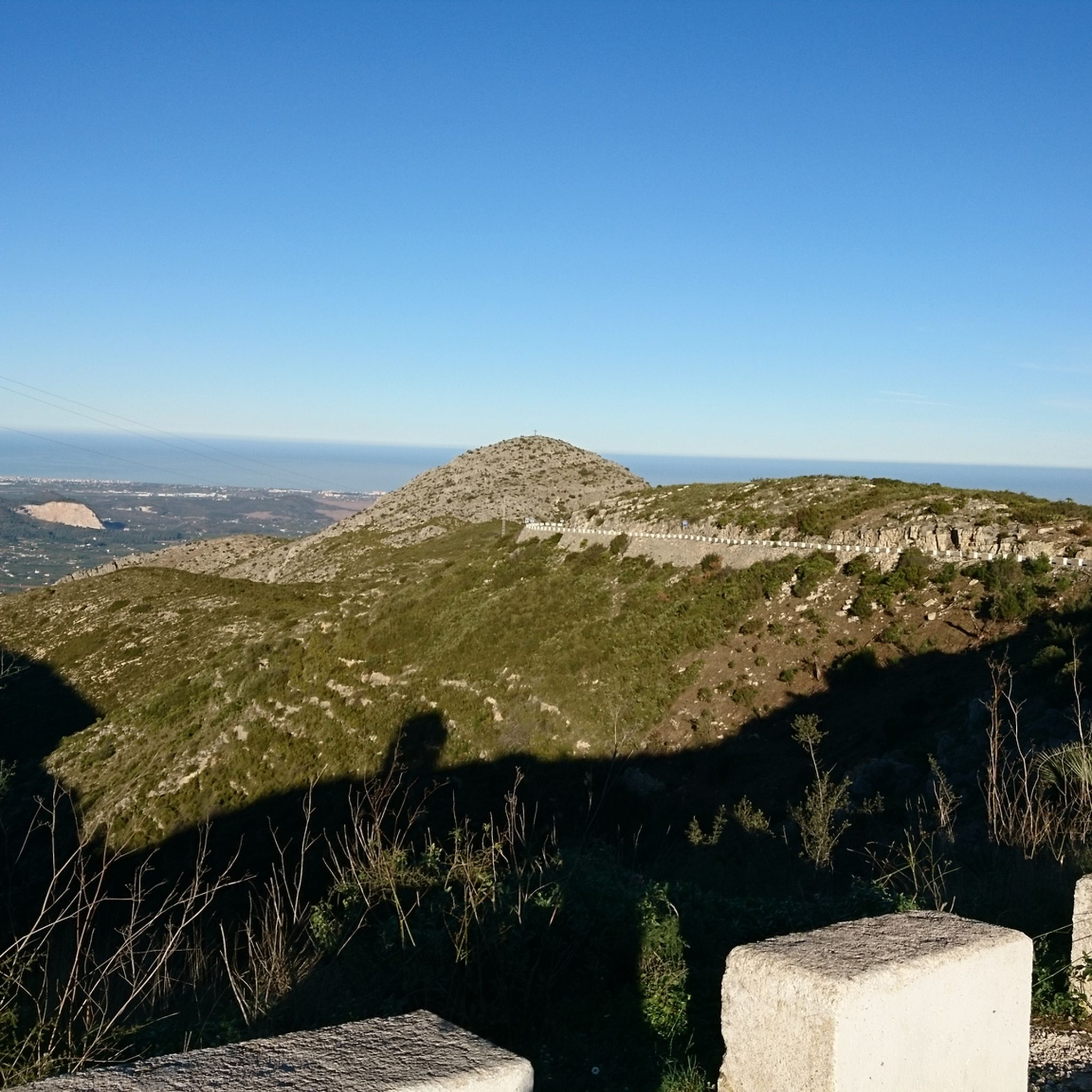
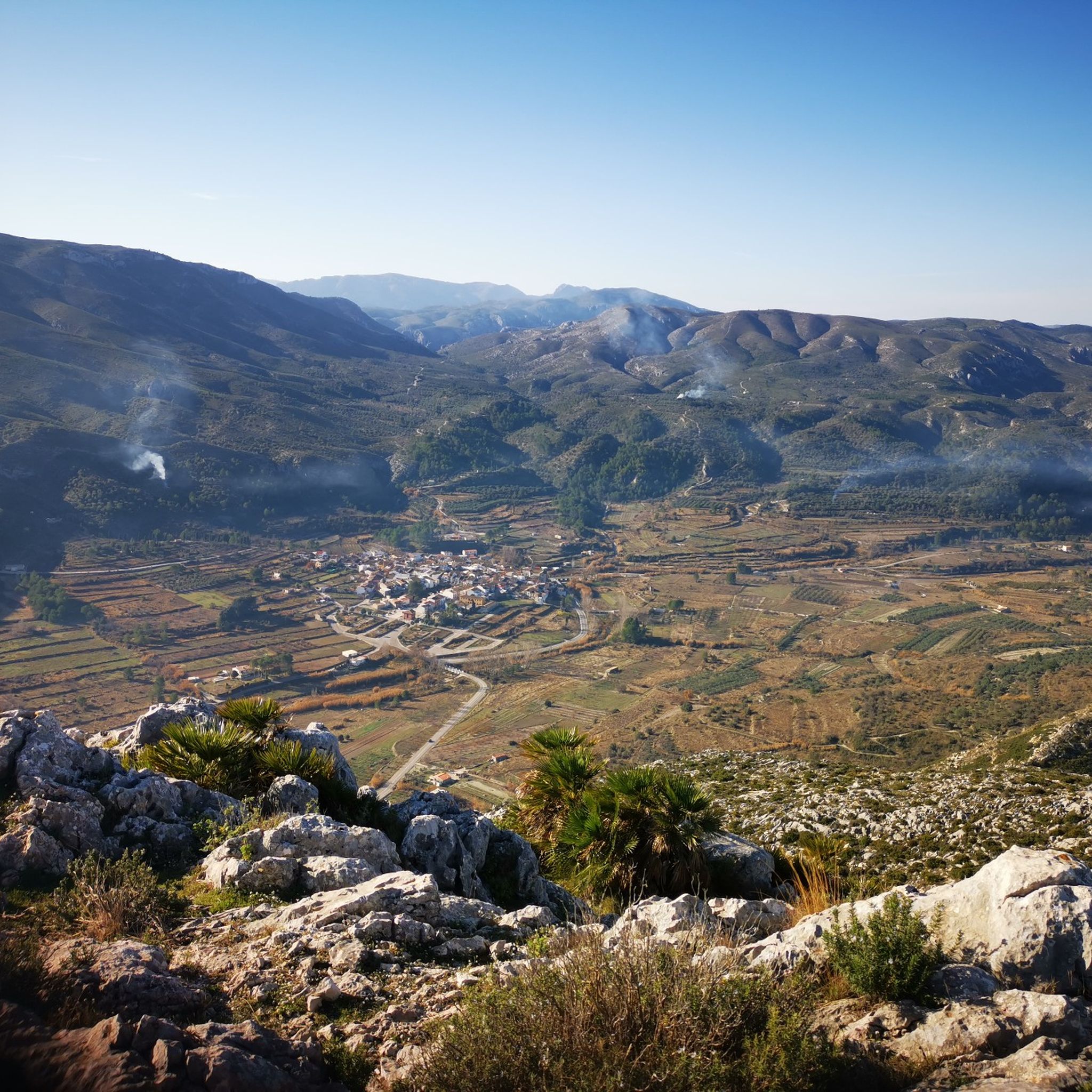

Other adventures around Pego

Tips from the Community

Tough but with magnificent views. Relatively quiet road.
2
0

The Puerto de Sorell is a quiet and under-the-radar ridge climb in the northern Costa Blanca, linking Pego and Ràfol d’Almúnia via the CV‑728. It’s not long, not high — but it’s a perfect connector on a peaceful inland loop. From Ràfol d’Almúnia, the climb is 2.7 km long at an average gradient of 3.1%. It’s a smooth, steady ascent through olive groves and farmland, ideal for keeping a light rhythm and soaking up the rural scenery. The road surface is good and traffic is almost nonexistent. From the Pego side, the climb is roughly the same length but considerably steeper, with sections reaching 6 to 8%. It’s a short but honest effort, and a nice little test when coming up from the coastal plain. The views are wide and open — toward the Segària range, the valley below, and even the sea in the distance. At the summit, you'll spot the blue "Puerto de Sorell – 170 m" sign, a modest but official col marker that makes the climb feel just a bit more special. From here, you can descend either way or continue inland toward Vall de Gallinera, Vall d’Ebo, or Coll de Rates. Puerto de Sorell is a local favourite: short, scenic, quiet — and perfect for linking bigger climbs on a longer ride.
2
1
Just off the road between Sagra and Pego, the small turnoff toward Vall d’Ebo leads into one of the most beautiful and tranquil climbs in the Costa Blanca mountains. It may not be famous outside of cycling circles — but pros know it well: Tadej Pogačar holds the Strava KOM on this climb. From the Pego side, the ascent runs for about 8 km, gaining 400 metres at a steady average of 5%. The road is smooth, quiet, and beautifully engineered — with a flowing rhythm and wide, elegant curves. The landscape is peaceful and wild, with cliffs, pines, and far-reaching views. At the top, just before you descend into Vall d’Ebo, you’re rewarded with a spectacular view in both directions: looking back, the coastline and the Mediterranean Sea; looking ahead, the lush green valley of Vall d’Ebo, framed by rugged ridges and rocky outcrops. It’s a rare and stunning double panorama. If you continue past the village, you can create a magnificent loop via Pla de Petracos, riding through remote canyons and ancient rock formations before descending into Benigembla and back to the Vall de Pop. If you're riding from Vall d’Ebo toward Pego, the climb is shorter — about 3 km at 6% — but still very scenic, especially as you rise above the valley with dramatic views behind you. Vall d’Ebo may be quiet, but it’s world-class: pure road, total calm, and the kind of climb you’ll want to ride again and again.
3
1
If there’s one climb that defines cycling on the Costa Blanca, it’s Coll de Rates. Starting from the village of Parcent, this legendary ascent has become a must-ride for cyclists from around the world — from weekend warriors to Tour de France champions. The climb is just under 7 km long, with an average gradient of around 5%, making it both accessible and rhythmical. The road surface is excellent, the curves are elegant, and the views just keep getting better as you rise above the valley. This is no secret among the pros. Riders from Jumbo-Visma, INEOS, UAE Team Emirates and others regularly use Coll de Rates for winter training. Tadej Pogačar currently holds the Strava KOM, which says a lot about the kind of names that have tested themselves here. On clear days, the view from the top is simply breathtaking — stretching all the way across the coastline, and if you’re lucky, even Ibiza shimmers faintly on the horizon. There’s a café at the summit (seasonal), and the descent toward Tarbena or Castell de Castells is just as rewarding. With its mix of scenery, steady gradients and cycling history, Coll de Rates is one of the most climbed — and most loved — ascents in the world. If you ride only one climb in the region, make it this one.
10
3
Tucked away in the mountains between Tàrbena and Castell de Castells, the Puerto de Sa Creueta offers two distinct climbing experiences — and both are worth riding. From Tàrbena, the climb is friendly and scenic. You’ll face about 4 km of steady climbing at around 5%, followed by a rolling 3.5 km section with gentle ups and downs. Just before the top, a short final ramp kicks up sharply to around 12%, but overall this side is rhythmical and not too demanding. The road is wide, smooth and virtually traffic-free, ideal for a relaxed climb. Approaching via the Castell de Castells side, from Tollos or from Benigembla and the Vall de Pop, is a whole different story. After a relatively calm start, the climb hits hard with a 2 km stretch averaging around 10% — sustained, steep, and guaranteed to get your legs burning. This side is definitely more challenging, and a great test for climbers. No matter which direction you choose, you’ll be rewarded with expansive views over the valley near Tàrbena, the rugged peaks of the Marina mountains, and — on a clear day — even the Mediterranean Sea and the skyline of Altea shimmering in the distance. Puerto de Sa Creueta is a hidden gem: peaceful, beautiful and tougher than it looks, especially if you come at it from the inland side. Combine it with Coll de Rates for an unforgettable day in the heart of the Costa Blanca.
5
0
The road from Pego to Sagra is a hidden gem for cyclists. With almost no traffic, it winds gently upward through shaded sections and rolling gradients — never too steep, but always engaging. Perfect for finding rhythm after the descent from Port de Sorell, this stretch offers a rare mix of quiet, flow, and relief from the sun on hot days.
0
2
The Coll de Rates consistently ranks in the top ten of the most ridden mountains every year. Pro riders compete for the best times.
2
1

Frequently Asked Questions
What are some of the most popular mountain passes for cycling around Pego?
The region around Pego is renowned for its cycling routes. Among the most popular is Coll de Rates, a legendary ascent just under 7 km long with an average gradient of around 5%. It's famous for its excellent road surface and breathtaking views. Another favorite is Vall d'Ebo Pass, offering an 8 km climb with average gradients of 5-6% through pine trees and open vistas.
Are there challenging mountain passes for experienced cyclists near Pego?
Yes, for those seeking a challenge, Sa Creueta Pass (780 m) is an excellent option. It features gradients up to 15% on its west ramp and offers two distinct climbing experiences, providing a significant test for climbers. The views over the valley and the Marina mountains are a rewarding bonus.
What kind of views can I expect from the mountain passes in the Pego area?
The mountain passes around Pego offer expansive and diverse views. From Coll de Rates, you can often see the coastline and even Ibiza on clear days. Sa Creueta Pass provides sweeping views over the valley, the rugged peaks of the Marina mountains, and sometimes the Mediterranean Sea. Even smaller passes like Puerto de Sorell offer wide, open views towards the Segària range, the valley below, and the distant sea.
What is the best time of year to visit the mountain passes around Pego?
The Pego region, with its Mediterranean climate, generally offers pleasant conditions for visiting mountain passes for much of the year. Spring and autumn are ideal, with milder temperatures perfect for cycling and hiking. Winter is also popular for cyclists, especially for training, as highlighted by the use of Coll de Rates by professional teams. Summers can be hot, so early morning or late afternoon activities are recommended.
Are there quiet or less-trafficked mountain passes near Pego?
If you prefer a quieter experience, Puerto de Sorell is a local favorite. It's described as a quiet, under-the-radar ridge climb with almost nonexistent traffic, making it perfect for a peaceful inland loop. Similarly, the Pego–Sagra Road is noted for its little traffic and good visibility, offering a serene ride through pine forests.
What outdoor activities can I do near the mountain passes around Pego?
Beyond cycling the passes themselves, the Pego area offers a variety of outdoor activities. You can explore numerous mountain biking trails, with options like the challenging Barranco del Infierno loop. There are also many mountain hiking routes, including moderate and difficult trails such as the Rocky Staircase Trail or the Font Grossa Washhouse loop. For more details, refer to the guides on MTB Trails around Pego, Cycling around Pego, and Mountain Hikes around Pego.
Are there any cafes or facilities at the summits of these mountain passes?
Some passes do offer facilities. For instance, Coll de Rates has a café at its summit, though it operates seasonally. For other passes, it's advisable to check local information or plan to bring your own refreshments, as facilities might be limited or located in nearby villages.
What are the road conditions like on the mountain passes in the Pego region?
Generally, the road conditions on the mountain passes around Pego are good. Coll de Rates is known for its excellent road surface. Sa Creueta Pass also features super asphalt, especially on the Tàrbena side. Puerto de Sorell has new road infrastructure and a good road surface. The Pego–Sagra Road is narrow but has good visibility.
What kind of natural scenery defines the mountain passes around Pego?
The mountain passes around Pego are characterized by typical Mediterranean mountain scenery. This includes landscapes of dense pine forests, dramatic rocky outcrops, and deep valleys. As you ascend, the vegetation can become more sparse, opening up to expansive views. The routes often wind through these natural settings, providing shade in some sections and open vistas in others.
Are there any specific tips for descending these mountain passes?
When descending, especially on passes like Puerto de Sorell, be aware that the north side descent starts on a smaller road, so caution is advised in hairpin corners. Always prioritize safety, control your speed, and be mindful of road conditions and potential traffic.
What do visitors enjoy most about the mountain passes near Pego?
Visitors frequently praise the stunning views, the quality of the road surfaces for cycling, and the variety of challenges offered by the climbs. The sense of achievement after a challenging ascent, the peacefulness of less-trafficked routes, and the opportunity to connect with nature are also highly valued. Many appreciate the region as a world-class cycling destination, used even by professional teams for training.
Most popular routes around Pego
Most popular attractions around Pego

Get inspired with the komoot mobile app


Explore more
See even more epic mountain passes by checking out these guides around Pego:
