Attractions and Places To See around Moaña - Top 20
Attractions and places to see around Moaña offer a diverse range of experiences in this picturesque seafaring town on Vigo Bay, within the O Morrazo peninsula of Galicia, Spain. The region is characterized by its rich history, from ancient megalithic monuments to Celtic-Roman hillforts. Visitors can explore natural landscapes, including golden beaches and lush river trails, alongside cultural sites. Moaña provides a blend of historical landmarks and natural beauty for exploration.
Best attractions and places to see around Moaña
- The…
Last updated: October 9, 2026
Ponte Sampaio Bridge
Highlight • Bridge
Translated by Google •
Tip by

Río Tomeza Riverside Trail
Highlight (Segment) • Trail
Translated by Google •
Tip by
Sign up now to discover places like this
Get recommendations on the best single tracks, peaks, & plenty of other exciting outdoor places.
Galician Hórreo (Traditional Granary)
Highlight • Monument
Translated by Google •
Tip by

Redondela Historic Center
Highlight • Historical Site
Also, Redondela is known for its local festivities such as the Festa da Coca and the Summer Carnival, which are events full of color and tradition. 🚶♀️😎🌄
Translated by Google •
Tip by
Santa Marta Chapel
Highlight • Religious Site
Translated by Google •
Tip by
Sign up for free to discover even more attractions around Moaña.
Already have an account?
Start today with a free account
Your next adventure awaits.

Tips from the Community


These granaries for drying grain are always beautiful to see. They are listed as historical monuments.
1
0
Redondela is a charming little town. Very friendly and worth a visit.
1
0

Redondela is a wonderful place to visit! Also, Redondela is known for its local festivities such as the Festa da Coca and the Summer Carnival, which are events full of color and tradition. 🚶♀️😎🌄
7
0

Perfect for a little rest and a stamp. Freely accessible, but the stamp ink is usually out.
2
0
Cozy little town with lots of small restaurants.
1
0

The most important detail of these granaries - which are always deliberately built on stilts - is the flat, plate- or lid-shaped end at the top of the supporting columns. This special feature of the construction of the "horreos" was vitally important in ancient times: these elements represent an insurmountable obstacle for voracious rodents such as rats or mice, and thus protect the harvest from these uninvited guests.
4
0

Built on an old Roman foundation, the bridge crosses the Verdugo river. It is 144 metres long and consists of 10 pointed and semi-circular arches. The famous Battle of Pontesampaio took place on 7 and 8 June 1809, which was decisive in the Spanish War of Independence against the French and ended the 5-month French occupation.
5
0
Frequently Asked Questions
What historical landmarks can I explore in Moaña?
Moaña is rich in history. You can visit the ancient Ponte Sampaio Bridge, built on a Roman foundation and known for the Battle of Pontesampaio. Other significant sites include the over 5,000-year-old Dolmen of Chan de Arquiña, the Celtic-Roman hillfort of Castro of Montealegre, and various historic churches like Saint Martin's Church, a fine example of Romanesque art.
Are there any natural attractions or scenic viewpoints in the Moaña area?
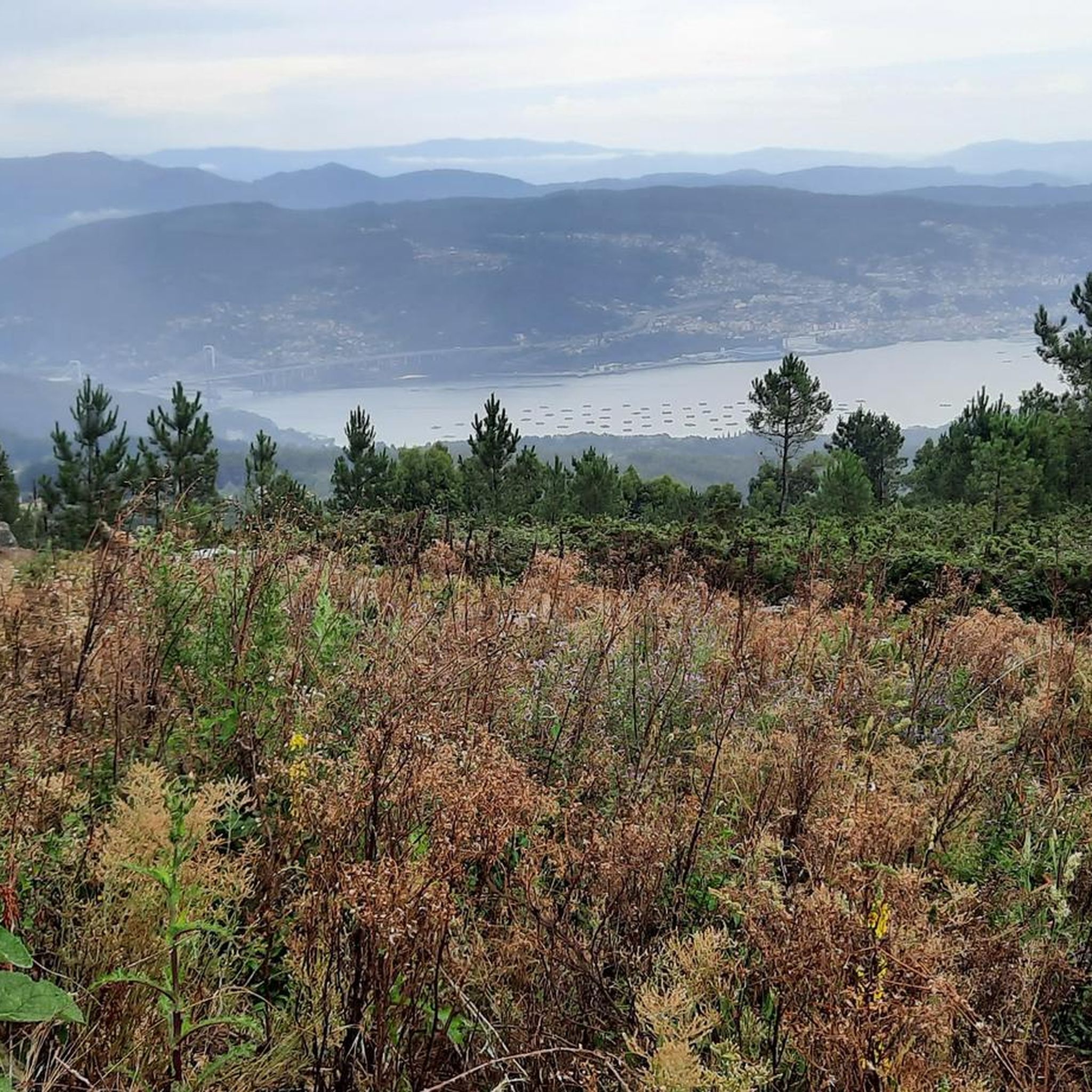
Yes, Moaña offers stunning natural beauty. The Viewpoint of Domaio on Monte Faro provides breathtaking 360-degree panoramic views of Vigo Bay. You can also explore the tranquil Poza da Moura, a natural pool fed by a waterfall, or the small Fervenza de Domaio waterfall hidden among eucalyptus trees. Monte Paralaia also offers panoramic views of Moaña.
Where can I find walking or hiking trails near Moaña?
For walking and hiking, consider the Río Tomeza Riverside Trail, which offers a peaceful experience through forests and over wooden walkways. Another enchanting option is the A Fraga Nature Trail (Río da Fraga), where you can admire lush greenery, small waterfalls, and traditional water mills. Many ancient petroglyphs can also be found along hiking routes in areas like Montealegre.
What kind of outdoor activities are available around Moaña?
Beyond walking, Moaña and its surroundings are excellent for various outdoor activities. You can find numerous cycling routes, including touring bicycle, mountain biking, and road cycling. For instance, there are challenging touring bicycle routes like the 'Mirador da Fraga – Traditional Hórreos loop' and moderate MTB trails such as the 'Wooden Cyclist Sculpture – Cruz de Paralaia loop'. Explore more options on the Cycling around Moaña, MTB Trails around Moaña, and Road Cycling Routes around Moaña guide pages.
Are there family-friendly attractions in Moaña?
Moaña offers several family-friendly attractions. The Ponte Sampaio Bridge and the Galician Hórreo (Traditional Granary) are historical sites that can be interesting for all ages. The Moaña Promenade is perfect for relaxing walks and combines beach access with leisure areas. The numerous golden beaches like Xunqueira Beach are also ideal for family outings, swimming, and water sports.
What are the best beaches in Moaña?
Moaña's coastline is dotted with excellent golden beaches. Popular choices include Xunqueira Beach, known for its golden sand and clear water, Con Beach, Domaio Beach, Meira Beach, and Praia do Niño Corvo (Raven's Nest beach). These are ideal for sunbathing, swimming, and various water sports.
What cultural insights can I gain in Moaña?
Moaña provides a deep dive into Galician culture. You can observe the distinctive Galician Hórreo (Traditional Granary), traditional agricultural structures. The O Fisgón Sculpture on the promenade symbolizes the town's fishing heritage. Additionally, Moaña hosts vibrant local festivities, such as the Interceltic Festival of Morrazo and the festivities of the Virgen del Carmen, offering a glimpse into local traditions and celebrations.
What do visitors enjoy most about the attractions around Moaña?
Visitors particularly appreciate the blend of history and nature. The peaceful atmosphere of the Río Tomeza Riverside Trail, with its forest scents and the sound of water, is highly praised. The historical significance and beauty of the Ponte Sampaio Bridge and the unique architecture of the Galician Hórreo also receive positive feedback, highlighting the region's charm and historical depth.
Are there any unique architectural features to see in Moaña?
Beyond the traditional Galician Hórreo, Moaña features several historic churches. The 12th-century Saint Martin's Church is considered one of Galicia's finest examples of Romanesque art, while Saint John of Tiran's Church showcases the transition from late Romanesque to Gothic styles. The Santa Marta Chapel is another simple yet significant late Romanesque structure.
Can I learn about the local fishing culture in Moaña?
Absolutely. Moaña has a strong connection to the sea and its fishing heritage. The O Fisgón Sculpture on the promenade, resembling Neptune with his trident, symbolizes this. You can also observe the traditional 'bateas' (mussel farms) scattered throughout Vigo Bay, which are sustainable wooden floating structures used for mussel cultivation, a key part of the local economy and culture.
What is the best time of year to visit Moaña for outdoor activities?
While Moaña is enjoyable year-round, the warmer months, typically from late spring to early autumn, are ideal for outdoor activities like beach visits, swimming, and exploring trails. During the rainy season, some river paths, like parts of the Río Tomeza Riverside Trail, may be less advisable due to potential flooding.
Are there any ancient art forms or engravings to discover in Moaña?
Yes, Moaña is home to numerous ancient stone engravings, known as petroglyphs. These can be found in various areas, including Montealegre, Borna, As Cidades, Pozo Garrido, A Escada, and Os Remedios. Many of these fascinating prehistoric artworks are accessible along local hiking routes, offering a unique glimpse into the region's distant past.
Most popular attractions around Moaña

Get inspired with the komoot mobile app


Explore more
Still not found the Highlight you’re looking for? See guides of the top attractions in other regions:
