The best cycling routes around Valle Gran Rey
4.6
(105)
680
riders
14
rides
Touring cycling routes around Valle Gran Rey traverse a landscape shaped by green mountains, deep ravines, and terraced farms. The region features a hilly topography with significant elevation changes, providing challenging ascents and descents. Portions of the municipality are within the Garajonay National Park, a UNESCO World Heritage site known for its ancient laurel forest. The western coast offers steep cliffs and views of the Atlantic, complementing the inland routes.
Best touring cycling routes around Valle Gran Rey
- The most…
Last updated: October 18, 2026
4.6
(10)
73
riders
25.8km
02:19
1,010m
1,010m
Hard bike ride. Very good fitness required. Mostly paved surfaces. Suitable for all skill levels.
4.7
(7)
54
riders
48.7km
04:18
1,730m
1,730m
Hard bike ride. Very good fitness required. Mostly paved surfaces. Suitable for all skill levels.

4.8
(4)
21
riders
28.2km
02:04
630m
620m
Hard bike ride. Very good fitness required. Mostly paved surfaces. Suitable for all skill levels.
23
riders
75.9km
06:24
2,600m
2,600m
Hard bike ride. Very good fitness required. Mostly paved surfaces. Suitable for all skill levels.
5.0
(3)
26
riders
11.2km
00:58
400m
400m
Moderate bike ride. Good fitness required. Mostly paved surfaces. Suitable for all skill levels.
Get access to more routes and recommendations from other explorers.
Already have an account?
Our route recommendations are based on thousands of hikes, rides, and runs completed by other people on komoot.
Start today with a free account
Your next adventure awaits.


Tips from the Community

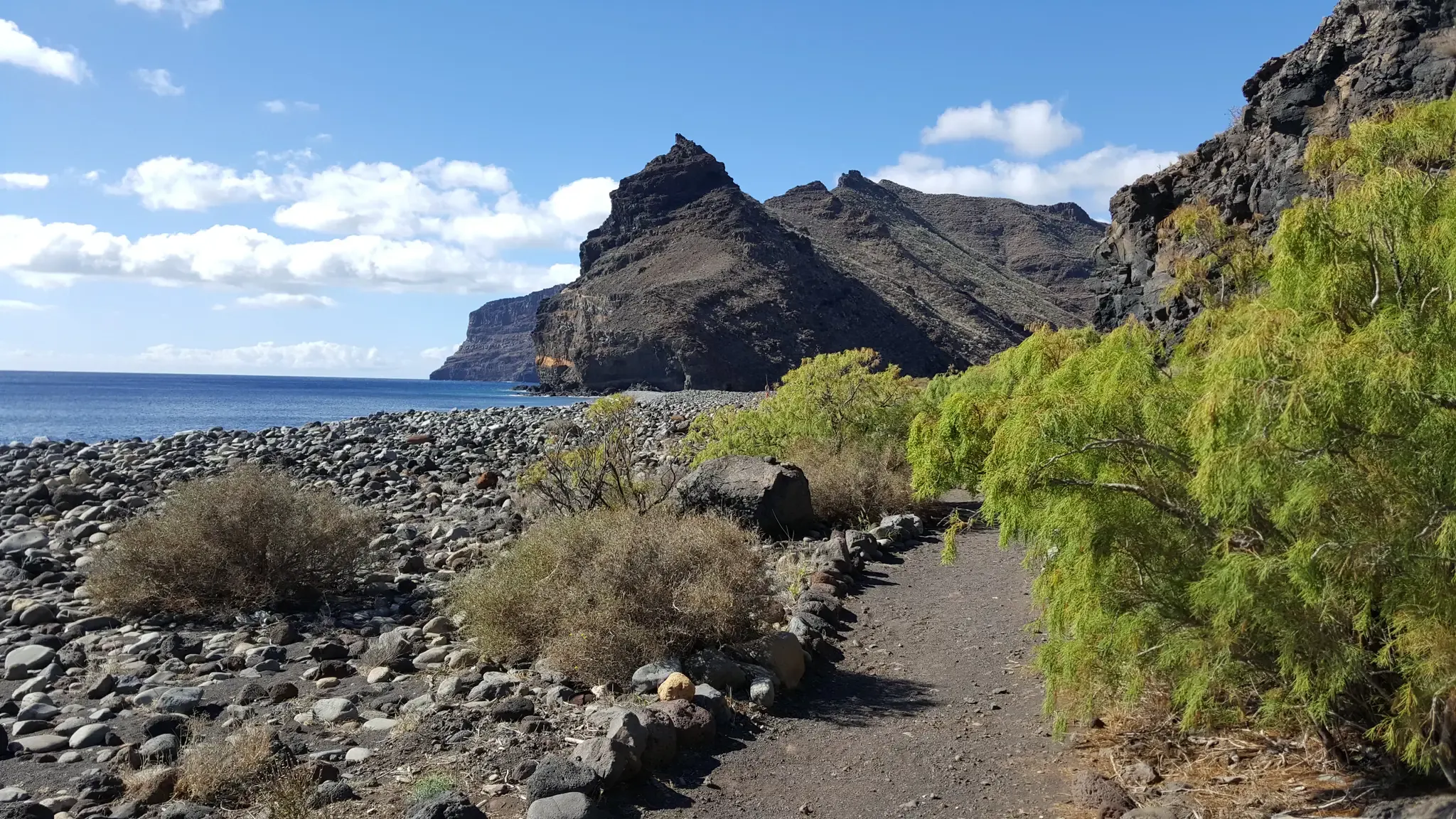
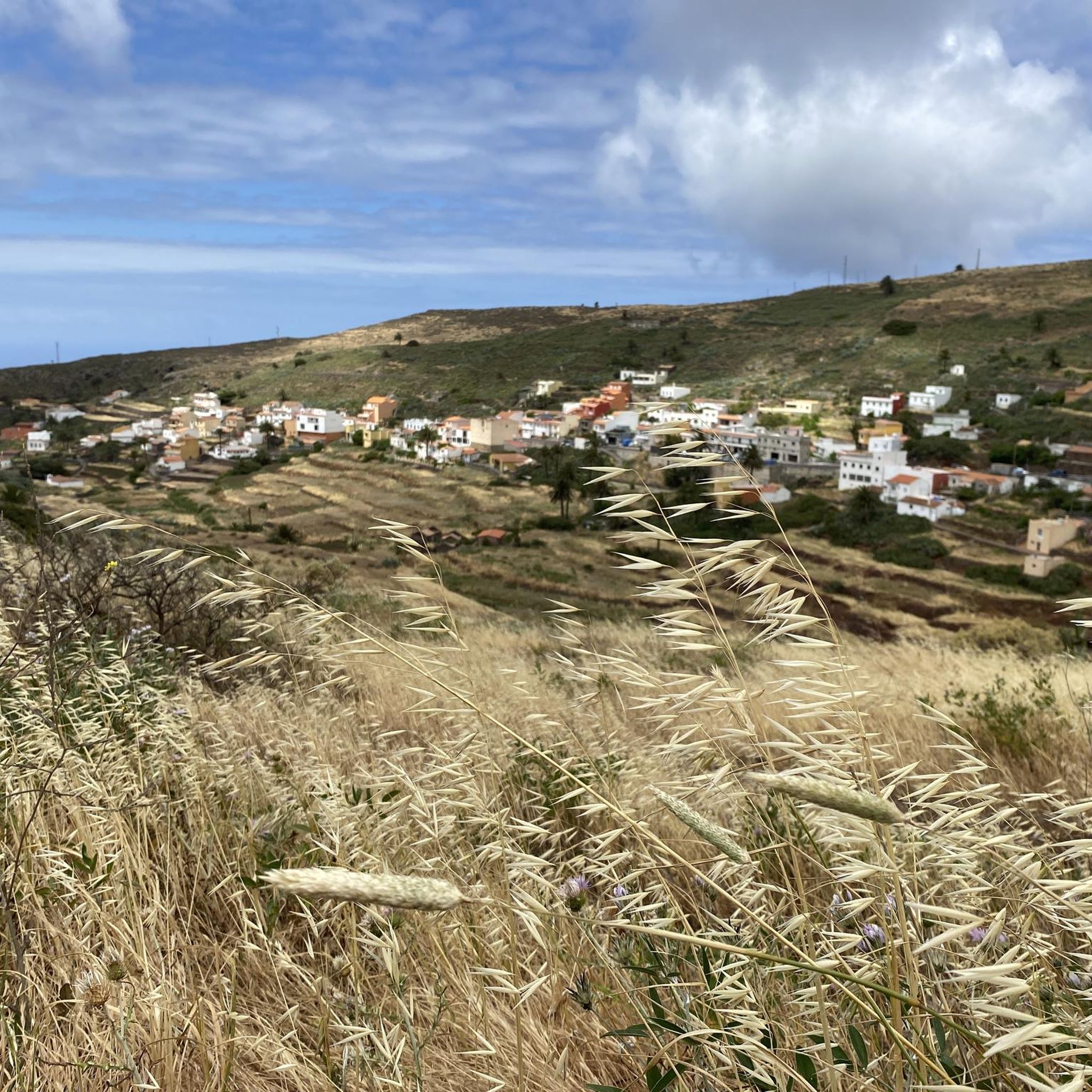
Vallehermoso was for decades one of the most important and richest municipalities in La Gomera thanks to agriculture, especially bananas, tomatoes, and the cultivation terraces that still cover a large part of its ravines and slopes today. It even surpassed 10,000 inhabitants during the 20th century, although emigration to Tenerife, Venezuela, and Cuba greatly reduced the population, leaving a quiet and almost timeless atmosphere today. The village was born linked to water and the fertile ravines of the north of the island, something very unusual in the Canary Islands, where drier landscapes normally predominate. Precisely for this reason, the valley received the name “Vallehermoso”. The area retains a very rural and authentic identity, with isolated hamlets, ancient royal roads, and one of the most spectacular agricultural landscapes in the Canary Islands. Furthermore, this entire northern coast is full of seafaring stories and shipwrecks, such as the famous sinking of the French corsair La Mosca in 1801 off the village beach. Above all this rises the impressive Roque Cano, a huge volcanic plug that has become the absolute symbol of the municipality, visible practically from any point in the valley like a gigantic stone head watching over the Atlantic.
0
0
Laguna Grande is probably one of the best starting points on all of La Gomera to explore the upper part of the island by bike. Many people arrive here by van or car precisely to start their routes from this point and avoid some of the toughest climbs from the coast. From the recreational area, you can easily link up with routes towards San Sebastián, Valle Gran Rey, Alajeró, or the entire central ridge across the humid forest. The advantage is enormous: you start already at over 1,200 meters altitude, within the laurisilva, surrounded by practically traffic-free tracks and roads. This allows you to enjoy the long, scenic descents and high mountain routes much more without draining all the battery or your legs on endless ascents from sea level. Of course, the climate here changes radically compared to the coast. Fog is very common almost all year round and humidity is constantly present, even when it's sunny down below. It is essential to bring a good rain jacket, a serious windbreaker, and some light thermal clothing, because the feeling of cold increases considerably when you enter the more humid areas of the forest. It is also advisable to bring lights or reflective elements if you are going to ride for many hours in fog and shade. For e-bike tours, Laguna Grande is simply a spectacular base.
0
0
The Laguna Grande Recreational Area is one of the most important and visited points in the interior of La Gomera. It is located in the high zone of the island, within the Garajonay National Park, at an altitude of over 1,200 meters and surrounded by the famous laurisilva forest, considered a UNESCO World Heritage site. More than just a picnic area, Laguna Grande functions as a meeting point for hikers, cyclists, and visitors exploring the island's humid heart. Several well-known routes begin here, and it is also one of the best places to stop to rest, eat, or simply contemplate the forest amidst the fog. The climatic difference compared to the coast is enormous: while it can be hot and sunny below, here it is common to find humidity, cold, fine rain, and fog even in summer. The place also has a significant symbolic and popular charge in La Gomera. There are ancient legends related to witches and nocturnal gatherings in the central clearing of the forest, stories that are still part of the local imagination and fit perfectly with the mysterious atmosphere of the place when the fog rolls in among the trees. Today, it is one of the great nerve centers of Garajonay and a practically essential stop to understand the landscape, climate, and the more humid and green personality of La Gomera.
0
0
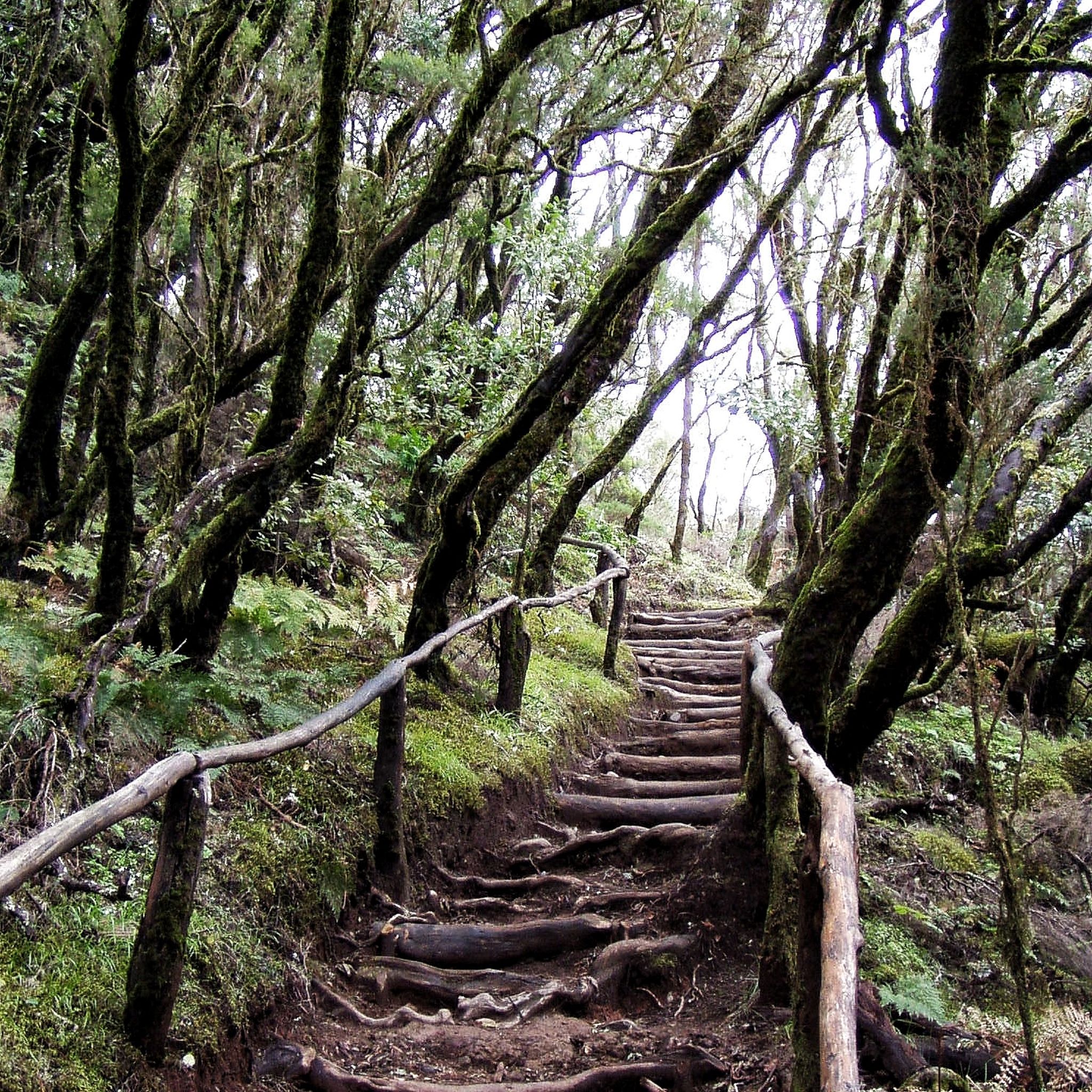
In the heart of the Garajonay National Park, this recreational area is one of the most magical corners of La Gomera. Surrounded by laurel forest, mist, and moss-covered trees, it feels like a scene frozen in time. Ideal for taking a break on the route, having a snack, or simply listening to the silence of the forest as the light shifts through the mist. A classic for cyclists and hikers seeking the island's most humid, green, and mysterious side.
1
0
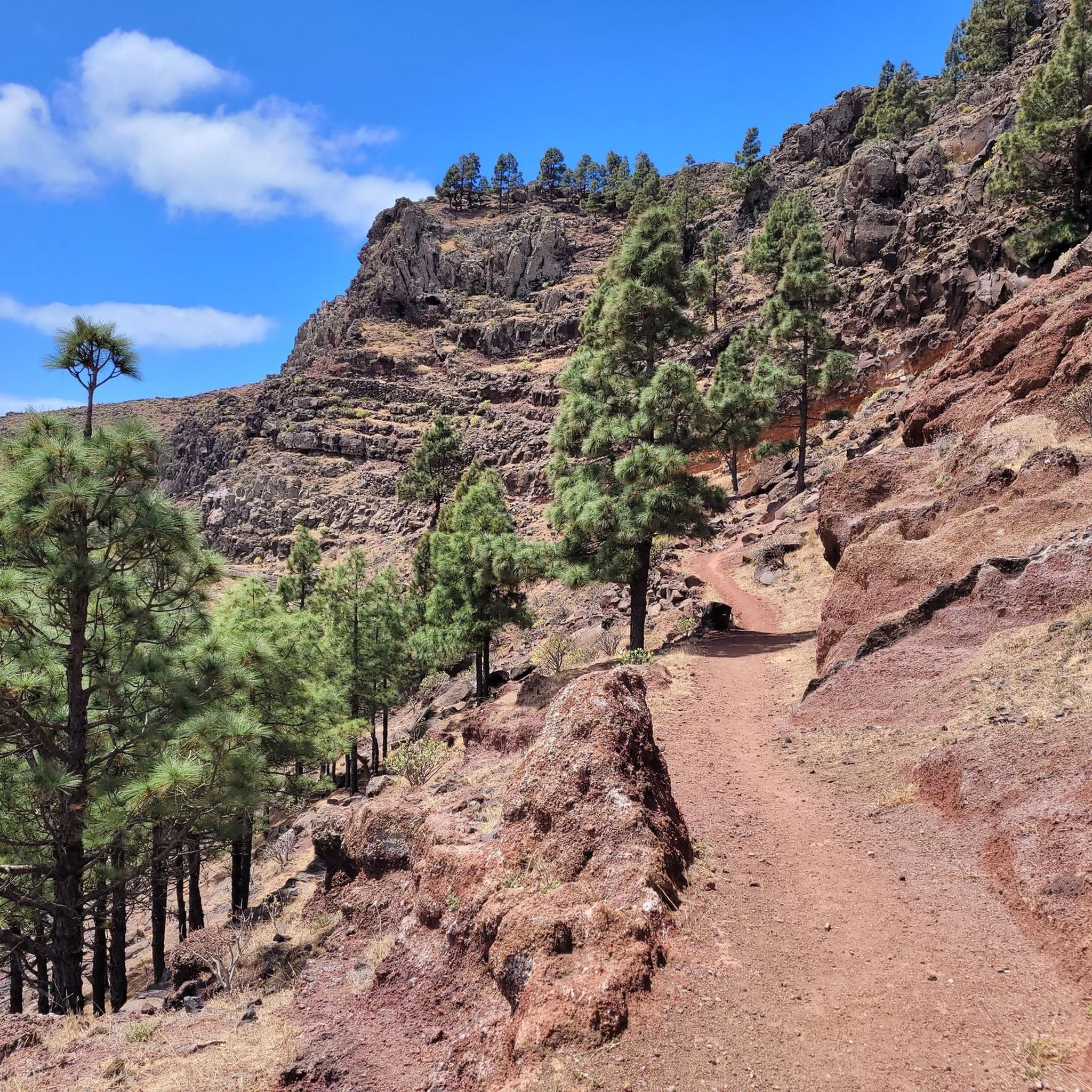
Camino de La Quintana It is not the most famous humid forest of La Gomera, but it is one of the most authentic and least frequented. While many visitors concentrate on the classic areas of Garajonay National Park, here you can still feel a quieter and more natural laurisilva, with fog entering between the curves, moss covering the trunks, and that constant smell of humidity and wet earth that defines the island's peaks.
0
0
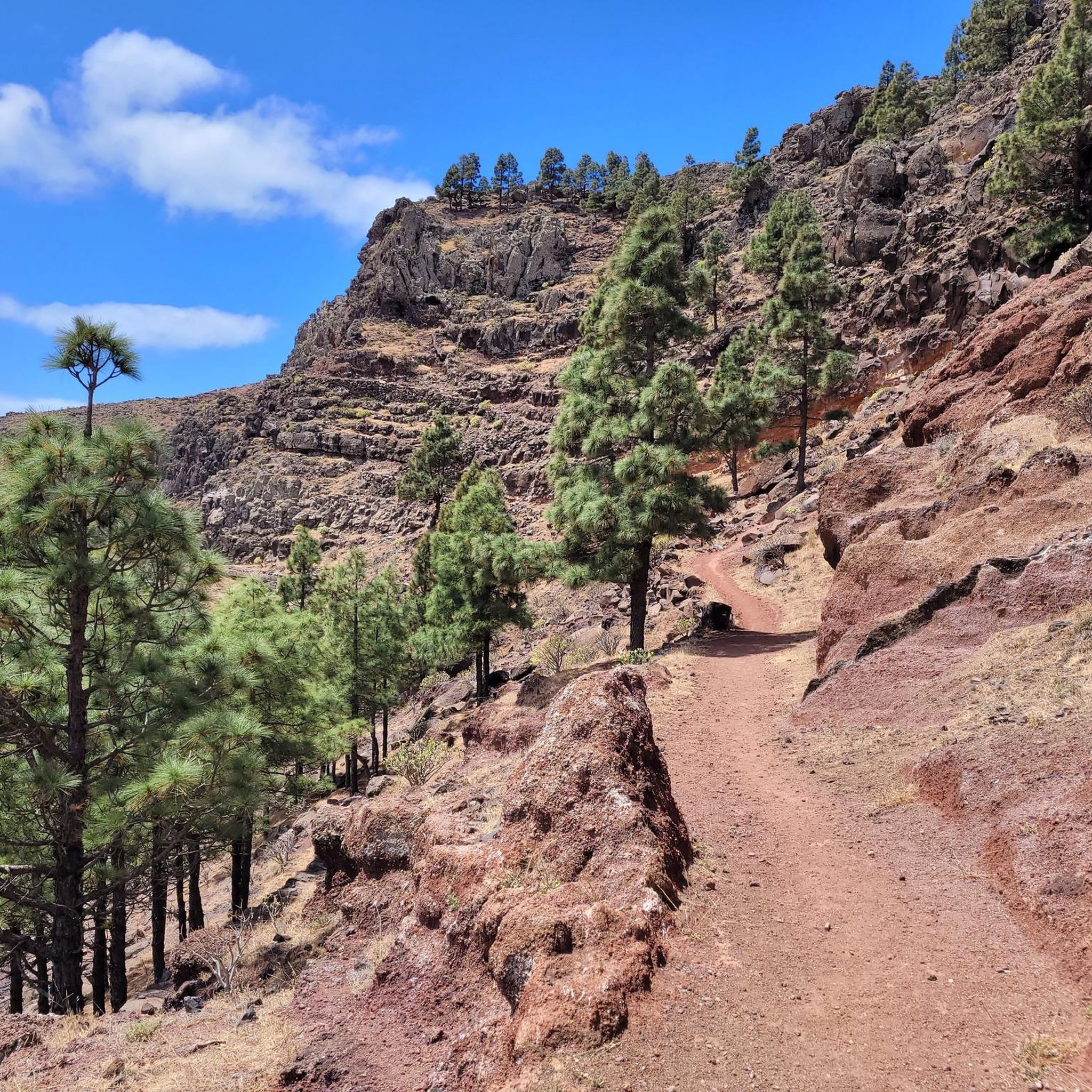
Mirador de La Retama From this viewpoint, the wild dimensions of the ravines of La Gomera are perfectly understood. Directly opposite, you can see ancient caves dug into the rock, used for generations as shelter, storage, and even housing by the island's inhabitants in times when moving between valleys was much more complicated than today. The new road and tunnel have completely changed the connectivity of this area, but from here you can still perceive what the more isolated and rugged Gomera was like.
1
0
Mirador de la Curva del Queso One of those spots where it's worth stopping, even if just for a minute. The road twists through ravines, and suddenly an immense panorama of La Gomera's volcanic relief appears. It's very typical to see fog rolling in and out at high speed, while below the valley remains completely clear. A perfect corner to take a breath, snap a photo, and keep cycling.
0
0

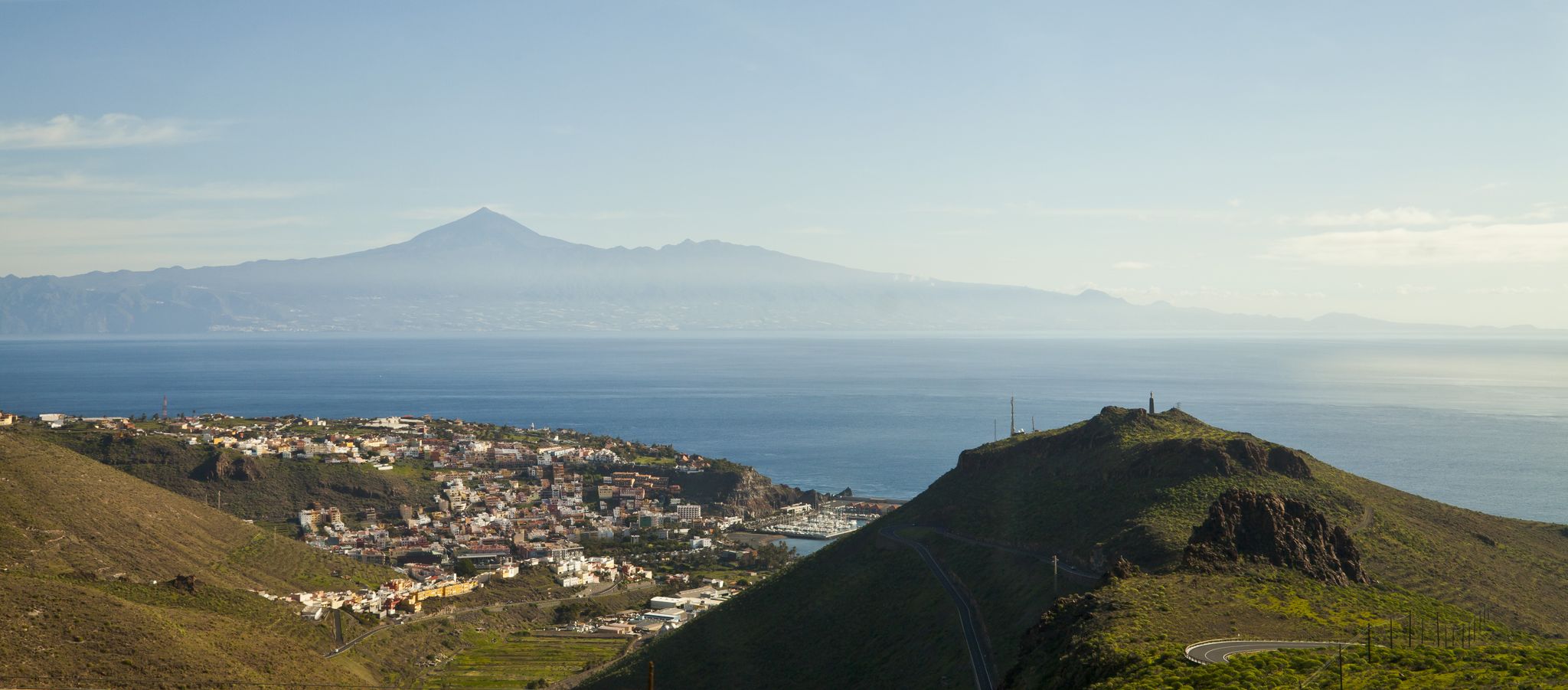
One of the most beautiful places/districts in Valle Gran Rey, both in terms of its enchanting appearance and its quality of living.
0
0
Frequently Asked Questions
How many touring cycling routes are available in Valle Gran Rey?
Valle Gran Rey offers a diverse network of over 20 touring cycling routes. These routes cater to various skill levels, including 1 easy, 3 moderate, and 17 difficult options, ensuring there's a suitable path for every cyclist.
What kind of terrain can I expect on touring cycling routes in Valle Gran Rey?
You can expect a challenging and varied terrain. The region is known for its hilly topography, featuring significant elevation changes with constant climbs and descents through green mountains and deep ravines. Routes often traverse traditional terraced farms and can lead through the ancient laurel forest of Garajonay National Park or along the dramatic western coast with steep cliffs.
Are there any easy touring cycling routes suitable for beginners or families?
While many routes in Valle Gran Rey are challenging, there is at least one easy touring cycling route available. The region's diverse network includes options for various ability levels, so it's best to check individual route descriptions on komoot for suitability for beginners or families.
Can I find routes that offer panoramic views or pass by significant landmarks?
Absolutely. Many routes in Valle Gran Rey offer stunning panoramic views and pass by notable landmarks. For example, the Alto de Garajonay Summit Loop ascends to the highest point on the island, offering expansive vistas. Other routes, like the Cliffside Café – Sea and Valley Viewpoint loop from El Cercado, provide dramatic cliffside scenery and sea views. You can also visit the Alto de Garajonay summit itself, or the Roque de Agando, a prominent natural monument.
Are there any waterfalls accessible from the touring cycling routes?
Yes, there are waterfalls in the vicinity that you might encounter or detour to. Notably, the Arure Waterfall and the Waterfall in Barranco de Arure are highlights in the area, offering beautiful natural sights. Some routes might pass near these, or you can plan a stop to visit them.
What are the options for circular touring cycling routes in the area?
Many touring cycling routes in Valle Gran Rey are designed as loops, allowing you to start and end at the same point. Examples include the Alto de Garajonay Summit Loop and the Garajonay National Park – Alto de Garajonay loop from Las Hayas. These circular routes are convenient for exploration without needing shuttle services.
Is it possible to rent bikes in Valle Gran Rey?
Yes, Valle Gran Rey is well-equipped for cyclists. Several local businesses, such as Gomera Bikes and Bike-Station-Gomera, offer high-quality mountain bike rentals. They often provide additional services like shuttle transfers and guided tours, making it easy to explore the island even if you don't bring your own bike.
What is the best time of year to go touring cycling in Valle Gran Rey?
La Gomera generally enjoys a mild climate year-round, making it suitable for cycling in most seasons. However, the Garajonay National Park, being a laurel forest, can experience a 'fog jungle' effect, especially at higher altitudes. It's advisable to check local weather forecasts, particularly for higher elevations, to ensure comfortable cycling conditions.
Are there places to eat or rest along the touring cycling routes?
Yes, many cycling routes pass through or near charming traditional villages like Las Hayas, Arure, Igualero, Chipude, and El Cercado. These villages offer opportunities for refreshing stops, where you can find local cafes and restaurants to refuel and rest. Valle Gran Rey itself has the largest tourist infrastructure on the island, providing ample options for accommodation and dining.
What do other cyclists say about touring cycling in Valle Gran Rey?
The touring cycling routes around Valle Gran Rey are highly rated by the komoot community, with an average score of 4.8 stars from over 60 reviews. Cyclists often praise the challenging climbs, the unique laurel forest of Garajonay National Park, and the dramatic coastal views. The diverse terrain and well-maintained paths are frequently highlighted as key attractions.
How can I reach the starting points of touring cycling routes using public transport?
La Gomera has a public bus system that connects various towns and villages, including Valle Gran Rey. While specific policies for carrying bicycles on buses may vary, it's worth checking with the local transport provider for options. Some bike rental services also offer shuttle services to route starting points, which can be a convenient alternative.
Are there specific parking facilities for cyclists near the trailheads?
Valle Gran Rey, as a popular tourist destination, offers various parking options. While dedicated 'cyclist-only' parking at every trailhead might not be common, you can typically find parking in the villages or designated areas near popular starting points. It's advisable to check maps or local information for the most convenient parking for your chosen route.
Are there any specific permits required for cycling in certain areas, like Garajonay National Park?
Generally, no specific permits are required for cycling on designated routes within Garajonay National Park. However, it's always good practice to respect park regulations, stay on marked trails, and be aware of any specific rules regarding protected areas. The park is a UNESCO World Heritage site, so preserving its natural beauty is paramount.
What makes the Garajonay National Park a unique cycling experience?
Cycling through Garajonay National Park offers a truly unique experience due to its ancient laurel forest, a relic from the Tertiary period. This 'fog jungle' provides a mystical atmosphere with varying climate zones and diverse vegetation. Routes like the Laurisilva Forest of La Gomera loop from Garajonay National Park allow you to immerse yourself in this UNESCO World Heritage site, often encountering the Cedro stream, the island's only year-round flowing water.
Most popular routes around Valle Gran Rey
Most popular attractions around Valle Gran Rey

Get inspired with the komoot mobile app


Explore more
Browse the best Cycling routes in other regions.
