The best running trails around Torremocha
52
runners
17
runs
Jogging routes around Torremocha offer a diverse landscape characterized by a duality of territory, featuring both sierra and gently undulating plains. This region, near the Llanos de Cáceres y Sierra de Fuentes, provides extensive open plains and varied terrain for running. The landscape encompasses steppe, sierra, and dehesa areas, offering routes with varying gradients and natural scenery. Runners can explore traditional agro-forestry systems and wide-open natural spaces.
Best jogging routes around Torremocha
- The most popular jogging route is Castillo del…
Last updated: October 14, 2026
14
runners
Hard run. Very good fitness required. Mostly accessible paths. Some sure footedness required.
9.17km
01:04
90m
90m
Moderate run. Good fitness required. Mostly paved surfaces. Suitable for all skill levels.

6.83km
00:44
50m
50m
Moderate run. Good fitness required. Mostly paved surfaces. Suitable for all skill levels.
3
runners
7.05km
00:46
40m
40m
Moderate run. Good fitness required. Mostly paved surfaces. Suitable for all skill levels.
4
runners
8.53km
00:56
40m
30m
Moderate run. Good fitness required. Mostly paved surfaces. Suitable for all skill levels.
Get access to more routes and recommendations from other explorers.
Already have an account?
Our route recommendations are based on thousands of hikes, rides, and runs completed by other people on komoot.
Start today with a free account
Your next adventure awaits.

Tips from the Community

This small reservoir southeast of Cáceres is also known as Tres Torres. It is very popular among fishermen in the area, as carp are abundant. Its banks are an ideal place to stop to rest and perhaps have something to eat in the middle of our route.
0
0

Defensive castle from the 15th century. Its stone tower can be seen for miles in the surrounding countryside.
1
0
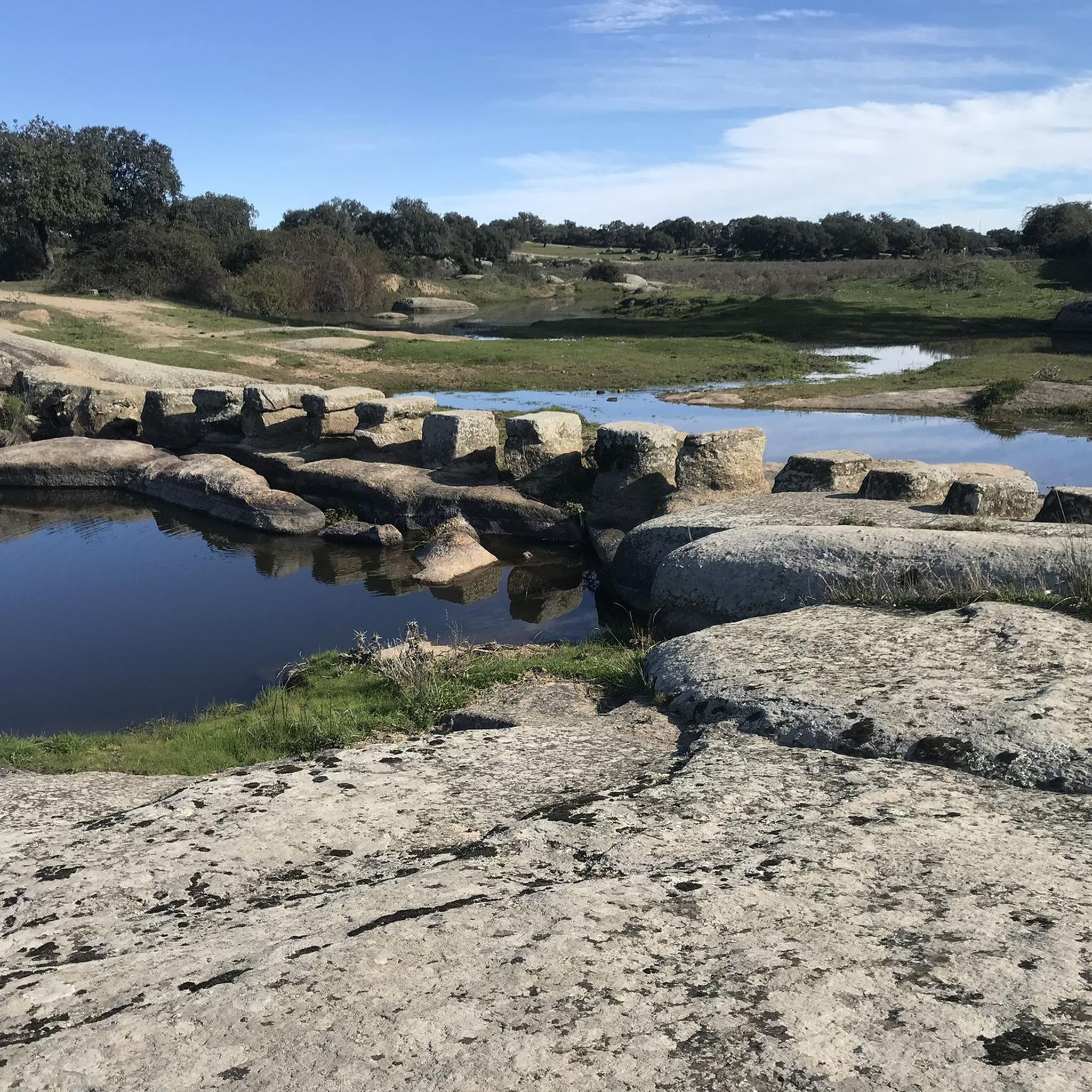
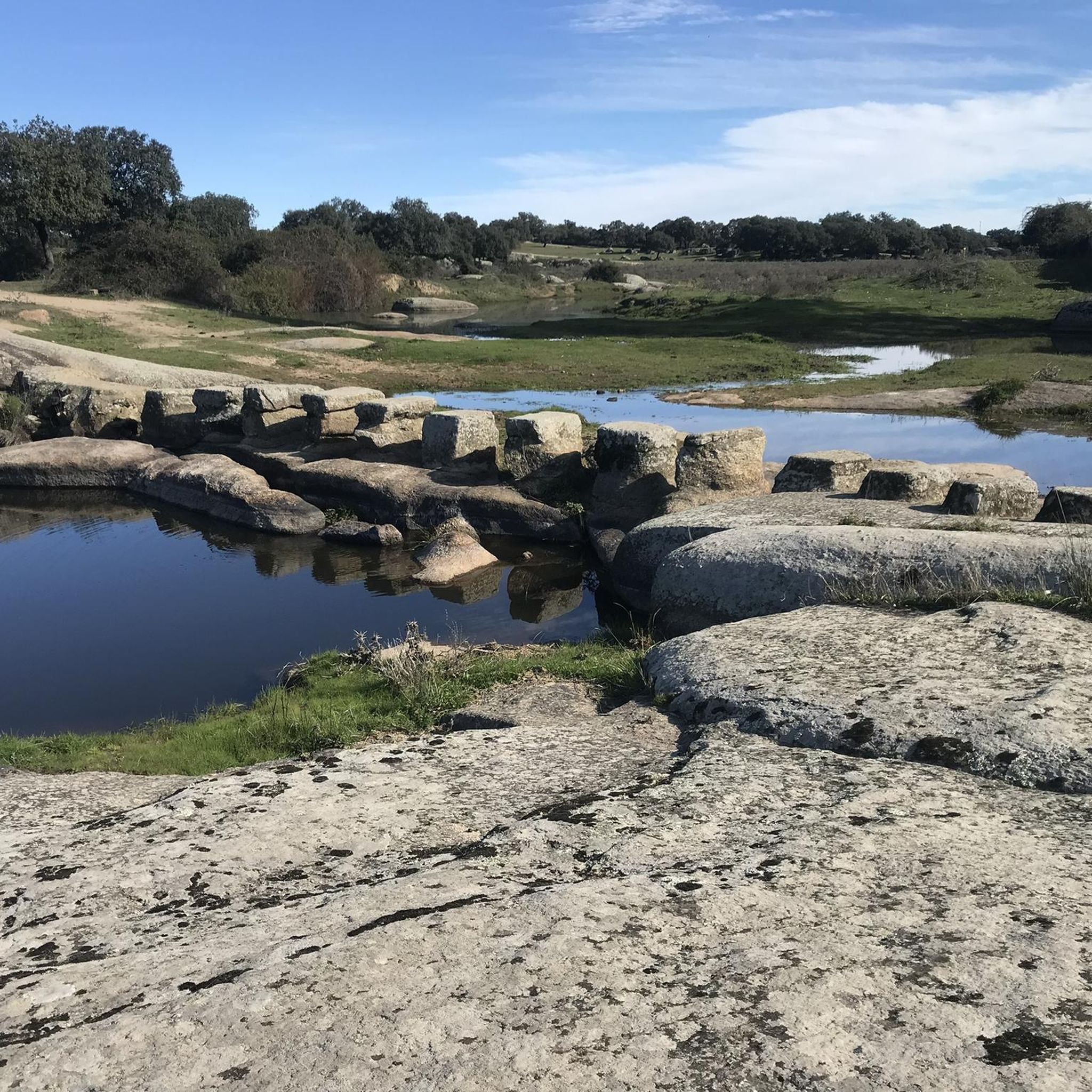
Stone bridge over the Salor river on the route to Torreorgaz. On the south shore you can see the Hermitage of San Isidro. In the dry season the water levels are very low.
1
0
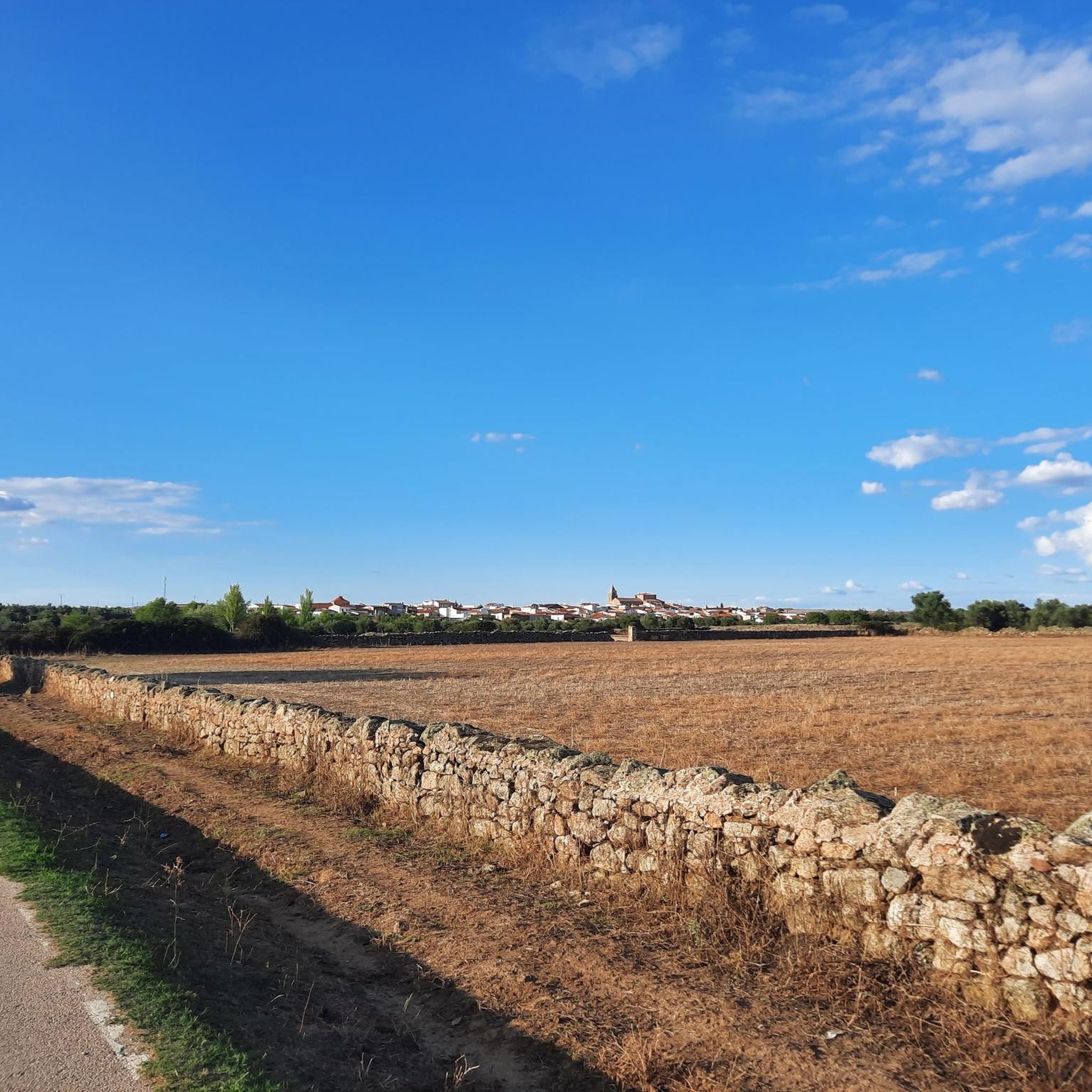
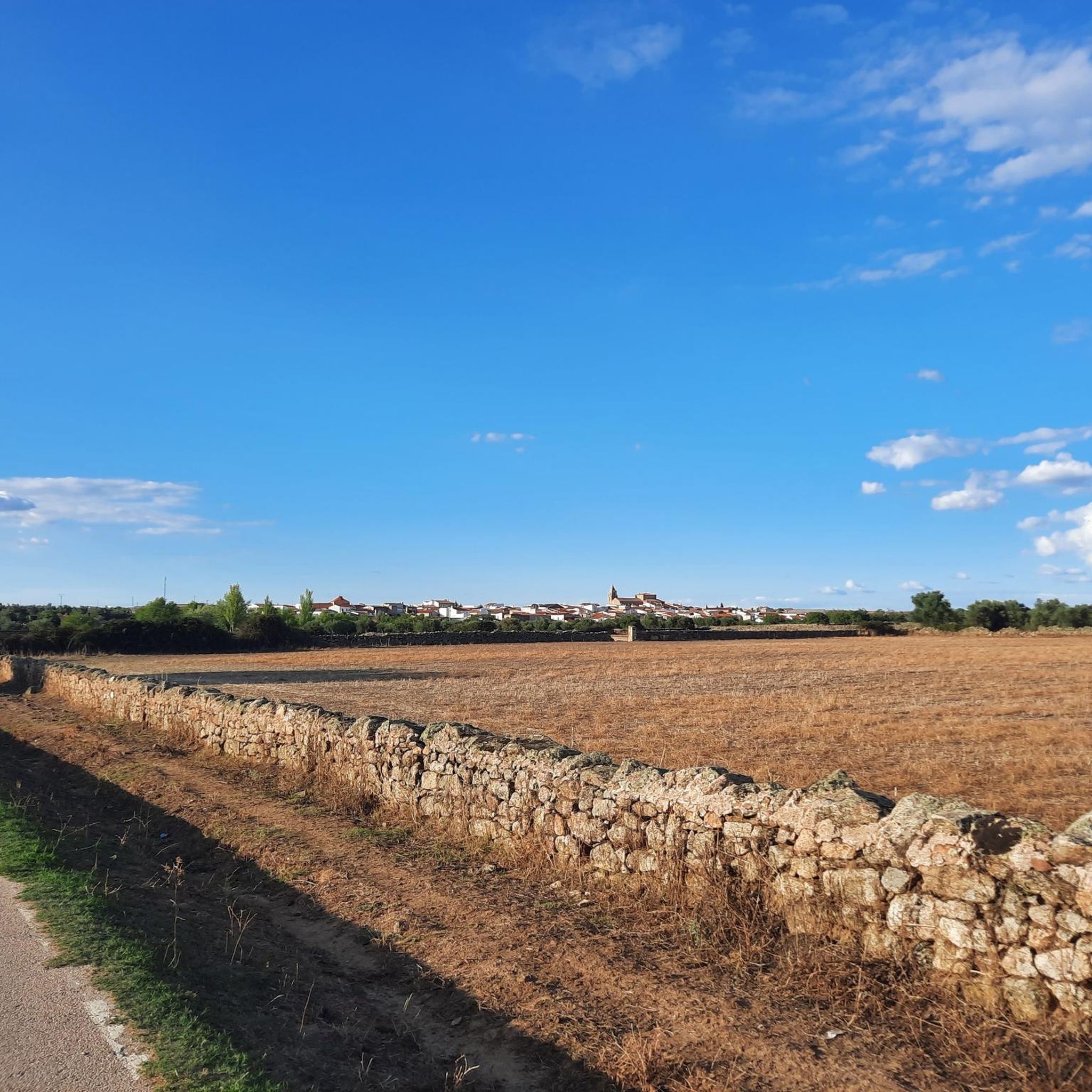
Torreorgaz is a small town that is characterized by the traditional local architecture of whitewashed buildings and clay tile roofs. Located 16 km from the capital Cáceres, check out the Iglesia de San Pedro near the Plaza de España. A good place to rest and eat something.
1
0
Casas de Don Antonio is a small town on the road that connects Mérida with Cáceres, which runs along the Roman road known as Vía de la Plata. Look at the Roman bridge on the other side of the CC-147 road over the Ayuela river.
1
0

This picturesque approved route (PR-CC 27) runs through the interior of the Sierra de Montánchez and Tamuja region through a very picturesque landscape of chestnut trees. It has no technical difficulty and can be started from Montánchez or Arroyomolinos.
1
0
Frequently Asked Questions
How many running routes are available around Torremocha?
There are over 15 running routes available around Torremocha, catering to various preferences. The majority, 13 routes, are classified as moderate, with 2 routes offering a more challenging experience for advanced runners.
What kind of terrain can I expect on jogging trails in Torremocha?
Jogging routes around Torremocha offer a diverse landscape. You can expect a duality of territory, featuring both sierra (mountain range) and gently undulating plains. The region encompasses steppe, sierra, and dehesa (traditional agro-forestry system) areas, providing routes with varying gradients and natural scenery. Some areas, like those near the Llanos de Cáceres y Sierra de Fuentes, are known for wide-open natural spaces and birdwatching opportunities, while others, such as those near the Sierra Palomera, offer challenging trails with significant elevation changes and panoramic views.
Are there any circular running routes in Torremocha?
Yes, several routes in Torremocha are circular. For example, the Castillo del Cachorro and Salor River Loop offers a scenic loop along the Salor River. Another popular option is the Embalse de Jarripa — circular by the arroyo Zorita, providing pleasant running around the reservoir. You can also explore the Embalse de Ayuela loop from Casas de Don Antonio for another great circular option.
What are some scenic viewpoints or natural attractions I might encounter on a run?
Depending on the specific Torremocha location, you can find various scenic spots. In areas like Torremocha de Jiloca, near the Sierra Palomera, you'll find impressive panoramic views, including those from Peña Palomera (1,533 meters), offering vistas of southern Aragon and distant mountain ranges. In Torremocha de Jarama, reservoirs like Embalse del Pontón de La Oliva and Mirador Embalse de El Atazar provide waterside routes and elevated perspectives. The region near Cáceres also offers wide-open natural spaces, especially within the Zona de Interés Regional Llanos de Cáceres y Sierra de Fuentes, which is a Special Protection Area for Birds (ZEPA).
Are there any historical landmarks or points of interest near the running trails?
Yes, there are several historical landmarks and points of interest around Torremocha that you might find near running trails. Notable attractions include the historic Montánchez Castle, the Santiago de Bencáliz Bridge, and the Castillo de Las Arguijuelas de Abajo. For those interested in natural history, there's also The Rock That Moves and the Canaleja de la Torre Spring and Ruins.
What is the best time of year for jogging in Torremocha?
The best time of year for jogging in Torremocha largely depends on the specific location and your preference for scenery. The plains, particularly in areas like Cáceres, undergo significant seasonal transformations. They turn into a lush green landscape in spring after the autumn-winter pasture, offering a vibrant running experience. Summers can be hot, leading to a sparser, steppe-like appearance. Spring and autumn generally offer milder temperatures and beautiful natural displays, making them ideal for outdoor activities.
Are there any routes suitable for a quick run, say under an hour?
Yes, several routes are suitable for a quick run. For instance, the Running loop from Torreorgaz is approximately 4.4 miles (7.0 km) and can often be completed in about 46 minutes. Another option, the Charca del Prado loop from Torreorgaz, is around 4 miles (6.5 km) and takes approximately 40 minutes, perfect for a shorter session.
What are the difficulty levels of the running routes in Torremocha?
The running routes in Torremocha primarily consist of moderate trails, with 13 routes falling into this category. These routes are generally accessible to most runners. Additionally, there are 2 more difficult routes for those seeking a greater challenge, often featuring more significant elevation changes or rugged terrain, particularly in mountainous areas like the Sierra Palomera.
What do other runners enjoy the most about jogging in Torremocha?
Runners using komoot to explore Torremocha often praise the region's varied terrain and natural beauty. The guide highlights that the area offers a mix of open plains, dehesa woodlands, and reservoir-side paths, providing diverse running experiences. The opportunity to enjoy varying gradients and natural scenery, sometimes with potential bird sightings in protected areas, is also frequently appreciated.
Are there any specific ecological features or wildlife I might observe while running?
Yes, the region offers interesting ecological features and wildlife. In areas like the Llanos de Cáceres y Sierra de Fuentes, designated as a Special Protection Area for Birds (ZEPA), you might observe steppe birds such as great bustards, little bustards, and Montagu's harriers. The landscape also includes dehesa areas with traditional agro-forestry systems, and in mountainous regions like Sierra Palomera, you can observe kermes oak groves and limestone cliffs, adding ecological interest to your run.
Are there any routes that offer a good workout with significant elevation gain?
For runners seeking a good workout with significant elevation gain, routes in areas associated with mountain ranges like the Sierra Palomera (near Torremocha de Jiloca) would be ideal. These trails involve considerable inclines and descents, providing a true trail running experience amidst rugged mountain scenery and panoramic views. While specific difficult routes are available, it's recommended to check individual route profiles for detailed elevation data.
Most popular routes around Torremocha
Most popular attractions around Torremocha

Get inspired with the komoot mobile app


Explore more
Browse the best Running Trails & Routes in other regions.
