Attractions and Places To See around Villasur De Herreros - Top 20
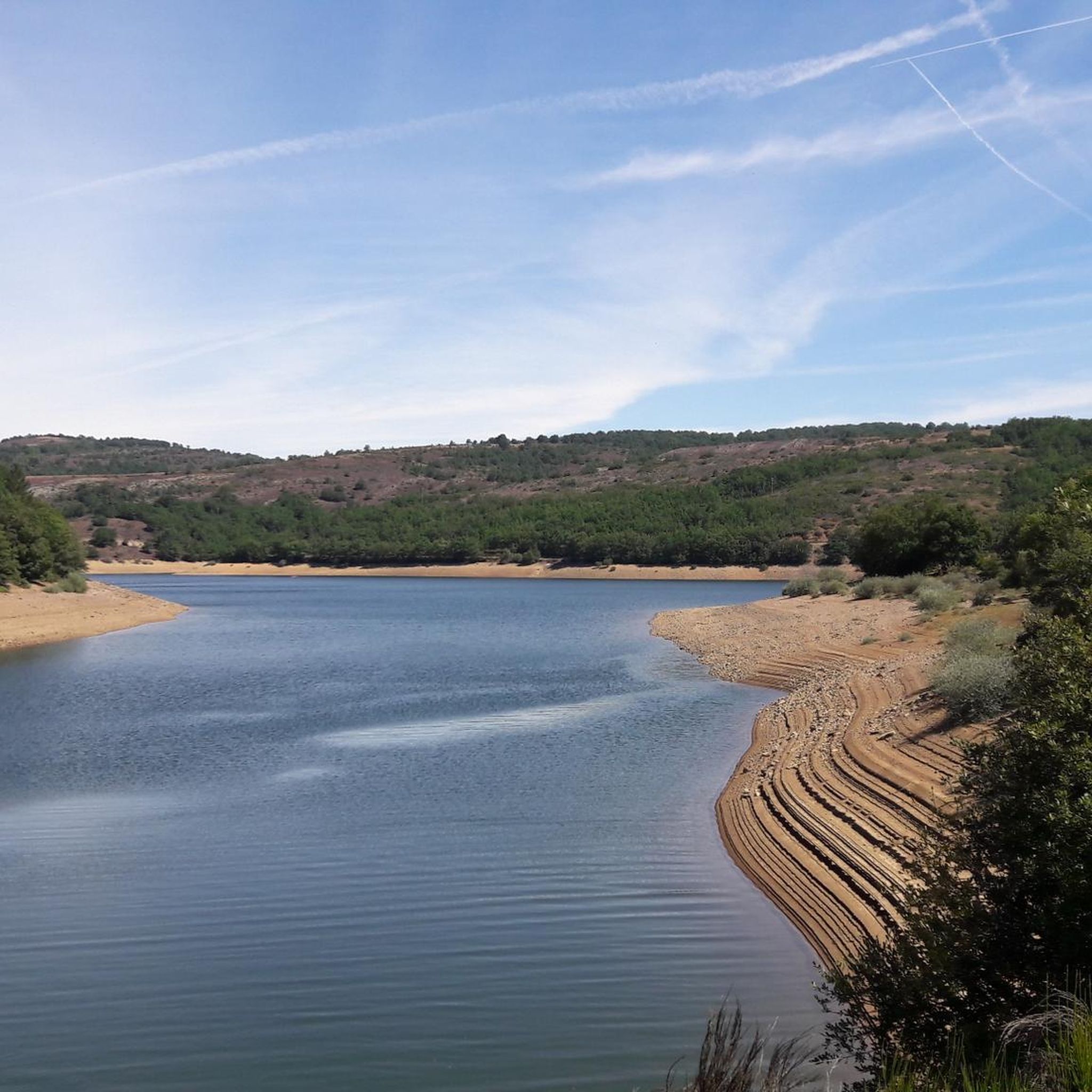
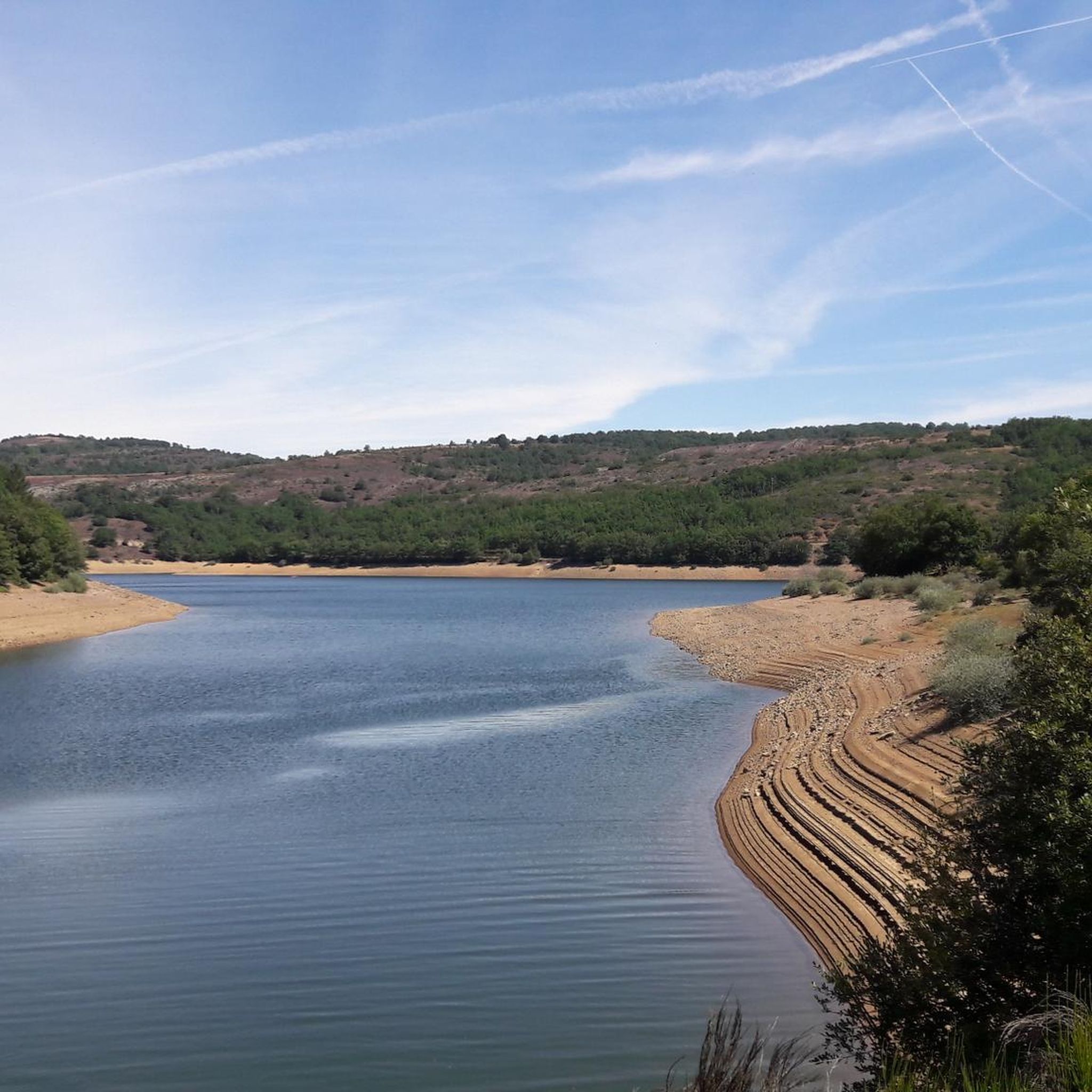
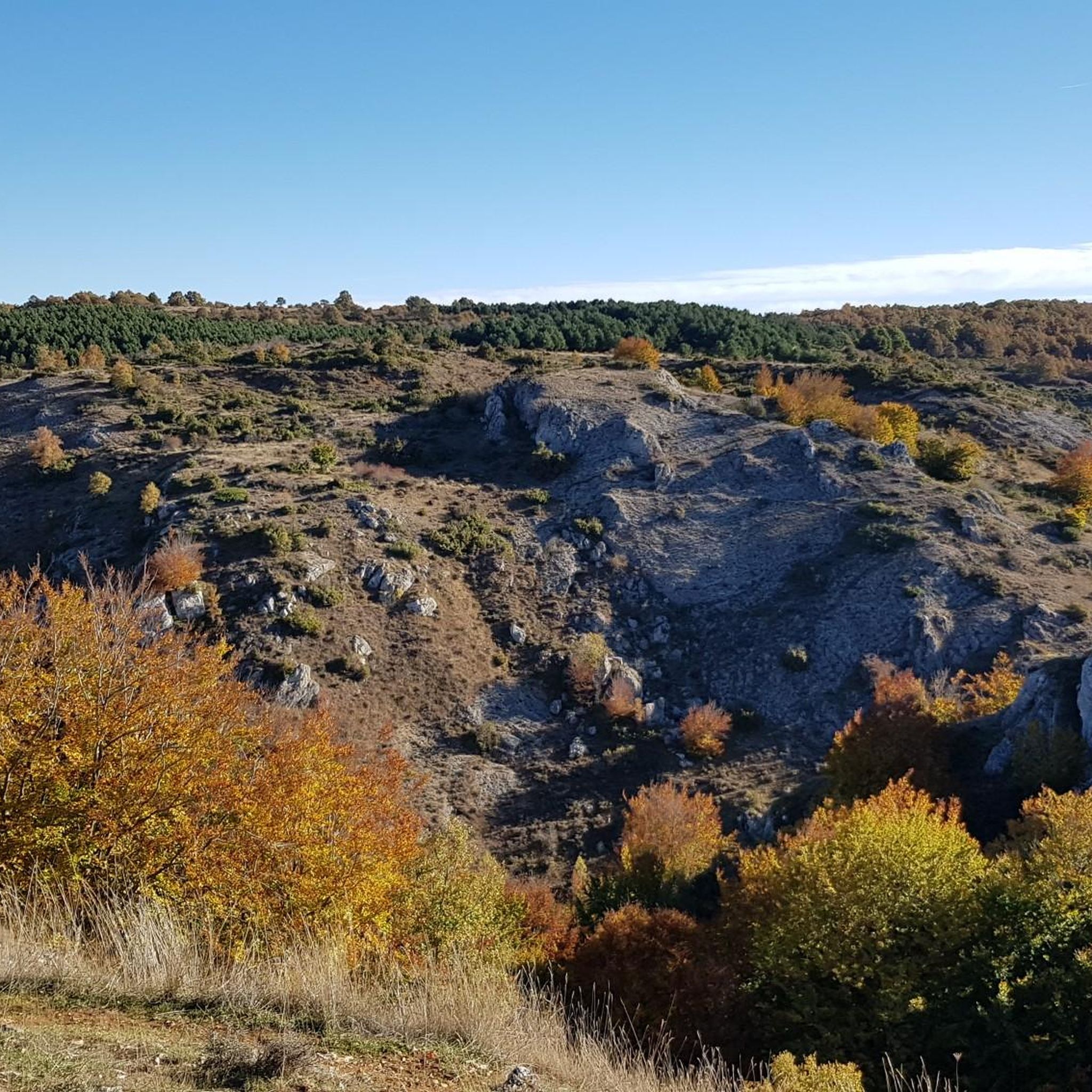
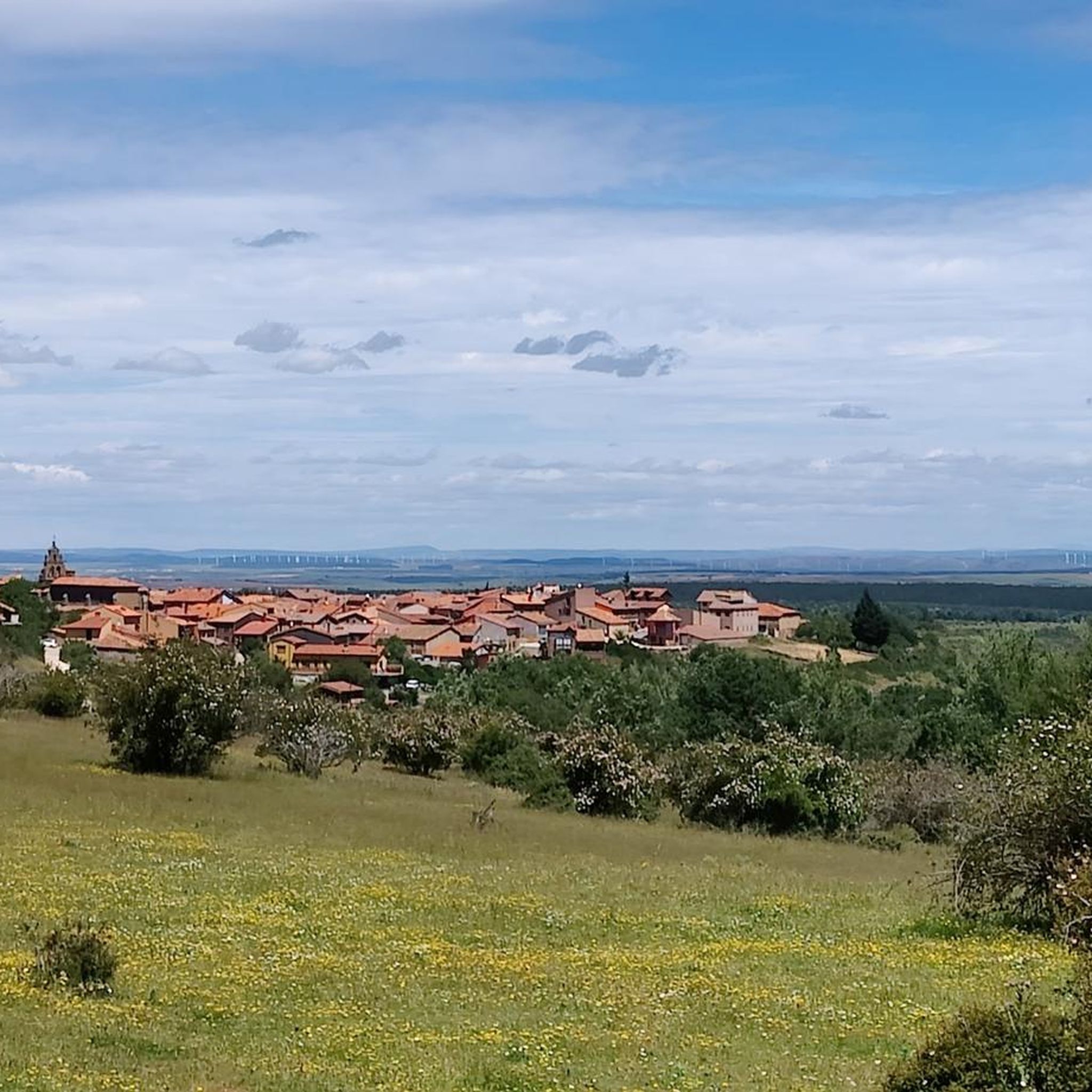
Best attractions and places to see around Villasur De Herreros include a blend of historical landmarks, natural features, and cultural sites. Situated at the foot of the Sierra de la Demanda, the town is known for its historical ironworking and its location on the Arlanzón River. The region offers diverse landscapes, from ancient forests to reservoirs, providing a variety of outdoor activities. Visitors can explore medieval architecture and significant historical points of interest.
Best attractions and places to see around Villasur De Herreros
- The most popular attractions is San Juan de Ortega, a religious building and settlement. This town is a key point on the Camino de Santiago, featuring a monastery and church.
- Another must-see spot is Artistic Oasis of the Camino de Santiago, an other man-made feature. This site presents a collection of painted tree stumps, totems, and other artworks along the Camino de Santiago.
- Visitors also love Monastery and Church of Saint John of Ortega, a religious building. This small hamlet is a significant landmark on the French route of the Camino de Santiago and a popular meeting point for pilgrims.
- Villasur De Herreros is known for its historical sites, religious buildings, and natural landscapes. The area offers a variety of attractions to see and explore, including medieval structures, museums, and scenic routes like the Vía Verde.
- The attractions around Villasur De Herreros are appreciated by the komoot community, with 50 upvotes and 28 photos.
Last updated: August 30, 2026
Monte de la Pedraja Memorial
Highlight • Monument
It is located on Monte de la Pedraja near the town of Villafranca Montes de Oca, Burgos, Spain (source: asociacionrepublicanairunesa.org/fra/presentacion-pacto-olvido.php)
Other links:
Portraits of several shot: fosalapedraja.wixsite.com/fosalapedraja/clients
Detailed account of the exhumation (in Spanish): cronicasapiedefosa.wordpress.com/2015/10/20/fosas-de-la-pedraja-homenajes-y-vandalismo
Exhumation photos: photos.google.com/share/AF1QipPYWkzrJd_NsG50-RAniodpfBASzCfbNwiRMuw3P-2VXLJshhiAa7-BSPFmRZpXDA?pli=1&key=S2ItbmFSLWpHcXR1Q1ltcWtHZVNiYzQ0bm5kM01n
Translated by Google •
Tip by

Monastery and Church of Saint John of Ortega
Highlight • Religious Site
In the background you will see the monastery and the church.
If you need to finish your stage here, in the town there is a hostel for pilgrims and a rural hotel.
Translated by Google •
Tip by

Sign up now to discover places like this
Get recommendations on the best single tracks, peaks, & plenty of other exciting outdoor places.
Sign up for free
Artistic Oasis of the Camino de Santiago
Highlight • Structure
Translated by Google •
Tip by

San Juan de Ortega
Highlight • Religious Site
Translated by Google •
Tip by
Belorado to Villafranca Montes de Oca (Camino de Santiago)
Highlight (Segment) • Trail
Tip by

Sign up for free to discover even more attractions around Villasur De Herreros.
Sign up for free
Already have an account?
Start today with a free account
Your next adventure awaits.
Login or Signup
Popular around Villasur De Herreros


Tips from the Community

It's the first town after driving for miles through the woods with no one around.
0
0

What a shame, everything is neglected.
0
0

A nice area for activities.
0
0

Collection of painted tree stumps, totems, and other artworks after the climb up through the forest, and before you reach the Spanish Civil War monument at the top. There is usually one or two mobile refreshment and gift vendors nearby.
2
0
If you book ahead, you could choose to stay in the small bar Albergue Descanso de San Juan, which only has a few beds, but does great pizzas. However most pilgrims choose to stay in the wonderful monastery, which though fairly basic, is quite comfortable.
2
0

The abbey complex is a dream: 13th century and really well preserved. Unfortunately, the interior has little spiritual impact due to the latticework and the large burial chamber in the center of the room.
1
0

Signage on the Camino de Santiago is essential for pilgrims. Yellow arrows: These arrows will guide you throughout the entire route. They indicate the direction to follow, especially at crossroads. The yellow color is due to the contribution of the parish priest Elías Valiña, a key figure in the resurgence of the Camino de Santiago in the 20th century. Cairns or milestones: These concrete blocks include an arrow, a yellow shell on a blue background and the distance in kilometers to Santiago de Compostela. You will find them every 500 meters in Galicia. Scallop shells: In addition to being drawn on the markers, scallop shells are distributed throughout the Camino. They are universal symbols and have been carried by pilgrims for centuries. The open part of the shell indicates the direction towards Santiago. Good way! 🚶♂️🌟
1
0
Frequently Asked Questions
What historical sites can I explore in Villasur de Herreros?
Villasur de Herreros boasts a rich history. You can visit the rural Gothic-style Church of Nuestra Señora de la Asunción, which features a Romanesque baptismal font and stands on the ancient wall route. Explore remnants of the Medieval Wall, originally built to protect the town. The Bridge over the Arlanzón River, though reconstructed, has medieval origins. For a deeper historical insight, the Monte de la Pedraja Memorial commemorates a significant event from the Spanish Civil War.
What natural attractions are there around Villasur de Herreros?
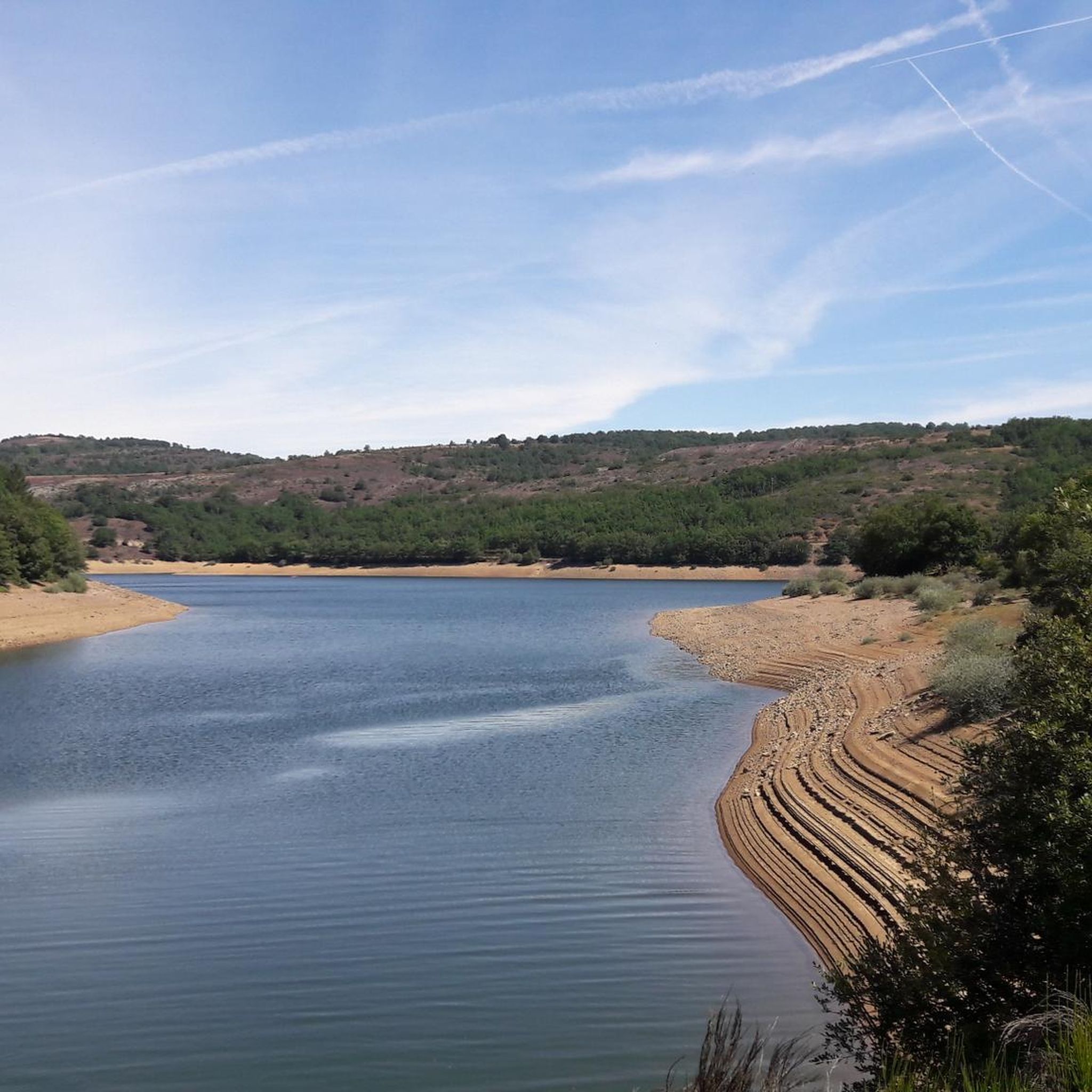
The region around Villasur de Herreros is rich in natural beauty. It's situated at the foot of the Sierra de la Demanda, known for its tall peaks, deep valleys, and extensive forests of ancient oak, beech, and pine trees. The Arlanzón River flows through the town, and nearby, the Úzquiza and Arlanzón Reservoirs offer opportunities for water sports and fishing, blending seamlessly with the natural environment.
Are there any unique cultural experiences in Villasur de Herreros?
Yes, Villasur de Herreros offers several unique cultural experiences. You can visit El Potro Museum, a fully restored farrier's workshop showcasing the town's historical ironworking prominence. Wander through the narrow streets, especially Calle Entrepilones, to admire the distinctive popular architecture with stone and wood facades. The former mill, now the Tourism Office, also displays original milling elements.
What outdoor activities are popular near Villasur de Herreros?
The area around Villasur de Herreros is ideal for various outdoor activities. You can enjoy hiking and cycling along the Vía Verde de la Sierra de la Demanda, which follows an old mining railway line. The Sierra de la Demanda offers numerous trails for mountain hiking, and the reservoirs are great for water sports. Mountain biking is also popular on dedicated trails.
Are there family-friendly activities or trails in Villasur de Herreros?
Yes, Villasur de Herreros offers options for families. The Vía Verde de la Sierra de la Demanda is generally flat and suitable for family cycling or walking. Exploring the historical sites like the Medieval Wall or the El Potro Museum can also be engaging for children. The nearby reservoirs provide opportunities for gentle walks and enjoying nature.
What is the Vía Verde de la Sierra de la Demanda, and what can I do there?
The Vía Verde de la Sierra de la Demanda is a greenway that follows the route of an old mining railway line. It provides an excellent, scenic path for both hiking and cycling, allowing you to immerse yourself in the incomparable landscapes of the Sierra de la Demanda. It's a great way to experience the region's natural beauty and learn about its industrial past.
Can I visit sites related to the Camino de Santiago near Villasur de Herreros?
Absolutely. The famous Camino de Santiago pilgrimage route passes through nearby San Juan de Ortega. Here, you can visit the significant Monastery and Church of Saint John of Ortega, a key landmark and popular meeting point for pilgrims on the French route. Another unique stop is the Artistic Oasis of the Camino de Santiago, featuring painted tree stumps and artworks.
What is the best time of year to visit Villasur de Herreros for outdoor activities?
The best time to visit Villasur de Herreros for outdoor activities like hiking and cycling is typically during the spring (April to June) and autumn (September to October). During these seasons, the weather is generally mild and pleasant, making it ideal for exploring the natural landscapes and historical sites without the extreme heat of summer or the colder temperatures of winter.
Where can I learn about the region's industrial past?
To learn about the region's industrial past, you can visit El Potro Museum, which was historically a farrier's workshop and highlights the town's ironworking heritage. Additionally, the reconstructed Ermita de San Roque now houses the Interpretation Museum of the Mining Railway of the Sierra de la Demanda, featuring a spectacular model of the railway route that is now the Vía Verde.
Are there options for cycling around Villasur de Herreros?
Yes, cycling is a popular activity around Villasur de Herreros. The Sierra de la Demanda Greenway (Vía Verde) offers excellent routes for touring bicycles. You can also find more challenging MTB trails, including loops around the Arlanzón Reservoir. The diverse terrain caters to various cycling preferences.
What kind of hiking trails are available near Villasur de Herreros?
Near Villasur de Herreros, you'll find a variety of hiking trails, from easy walks along the Vía Verde de la Sierra de la Demanda to more challenging mountain hikes in the Sierra de la Demanda. Trails lead through extensive forests of oak and beech, to peaks like La Trigaza and El San Millán, offering stunning views. There are also routes around the Arlanzón and Úzquiza Reservoirs.
Is Villasur de Herreros dog-friendly for hiking?
While specific regulations for dog-friendly trails are not detailed, generally, the natural areas and greenways like the Vía Verde in Spain are accessible for dogs, often requiring them to be on a leash. It's always advisable to check local signage or specific trail rules upon arrival to ensure compliance and respect for wildlife and other visitors.
Are there places to eat or stay in Villasur de Herreros?
Villasur de Herreros, being a charming town, offers some local options for dining and accommodation. While specific establishments are not detailed, you can expect to find traditional Spanish cuisine in local restaurants or cafes. For accommodation, there are likely rural hotels or guesthouses that cater to visitors exploring the Sierra de la Demanda and the Camino de Santiago.
Most popular routes around Villasur De Herreros
Most popular attractions around Villasur De Herreros

Get inspired with the komoot mobile app


Explore more
Still not found the Highlight you’re looking for? See guides of the top attractions in other regions:
