Attractions and Places To See around Ribadumia - Top 20
Best attractions and places to see around Ribadumia include a diverse range of natural beauty, historical landmarks, and cultural experiences within Galicia's Salnés region. Situated in the province of Pontevedra, the area is characterized by its fluvial paths along the Umia River and significant historical sites. Visitors can explore ancient monasteries, archaeological sites, and well-preserved manor houses. The landscape offers a blend of forests, vineyards, and river trails, providing varied opportunities for exploration.
Best attractions and places to see around Ribadumia
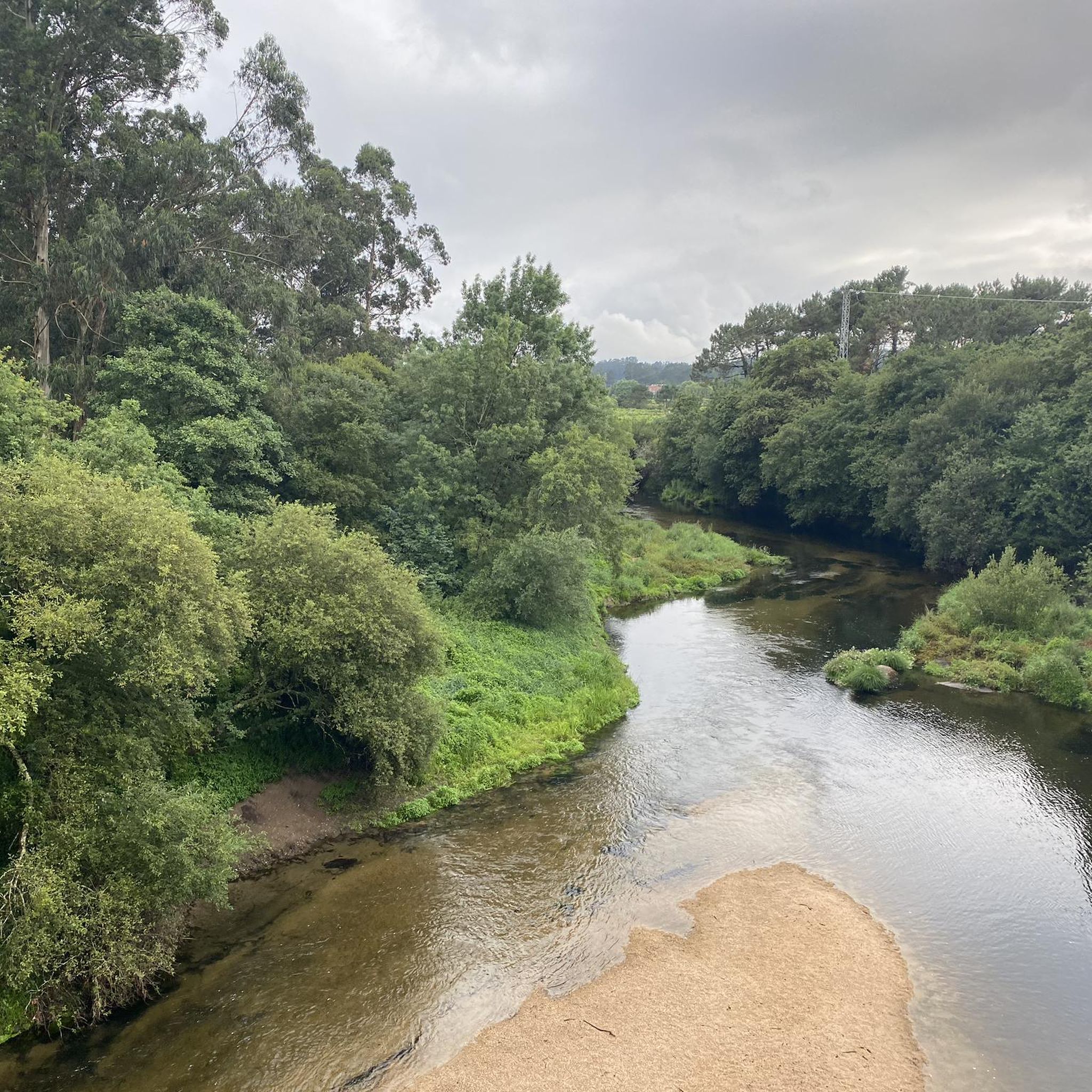
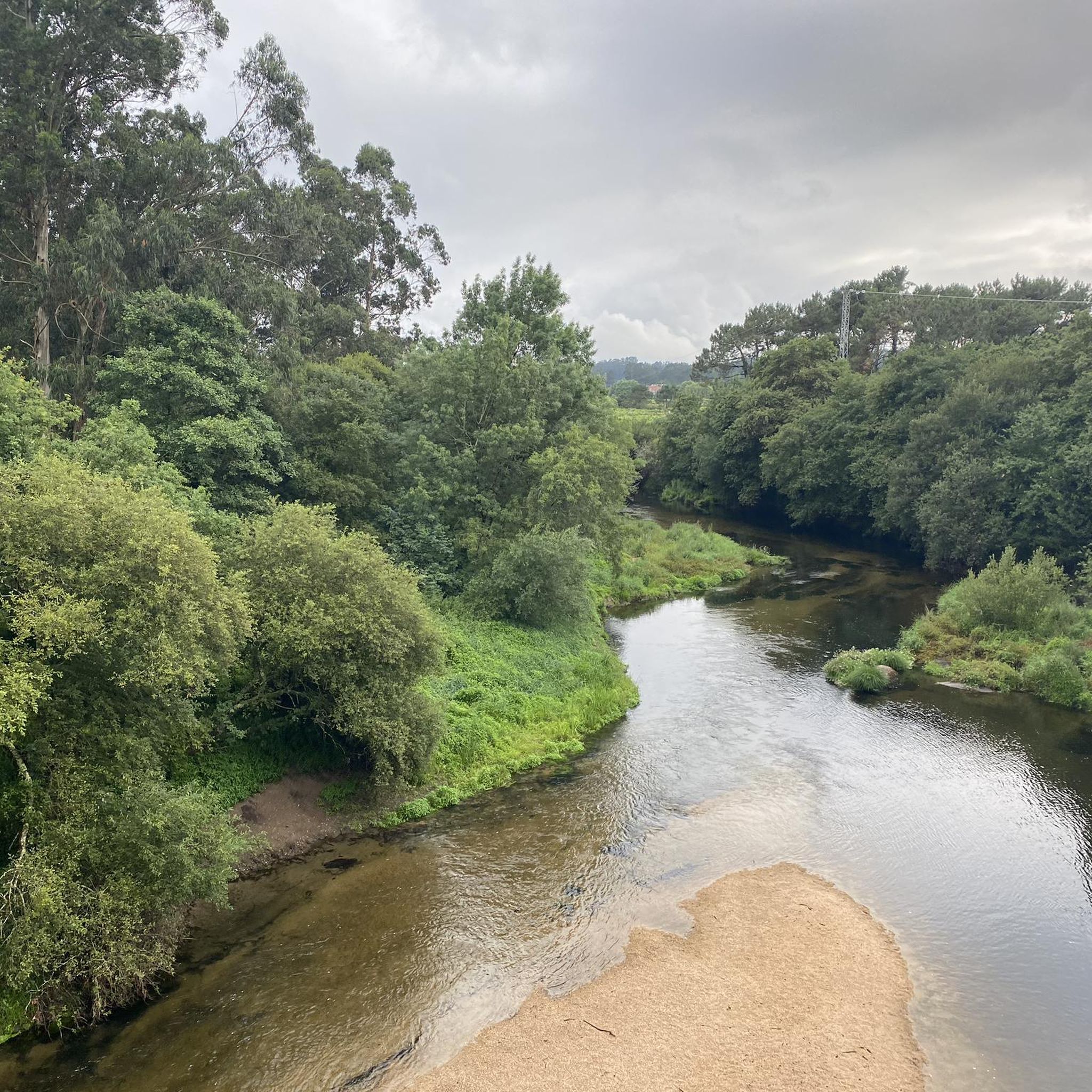
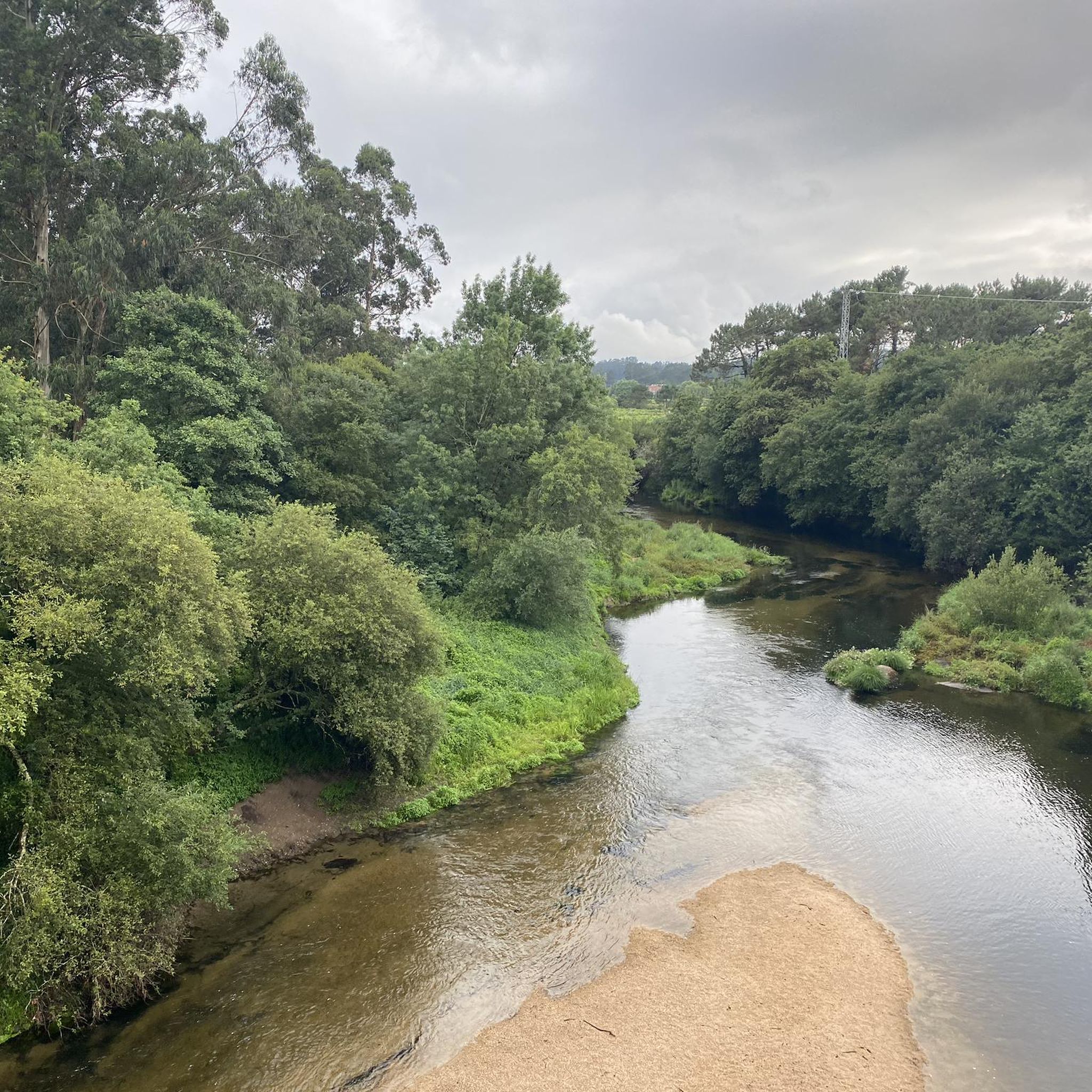
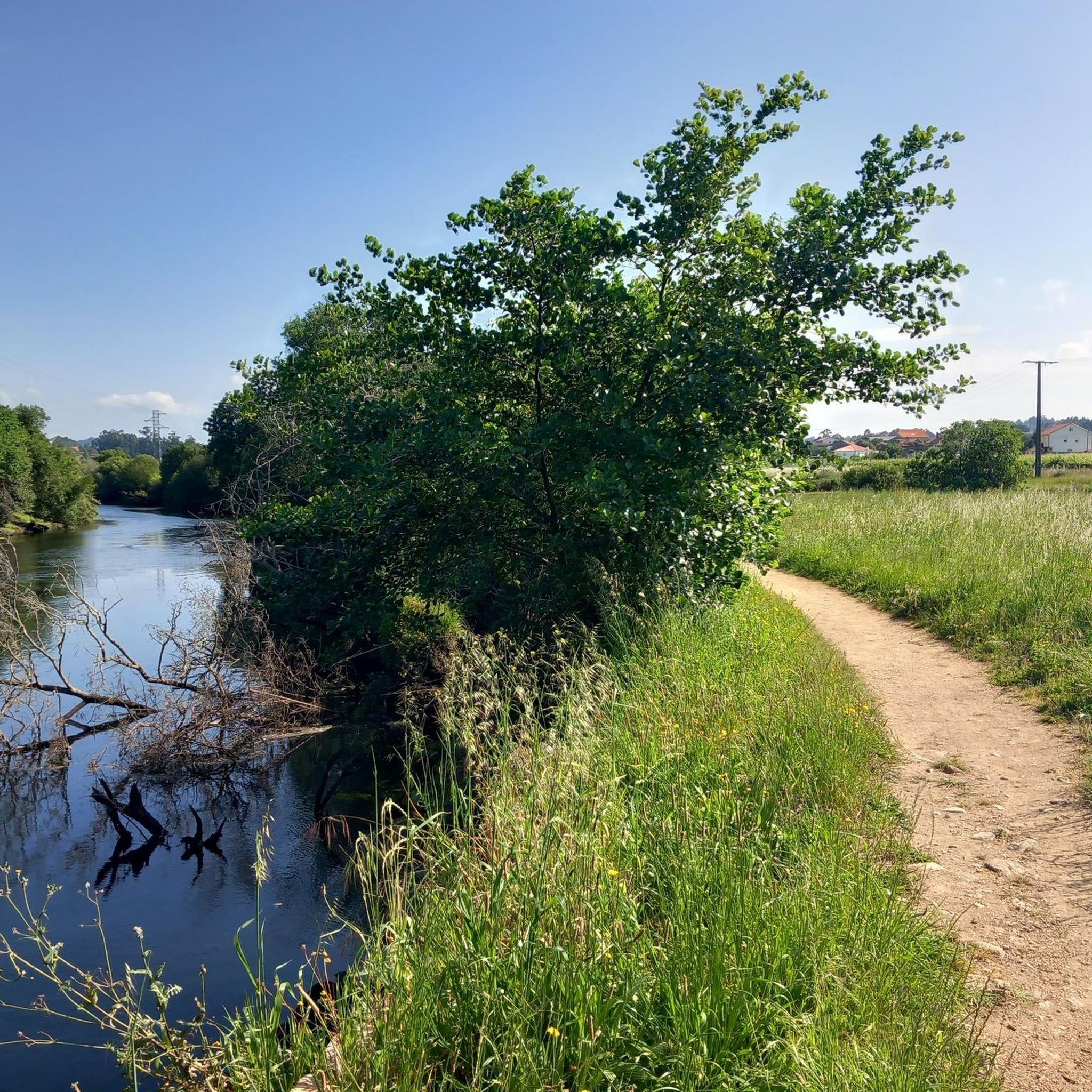
- The most popular attractions is Stone and Water Route (Armenteira River Trail), a trail that winds along the Armenteira River. It is known for its well-maintained path and scenic combination of water and stone, offering a beautiful environment for walkers.
- Another must-see spot is Armenteira Monastery, a religious building dating back to 1167. This magnificent monastery showcases Renaissance and Baroque architectural styles, with a Romanesque church featuring a Latin cross plan and a beautiful openwork rose window.
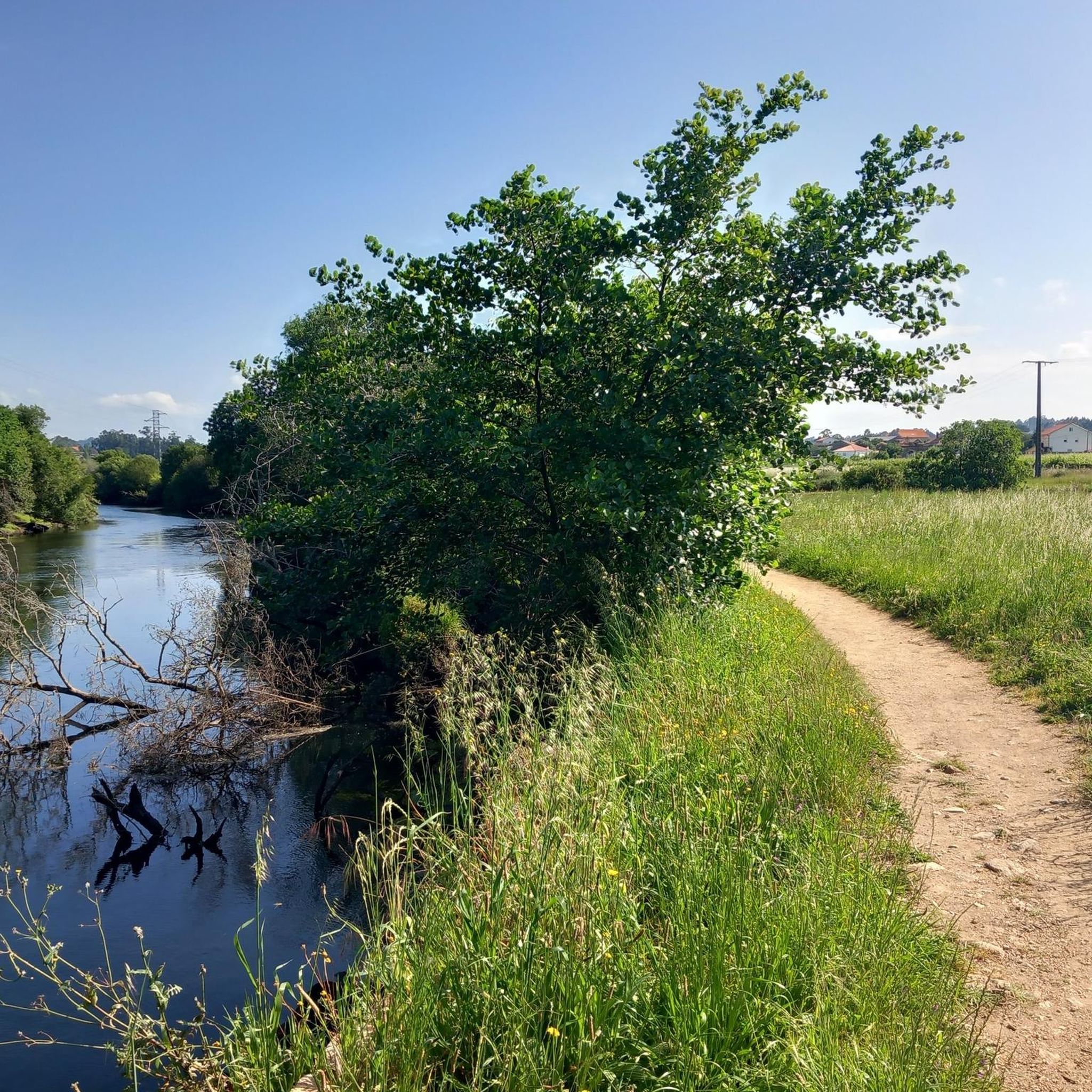
- Visitors also love Vineyard and Forest Path, a trail that combines a humid forest environment with extensive orchards and vineyards. This path offers views of small waterfalls and ancient walls, providing a tranquil experience through diverse landscapes.
- Ribadumia is known for its historical sites, natural trails, and cultural landmarks. The region offers a variety of attractions to see and explore, from ancient monasteries to river routes and archaeological sites.
- The attractions around Ribadumia are appreciated by the komoot community, with more than 280 upvotes and 20 photos shared by visitors.
Last updated: August 29, 2026
Camino de Santiago Milestone – Km 60
Highlight • Monument
Yellow arrows: These arrows will guide you throughout the entire route. They indicate the direction to follow, especially at crossroads. The yellow color is due to the contribution of the parish priest Elías Valiña, a key figure in the resurgence of the Camino de Santiago in the 20th century.
Cairns or milestones: These concrete blocks include an arrow, a yellow shell on a blue background and the distance in kilometers to Santiago de Compostela. You will find them every 500 meters in Galicia.
Scallop shells: In addition to being drawn on the markers, scallop shells are distributed throughout the Camino. They are universal symbols and have been carried by pilgrims for centuries. The open part of the shell indicates the direction towards Santiago.
Good way! 🚶♂️🌟
Translated by Google •
Tip by

Caldas de Reis Thermal Baths
Highlight • Structure
Translated by Google •
Tip by

Sign up now to discover places like this
Get recommendations on the best single tracks, peaks, & plenty of other exciting outdoor places.
Sign up for free
Vineyard and Forest Path
Highlight (Segment) • Trail
Translated by Google •
Tip by
Stone and Water Route (Armenteira River Trail)
Highlight • Trail
Translated by Google •
Tip by
Armenteira Monastery
Highlight • Religious Site
Translated by Google •
Tip by
Sign up for free to discover even more attractions around Ribadumia.
Sign up for free
Already have an account?
Start today with a free account
Your next adventure awaits.
Login or Signup
Tips from the Community

really beautiful pilgrimage route 🤙
1
1

The goal is the path.
1
1
The nice thing is that you don't need navigation.
0
1
Enjoy the fresh air in the shade of the vines.
2
0
Beautiful city with many murals.
1
0

Signage on the Camino de Santiago is essential for pilgrims. Yellow arrows: These arrows will guide you throughout the entire route. They indicate the direction to follow, especially at crossroads. The yellow color is due to the contribution of the parish priest Elías Valiña, a key figure in the resurgence of the Camino de Santiago in the 20th century. Cairns or milestones: These concrete blocks include an arrow, a yellow shell on a blue background and the distance in kilometers to Santiago de Compostela. You will find them every 500 meters in Galicia. Scallop shells: In addition to being drawn on the markers, scallop shells are distributed throughout the Camino. They are universal symbols and have been carried by pilgrims for centuries. The open part of the shell indicates the direction towards Santiago. Good way! 🚶♂️🌟
7
0
Through the forest, along the railway line.
2
0

Walking poles useful as downhill on the rocks, bit slippery in parts after rain. Beautiful walk.
2
0
Frequently Asked Questions
What are the best natural attractions to explore in Ribadumia?
Ribadumia offers several beautiful natural spots. The Stone and Water Route (Armenteira River Trail) is a popular choice, known for its well-maintained path along the Armenteira River, featuring scenic water and stone elements. You can also explore the extensive fluvial paths along the Umia River, which stretch for over 10 kilometers and are dotted with old mills, washhouses, and fountains. The Carballeira de Ribadumia, an enclosed oak grove, provides a pleasant natural space for relaxation, especially in summer.
Are there any historical sites or cultural landmarks to visit in Ribadumia?
Yes, Ribadumia is rich in history. The magnificent Armenteira Monastery, dating back to 1167, showcases stunning Renaissance and Baroque architecture. Another significant historical site is Monte do Castro, an archaeological site offering insights into the region's ancient past and providing wonderful views. You can also find several well-preserved Galician manor houses, known as 'pazos,' such as Pazo Quinteiro da Cruz, famous for its camellia gardens, and Pazo de Barrantes, known for its Albariño grape cultivation.
What kind of outdoor activities can I do near Ribadumia's attractions?
Beyond exploring the attractions themselves, Ribadumia is excellent for various outdoor activities. You can enjoy hiking along the Stone and Water Route or the Vineyard and Forest Path. For cycling enthusiasts, there are numerous routes available. You can find detailed options for gravel biking, mountain biking, and road cycling around Ribadumia, offering diverse terrains and scenic views.
Are there family-friendly attractions in Ribadumia?
Absolutely! Many attractions in Ribadumia are suitable for families. The Stone and Water Route (Armenteira River Trail) and the Vineyard and Forest Path offer enjoyable walks for all ages. The Armenteira Monastery is also considered family-friendly, providing a glimpse into history and architecture. Additionally, the recreational area of Cabanelas on the Umia River features a river beach and municipal pools, perfect for a family day out.
Where can I experience the Camino de Santiago near Ribadumia?
The Camino de Santiago passes directly through Ribadumia. You can encounter the pilgrimage route marked by yellow arrows and concrete milestones, such as the Camino de Santiago Milestone – Km 60, which indicates the distance to Santiago de Compostela. These markers, along with scallop shells, guide pilgrims and offer a chance to experience a segment of this historic journey.
What is the Ruta de la Camelia and where can I find it?
The Ruta de la Camelia is a botanical route celebrating the beautiful camellia flower. A key stop on this route is the Pazo Quinteiro da Cruz in Lois, which boasts an impressive botanical garden recognized for its collection of over five thousand camellia plants of more than a thousand different species. It's a must-visit for botanical enthusiasts.
Are there any thermal baths or wellness spots nearby?
While not directly in Ribadumia, the Caldas de Reis Thermal Baths are a notable nearby point of interest. Located in the municipality of Caldas de Reis, these thermal waters have historical significance and are known for their therapeutic properties, particularly for rheumatism and skin conditions.
What are the Umia River paths like, and what can I see there?
The Umia River paths in Ribadumia offer more than 10 kilometers of scenic walks. As you stroll along the riverbanks, you'll encounter beautiful natural scenery, often accompanied by historic elements such as old mills, traditional washhouses, and fountains, enriching the ethnographic heritage of the area. The recreational area of Cabanelas, with its river beach, is also located along these paths.
What are some unique historical structures in Ribadumia besides the monastery?
Beyond the Armenteira Monastery, Ribadumia features several other unique historical structures. The municipality is home to numerous well-preserved Galician manor houses, or 'pazos,' each with its own history and charm, like Pazo da Pedreira from the 16th century. Additionally, the medieval A Ponte dos Padriños (Godparents' Bridge) in Ponte Arnelas is associated with ancient fertility rituals and served as an important historical connection.
What do visitors enjoy most about the attractions in Ribadumia?
Visitors particularly appreciate the blend of natural beauty and historical richness. The well-maintained paths of the Stone and Water Route are often highlighted for their scenic environment. The architectural grandeur of the Armenteira Monastery and the tranquil experience of the Vineyard and Forest Path are also frequently praised. The overall appeal lies in the diverse opportunities for exploration, from ancient sites to river trails.
Are there any specific routes for exploring the traditional mills in Ribadumia?
Yes, the Barrantes Mills Route (Ruta de los Molinos de Barrantes) is dedicated to exploring the traditional water mills along the Rego Armenteira. These mills, including the Molinos do Batan, are significant parts of Ribadumia's tranquil natural and ethnographic heritage, offering a glimpse into the region's past industries.
What is the best time of year to visit Ribadumia for outdoor activities and sightseeing?
Ribadumia is enjoyable throughout the year, but for outdoor activities like hiking and exploring the gardens, spring and early autumn offer pleasant temperatures and lush landscapes. Summer is ideal for enjoying the river beaches and recreational areas, while the camellia gardens are particularly stunning in late winter and early spring when the flowers are in bloom.
Most popular attractions around Ribadumia

Get inspired with the komoot mobile app


Explore more
Still not found the Highlight you’re looking for? See guides of the top attractions in other regions:
