The best gravel rides around Ribadumia
4.8
(6)
115
riders
14
rides
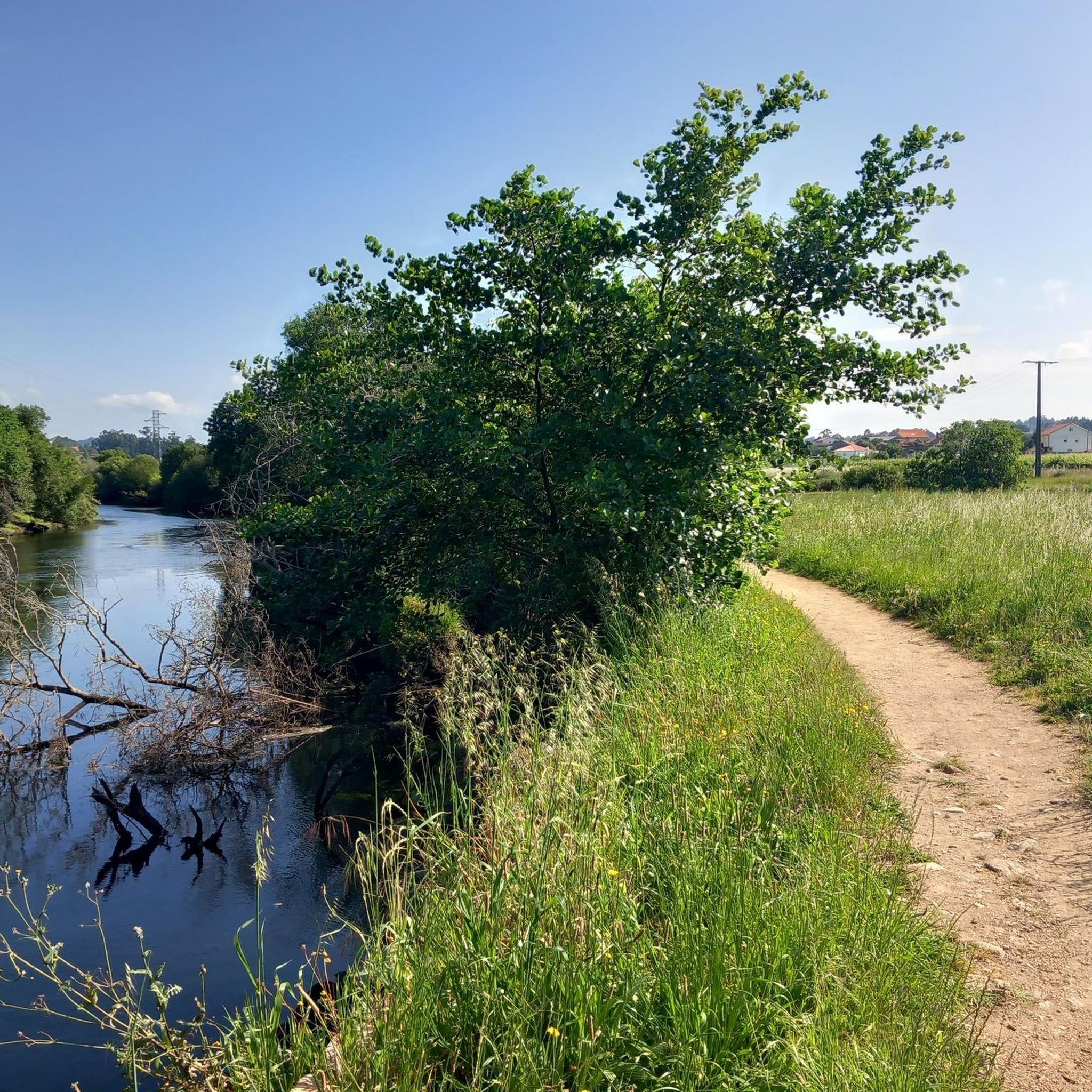
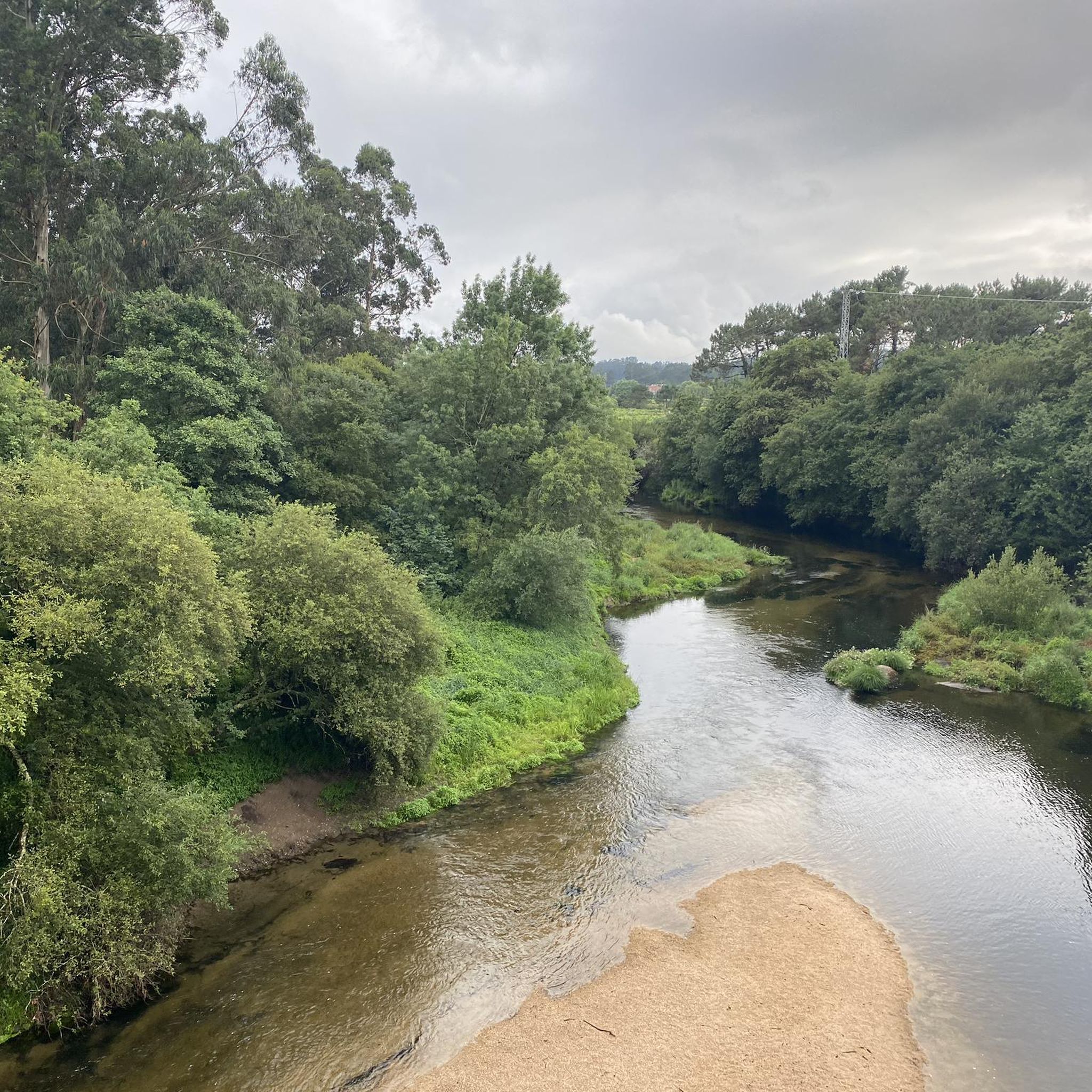
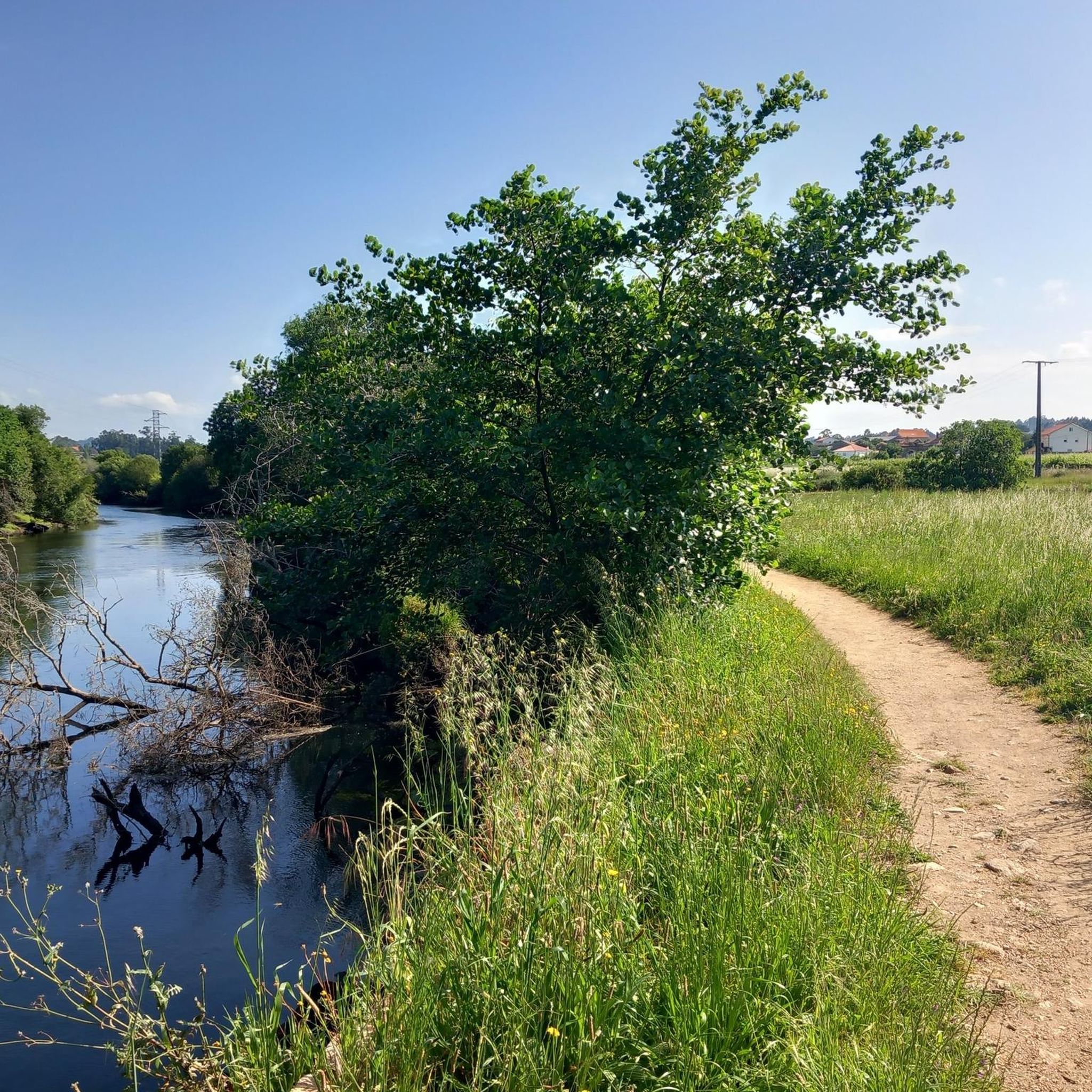
Gravel biking around Ribadumia offers diverse landscapes in Galicia's Salnés region. The area features a mix of lush, humid forests, extensive orchards, and vineyards. The Umia River and its network of streams shape the terrain, providing over ten kilometers of picturesque riverside paths. These paths, along with varied elevations, create a compelling environment for gravel cycling.
Best gravel bike trails around Ribadumia
- The most popular gravel bike trail is Ponte Sampaio Bridge – Mysterious forest loop from Portela, an…
Last updated: July 2, 2026
32
riders
141km
08:29
1,620m
1,620m
Hard gravel ride. Very good fitness required. Mostly paved surfaces. Suitable for all skill levels.
4.0
(3)
32
riders
71.9km
04:05
770m
770m
Hard gravel ride. Very good fitness required. Mostly paved surfaces. Suitable for all skill levels.

Sign up for free
5.0
(1)
12
riders
162km
10:11
2,230m
2,230m
Hard gravel ride. Very good fitness required. Mostly paved surfaces. Suitable for all skill levels.
11
riders
54.3km
03:29
620m
620m
Hard gravel ride. Very good fitness required. Mostly paved surfaces. Suitable for all skill levels.
5.0
(1)
10
riders
55.0km
03:32
290m
290m
Moderate gravel ride. Good fitness required. Mostly paved surfaces. Suitable for all skill levels.
Get access to more routes and recommendations from other explorers.
Sign up for free
Already have an account?
Our route recommendations are based on thousands of hikes, rides, and runs completed by other people on komoot.
Start today with a free account
Your next adventure awaits.
Login or Signup
Tips from the Community


Good area for cycling!
0
0


The famous shell church was formerly dedicated to San Sebastián, but after the reform, the Virgen del Carmen was substituted as the main image. This chapel venerates the famous San Caralampio III, a 19th-century martyr who is the patron saint of skin diseases. The patronage and veneration of this special place, the thermal waters of the thermal baths on the island of A Toxa, are used as a skin-healing therapy, so people have been going to this chapel since ancient times to ask for the protection of this saint. Why is the church covered with scallop shells? It is the only chapel in the world covered with scallop shells. Originally built in 1909, this was the result of chance. The facade, where the altar is located, faces south, and rain constantly beats down on the walls, creating dampness and damaging the structure. At the end of the 1940s, Raimundo Riestra Calderón, II Marqués de Riestra, summoned a mason to offer a solution to this problem, which had dragged on for almost four decades. The man informed him that a traditional method of preventing water infiltration was to cover scallops with scales all over their surfaces, allowing water to slide down them without wetting the interior. He thought the idea was great and accepted the proposal. When the facade was finished, the Marquis liked it so much that, as administrator of the spa, he ordered the entire church to be covered with shells. It was a slow process that took several years, beginning in the late 1940s and ending in the early 1950s. And one last detail: If you were transported back in time 120 years to the same point where you are now, you wouldn't walk on land, but would float in the water along with the church. Almost the entire garden was an old salt mine, lost in the distant past. It was filled in at the beginning of the 20th century.
0
1

A beautiful route with a few steep and bumpy sections. At a reasonable speed, you can easily cover it even on a touring bike.
1
1

Frequently Asked Questions
How many gravel bike trails are available in Ribadumia?
Ribadumia offers a good selection of gravel biking routes, with over 10 trails available for exploration. These routes cater to various skill levels, ensuring there's something for everyone.
What kind of terrain can I expect on gravel bike trails in Ribadumia?
The terrain in Ribadumia is quite diverse, featuring lush, humid forests, extensive orchards, and picturesque vineyards. Many routes also follow the scenic Umia River and its network of streams, offering a mix of riverside paths and varied elevations.
What do other gravel bikers enjoy most about the trails in Ribadumia?
The komoot community highly rates the gravel biking experience in Ribadumia, with an average score of 4.7 stars from over 5 reviews. Many of the 80+ visitors praise the varied terrain, from dense forests to scenic vineyards, and the well-maintained paths along the Umia River.
Are there any circular gravel bike routes in Ribadumia?
Yes, many of the gravel routes in Ribadumia are designed as loops, allowing you to start and end at the same point. For example, the Ponte Sampaio Bridge – Mysterious forest loop from Portela is a challenging 87.7-mile circular trail that explores dense forests.
What are the difficulty levels of gravel biking routes in Ribadumia?
Ribadumia offers a range of difficulties. While there are no easy routes listed, you'll find 6 moderate and 7 difficult trails. Routes like the Arnosa Cove – Forest Trail by Lagoa Bodeira loop from A Toxa's Island are considered moderate, while others like the Caldas de Reis – Mysterious forest loop from Portas offer significant elevation changes and are rated difficult.
Can I find routes that pass by historical sites or cultural points of interest?
Absolutely! Ribadumia's trails often weave through areas rich in cultural heritage. You can explore paths featuring old mills, washing places, and fountains along the Umia River. The famous "Ruta da Pedra e da Auga" (Stone and Water Route), known for its numerous mills, is a significant draw. You might also encounter sections of the Camino de Santiago, such as the Camino de Santiago Milestone – Km 60, or even archaeological legacies like the Castro de Besomaño.
Are there any notable natural features or landmarks to see along the gravel trails?
Yes, the region is abundant with natural beauty. You can ride through dense forests and vineyards, or along the picturesque Umia River. Highlights include the Barosa Waterfall and Mills, the Dunes of A Lanzada, and the summit of Monte Siradella, offering stunning views.
Are there any trails that follow the Umia River?
Yes, the Umia River is a central natural feature in Ribadumia, and many gravel routes incorporate its scenic riverside paths. These routes offer over ten kilometers of picturesque riding alongside the river, often passing by old mills and other charming features.
Are there family-friendly gravel biking options in Ribadumia?
While many routes in Ribadumia are rated moderate to difficult, the extensive network of paths through orchards, vineyards, and along the Umia River offers potential for easier, more leisurely rides suitable for families. Look for flatter sections or shorter loops that avoid significant elevation gains.
What is the best time of year to go gravel biking in Ribadumia?
Given the region's lush, humid forests and vineyards, spring and autumn are generally ideal for gravel biking in Ribadumia. The weather is typically milder, and the natural scenery is at its most vibrant, making for a very pleasant riding experience.
Where can I find parking near the trailheads in Ribadumia?
While specific parking areas aren't detailed for every trailhead, Ribadumia is generally accessible. Look for public parking in the main town areas or near popular starting points for routes, such as those close to the Umia River or known cultural sites. Always ensure you park responsibly and legally.
Are there places to eat or drink near the gravel trails?
Ribadumia and the surrounding Salnés region are known for their gastronomy and wine. You'll find various cafes, restaurants, and local establishments in the towns and villages along or near the gravel routes, perfect for a refreshment stop or a meal after your ride.
Can I access the gravel bike trails using public transport?
Public transport options in rural Galician areas like Ribadumia might be limited compared to larger cities. It's advisable to check local bus schedules or consider driving to a central point in Ribadumia to access the trail network. Some routes may start from towns with better public transport links, such as the Roman Bridge over the Bermaña River – Mysterious forest loop from Illa de Cortegada.
Most popular attractions around Ribadumia

Get inspired with the komoot mobile app


Explore more
Browse the best Gravel rides in other regions.
