Attractions and Places To See around Puebla De San Miguel - Top 20
Best attractions and places to see around Puebla De San Miguel are primarily found within the Puebla de San Miguel Natural Park, a protected area spanning over 6,000 hectares in the Rincón de Ademuz county. This mountainous region is characterized by its diverse plant communities, including Spanish juniper and Scots pine, and offers numerous trails for outdoor activities. The area also features the highest peak in the Valencian Community, Alto de las Barracas, providing extensive views. Cultural sites and an…
Last updated: July 6, 2026
Pico Javalambre
Highlight • Summit
Translated by Google •
Tip by

Collado del Buey Shelter
Highlight • Mountain Hut
Tip by

Sign up now to discover places like this
Get recommendations on the best single tracks, peaks, & plenty of other exciting outdoor places.
Sign up for free
Javalambre Astrophysical Observatory (Pico del Buitre)
Highlight • Monument
Translated by Google •
Tip by

Alto de las Barracas or Cerro Calderón 1838m
Highlight • Summit
Translated by Google •
Tip by

The Amanaderos of Riodeva
Highlight • Waterfall
Translated by Google •
Tip by

Sign up for free to discover even more attractions around Puebla De San Miguel.
Sign up for free
Already have an account?
Start today with a free account
Your next adventure awaits.
Login or Signup
Other adventures around Puebla De San Miguel

Tips from the Community

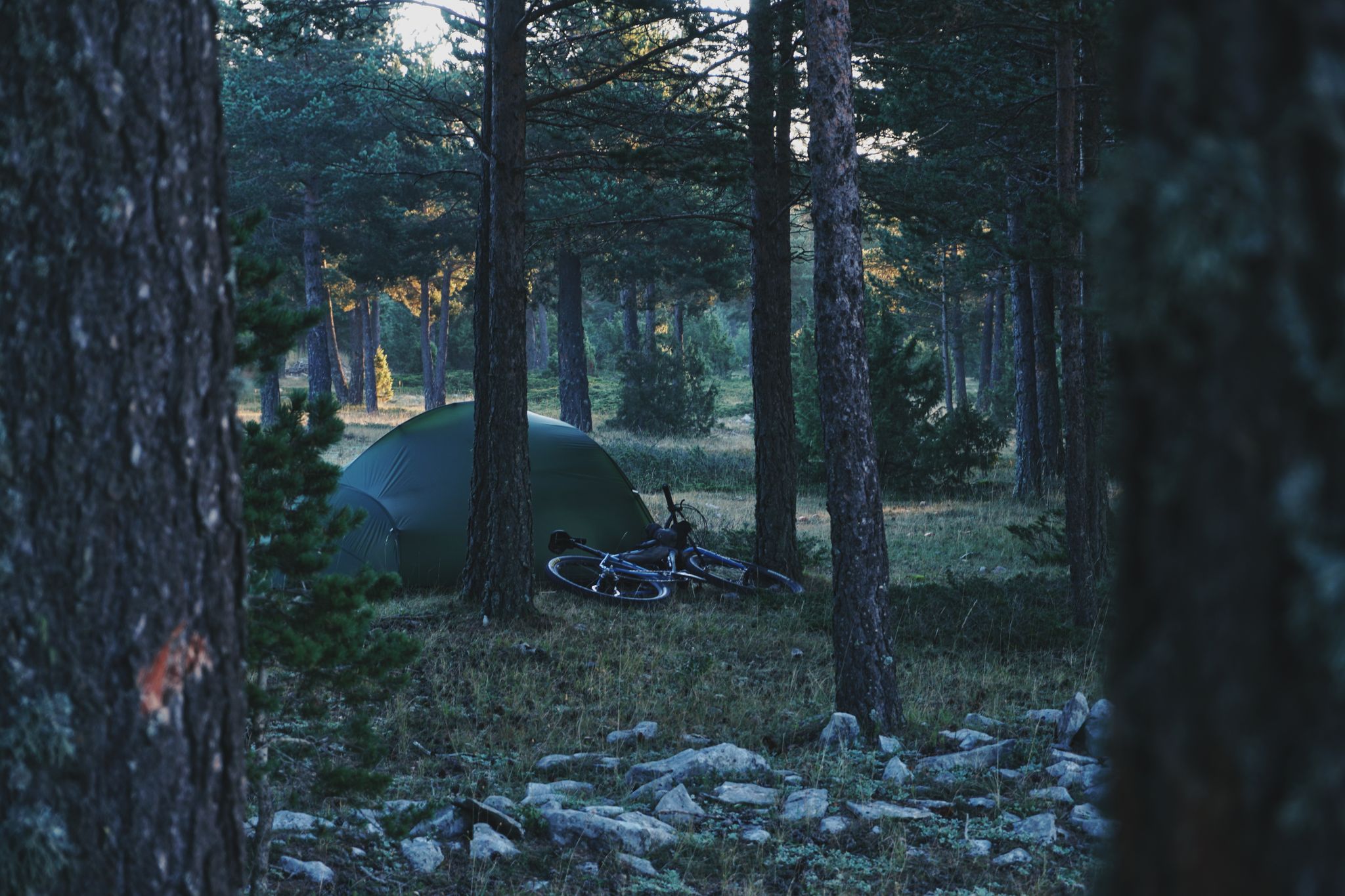
Located at an altitude of 1,715 meters, this refuge is accessible from La Puebla de San Miguel or Camarena de la Sierra. The refuge is a simple stone hut with basic amenities such as a small fireplace and a nearby fountain called Fuente del Pozo. It is an ideal place for hikers looking to rest for the night while exploring the Sierra de Javalambre.🚴🚶♀️🚵🌄
4
0

a really gorgeous place - perfect for an overnight stay
3
0

The summit is 2019 meters high. The path is demanding, but it is worth the effort. The panoramic views of the surrounding mountains are like something out of a movie.
2
0

Minimalistic shelter, enough to protect you from the weather. Keep in mind to bring enough water since there is no spring nearby.
3
1

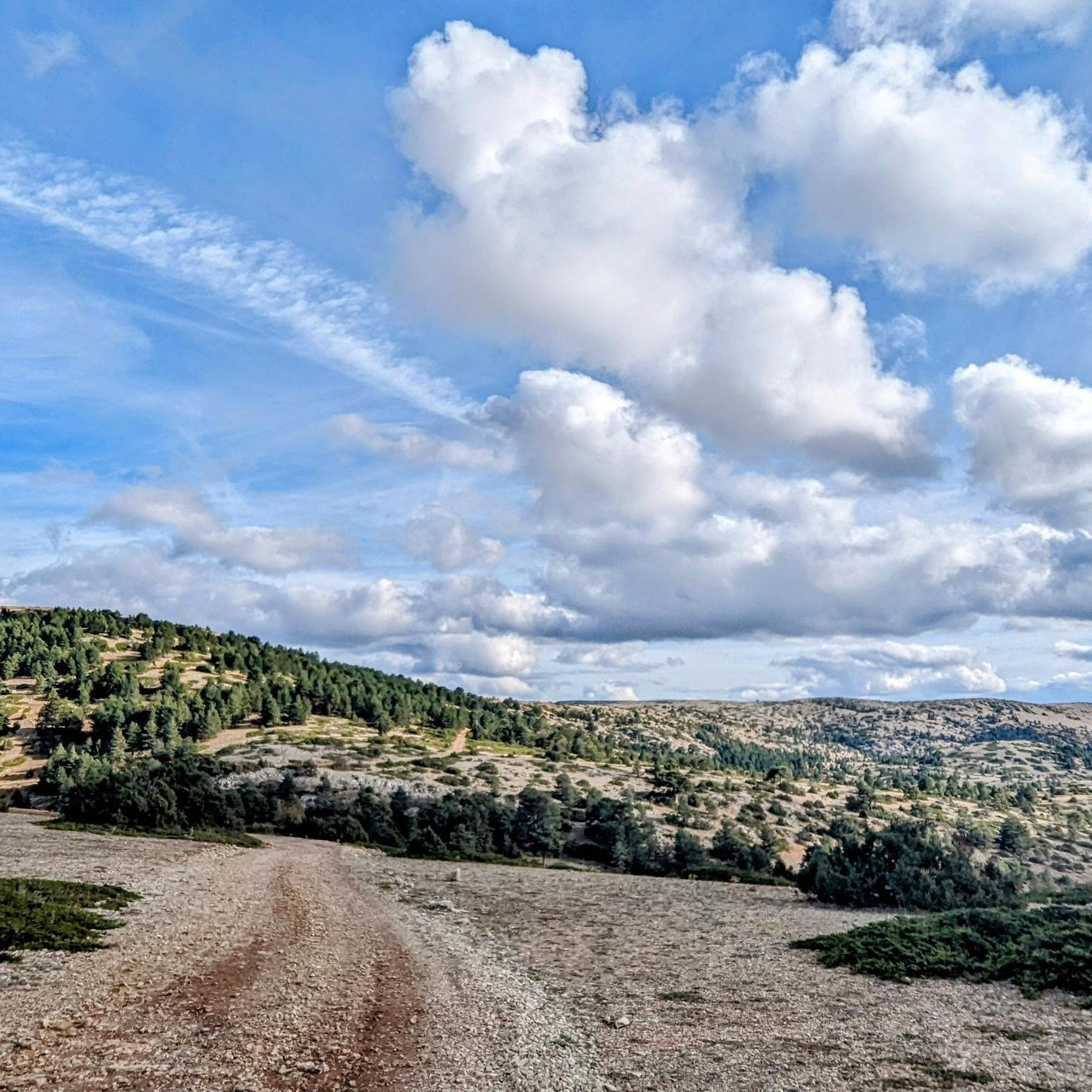
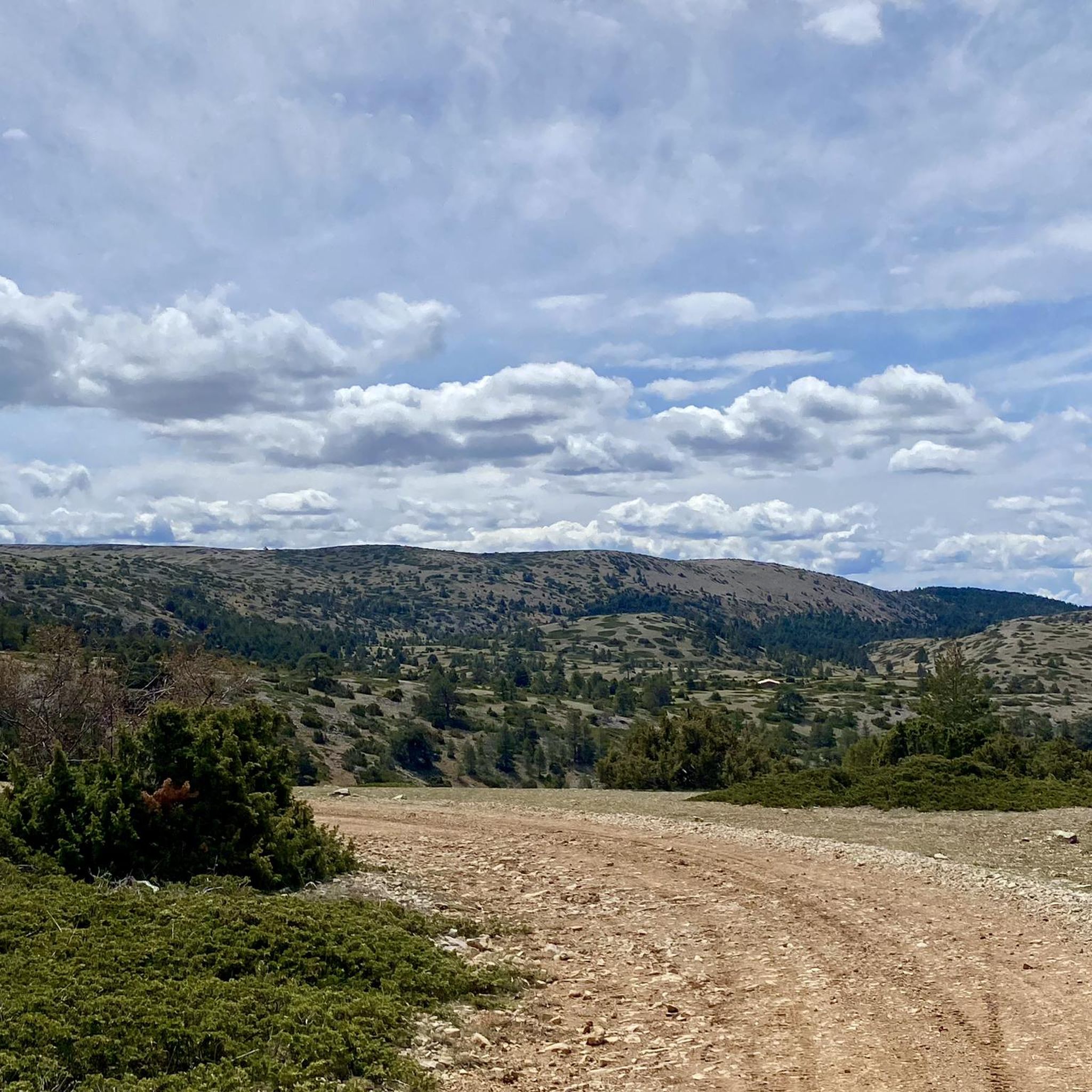
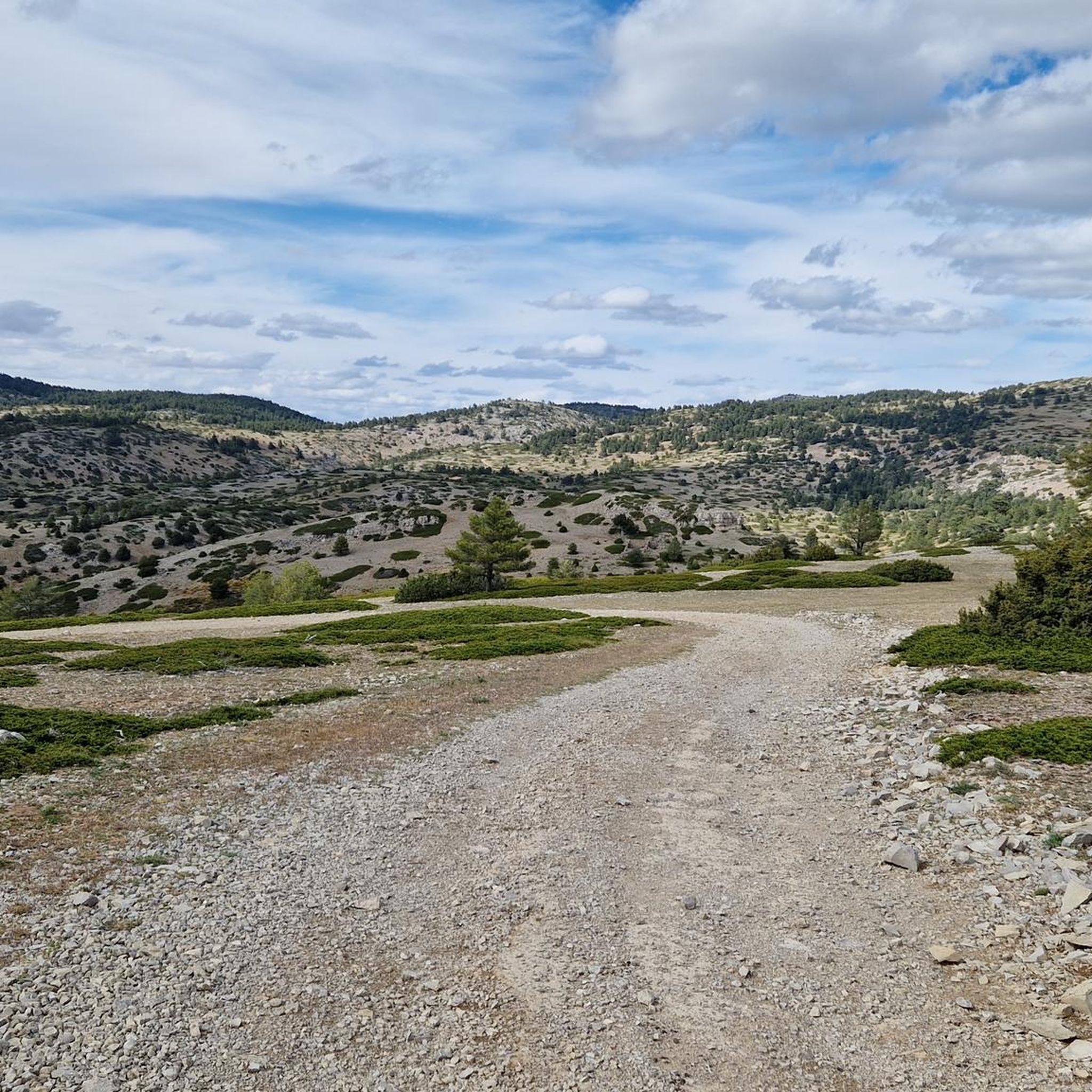
The final section of the climb to Alto de las Barracas (1,838 m) is not cyclable but it is easy to climb pushing the bicycle. The trail markings pass through the vertex and continue in the direction of Pino Vicente. White and yellow signs are painted on the limestone rocks and there are also stone milestones marking the way.
0
0

We are at Pico Javalambre at an altitude of 2,019 meters, considered a sacred mountain by many nature lovers and/or Turolenses. It is the highest peak of the mountain range that bears his name, it is considered by the majority of Teruel residents to be the roof of their province, although the true roof of Teruel is the top of Peñarroya. If we have the opportunity to climb here when there is no snow, we will be able to appreciate the so-called "leopard skin" caused by the vegetation on the entire surface of the massif, a work of art of nature!
2
0
Small refuge with wonderful views just 2km from Pico Calderón (1838m), which is worth visiting as it is the highest peak in the Valencian Community. The shelter will serve us in the event of a storm or if we want to recover energy and more precisely if we want to spend the night in it during the winter, since it does not have a door.
3
2
Frequently Asked Questions
What are the most prominent natural landmarks to visit in the Puebla de San Miguel Natural Park?
The region is home to several significant natural landmarks. You can visit Alto de las Barracas or Cerro Calderón, which is the highest point in the Valencian Community, offering extensive views. Another notable peak is Pico Javalambre, a challenging ascent with panoramic mountain views. The natural park itself, covering 6,390 hectares, is characterized by unique plant communities like Spanish juniper and ancient yews.
Are there challenging hikes for experienced trekkers in the area?
Yes, the mountainous terrain around Puebla de San Miguel offers several challenging routes. The ascent to Pico Javalambre, standing at 2019 meters, is a demanding path rewarded with panoramic views. Similarly, reaching Alto de las Barracas, the highest point in the Valencian Community, involves an intermediate to difficult climb. For specific challenging hiking routes, you can explore options like the 'Puebla de San Miguel Village – Pino la Araña loop' or 'Puebla de San Miguel Village – Las Blancas (Juniper Forest) loop' which are listed as difficult in the Hiking around Puebla De San Miguel guide.
Where can I find unique natural features like waterfalls or springs?
A notable natural feature is The Amanaderos of Riodeva, where the Riodeva river is born, featuring a ravine with numerous waterfalls, including 'El Salto de la Yegua'. This area is known for its unique landscape and environment. Additionally, the region research mentions Fuente La Cuadralleja as another point of interest, suggesting a natural spring or water source.
What kind of wildlife can I expect to see in the Puebla de San Miguel Natural Park?
The Puebla de San Miguel Natural Park is rich in biodiversity. You might spot protected species such as the Spanish moon moth and Apollo butterfly. The park is also home to various birds of prey, including vultures and booted eagles, as well as different bat species. Its diverse flora, including Spanish juniper, savin juniper, Scots pine, and ancient yews, provides a habitat for this wildlife.
Are there any mountain shelters or huts available for hikers?
Yes, hikers can find the Collado del Buey Shelter at an altitude of 1,720 meters on the Sierra de Javalambre. This basic refuge has been restored and offers a charming stop with wonderful views, providing simple amenities for those exploring the area.
What outdoor activities, besides hiking, can I do around Puebla de San Miguel?
Beyond hiking, the region is excellent for cycling and mountain biking. You can find various routes for touring bicycles, such as the 'Empty Mountains - circular by Javalambre' or 'Puebla de San Miguel – Losilla Pass loop from Ademuz', detailed in the Cycling around Puebla De San Miguel guide. For mountain biking, there are trails like the 'View of Riodeva – Amanaderos Old Trail loop' or 'Arcos de las Salinas – Pico Javalambre loop' available in the MTB Trails around Puebla De San Miguel guide.
Are there easy hiking trails suitable for beginners or casual walkers?
While many trails can be challenging, the Puebla de San Miguel Natural Park offers options for various skill levels. For easier walks, you might consider exploring paths around the picturesque Puebla de San Miguel village itself, which serves as a great starting point. The 'Vicente Pine – Collado del Buey Shelter loop' is listed as a moderate hike, which could be suitable for those looking for a less strenuous option than the major peaks. Always check the specific route details in the Hiking around Puebla De San Miguel guide for difficulty and duration.
What cultural or historical sites can I explore in Puebla de San Miguel?
The region offers several cultural and historical points of interest. You can visit the San Miguel Church and the San Roque Chapel, both architectural sites within the natural park. The Puebla de San Miguel village itself is picturesque and provides a glimpse into local heritage. Additionally, the Museo de Etnología (Ethnological Museum) offers insights into the area's ethnographic and cultural history.
Are there any paleontological sites or museums in the region?
Yes, the area around Puebla de San Miguel contains abundant paleontological sites. These sites feature evidence of dinosaur and marine species, as well as traces of prehistoric inhabitants. For a deeper dive into the region's past, the Museo de Etnología (Ethnological Museum) provides cultural and historical context, though it focuses more on human heritage than paleontology.
When is the best time of year to visit Puebla de San Miguel for outdoor activities?
The mountainous landscape means weather can vary. Spring and autumn generally offer pleasant temperatures for hiking and cycling, avoiding the intense heat of summer and potential snow in winter at higher elevations. The region's high peaks, like Pico Javalambre and Alto de las Barracas, can be exposed, so checking weather forecasts is crucial, especially for higher altitude activities.
Are there options for food and accommodation near the attractions?
The picturesque Puebla de San Miguel village serves as an excellent starting or refreshment point for exploring the natural park. While specific cafes, pubs, or hotels are not detailed in the provided data, the village is likely to offer basic amenities. For hikers, the Collado del Buey Shelter provides a basic overnight option at altitude.
What are the parking options for visitors exploring the natural park?
Near the Puebla de San Miguel village, there is a recreational area equipped with tables, sinks, fountains, and a camping area. This area likely provides parking facilities for visitors. When planning to access specific trails or attractions, it's advisable to check local signage or visitor information for designated parking spots.
Are there family-friendly activities or attractions in Puebla de San Miguel?
The Puebla de San Miguel Natural Park offers a great environment for families who enjoy nature. The recreational area near the village, with its amenities, is suitable for family outings. Exploring the picturesque village itself and some of the easier trails can also be enjoyable for families. The Ethnological Museum could offer an educational experience for older children.
Can I bring my dog on trails in the Puebla de San Miguel Natural Park?
While the natural park is a great place for outdoor activities, specific regulations regarding dogs on trails are not detailed in the provided information. Generally, in natural parks, dogs are often allowed on leash, but it's always recommended to check local park rules or visitor information centers upon arrival to ensure compliance and protect local wildlife.
Most popular routes around Puebla De San Miguel
Most popular attractions around Puebla De San Miguel

Get inspired with the komoot mobile app


Explore more
Still not found the Highlight you’re looking for? See guides of the top attractions in other regions:
