The 10 Most Amazing Peaks around San Sebastián De La Gomera
Best mountain peaks around San Sebastián De La Gomera serve as a gateway to the island's elevated natural attractions. This region features diverse landscapes, including ancient laurisilva forests and dramatic volcanic formations. It provides panoramic views of the island and neighboring Canary Islands. The area offers a variety of elevated experiences, from the highest point on the island to accessible viewpoints.
Best mountain peaks around San Sebastián De La Gomera
- The most popular mountain peaks is Alto de Garajonay,…
Last updated: June 29, 2026
Alto de Garajonay
Highlight • Summit
Translated by Google •
Tip by

Roque de Agando
Highlight • Natural Monument
Translated by Google •
Tip by

Sign up now to discover places like this
Get recommendations on the best single tracks, peaks, & plenty of other exciting outdoor places.
Sign up for free
Fortaleza of Chipude
Highlight • Summit
Translated by Google •
Tip by

Mount El Cepo
Highlight • Summit
Translated by Google •
Tip by

View of Teide from Alto de Garajonay
Highlight • Viewpoint
Translated by Google •
Tip by

Sign up for free to discover even more peaks around San Sebastián De La Gomera.
Sign up for free
Already have an account?
Start today with a free account
Your next adventure awaits.
Login or Signup
Popular around San Sebastián De La Gomera
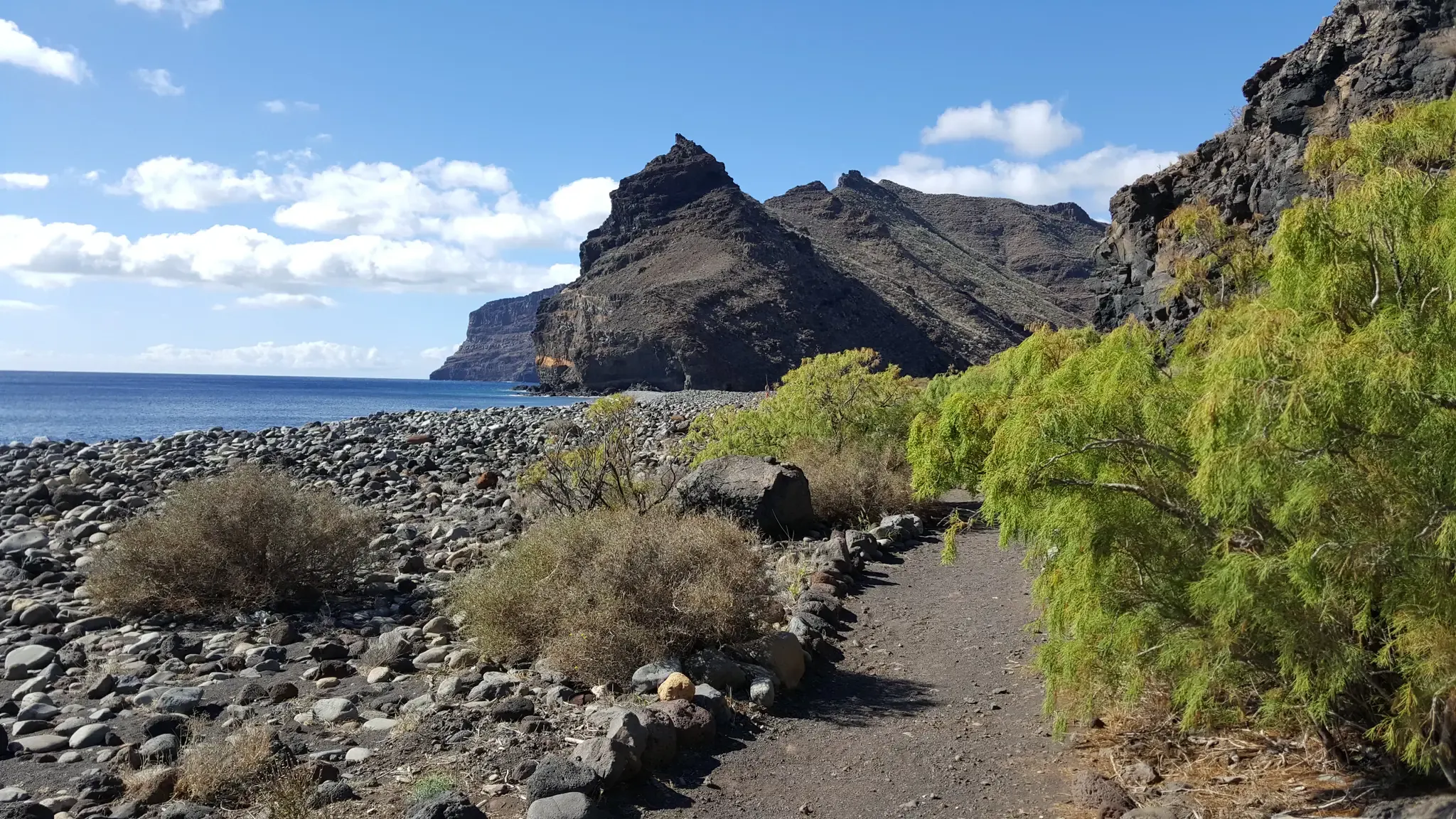
GR 132 – Up and down on an island loop of La Gomera
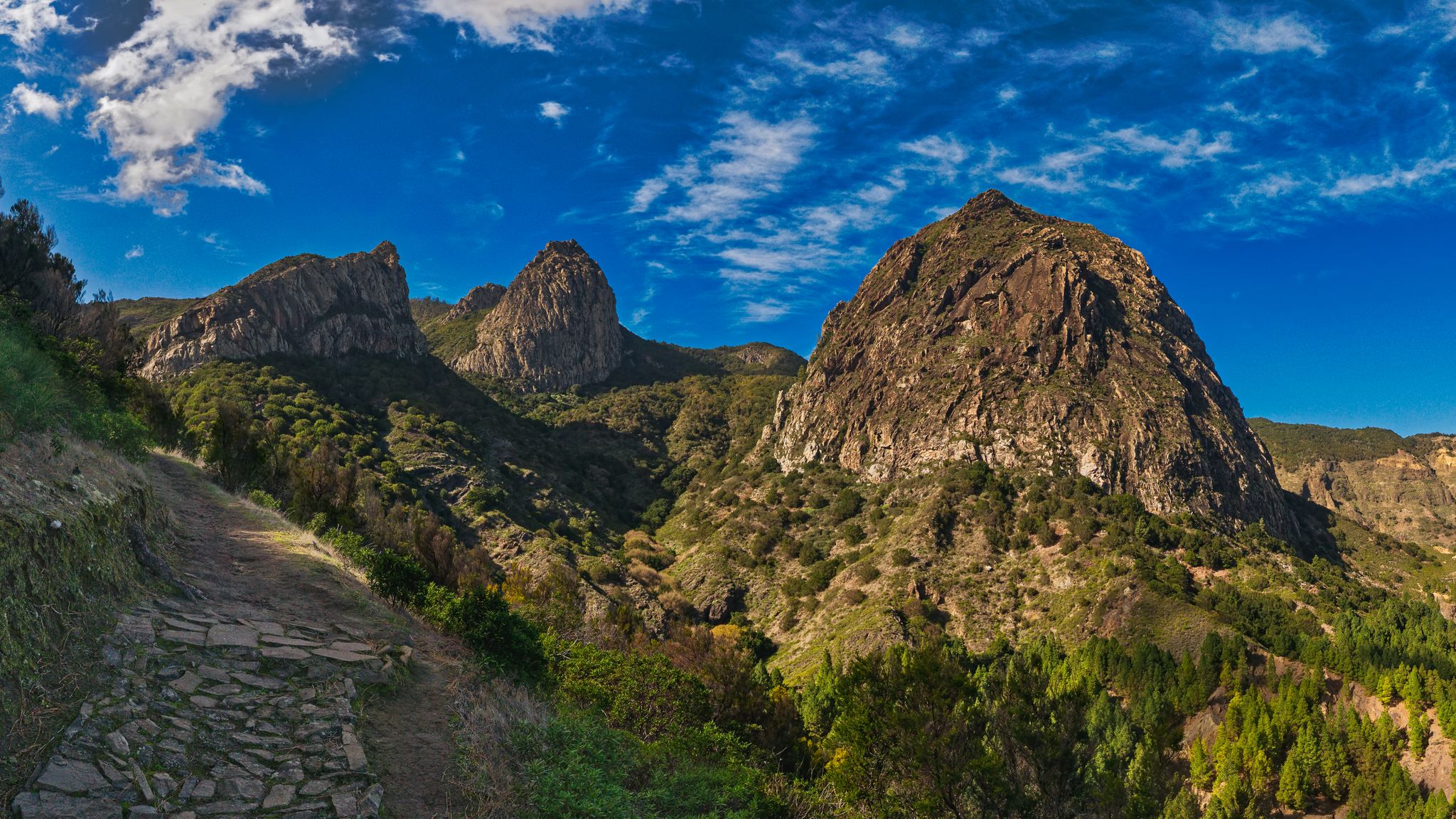
The magical island – Cumbres de La Gomera Natural Trail (GR 131)
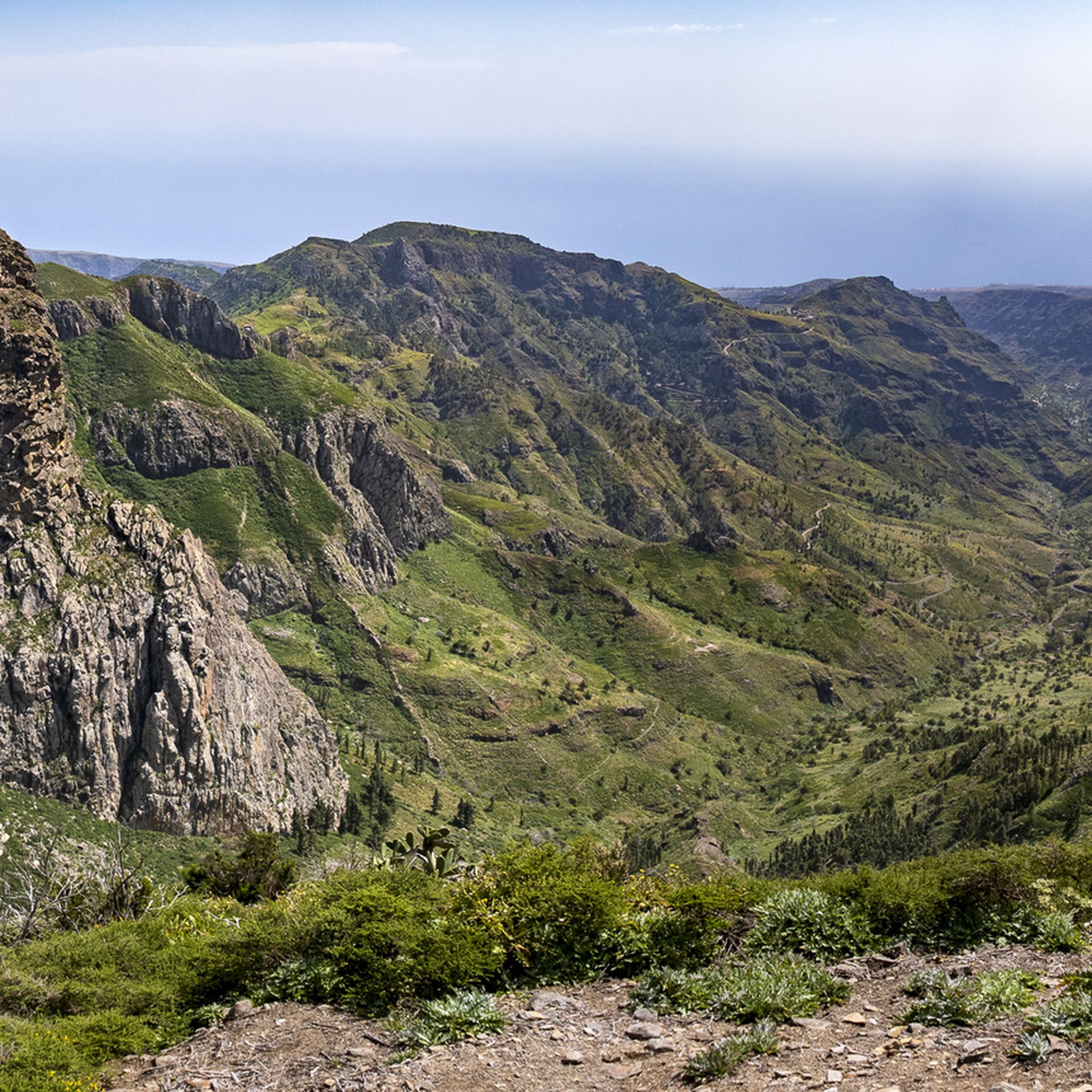
Hiking around San Sebastián De La Gomera
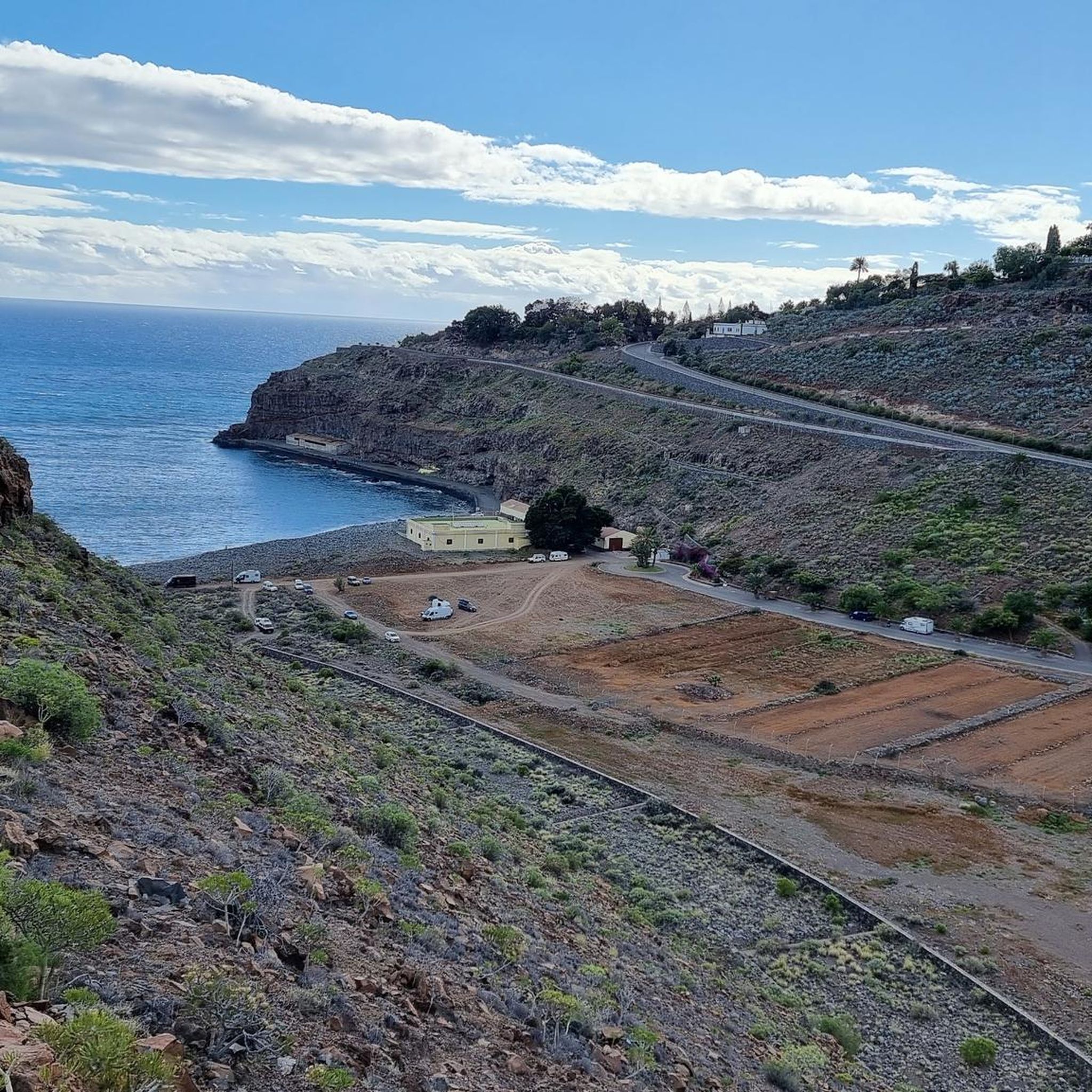
Road Cycling Routes around San Sebastián De La Gomera
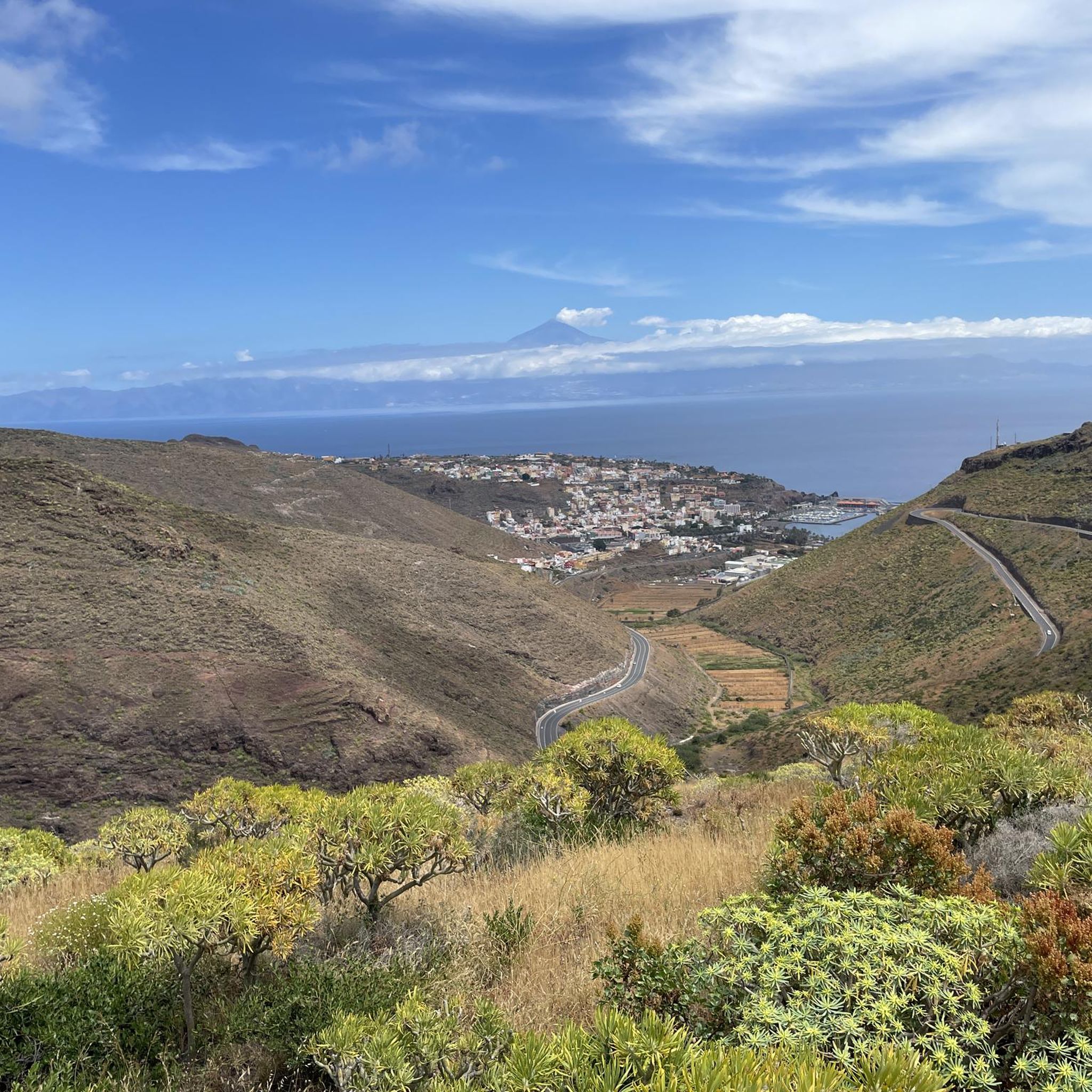
Running Trails around San Sebastián De La Gomera
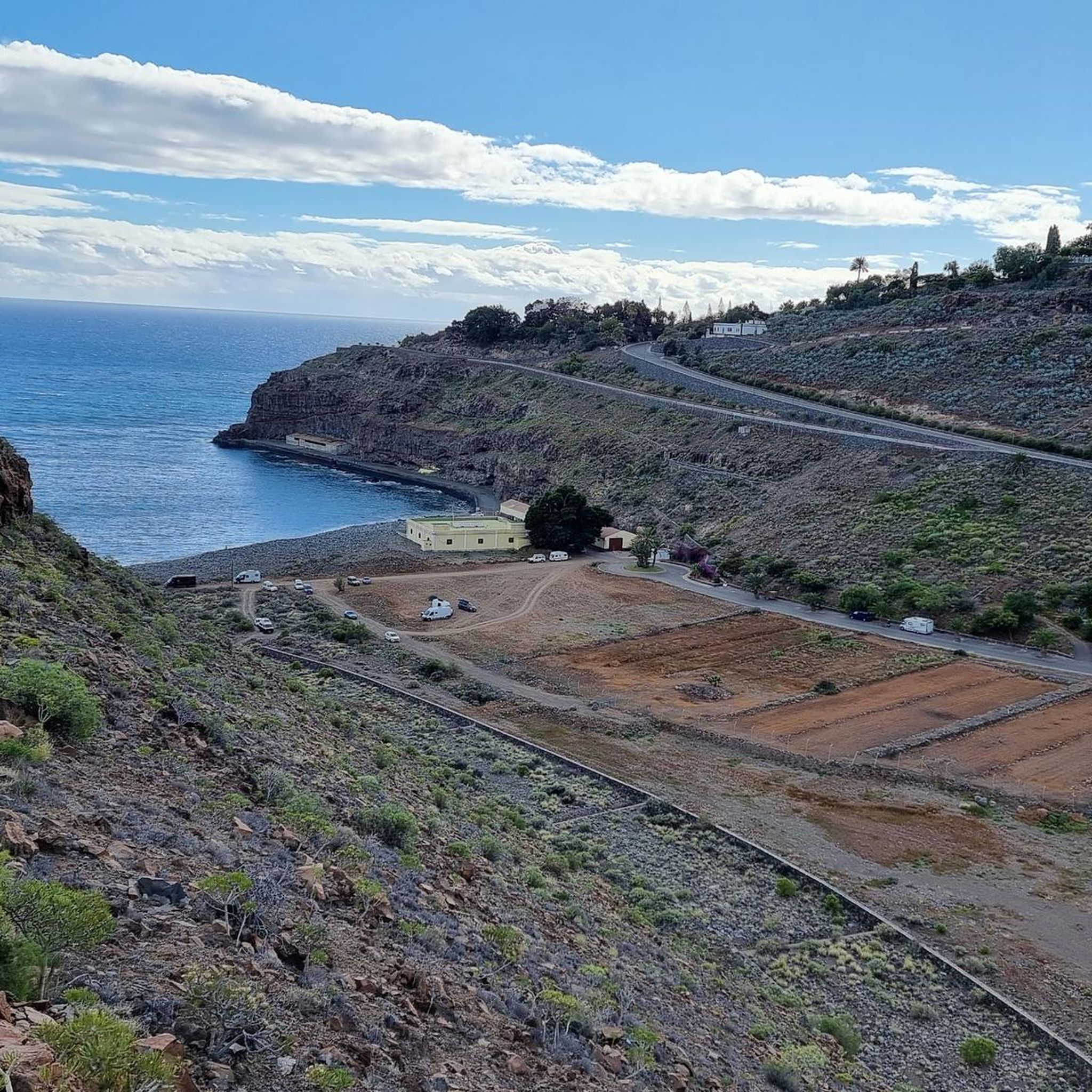
MTB Trails around San Sebastián De La Gomera
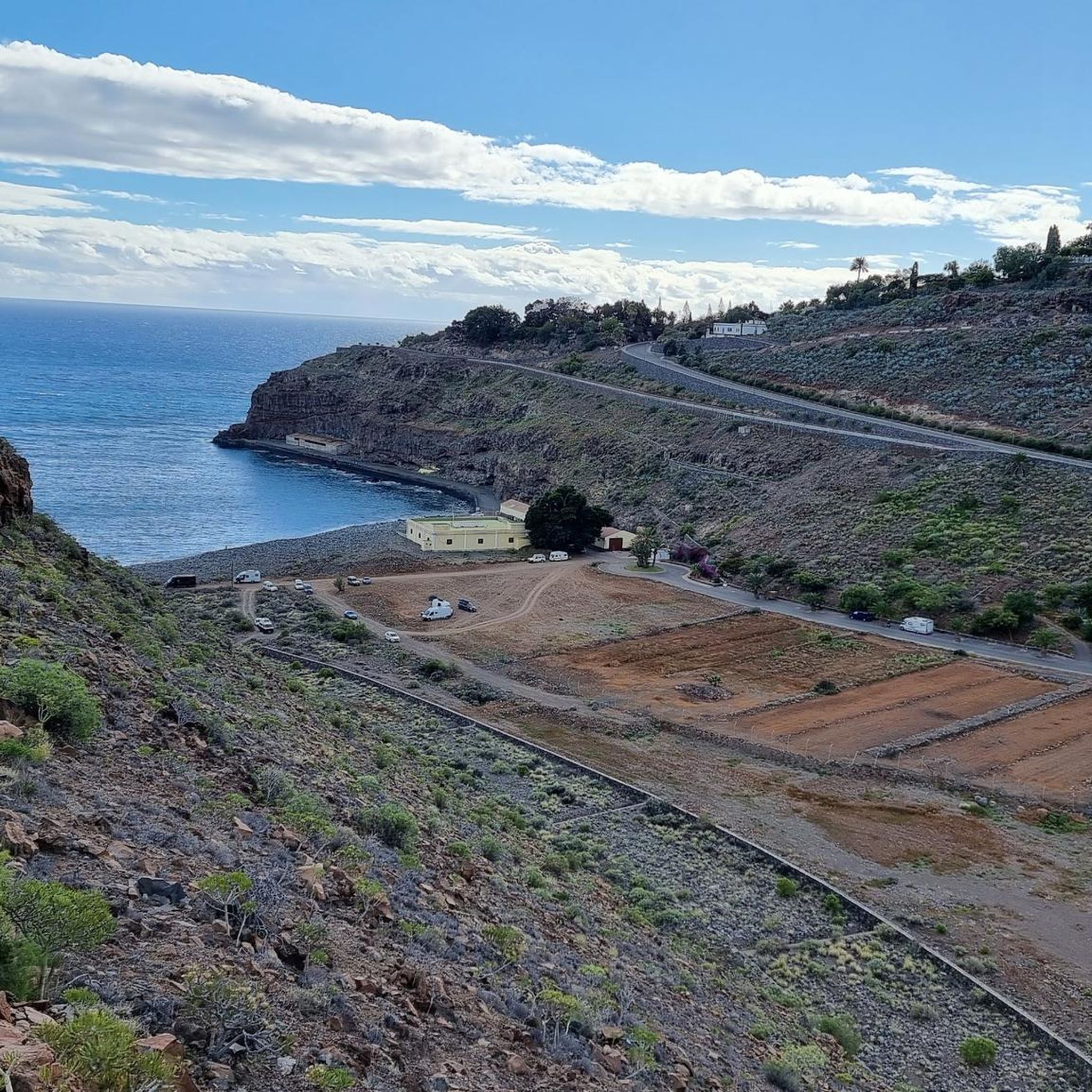
Cycling around San Sebastián De La Gomera
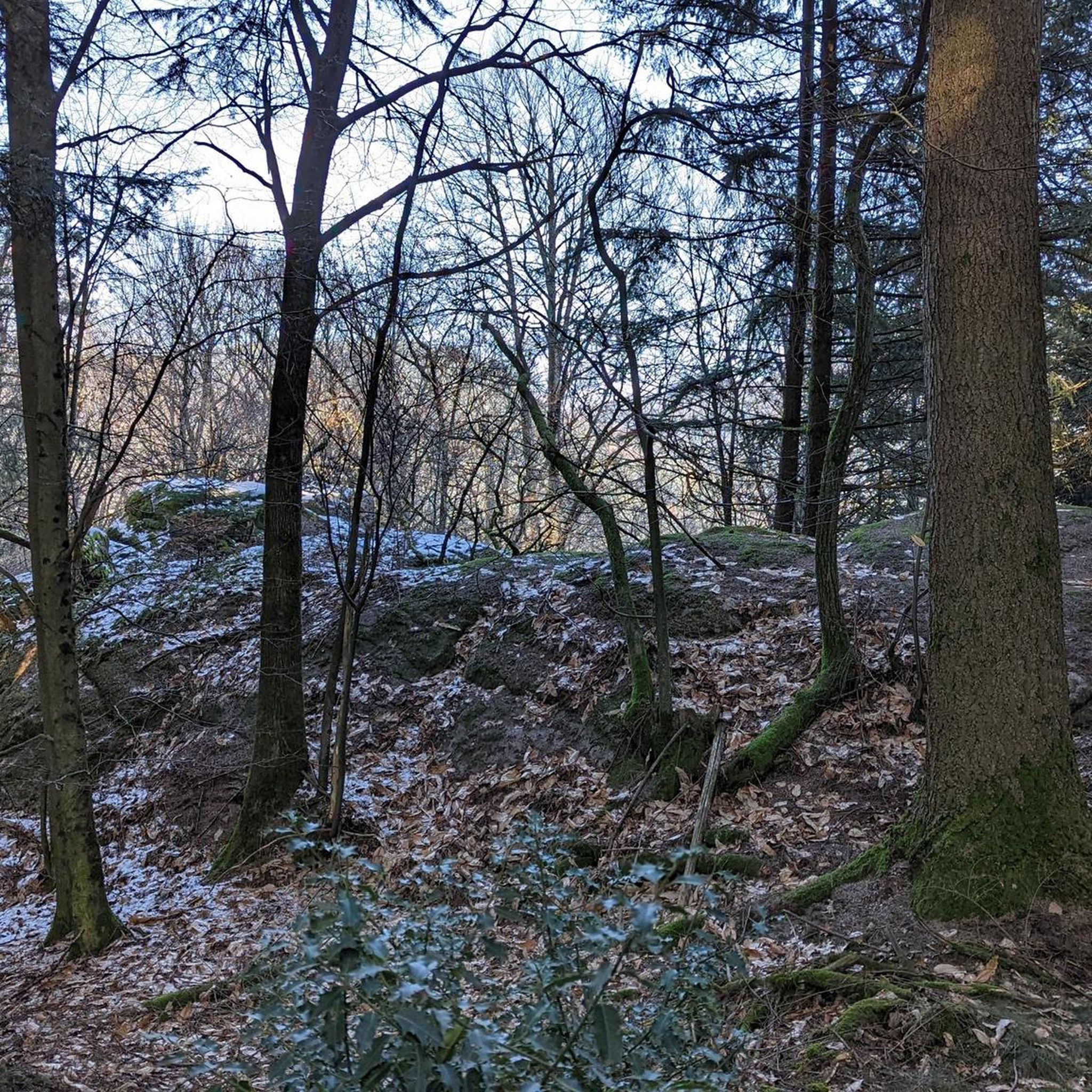
Mountain Hikes around San Sebastián De La Gomera
Other adventures around San Sebastián De La Gomera


Tips from the Community

A beautiful hike to this destination. Good hiking gear is recommended. Parking is plentiful at the start of the hike. We thoroughly enjoyed the hike, especially when we reached the top. The descent also had many surprises for us ☺️
2
0

A tip? Unfortunately, it is overcrowded on weekends and holidays due to the nearby car park. If you only drive to the car park and then walk to the summit in 10 minutes and then don't take a circular hike up here into the forests of the north and the maquis of the south, you haven't gotten to know the island...
4
0

Geologically, the Fortaleza, like the Roques typical of the Canary Islands, is an ancient volcanic vent filled with magma. It was formed in the most recent volcanic phase of La Gomera around 4.36 million years ago, a so-called cryptodome, whose magma did not penetrate to the surface but solidified in the volcanic vent. Due to the rock's greater resistance to weathering, the table mountain withstood millions of years of erosion better than the rock layers in its surroundings, and voilá, a barranco on the right, a barranco on the left and our magnificent specimen in between! The Fortaleza also has something to offer archaeologically: it is one of the most important archaeological sites in La Gomera. On the summit there are structures made of dry stone masonry that date back to pre-Hispanic times. In addition to the remains of residential buildings and grazing pens, 25 sacrificial altars were found. Later, there were fights with the Spanish here, and there are various legends. Wikipedia tells of an event in the early 15th century: The conqueror Fernando de Castro had landed on La Gomera and killed or wounded the brother of King Amaluige. To escape the anger of the locals, he and his men were able to retreat to a very high cliff (probably the Fortaleza) far from the sea, which only had access on one side. After two days of siege, he was allowed to leave in exchange for clothes and weapons. Another legend goes like this: The last resistance fighters are said to have retreated to the Fortaleza. In the end, they made a tragic decision: to avoid both an agonizing death from starvation and submission to the Spanish, they threw themselves down the Fortaleza.
1
0
The 3 neighboring islands are only visible on clear days 😉
0
1

It is really very windy
0
2

This special rock wall towers above the green valley. Unique view from this point.
1
0

Outside of this global environment. You could be forgiven for thinking you are on Mars in La Gomera. The hike to the top of Monte el Cepo, which towers over Agulo, will give you spectacular views and images to remember.
0
0

You can see this impressive rock while descending to San Sebastián la Gomera, there is a viewpoint worth the stop to feel the immensity of the valley
1
0
Frequently Asked Questions
What are some of the most popular mountain peaks and viewpoints around San Sebastián De La Gomera?
Visitors frequently enjoy the highest point on the island, Alto de Garajonay, known for its 360-degree panoramic views. Another popular spot is Roque de Agando, an iconic volcanic rock tower offering great views and serving as a starting point for excursions. The Fortaleza of Chipude, a distinctive table mountain, also offers magnificent views over La Gomera and neighboring islands.
Are there any family-friendly mountain walks or viewpoints near San Sebastián De La Gomera?
Yes, Roque de Agando is considered family-friendly and offers impressive views of the surrounding landscape. Additionally, the Cristo de San Sebastián de la Gomera, located on Machal hill close to town, provides an easily accessible, relatively short hike with scenic overlooks of the bay and Mount Teide.
What kind of natural features can I expect to see on the mountain peaks in this region?
The region boasts diverse natural features. You'll encounter ancient laurisilva (laurel) forests, particularly around Alto de Garajonay and Montaña de las Negrilas, characterized by misty, humid microclimates. Dramatic volcanic formations like Roque de Agando and the other Roques (Ojila, La Zarcita, Carmona) are prominent. Many peaks also offer breathtaking panoramic views of the island's varied terrain, deep ravines, and the Atlantic Ocean.
Are there any historical or cultural sites associated with the mountain peaks?
Yes, Alto de Garajonay is significant for its archaeological remains, believed to be an ancient Guanche ceremonial ground. The Fortaleza of Chipude is also recognized as a historical site. The Cristo de San Sebastián de la Gomera features a prominent monument to the Sacred Heart of Jesus, and future enhancements will include an interpretation center for Silbo Gomero, the island's unique whistled language.
What are some challenging mountain peaks or advanced hiking routes for experienced hikers?
For a challenging experience, consider the ascent to the Fortaleza of Chipude. It's a well-secured path, but requires surefootedness and sturdy footwear, with some sections needing hand use. Montaña de las Negrilas also offers a strenuous climb, popular for cycling but equally rewarding for experienced hikers seeking a challenge through the laurisilva forest.
What is the best time to visit the mountain peaks around San Sebastián De La Gomera for hiking?
La Gomera generally enjoys a mild climate year-round. However, for the best hiking conditions, especially for clear panoramic views, the spring (April-May) and autumn (September-November) months are often ideal. During these periods, the weather is typically pleasant, and the chances of clear skies are higher. Mornings are often best for views from peaks like Mount El Cepo, as clouds can roll in during the afternoon.
What outdoor activities can I do near the mountain peaks of San Sebastián De La Gomera?
Beyond hiking, the mountainous terrain around San Sebastián De La Gomera is excellent for various outdoor activities. You can explore numerous hiking trails, including sections of the long-distance GR131 and GR132. The area is also popular for mountain biking and road cycling, with routes like the Garajonay Climb offering significant challenges and scenic rewards.
Are there any easy mountain hikes or accessible viewpoints for beginners?
Yes, Alto de Garajonay is surprisingly easy to reach for the island's highest point, making it suitable for a short hike with incredible views. The Cristo de San Sebastián de la Gomera is also easily accessible from town, offering impressive vistas without a strenuous climb. For general viewpoints, Lomada de Camello and Ayamosna provide extensive views with minimal effort.
What do visitors enjoy most about the mountain peaks around San Sebastián De La Gomera?
Visitors consistently highlight the breathtaking panoramic views, especially the 360-degree vistas from Alto de Garajonay that often include neighboring Canary Islands. The unique and mystical atmosphere of the ancient laurisilva forests, the dramatic volcanic landscapes, and the sense of accomplishment from challenging hikes are also frequently praised. Many appreciate the diverse range of experiences, from easy viewpoints to demanding ascents.
Can I see Mount Teide from the mountain peaks in San Sebastián De La Gomera?
Absolutely. On clear days, many elevated points around San Sebastián De La Gomera offer spectacular views of Mount Teide on Tenerife. Notable spots include Alto de Garajonay, the Cristo de San Sebastián de la Gomera, Lomada de Camello Viewpoint, and even from lower elevations on Montaña de las Negrilas. Mount El Cepo is particularly known for its breathtaking morning views of Tenerife.
Are there any circular mountain walks available near San Sebastián De La Gomera?
Yes, there are several circular routes that allow you to experience the mountainous terrain. For instance, a short circular footpath exists around the Cristo de San Sebastián de la Gomera, offering pleasant views. For more extensive options, the hiking guide for the area mentions routes like the 'San Sebastián Roques and Barrancos Loop' and the 'San Sebastián - Jaragán Loop Trail', which provide varied and dramatic landscapes.
Most popular routes around San Sebastián De La Gomera
Most popular attractions around San Sebastián De La Gomera

Get inspired with the komoot mobile app


Explore more
See even more amazing summits around San Sebastián De La Gomera with these guides:
