Attractions and Places To See around Lobeira - Top 20
Best attractions and places to see around Lobeira, a municipality in the Ourense province of Spain, include historical sites, natural features, and cultural points of interest. The region offers a diverse landscape with ancient ruins, medieval structures, and prominent natural rock formations. Visitors can explore sites that reflect Roman history and medieval defense, alongside scenic viewpoints and river valleys. This area provides opportunities to experience both historical heritage and the natural environment.
Best attractions and places to see around Lobeira
- The most popular attractions is Castro Laboreiro Castle, a castle that features ruins in a dominant location on a granite hill over 1,000 meters above sea level. It offers views of the Laboreiro River valley and surrounding landscape.
- Another must-see spot is Bico do Patelo, a natural monument. This striking granite rock formation is located in Peneda-Gerês National Park and stands out among the surrounding hills.
- Visitors also love Ponte da Cava da Velha, a historical bridge. This impressive structure linked a Roman road to Espanha and was largely constructed in the 1st century.
- Lobeira is known for its historical sites, natural monuments, and ancient bridges. The area offers a variety of attractions to see and explore, from Roman camps to medieval castles.
- The attractions around Lobeira are appreciated by the komoot community, with 28 upvotes and 44 photos shared by visitors.
Last updated: June 23, 2026
Castro Laboreiro Castle
Highlight • Castle
Translated by Google •
Tip by

Aquis Querquennis Roman Camp
Highlight • Historical Site
The Vía Nova or Vía XVIII, the main Roman road that linked Braga and Astorga, crosses the place.
Translated by Google •
Tip by

Sign up now to discover places like this
Get recommendations on the best single tracks, peaks, & plenty of other exciting outdoor places.
Sign up for free
Bico do Patelo
Highlight • Natural Monument
Sculpted by time, wind and water, they form escarpments and rocks of improbable balance, such as the Bico do Patelo, an immense rock that seems to defy gravity.
In this wild landscape, the mountain goat reigns supreme, agile and imposing, running along the cliffs as if they were trails traced just for it.
Translated by Google •
Tip by

Ponte da Cava da Velha
Highlight • Bridge
The name Ponte Nova indicates the existence of another structure constructed in the same location (or nearby) at one time preceding the current bridge. This may actually be the nearby Ponte de São Brás or Ponta da Assureira.
The bridge linked the Roman road to Espanha through Portela do Homem, passing through Estrimo (in Spain), Ameixoeira, Porto do Vaga and Assureira - Cova da Velha - Varziela - Castro Laboreiro. The bridge was largely constructed in the 1st century, but does not appear in the two most comprehensive lists of Roman bridges.
Translated by Google •
Tip by

Varziela Bridge and Varziela Village
Highlight • Bridge
Translated by Google •
Tip by
Sign up for free to discover even more attractions around Lobeira.
Sign up for free
Already have an account?
Start today with a free account
Your next adventure awaits.
Login or Signup
Tips from the Community

This ancient stone bridge crosses the Ribeira da Varziela near the village of Varziela. Built with large granite blocks and a simple arch, it is a fine example of traditional mountain architecture.
0
0
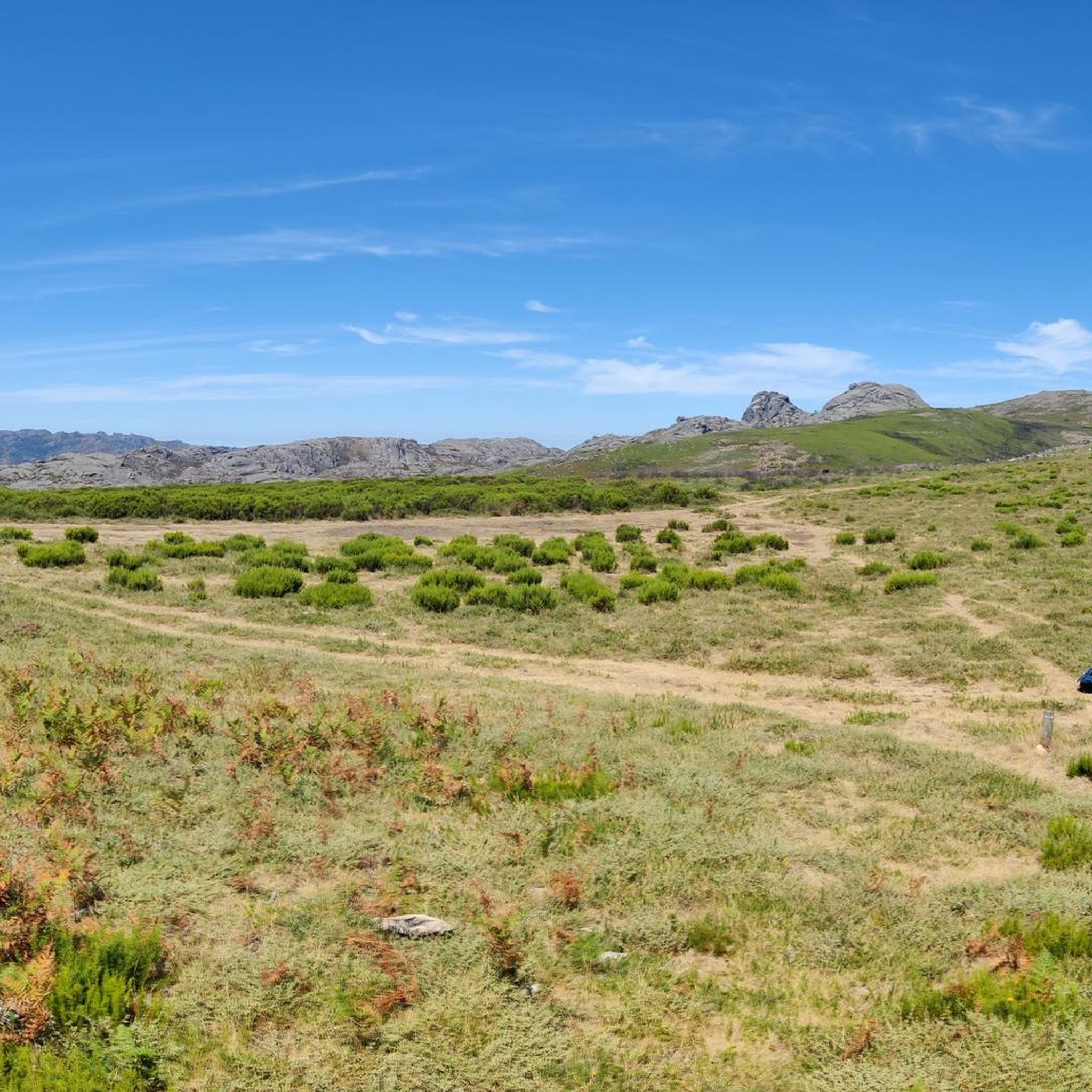
Bico do Patelo, literally "Patelo’s Beak," is a striking granite rock formation in Peneda-Gerês National Park. Its bold shape rises above the surrounding hills, catching the eye from different points along the PR3 Castrejo trail. As you approach, the unusual form makes it a natural landmark and one of the memorable sights of the hike.
0
0

These are the ruins of a Romanesque castle with a walled enclosure around a central tower with a cistern, located on the top of an isolated hill at 1,033 meters (3,389 feet) above the Minho and Lima rivers. It has an oval plan oriented north-south. The main entrance is the Porta do Sol, which opens to the east, while the Gate of Traitors, the Porta do Sapo, is located at the other end. The exit is well-maintained and normal for its location.
0
0

Built on a granite hill over 1,000 metres above sea level, the castle dominates the Laboreiro River valley, offering spectacular views of the surrounding landscape. Its origins are ancient, probably dating back to Roman or pre-Roman times, but the current structure mainly reflects medieval modifications and extensions, particularly during the Reconquista and the formation of the Kingdom of Portugal. The castle, although now in ruins, still preserves its defensive walls, part of the watchtower and the main gate, elements that testify to its strategic importance in controlling the borders. It is a symbol of the history and resistance of the region, and its isolated and wild location adds to its charm.
0
0

Nice walk but certainly not easy and not flat. Lots of scrambling and climbing First part was a lot of climbing but doable. Descent after the castle was sometimes difficult
0
2

Varziela is a typical village in the region, where the stone houses defy time and preserve the authenticity of the past. Among the various historic bridges that still stand, the Varziela Bridge stands out as the one that most clearly shows traces of medieval architecture. However, some argue that this bridge is actually a medieval reinterpretation of an older Roman structure, as was the case with other bridges in the region.
2
0
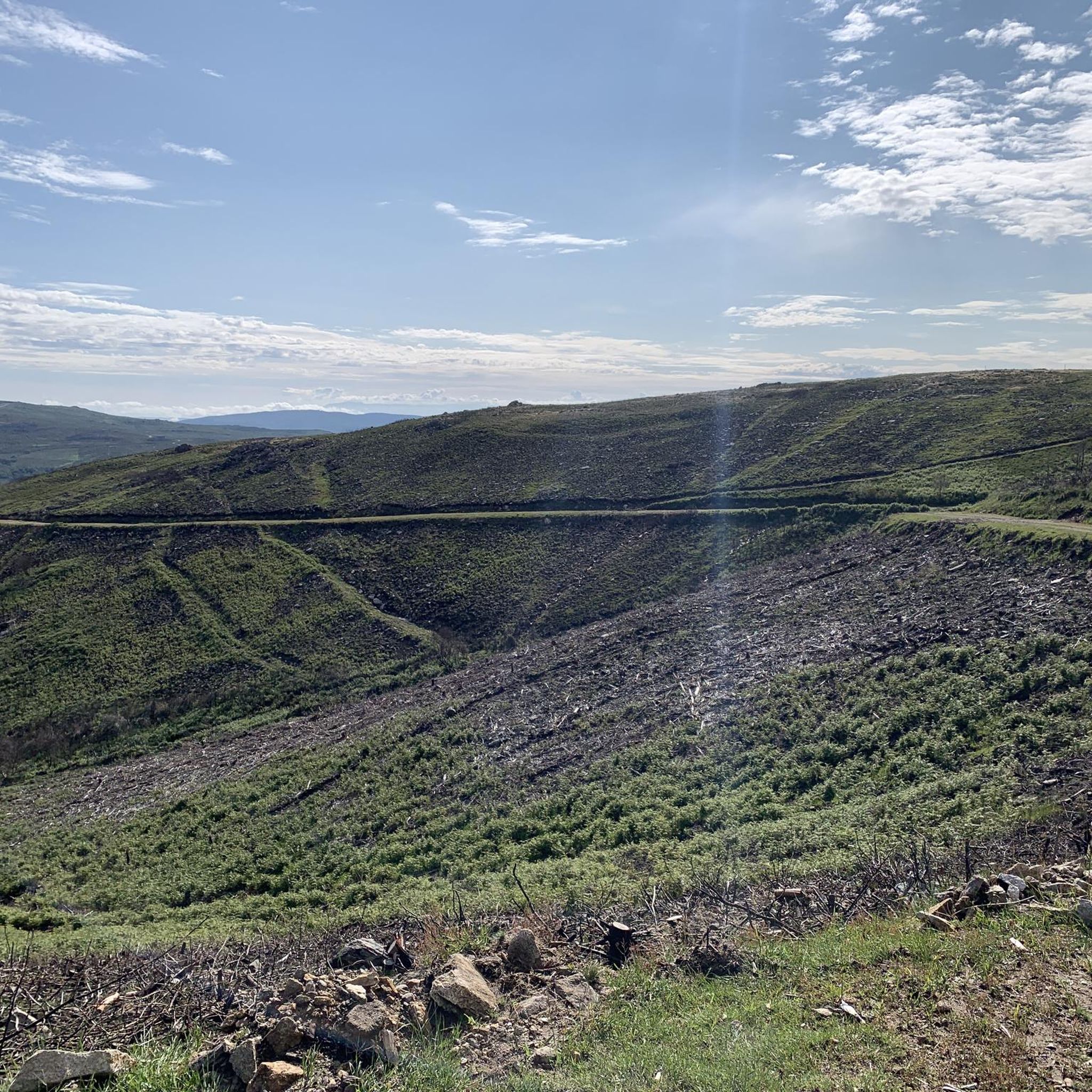
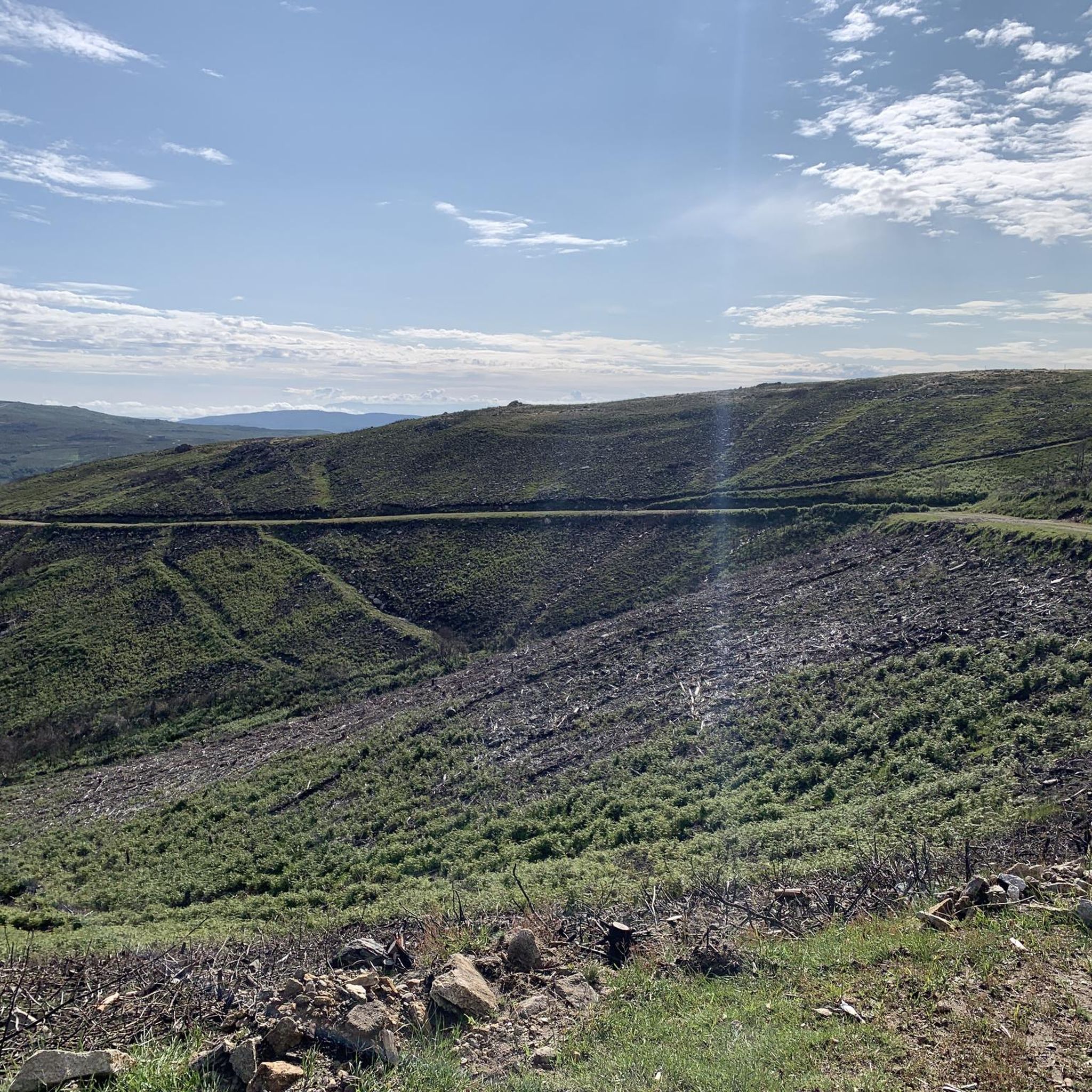
Among the low scrubland, oak groves and winding streams, the imposing granite outcrops that define this mountain landscape stand out. Sculpted by time, wind and water, they form escarpments and rocks of improbable balance, such as the Bico do Patelo, an immense rock that seems to defy gravity. In this wild landscape, the mountain goat reigns supreme, agile and imposing, running along the cliffs as if they were trails traced just for it.
1
0

It is not just this house that is falling into disrepair, an entire village next door is falling into disrepair.
2
2
Frequently Asked Questions
What historical sites can I explore near Lobeira?
The region around Lobeira is rich in history. You can visit the impressive ruins of Castro Laboreiro Castle, which sits on a granite hill offering spectacular views. Another significant historical site is the Aquis Querquennis Roman Camp, an archaeological complex that includes Roman ruins and an interpretation center. Don't miss the ancient Ponte da Cava da Velha, a historical bridge that was part of a Roman road, and the Old Bridge of Castro Laboreiro, a medieval-style bridge over the Laboreiro River.
Where can I find natural viewpoints with panoramic scenery?
For breathtaking views, head to the Cruz de Lobeira Viewpoint, located almost 300 meters above sea level, offering panoramic vistas of the Ría de Arousa, Val do Salnés, and the Sierra del Barbanza on clear days. Another notable natural monument is Bico do Patelo, a striking granite rock formation in Peneda-Gerês National Park. Faro das Lúas also provides a viewpoint within natural surroundings.
Are there hiking trails to explore the natural beauty of the area?
Yes, Lobeira offers several routes for hikers. You can explore the Monte Lobeira Environmental Route, the Umia River Environmental Route, or the Currás Waterwheels Route, which combines natural scenery with historical elements. For more detailed hiking options, check out the hiking guide around Lobeira, which includes trails like the Pacín River Valley Waterfalls Trail and the Geira and Muleteers' Trail.
What kind of cycling routes are available near Lobeira?
Cyclists can find a variety of routes around Lobeira. For road cycling, options include challenging loops like the Gerês-Xurés and Lindoso Reservoir Loop. Mountain biking enthusiasts can explore trails such as the Lobios – vuelta por el río Lima and Minas das Sombras route. You can find more information and specific routes in the road cycling guide and the MTB trails guide around Lobeira.
Are there any Roman-era attractions besides Aquis Querquennis?
Beyond the Aquis Querquennis Roman Camp, which is a significant archaeological complex, you can also visit the Roman Caldaria of Bande, offering natural thermal hot springs. The Ponte da Cava da Velha is also believed to have been largely constructed in the 1st century as part of a Roman road.
Where can I find hot springs or thermal baths in the Lobeira area?
The region is known for its natural thermal waters. You can visit the Roman Caldaria of Bande, which offers a natural thermal experience. Another hot spring destination nearby is Caldas de Lobios.
What cultural or religious sites are worth visiting?
The Santuário de Nossa Senhora da Peneda is a significant cultural and religious site in the vicinity, offering a glimpse into the local heritage and traditions.
Are there any challenging natural monuments for experienced hikers?
Yes, Bico do Patelo is a challenging natural monument. This immense granite rock formation in Peneda-Gerês National Park involves a very steep climb, making it suitable for experienced adventurers seeking a rewarding hike and stunning views.
What do visitors enjoy most about the attractions around Lobeira?
Visitors frequently appreciate the historical significance and the spectacular views offered by sites like Castro Laboreiro Castle. The tranquility and historical charm of places like the Old Bridge of Castro Laboreiro are also highly rated. Many are impressed by the ancient construction of the Ponte da Cava da Velha and the unique experience of the Aquis Querquennis Roman Camp, especially when the ruins emerge from the reservoir.
Are there any waterfalls to visit near Lobeira?
Yes, the Cascata do Laboreiro is a notable waterfall in the area, providing a beautiful natural point of interest for visitors.
What are some lesser-known natural gems around Lobeira?
Beyond the main highlights, the region boasts several environmental routes like the Monte Lobeira Environmental Route and the Currás Waterwheels Route, which offer a blend of natural scenery and historical elements. The Laboreiro Tourism Recreation LDA Hills also provide a natural area for recreation, often less frequented than the more prominent sites.
Most popular attractions around Lobeira

Get inspired with the komoot mobile app


Explore more
Still not found the Highlight you’re looking for? See guides of the top attractions in other regions:
