The best road cycling routes around Torrecilla De Los Ángeles
3.0
(1)
217
riders
28
rides
Road cycling routes around Torrecilla De Los Ángeles traverse the rugged topography of the Sierra de Gata region in Cáceres, Extremadura. The area features a transition from valleys to mountains, providing varied terrain for cyclists. Routes often pass through olive groves, forests, and along waterways, offering diverse environments for road cycling. This landscape includes elevated areas and natural features that define the cycling experience.
Best road cycling routes around Torrecilla De Los Ángeles
- The most popular road cycling route is…
Last updated: July 10, 2026
5
riders
49.3km
02:25
750m
750m
This moderate 30.6-mile road cycling route in Las Hurdes offers picturesque views and climbs, taking about 2 hours and 25 minutes.
3
riders
53.6km
02:41
880m
870m
This moderate 33.3-mile road cycling route from Pinofranqueado explores Las Hurdes, passing Casar de Palomero and the scenic río Los Angeles

Sign up for free
37
riders
128km
07:08
2,750m
2,750m
Hard road ride. Very good fitness required. Some segments of this route may be unpaved and difficult to ride.
27
riders
93.4km
04:37
1,380m
1,380m
Hard road ride. Very good fitness required. Some segments of this route may be unpaved and difficult to ride.
11
riders
Hard road ride. Very good fitness required. Mostly well-paved surfaces and easy to ride.
Get access to more routes and recommendations from other explorers.
Sign up for free
Already have an account?
Our route recommendations are based on thousands of hikes, rides, and runs completed by other people on komoot.
Start today with a free account
Your next adventure awaits.
Login or Signup

Tips from the Community

Coria Castle is an imposing medieval fortress located in the upper part of Coria's historic center, very close to the Cathedral, and is one of the city's most prominent landmarks. It is integrated into the walled enclosure, forming part of the defensive complex of Roman origin. Main construction: between 1473 and 1478, commissioned by García Álvarez de Toledo, Marquis of Coria and Duke of Alba.
4
0
The Alcázar Gate in Ciudad Rodrigo is one of the historic entrances to the city walls and has great heritage and scenic value. It was opened in 1507 by Antonio del Águila, warden of the Alcázar, when he built the defensive barrier in that area. It is located next to the Castle of Henry II of Trastámara, in the section of the wall facing the Águeda River, known as the Battery, due to the cannons that were once installed there.
4
0
The Plaza Mayor of Ciudad Rodrigo is the historical and social heart of the city, with a rich history that reflects its importance as an urban center: Since the Middle Ages, the Plaza Mayor has been the hub of public life: markets, proclamations, and council meetings were held there in the cloister of the former Church of San Juan. In the 16th century, public butcher shops were built, and it became a consolidated space for commercial and festive activities. Until then, the square was home to the Three Roman Columns, a vestige of the ancient Miróbriga, which had been a symbol of the city since the 13th century. In 1580, the square was expanded, incorporating the space that once housed the old prison and the Audiencia (Courthouse). It even had corridors for watching bullfights, a tradition that continues during carnivals.
7
0
Ciudad Rodrigo's Town Hall is located in the Plaza Mayor and is one of the city's most emblematic buildings. Its history is linked to the urban and political development of Ciudad Rodrigo since the Middle Ages. Medieval Origins: Ciudad Rodrigo was founded in Roman times, but its consolidation as a fortified urban center occurred in the Middle Ages. Municipal government was organized around the council, which initially met in council houses until the current building was built.
1
0

There was a fire not long ago, but it's still spectacular, a WOW little road!
0
0
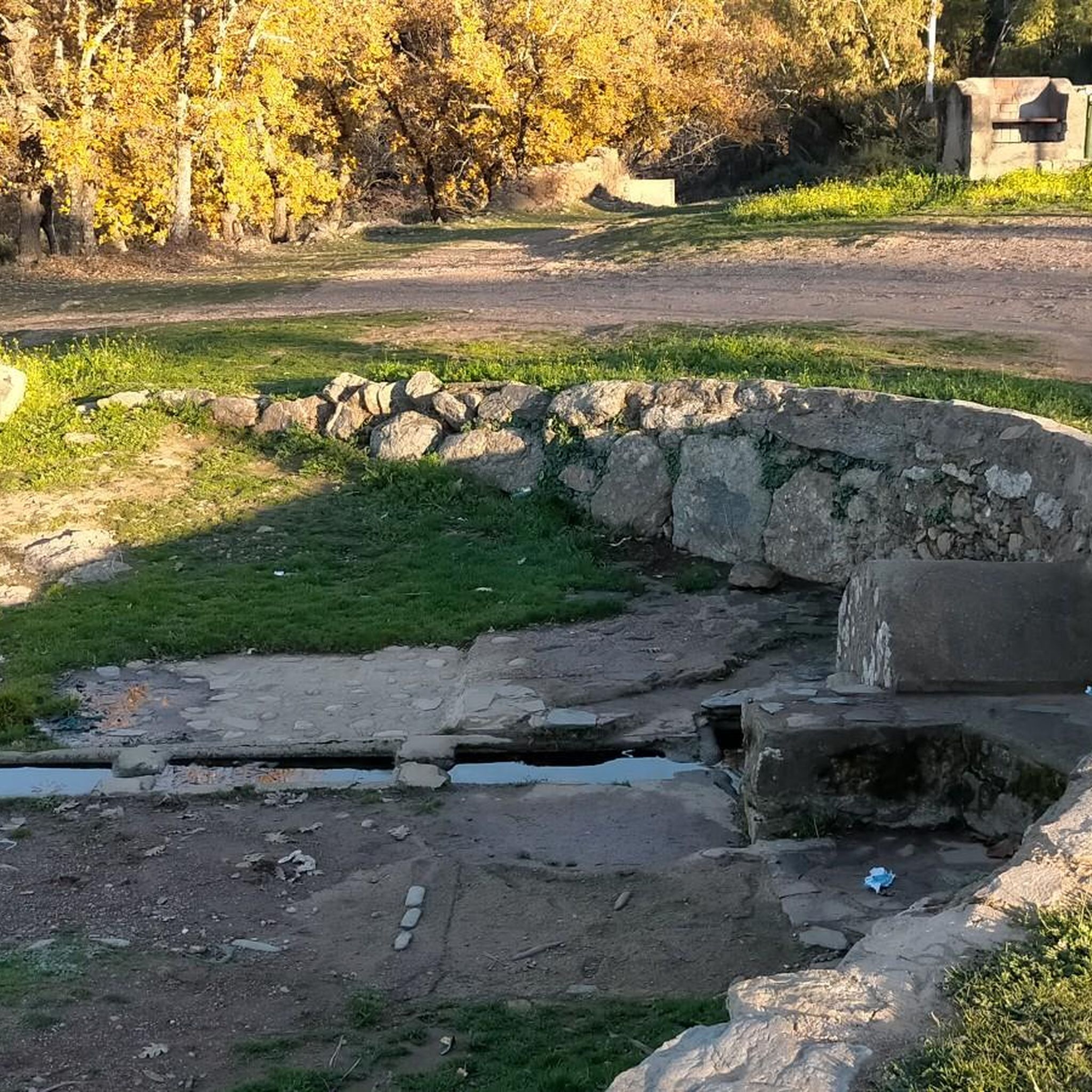
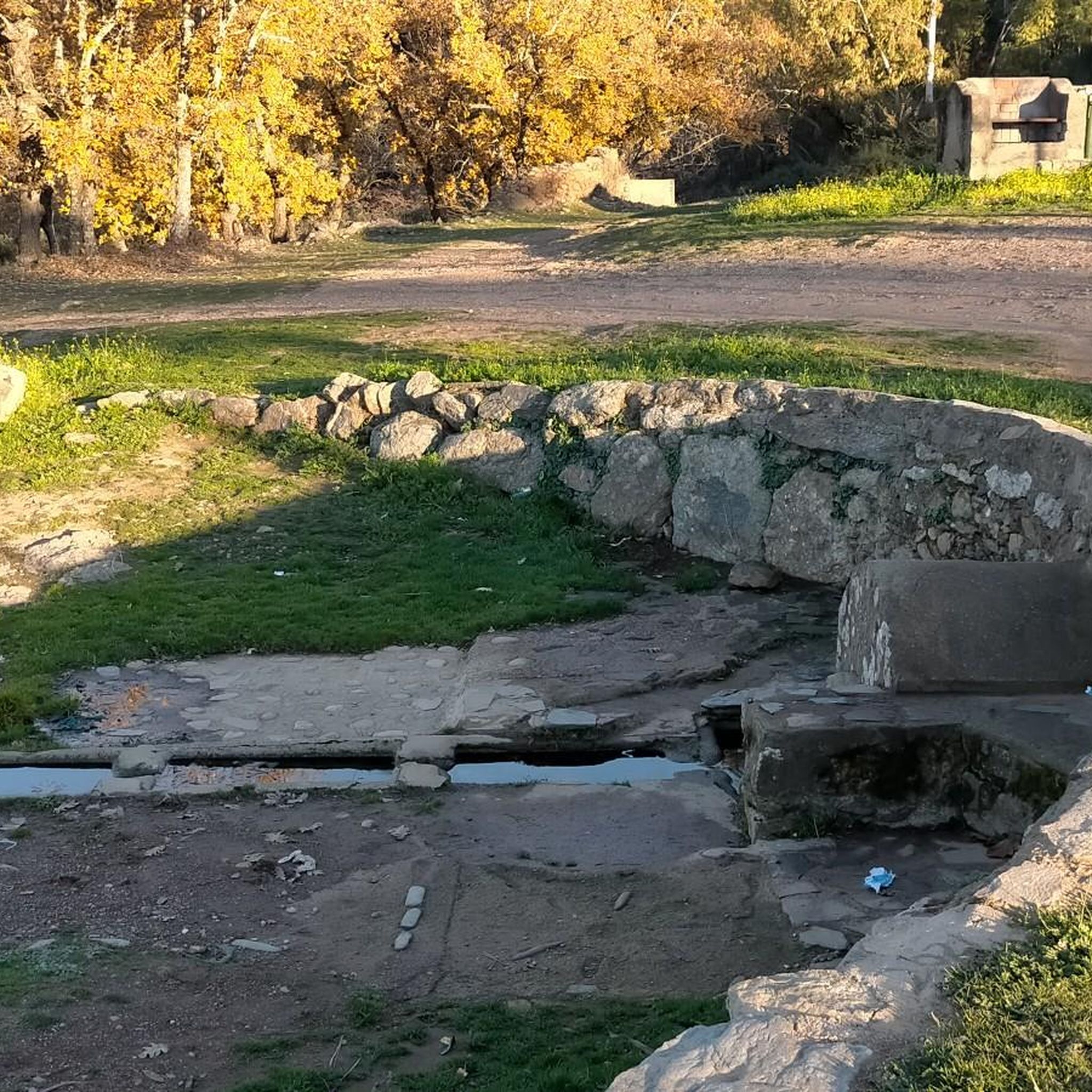
A scenic road that surrounds the Peña de Francia mountain range through Las Hurdes, with spectacular views on both sides. A steep descent ends at a river where you can take a dip and a series of picturesque villages until you reach Las Mestas.
0
0
The Puerta del Alcázar is one of the ancient access gates to the walled enclosure of Ciudad Rodrigo. This gate, along with others such as the Puerta del Sol and the Puerta de Santiago, was part of the city's defensive system.
4
0
Located outside the city of Coria, in the natural area of the ancient Dehesa de Malpartida, the sanctuary is close to the edge of the cliff formed by the Alagón River. According to the Coria Charter from the 13th century, it stands in the same place where a small medieval chapel probably existed. Part of the remains of the extensions carried out in the 16th century are still preserved. These extensions were carried out to house the venerated Romanesque-Gothic Marian carving, possibly made in Leonese workshops. The image of the Virgin rests in her dressing room (added in 1880) and is framed by a beautiful Rococo altarpiece from 1774. A visit to this sanctuary will allow you to appreciate its uniqueness, beauty and devotion to the Patroness of Coria! 🙏🌟
3
0
Frequently Asked Questions
What kind of terrain can I expect on road cycling routes around Torrecilla De Los Ángeles?
The region offers a diverse and engaging environment for road cyclists, characterized by a transition from valleys to mountains. You'll encounter rugged terrain, olive groves, and mountain passes, providing both picturesque backdrops and challenging climbs. The area's topography is ideal for varied cycling experiences.
Are there road cycling routes suitable for beginners or families in Torrecilla De Los Ángeles?
While many routes feature challenging climbs due to the rugged terrain, there are options for more leisurely rides, particularly through the olive groves and valleys. It's best to check the difficulty ratings for individual routes on komoot to find those that align with a beginner or family-friendly pace. Currently, there are 12 moderate routes available.
What are some notable natural attractions I can see along the road cycling routes?
Road cycling routes often pass through areas with significant natural beauty. You might encounter natural pools, such as Piscina Natural de Descargamaría, or the scenic Chorrituelo Waterfall. The region is also rich in forests, dehesas, and waterways like the river Traigas, offering diverse landscapes.
Are there any viewpoints or scenic spots accessible by road bike?
Yes, the elevated topography of the Sierra de Gata region provides numerous opportunities for panoramic views. From points like 'el alto de los Angelitos' or the Chorro de los Ángeles Viewpoint, you can enjoy magnificent vistas. The Pico de Dios Padre, at 950 meters, also offers spectacular views of the surrounding landscape.
What historical or cultural sites can I explore near the cycling routes?
Beyond natural beauty, the region boasts a rich history. Many medieval towns in the Sierra de Gata comarca, like Robledillo de Gata, are declared Historic-Artistic Monuments. You can find traditional architecture, stone churches, and Mudejar-style towers. Torrecilla de los Ángeles itself has historical roots, with sites like the hermitage of the Santitos and the remains of a 17th-century hermitage nearby.
What is the best time of year for road cycling in Torrecilla De Los Ángeles?
The region's climate generally allows for cycling through much of the year. Spring and autumn typically offer the most pleasant temperatures for longer rides. Summers can be warm, especially in the valleys, while winters are milder but can have cooler temperatures at higher elevations.
Are there any long-distance or challenging road cycling routes available?
Absolutely. The rugged terrain lends itself to challenging routes with significant elevation gain. For instance, the Las Hurdes, El Portillo – Portillo Viewpoint loop from Caminomorisco is a difficult 79.4-mile (127.8 km) trail with over 2,700 meters of ascent. There are 16 difficult routes in total, catering to advanced cyclists.
What do other road cyclists think about the routes in Torrecilla De Los Ángeles?
The routes in Torrecilla De Los Ángeles are highly rated by the komoot community, with an average score of 3.0 stars. Over 212 road cyclists have used komoot to explore the varied terrain, often praising the diverse environments and the blend of valleys and mountains.
Can I find loop routes for road cycling in the area?
Yes, many road cycling routes in Torrecilla De Los Ángeles are designed as loops, allowing you to start and finish in the same location. A popular example is the Las Hurdes Villages Loop, which explores scenic villages and valleys.
Are there specific routes that highlight the natural beauty of the Sierra de Gata region?
Many routes showcase the region's natural features. The Esperabán Valley Trail offers views of the Esperabán Valley and its natural surroundings, while others traverse through chestnut groves, oak forests, and cork oak forests, characteristic of the Sierra de Gata.
Are there any specific road cycling routes that pass through historical towns or villages?
Yes, several routes are designed to take you through or near the charming traditional villages of the Sierra de Gata. The Robledillo de Gata – Cathedral of Santa María loop from Descargamaría, for example, allows you to experience the historical architecture and atmosphere of these settlements.
What are the typical elevations encountered on road cycling routes here?
Given the transition from valleys to mountains, road cycling routes in Torrecilla De Los Ángeles feature significant elevation changes. For instance, the Las Hurdes Villages Loop has over 740 meters of ascent, and more difficult routes can exceed 2,700 meters of climbing, providing a good workout for cyclists.
Most popular routes around Torrecilla De Los Ángeles
Most popular attractions around Torrecilla De Los Ángeles

Get inspired with the komoot mobile app


Explore more
Browse the best Road cycling routes in other regions.
