Attractions and Places To See around Begonte - Top 20
Best attractions and places to see around Begonte, a municipality in the Terra Chá region of Lugo, Spain, offer a blend of cultural heritage and natural beauty. This area provides a serene Galician experience, featuring historical landmarks and ecologically valuable natural areas. Rivers like the Ladra and Parga contribute to significant wetlands, part of the Terras do Miño Biosphere Reserve.
Best attractions and places to see around Begonte
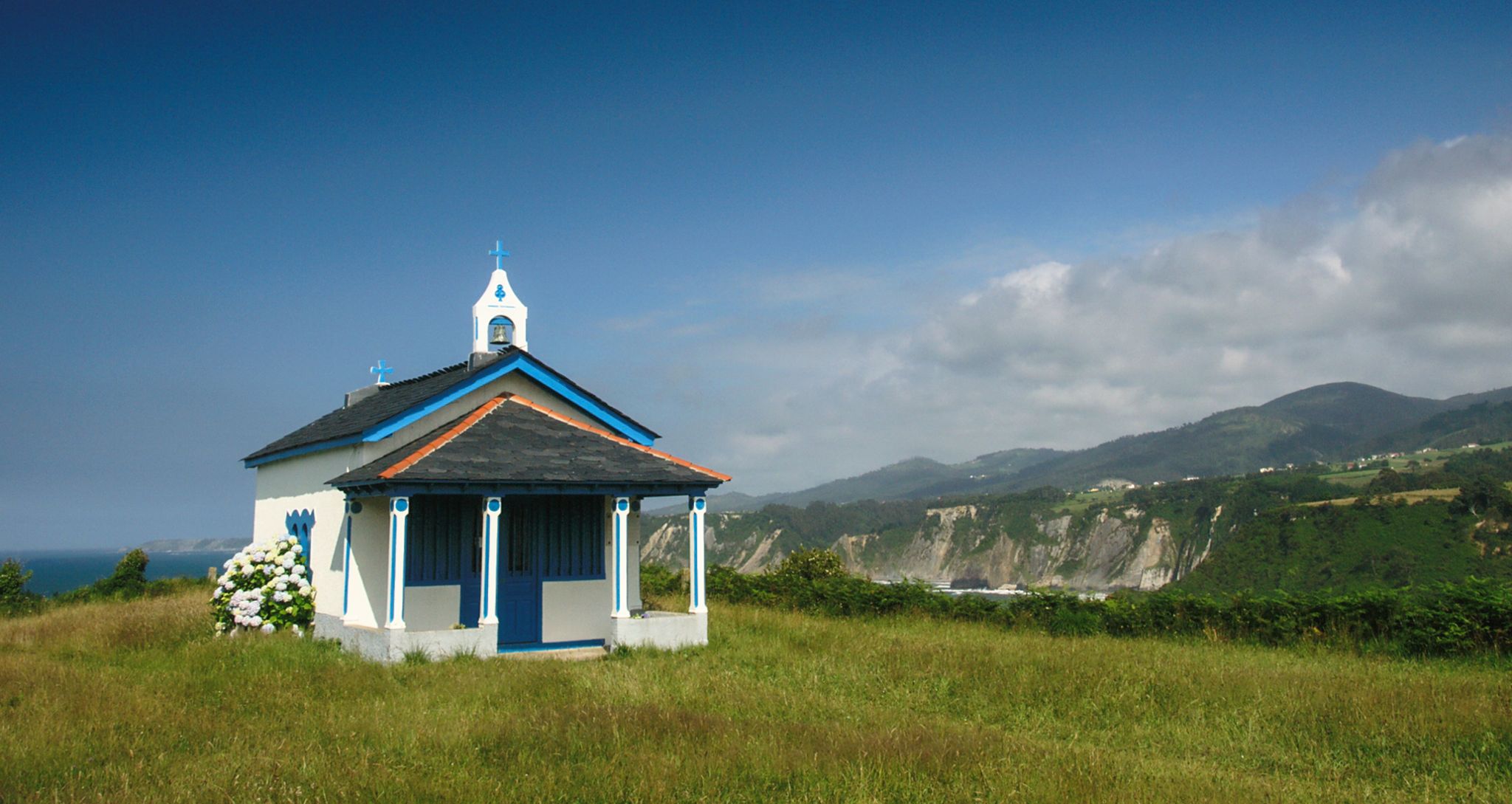
- The most popular attractions is Cemetery with a small chapel, a…
Last updated: October 9, 2026
Andrade Tower
Highlight • Castle
Translated by Google •
Tip by

Baamonde Church
Highlight • Religious Site
Translated by Google •
Tip by
Sign up now to discover places like this
Get recommendations on the best single tracks, peaks, & plenty of other exciting outdoor places.
Cemetery with a small chapel
Highlight • Religious Site
Translated by Google •
Tip by
Parga Castle
Highlight • Castle
Translated by Google •
Tip by
San Alberte Bridge
Highlight • Bridge
Translated by Google •
Tip by
Sign up for free to discover even more attractions around Begonte.
Already have an account?
Start today with a free account
Your next adventure awaits.
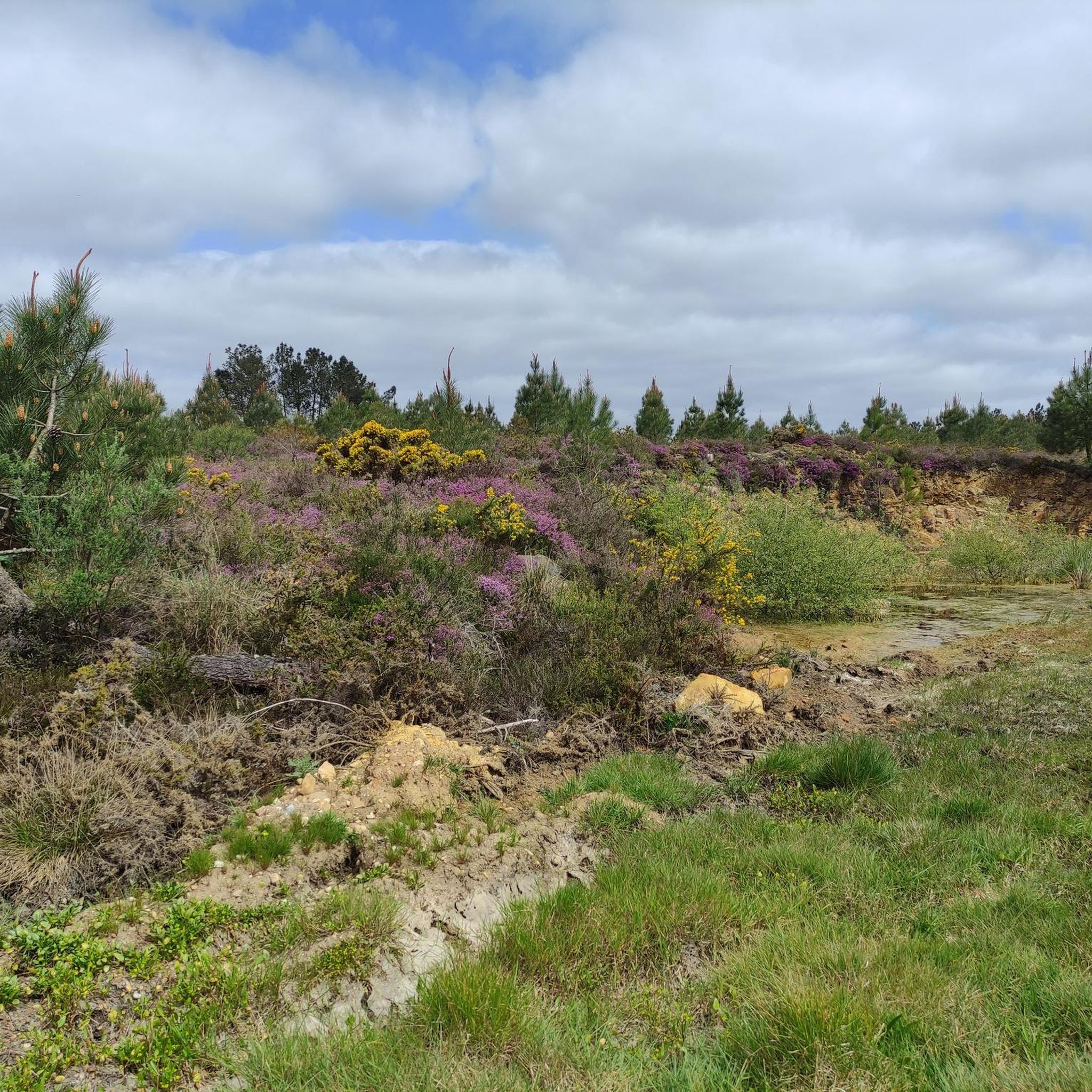
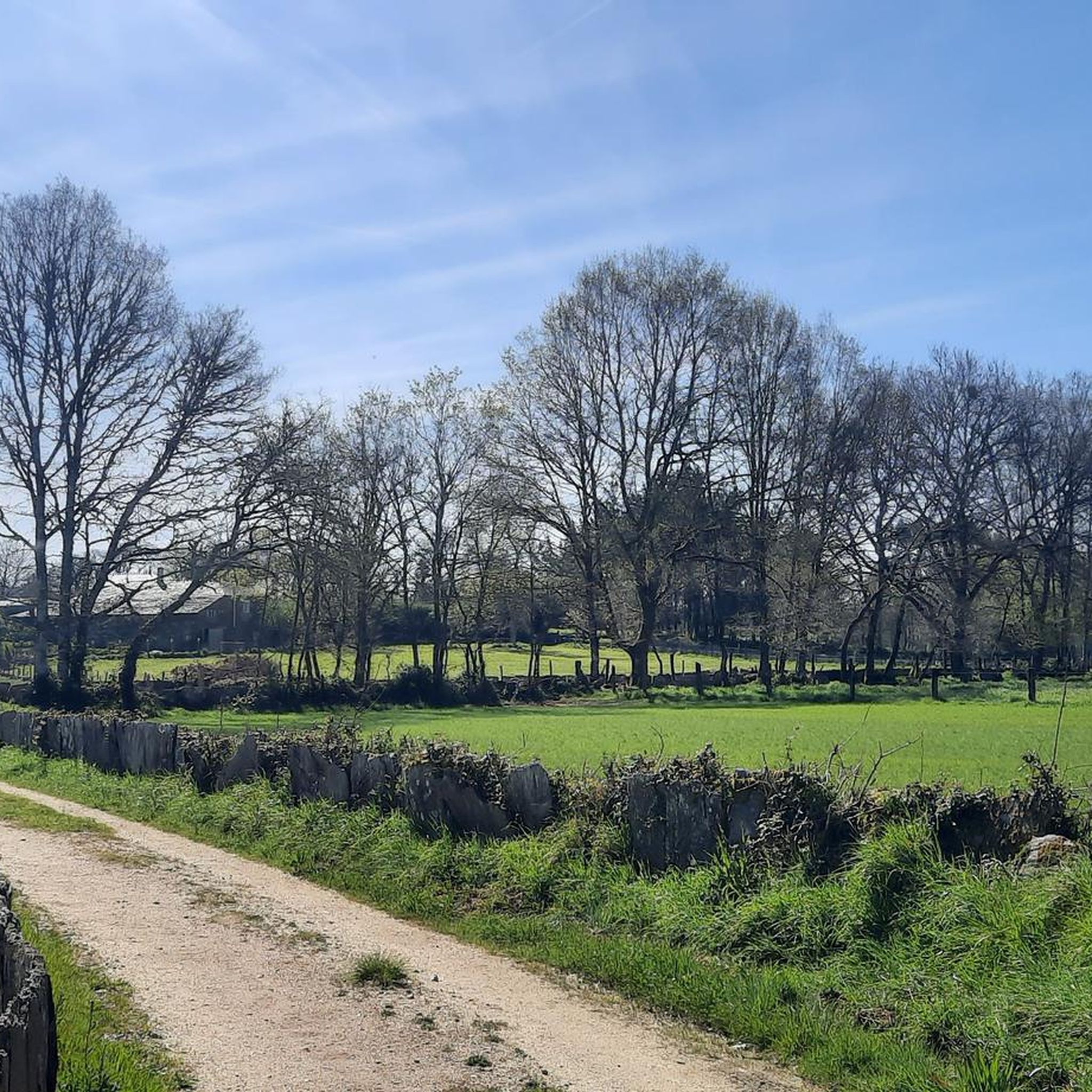
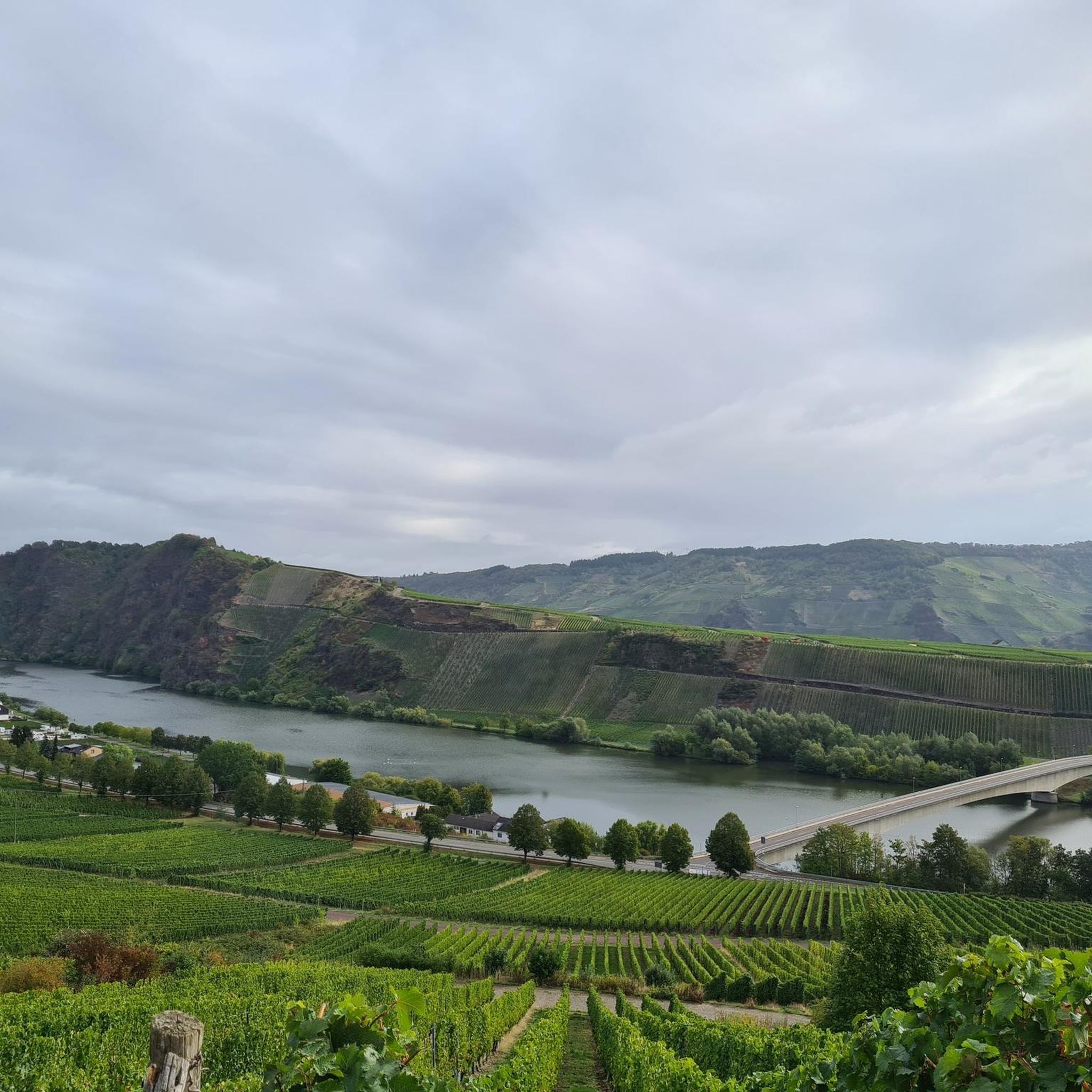
Other adventures around Begonte

Tips from the Community

Located in the old town of Pobra de Parga, opposite the parish church of Santo Estevo, in the municipality of Gutiriz, this tower and part of a medieval wall still stands proudly at its highest point. It stands guard from its hill over the Parga River, which flows below it, and connects us to the town via a Gothic bridge. It was built by Juan Pérez Parragués and in 1603 was used as a jurisdictional prison. Currently declared a site of cultural interest, remains of a section of the wall still exist. It is made of large, fine ashlar masonry, reaching a maximum height of eight meters and including a circular bastion about four meters in diameter.
0
0

The original castle dates back to the 11th century, although the current tower was rebuilt in the 15th century after the Irmandiño revolts, which destroyed much of the fortress. It was owned by the lords of Lemos and later passed into the hands of Fernán Pérez de Andrade, who left his heraldic mark on the tower with the figure of the wild boar, a symbol of his lineage. In the 19th century, during the First Carlist War, the tower was reused as a defensive bastion and later restored.
3
0
The Andrade Tower in Vilalba (Lugo) is an impressive medieval building that constitutes the only vestige of the old Vilalba Castle, and one of the most important historical symbols of the Terra Chá region.
3
0
The Santo Alberte Bridge, also known as Ponte de San Alberte, is a medieval gem located in the municipality of Guitiriz (Lugo), over the Parga River, in the heart of the Terras do Miño Biosphere Reserve. Although believed to have Roman origins, the current structure is Gothic in style, built in the 14th century and renovated in the 18th century and again in 2006.
3
0
It was built on an ancient Galician-Roman fort, giving it deep historical roots. The original fortress was rebuilt in the late 14th or early 15th century by Juan Pérez Parragués, and in 1603 it was used as a jurisdictional prison. The castle served to guard the road between Lucus Augusti (Lugo) and Flavia Brigantium (Betanzos), a strategic route in medieval Galicia.
3
0
The Castro da Pobra de Parga Castle, located in the municipality of Guitiriz (Lugo), is an ancient medieval fortress that is now in ruins, but preserves architectural elements of great historical interest. Today, only a wall of the enclosure and a cylindrical tower measuring approximately 4 meters in diameter, with ashlars reaching 8 meters in height, remain.
3
0

A mighty and historic tower with a beautiful coat of arms 🤙
0
1
Frequently Asked Questions
What historical and cultural sites can I visit in the Begonte area?
The region offers a rich blend of history and culture. You can explore the Romanesque origins and Baroque renovations of the Church of San Pedro de Begonte, or visit the 9th-century Baamonde Church, known for its ancient chestnut tree and cruceiros. Don't miss the San Alberte Chapel, a large Gothic chapel in a beautiful natural setting, and the nearby San Alberte Bridge, a medieval Gothic structure. The Andrade Tower in nearby Vilalba is also a significant historical symbol of the Terra Chá region.
What natural features can I explore around Begonte?
Begonte is rich in natural beauty. The Lagoas de Riocaldo offer an ecologically valuable area for walks and bird watching. The River Ladra and River Parga, along with the Támoga, create extensive wetlands within the Terras do Miño Biosphere Reserve, perfect for observing local wildlife. The Lagoa de Cospeito is another important spot for migratory birds. You can also enjoy the Fluvial Beach of Baamonde on the banks of the Parga River, which serves as a starting point for hiking trails.
Are there family-friendly attractions around Begonte?
Yes, several attractions are suitable for families. The Electronic Nativity Scene (Belén Electrónico) in Begonte is a unique and popular attraction, especially during the Christmas season, with animated figures depicting Galician scenes. Recreational areas like A Perdiz, near Baamonde, offer picnic spots and ponds. Many of the natural areas, such as the Lagoas de Riocaldo and the Fluvial Beach of Baamonde, are also great for family outings and gentle walks.
What outdoor activities can I do near these attractions?
The Begonte area is excellent for outdoor activities. You can find numerous hiking trails, including the 'Terra Chá Viewpoint Trail' and routes around the San Alberte Chapel. For cycling enthusiasts, there are road cycling and touring bicycle routes that pass by many of the region's highlights. You can find detailed routes and guides for hiking, road cycling, and general cycling around Begonte.
Are there hiking trails near Begonte's attractions?
Absolutely. The region offers a variety of hiking trails. For instance, you can explore routes like the 'Terra Chá Viewpoint Trail' or longer, more challenging hikes such as the 'Miraz – San Alberte Chapel loop'. The Fluvial Beach of Baamonde is also a starting point for trails like 'Caneiros e Lagoas de Riocaldo'. For a comprehensive list of trails, visit the Hiking around Begonte guide.
What is the significance of the Electronic Nativity Scene in Begonte?
The Electronic Nativity Scene (Belén Electrónico) is a highly renowned attraction in Begonte, declared a Galician Site of Tourist Interest. Founded in 1972, it is one of the oldest and most visited nativity scenes in Galicia. It features animated figures that bring typical Galician scenes to life, making it a unique cultural experience, especially during the Christmas season.
Where can I see traditional Galician religious architecture and art?
Beyond the Baamonde Church and San Alberte Chapel, you can find other religious treasures like the Chapel of Ximarás. The Cemetery with a small chapel in Vilalba, part of the San Xoán de Alba Church, showcases neo-Gothic design with richly decorated graves resembling small chapels. The Ancient Chestnut Tree next to the Baamonde Church also houses an altar with a sculpture by local artist Víctor Corral.
Is there a museum dedicated to local art in the area?
Yes, the Casa Museo de Víctor Corral (Victor Corral House Museum) is located just 200 meters from the Baamonde Church. This museum is dedicated to the works of the local artist Víctor Corral, who is also known for his sculpture of the Virgen de la Dolorosa carved into the ancient chestnut tree nearby.
Can I find information about the wider Terra Chá region?
Yes, for more information about the Terra Chá region, including Begonte's place within it, you can visit the official tourism website: visitaterracha.com. This resource provides additional context on the area's traditions, art, and landscape.
What is the best time to visit Begonte's attractions?
The best time to visit depends on your interests. For enjoying the natural areas, such as the rivers and lagoons, spring and summer offer pleasant weather for outdoor activities like hiking and cycling. If you're interested in the unique Electronic Nativity Scene, the Christmas season is the ideal time. Pilgrims walking the Camino del Norte typically visit during spring or autumn to avoid extreme temperatures.
Are there any medieval bridges to see in the area?
Yes, the San Alberte Bridge is a notable medieval Gothic bridge over the Parga River. Although believed to have Roman origins, its current structure dates back to the 14th century and has undergone several renovations. It's located near the San Alberte Chapel within the Terras do Miño Biosphere Reserve.
Is Begonte part of the Camino de Santiago?
Yes, a section of the Northern Way (Camino del Norte) of the Camino de Santiago passes through Baamonde, a village within the Begonte municipality. This offers an opportunity for pilgrims and hikers to experience a part of this historic route while exploring the local attractions.
Most popular routes around Begonte
Most popular attractions around Begonte

Get inspired with the komoot mobile app


Explore more
Still not found the Highlight you’re looking for? See guides of the top attractions in other regions:
