Top 15 Mountain Passes around Farrera
Best mountain passes around Farrera are found in the Spanish Pyrenees, a region characterized by its mountainous terrain and natural landscapes. This area offers a variety of elevated routes that connect communities and provide access to high-altitude environments. The passes serve as historical pathways and modern routes for exploration. Visitors can experience diverse mountain environments, from paved ascents to challenging trails.
Best mountain passes around Farrera
- The most popular mountain passes is Port del Cantó (1,721 m), a mountain…
Last updated: June 26, 2026
Port del Cantó (1,721 m)
Highlight • Mountain Pass
Translated by Google •
Tip by

Coll de la Gallina
Highlight • Mountain Pass
Translated by Google •
Tip by

Sign up now to discover places like this
Get recommendations on the best single tracks, peaks, & plenty of other exciting outdoor places.
Sign up for free
Port de Cabús
Highlight • Mountain Pass
Translated by Google •
Tip by

Path from Tor to Port de Cabús
Highlight (Segment) • Trail
Translated by Google •
Tip by

Collada de Conflent
Highlight (Segment) • Mountain Pass
Translated by Google •
Tip by

Sign up for free to discover even more mountain passes around Farrera.
Sign up for free
Already have an account?
Start today with a free account
Your next adventure awaits.
Login or Signup
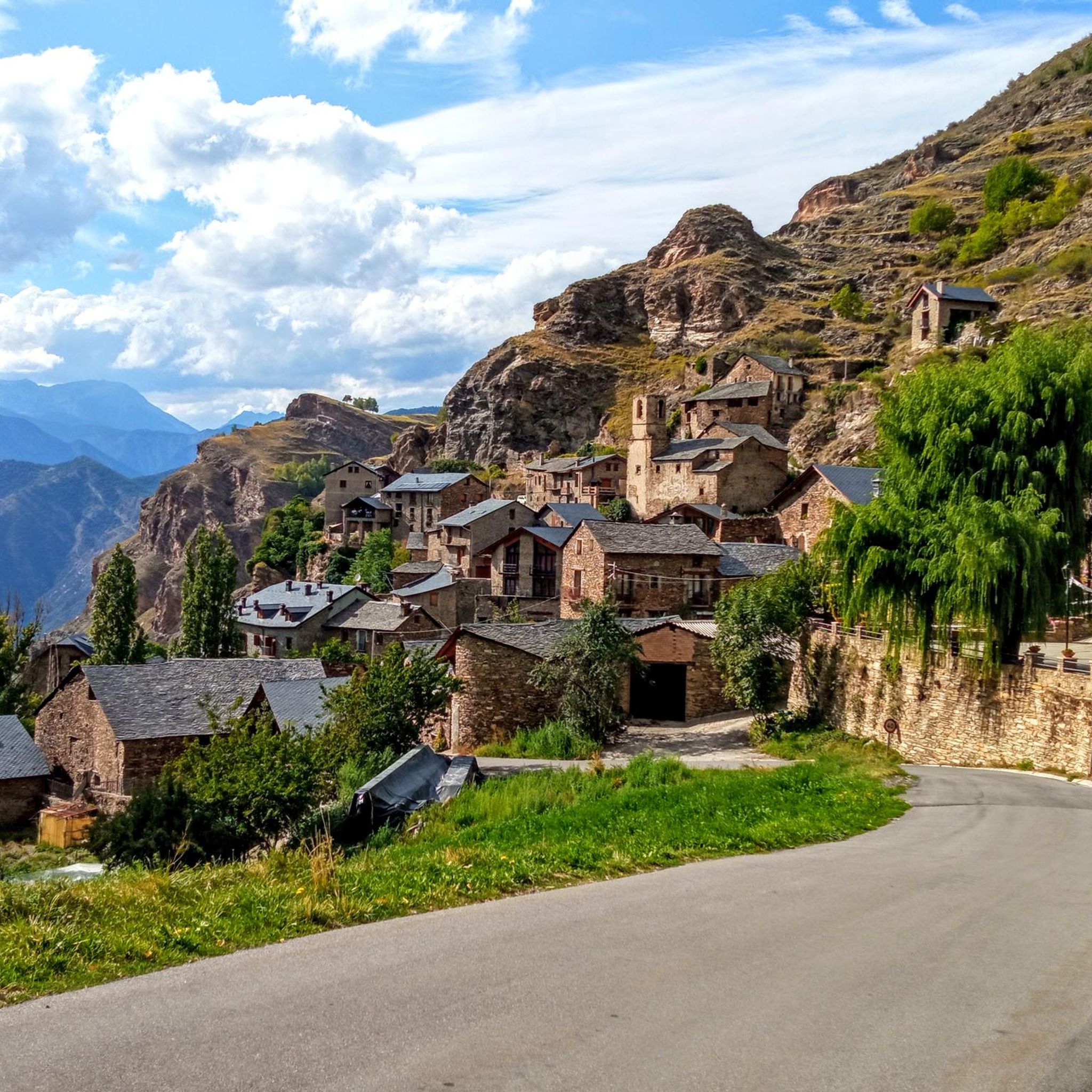
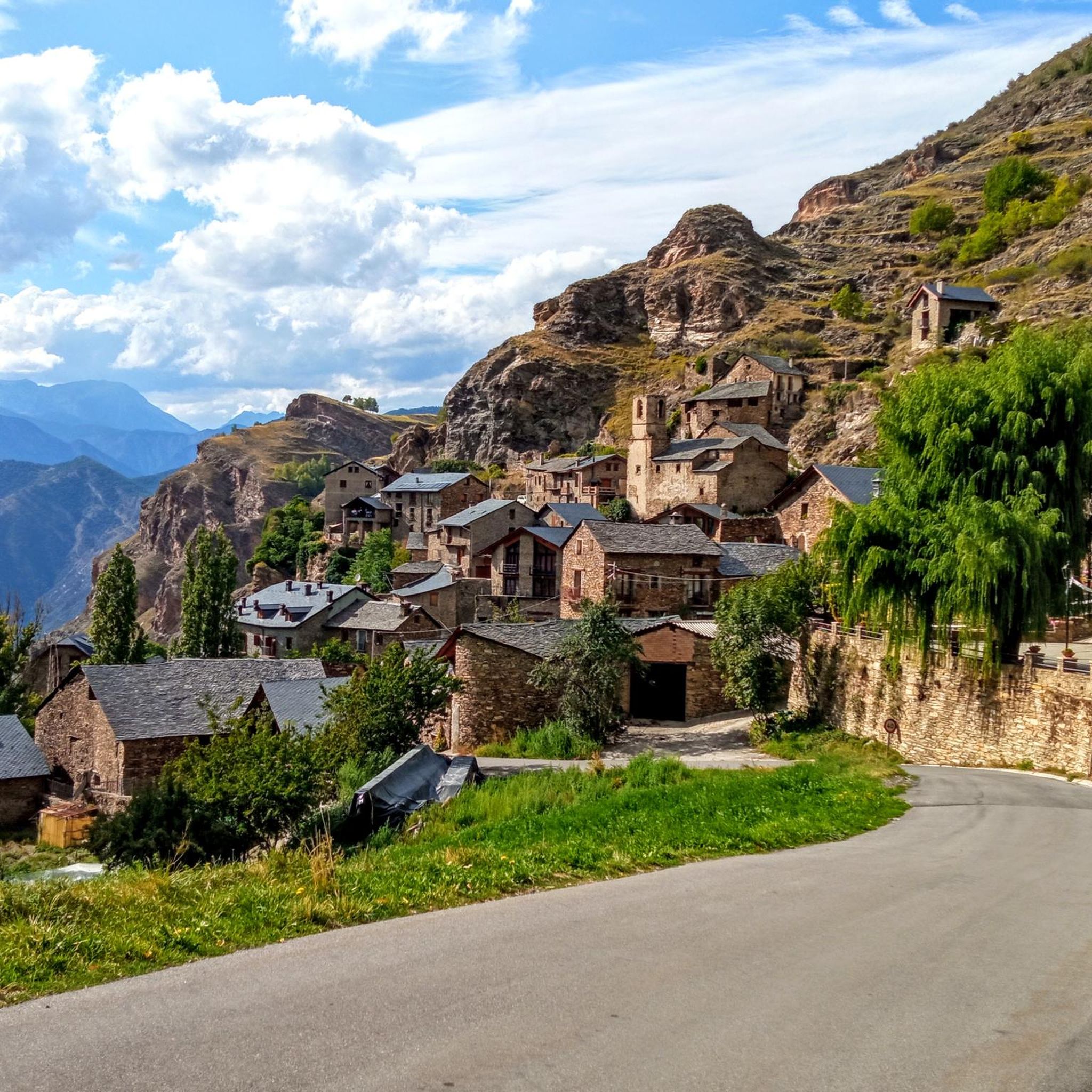
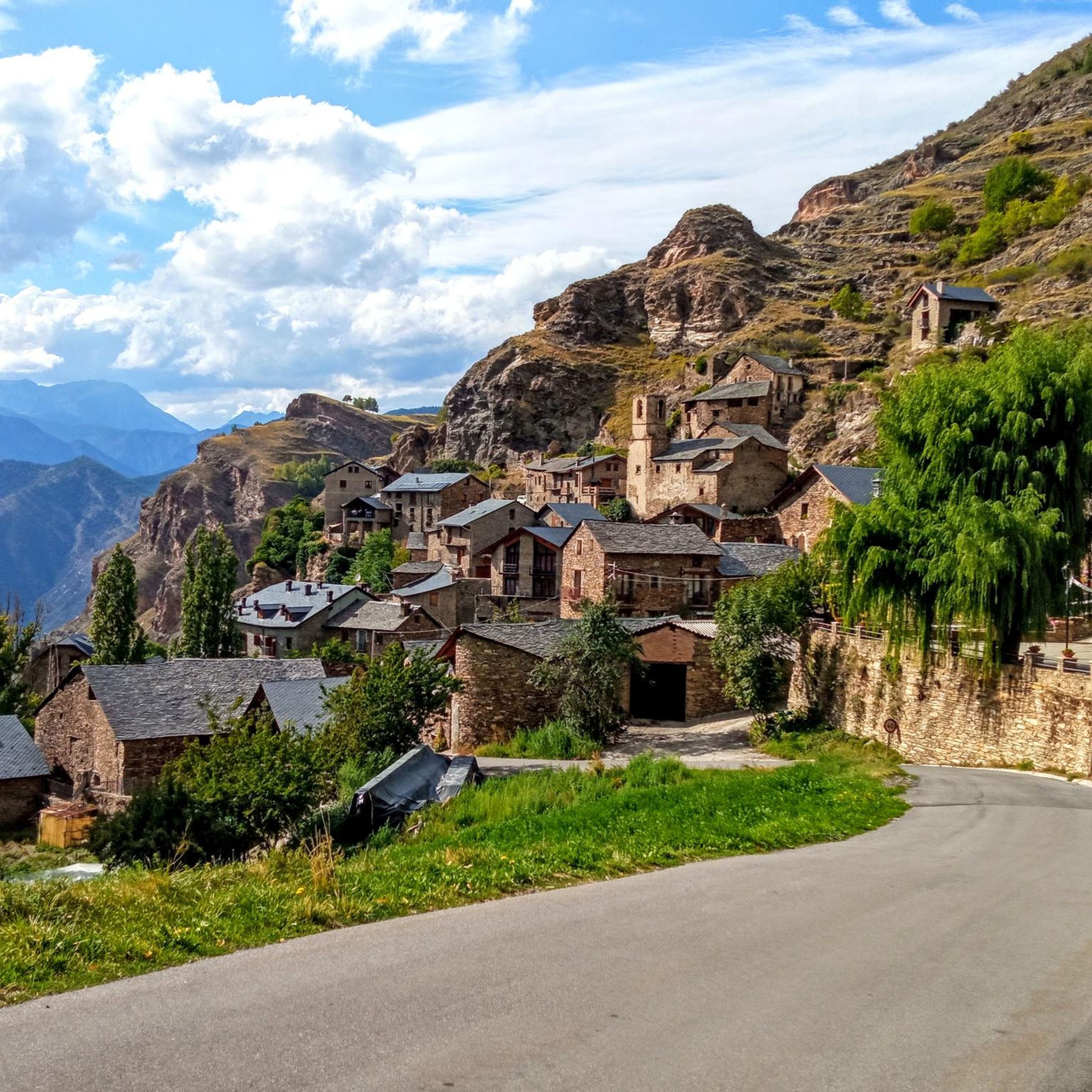
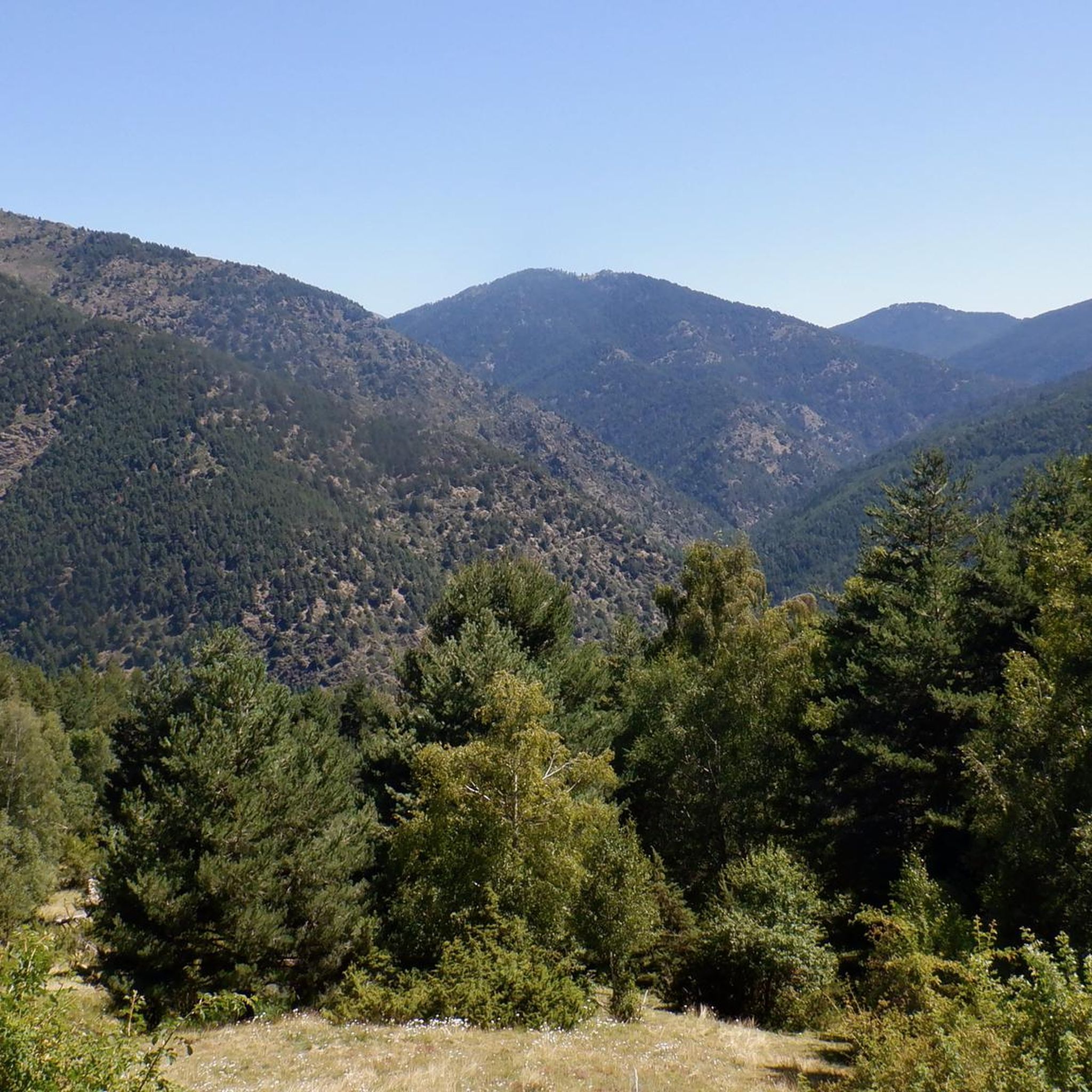
Tips from the Community

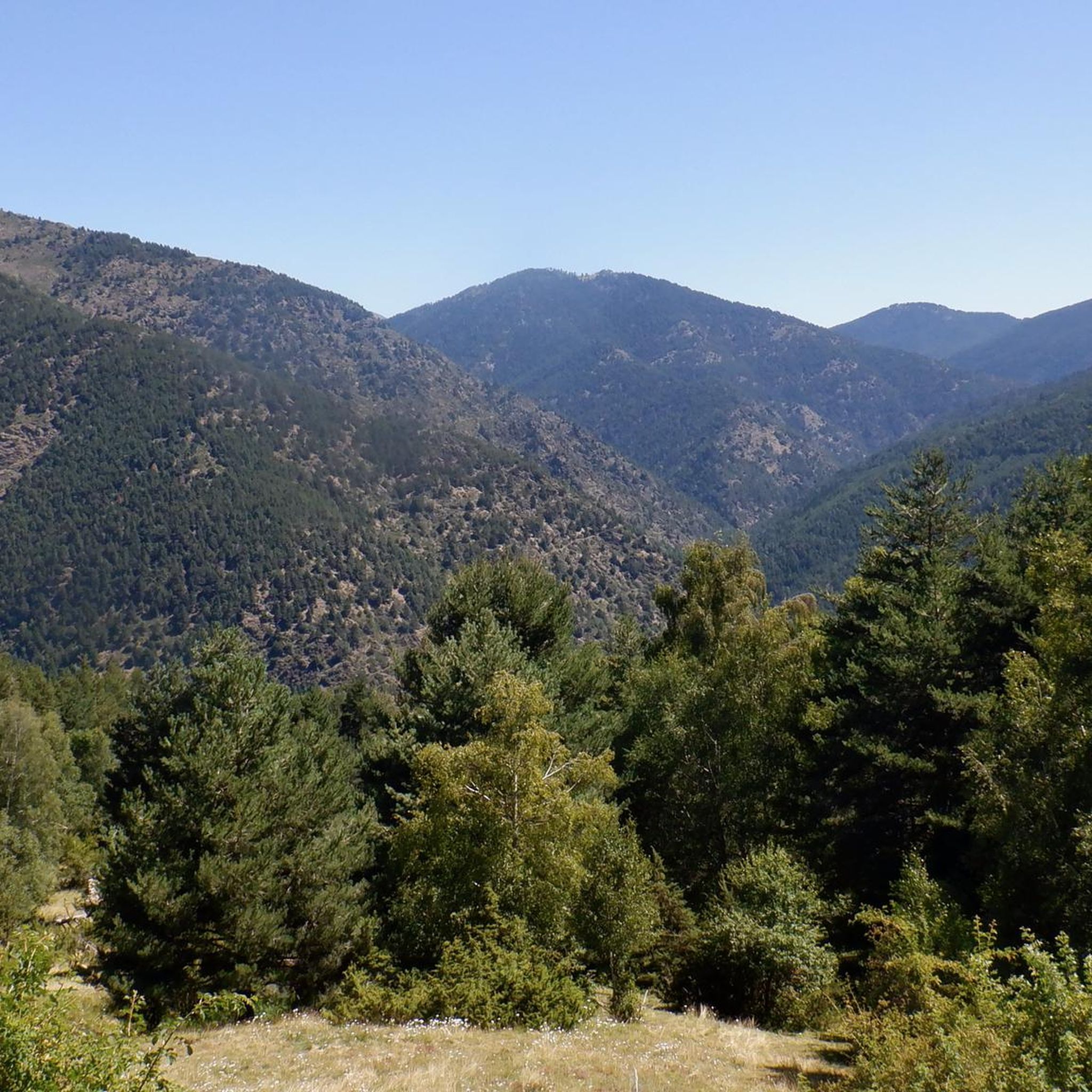
The pass summit has been reached. The climb is pleasant!
1
0
The pass summit has been reached
0
0

Long descent from the Collada de Conflent with spectacular views.
0
0
The Cabús Pass is a mountain pass that crosses the Pyrenees at 2,302 m above sea level. It is located on the border between Andorra and Spain, between the parish of La Massana and the municipality of Alins. Only the Andorran side is paved. From Alins, in the High Pyrenees, the climb is impressive and involves paths and trails that are not always in good condition.
0
0
Poblar de Segur, the pass on the marked beautiful route
0
0

Ridden from Sort, it’s a good steady climb, with enough small variations in gradient to provide moments of relief. Great bar half way up too. The descent back to Sort is excilerating.
0
1

Port de Cabús is a mountain pass on the border between Andorra and Spain, known for its stunning scenery and appeal for hiking, cycling, and other mountain activities. Being on the border, Port de Cabús has particular significance, as it has historically been used as a cross-border crossing for trade and, in more recent times, as a less conventional route to cross between Andorra and Spain. Although the pass itself has no formal border control, it is important to carry documentation when crossing from one country to the other.
0
0

The Coll de Conflent is a first-class port that leaves from Os de Civís, also known as the smugglers' route. It is a port of about 8 km of almost uninterrupted ascent. The first section from Os de Civís is by road until you reach the Hotel, once there the forest trail begins. When you get to the top, at Coll de Conflent, the views are spectacular. If it is downhill, then you will have had to climb quite a bit from the Bordes de Conflent junction.
0
0
Frequently Asked Questions
Which mountain passes around Farrera offer the most spectacular views?
For breathtaking panoramas, Port de Cabús is highly recommended, especially its final section which opens up to expansive vistas. Coll de la Gallina also provides spectacular views of the surrounding landscape and valley. Additionally, the descent from Collada de Conflent offers impressive scenery.
What are the difficulty levels of the mountain passes in the Farrera region?
The mountain passes around Farrera cater to various experience levels. You'll find intermediate climbs like Port del Cantó (1,721 m), which features a pleasant and steadily sloping ascent. More challenging routes include Coll de la Gallina, known for its steep average gradient and sections reaching up to 18-20%. Port de Cabús also presents a challenge, particularly on the Spanish side with its poor road quality and gravel sections.
What kind of hiking trails can I find around the mountain passes near Farrera?
The region offers a variety of hiking experiences. While some passes like Port de Cabús have paved sections on the Andorran side, the Spanish side often involves challenging paths and trails. Passes like Coll de la Gallina and Collada de Conflent are also associated with trails. For more detailed hiking routes, you can explore the Hiking around Farrera guide, which includes moderate trails like 'From Bordes de Tressó to Burg — circular through the Parc Natural de l'Alt Pirineu'.
What is the best time of year to visit the mountain passes around Farrera?
While specific seasonal recommendations aren't provided in the data, mountain passes in the Pyrenees are generally best visited from late spring to early autumn (May to October) when the weather is milder and snow has melted, making routes more accessible. Winter conditions can make some passes challenging or impassable, especially on unpaved sections.
Are there challenging mountain passes for experienced cyclists?
Yes, the Farrera region is known for challenging cycling routes. Coll de la Gallina is an impressive climb with a steep average gradient of 8.2% and maximums of 18-20%. Port del Cantó (1,721 m), while pleasant, has been part of major cycling tours like the Tour de France and Vuelta a España, indicating its significance for cyclists. For more challenging cycling routes, check out the Cycling around Farrera guide, which features difficult routes such as 'Hermitage of Sant Joan de l'Erm – Refugi de la Basseta loop'.
How accessible are the mountain passes, especially regarding transport and parking?
Accessibility varies by pass. The Andorran side of Port de Cabús is perfectly paved, offering a relatively smooth ascent. However, the Spanish side from Alins involves paths and trails that are not always in good condition. Generally, mountain passes in this region are best accessed by car, with parking available at trailheads or nearby villages. Public transport options directly to the passes might be limited, so planning private transport is advisable.
What do visitors enjoy most about the mountain passes around Farrera?
Visitors particularly appreciate the spectacular views and the diverse natural environments. The komoot community has contributed 19 photos and given 39 upvotes to the mountain passes, highlighting their scenic beauty and appeal for outdoor activities like hiking and cycling. The sense of achievement from conquering challenging climbs and the tranquility of high-altitude environments are also highly valued.
Are there any less-known or 'hidden gem' mountain passes worth exploring?
While the guide highlights popular passes, the region is rich with elevated routes. Collada de Conflent, also known as the smugglers' route from Os de Civís, offers spectacular views from its summit and a long descent, suggesting a less conventional but rewarding experience. Exploring local maps and trails can reveal many such hidden gems.
Can I bring my dog to the mountain passes around Farrera?
Generally, dogs are welcome on hiking trails and in natural areas around mountain passes in the Pyrenees. However, it's always advisable to keep dogs on a leash, especially in areas with livestock or wildlife, and to check for any specific local regulations or protected areas that might have restrictions. Ensure you carry enough water for your dog and clean up after them.
What historical significance do these mountain passes hold?
Mountain passes in the Farrera region, such as Coll de la Gallina, have historically served to link communities within the mountainous region. Port de Cabús has historically been a cross-border crossing for trade between Andorra and Spain, and more recently, a less conventional route. These passes represent ancient pathways that facilitated movement and connection in the Pyrenees.
Are there specific considerations for crossing borders at mountain passes like Port de Cabús?
Yes, when crossing passes like Port de Cabús, which is on the border between Andorra and Spain, it's advisable to carry identification documents. While there isn't formal border control at this specific pass, being prepared with documentation is always a good practice when crossing international borders, even in remote areas.
Most popular attractions around Farrera

Get inspired with the komoot mobile app


Explore more
See even more epic mountain passes by checking out these guides around Farrera:
