Top 11 Mountain Passes around Llançà
Mountain passes around Llançà are situated where the Pyrenees meet the Mediterranean, offering diverse trekking experiences. The region is part of the Cap de Creus Natural Park and the Albera Natural Area. These protected natural areas contribute to the varied scenery. Hikers can find routes that combine natural beauty with historical exploration.
Best mountain passes around Llançà
- The most popular mountain passes is Banyuls Pass, a mountain pass that features a publicly accessible refuge and historical plaques. It marks…
Last updated: October 13, 2026
Banyuls Pass
Highlight • Mountain Pass
Translated by Google •
Tip by

Rumpissa Pass
Highlight • Mountain Pass
Translated by Google •
Tip by

Sign up now to discover places like this
Get recommendations on the best single tracks, peaks, & plenty of other exciting outdoor places.
Ascent to Coll de Banyuls from Espolla
Highlight (Segment) • Mountain Pass
Translated by Google •
Tip by

N-260a Ascent to Portbou and GR-92 Tunnel
Highlight (Segment) • Mountain Pass
Translated by Google •
Tip by

Old Portbou Border Crossing
Highlight • Historical Site
Translated by Google •
Tip by

Sign up for free to discover even more mountain passes around Llançà.
Already have an account?
Start today with a free account
Your next adventure awaits.
Popular around Llançà
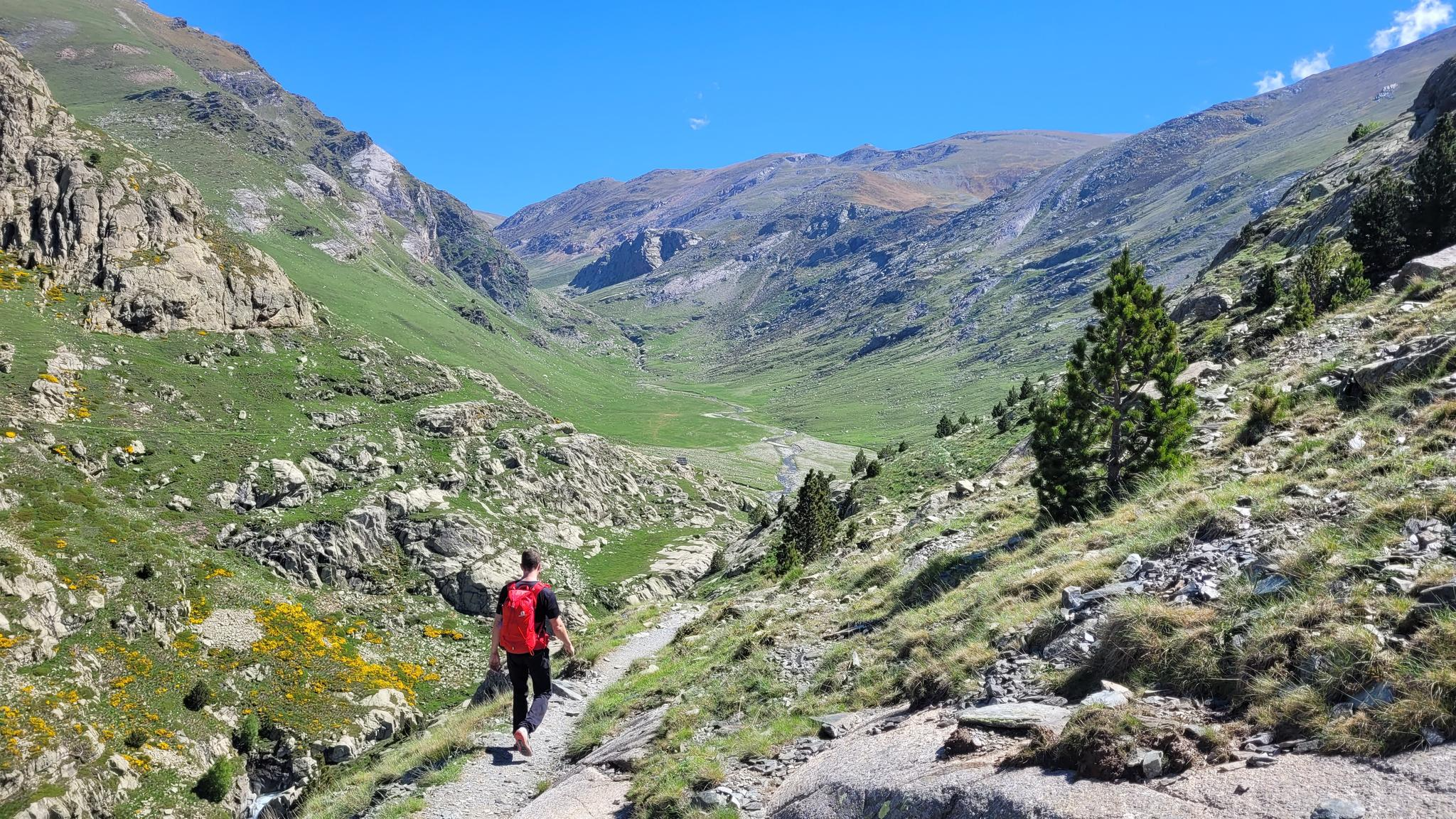
10 hikes with teenagers — Catalan paradises
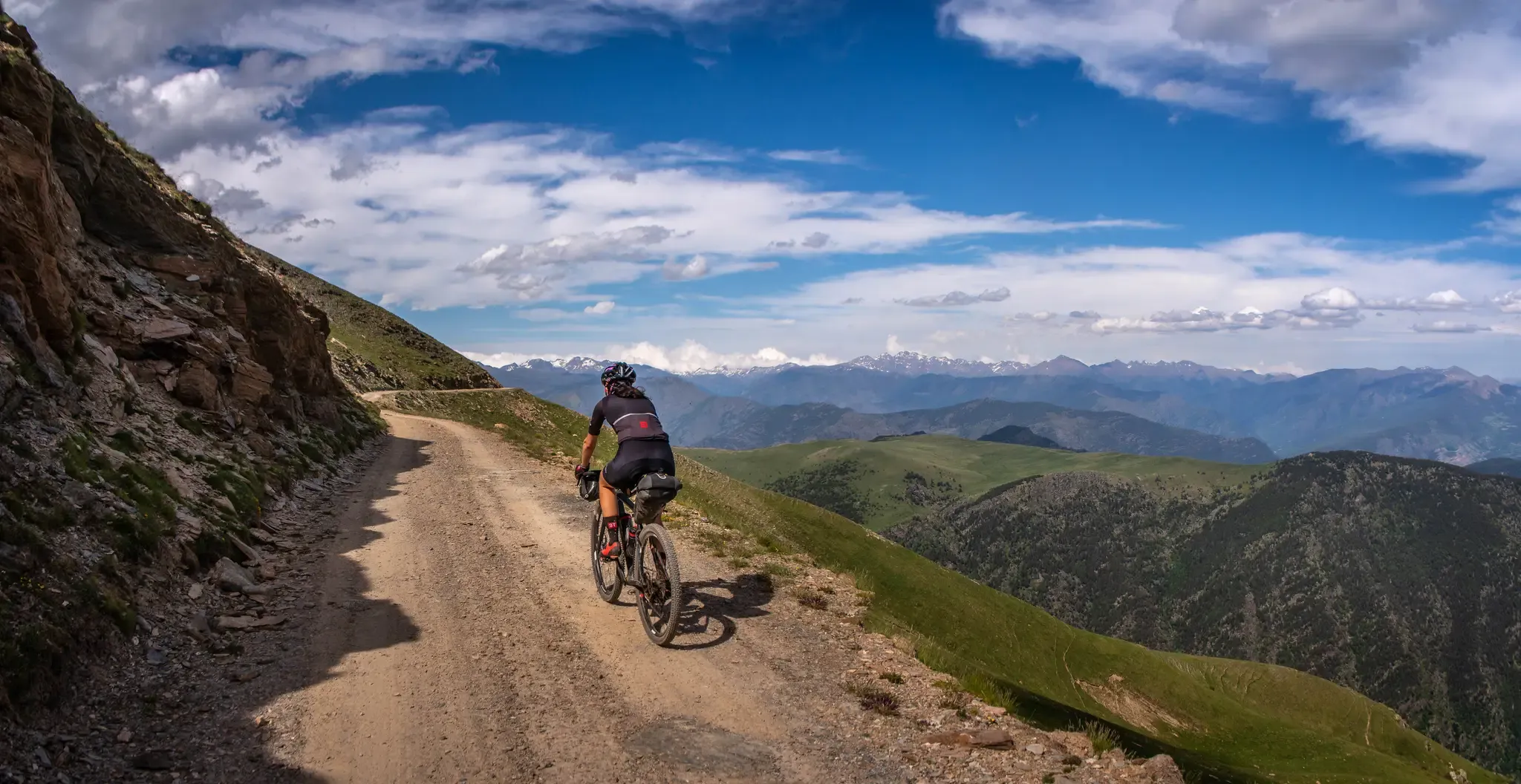
A high-altitude journey – Transpirenaica MTB
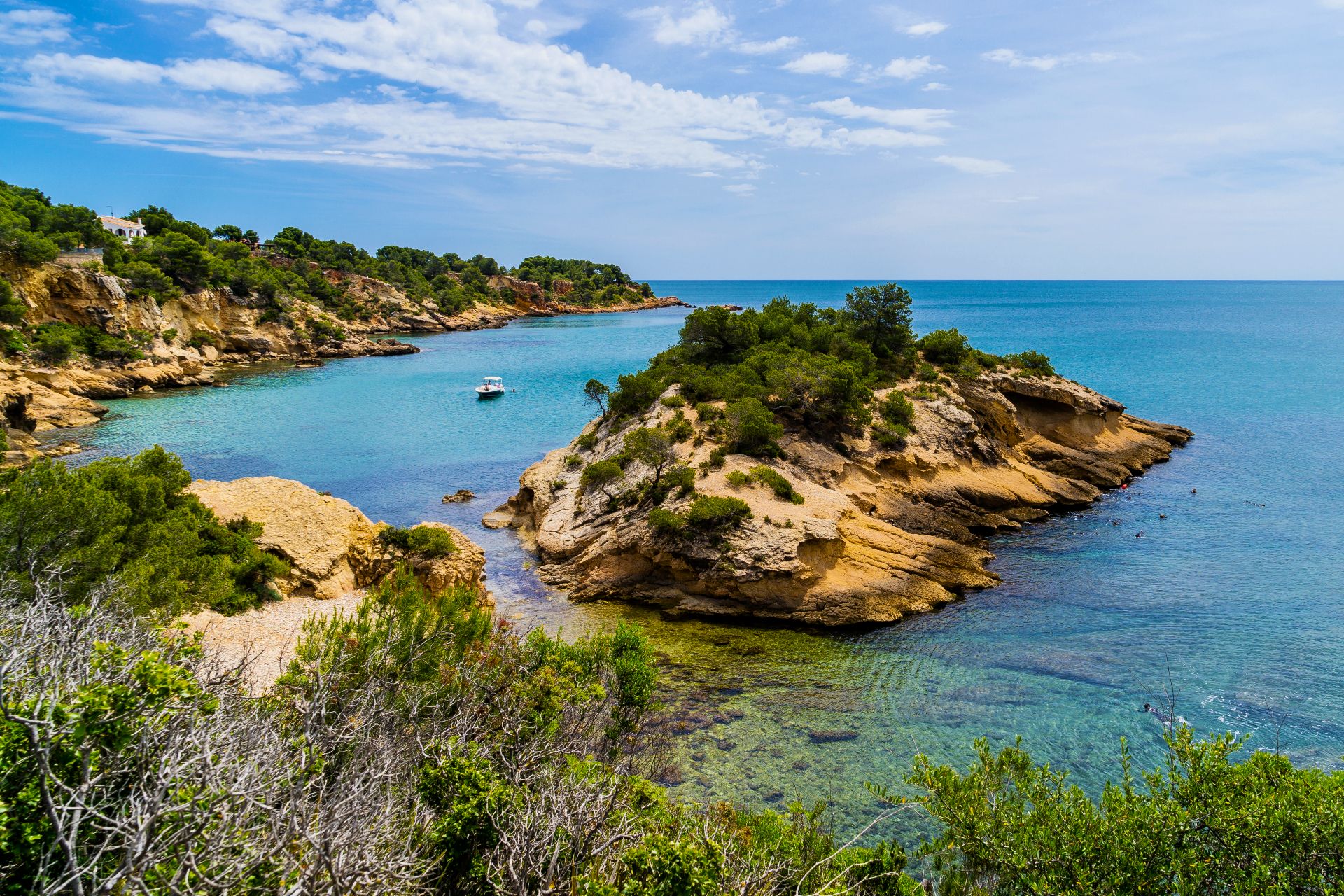
The Catalan coast on foot – Mediterranean Path (GR 92)
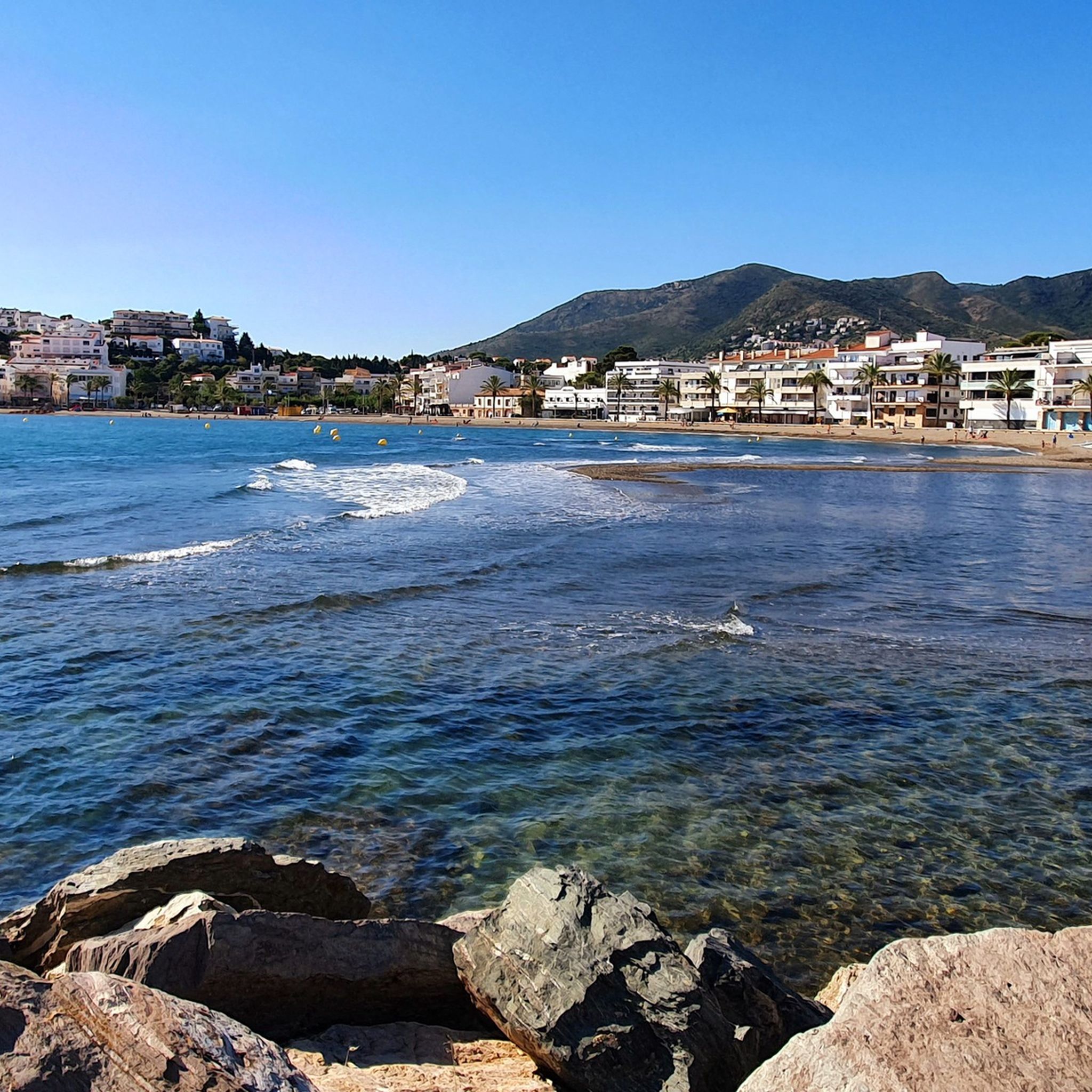
Hiking around Llançà
MTB Trails around Llançà
Running Trails around Llançà
Cycling around Llançà
Road Cycling Routes around Llançà

Gravel biking around Llançà

Mountain Hikes around Llançà


Tips from the Community

Beautiful route and a great view
0
0

Nice pleasant climb
0
1

This is the old road from or to Portbou. Almost no traffic, no tunnels but good views on the tunnels on the new road
0
0

The Green MEPs Jordi Solé and François Alfonsi, and the Social Democrat Éric Andrieu, launched a letter to Pedro Sánchez and Emmanuel Macron, presidents of Spain and France respectively, calling for the reopening of the crossings to be discussed at the 27th Franco-Spanish summit on 19 January in Barcelona. The letter, signed by 31 MEPs, was presented at a press conference at the European Parliament in Strasbourg. Two days later, on 20 January, residents of Espolla reopened the coll for the annual Feria de l'Oli y de l'Olivera in the village. However, on 23 January the French authorities closed the crossing again.
3
0

very nice to drive with great views
1
0

Cross-border crossing between the two states that divided Catalonia after signing the Treaty of the Pyrenees on November 7, 1659. It is part of the Walter Benjamin Route, in total it is approximately 15 km (we know that Benjamin spent a night in the middle of the road) that can be done in one direction for about 5 or 6 hours to return by train from Banyuls to in Portbou. The route, which is signposted, is relatively easy and also coincides with an old smugglers' trail and with the so-called Lister Route, since it was here where the Republican general retreated with his troops in 1939, after of the defeat against the Francoist side.
0
1
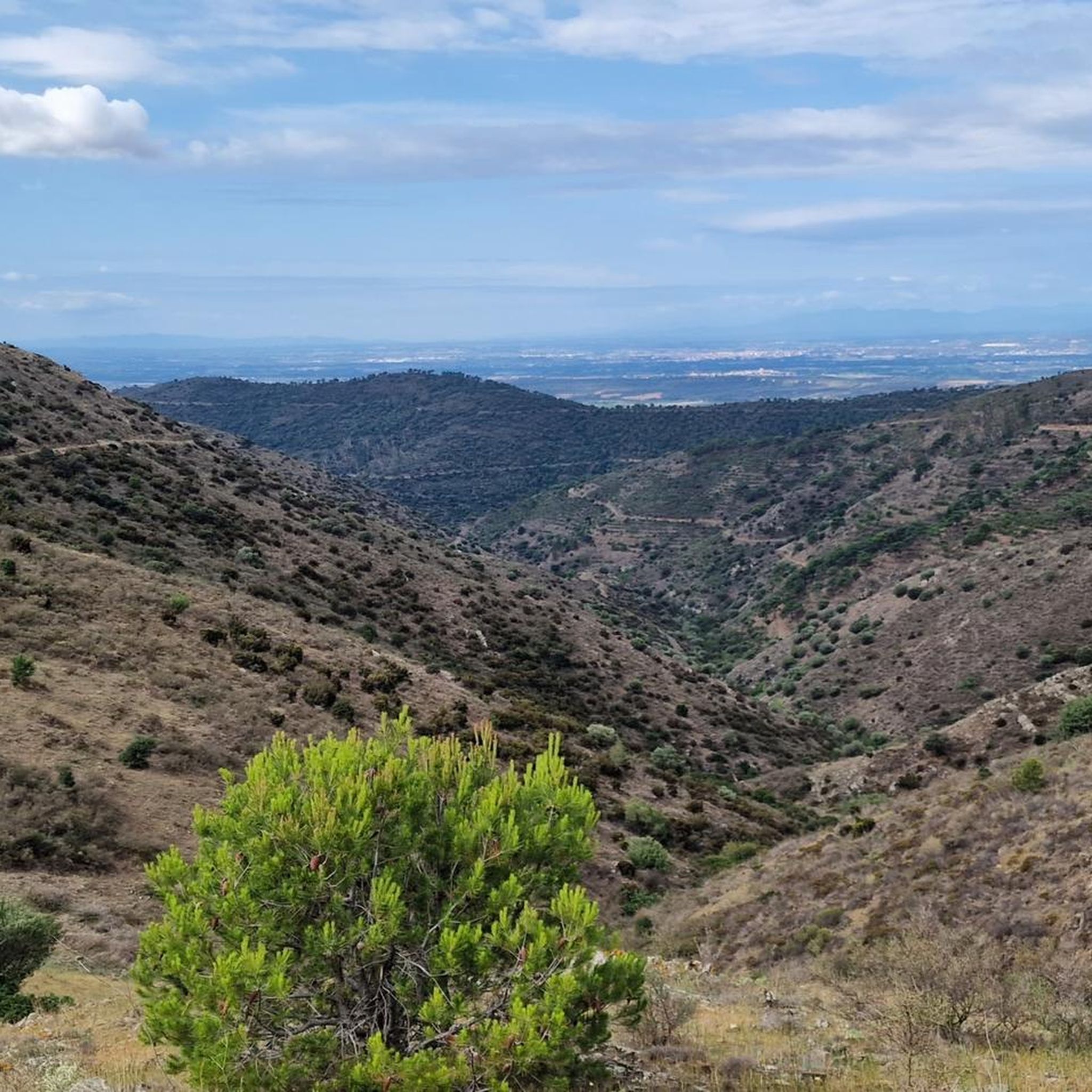
From this viewpoint you can see at the bottom an area irrigated by the Orlina River that nourishes about 3000m2 full of centuries-old oaks, ideal for going down and regaining strength. If you look the way you came you will see the Espolla and in the opposite direction the Coll de Bañuls. One km from here you will find a Generalitat farm that is working on the implantation of an extinct species of roof rack.
2
0
A newly paved road with little traffic in winter, but you should pay attention on weekends and in summer, as vehicles travel at high speed. When you approach the tunnel, you can cross it on the lane or sidewalk parallel to the road. The noise is deafening, but it is safe. The ascent to tunnel G-92 offers panoramic views of Portbou, the sidings, beaches and mountain tops. It will take approximately 30 minutes to travel it on an electric bicycle in eco mode.
0
0
Frequently Asked Questions
What are some of the most popular mountain passes to explore around Llançà?
Visitors frequently enjoy the Banyuls Pass, known for its publicly accessible refuge and historical plaques commemorating those who fled repression. Another highly rated pass is Rumpissa Pass, which marks the border between Spain and France and is part of the Walter Benjamin Route. The Ascent to Coll de Banyuls from Espolla is also popular for its scenic views of the Orlina River and low car traffic.
Are there mountain passes around Llançà with significant historical importance?
Yes, several passes hold historical significance. The Banyuls Pass has memorial plaques related to historical escape routes. The Rumpissa Pass is notably part of the Walter Benjamin Route, commemorating the philosopher's flight in 1940. Additionally, the Old Portbou Border Crossing, though not a pass itself, is a historical site near mountain passes that played a crucial role during the Spanish Civil War and World War II.
What kind of natural features and viewpoints can I expect to see from the mountain passes?
The mountain passes around Llançà offer diverse natural beauty. From Coll del Perer, you can find a dedicated viewing platform with panoramic vistas of the Costa Brava and Cap de Creus Natural Park. Coll de les Portes, especially from the summit of Puig d'Esquers, provides expansive 360-degree views encompassing the Mediterranean Sea, the Alberes, the Salines, and the Pyrenees. The Perafita Pass area is renowned for wide horizons and unobstructed views of the Empordà plain and the Gulf of Roses.
What are the difficulty levels of hiking routes involving these mountain passes?
The difficulty levels vary. Hiking to Coll del Perer can be a medium-high difficulty trek, often taking about 4 hours and 15 minutes as part of a longer route. The route through Coll de les Portes can be challenging, particularly the climb to Puig d'Esquers with its steep ramps. Passes like Banyuls Pass and Rumpissa Pass are generally considered intermediate, though approaches can vary in intensity. For example, the French side of Banyuls Pass is noted for very tough, steep ramps.
Are there any specific trails or routes that incorporate these mountain passes?
Yes, many trails incorporate these passes. Coll del Perer is frequently part of hiking routes leading to the Monastery of Sant Pere de Rodes, often following sections of the GR-11 trail. Coll de les Portes is a key feature in routes exploring megalithic and historical heritage, such as the 'Route of Dolmens and Chapels'. The Rumpissa Pass is part of the Walter Benjamin Route. You can find more detailed hiking routes in the Hiking around Llançà guide.
What outdoor activities can I do near the mountain passes around Llançà?
Beyond hiking, the region offers various outdoor activities. You can explore mountain hikes, such as the 'Cova de Veta Negra – Sant Salvador Castle loop' or the 'Puig de l'Àliga – Puig de la Sardina loop', detailed in the Mountain Hikes around Llançà guide. Gravel biking is also popular, with routes like 'Port de la Selva – Monastery of Sant Pere de Rodes loop' available in the Gravel biking around Llançà guide.
What are some notable landmarks or sites near the mountain passes?
Near Coll del Perer, you can visit the majestic Monastery of Sant Pere de Rodes, a Romanesque Benedictine monastery. Close to Coll de les Portes, hikers can find the Romanesque hermitage of Sant Silvestre and the Puig del Llop dolmen. The Collada del Pla de l'Arca is near the Sant Pere del Pla de l'Arca Ruins, a 10th-century Romanesque church.
Are there any passes that are particularly good for cycling?
Yes, the Ascent to Coll de Banyuls from Espolla is noted for its low car traffic and scenic viewpoints, making it enjoyable for cyclists. The N-260a Ascent to Portbou and GR-92 Tunnel also offers a very nice climb with panoramic views, and a newly paved road with little traffic in winter.
What do visitors appreciate most about the mountain passes in this region?
Visitors highly appreciate the combination of stunning natural beauty and rich historical context. The panoramic views from various passes, the quiet routes with low car traffic, and the opportunity to explore historical sites like monasteries and dolmens are frequently mentioned. The diverse trekking experiences, ranging from intermediate to challenging, also contribute to the area's appeal.
Is the region around Llançà part of any protected natural areas?
Yes, the region where the Pyrenees meet the Mediterranean, including many of its mountain passes, is part of the Cap de Creus Natural Park and the Albera Natural Area. These protected natural areas contribute significantly to the exceptional scenery and biodiversity you'll encounter.
How can I access information about the Cap de Creus Natural Park and its trails?
For more information about the Cap de Creus Natural Park and trekking opportunities within it, you can visit the official Llançà tourism website. They provide details on the park and various trekking routes, such as those found at visitllanca.cat.
Most popular routes around Llançà
Most popular attractions around Llançà

Get inspired with the komoot mobile app


Explore more
See even more epic mountain passes by checking out these guides around Llançà:
