The 13 Most Amazing Peaks around Llançà
Mountain peaks near Llançà are located in a region where the Pyrenees meet the Mediterranean Sea, offering a varied landscape. The area provides diverse hiking opportunities and features a rich natural and historical heritage. This coastal town on Spain's Costa Brava is surrounded by mountains that offer panoramic views and unique geological formations.
Best mountain peaks around Llançà
- The most popular mountain peaks is Hermitage of Sant Onofre, a religious building located on the western slope of Verdera. Situated…
Last updated: October 10, 2026
Hermitage of Sant Onofre
Highlight • Religious Site
Period 16th-17th century
Situation Camino de San Onofre.
Located on one of the slopes of the Sierra de Verdera, it can be reached by a narrow path that …
Translated by Google •
Tip by

Querroig Castle
Highlight • Castle
Once upon a time there was a small castell, now only the base of a tower is left.
Translated by Google •
Tip by

Sign up now to discover places like this
Get recommendations on the best single tracks, peaks, & plenty of other exciting outdoor places.
Eagle Peak
Highlight • Summit
Translated by Google •
Tip by

Summit of Puig d'Esquers
Highlight • Summit
Translated by Google •
Tip by

Sallfort Peak
Highlight • Summit
Translated by Google •
Tip by

Sign up for free to discover even more peaks around Llançà.
Already have an account?
Start today with a free account
Your next adventure awaits.
Popular around Llançà
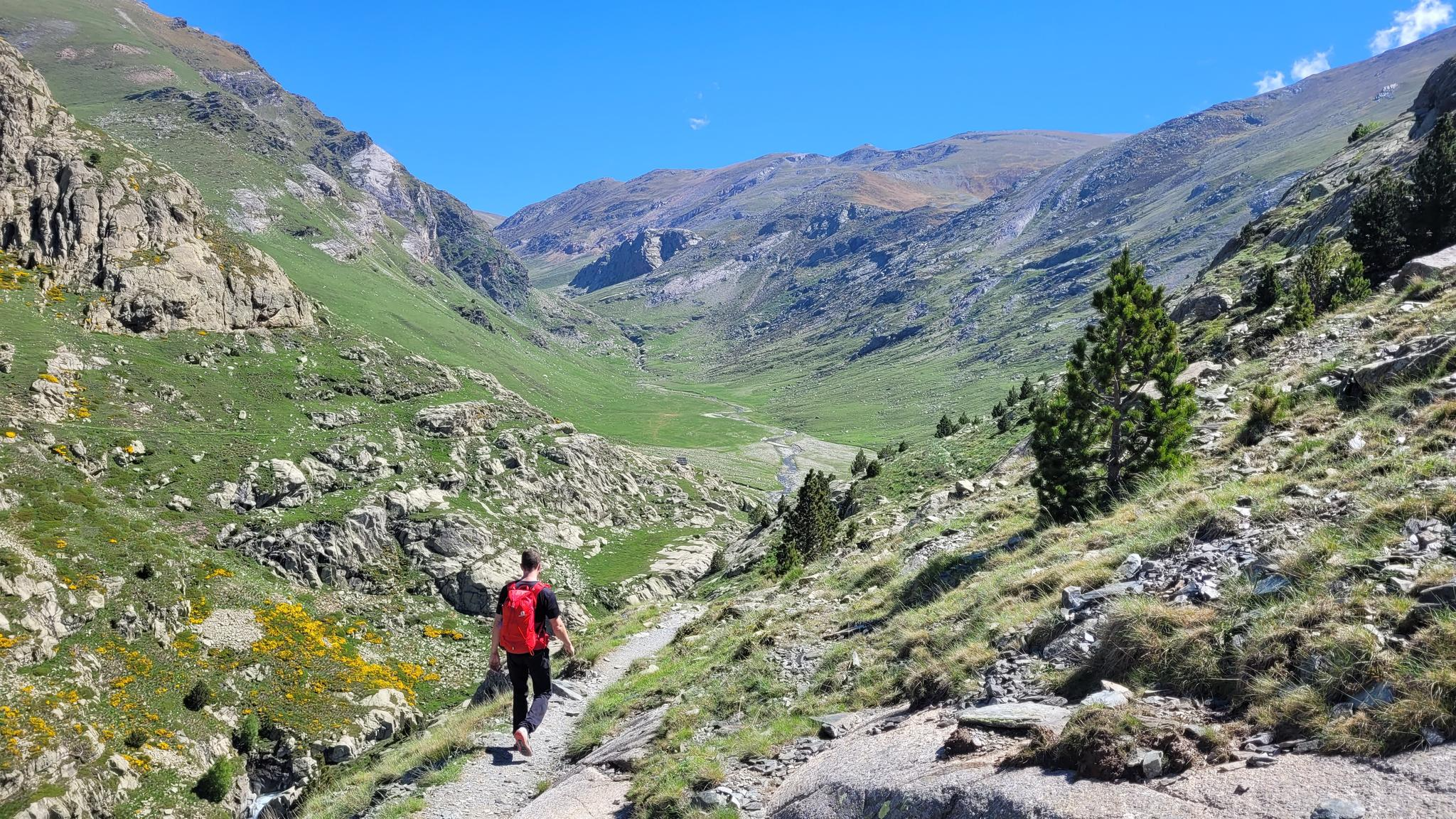
10 hikes with teenagers — Catalan paradises
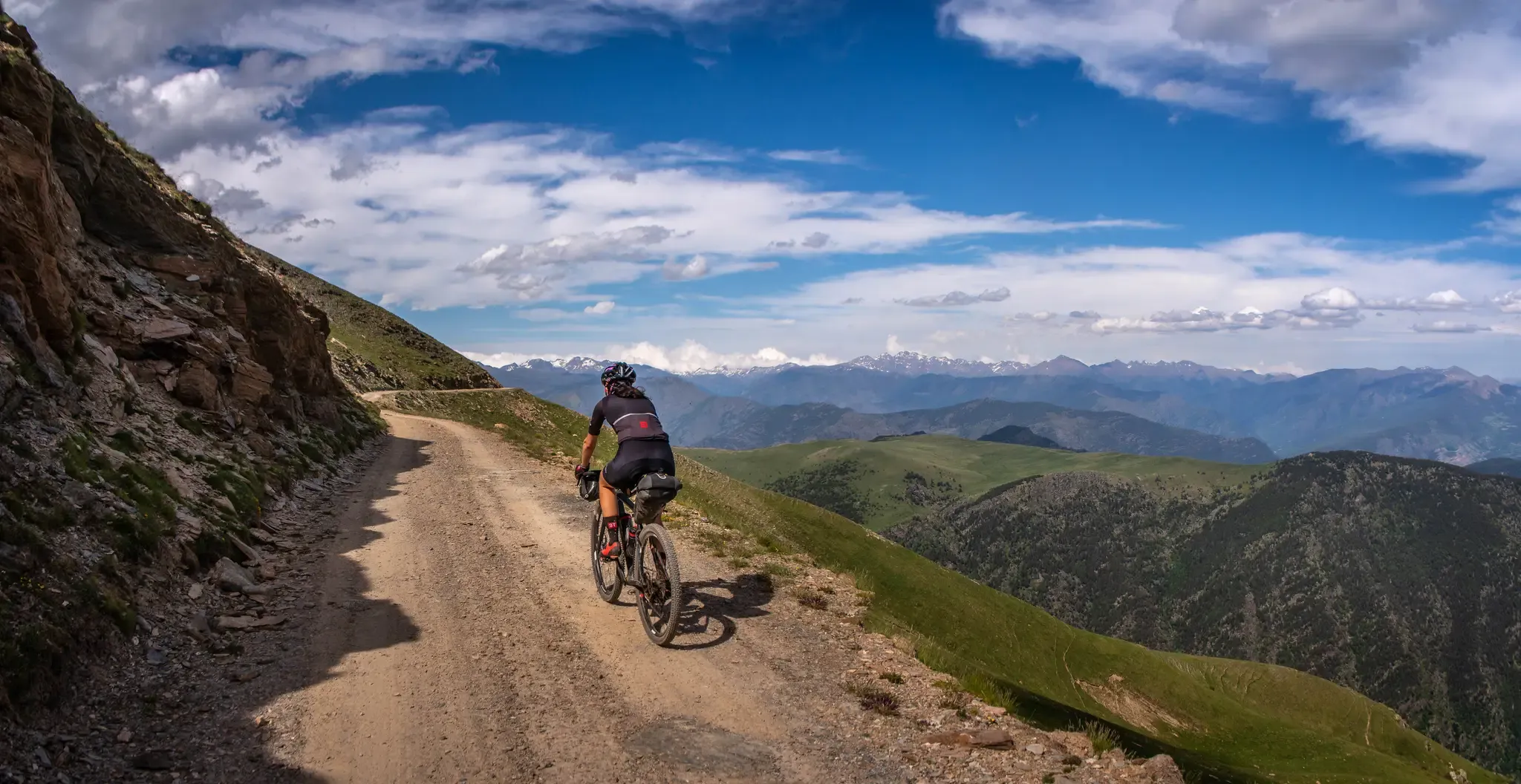
A high-altitude journey – Transpirenaica MTB
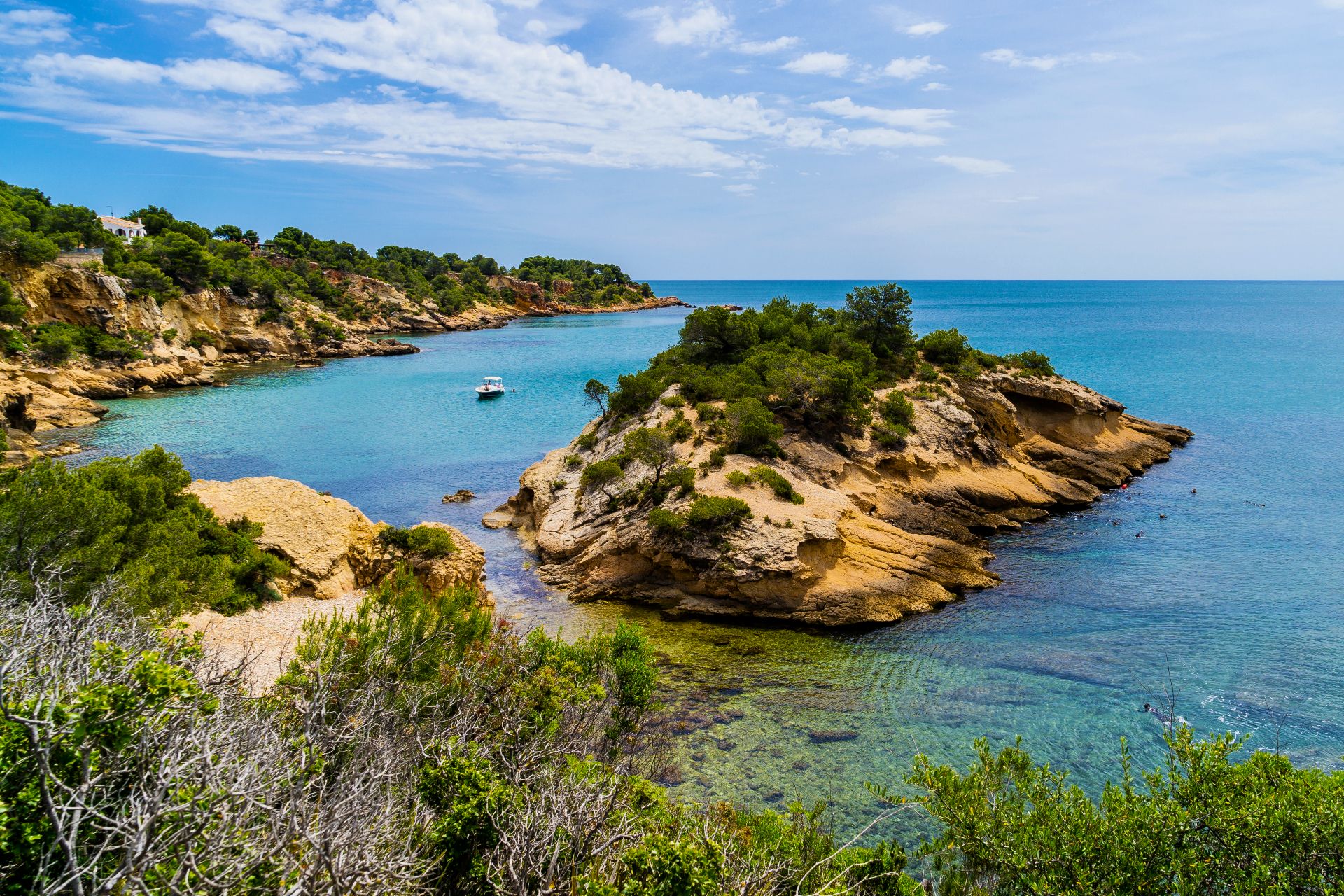
The Catalan coast on foot – Mediterranean Path (GR 92)
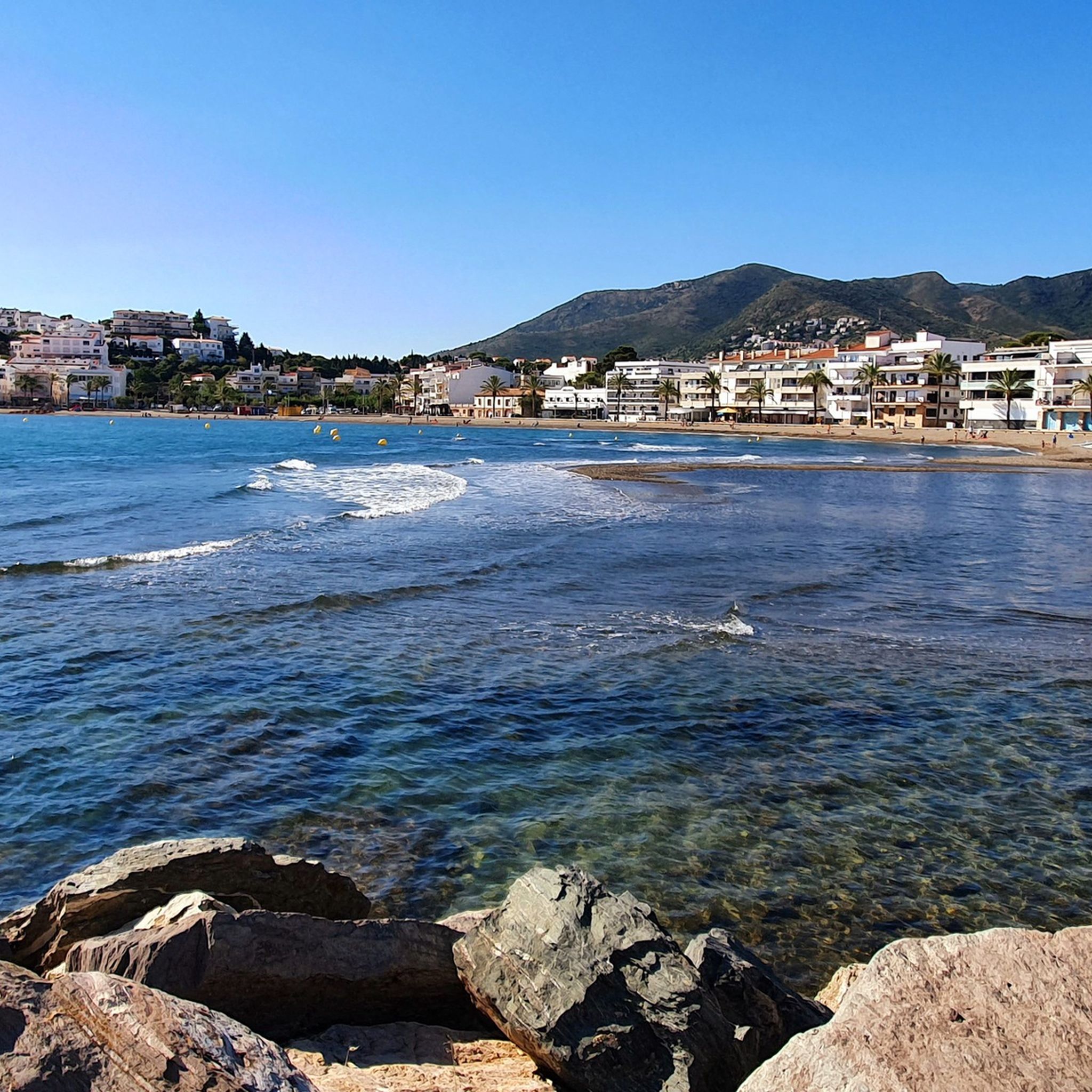
Hiking around Llançà
MTB Trails around Llançà
Running Trails around Llançà
Cycling around Llançà
Road Cycling Routes around Llançà

Gravel biking around Llançà

Mountain Hikes around Llançà


Tips from the Community

Superbe balade empruntant le chemin Walter Benjamin jusqu'au col de rumpissar. C'est après une courte ascension (supplémentaire) sur la crête des Albères séparant les 2 pays qu'un magnifique 360 degrés s'offre à nous, la côte, la mer, les falaises et une partie des plaines situées de part et d'autre de la frontière. Privilégiez les jours sans vent et dégagés car une fois là-haut...
0
0


A route to get started on and above all to look at the weather forecast, if it's windy you won't enjoy it.
2
0

Beautiful views of the Bay of Roses. Moderate path.
0
0
Nice walk between the cork oaks and the olive trees, the return path is easier, good for the knees...
0
0

Peak that is part of the FEEC list of 100 peaks where two states and three municipalities meet, Portbou, Cervera de la Marenda and Banyuls de la Marenda. From this point you get wonderful views of the Mediterranean to the east and the Albera mountains to the west, in a magnificent 360º panorama that includes Puig de Sallafort, Puig Neulós and Cap de Creus. At the top we find the ruins of an old medieval castle from the s. X-XI. The round tower is a later construction of the s. XIV or s. XV Until the Treaty of the Pyrenees (1659) when the current northern Catalan counties came under French jurisdiction, the castle depended ecclesiastically on the Count of Empúries and the Bishopric of Girona. The construction technique, like the material, is reminiscent of the castle of Sant Salvador Saverdera, near Sant Pere de Rodes, a peak also included in the list of the 100 Peaks. Salvem Querroig is a northern Catalan association that aims to restore the remains of the castle. For this reason, he had to contact the heir of the last known owner, Ponç Hug, Count of Empúries (1309). The current owner turned out to be Sol María de la Blanca de Medina i Orléans-Braganza, countess of Empúries, of the Ducal House of Medinaceli, based in Seville, and who has granted her permission for the works.
1
0
Pic de Sallfort, a majestic peak in the Swiss Alps, offers breathtaking views and a challenging ascent for avid hikers and mountaineers. Its rugged beauty and serene surroundings make it a must-visit destination for those seeking adventure and natural splendor in the heart of Switzerland. https://alexandrareisen.com/
0
3

The Puig d'Esquers is an example of the typical Empordà mountain: sea, mountains, sun, wind, dolmens, Romanesque churches and great views presided over by the Canigó. There are several ascent routes, both from the coast and from the interior. We did it from the Coll de Tres Camins passing by the church of Sant Miquel de Colera. Technical sheet: Altitude: 606 m. Easy excursion. Ascent by track and trail. Difference in level: 220 m. Distance: 2.7 km. Duration: 1h 5min (one way). Recommended for children over 4 years old. Cartography: Topographic map of Catalonia 1:25,000. Protected Natural Areas. Albera Natural Site of National Interest. Cartographic Institute of Catalonia. https://www.youtube.com/watch?v=O2hmAAluS_8
0
0
Frequently Asked Questions
Which mountain peaks around Llançà are most popular with visitors?
Visitors frequently enjoy the Hermitage of Sant Onofre, a religious building offering spectacular views over the Alto Ampurdán plain and the Bay of Roses. Another highly appreciated spot is Querroig Castle, known for its medieval ruins and a 360º panorama that includes the Mediterranean and the Albera mountains.
Are there mountain peaks near Llançà that offer historical or cultural significance?
Yes, the region is rich in history. The Hermitage of Sant Onofre, documented since 1362, is a significant religious site. Additionally, the Querroig Castle features ruins of a medieval castle from the 10th-11th century. The Serra de Rodes mountain range, part of the Cap de Creus Natural Park, is home to the important Sant Pere de Rodes monastery, a jewel of Catalan Romanesque architecture.
What are some challenging mountain climbs near Llançà for experienced hikers?
For a more challenging experience, consider the Eagle Peak. It's described as a pretty tough climb, but offers continuous changes of view and broad horizons towards the Empordà plain, the Gulf of Roses, and the Pyrenees. Another challenging option is Sallfort Peak (Pic de Sallfort), which culminates at 994 meters on the Franco-Spanish border, providing a magnificent panorama and a more strenuous hike.
Are there family-friendly mountain walks or viewpoints with easy access around Llançà?
Yes, the Summit of Puig d'Esquers is considered family-friendly. As the highest point in Llançà at 606 meters, it offers exceptional panoramic views without an overly strenuous climb. The presence of a dolmen also adds an interesting historical element for families.
What kind of natural features and viewpoints can I expect to see from the mountain peaks?
From the mountain peaks around Llançà, you can expect diverse natural features and stunning viewpoints. Many peaks offer panoramic vistas of the Empordà plain, the Mediterranean coast, and the Bay of Roses. From Querroig Castle, you get a 360º view including the Albera mountains and Cap de Creus. The Cap de Creus Natural Park itself, while not a single peak, is known for its unique geological formations, dramatic cliffs, and a 'lunar-like' landscape shaped by the Tramuntana winds.
What outdoor activities can I do near these mountain peaks?
The area around Llançà offers a variety of outdoor activities. You can find numerous hiking trails, such as the 'Llançà to Port de la Selva' route, which is a moderate hike. For cycling enthusiasts, there are road cycling routes like the 'El Port de la Selva – Monastery of Sant Pere de Rodes loop from Llançà', and mountain biking trails, including the 'Puig d'Esquers – circular desde Llançà'. You can explore more options on the Hiking around Llançà, Road Cycling Routes around Llançà, and MTB Trails around Llançà guide pages.
Are there specific hiking trails recommended for exploring the mountain peaks?
Yes, for exploring the mountain peaks, a recommended route to Puig d'Esquers involves following the GR-11 from Sant Silvestre to Mas Guanter. For those interested in the Serra de Rodes, paths lead up to Sant Salvador peak and the Sant Salvador de Verdera castle, offering exceptional views. You can find more hiking options, including routes like 'Bramant Cove – Garbet Beach loop from Llançà', in the Hiking around Llançà guide.
What is the best time of year to hike the mountain peaks around Llançà?
The region benefits from a Mediterranean climate. While specific 'best time' isn't detailed for every peak, generally spring and autumn offer pleasant temperatures for hiking. Summer can be hot, especially at lower elevations, but higher peaks might offer cooler conditions. Winter hiking is possible, but it's always advisable to check weather conditions, especially for higher or more exposed peaks like Sallfort Peak, as strong winds (Tramuntana) can occur.
Do I need permits or need to be aware of any regulations for hiking in natural parks like Cap de Creus?
The Cap de Creus Natural Park is a protected area. While specific hiking permits are not generally required for standard trails, it's always important to respect local regulations, stay on marked paths, and be mindful of the unique geological formations and diverse ecosystems. Information regarding specific regulations for natural parks in the Llançà area, such as dog policies, should be checked with local authorities or park information centers.
What do visitors enjoy most about the mountain peaks around Llançà?
Visitors consistently highlight the exceptional and magnificent panoramic views from the summits, often encompassing the Mediterranean Sea, the Empordà plain, and the Pyrenees. The blend of natural beauty with historical sites like dolmens and medieval castles is also a major draw. Many appreciate the diverse hiking opportunities, from family-friendly walks to challenging climbs, and the unique geological landscapes, especially within the Cap de Creus Natural Park.
Are there any mountain ranges near Llançà that are part of a natural park?
Yes, the Serra de Rodes is a mountain range that forms an integral part of the Cap de Creus Natural Park. This park is notable for being the easternmost point of the Iberian Peninsula and features a unique geological landscape with dramatic cliffs and coves, shaped by the strong Tramuntana winds. It protects both terrestrial and marine areas, offering diverse ecosystems and inspiring artists like Salvador Dalí.
Can I find mountain peaks that are on the border between Spain and France?
Yes, Pic de Sallfort (or Puig de Sallefort) is a significant peak that marks the Franco-Spanish border. Reaching 994 meters above sea level, it is the last major peak of the Pyrenees chain around 1000 meters and offers expansive views across both countries, adding a unique geographical appeal to the hike.
Most popular routes around Llançà
Most popular attractions around Llançà

Get inspired with the komoot mobile app


Explore more
See even more amazing summits around Llançà with these guides:
