The best walks and hikes around Rabós
4.6
(351)
2,062
hikers
18
hikes
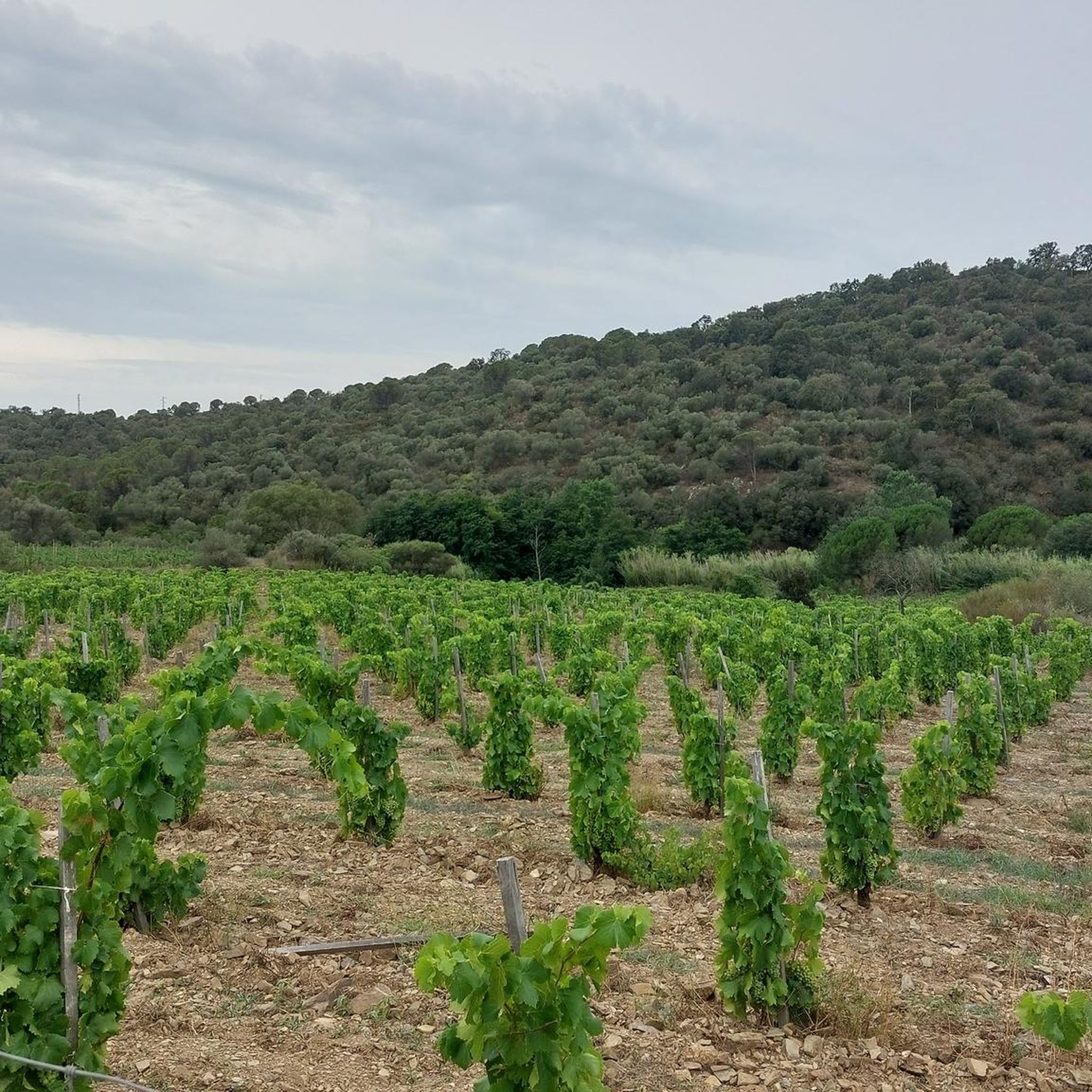
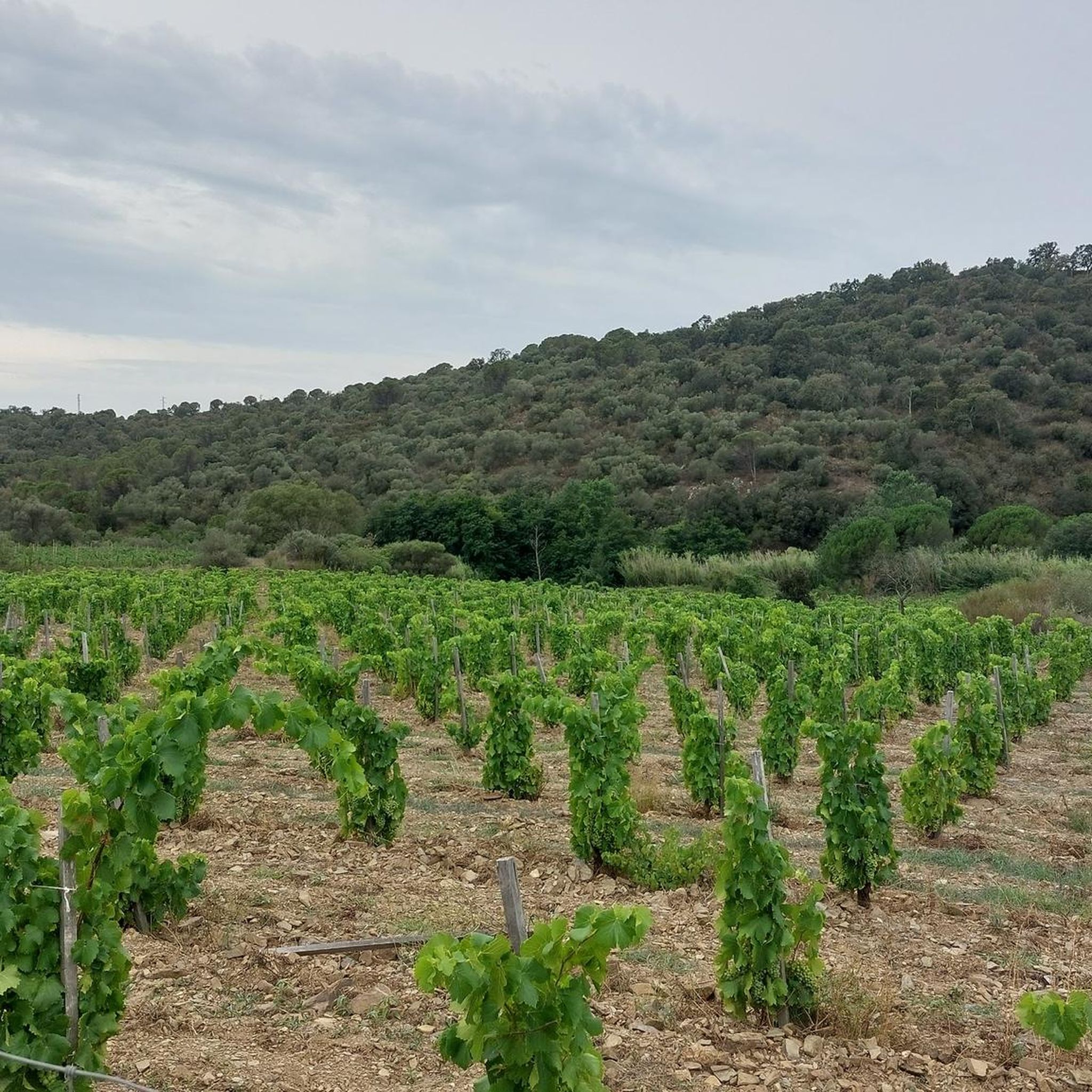
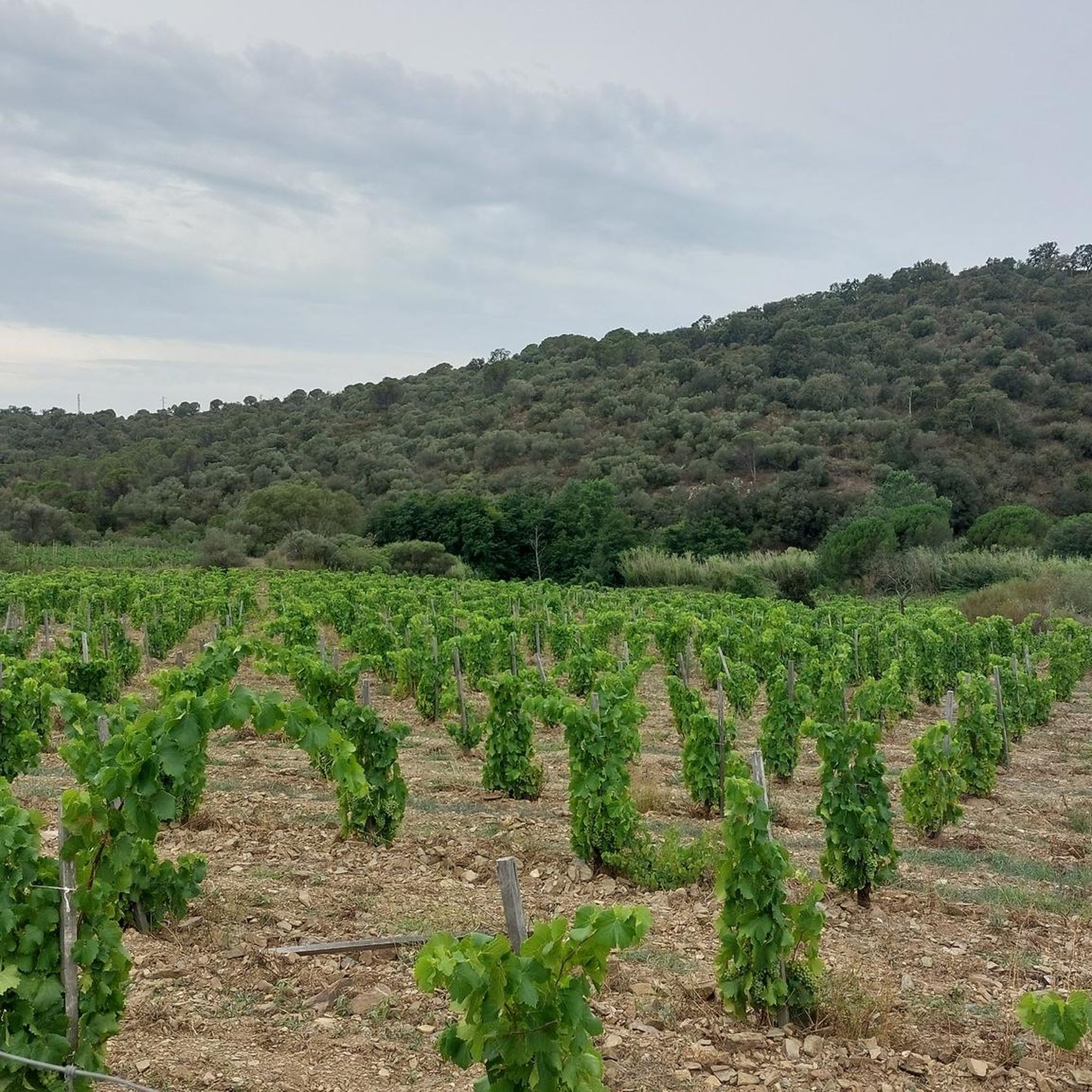
Hiking around Rabós offers diverse landscapes within the Costa Brava region of Catalonia. The area is characterized by the rugged terrain of the Albera Massif, featuring cork oak forests and dense woodlands. The municipality also includes cultivated fields of vineyards and olive groves, particularly in its southern parts. The Orlina River flows near the village, contributing to the natural features of the region.
Best hiking trails around Rabós
- The most popular hiking route is View of the Eastern Coast –…
Last updated: June 22, 2026
4.3
(10)
49
hikers
12.8km
05:11
730m
730m
Hard hike. Very good fitness required. Mostly accessible paths. Sure-footedness required.
5.0
(2)
47
hikers
16.8km
07:11
980m
980m
Hard hike. Very good fitness required. Sure-footedness, sturdy shoes and alpine experience required.

Sign up for free
4.5
(2)
34
hikers
Moderate hike. Good fitness required. Mostly accessible paths. Sure-footedness required.
4.0
(2)
13
hikers
6.32km
02:50
370m
370m
Hard hike. Good fitness required. Sure-footedness, sturdy shoes and alpine experience required.
5.0
(1)
28
hikers
9.61km
04:23
680m
680m
Moderate hike. Good fitness required. Mostly accessible paths. Sure-footedness required.
Get access to more routes and recommendations from other explorers.
Sign up for free
Already have an account?
Our route recommendations are based on thousands of hikes, rides, and runs completed by other people on komoot.
Start today with a free account
Your next adventure awaits.
Login or Signup

Tips from the Community

Beautiful route and a great view
0
0


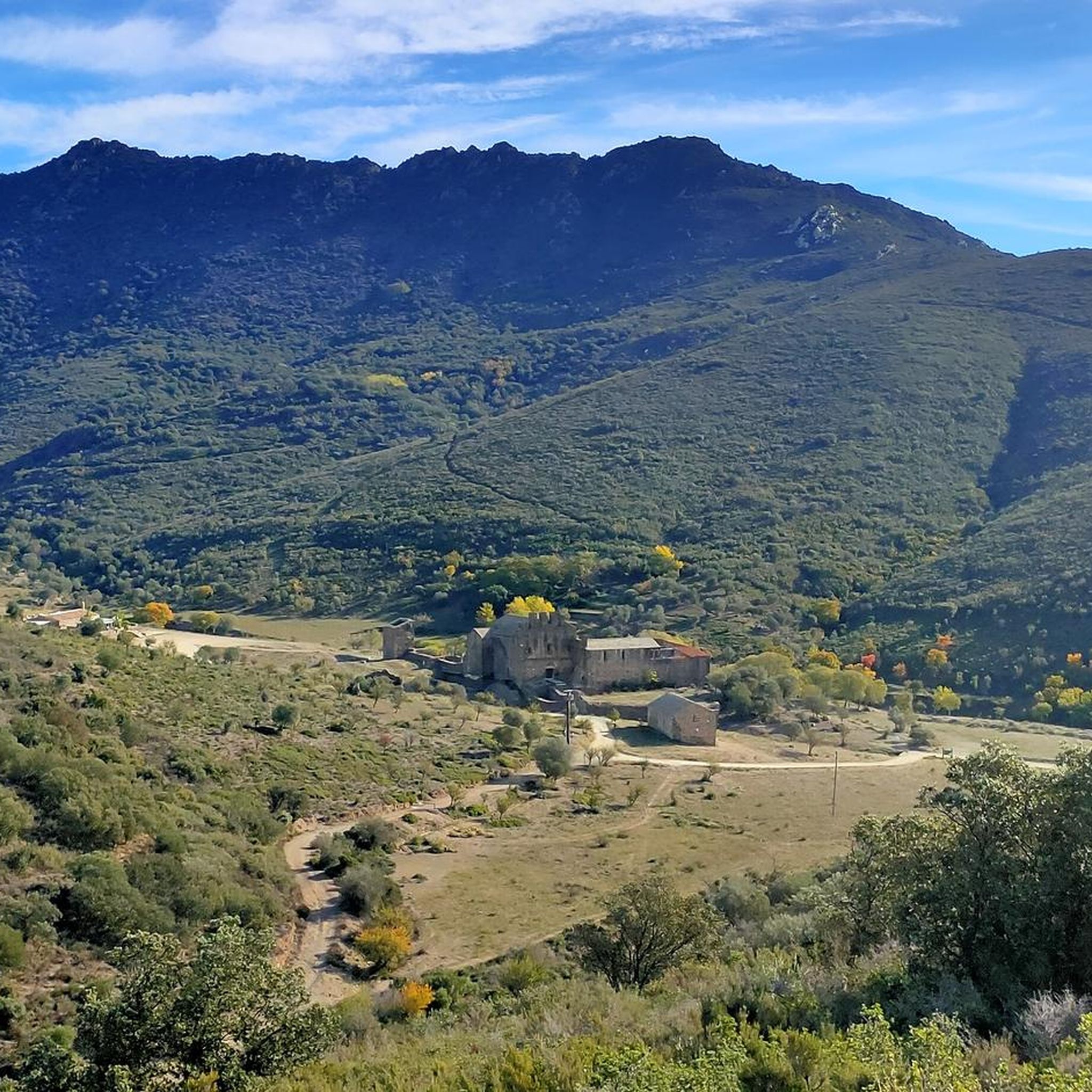
Fantastic old Monestir. It’s hard to imagine it’s thát old. Somehow it made me think of the James Bond movie Skyfall. Definitely worth a visit. Last part of the road is unpaved. For that part the Gravelbike or an MTB is the best choice
1
0

The monastery of Sant Quirze de Colera is a Benedictine abbey documented since the 9th century, in the Catalan municipality of Rabós in the Alto Ampurdán region (Girona, Spain).
2
0

At the top of the Coll de Banyuls, a memorial stone commemorates the invasion of troops at this spot to liberate the country from the German Nazis.
1
0

The Green MEPs Jordi Solé and François Alfonsi, and the Social Democrat Éric Andrieu, launched a letter to Pedro Sánchez and Emmanuel Macron, presidents of Spain and France respectively, calling for the reopening of the crossings to be discussed at the 27th Franco-Spanish summit on 19 January in Barcelona. The letter, signed by 31 MEPs, was presented at a press conference at the European Parliament in Strasbourg. Two days later, on 20 January, residents of Espolla reopened the coll for the annual Feria de l'Oli y de l'Olivera in the village. However, on 23 January the French authorities closed the crossing again.
3
0

Pic de Sallfort, a majestic peak in the Swiss Alps, offers breathtaking views and a challenging ascent for avid hikers and mountaineers. Its rugged beauty and serene surroundings make it a must-visit destination for those seeking adventure and natural splendor in the heart of Switzerland. https://alexandrareisen.com/
0
3
Its history dates back to medieval times. It is believed to have been founded in the 9th or 10th century. During its history, the monastery was an important religious and cultural center in the region. The monastery has Romanesque architecture and some Gothic parts. The monastery church is an outstanding example of Catalan Romanesque architecture. It presents architectural elements characteristic of that period, such as semicircular arches and decorated columns. Over the years, the monastery played an important role in the religious life of the region, and housed a community of monks. Today, the monastery has been restored and preserved as a place of historical and religious interest. The monastery is usually open to the public for sightseeing tours, where visitors can explore its historic architecture and learn more about its religious past. https://www.youtube.com/watch?v=0QUPgTSfoEg
4
0
Frequently Asked Questions
How many hiking trails are available around Rabós?
Rabós offers a diverse network of nearly 20 hiking trails, catering to various skill levels. These routes explore the rugged Albera Massif, ancient cork oak forests, and picturesque vineyards, providing a rich variety of landscapes for hikers.
What kind of natural features can I expect to see on hikes in Rabós?
Hiking in Rabós allows you to discover the dramatic landscapes of the Albera Massif, characterized by dense cork oak forests and rugged terrain. You'll also encounter the tranquil Delfià Ponds, the scenic Orlina River, and cultivated fields of vineyards and olive groves, especially in the southern parts of the municipality.
Are there any historical landmarks or points of interest along the trails?
Yes, Rabós is rich in history. Many trails lead to or pass by significant sites such as the splendid 10th-century Monastery of Sant Quirze de Colera. You can also explore prehistoric megalithic structures like the Dolmens of Coma de Felis and Solar d'en Gibert, or discover Romanesque churches like the Parish Church of Sant Julià de Rabós.
Are there any easy hiking routes suitable for beginners or a relaxed stroll?
While many routes offer moderate to difficult challenges, there are options for easier walks. For instance, the region features paths through vineyards and olive groves that are less strenuous. Komoot lists one easy route, and several moderate options like the Dolmen of the Ravine – Stone Water Fountain (1987) loop from Rabós, which is about 7.3 miles (11.8 km) and takes around 3 hours 20 minutes.
Can I find challenging hikes in Rabós?
Absolutely. Rabós is an excellent destination for experienced hikers seeking a challenge. The Albera Massif offers several difficult routes, including the View of the Eastern Coast – Madeloc Tower loop from Col de Banyuls, a 10.5-mile (16.9 km) trail with significant elevation gain, typically taking over 7 hours to complete. There are 7 difficult routes in total.
Are there any circular hiking routes in Rabós?
Yes, many of the trails in Rabós are designed as circular routes, allowing you to start and end at the same point. Examples include the Stone Shelter – Puig de la Calma loop from Monestir de Sant Quirze de Colera, a moderate 5.7-mile (9.2 km) path, and the Puig de la Calma – Banyuls Pass loop from Monestir de Sant Quirze de Colera, a more difficult 12.9-km option.
What do other hikers say about the trails in Rabós?
The hiking trails in Rabós are highly regarded by the komoot community, holding an average rating of 4.6 stars from over 300 reviews. Hikers often praise the diverse terrain, the blend of natural beauty with historical sites, and the well-maintained paths that offer stunning views, including glimpses of the sea and the Empordà plain.
Is Rabós a good destination for family-friendly hikes?
Rabós offers a range of trails, and while some are challenging, there are also easier paths suitable for families. Routes through the vineyards and olive groves provide gentler terrain. When planning a family hike, consider the moderate trails or shorter sections of longer routes, keeping an eye on distance and elevation to match your family's capabilities.
Are dogs allowed on the hiking trails in Rabós?
Generally, dogs are welcome on many hiking trails in the Rabós area, especially in the natural park. However, it's always advisable to keep them on a leash, particularly in areas with livestock or protected wildlife, and to check specific regulations for certain sections or natural reserves within the Albera Natural Park.
What is the best season to go hiking in Rabós?
Rabós offers enjoyable hiking experiences throughout much of the year. Spring and autumn are particularly pleasant, with milder temperatures and vibrant landscapes. Summer can be hot, so early morning or late afternoon hikes are recommended. Winter hiking is also possible, especially on lower-altitude trails, offering a different, often quieter, perspective of the region.
Are there any mountain passes or viewpoints to discover?
Yes, the mountainous terrain of the Albera Massif features several notable mountain passes and viewpoints. You can explore areas like Banyuls Pass or Rumpissa Pass, which often provide expansive views of the surrounding landscapes, including the coast and the Empordà plain.
Where can I find parking for the hiking trails in Rabós?
Parking availability varies depending on the trailhead. Many routes, especially those starting from villages like Rabós or near significant landmarks like the Monestir de Sant Quirze de Colera, will have designated parking areas or roadside spots. It's recommended to check the specific starting point of your chosen route for detailed parking information.
Most popular attractions around Rabós

Get inspired with the komoot mobile app


Explore more
Browse the best Hikes in other regions.
