The 10 Most Amazing Peaks around El Port De La Selva
Best mountain peaks around El Port De La Selva are found within the dramatic landscapes of the Serra de Rodes and the Cap de Creus Natural Park. This region, part of the Alt Empordà, features abrupt terrain, green hills, and imposing cliffs that meet the Mediterranean Sea. It offers a blend of natural beauty, significant historical sites like the Monastery of Sant Pere de Rodes and Verdera Castle, and diverse geological formations. The area provides numerous opportunities for exploration, from…
Last updated: July 13, 2026
Hermitage of Sant Onofre
Highlight • Religious Site
Period 16th-17th century
Situation Camino de San Onofre.
Located on one of the slopes of the Sierra de Verdera, it can be reached by a narrow path that …
Translated by Google •
Tip by

Eagle Peak
Highlight • Summit
Translated by Google •
Tip by

Sign up now to discover places like this
Get recommendations on the best single tracks, peaks, & plenty of other exciting outdoor places.
Sign up for free
Summit of Puig d'Esquers
Highlight • Summit
Translated by Google •
Tip by

Puig de Cervera
Highlight • Summit
Translated by Google •
Tip by

La Creu de les Palomeres
Highlight • Summit
Translated by Google •
Tip by

Sign up for free to discover even more peaks around El Port De La Selva.
Sign up for free
Already have an account?
Start today with a free account
Your next adventure awaits.
Login or Signup
Popular around El Port De La Selva
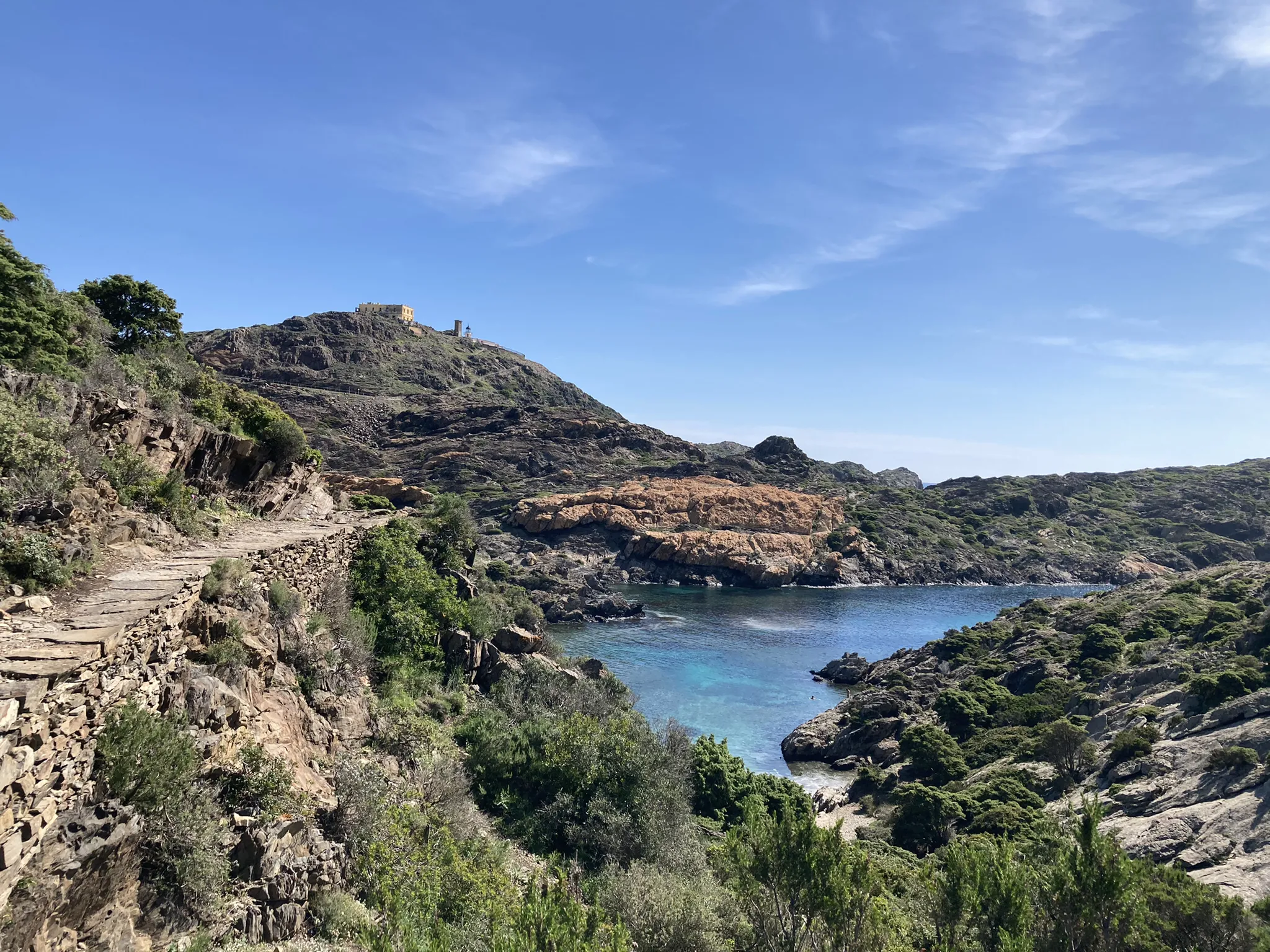
The paradise of the Costa Brava — Trail Running from Girona to Llançà
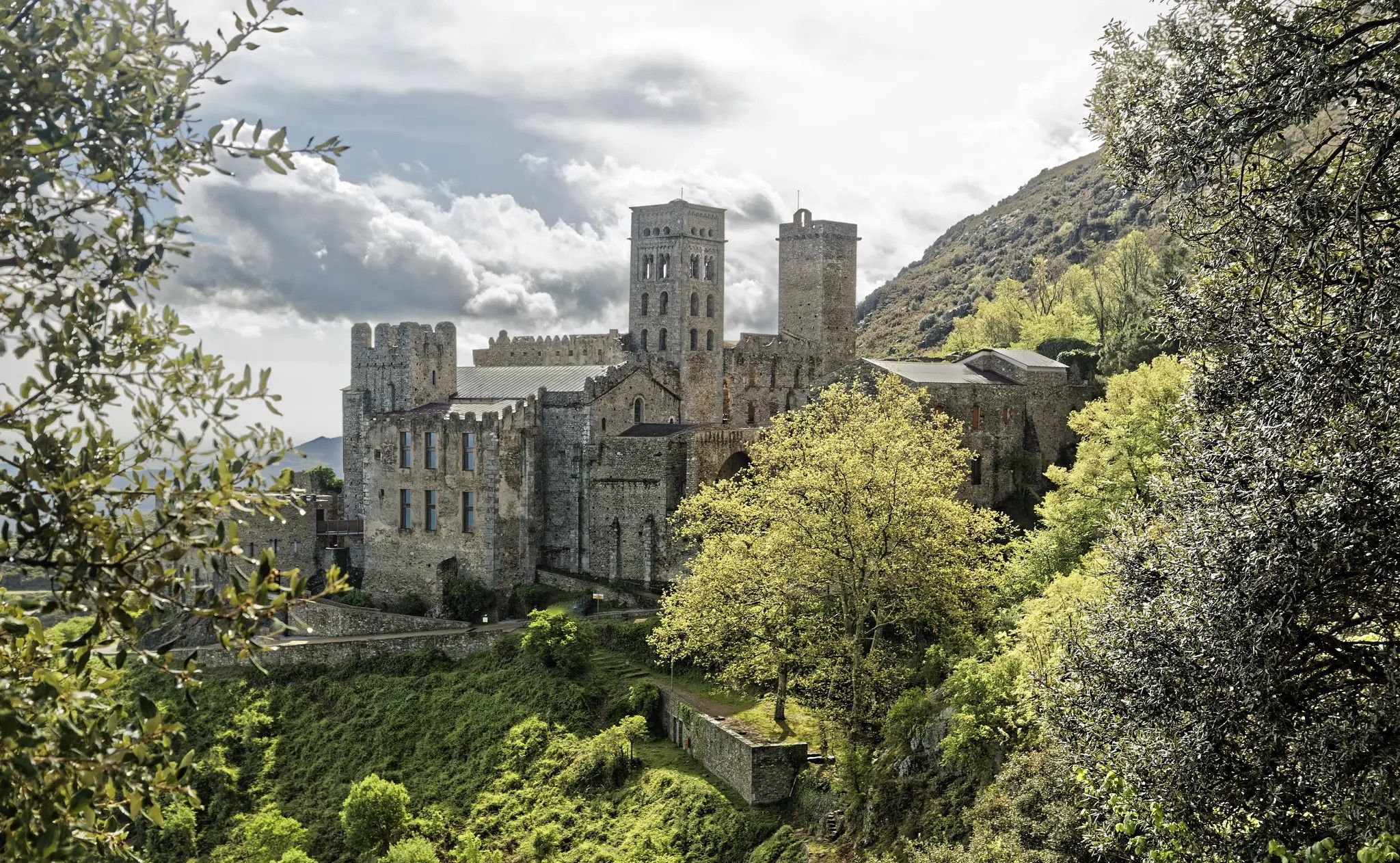
Discover ancient history – Camino de Girona
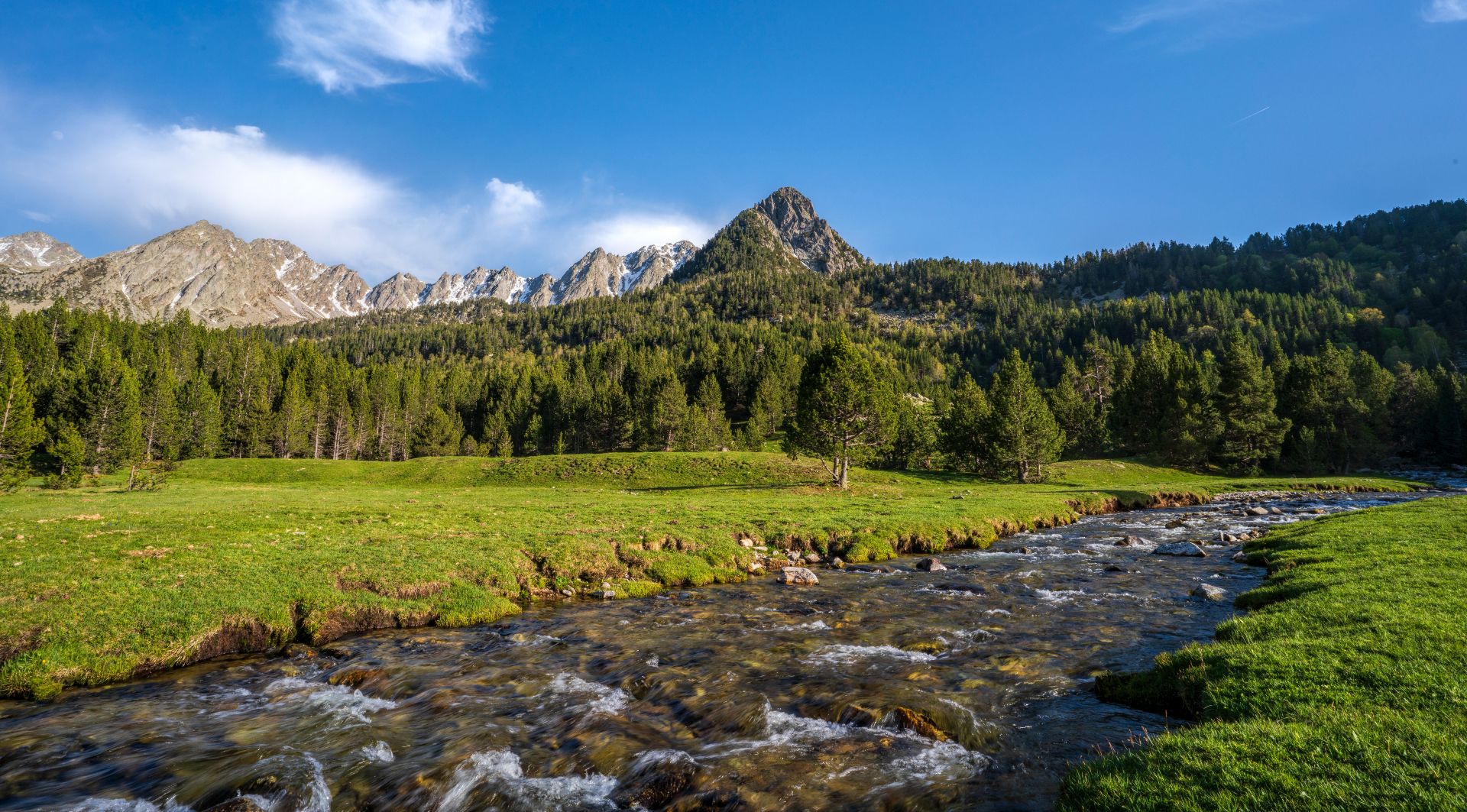
Catalonia and Andorra on the Pyrenean Trail – GR 11
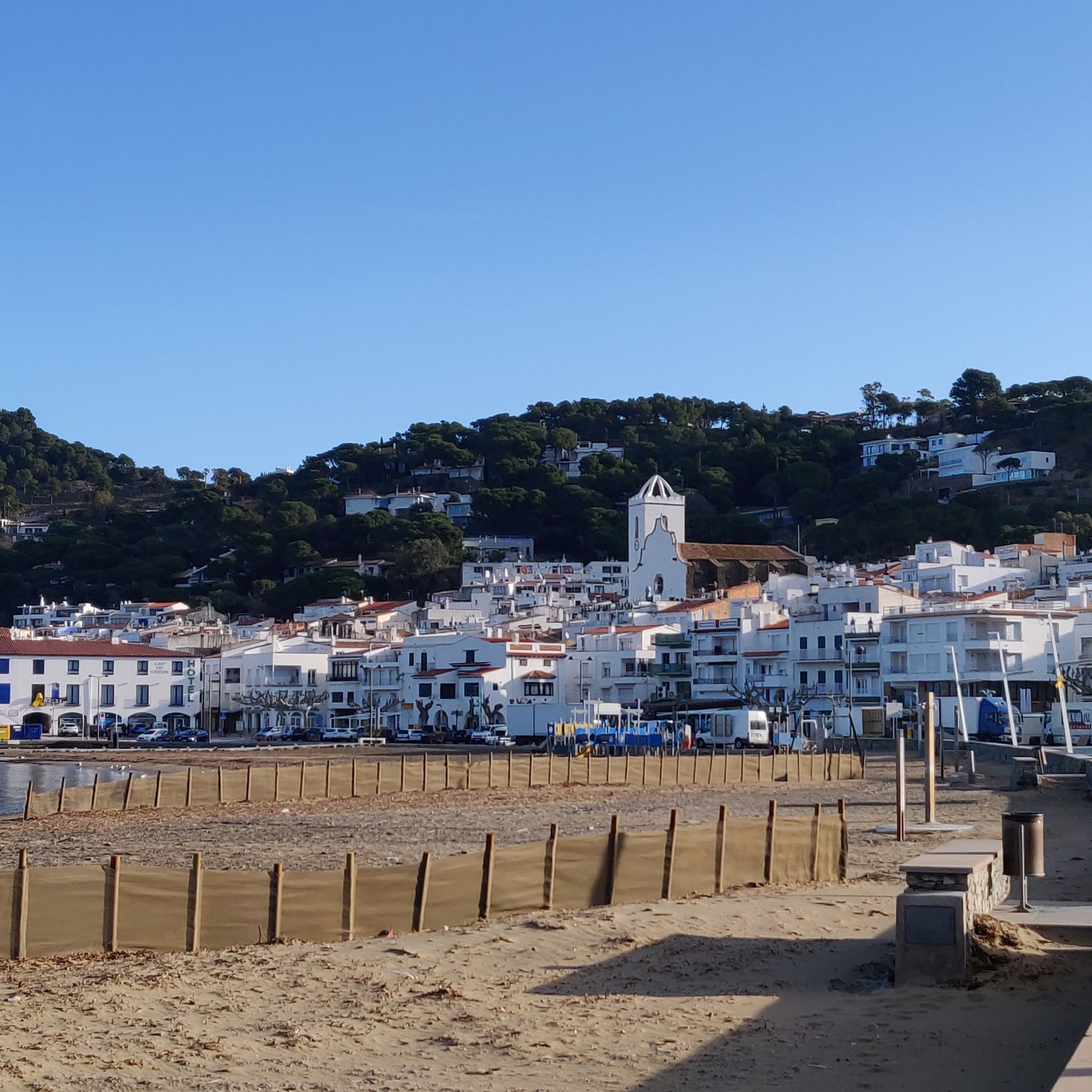
Hiking around El Port De La Selva
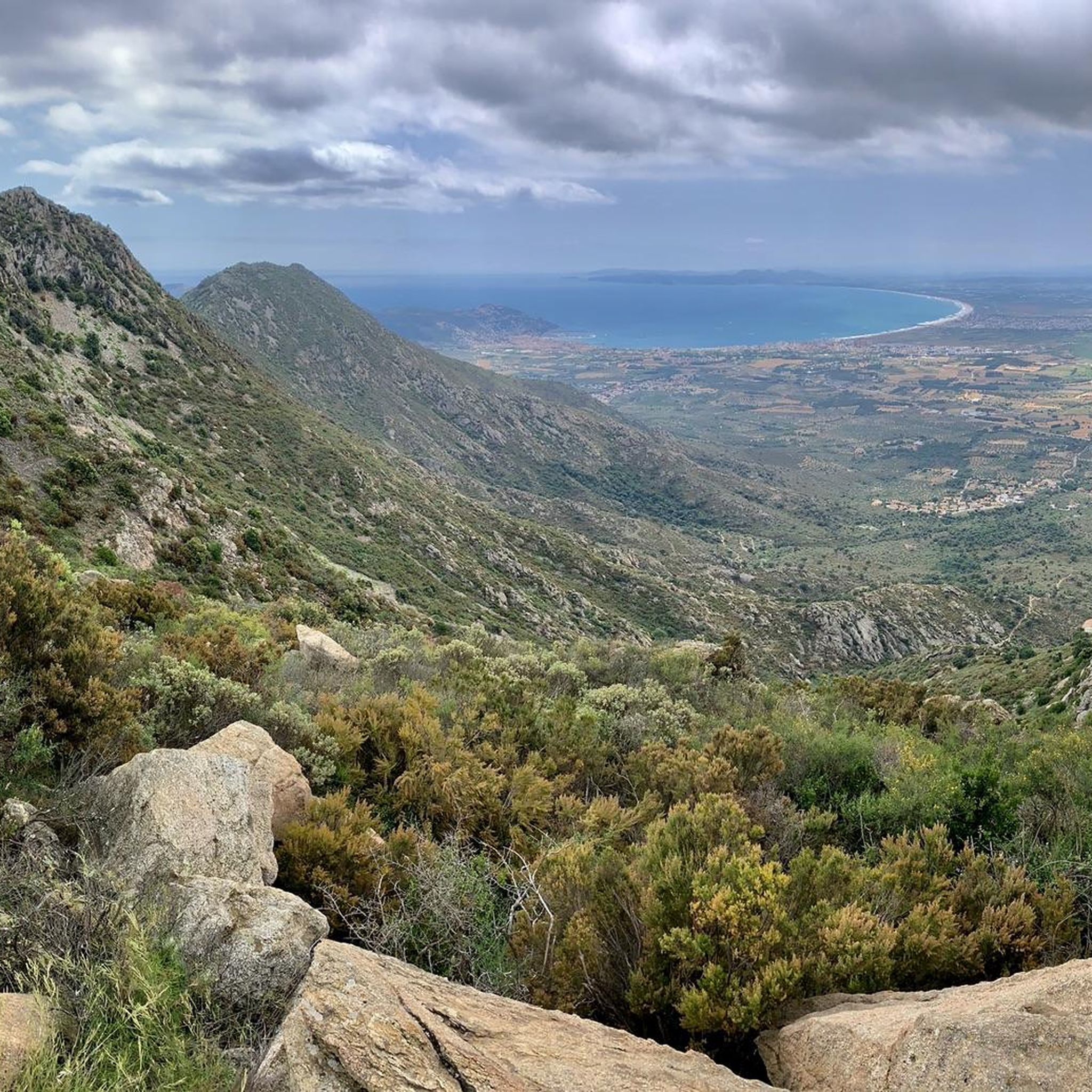
Road Cycling Routes around El Port De La Selva
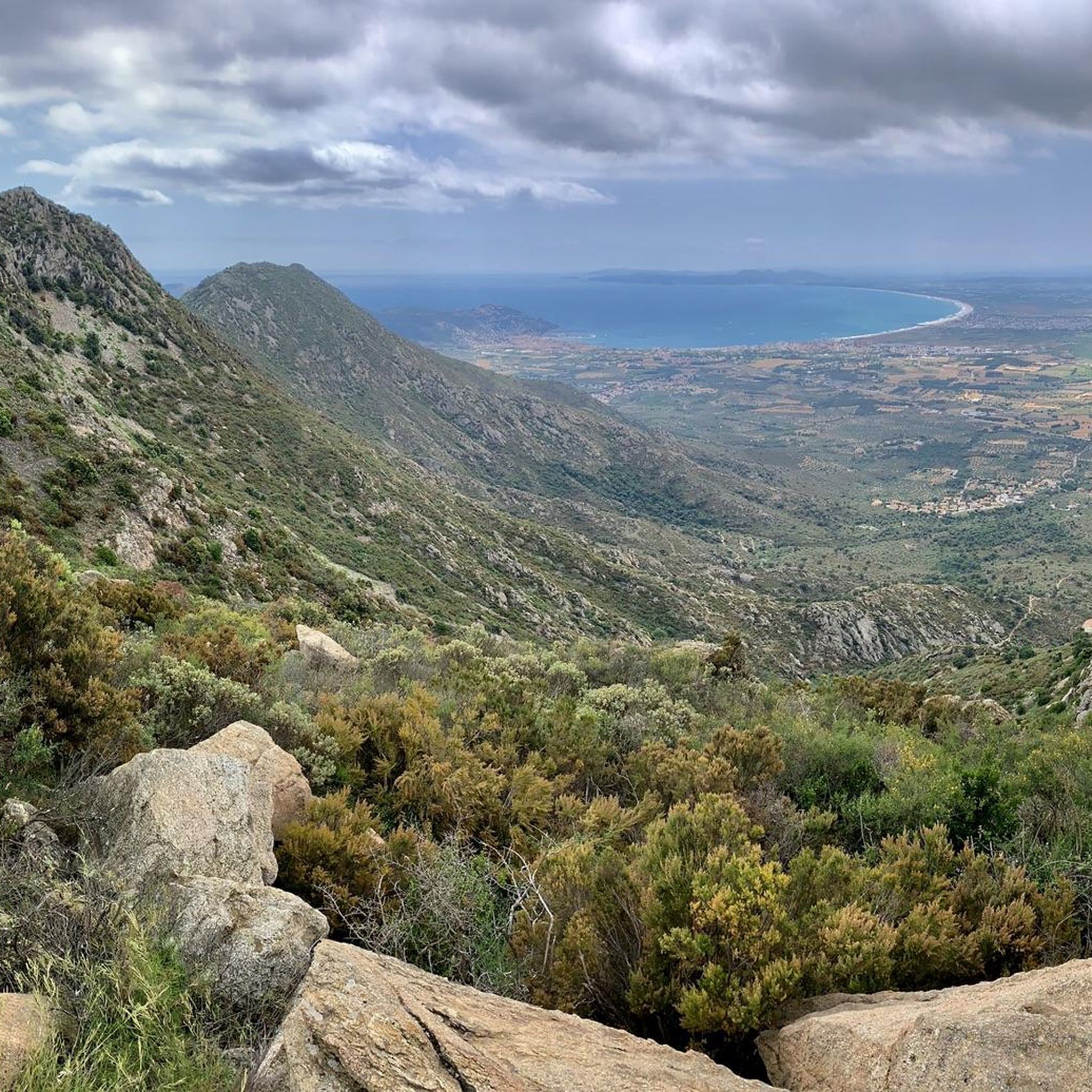
Running Trails around El Port De La Selva
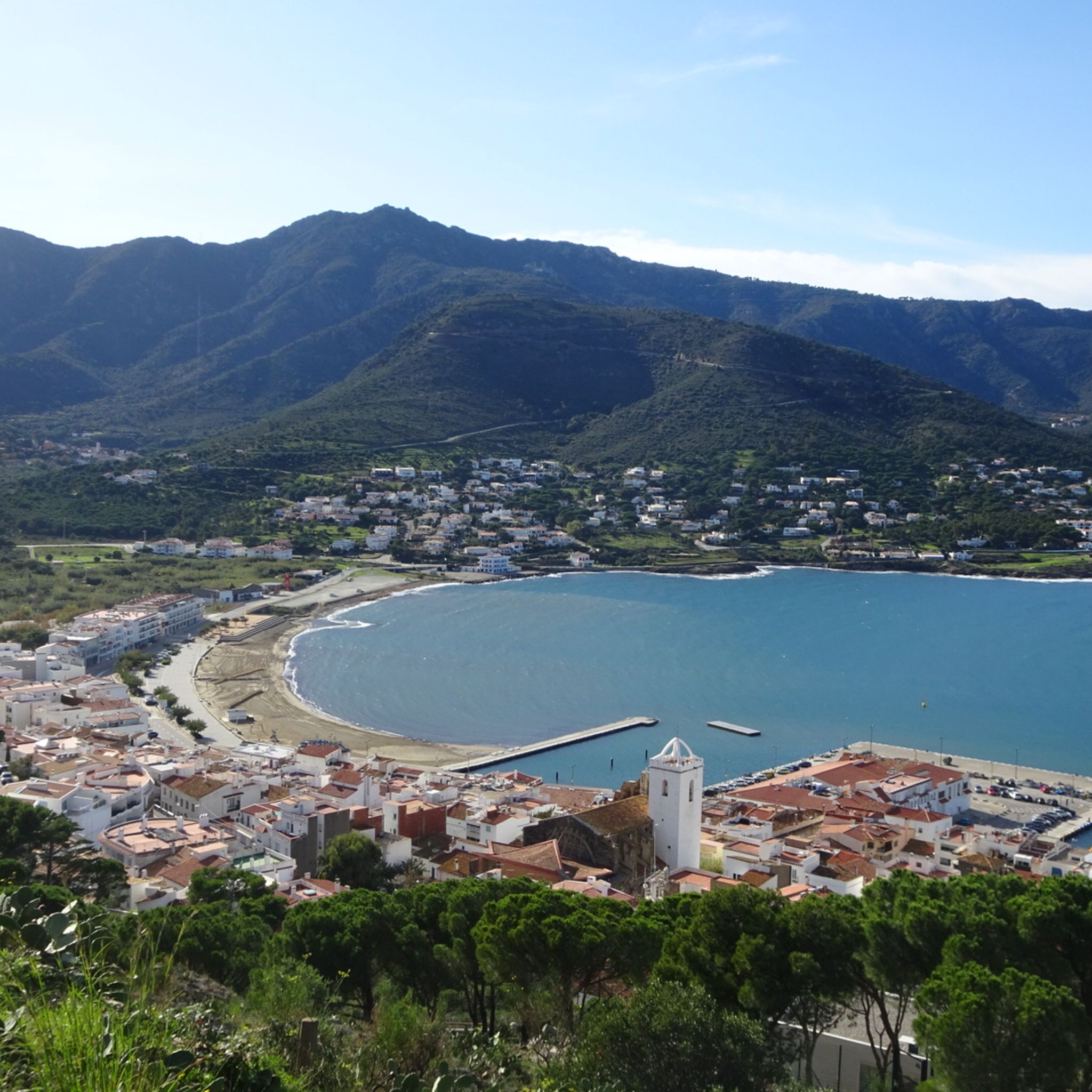
Cycling around El Port De La Selva
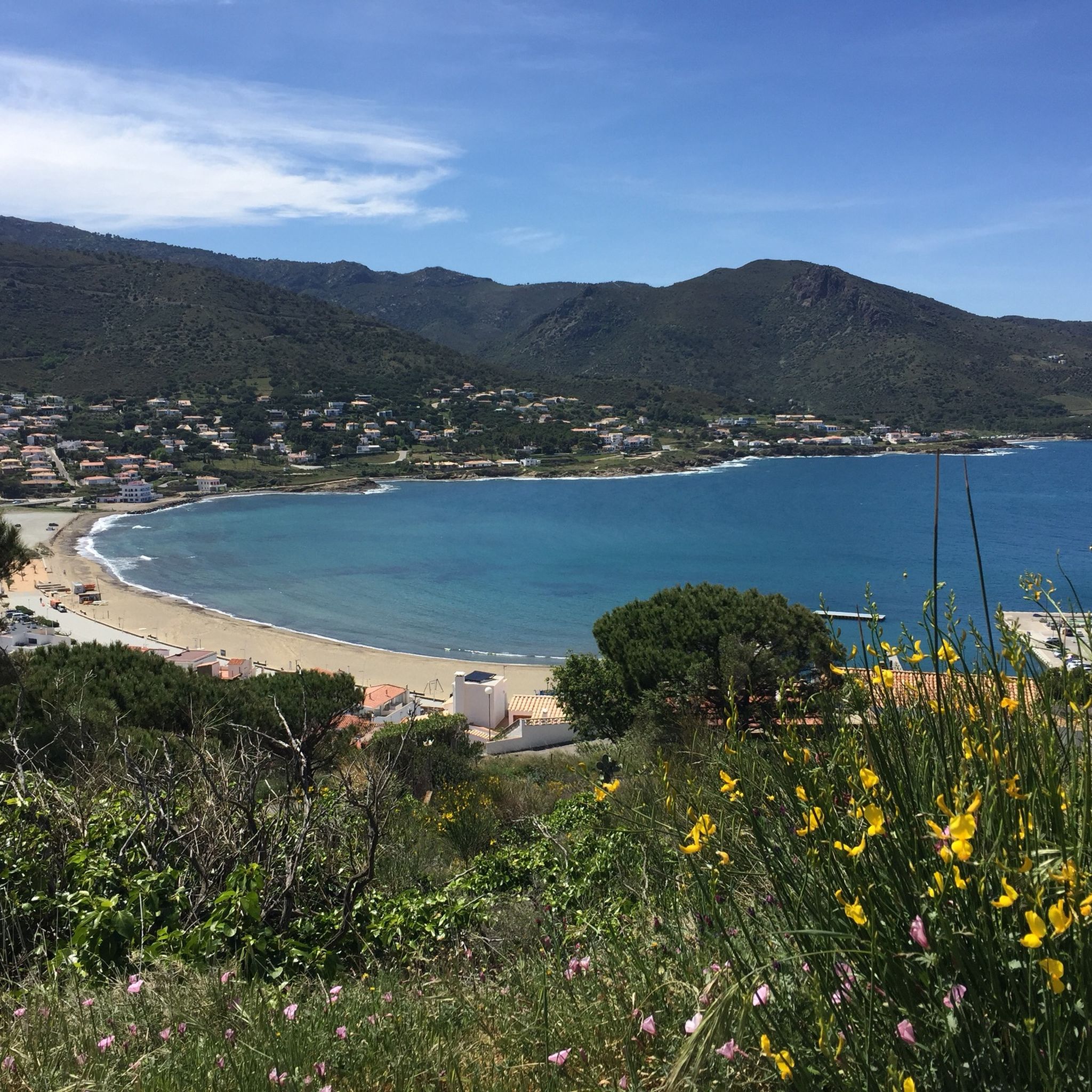
MTB Trails around El Port De La Selva

Gravel biking around El Port De La Selva
Mountain Hikes around El Port De La Selva
Other adventures around El Port De La Selva


Tips from the Community


A route to get started on and above all to look at the weather forecast, if it's windy you won't enjoy it.
2
0

Beautiful views of the Bay of Roses. Moderate path.
0
0

Very nice view on the France/Spain border.
0
0

Nice walk between the cork oaks and the olive trees, the return path is easier, good for the knees...
0
0

The 205 m high Puig de Cervera lies directly on the border between the southern French municipality of Cerbère and the northern Catalan municipality of Portbou, marked by the border cross N 601. The view of the sea is magnificent, the descent to Portbou is somewhat exposed and not entirely easy.
0
0

Modest summit located at the easternmost point of the Pyrenean ridge. This fact is what gives it a well-deserved relevance, since it can well be considered the first/last summit of the Pyrenees. Although the small range of Cap de Creus, geographically, is located in a more eastern area, we can not consider it properly Pyrenean since it is located clearly outside its axial axis. El Puig de Cervera (208m), on the other hand, is located entirely on this imaginary axial axis of the Pyrenean chain, and for this reason, we can consider it another peak of the aforementioned mountain range. Another notable feature is that at the same summit we will find border bollard no. 601, and therefore penultimate of all those located on the interstate border. The last border pillar, no. 602, we will find it at the so-called Punta de l'Ocell, which is nothing more than the eastern spur of the Puig de Cervera, which ends up plunging into the Mediterranean. Access to Punta de l'Ocell can only be done with a boat going into the sea. Even so, the access is delicate since this whole area is made up of rocky cliffs, so the person who wants to approach this Point must have a good mastery of the marine arts. This fact is probably what has caused this pylon, number 602, to be possibly the least visited of all the existing ones, despite having a great symbolic load. It has recently been included in the list of 100 peaks of the F.E.E.C: https://www.feec.cat/activitatis/100-cims/cim/puig-de-cervera/
0
0

The Puig d'Esquers is an example of the typical Empordà mountain: sea, mountains, sun, wind, dolmens, Romanesque churches and great views presided over by the Canigó. There are several ascent routes, both from the coast and from the interior. We did it from the Coll de Tres Camins passing by the church of Sant Miquel de Colera. Technical sheet: Altitude: 606 m. Easy excursion. Ascent by track and trail. Difference in level: 220 m. Distance: 2.7 km. Duration: 1h 5min (one way). Recommended for children over 4 years old. Cartography: Topographic map of Catalonia 1:25,000. Protected Natural Areas. Albera Natural Site of National Interest. Cartographic Institute of Catalonia. https://www.youtube.com/watch?v=O2hmAAluS_8
0
0
Frequently Asked Questions
What are some of the most popular mountain peaks to visit around El Port De La Selva?
Visitors frequently enjoy the Hermitage of Sant Onofre, a religious building and summit offering spectacular views over 400 meters above sea level. Another favorite is Eagle Peak, known for its challenging ascent and continuous, broad horizons towards the Empordà plain and the Pyrenees. The Summit of Puig d'Esquers, the highest mountain in Llança, also provides exceptional panoramic views of the Empordà plain and the Mediterranean coast.
Are there historical sites or cultural landmarks on the mountain peaks near El Port De La Selva?
Yes, the region is rich in history. The Hermitage of Sant Onofre, documented since 1362, is a significant religious building. Further into the Serra de Rodes, you'll find the impressive Romanesque Monastery of Sant Pere de Rodes, which was once a crucial Christian pilgrimage site. Nearby are the ruins of Verdera Castle, perched at 670 meters, offering historical context and unparalleled views.
What kind of views can I expect from the mountain peaks in this area?
The mountain peaks around El Port De La Selva offer diverse and breathtaking views. From the Hermitage of Sant Onofre, you get a spectacular viewpoint of the Alt Empordà plain, the Bay of Roses, and the Serra de Rodes. Eagle Peak provides broad horizons towards the Empordà plain, the Gulf of Roses, the northern coast, and the Pyrenees on clear days. The Summit of Puig d'Esquers also rewards hikers with exceptional views of the Empordà plain and the Mediterranean coast.
Are there challenging mountain climbs for experienced hikers?
Absolutely. Eagle Peak is described as a challenging summit with a tough climb, offering continuous changes of view. Puig de Sallfort, accessible via a route from Coll de Banyuls, involves a steep climb with nearly 850 meters of elevation gain, making it ideal for hikers seeking a more demanding ascent. The ridge path to La Creu de les Palomeres is also noted as very rugged.
What is the Cap de Creus Natural Park, and how does it relate to the mountain peaks?
Cap de Creus Natural Park is Catalonia's first maritime-terrestrial natural park, renowned for its exceptional biological, geological, and scenic value. It forms a significant part of the mountainous landscape around El Port De La Selva, where the Pyrenees meet the sea. The park features unique geological formations, steep cliffs, and rocks sculpted by the wind, offering numerous hiking trails that lead to pristine coves and breathtaking viewpoints, harmoniously blending sea and mountain.
Are there family-friendly mountain walks or easy hikes in the area?
While some peaks offer challenging climbs, the Summit of Puig d'Esquers is categorized as family-friendly, providing a rewarding experience with exceptional views. The Monastery of Sant Pere de Rodes is accessible by car, bike, or a rewarding 5 km hike via the GR11 trail from Port de la Selva, making it a good option for various fitness levels.
What outdoor activities can I do near these mountain peaks?
Beyond hiking, the region offers a variety of outdoor activities. You can explore numerous cycling routes, including options like the 'El Port de la Selva – Summit of Puig d'Esquers loop' or easier routes like 'Port de la Selva – Llançà loop'. Mountain biking is also popular, with trails such as 'Parque Natural del Cap de Creus – circular desde Port de la Selva por Sa Perafita'. For more details on these activities, you can check the Cycling around El Port De La Selva, Mountain Hikes around El Port De La Selva, and MTB Trails around El Port De La Selva guides.
Where can I find hiking trails near the mountain peaks of El Port De La Selva?
The Serra de Rodes and Cap de Creus Natural Park offer extensive hiking trails. For instance, you can find routes like 'Cova de Veta Negra – Sant Salvador Castle loop' starting from Palau-saverdera or Monestir de Sant Pere de Rodes. There's also the 'Sant Pere de Rodes Monastery loop' for a moderate hike. Many trails lead to viewpoints and historical sites. For a comprehensive list, refer to the Mountain Hikes around El Port De La Selva guide.
What is unique about Puig de Cervera?
Puig de Cervera is a modest summit located at the easternmost point of the Pyrenean ridge, making it a significant landmark as potentially the first or last summit of the Pyrenees. It also features border bollard no. 601, marking the interstate border between France and Spain. The summit offers magnificent views of the sea and is included in the list of 100 peaks by the F.E.E.C.
What is the best time of year to hike the mountain peaks around El Port De La Selva?
The region generally offers pleasant conditions for hiking outside of the peak summer heat. Spring and autumn are often ideal, with milder temperatures and beautiful scenery. While winter hiking is possible, it's advisable to check weather forecasts, especially for higher, more exposed peaks like Eagle Peak, as strong Tramuntana winds can make conditions challenging.
Are there any hidden gems or less-known spots among the mountain peaks?
While popular spots are well-loved, exploring the broader Serra de Rodes and Cap de Creus Natural Park can reveal hidden gems. Puig de Sallfort, for example, offers a challenging ascent through superb paths that pass by the Dolmen de la Cova dels Alarbs, adding a unique historical and cultural dimension to the trek away from the most frequented sites. The dramatic landscapes of Cap de Creus, shaped by wind and salt, also hold many secluded coves and less-traveled viewpoints.
What do visitors appreciate most about the mountain peaks in El Port De La Selva?
Visitors consistently praise the spectacular panoramic views, especially those overlooking the Mediterranean Sea, the Bay of Roses, and the Empordà plain. The blend of natural beauty with significant historical sites like the Monastery of Sant Pere de Rodes and Verdera Castle is also highly valued. The variety of trails, from challenging climbs to more accessible walks, ensures there's something for every type of adventurer, all set against a dramatic and unique landscape.
Most popular routes around El Port De La Selva
Most popular attractions around El Port De La Selva

Get inspired with the komoot mobile app


Explore more
See even more amazing summits around El Port De La Selva with these guides:
