The best walks and hikes around Vilallonga De Ter
4.4
(118)
1,222
hikers
34
hikes
Hiking around Vilallonga De Ter, nestled in the Catalan Pyrenees at 1000 meters altitude, offers diverse landscapes for outdoor enthusiasts. The region features expansive mountain scenery, including significant peaks like Balandrau (2,585 m) and Puigmal d'Er (2,909.8 m). Trails often combine lush forested areas with open panoramic vistas and follow paths alongside the Ter River.
Best hiking trails around Vilallonga De Ter
- The most popular hiking route is Balandrau and Puig de Fontlletera Loop, an 11.7 miles (18.8 km)…
Last updated: August 17, 2026
4.8
(4)
17
hikers
18.8km
06:25
850m
850m
Hard hike. Very good fitness required. Mostly accessible paths. Sure-footedness required.
4.8
(34)
408
hikers
15.6km
05:24
740m
740m
Hard hike. Very good fitness required. Mostly accessible paths. Sure-footedness required.

Sign up for free
4.0
(7)
50
hikers
13.7km
03:59
360m
360m
Moderate hike. Good fitness required. Easily-accessible paths. Suitable for all skill levels.
4.4
(7)
35
hikers
Moderate hike. Good fitness required. Easily-accessible paths. Suitable for all skill levels.
4.0
(2)
31
hikers
Moderate hike. Good fitness required. Easily-accessible paths. Suitable for all skill levels.
Get access to more routes and recommendations from other explorers.
Sign up for free
Already have an account?
Our route recommendations are based on thousands of hikes, rides, and runs completed by other people on komoot.
Start today with a free account
Your next adventure awaits.
Login or Signup


Tips from the Community

The route is not complicated, you just need to be in shape to handle the accumulated elevation gain in a few kilometers. Spectacular views.
0
0


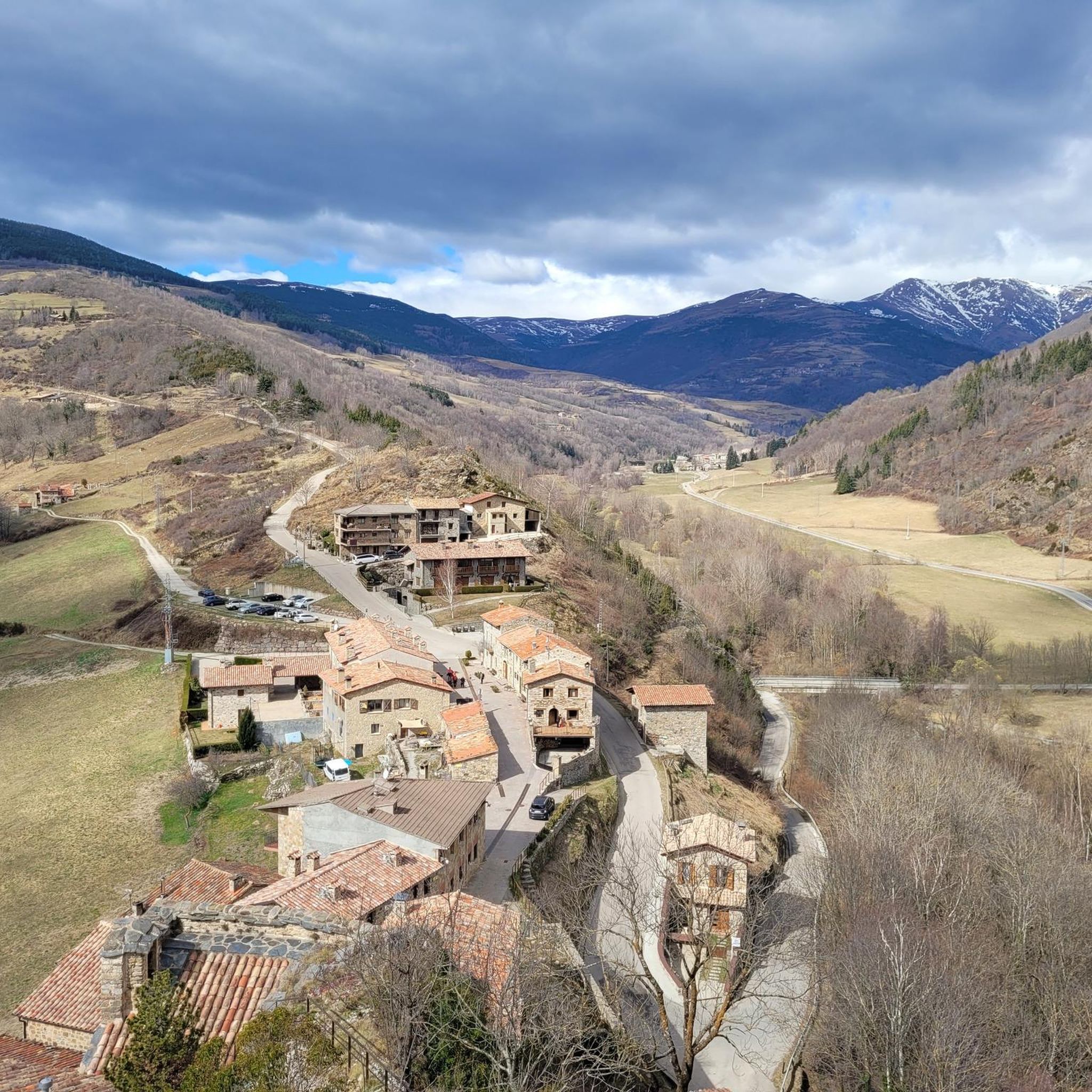
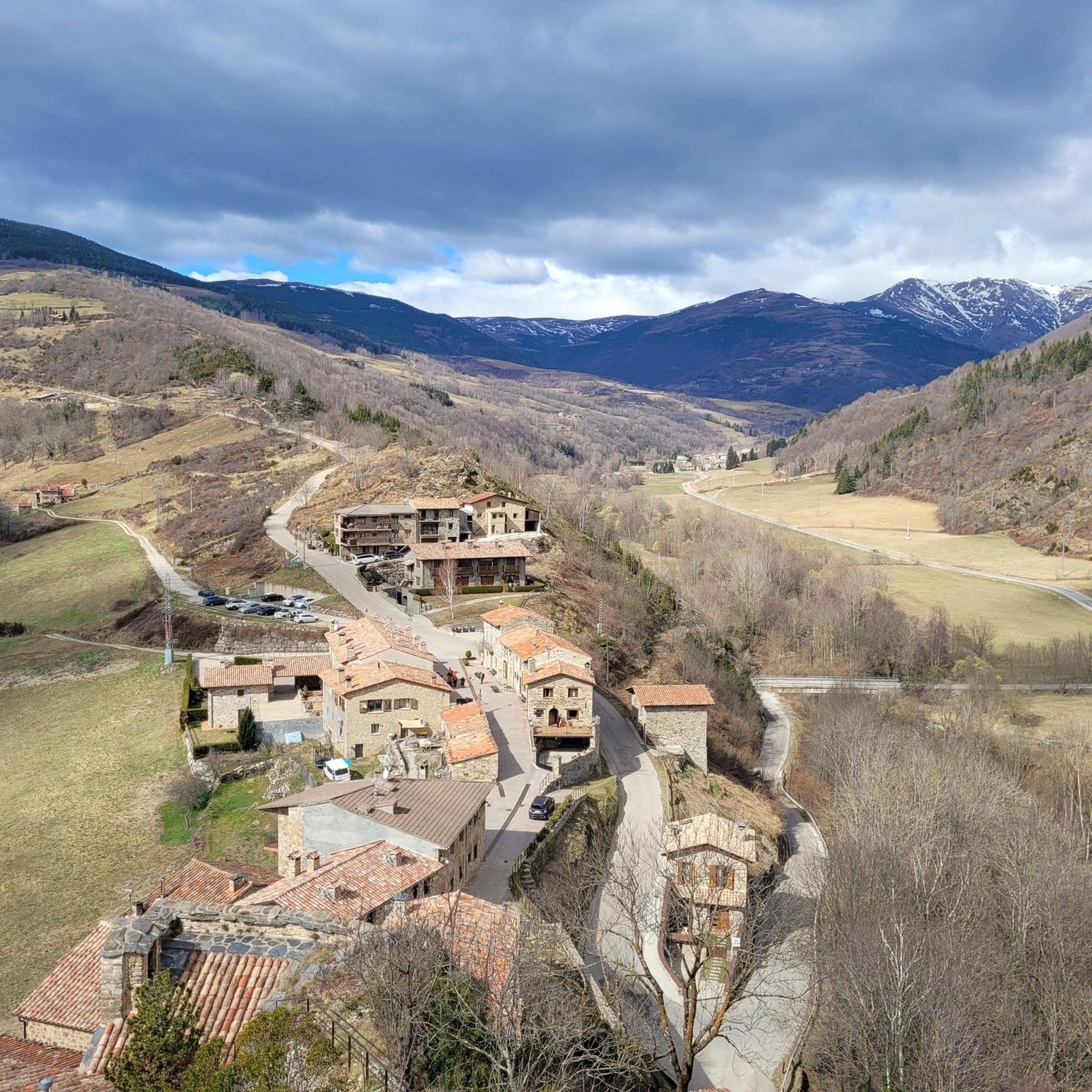
Camprodon is a small town in the province of Girona with a long history behind it: it was taken and burned in several wars over the centuries. Today, it is a quiet place located in the valley where the Ter and Ritort rivers meet.
1
0


Sant ESTEVE, or Saint Stephen, the patron saint of this church in Llanars, is one of the first seven deacons of the early Jerusalem community and, as the New Testament reports, is the first martyr (witness by blood) of early Christianity. The church commemorates his death on the second day of Christmas, December 26th. When Stephen loudly proclaimed his vision of the open sky, “But he, full of the Holy Spirit, looked up to heaven and saw the glory of God and Jesus standing at the right hand of God” (Acts Chapter 7 Verse 55), the people were so outraged that they drove him out of the city and stoned him.
0
0

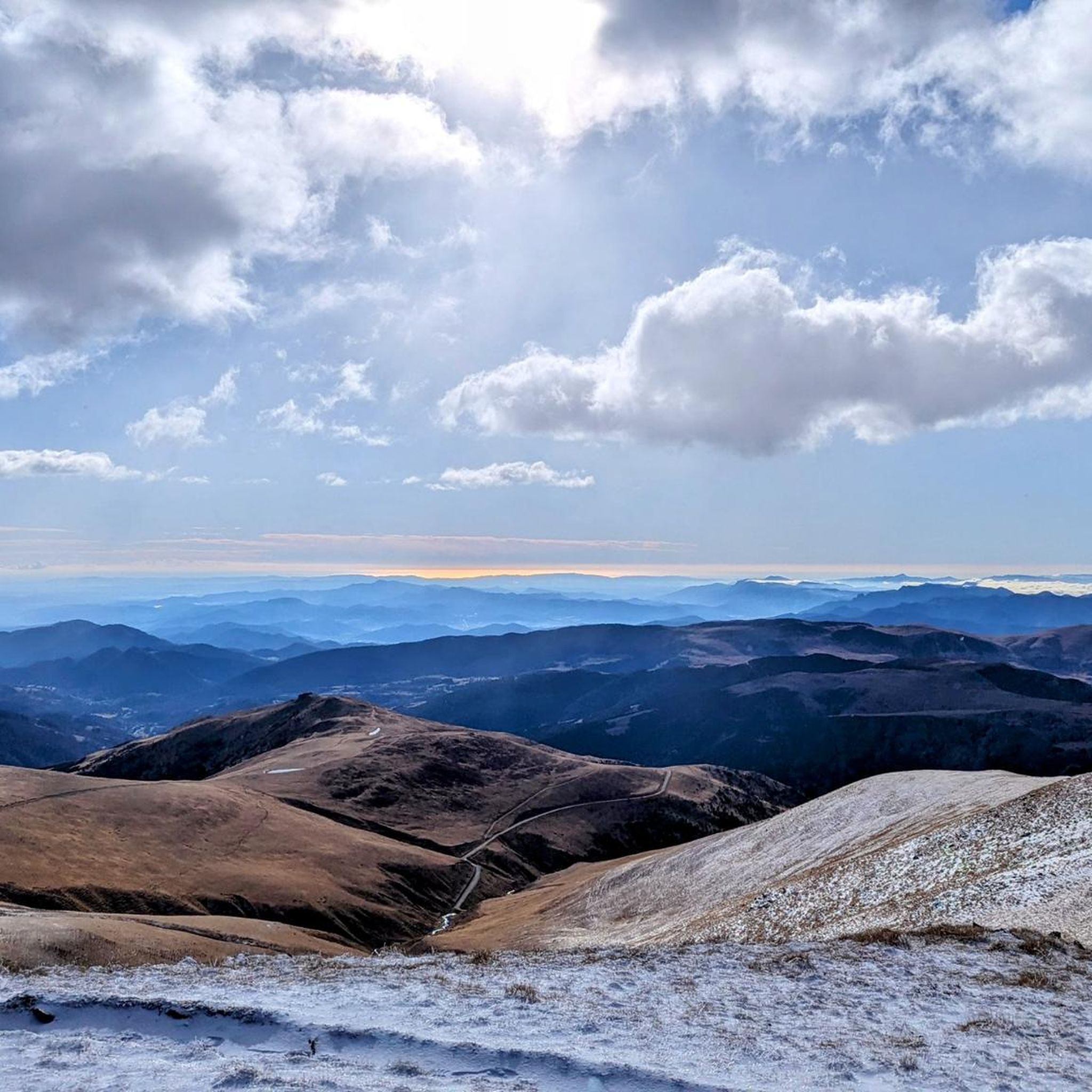
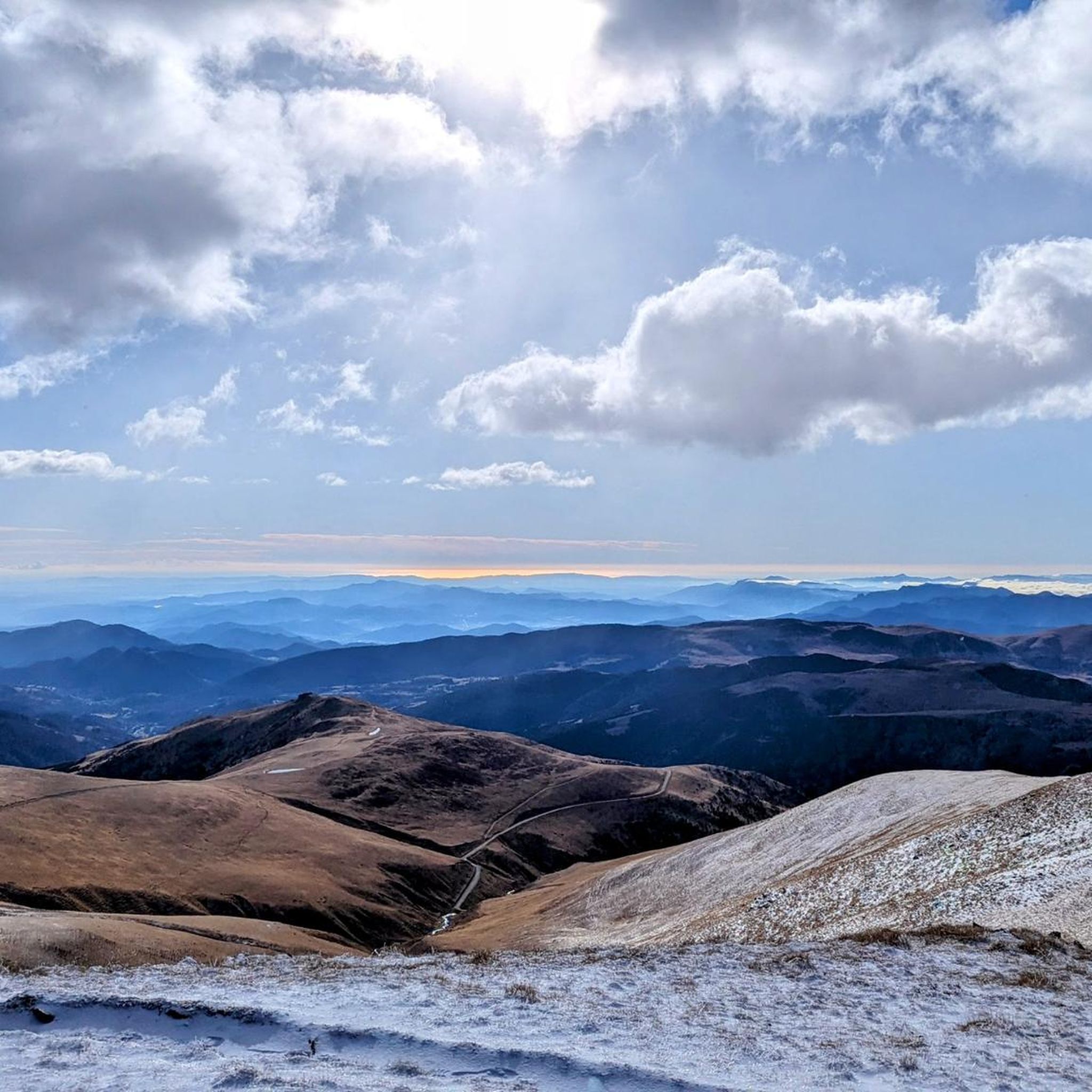
You get here with pains and work, I got off the bike a few meters earlier, there are parts with a very steep slope and just before the pass today I found snow. From the pass you have many routes, but none to be able to do on top of the bike. At the bottom of the valley, on the opposite side if you go up Fontlletera, you can see the refuge of Coma de Vaca, on the left the ascent to Balandrau and on the left in the background the peak of Bastiments and next to the path the house with antenna and the Gr cap in Vallter
1
0
After going up the track for a while it's worth stopping and contemplating the lagoon and the spectacular views. I imagine that it is the result of the thaw and the rising of these last days.
1
0
If you leave the main track and pass the fence, you start a steep ascent up to the pass of the three peaks, from here to Balandrau, Nuria (cow coma refuge) or Vallter (on foot, not by bike)
1
0
Frequently Asked Questions
How many hiking trails are available in Vilallonga De Ter?
Vilallonga De Ter offers a diverse network of over 30 hiking trails, catering to various skill levels. This includes 8 easy routes, 17 moderate paths, and 6 challenging expeditions.
Are there easy hiking trails suitable for beginners or families?
Yes, Vilallonga De Ter has 8 easy hiking routes perfect for beginners or families. These trails often feature minimal elevation gain and can be completed in less than two hours. Many routes also combine wooded sections with open areas, providing varied scenery suitable for all ages.
Can I find challenging hikes with significant elevation gain?
Absolutely. For experienced hikers seeking a challenge, there are 6 difficult routes available. One such demanding option is the Balandrau and Puig de Fontlletera Loop, an 18.8 km trail with extensive Pyrenean views and substantial elevation gain. Another challenging route is the Three Peaks Pass – Balandrau Summit (2,585 m) loop from Vilallonga de Ter, which covers 18.1 km with over 1100 meters of ascent.
Are there any circular hiking routes in the area?
Yes, many trails in Vilallonga De Ter are circular, allowing you to start and end at the same point. An example is the Salt de Pastuira – Setcases Trailhead loop from Vilallonga de Ter, which offers varied terrain and is typically completed in about 4 hours. Another option is the Summit of Balandrau – Balandrau Summit (2,585 m) loop from Collet de la Gralla, a moderate 12.5 km path providing mountain views.
What kind of natural features or landmarks can I expect to see on the trails?
The trails around Vilallonga De Ter are rich in natural beauty. You can expect stunning Pyrenean mountain views, lush forested areas, and paths alongside the Ter River. The region is also known for its picturesque waterfalls, offering serene spots along many routes. Notable peaks like Balandrau (2,585 m) and Puigmal d'Er (2,909.8 m) are accessible, providing challenging climbs and rewarding vistas.
Are there specific viewpoints or scenic spots worth visiting?
Yes, the region boasts several scenic viewpoints. The Mirador del Drac, or "Dragon's Viewpoint," is a particularly notable attraction, known for its mystery and local legends, featuring an open-air sculpture museum. Many trails also offer panoramic views of the Serra Cavallera and Vallter 2000.
Are there any huts or refuges along the hiking routes?
Yes, for longer treks or multi-day adventures, there are several huts and refuges available. These include the Coma de Vaca Refuge, Ras de la Carança Refuge, and Ulldeter Refuge, providing resting spots and shelter.
What is the best time of year to go hiking in Vilallonga De Ter?
The best time to hike in Vilallonga De Ter generally depends on your preferred activity. Spring and autumn offer pleasant temperatures and vibrant landscapes, ideal for most trails. Summer is excellent for higher altitude routes, though some lower paths might be warm. Winter hiking is possible, especially for those seeking snow-covered landscapes and more challenging conditions, but requires appropriate gear and experience.
How do other hikers rate the trails in Vilallonga De Ter?
The trails in Vilallonga De Ter are highly regarded by the komoot community, with an average rating of 4.5 stars from over 100 reviews. Hikers often praise the diverse terrain, stunning Pyrenean mountain views, and the mix of forested sections and riverside paths along the Ter River.
Are the trails in Vilallonga De Ter dog-friendly?
Many trails in the Vilallonga De Ter area are suitable for hiking with dogs, offering varied terrain from wooded paths to open vistas. However, it's always recommended to keep dogs on a leash, especially in areas with livestock or protected wildlife, and to check specific trail regulations before you go.
Is public transport available to reach trailheads, or is parking generally accessible?
While specific public transport options to all trailheads might be limited, Vilallonga de Ter is generally accessible by car, and parking is often available near popular starting points. For more remote trails, driving is usually the most convenient option.
Are there any unique villages or attractions near the hiking trails?
Yes, the region offers charming villages and attractions. The village of La Roca, known for its unique architecture built around a large rock, is accessible via some circular excursions. Additionally, the area is close to the Vall de Núria, which can be reached by a scenic rack railway or a parallel hiking trail, and the Cadí-Moixeró Natural Park, offering further exploration opportunities.
Are there any routes that follow the Ter River?
Yes, the municipality's location alongside the Ter River means that many routes incorporate riverside paths. These trails provide varied scenery, combining the tranquility of the river with the surrounding mountain landscapes, offering a different perspective on the region's natural beauty.
Most popular routes around Vilallonga De Ter
Most popular attractions around Vilallonga De Ter

Get inspired with the komoot mobile app


Explore more
Browse the best Hikes in other regions.
