Attractions and Places To See around Puerto Seguro - Top 15
Best attractions and places to see around Puerto Seguro include historical sites and natural features. This region, situated in the west of Salamanca, is characterized by its border location, featuring fortresses and bridges that reflect centuries of history. The landscape includes river valleys and offers opportunities for exploration.
Best attractions and places to see around Puerto Seguro
- The most popular attractions is Castle of San Felices de los Gallegos, a castle that was part of a 13th-century fortress built…
Last updated: July 2, 2026
Castle of San Felices de los Gallegos
Highlight • Castle
It …
Translated by Google •
Tip by

Fort of the Concepción and Redoubt of San José
Highlight • Castle
Translated by Google •
Tip by

Sign up now to discover places like this
Get recommendations on the best single tracks, peaks, & plenty of other exciting outdoor places.
Sign up for free
Real Fuerte de la Concepción
Highlight • Historical Site
Translated by Google •
Tip by

Puente de los Franceses
Highlight • Bridge
Translated by Google •
Tip by

Puente Quebrá
Highlight • Bridge
Translated by Google •
Tip by
Sign up for free to discover even more attractions around Puerto Seguro.
Sign up for free
Already have an account?
Start today with a free account
Your next adventure awaits.
Login or Signup

Tips from the Community

On the Camino del Fuerte, which connects the municipalities of Aldea del Obispo, Puerto Seguro and Villar de Ciervo, the Puente de los Franceses represents the historical, cultural and landscape union between these three places
4
0
This place has a fascinating history and represents the union between the municipalities of Aldea del Obispo, Puerto Seguro and Villar de Ciervo. The path that surrounds it is part of the route called “Camino del Fuerte”, used since ancient times for trade, smuggling, livestock and agriculture. Now, in addition to its historical and cultural value, it is also used for tourism and recreational purposes.
3
1

A small bridge that connects the villages of Puerto Seguro, Aldea del Obispo and Villar de Ciervo.
1
1
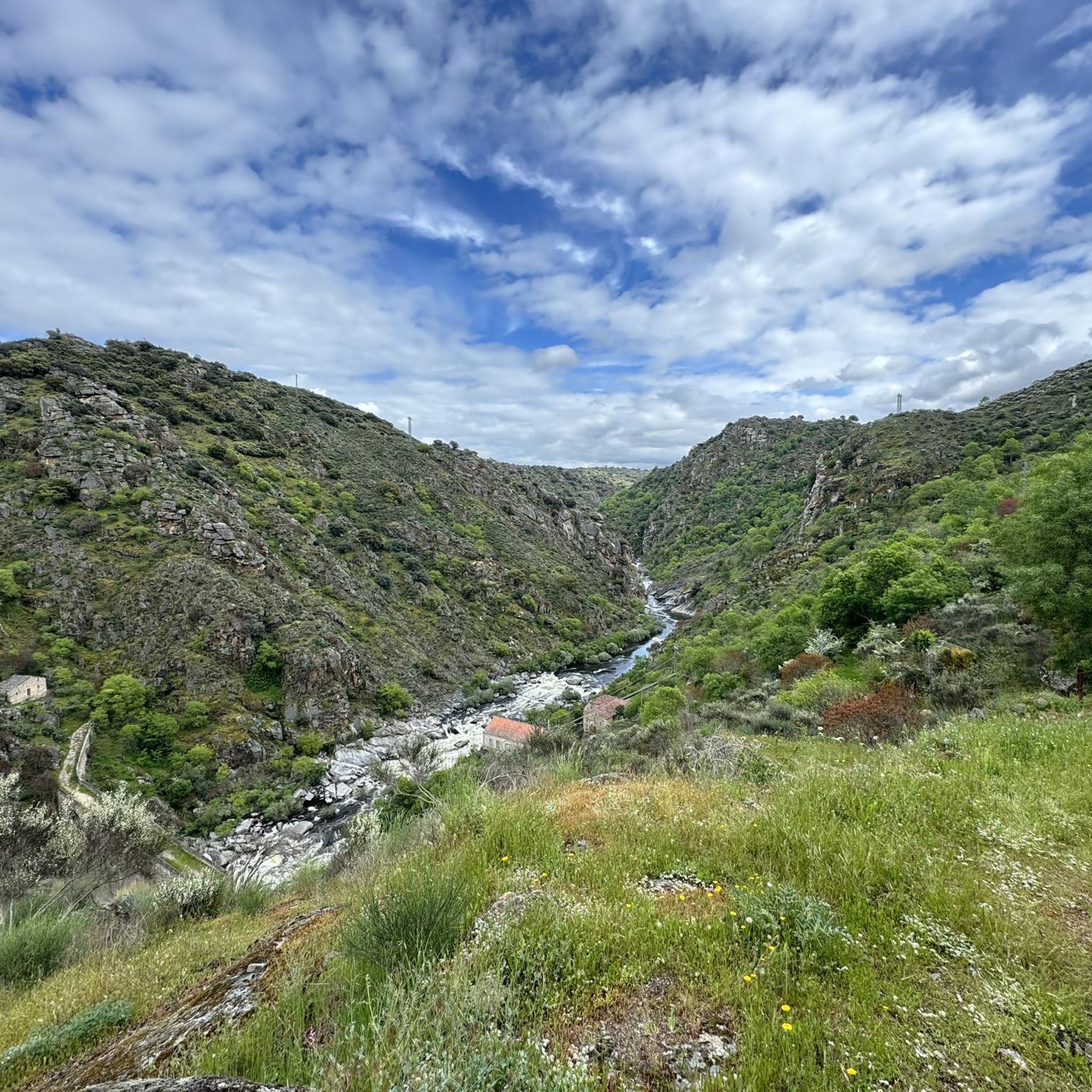
The bridge lies in a valley on the Águeda River. It is particularly worth hiking there in spring or autumn as the surrounding area is beautifully green. Danger! The path there is steep and has scree.
3
0

Armed conflicts between borders have been the daily bread in these areas between the two countries. It was built in the 17th century and currently has more than three centuries of history, where its walls are still standing. Currently, it is rehabilitated and is a hotel.
0
2
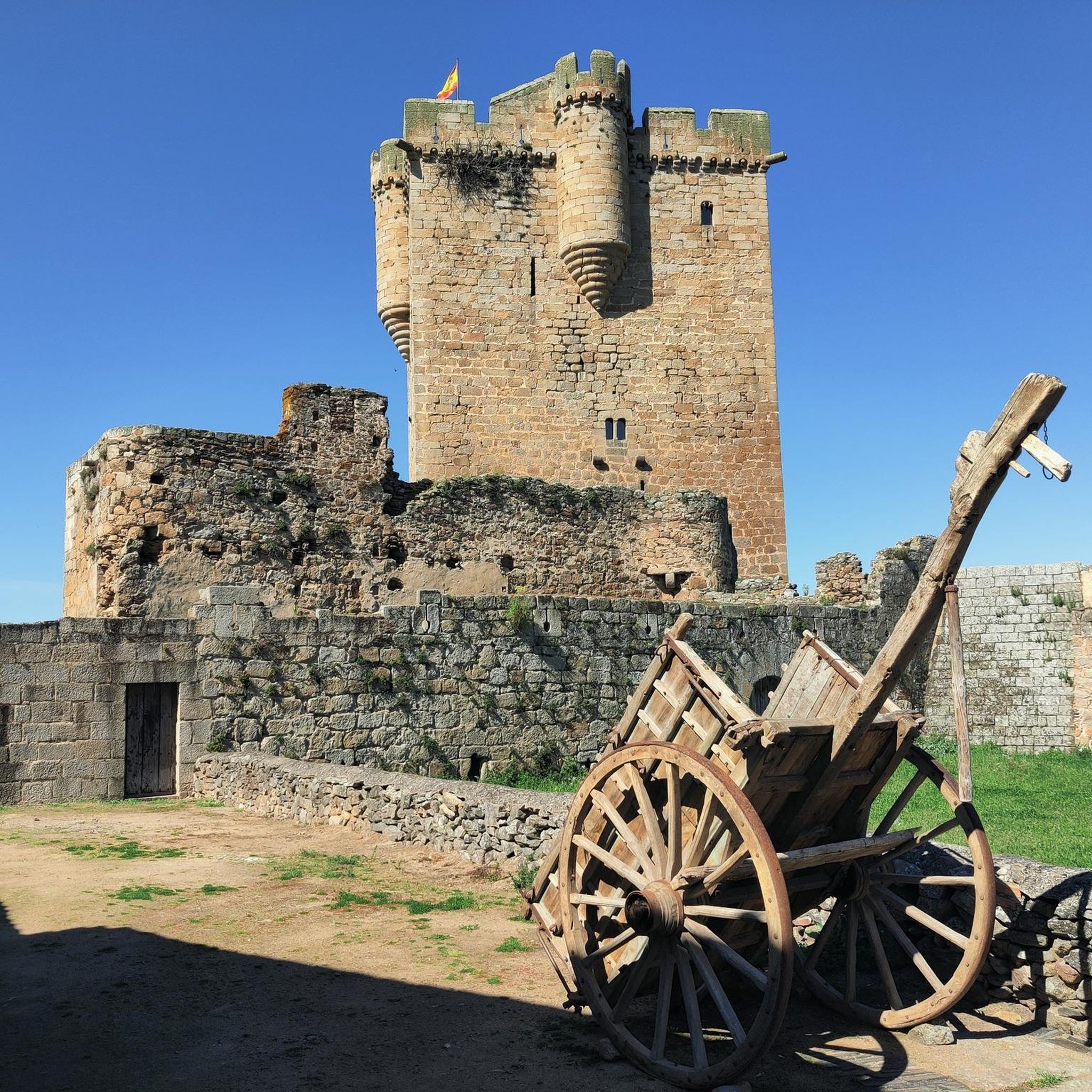
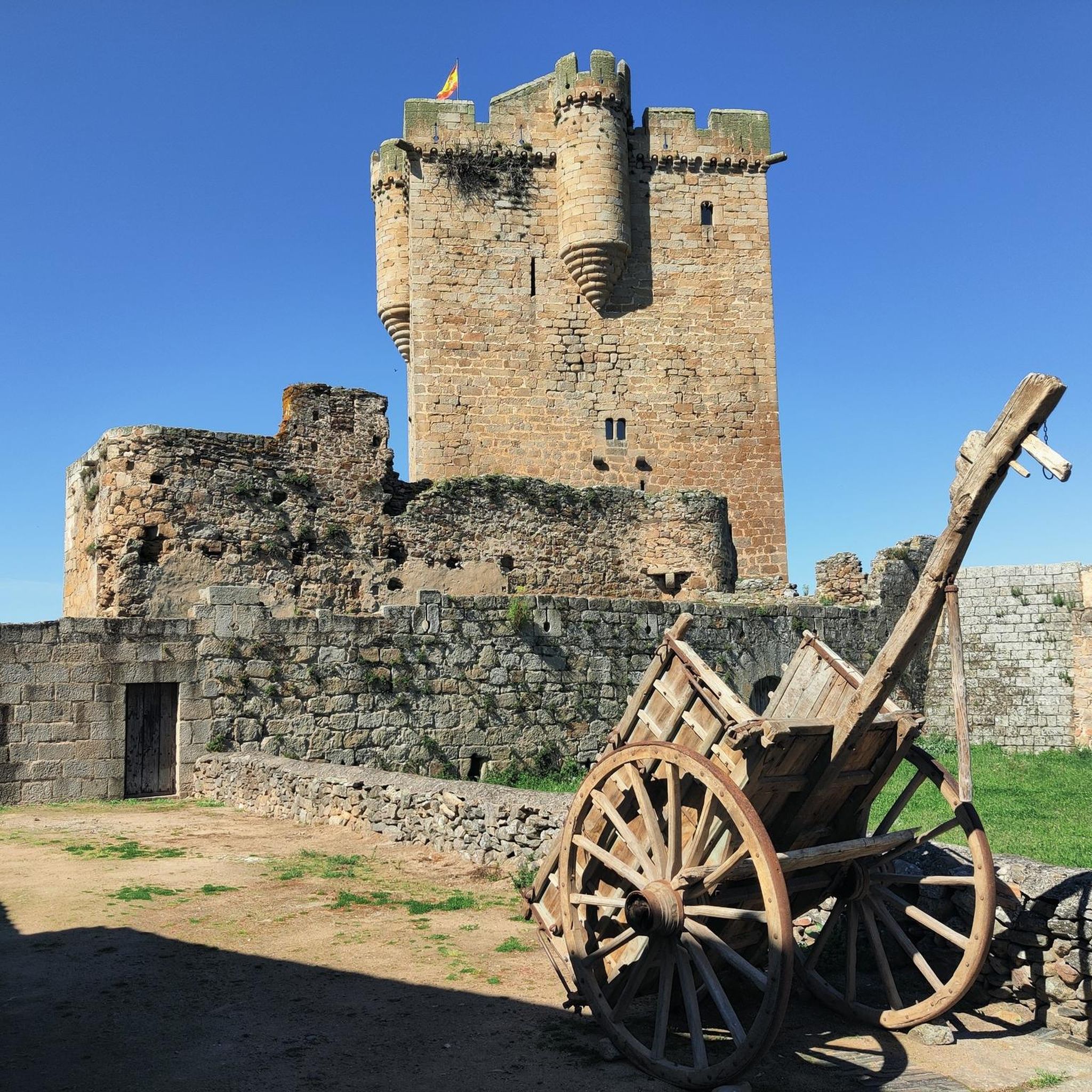
In the lands of the west of Salamanca this fortress stands, a clear example of the ups and downs and border disputes. According to the chronicles, it was built in the 13th century by the Portuguese king Don Dinis. With the character of a fortress palace, it is located at one end of the urban area.
0
0

The castle tower that still stands was part of the fortress built in the 13th century by the Portuguese king Don Dinis to protect the lands in the area. It is advisable to visit the tower inside, it houses a Historical Interpretation Classroom and a permanent exhibition on the Border Fortifications. In addition, from the top floor you can enjoy beautiful views of the entire area, including neighboring Portuguese lands.
1
0

The refurbishment and reconversion project of this 17th-century fortress won, in 2014, the prize for the best restoration of a military building in Spain. What are now luxury rooms on the Spanish-Portuguese border could house 1,500 infantrymen and 200 horses at his creation. The fort had two phases. The first, in the 17th century, when after the uprising in Lisbon that deposed Philip of Habsburg, it was built to serve as a base for an army that would recover Portugal. The Second, in the 18th century, when it was rebuilt to oppose the Portuguese stronghold of Almeida. During the war of independence, it was partially blown up and, for much of the 19th century, the surrounding inhabitants took advantage of it as a quarry until its sale to the private sector gave rise to the current construction.
1
0
Frequently Asked Questions
What historical sites can I explore around Puerto Seguro?
The region is rich in history, particularly due to its border location. You can visit the Castle of San Felices de los Gallegos, a 13th-century fortress with a Historical Interpretation Classroom. Another significant site is the Fort of the Concepción and Redoubt of San José, a rehabilitated 17th-century fortification. Don't miss the Puente de los Franceses, a historical bridge over the Águeda River.
Are there any castles to visit in the Puerto Seguro area?
Yes, the area features notable castles. The Castle of San Felices de los Gallegos, built by Portuguese king Don Dinis in the 13th century, offers beautiful views from its tower. You can also explore the Fort of the Concepción and Redoubt of San José, a well-preserved 17th-century fortress that has been rehabilitated.
Where can I find scenic viewpoints around Puerto Seguro?
For panoramic views, head to the Castle of San Felices de los Gallegos. From its tower, you can enjoy vistas of the surrounding area, including neighboring Portuguese lands. The Puente de los Franceses also offers scenic views of the Águeda River valley, especially beautiful in spring or autumn.
What kind of outdoor activities can I do near Puerto Seguro's attractions?
The region offers various cycling opportunities. You can find numerous routes for touring bicycles, road cycling, and mountain biking. For example, there are easy touring bicycle loops like the 'Villar de Ciervo loop from Villar de la Yegua' or more challenging road cycling routes such as the 'Arribes del Duero International Park Loop'. Explore more options on the Cycling around Puerto Seguro guide.
Are there cycling routes suitable for different skill levels?
Yes, the area provides cycling routes for various skill levels. For touring bicycles, you'll find easy loops around Villar de Ciervo. Road cyclists can choose from moderate routes like 'Almeida and Puerto Seguro - circular route' to difficult ones such as the 'Arribes del Duero International Park Loop'. Mountain bikers also have options ranging from easy to difficult. Check the Cycling around Puerto Seguro guide for details.
What is the significance of the bridges in Puerto Seguro?
Bridges in Puerto Seguro hold historical and cultural importance. The Puente de los Franceses, located in the Águeda River valley, symbolizes the historical, cultural, and landscape connection between Aldea del Obispo, Puerto Seguro, and Villar de Ciervo. Similarly, Puente Quebrá also represents this union and is part of the ancient 'Camino del Fuerte' trade route.
What do visitors particularly enjoy about the attractions in Puerto Seguro?
Visitors appreciate the historical depth and scenic beauty of the region. Many highlight the beautiful views from the walls of the Castle of San Felices de los Gallegos and recommend visiting its tower for panoramic vistas. The historical significance of sites like the Fort of the Concepción and Redoubt of San José, with its centuries of history, is also highly valued.
Can I learn about the border history between Spain and Portugal in Puerto Seguro?
Absolutely. Puerto Seguro's location on the border has shaped its history. Attractions like the Castle of San Felices de los Gallegos and the Fort of the Concepción and Redoubt of San José are direct results of past border disputes and military strategies. The castle even houses a Historical Interpretation Classroom focusing on border fortifications.
Are there any natural features to see besides historical sites?
While the region is known for its historical sites, the landscape itself offers natural beauty. The Puente de los Franceses is situated in a picturesque valley on the Águeda River, which is particularly vibrant and green in spring and autumn. The surrounding river valleys provide a scenic backdrop to the historical attractions.
What is the 'Camino del Fuerte' and where can I experience it?
The 'Camino del Fuerte' is an ancient path connecting municipalities like Aldea del Obispo, Puerto Seguro, and Villar de Ciervo. It was historically used for trade, smuggling, livestock, and agriculture. You can experience parts of this route around the Puente Quebrá, which is part of this historically significant trail, now also used for tourism and recreation.
What kind of mountain biking trails are available near Puerto Seguro?
Mountain biking enthusiasts will find several trails. Options include the 'Sobradillo - San Felices de los Gallegos – circular por el Parque Natural de las Arribes del Duero' which is a moderate trail, or the 'Old Trail of La Redonda' for an easier ride. More challenging routes like 'Hinojosa de Duero – Hinojosa de Duero loop from Puerto Seguro' are also available. For a full list, refer to the MTB Trails around Puerto Seguro guide.

Get inspired with the komoot mobile app


Explore more
Still not found the Highlight you’re looking for? See guides of the top attractions in other regions:
