The best road cycling routes around Paymogo
91
riders
4
rides
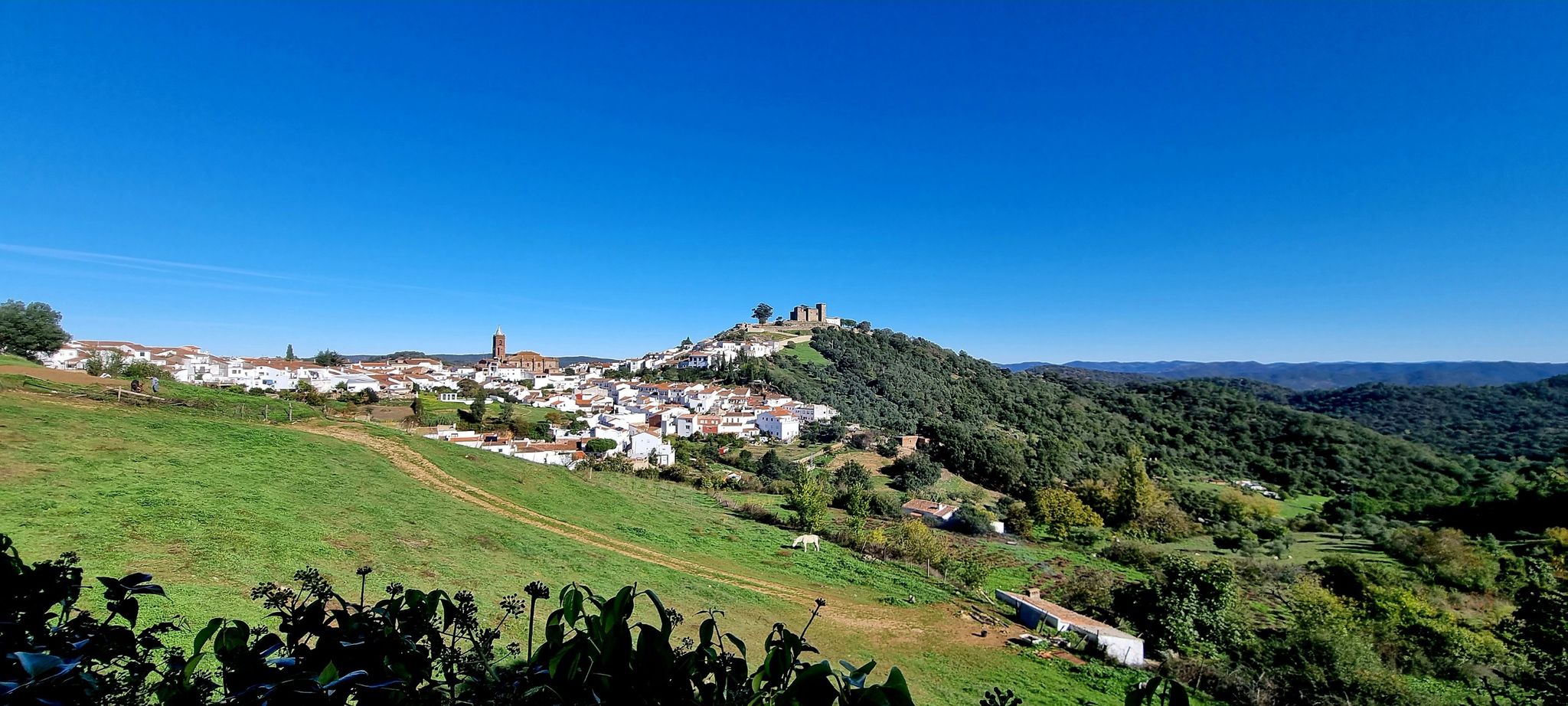
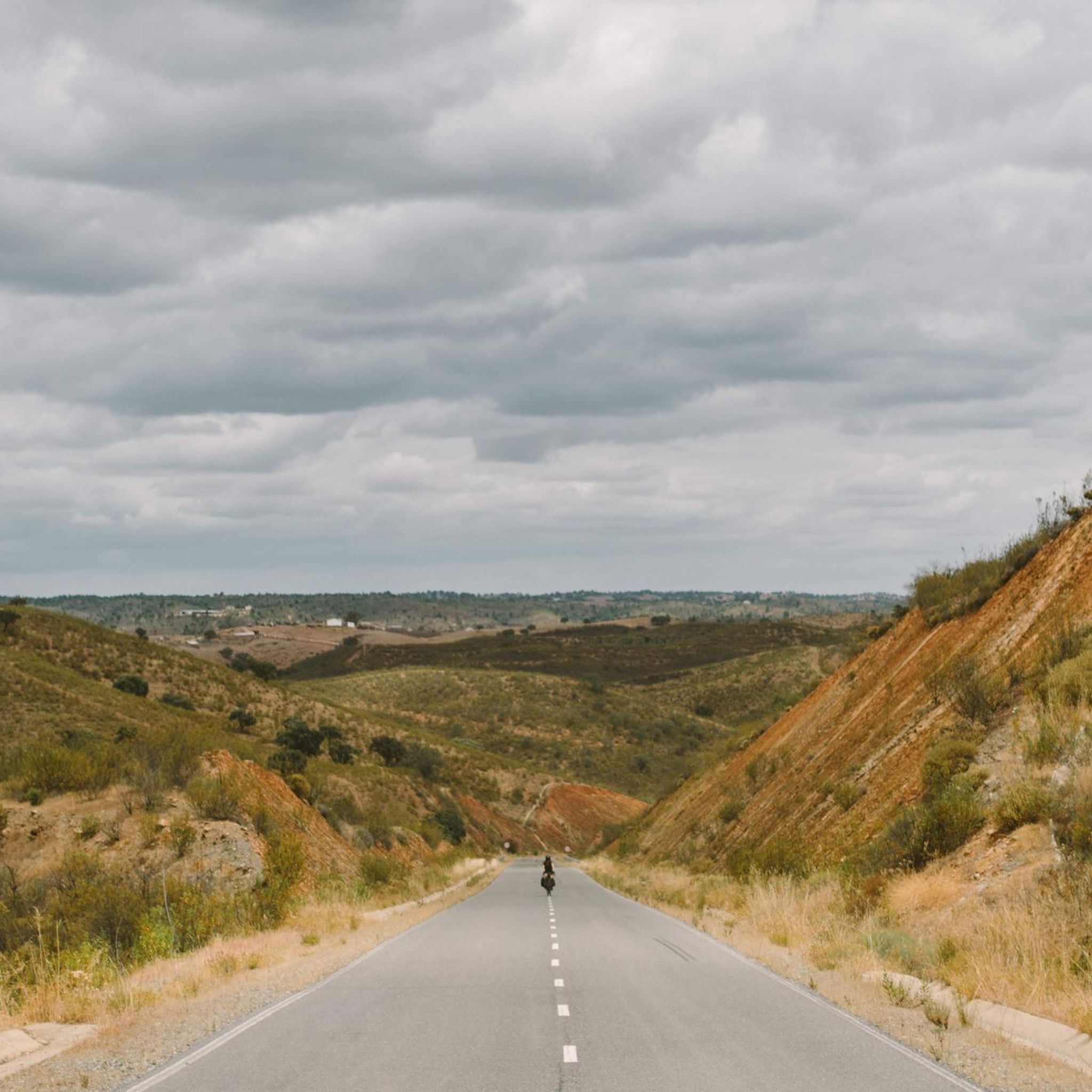
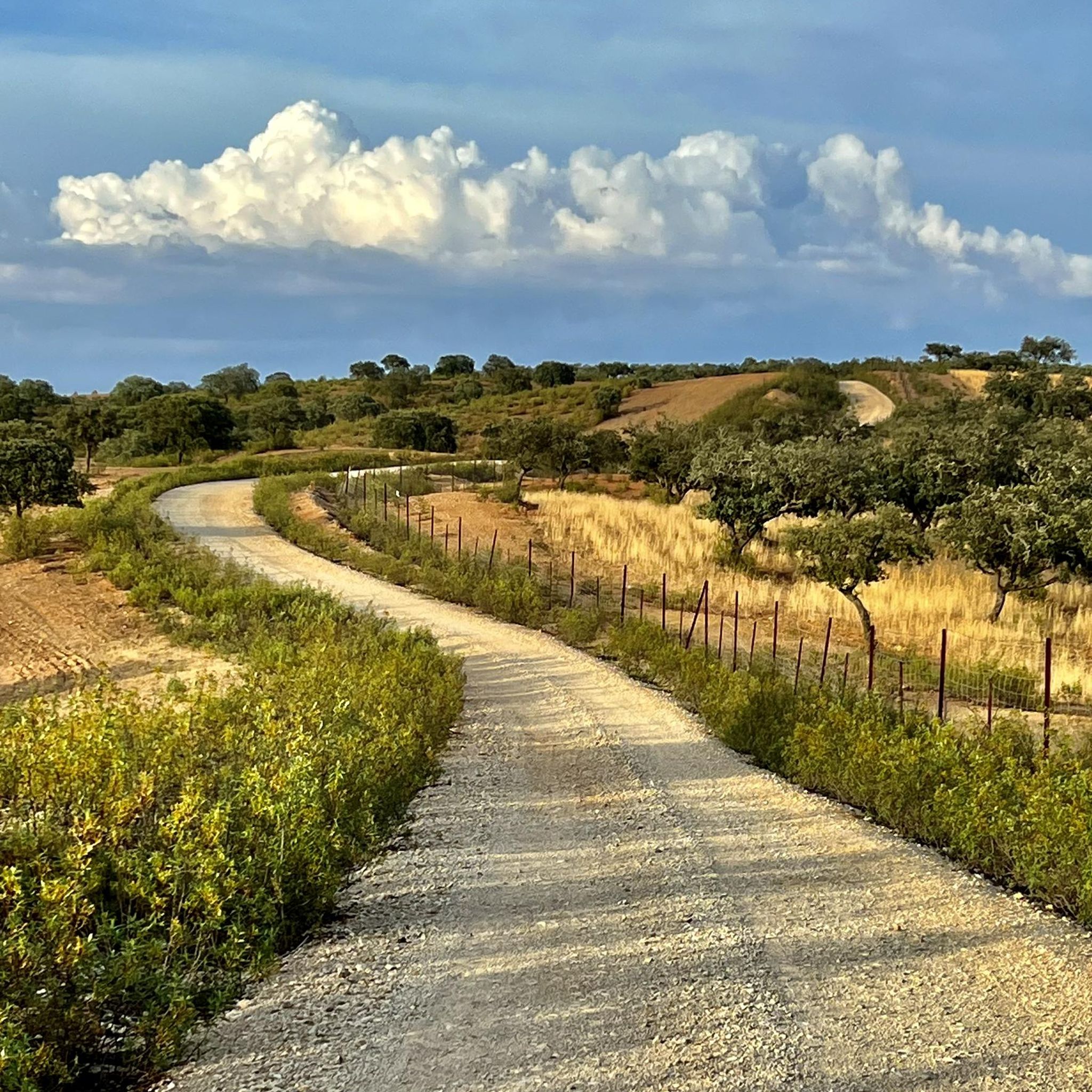
Road cycling routes around Paymogo traverse the undulating landscapes of the Andévalo region in Huelva province, Spain. The area is characterized by holm oak forests forming part of the Dehesa landscape, offering tree-lined roads. The Rio Chança river defines the border with Portugal, providing opportunities for cross-border routes. Terrain generally features gentle undulations, with some routes exploring historical mining areas.
Best road cycling routes around Paymogo
- The most popular road cycling route is Rest area by the lake – El…
Last updated: July 10, 2026
18
riders
Hard road ride. Very good fitness required. Mostly well-paved surfaces and easy to ride.
12
riders
Moderate road ride. Good fitness required. Mostly well-paved surfaces and easy to ride.

Sign up for free
9
riders
Hard road ride. Very good fitness required. Mostly well-paved surfaces and easy to ride.
8
riders
67.7km
02:57
640m
640m
Moderate road ride. Good fitness required. Mostly well-paved surfaces and easy to ride.
7
riders
67.1km
02:54
630m
630m
Moderate road ride. Good fitness required. Mostly well-paved surfaces and easy to ride.
Our route recommendations are based on thousands of hikes, rides, and runs completed by other people on komoot.
Start today with a free account
Your next adventure awaits.
Login or Signup

Other adventures around Paymogo

Tips from the Community

Eagle Hill offers spectacular views of the Andévalo region, the Sierra de Aracena, the Huelva coast, and even Portugal. The natural surroundings and the hill's altitude make the hermitage a privileged viewpoint.
1
0
The Hermitage of Our Lady of La Peña in Puebla de Guzmán (Huelva) is one of the most emblematic sites in the Andévalo region, both for its religious significance and its cultural and scenic importance. It is located on Cerro del Águila (Eagle Hill), about 4 km from the town center of Puebla de Guzmán. Origin: Probably built in the 16th century, although the most significant works were carried out in the 17th century. Style: Latin cross floor plan, with a single nave covered by a wooden truss roof. The crossing is crowned by a hemispherical dome on pendentives.
1
0
The Hermitage of Our Lady of La Peña in Puebla de Guzmán (Huelva) is one of the most emblematic sanctuaries in the Andévalo region of Huelva province, with a deep spiritual, artistic, and cultural tradition. Location: On Cerro del Águila (Eagle Hill), about 4 km from the town center. Origin: Probably built in the 16th century, with significant renovations in the 17th century, 1960, and 1992. Founding legend: According to tradition, the Virgin Mary appeared to the shepherd Alonso Gómez in the 15th century, who was instructed to build a hermitage on that site.
4
0
The Church of the Holy Cross in Puebla de Guzmán (province of Huelva, Andalusia) is a temple of great historical, artistic, and spiritual value. Original construction: Late 16th and early 17th centuries. It was praised in 1645 by Francisco de Rada. Between 1748 and 1757, significant renovations were carried out, including a new main chapel whose roof was converted into a watchtower. It suffered severe damage during a fire in July 1936, at the beginning of the Spanish Civil War. It was rebuilt by the architect José María Pérez Carasa.
4
0

A beautiful spot from which you can anticipate the crossing from Portugal to Spain, crossing under the Chanza reservoir dam, next to the Guadiana River.
2
0

Along the Ribeira do Geraldo, the Tapada Grande Dam Reservoir holds an unexpected treasure: this serene river beach, with golden sands, fresh lawns, and every comfort for leisure. Once a vital reservoir for the old mining industry, today it is a setting for rest and harmony. Nearby stands the town of Minas de São Domingos, born of the mining past and still marked by the memory of this unique heritage.
1
0
This church, built in the 18th century, stands out for its Baroque architecture and impressive bell tower. Inside, you'll find carved wooden altarpieces and frescoes that create an atmosphere of peace and contemplation. In addition to its religious significance, the church is also a center for community and cultural activities. Various religious events and festivals are held here, such as processions and solemn masses in honor of San Isidro Labrador.
2
0

It is not a border town, since the urban centre is 20 km from the border line, although the municipal area is a border town.
0
1
Frequently Asked Questions
What is the typical terrain like for road cycling around Paymogo?
The terrain around Paymogo is generally characterized by gentle undulations and open countryside, making it suitable for road cyclists of varying abilities. The region features extensive holm oak forests, part of the Dehesa landscape, offering tree-lined roads and scenic views. Some routes also explore historical mining areas, adding a unique dimension to the landscape.
Are there road cycling routes suitable for different skill levels in Paymogo?
Yes, the Paymogo area offers a range of road cycling routes. While there are no easy routes listed in this guide, you can find several moderate and difficult options. For example, the Tharsis Open-Pit Mine – Hermitage of the Virgin of the Peña loop from Puebla de Guzmán is a moderate route, while the Rest area by the lake – El Granado loop from Parque Estacionamento da Praia fluvial da Tapada Grande is considered difficult, offering extensive riding through open countryside.
What interesting landmarks or natural features can I see along the road cycling routes in Paymogo?
Road cycling routes around Paymogo offer views of diverse landscapes and historical sites. You can encounter the Rio Chança, which forms the border with Portugal, and explore areas shaped by 19th-century mining, such as the Mina de São Domingos or the Achada do Gamo Copper Mine Ruins. The region is also rich in holm oak forests and features cultural landmarks like the Hermitage of La Peña of Puebla de Guzmán.
Are there any family-friendly road cycling routes near Paymogo?
The road cycling routes detailed in this guide are generally moderate to difficult, focusing on longer distances and varied terrain. While specific 'family-friendly' road cycling routes are not highlighted, the region's gentle undulations and scenic roads might be suitable for families with older, more experienced children. Always check route details for distance and elevation before setting out.
Can I bring my dog on road cycling routes around Paymogo?
While dogs are generally welcome in many outdoor areas, road cycling routes are primarily designed for cyclists. It's usually not advisable to bring dogs on road cycling tours due to safety concerns with traffic and the sustained pace. For walks with your dog, consider exploring local trails or paths away from main roads.
Are there circular road cycling routes available in the Paymogo area?
Yes, many of the road cycling routes around Paymogo are designed as loops, allowing you to start and end at the same point. Examples include the Rest area by the lake – El Granado loop from Parque Estacionamento da Praia fluvial da Tapada Grande and the Rest area by the lake – Corte do Pinto Church loop from Parque Estacionamento da Praia fluvial da Tapada Grande, both offering extensive circular rides through the region.
What is the best season for road cycling in Paymogo?
The region's climate, characterized by warm summers and mild winters, makes spring and autumn ideal for road cycling in Paymogo. These seasons offer pleasant temperatures and less extreme weather, allowing for comfortable exploration of the Dehesa landscapes and historical mining areas. Summer can be very hot, while winter might bring cooler, wetter conditions.
Are there opportunities for cross-border cycling routes from Paymogo?
Yes, Paymogo's strategic location near the Portuguese border, marked by the Rio Chança, provides excellent opportunities for cross-border cycling adventures. An international bridge over the Chança, completed in 2012, enhances connectivity and allows for routes that explore both Spanish and Portuguese landscapes. The Portuguese side is noted for its lush greenery, offering a dynamic visual experience.
What kind of services are available for cyclists in Paymogo, such as parking or cafes?
Paymogo is a charming, tree-surrounded town with a rural character. While specific dedicated cycling services like bike repair shops might be limited, you can expect to find basic amenities such as cafes and local eateries in the village. Parking is generally available within the town. For specific route starting points, check the details of each tour for parking information.
What do other road cyclists enjoy most about road cycling in Paymogo?
Road cyclists using komoot often praise the varied terrain, from gentle undulations to more challenging climbs, and the unique landscapes. The presence of holm oak forests, the scenic Rio Chança, and the historical mining areas provide a rich backdrop for rides. The opportunity for cross-border routes into Portugal is also a significant draw for many.
Can I find routes that explore the historical mining areas around Paymogo?
Absolutely. The region's 19th-century mining past has left a distinctive landscape that many road cycling routes incorporate. For instance, the Tharsis Open-Pit Mine – Hermitage of the Virgin of the Peña loop from Puebla de Guzmán specifically explores historical mining landscapes and cultural landmarks, offering a glimpse into this unique heritage.
Are there any routes that take me close to the Rio Chança?
Yes, the Rio Chança forms a natural border with Portugal and is a prominent feature of the region. Many routes in the Paymogo area will bring you close to or offer views of the river, especially those that venture towards the border. The presence of an international bridge over the Chança also allows for routes that cross into Portugal, providing diverse riverine scenery.
Most popular attractions around Paymogo

Get inspired with the komoot mobile app


Explore more
Browse the best Road cycling routes in other regions.
