Top 20 Castles around Chinon
Castles around Chinon are situated in the Loire Valley, a region known for its historical significance and scenic landscapes. The town of Chinon itself is dominated by the Royal Fortress, perched on a rocky outcrop overlooking the Vienne River and surrounding vineyards. This area offers a blend of medieval and Renaissance architecture, reflecting centuries of French and English history. Visitors can explore a variety of historical sites set amidst natural features of the region.
Best castles around Chinon
- The most popular castles is Ussé Castle, a castle that began construction in the 15th century, blending medieval and Renaissance architecture. It is known as Sleeping Beauty Castle and features French gardens, a chapel, and stables.
- Another must-see spot is Château du Rivau, a castle with 14 themed gardens recognized as “remarkable gardens” by the Ministry of Culture. These gardens are designed with themes from fairy tales and folklore, complementing the castle's art exhibitions.
- Visitors also love Royal Fortress of Chinon, a historical site and man-made monument. This complex of three fortifications offers panoramic views of the Vienne valley and played a crucial role in French history, including Joan of Arc's meeting with Charles VII.
- Chinon is known for its medieval fortresses, Renaissance châteaux, and military strongholds. The region offers a variety of castles to see and explore, from those retaining their defensive character to those with restored royal quarters.
- The castles around Chinon are appreciated by the komoot community, with more than 580 upvotes and over 350 photos shared by visitors.
Last updated: October 11, 2026
Ussé Castle
Highlight • Castle
Accompanied by French gardens, a chapel and stables, the Château d'Ussé can be visited all year round.
Translated by Google •
Tip by

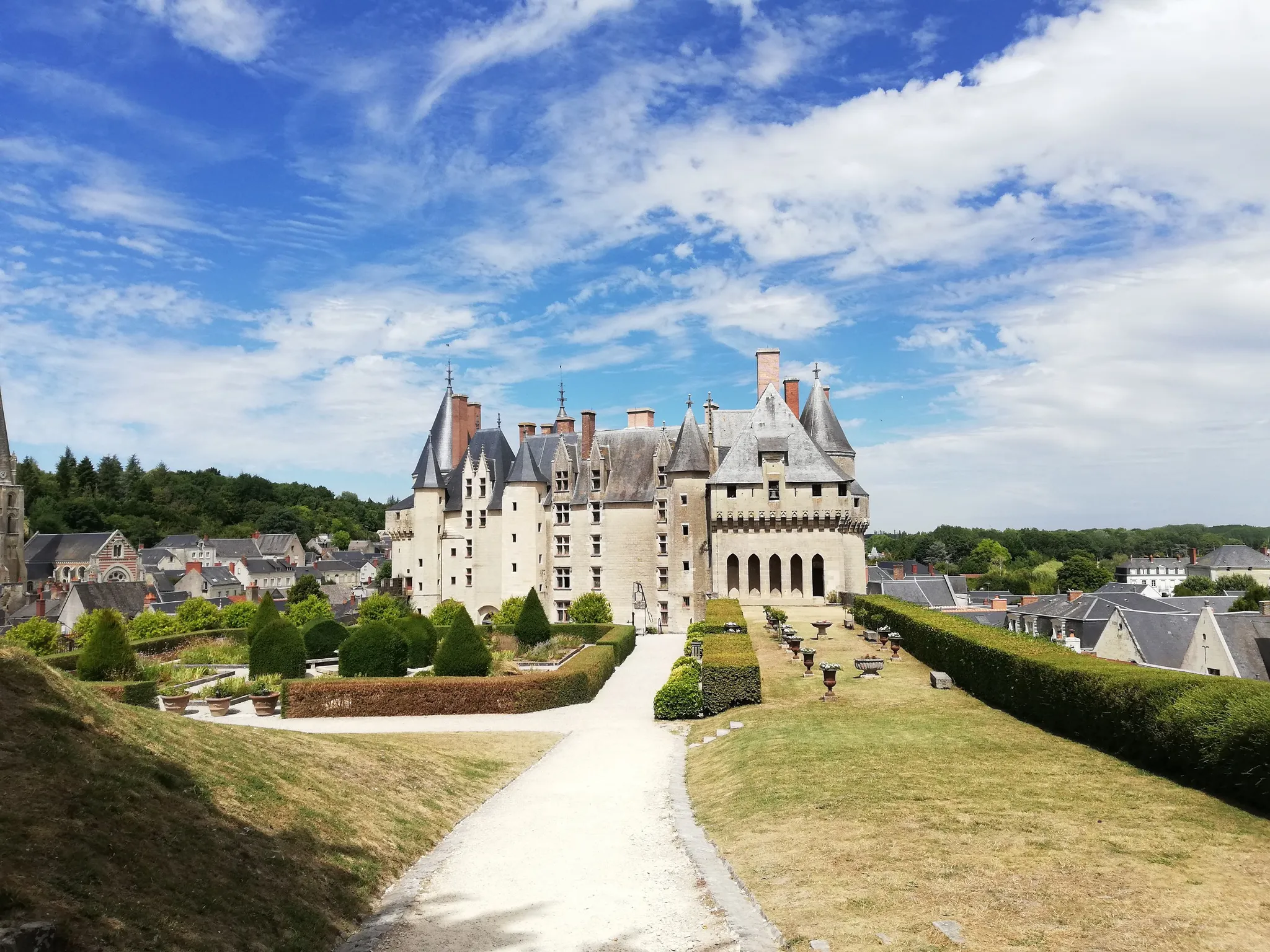
Château de Langeais
Highlight • Castle
Now open to the public, you can visit fifteen rooms furnished with richly sculpted medieval furniture. There is also a collection of tapestries and the reconstruction of the royal wedding of Anne de Bretagne. The gardens are also open to the public.
The castle has been classified as a historical monument since 1922.
Translated by Google •
Tip by

Sign up now to discover places like this
Get recommendations on the best single tracks, peaks, & plenty of other exciting outdoor places.
L'Islette Castle
Highlight • Castle
Less renowned than the surrounding Loire Valley châteaux, the Château de l'Islette can be visited from early May to late September, both inside and out. It is also possible to rent boats to cruise the Indre River or participate in an escape game inside the château.
Translated by Google •
Tip by
Royal Fortress of Chinon
Highlight • Castle
Translated by Google •
Tip by

View of Ussé castle
Highlight • Castle
Triggered? Drive there and you will end up in a fairytale world.
Young and old, immerse yourself in castle life and the scenes from this fairytale come to life before your eyes. Follow in the footsteps of Vauban, Perrault, Chateaubriand, Le Nôtre and the Blacas family, who still live in this illustrious castle in the Loire Valley.
Translated by Google •
Tip by

Château du Rivau
Highlight • Castle
Translated by Google •
Tip by

Château de Gizeux
Highlight • Castle
Translated by Google •
Tip by

Velors Castle
Highlight • Castle
Translated by Google •
Tip by

Azay-le-Rideau Moated Castle
Highlight • Castle
Azay-le-Rideau, which seems to rest on the surface of the water, is for many the most beautiful castle in the Loire.
The last restoration was completed in 2017, visits are now possible all year round.
Translated by Google •
Tip by
Château du Gerfaut
Highlight • Castle
Translated by Google •
Tip by

Sign up for free to discover even more castles around Chinon.
Already have an account?
Start today with a free account
Your next adventure awaits.
Popular around Chinon
From one Châteaux to another – a long hike in the Loire Valley
EuroVelo 3 – A cycling pilgrimage from Norway to France
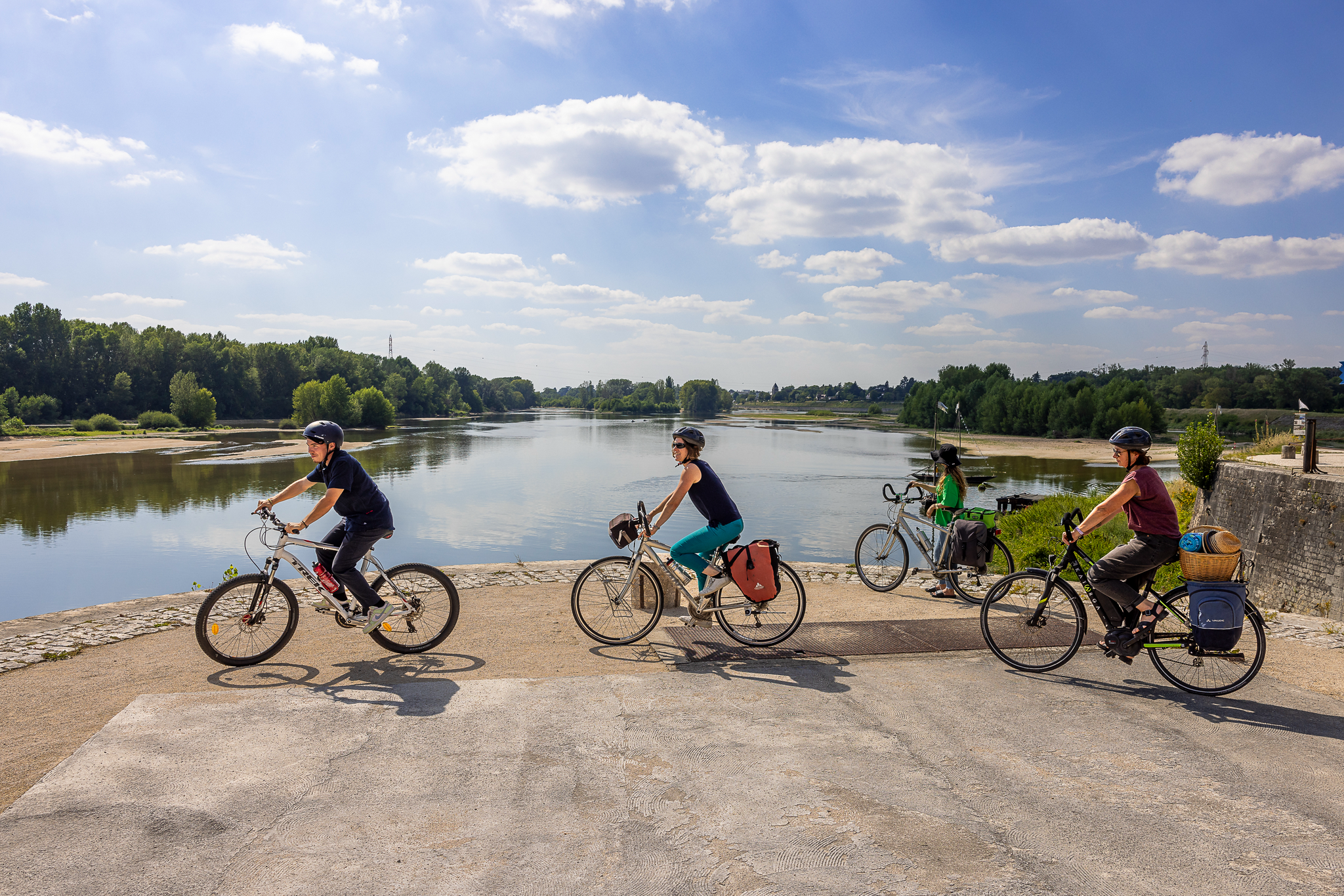
The most beautiful cycling routes in the Loire Valley
The Loire from ocean to the source – GR 3 from Angers to Tours
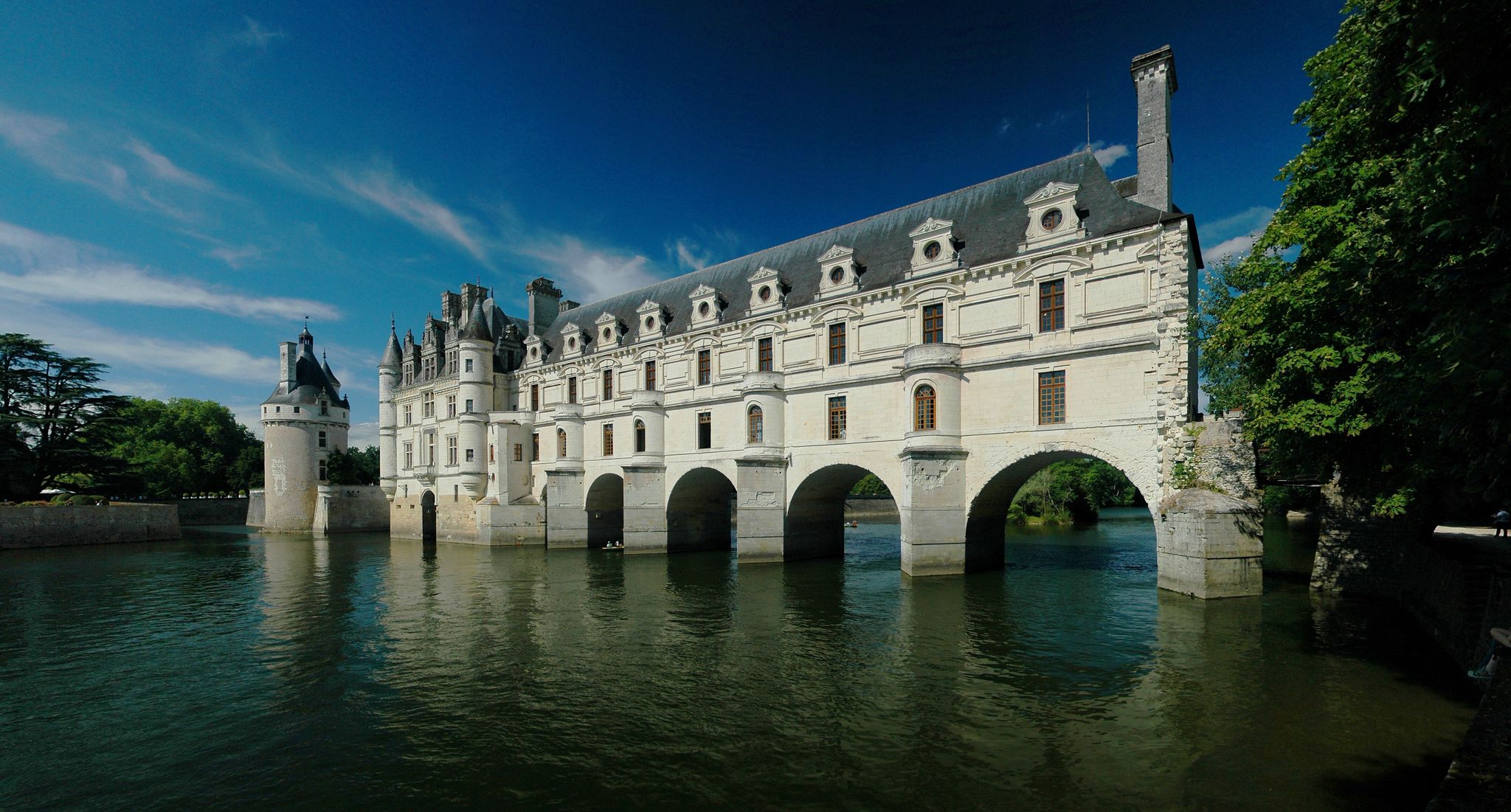
Between Touraine and Berry – France’s Indre River by bike
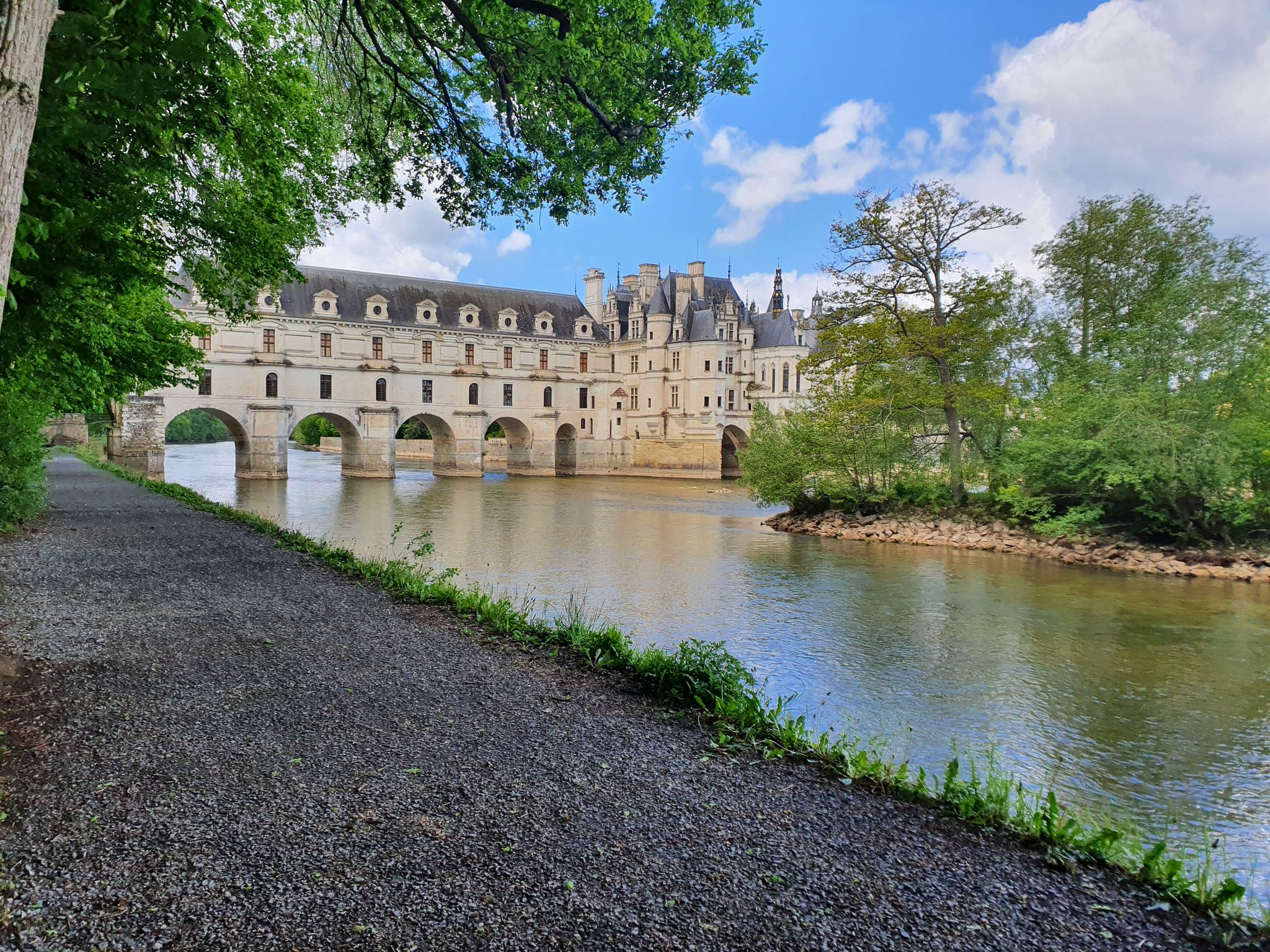
Unexpected castles – cycle the secret Loire Valley in France
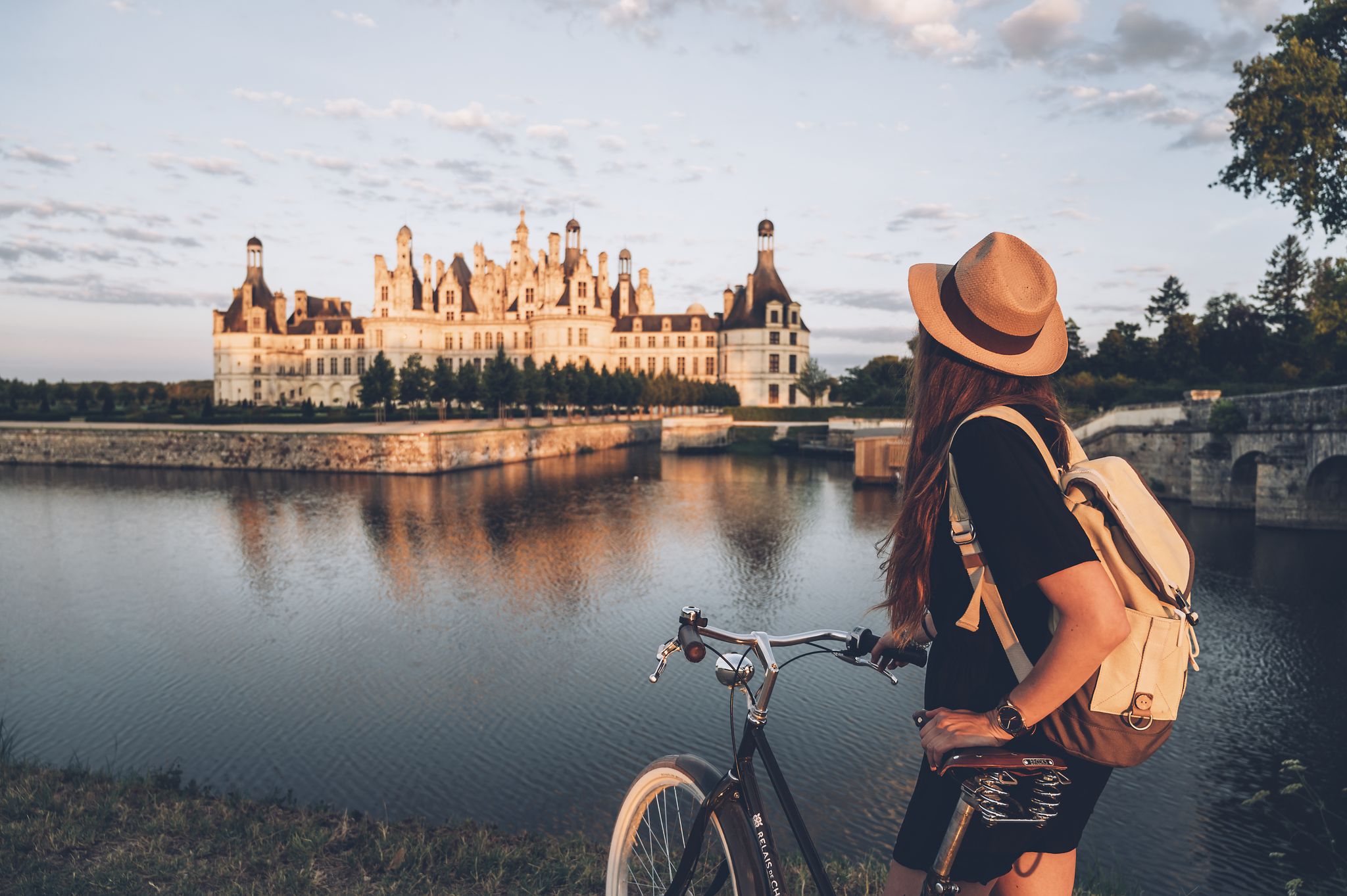
Nature and Culture — discover the Loire and its castles by bike
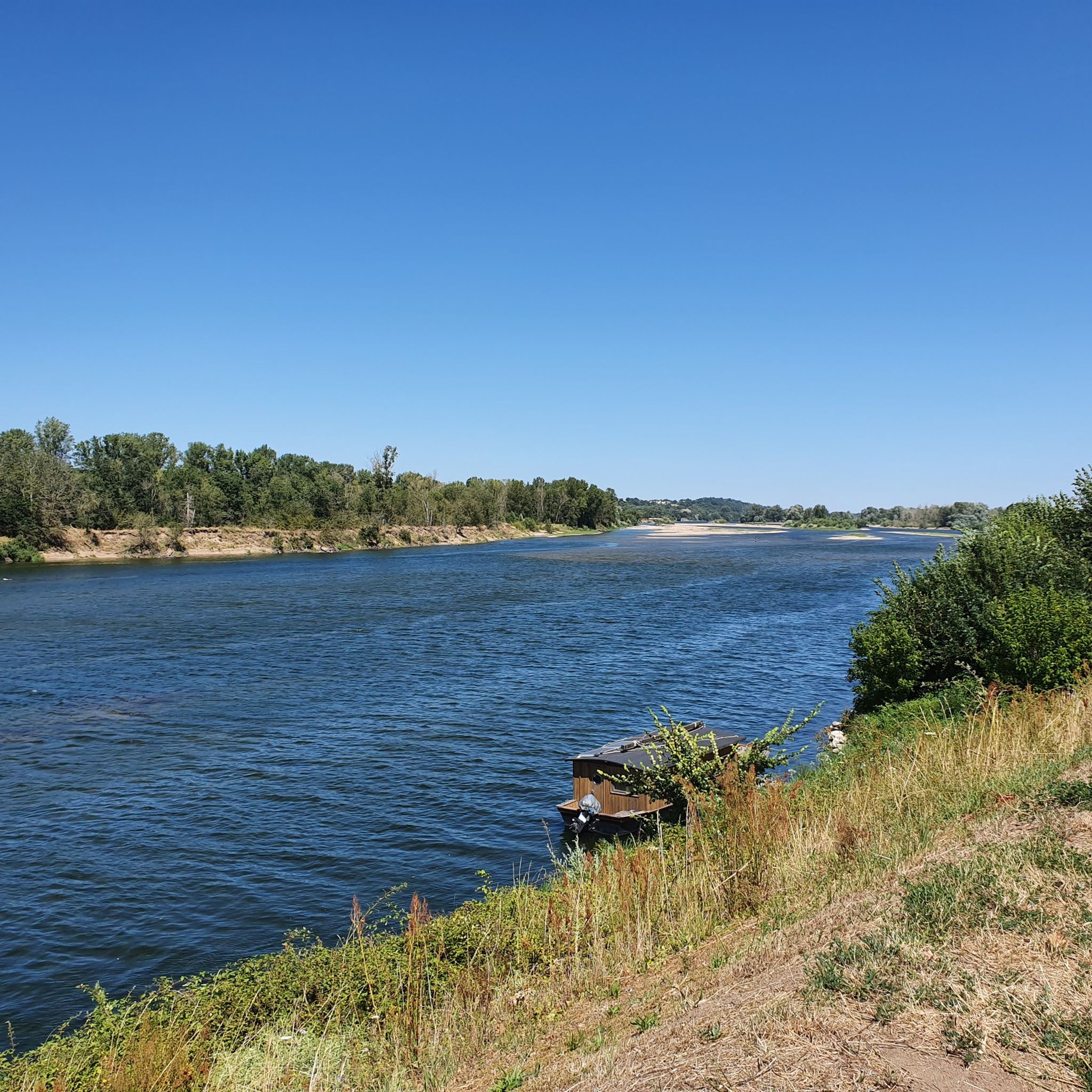
Hiking around Chinon
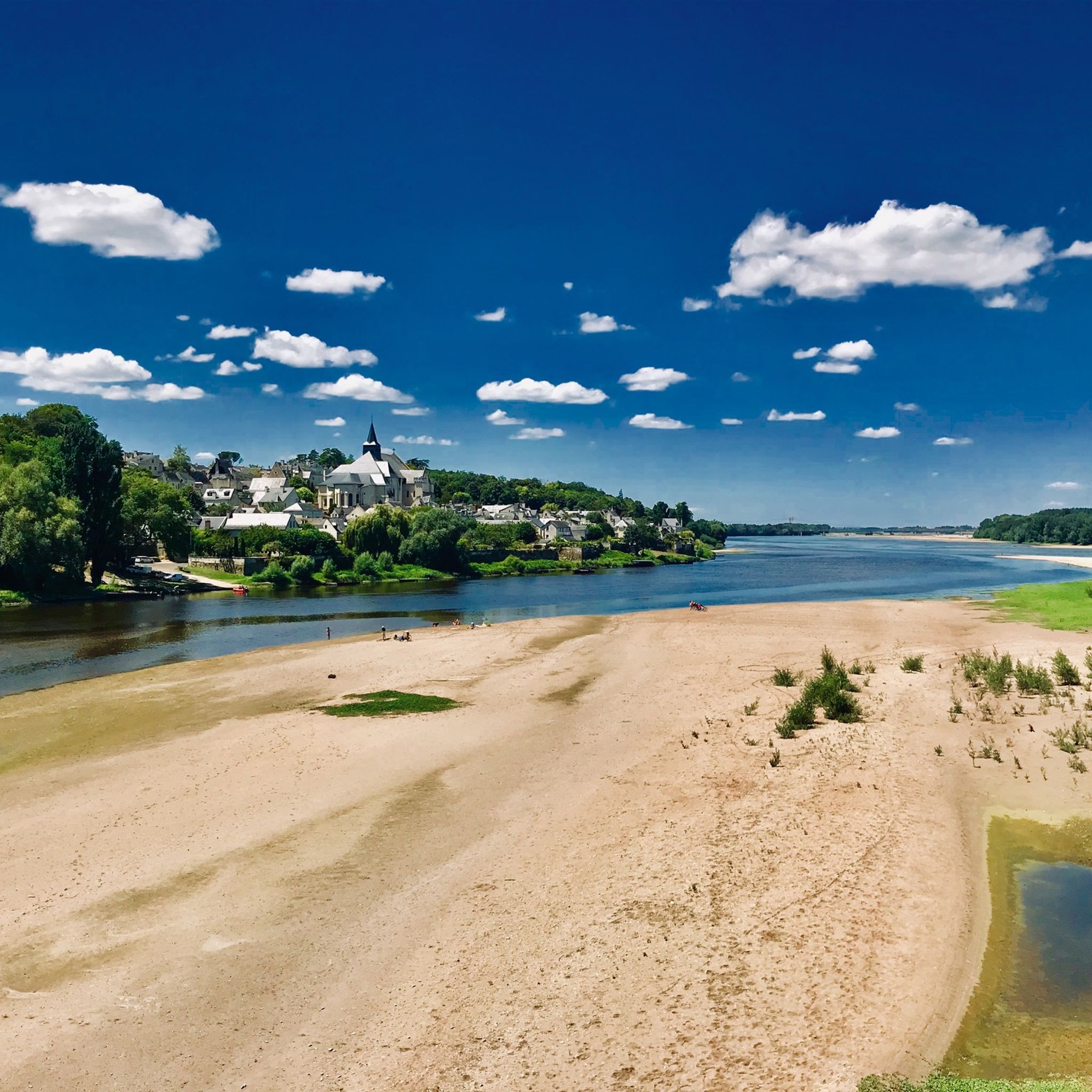
Cycling around Chinon
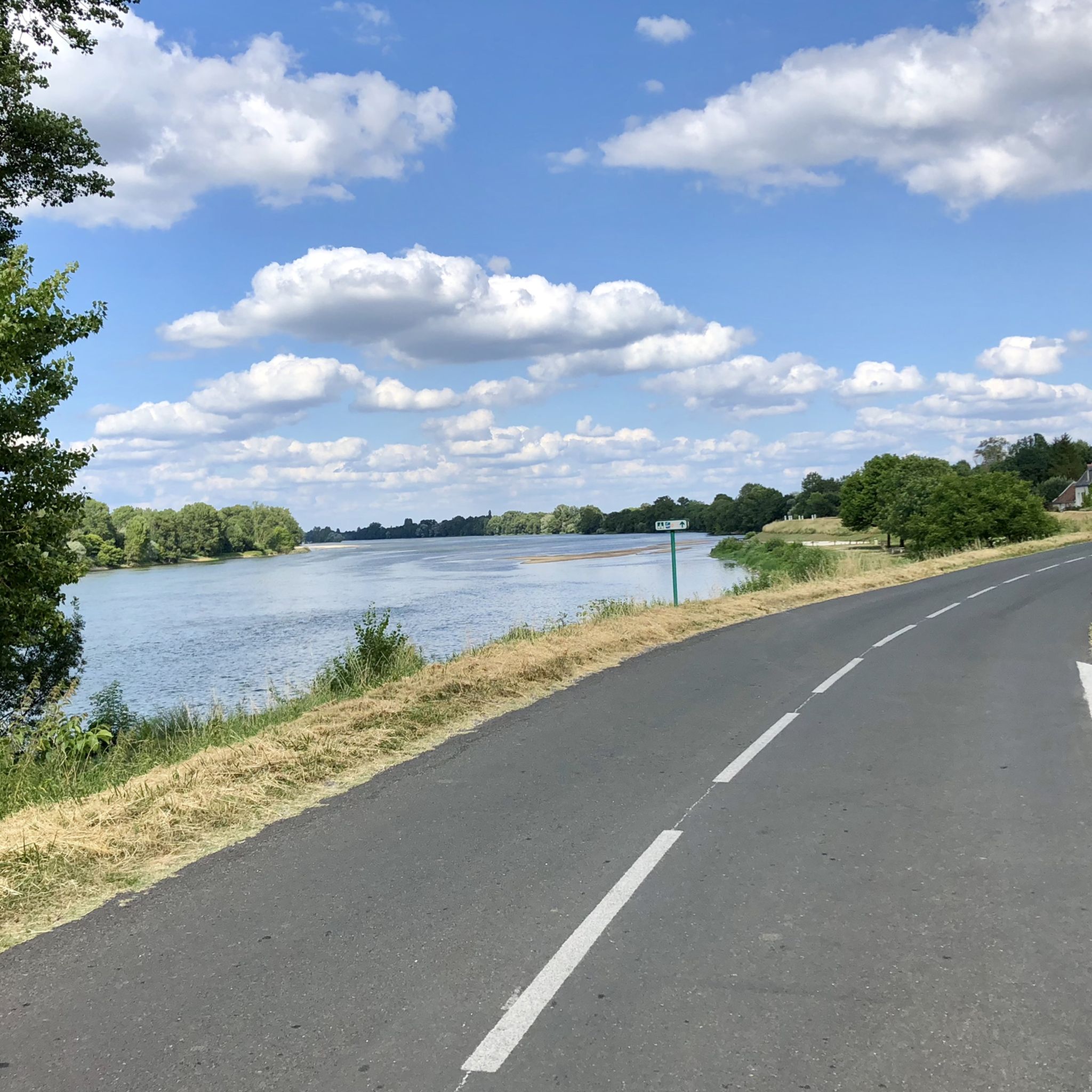
Road Cycling Routes around Chinon
Other adventures around Chinon


Tips from the Community


The Château de Gizeux dates back to the Middle Ages and was remodeled over the centuries, particularly during the Renaissance and the 18th century. Located in the commune of Gizeux, within the Loire-Anjou-Touraine Regional Natural Park, on the borders of the former province of Anjou, it is one of the Loire Valley châteaux. Its façades stretch over 250 meters, making it the longest château in the Angevin region of Touraine.
0
0

We visited the castle in July 2025, the moat is empty and it all locked up but unoccupied. Its worth having a look at because you can get a good view through the front fence and gate.
1
0

History in brief Antiquity: the site is strategically located on a promontory and has been inhabited for 3,000 years. It was not fortified until the end of the Roman Empire. Middle Ages: in 1154, the new King of England, Henry II Plantagenet, became ruler of an empire stretching from Scotland to the Pyrenees and made Chinon his continental capital. He had a large palace built next to the fortress, which has now disappeared. In 1189, abandoned by his sons, Richard the Lionheart and John Lackland, and fleeing from the King of France, he eventually died there. Philippe Auguste had the defensive Tour du Coudray built there after the siege of 1205. Renaissance: in 1454, the fortress became the main residence of Queen Marie d'Anjou, who lived there without her husband. She spent lavishly on decorating the house to her taste. From the 16th century onwards, the fortress was gradually abandoned and fell into disrepair. Despite the dangerous nature of the terrain, it became a public promenade in 1824 and was listed as a monument in 1840. The restoration of the estate began in 1854 thanks to the efforts of the writer Prosper Mérimée. Source: https://loirelovers.fr/en/visit-royal-fort-chinon/
6
0
The Château de Langeais , a former royal estate and property of the Institut de France, is one of the major sites in the Loire Valley . Near Tours , in the heart of the Loire Valley , it offers a guided tour of fifteen rooms, decorated with richly carved medieval furniture . You will discover a collection of tapestries and the reconstruction of the royal wedding of Anne of Brittany, told by Stéphane Bern . Langeais, a Renaissance Loire castle, will surprise you with its park planted with cedars and sequoias and its playful elements. More information on https://chateau-de-langeais.com/
2
0
The origins of the castle Do you know the story of this castle that stands on a small island in the Indre? Built during the reign of Francis I by Gilles Berthelot, the king's financier, the Château d'Azay-le-Rideau is a subtle combination of French traditions and innovative Italian decorations. It became an icon of the new architecture in the Loire Valley in the 16th century and is today considered one of the jewels of the architecture of the first French Renaissance. More information on https://www.azay-le-rideau.fr/decouvrir/histoire-du-chateau
5
0
In the heart of Touraine, in an enchanting setting where the delicate white of the tuffeau stone and the ever-changing green of the Indre River blend harmoniously, L'Islette welcomes you. The Renaissance château, nestled in the arms of the Indre River, is now home to the current owners. They are happy to share their home with visitors and show them the rooms currently occupied. In this way, they combine history and modernity to create a 21st-century château. L'Islette, where Camille Claudel and Auguste Rodin were frequent guests and sheltered their passionate love life, invites you to be swept away by the romantic charm of the Indre Valley. Source: https://www.chateaudelislette.fr/
5
1
On the horizon, when the weather is clear, you can see the silhouette of the Château de Ussé. This fairytale castle has a magical appearance that overlooks the Indre and the Loire. It is so beautiful that it inspired Charles Perrault for his Sleeping Beauty. Triggered? Drive there and you will end up in a fairytale world. Young and old, immerse yourself in castle life and the scenes from this fairytale come to life before your eyes. Follow in the footsteps of Vauban, Perrault, Chateaubriand, Le Nôtre and the Blacas family, who still live in this illustrious castle in the Loire Valley.
5
0
Frequently Asked Questions
What makes the Royal Fortress of Chinon historically significant?
The Royal Fortress of Chinon is a site of immense historical importance. It was a favored residence of Henry II of England and Eleanor of Aquitaine, and played a crucial role during the Hundred Years' War. It's famously where Joan of Arc met Charles VII in 1429. The Coudray Tower also served as a prison for the Grand Masters of the Knights Templar in the early 14th century, with surviving graffiti from their captivity.
Are there family-friendly castles to visit around Chinon?
Yes, several castles in the region offer family-friendly experiences. Ussé Castle, known as 'Sleeping Beauty Castle,' brings fairy tales to life. Château du Rivau features 14 themed gardens inspired by fairy tales and folklore, alongside art exhibitions. The Royal Fortress of Chinon also offers interactive exhibits and trails suitable for families.
What kind of views can I expect from the castles in Chinon?
The Royal Fortress of Chinon, perched on a rocky outcrop, offers breathtaking panoramic views of the town of Chinon, the Vienne valley, and the surrounding vineyards. The Boissy Tower within the fortress is particularly noted for its excellent vistas.
Can I explore the architecture of the castles around Chinon?
Absolutely. The Royal Fortress of Chinon is a complex of three distinct fortifications with numerous towers like the 35-meter-high Clocktower and the Argenton Tower with its five-meter-thick walls. Ussé Castle showcases a blend of medieval and Renaissance architecture, while L'Islette Castle is a beautiful 16th-century Renaissance-style château.
Are there hiking opportunities near the castles in Chinon?
Yes, the Chinon area offers various hiking trails. You can find easy hikes like the 'Chinon Centre loop' or the 'In the Footsteps of Cardinal Richelieu Trail.' For more options, explore the easy hikes around Chinon guide.
What cycling routes are available around Chinon's castles?
The region provides several cycling routes. You can enjoy moderate rides like 'From Chinon to the Loire' or 'The Indre valley and the Loire.' For more challenging options, consider the 'Chinon and the Vienne and Manse Valleys Loop.' Discover more routes in the cycling around Chinon guide.
Which castle is known for its gardens and art exhibitions?
Château du Rivau is renowned for its 14 themed gardens, recognized as 'remarkable gardens' by the Ministry of Culture. These gardens are designed with themes from fairy tales and folklore, complementing the castle's art exhibitions.
Can I visit a castle that is still inhabited by a family?
Yes, Château de Gizeux, dating from the Middle Ages and remodeled over centuries, is still inhabited by its owners. It offers tours and various activities. Similarly, Château de Champchevrier has been a family property since 1728 and is open to the public during specific periods.
What is unique about the Royal Fortress of Chinon compared to other Loire Valley châteaux?
Unlike many other Loire Valley châteaux that evolved into Renaissance palaces, the Royal Fortress of Chinon has largely retained its military fortress character. With its thick walls and defensive towers, it offers a distinct medieval experience, contrasting with the more ornate Renaissance castles in the region.
Are there running trails near the castles in Chinon?
Yes, there are several running trails available. You can find moderate routes like the 'In the Footsteps of Cardinal Richelieu Trail' or the 'Fontevraud Abbey and Saint-Germain Loop.' For longer and more difficult runs, consider the 'Joan of Arc statue loop from Chinon.' More details can be found in the running trails around Chinon guide.
What is the best time to visit the castles around Chinon?
The Loire Valley, including Chinon, is generally pleasant from spring to autumn. Spring (April-May) offers blooming gardens and milder weather, while summer (June-August) is popular for longer daylight hours and events. Autumn (September-October) provides beautiful foliage and comfortable temperatures. Always check specific castle opening hours, as some may have seasonal variations.
Most popular routes around Chinon
Most popular attractions around Chinon

Get inspired with the komoot mobile app


Didn’t find what you were looking for?
Explore Chinon’s best castles region by region:
Explore more
Looking for the best castles somewhere else? Discover other guides around Chinon:
