Attractions and Places To See around Castelsarrasin - Top 20
Attractions and places to see around Castelsarrasin include a blend of historical landmarks, natural features, and cultural experiences in the Tarn-et-Garonne department of France. The town is traversed by the Garonne Canal, offering opportunities for river tourism and cycling. Its location within the Garonne basin provides access to rivers and nearby villages.
Best attractions and places to see around Castelsarrasin
- The most popular attractions is Saint Peter's Abbey Church and Cloister, a historical site that is a UNESCO World…
Last updated: August 31, 2026
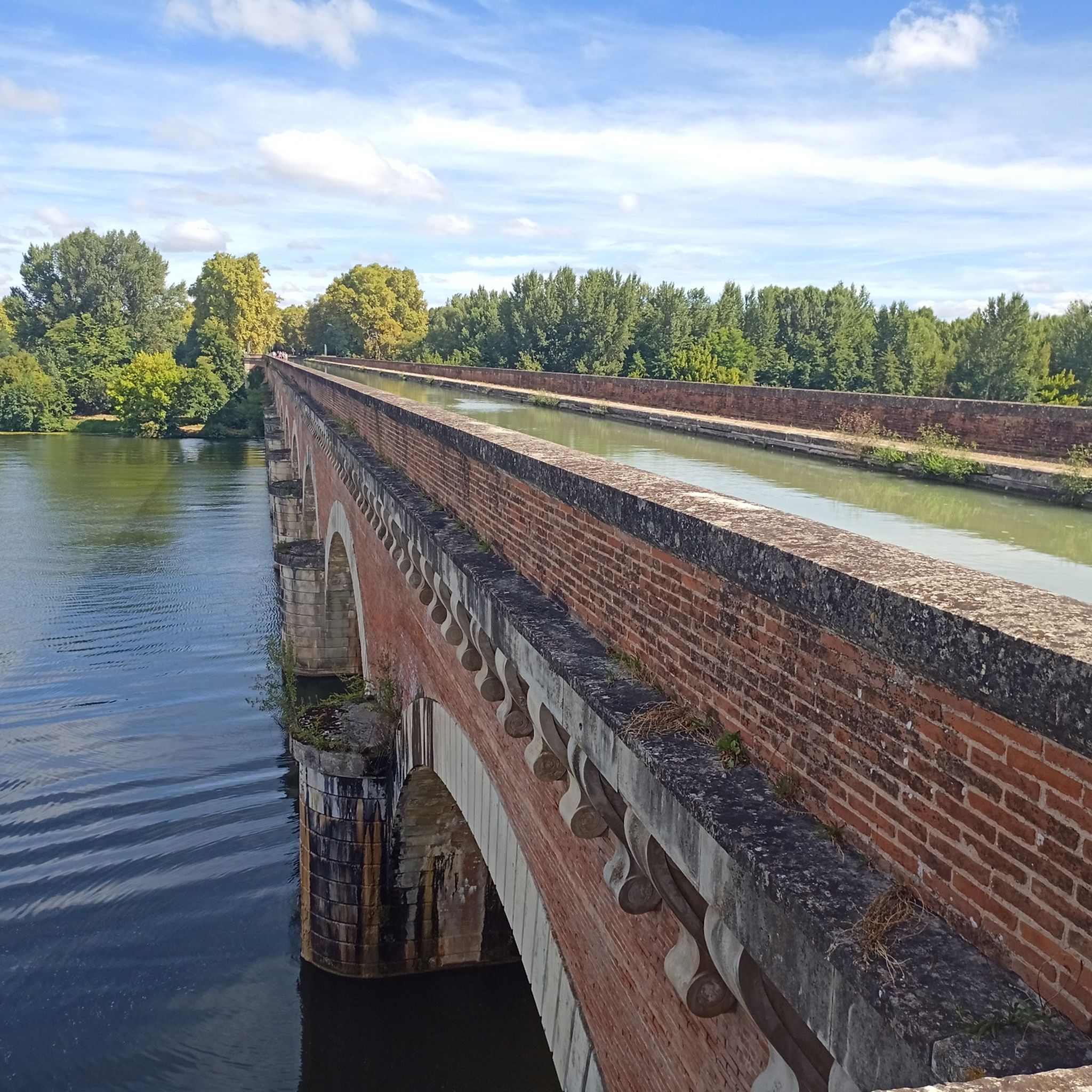
Cacor Canal Aqueduct in Moissac
Highlight • Bridge
Translated by Google •
Tip by

Moissac
Highlight • Other
Translated by Google •
Tip by

Sign up now to discover places like this
Get recommendations on the best single tracks, peaks, & plenty of other exciting outdoor places.
Sign up for free
Place des Cornières de Lauzerte
Highlight • Historical Site
Many of …
Translated by Google •
Tip by

Saint Peter's Abbey Church and Cloister
Highlight • Historical Site
Translated by Google •
Tip by

Auvillar Circular Market Hall
Highlight • Monument
Translated by Google •
Tip by

A typical local dovecote
Highlight • Monument
The construction of the 4 pillars is very interesting. The …
Translated by Google •
Tip by
Ancien Carmel de Moissac
Highlight • Religious Site
Surrounded by a park layered with greenery and trees, it is organized around the …
Translated by Google •
Tip by
Napoleon Bridge in Moissac
Highlight • Bridge
It crosses the Tarn 3.5 kilometers before its confluence with the Garonne, at the exit of Moissac on the departmental road D 813, the old …
Translated by Google •
Tip by
Suspension bridge over the Garonne
Highlight • Viewpoint
Translated by Google •
Tip by

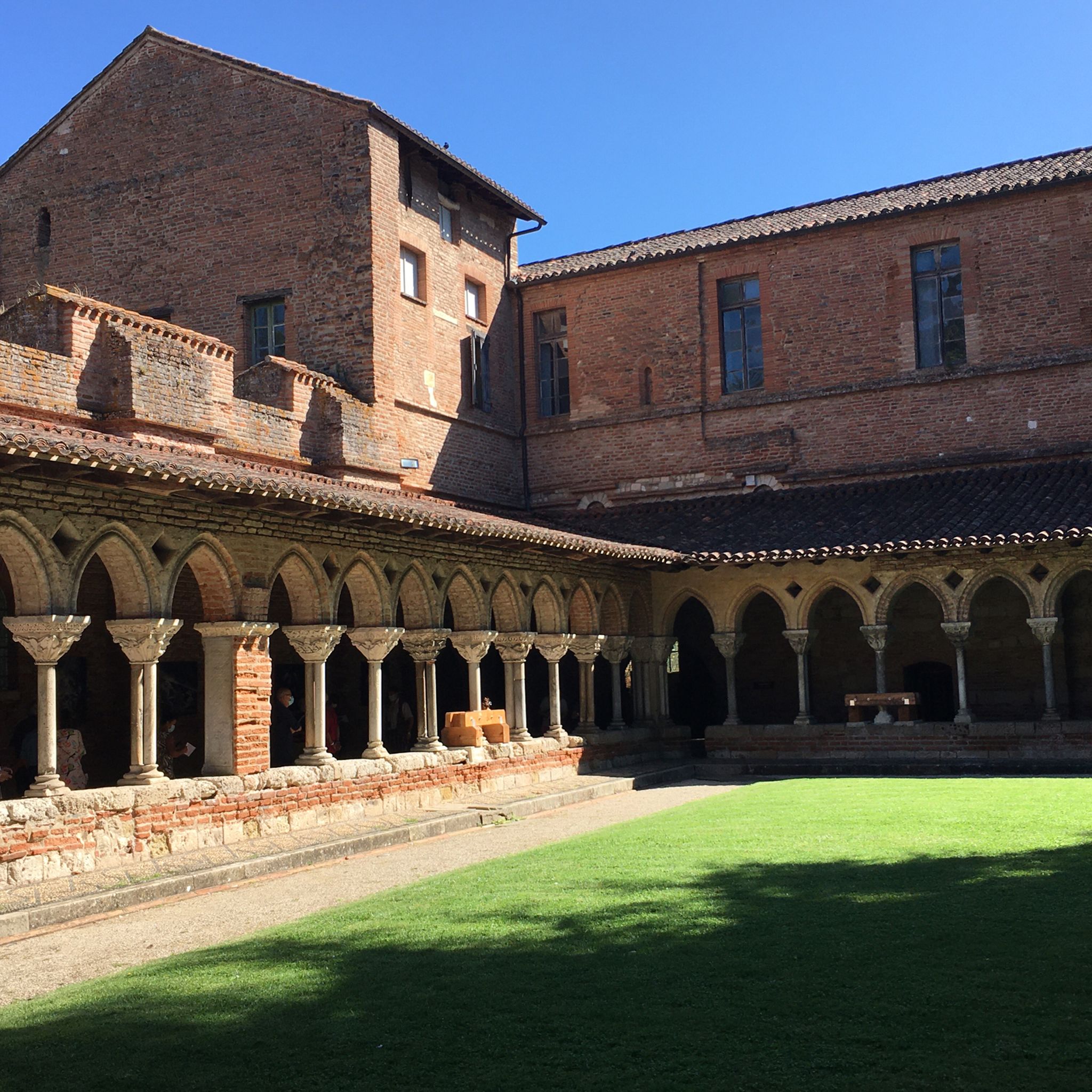
Moissac Abbey and Cloister
Highlight • Religious Site
Translated by Google •
Tip by

Sign up for free to discover even more attractions around Castelsarrasin.
Sign up for free
Already have an account?
Start today with a free account
Your next adventure awaits.
Login or Signup
Popular around Castelsarrasin
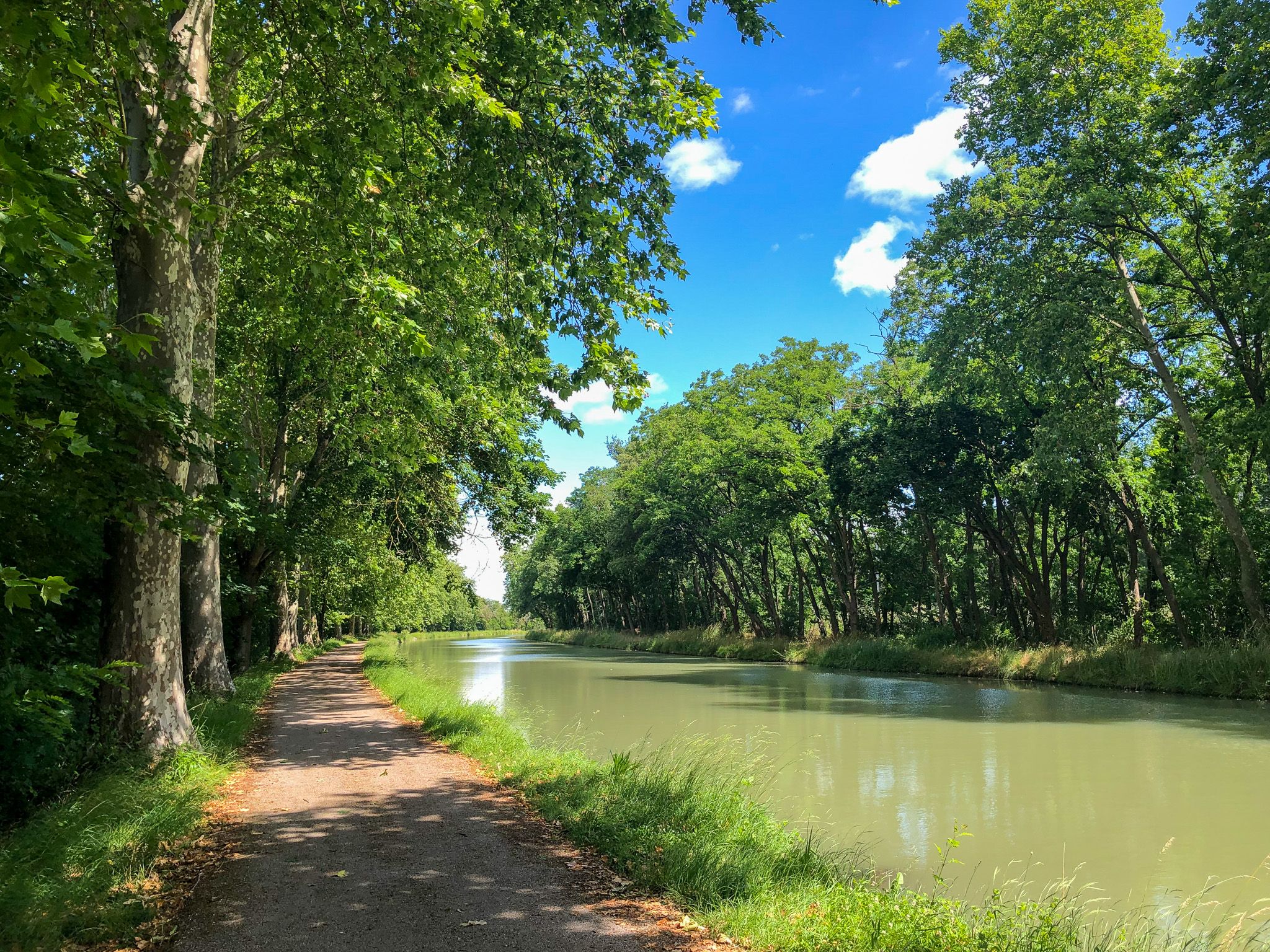
Canal de Garonne – Escape between Agen and Toulouse
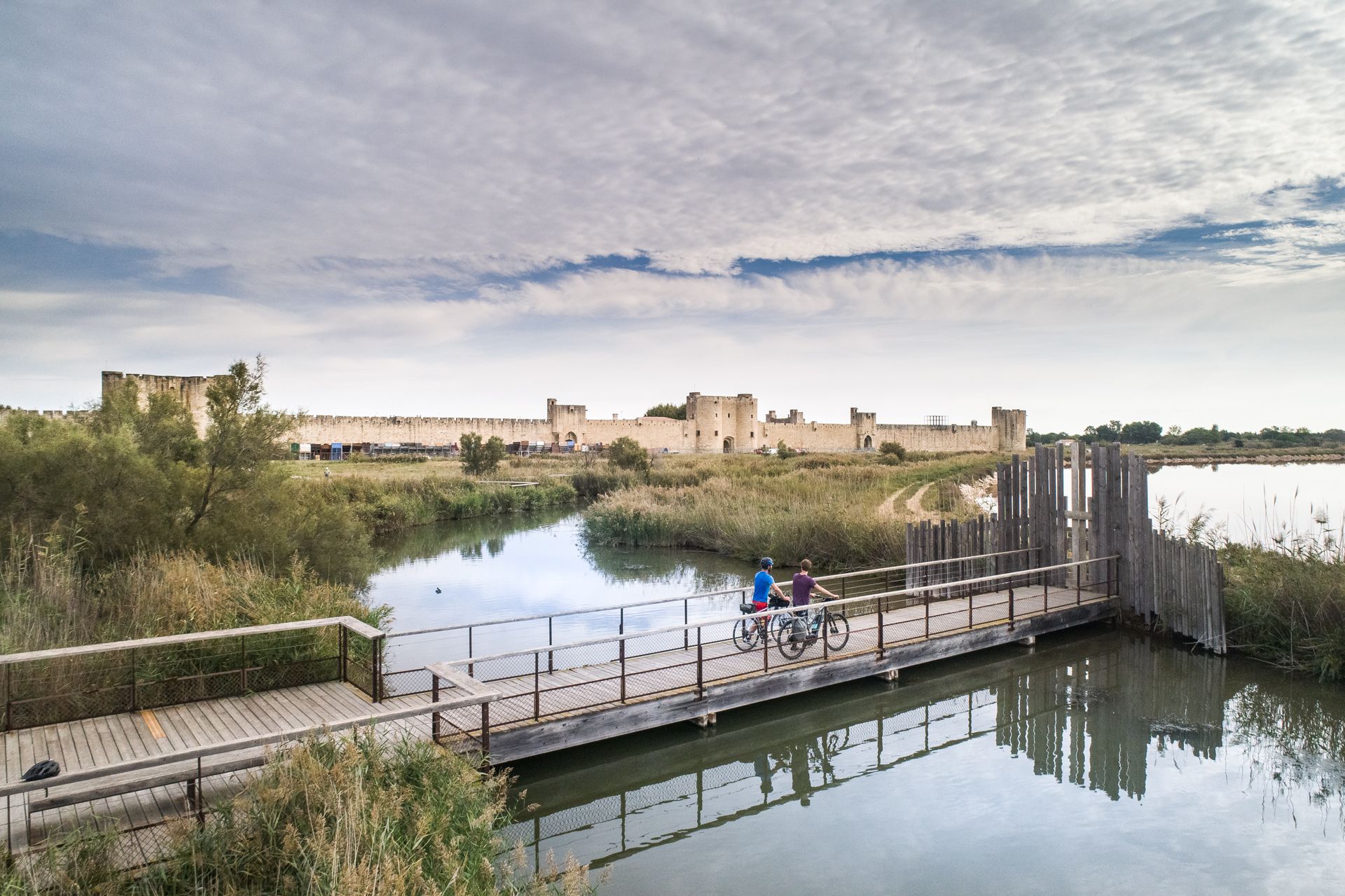
The most beautiful bike rides in Occitanie
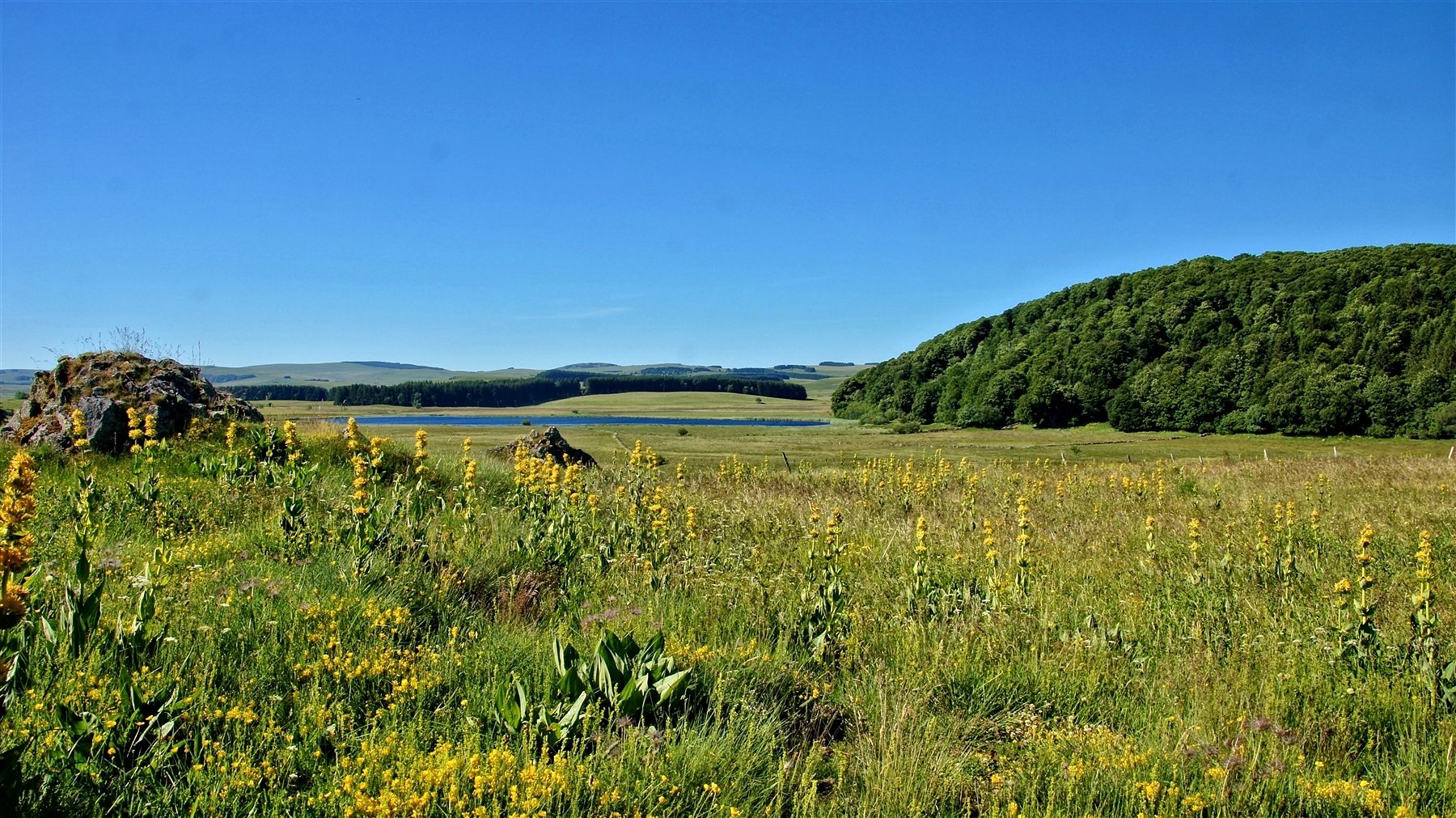
The Way of Saint James – France’s Way of Le Puy
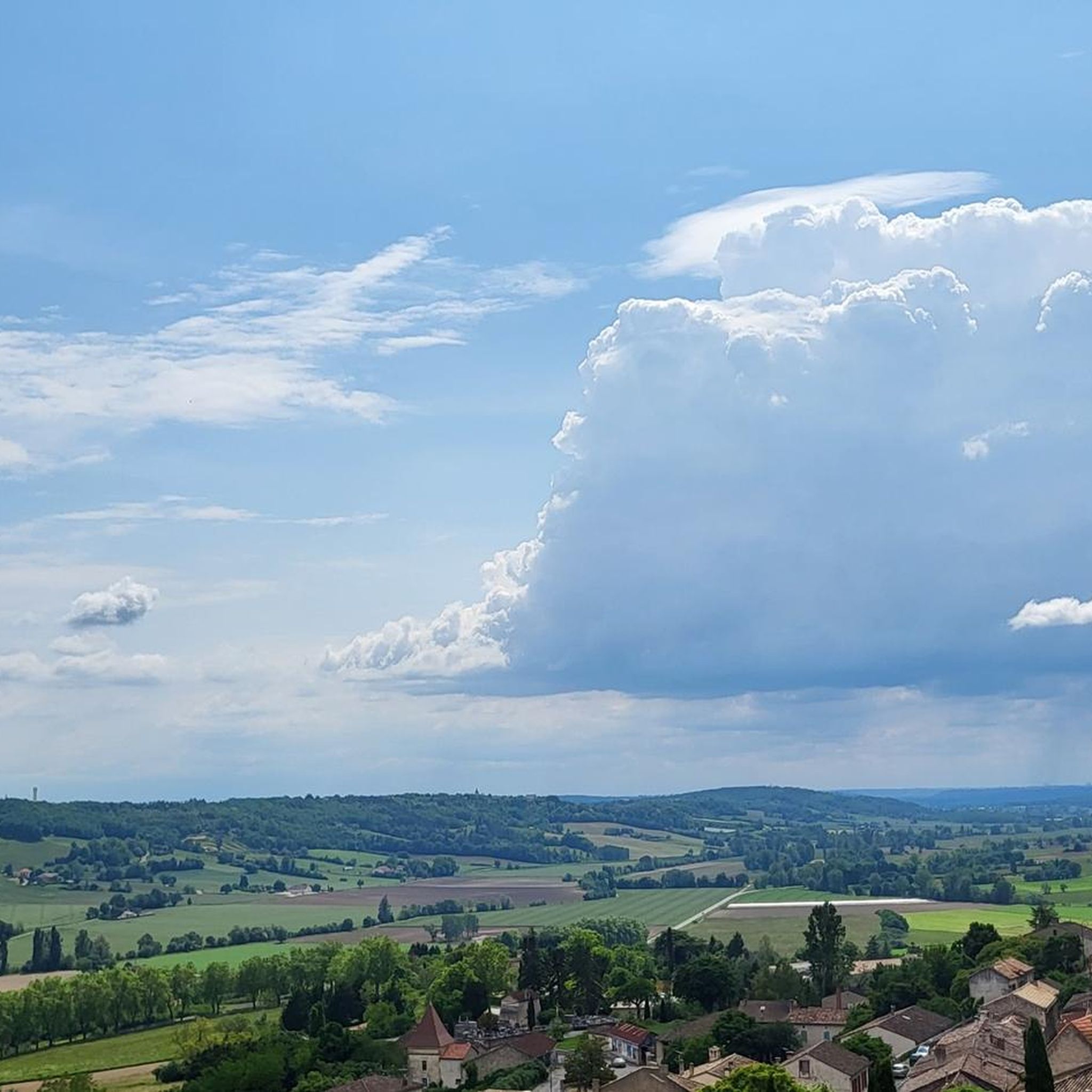
Cycling around Castelsarrasin
Road Cycling Routes around Castelsarrasin
Hiking around Castelsarrasin
Running Trails around Castelsarrasin
MTB Trails around Castelsarrasin

Gravel biking around Castelsarrasin


Tips from the Community

Lauzerte is a magnificent medieval bastide from the 12th century perched on a rocky outcrop. Lauzerte is an essential and mythical stop for pilgrims on the Via Podensis (the path from Le Puy-en-Velay). Founded by the Count of Toulouse, this ancient strategic town has a checkerboard architecture typical of the bastides of the Southwest.
0
0
The abbey and its cloister, the historic center, the Art Deco buildings, the Napoleon bridge, the towpath, and the Cacor canal bridge are must-sees. Everything can be easily discovered on foot. Moissac is a major stop on the Camino de Santiago thanks to its exceptional heritage, particularly its abbey, a UNESCO World Heritage site. Its Romanesque cloister and sculpted tympanum make it an emblematic place for pilgrims from all over the world.
0
0
The Old Carmel of Moissac, overlooking the Saint-Pierre abbey, was built between 1857 and 1858 on the initiative of the "ladies of Praslin", wealthy benefactresses. It is a major stop for pilgrims on the Way of Saint James of Compostela (via Podiensis). The architecture of the Old Carmel of Moissac perfectly reflects the spirit of poverty, contemplation, and self-sufficient life characteristic of the Carmelite order in the 19th century. Cloister with raised dormitories, open south gallery, enclosure, predominance of limestone, cut stones, stepped church, stained glass from three periods, including three signed ones from the 20th century.
0
0
Abbey founded in the mid-7th century. After its affiliation with Cluny in 1047, the abbey was consecrated in 1063. Cloister built at the end of the 11th century (high altar consecrated by Urban II), portal completed between 1115 and 1135, fortifications and cloister arcades in the 13th century. After the troubles of the Hundred Years' War and the plundering due to the Wars of Religion, the abbey passed into commendam in the 17th century. After the Revolution, the abbey was bought back as national property and saved by the town hall secretary. The church was returned to worship in 1801 and was restored at the initiative of Viollet-le-Duc in 1847. In 1856, the conventual buildings located on the site of the seminary were destroyed and divided into plots for sale. The purchase of the plots allowed for the construction of the minor seminary and a chapel between 1860 and 1865. The seminary is built on medieval remains of the abbey, particularly the cistern and the Hall of the Dead, which retains painted decoration from the 14th century.
0
0
Abbey founded in the mid-7th century. After its affiliation with Cluny in 1047, the abbey was consecrated in 1063. Cloister built at the end of the 11th century (high altar consecrated by Urban II), portal completed between 1115 and 1135, fortifications and cloister arcades in the 13th century. After the troubles of the Hundred Years' War and the looting due to the Wars of Religion, the abbey came under commendatory abbots in the 17th century. After the Revolution, the abbey was bought back as national property and saved by the town hall secretary. The church was returned to worship in 1801 and was restored at the initiative of Viollet-le-Duc in 1847. In 1856, the conventual buildings located on the site of the seminary were destroyed and divided for sale. The repurchase of the plots allowed for the construction of the minor seminary and a chapel between 1860 and 1865. The seminary is built on medieval remains of the abbey, particularly the cistern and the Hall of the Dead, which retains painted decoration from the 14th century.
0
0
On July 29, 1808, Napoleon I arrived in Moissac, crossing the Tarn on a pontoon bridge. Since the Wars of Religion and floods, previous structures had been destroyed, and the perilous crossing was done by ferry. Work began quickly but ceased with the fall of the First Empire (1814). It resumed in 1820, leading to the inauguration of the Marie-Thérèse bridge on December 19, 1824. It was named in honor of the Dauphine, daughter of Louis XVI and Marie Antoinette, who is said to have laid the keystone of the bridge. It finally became the "Pont Napoléon" in 1859, after Napoleon III's visit to Moissac.
0
0

Are you a fan of bridges? No? It doesn't matter, go see it anyway, it's very beautiful.
0
0

The Abbey of Moissac is a UNESCO World Heritage Site, great frescoes in the entrance portal and a unique cloister with many biblical scenes and saints' stories in the capitals
0
0
Frequently Asked Questions
What historical sites can I explore in Castelsarrasin?
Castelsarrasin boasts a rich history with several notable sites. You can visit the Saint-Sauveur Church, an example of early Gothic architecture, or the Saint-Jean Church, rebuilt in the 16th century. Don't miss the Maison d'Espagne with its distinctive corner turret, and remnants of the 14th-century ramparts, offering a glimpse into the town's past as a fortified city. The town center also features beautiful historic houses like the Renaissance House.
Are there any unique architectural sites or engineering marvels to see?
Absolutely. Beyond the historic churches, Castelsarrasin features the elegant Cacor Canal Bridge, an impressive structure where the Canal de Garonne crosses the Tarn river. The Eiffel Footbridge, built by Maison Eiffel, also offers an elegant metal structure facilitating crossings along the Garonne canal. You can also admire the beautiful clock on the Hôtel de Ville (Town Hall).
What natural features and outdoor activities are available around Castelsarrasin?
The town is traversed by the Garonne Canal, offering opportunities for river tourism from the Port Jacques-Yves Cousteau, where you can rent boats or enjoy cruises. The canal is also part of the Vélo Voie Verte (V80), ideal for cycling. For a relaxing stroll, visit Parc de Clairefont, a 7-hectare green space with children's games and a sports course. The region is also drained by the Garonne and Tarn rivers, with nearby lakes like Fourrières offering fishing opportunities.
Are there family-friendly attractions or activities in the area?
Yes, Castelsarrasin offers several family-friendly options. Parc de Clairefont is perfect for family strolls with games for children. The town has also implemented fun treasure hunts and RandoLand walks to explore its heritage. For cycling enthusiasts, the Garonne Canal's Vélo Voie Verte (V80) is suitable for all ages, and the Bike Park Castel-Sarrasin provides dedicated facilities.
What cultural experiences can I find in Castelsarrasin?
Castelsarrasin offers vibrant cultural experiences. The Maison d'Espagne (Espace Firmin Bouisset) serves as a cultural hub, hosting various exhibitions and programming. Don't miss the lively local markets, especially the Thursday morning market for regional flavors, and the famous 'fat market' from November to March for unique specialties. The town also provides tourist and heritage circuits with interpretation panels to discover its history.
Are there any notable villages or towns to visit near Castelsarrasin?
Yes, Castelsarrasin is an excellent base for exploring charming nearby villages. Just 8 km away, Moissac is home to the UNESCO World Heritage Saint Peter's Abbey Church and Cloister, a masterpiece of Romanesque art. You can also visit villages classified among 'The Most Beautiful Villages in France,' such as Auvillar (17 km away), known for its unusual Auvillar Circular Market Hall, and Lauzerte (24 km away), an elevated village with a beautiful square.
What outdoor activities, like hiking or cycling, can I do near these attractions?
The area around Castelsarrasin is excellent for outdoor activities. You can find numerous routes for both hiking and cycling. For cycling, explore the road cycling routes, including loops between the canal and river. If you prefer hiking, there are various hiking trails, from moderate to difficult, and even easy hikes suitable for a relaxed day out, such as the Auvillar loop or the Cacor Canal Bridge loop.
How can I explore the town's heritage and history?
Castelsarrasin makes it easy to delve into its past. The town has developed tourist and heritage circuits with interpretation panels placed throughout the city center and along the canal. These panels detail the history and transformations of various sites, allowing for a self-guided discovery of landmarks like the Vestiges of the Ramparts and historic houses.
What do visitors enjoy most about the attractions around Castelsarrasin?
Visitors particularly appreciate the blend of historical depth and natural beauty. The Saint Peter's Abbey Church and Cloister in Moissac is highly praised as a masterpiece of Romanesque art. The charming market squares, like Place des Cornières de Lauzerte, and the engineering marvels such as the Cacor Canal Bridge, also receive high acclaim for their beauty and historical significance.
Are there any unique local sights or hidden gems to discover?
Beyond the main attractions, keep an eye out for unique local sights. The region is known for its traditional dovecotes, and you might spot a very well-preserved example like A typical local dovecote, showcasing interesting architecture designed to protect pigeons. Exploring the typical medieval streets of discretion and solitude in the town center can also reveal charming, less-traveled spots.
Is there a good place for cycling or mountain biking in Castelsarrasin?
Yes, Castelsarrasin is well-suited for cycling. The Garonne Canal offers a flat and scenic path as part of the Vélo Voie Verte (V80), perfect for leisurely rides. For those seeking more dedicated facilities, the Bike Park Castel-Sarrasin provides a specific area for mountain biking and cycling enthusiasts. You can also find various road cycling routes in the surrounding area.
Most popular routes around Castelsarrasin

Get inspired with the komoot mobile app


Didn’t find what you were looking for?
Are you keen on exploring more awesome places nearby? Browse our guides:
Explore more
Still not found the Highlight you’re looking for? See guides of the top attractions in other regions:
