Attractions and Places To See around Lille - Top 20
Best attractions and places to see around Lille offer a blend of French and Flemish influences, featuring historic landmarks, expansive green spaces, and cultural sites. The city provides a diverse array of attractions, from its central squares to its natural parks. Visitors can explore a variety of environments, including urban historical sites and tranquil green spaces. Lille is a region where many hidden gems are waiting to be explored.
Best attractions and places to see around Lille
- The most popular attractions is Canteraine Park, a man_made_park that is known for its preserved meadows and small forests. This park is part of the larger Deule Park and is home to diverse flora and fauna.
- Another must-see spot is Port of Wambrechies, a river area with facilities and family-friendly options. It is a quiet and peaceful place close to the church, the castle of Robersart, and the distillery.
- Visitors also love Roubaix Velodrome, a man_made_monument and historical site. This open cycle track has a long history and is the destination of the Paris-Roubaix cycling race.
- Lille is known for its historical sites, parks, and cycle ways. The region offers a variety of attractions to see and explore, from urban monuments to natural landscapes.
- The attractions around Lille are appreciated by the komoot community. With more than 767 upvotes and 42 photos, there are many places to see and explore.
Last updated: October 9, 2026
Port of Wambrechies
Highlight • River
Translated by Google •
Tip by

Roubaix Velodrome
Highlight • Monument
Translated by Google •
Tip by

Sign up now to discover places like this
Get recommendations on the best single tracks, peaks, & plenty of other exciting outdoor places.
Belgium–France Border on the Canal de Roubaix
Highlight • Monument
Translated by Google •
Tip by

Canteraine Park
Highlight • Other
Translated by Google •
Tip by
Old Stock Exchange of Lille
Highlight • Historical Site
The tower features a gold-colored Mercury (the god of trade) and the facade looks rich due to the combination of red brick with white natural stone, lavishly decorated with fruit, horns of plenty, medallions and other ornaments.
It is a successful calling card of (Baroque) Flemish architecture in the 17th century.
Translated by Google •
Tip by

General de Gaulle Square
Highlight • Settlement
Translated by Google •
Tip by
Australian Memorial Park Fromelles
Highlight • Monument
Translated by Google •
Tip by
Carrefour de l'Arbre cobbled sector
Highlight (Segment) • Cycleway
The first 200 meters are really difficult with a succession of 3 fairly technical turns, be very careful if the cobblestones are wet! The rest is no less difficult with very brittle cobblestones and a heavily curved road, it is quite difficult to stay on the central axis.
This area fully deserves its 5 stars!
Translated by Google •
Tip by

Napoleon Bridge
Highlight • Bridge
Translated by Google •
Tip by

La Marque Canal Towpath
Highlight • Cycleway
Translated by Google •
Tip by

Sign up for free to discover even more attractions around Lille.
Already have an account?
Start today with a free account
Your next adventure awaits.
Popular around Lille
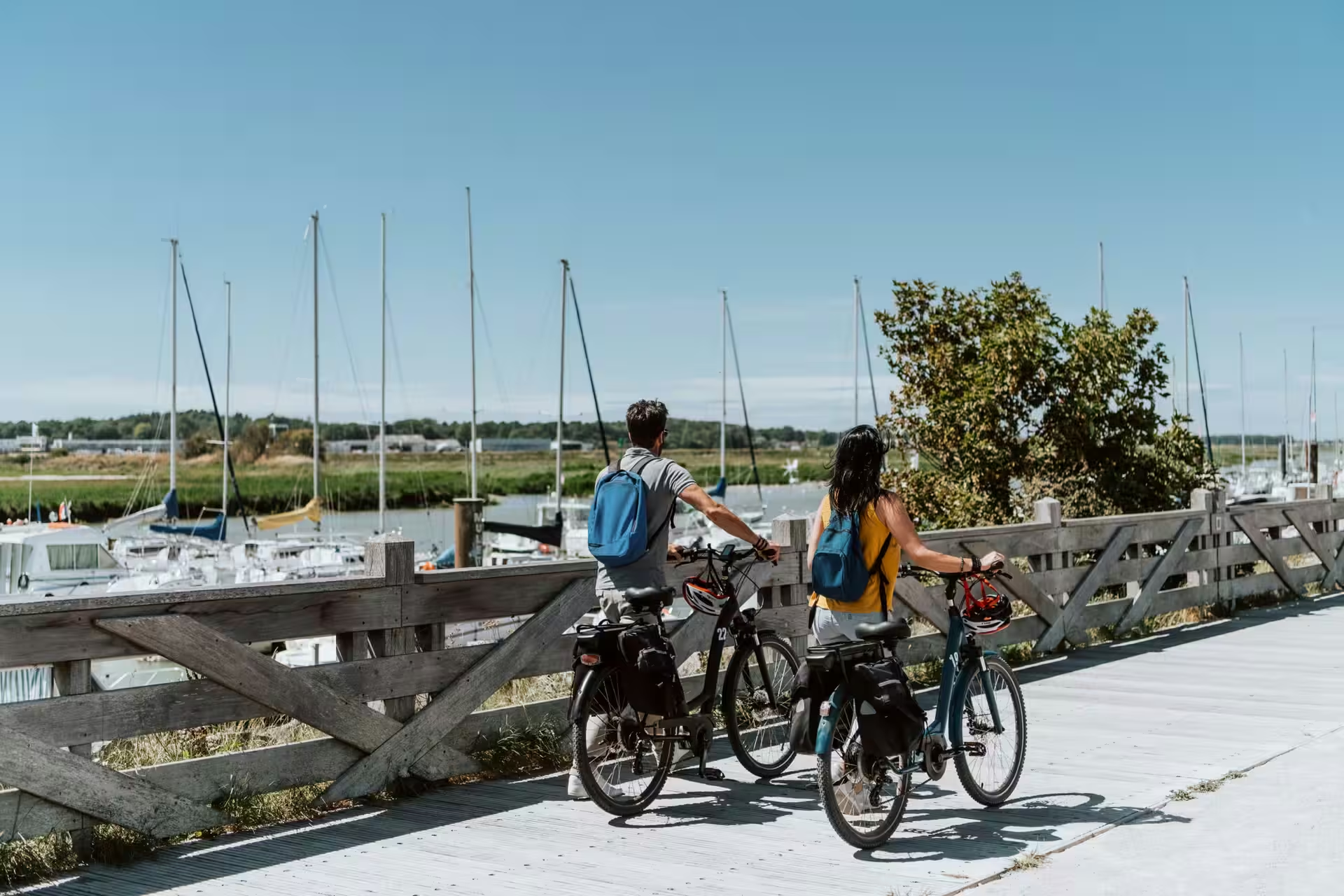
Routes in Hauts-de-France for cycling enthusiasts
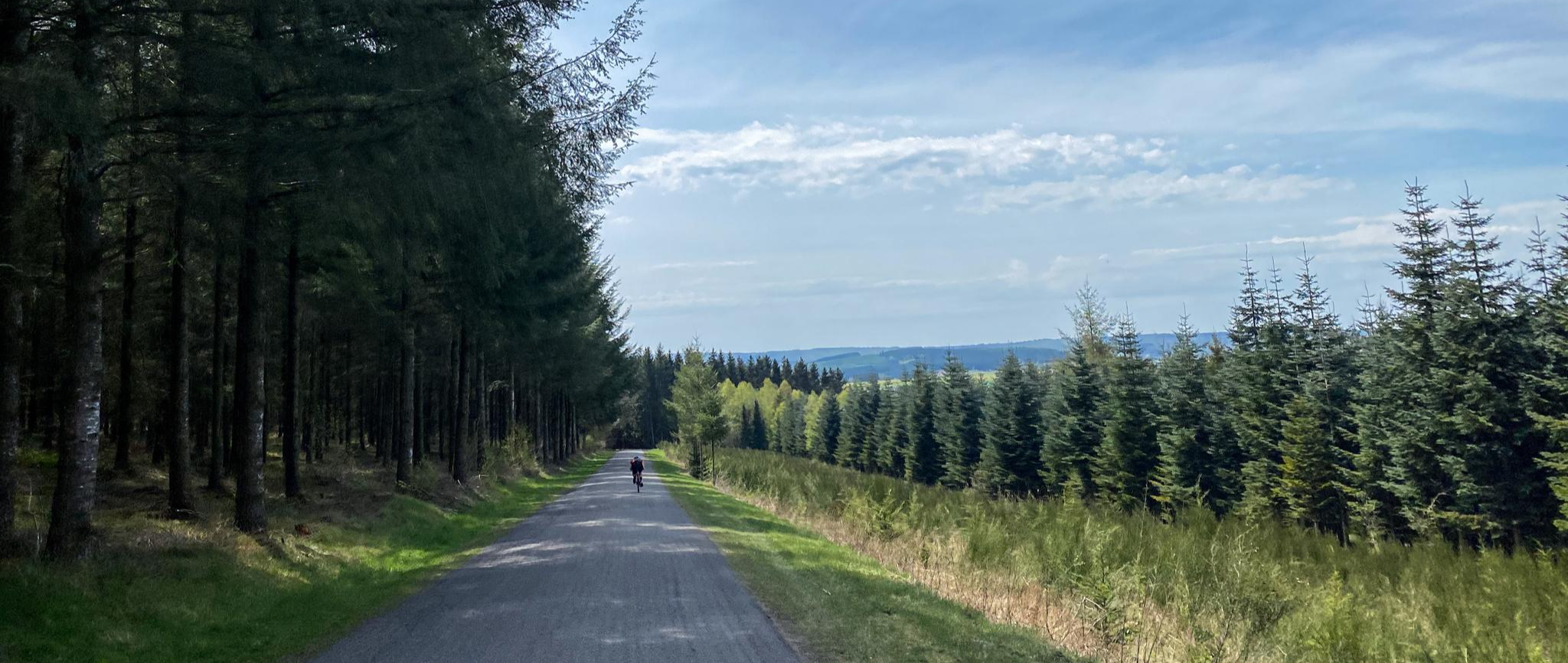
From Picardie to the Ardennes — Crossing Wallonia by Bike
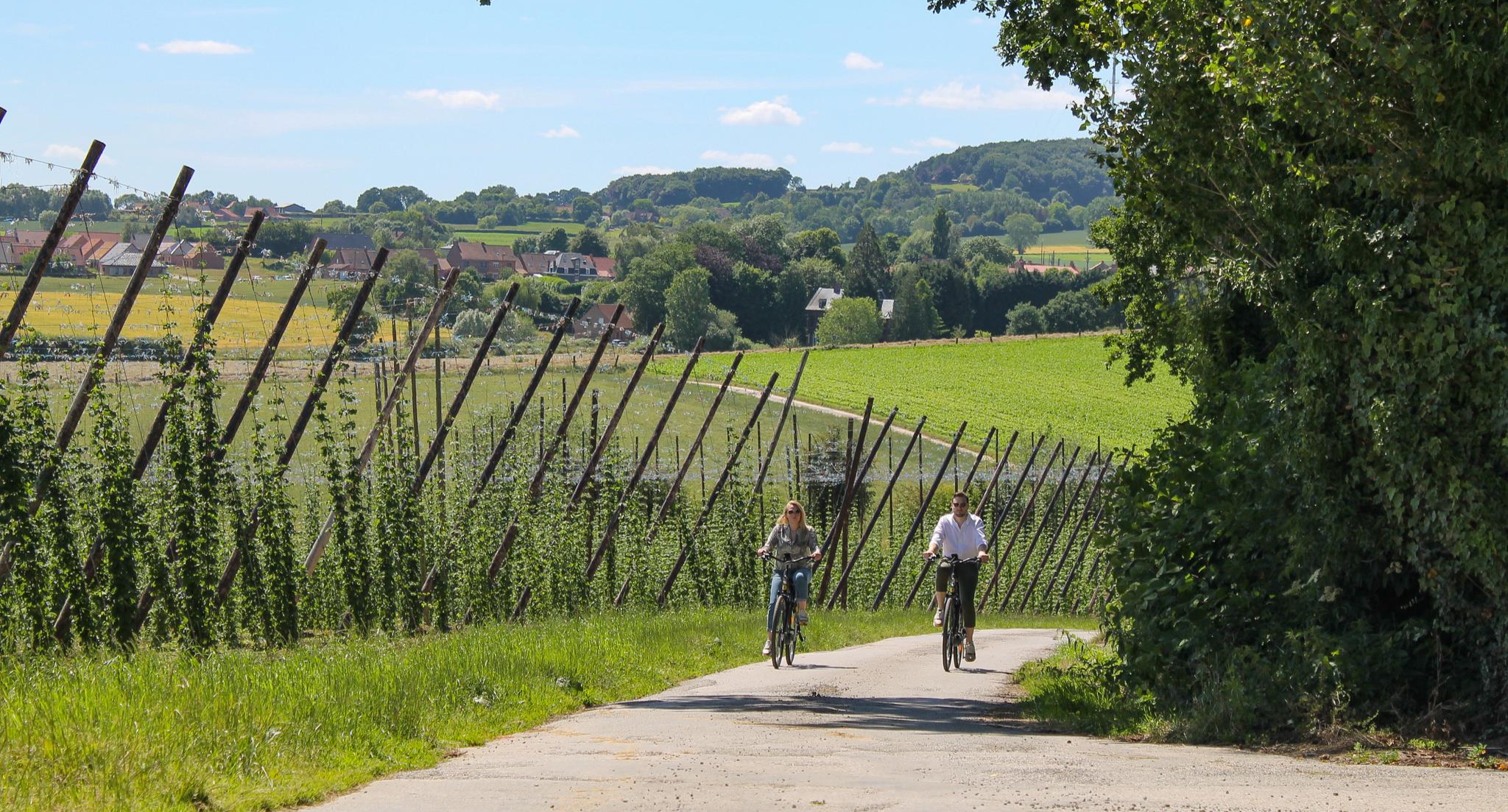
Flanders, Land of Cycling – Hills, Cobblestones and Estaminets
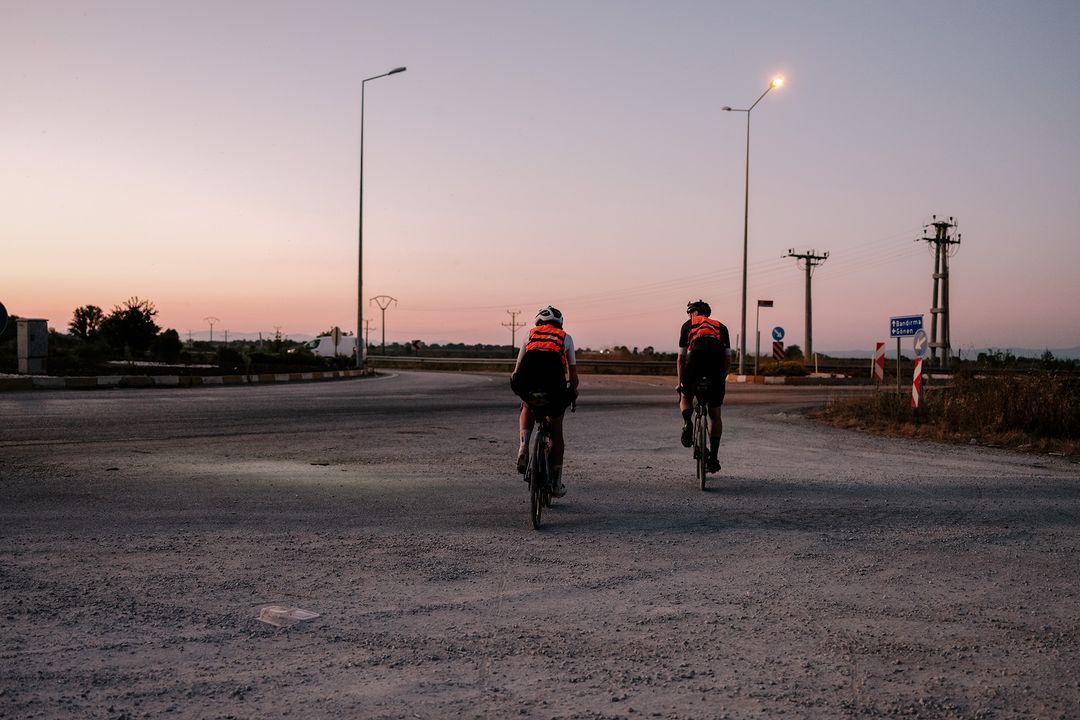
Transcontinental Race No10: crossing Europe from France to Turkey
Cycling from Bethuné to Brussels – Eurovelo 5
The best of Flanders — the Flanders Route
Flanders by bike: Cycling through nature
Hiking around Lille
Running Trails around Lille
Cycling around Lille
Other adventures around Lille


Tips from the Community

The battle of Fromelles on 19 July 1916 was a bloody initiation for Australian soldiers to warfare on the Western Front. Soldiers of the newly arrived 5th Australian Division, together with the British 61st Division, were ordered to attack strongly fortified German front line positions near the Aubers Ridge in French Flanders. The attack was intended as a feint to hold German reserves from moving south to the Somme where a large Allied offensive had begun on 1 July. The feint was a disastrous failure. Australian and British soldiers assaulted over open ground in broad daylight and under direct observation and heavy fire from the German lines. Over 5,500 Australians became casualties. Almost 2,000 of them were killed in action or died of wounds and some 400 were captured. This is believed to be the greatest loss by a single division in 24 hours during the entire First World War. Some consider Fromelles the most tragic event in Australia’s history. https://www.awm.gov.au/articles/encyclopedia/fromelles
0
0

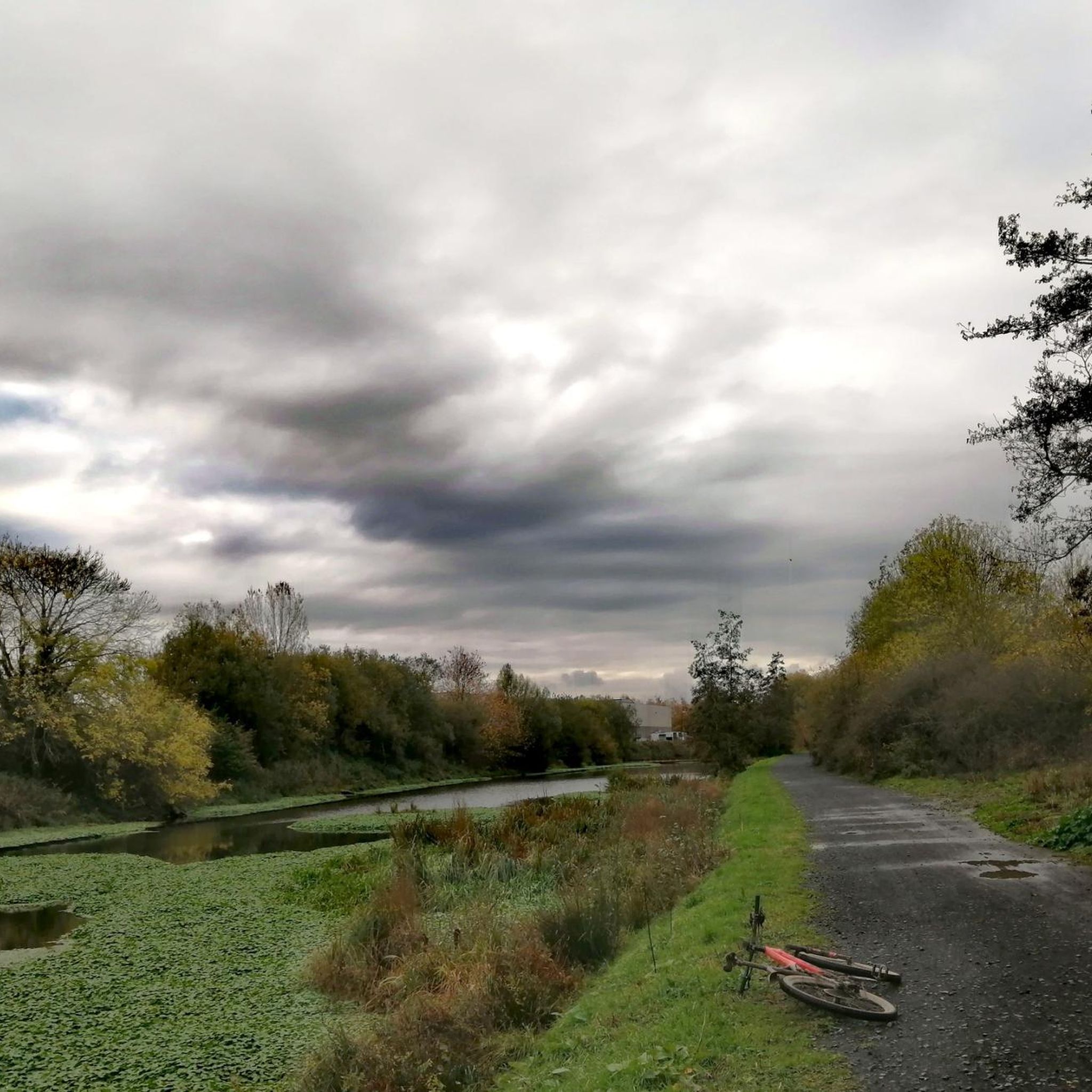
The Roubaix Canal, or the Espierres Canal, as it's called in French or Belgian, forms part of the link between the Deûle River in France and the Scheldt River in Belgium. In 1843, the two canals were connected between Leers, France, and Leers-Nord, Belgium. Despite damage sustained during the two world wars, the canal was the pinnacle of the region's textile industry for over a hundred years, transporting coal from Belgium to numerous French factories. In Leers-Nord, Belgium, the workers who pulled the coal-laden barges were called "satcheux" (sailors). Next to the lock keeper's house, a stone's throw from France, the crossing point between France and Belgium, a customs guardhouse was built. Customs officers were present to inspect the numerous goods transported by barge. After the decline of the textile industry in the 1970s and 1980s, the canal gradually lost its usefulness and was closed to shipping in 1983. In the early 2000s, the canal was the subject of a cross-border rehabilitation project to allow tourist boats to pass through again. As part of the Interreg Blue Links project, a collaboration between France, Flanders, and Wallonia, it was flooded again. The final works were completed in 2011, and navigation reopened. Since the early 20th century, the Roubaix/Espierres Canal has been a place of conviviality, walking, and fishing for cross-border residents and commuters. Consequently, strong public opposition has arisen to the plan to convert the canal into a motorway. Source: www.caue-nord.com
3
0
Although the Napoleon Bridge has a long history, the current bridge only dates from 2014! That year, as part of the overall redevelopment of the Citadel Park, the Napoleon Bridge was rebuilt. This was based on the design created by Philippe Canissié in 1849, after the original bridge had become significantly outdated (including the roof's need for renovation). During the 2014 project, new sphinxes and concrete abutments covered with the original stones and sculptures were added. The first version of the bridge was built in 1809, and inscribed with the names of French victories in the Napoleonic battles. The bridge was destroyed in both the First and Second World Wars.
4
0


Super nice, and go inside the courtyard, you have old book sellers there.
2
0

For real men, very tough, on the 30 lane route from Troisvilles 170 km
1
0

Very rolling, doable by mountain bike.
3
0
Frequently Asked Questions
Are there family-friendly attractions around Lille?
Yes, Lille offers several family-friendly options. The Port of Wambrechies is a peaceful river area with facilities, perfect for families. Canteraine Park, part of the larger Deule Park, is known for its preserved meadows and small forests, ideal for walks and exploring nature. The Citadel Park (Parc de la Citadelle) is also a vast green space with a zoo and boat rentals. Many historical sites like the Old Stock Exchange of Lille and the Australian Memorial Park Fromelles are also suitable for families.
What historical sites and landmarks can I visit in Lille?
Lille is rich in history. The General de Gaulle Square (Grand Place) is the historic heart of the city, surrounded by impressive Flemish-Baroque buildings, including the beautiful Old Stock Exchange of Lille. Other significant landmarks include the Lille Town Hall and its UNESCO World Heritage Belfry, the unique Notre-Dame de la Treille Cathedral, and the 17th-century Porte de Paris. The Napoleon Bridge is another historical monument near the Citadel.
Where can I find natural features and parks for outdoor activities?
Lille boasts several beautiful green spaces. Canteraine Park is a highlight, offering preserved meadows and small forests within the larger Deule Park. The vast Citadel Park is Lille's largest natural park, perfect for walking, jogging, and cycling, and features a zoo. Other notable gardens include Jardin Vauban, Jardin des Géants, and Jardin des Plantes. For those willing to venture further, natural areas like the Lovenhoek Nature Reserve are accessible.
Are there good cycling routes and attractions for cyclists?
Absolutely! Lille is a great region for cycling. The Roubaix Velodrome is a historic site and the famous destination of the Paris-Roubaix cycling race. You can also experience challenging sections like the Carrefour de l'Arbre cobbled sector or The cobbles at Vertain Mill, both legendary parts of the Paris-Roubaix route. For more general cycling, the Belgium–France Border on the Canal de Roubaix offers a pleasant cycle path. You can find various road cycling routes, including the challenging Paris-Roubaix Challenge Loop, on the Road Cycling Routes around Lille guide.
What cultural sites and museums are worth visiting in Lille?
Lille offers a rich cultural scene. The Palais des Beaux-Arts de Lille is one of France's largest fine arts museums, housing extensive collections. The Hospice Comtesse Museum, set in a 13th-century hospital, displays artifacts from Lille's past. Just outside Lille, in Roubaix, you'll find La Piscine Museum, a stunning Art Deco swimming pool transformed into a museum of applied arts. The Birthplace of Charles de Gaulle is also a museum dedicated to the former French president's life.
Are there any wheelchair-accessible attractions in Lille?
Yes, several areas in Lille are accessible. The General de Gaulle Square (Grand Place) is generally wheelchair-friendly, allowing visitors to enjoy the central square and its surrounding architecture. Many modern public spaces and museums are also designed with accessibility in mind. It's always recommended to check specific venue websites for detailed accessibility information.
What are the best day trips from Lille?
Lille serves as an excellent base for day trips. You can easily visit nearby cities like Roubaix to see La Piscine Museum and the Art Deco Villa Cavrois, or Arras for its historic Grand Place and WWI history. Lens, home to the Louvre-Lens Museum, is also a popular choice. For an international experience, you can cross the border to explore cities like Ypres or Bruges in Belgium.
When is the best time to visit Lille and its attractions?
The best time to visit Lille depends on your interests. Spring and autumn offer pleasant weather for exploring the city and its parks. If you're interested in unique events, the Braderie de Lille, one of Europe's largest street markets, typically takes place the first weekend of September. For a festive atmosphere, the Lille Christmas Market runs from mid-November to the end of December.
What do visitors enjoy most about the attractions around Lille?
Visitors particularly appreciate the blend of history and nature. Many enjoy the quiet and peaceful atmosphere of places like the Port of Wambrechies, often stopping for a drink at La Ginguette. The preserved meadows and small forests of Canteraine Park are highly rated for walking and cycling. Cyclists are drawn to the historical significance of the Roubaix Velodrome and the challenging cobbled sectors.
Are there easy walking trails near Lille?
Yes, there are several easy walking trails suitable for a relaxed outing. For example, the 'Parc de la deule — loop from Houplin-Ancoisne' and 'La citadelle de Lille — loop from parking Liberté' are both rated as easy. You can find more options in the Easy hikes around Lille guide, which includes routes like 'Les Ansereuilles Loop' and 'Lille Opera – Column of the Goddess loop'.
How can I experience Lille's unique Flemish influence?
Lille's Flemish heritage is evident throughout the city. Explore Old Lille (Vieux-Lille) with its distinctive Flemish architecture, cobblestone streets, and picturesque squares. The Grand Place is surrounded by impressive Flemish-Baroque buildings, including the magnificent Old Stock Exchange. The local cuisine and vibrant markets like Wazemmes also reflect this rich cultural blend.
Are there dog-friendly places to visit around Lille?
Many of Lille's extensive parks and green spaces are dog-friendly, making them ideal for walks with your canine companion. The vast Citadel Park (Parc de la Citadelle) and Canteraine Park are popular choices for dog owners, offering plenty of space for exercise. Always ensure your dog is on a leash where required and respect local regulations regarding pets in public areas.
What are some hidden gems or unique spots for nature lovers near Lille?
Beyond the well-known parks, nature lovers can explore some unique spots. The preserved meadows and small forests of Canteraine Park, part of the larger Deule Park, are home to diverse flora and fauna, including seven different species of amphibians. For those willing to travel a bit further, the Lovenhoek Nature Reserve offers diverse habitats, forests, and heathlands, providing a deeper immersion into regional nature.
Most popular routes around Lille
Most popular attractions around Lille

Get inspired with the komoot mobile app


Didn’t find what you were looking for?
Are you keen on exploring more awesome places nearby? Browse our guides:
Explore more
Still not found the Highlight you’re looking for? See guides of the top attractions in other regions:
