Top 5 Castles around Marville-Moutiers-Brûlé
Best castles around Marville-Moutiers-Brûlé are found in the surrounding region, offering a glimpse into local history and architectural heritage. This commune in France is characterized by its rural landscape, featuring green fields and waterways. While Marville-Moutiers-Brûlé itself is a quiet area, the nearby vicinity provides several historical sites for exploration. These castles contribute to the cultural significance of the broader region.
Best castles around Marville-Moutiers-Brûlé
- The most popular castles is Château de Mormoulins, a castle that dates back to…
Last updated: June 29, 2026
Château de Mormoulins
Highlight • Castle
Translated by Google •
Tip by

Nogent-le-Roi Castle
Highlight • Castle
Translated by Google •
Tip by
Sign up now to discover places like this
Get recommendations on the best single tracks, peaks, & plenty of other exciting outdoor places.
Sign up for free
Château d'Abondant
Highlight • Castle
Translated by Google •
Tip by

Remains of Fremont Castle
Highlight • Castle
Translated by Google •
Tip by

Château de Boullay-Thierry
Highlight • Castle
Translated by Google •
Tip by
Start today with a free account
Your next adventure awaits.
Login or Signup



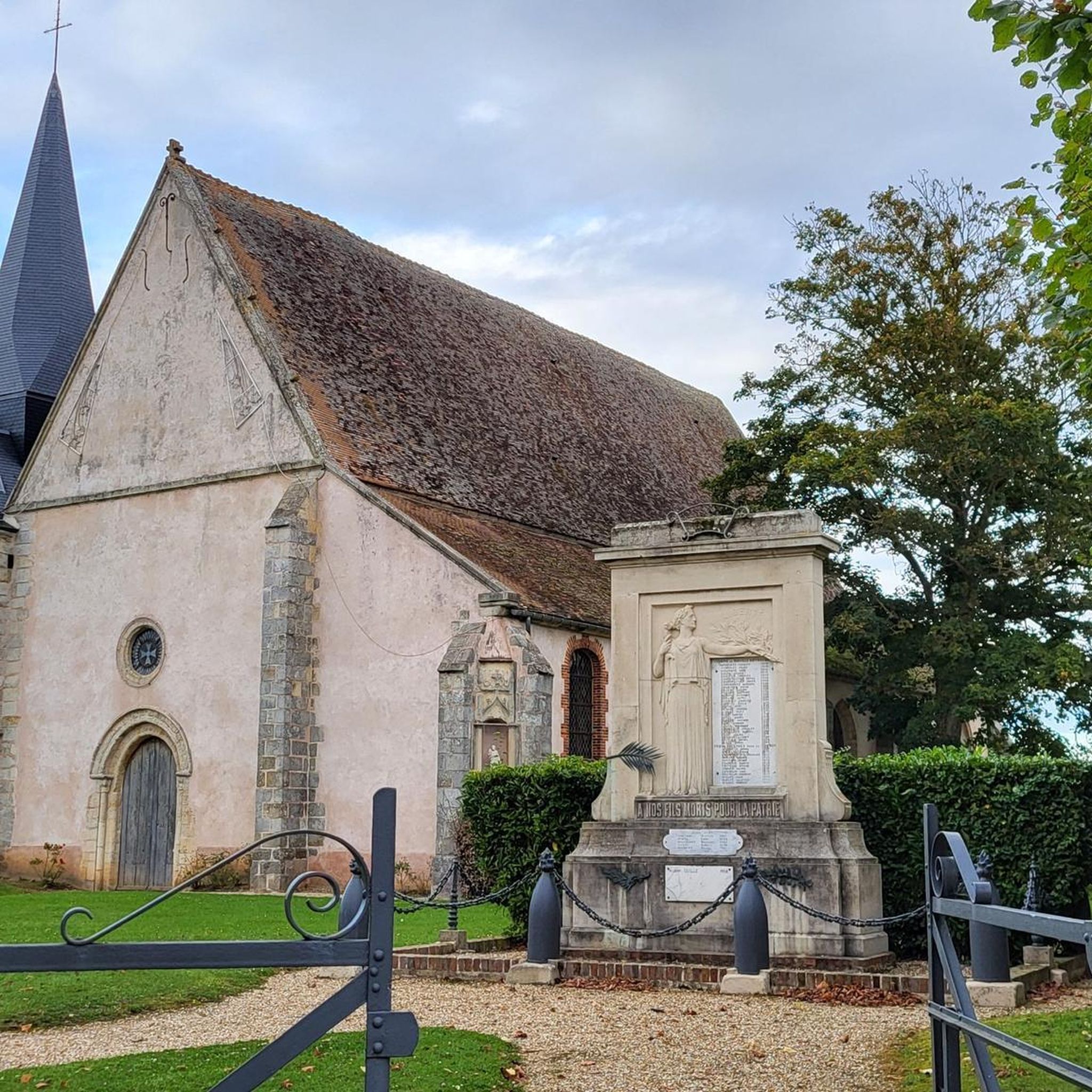
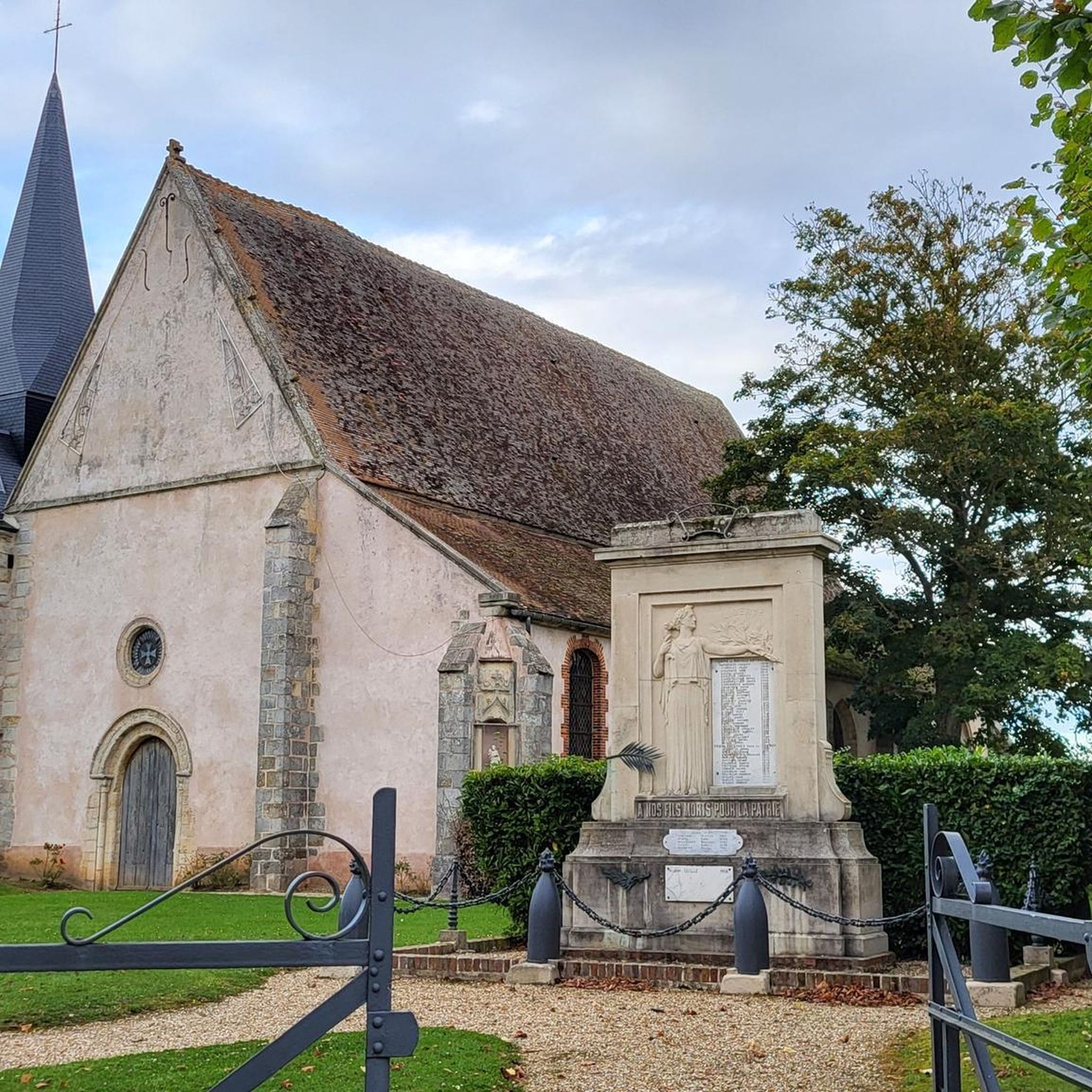

Tips from the Community

The Moulin de Mormoulins is a watermill located on the Eure River in the hamlet of Mormoulins. This mill dates back to the 18th and 19th centuries and is a listed historical monument. You can admire the old stone building, the wooden wheel, and the canal that diverts water from the river as you pass in front of the mill. The mill is surrounded by green fields and trees, creating a peaceful and relaxing atmosphere.
0
0

The castle of Nogent-le-Roi dates from the 15th century and was built by Pierre de Brézé, close advisor to King Charles VII1. You will be able to admire the neo-Louis XIII style of the current building, built in 1863 by Alfred Chapelain, and discover the remains of the medieval fortress, such as the surrounding wall and the two square towers. You can also run in the magnificent park surrounding the castle, where there is an old windmill which was used to pump water during the Second Empire. The park is open to the public every day from 8 a.m. to 8 p.m. and hosts various exhibitions and events throughout the year. The Château de Nogent-le-Roi is an ideal destination for a refreshing and cultural run.
2
0
The castle of Nogent-le-Roi dates from the 15th century and was built by Pierre de Brézé, a close adviser to King Charles VII1. You can admire the neo-Louis XIII style of the current building, built in 1863 by Alfred Chapelain, and discover the remains of the medieval fortress, such as the surrounding wall and the two square towers. You can also enjoy the magnificent park that surrounds the castle, where there is an old windmill that was used to pump water during the Second Empire. The park is open to the public every day from 8 a.m. to 8 p.m. and hosts various exhibitions and events throughout the year. The Château de Nogent-le-Roi is an ideal destination for a relaxing and cultural hike.
2
0

Very nice windmill, especially in good weather!
0
0

Around the 10th century, Mormoulins Castle stood in the middle of the marshes. Access from Chaudon was via a sandstone causeway, the foundations of which still exist. The marshes filled in over the centuries, becoming the meadows bordering the current picturesque Mormoulins road. Legend has it that one of its owners was killed in a duel the day after his wedding, and a son was born nine months later. Another legend claims that a captain of the guards charged with defending the castle was killed along with a hundred men the day before his wedding. In 1774, the Receiver General of Finance of Picardy, brother-in-law of the Pompadour family, purchased it. It was he who had the canals dug, which are still visible today. In 1781, the owner was Mr. Fergeol, from Villers, whose widow sold the castle ruins in 1817 to Mr. du Temple de Chevrigny. Source: mormoulins.fr
2
0
At the beginning of the road, you will see the old remains of the castle. Only the surrounding wall and two towers have survived the times. But take the time to admire these
1
0

Around the 10th century, the Château de Mormoulins stood in the middle of the marshes and was reached from Chaudon by a sandstone path whose foundations still exist. The marshes were filled in over the centuries to become meadows. In 1774, the Receiver General of Finance of Picardy, brother-in-law of Pompadour, acquired it. It was he who dug the canals still visible today. In 1781, the owner was Mr. Fergeol de Villers, whose widow ceded the ruins of the castle in 1817 to Mr. du Temple de Chevrigny. At that time, what remained of the castle was undermined by annual floods, and Mr. du Temple de Chevrigny had to resign himself to razing the whole place, which is when the current castle was built... It is now apparently the holiday resort of the town of Saint-Ouen.
1
0
Frequently Asked Questions
What kind of castles can I expect to find around Marville-Moutiers-Brûlé?
The castles in the vicinity of Marville-Moutiers-Brûlé offer a mix of historical periods, from medieval origins to later architectural styles. While the commune itself is rural, the surrounding area features sites like Château de Mormoulins, which has roots in the 10th century, and Nogent-le-Roi Castle, showcasing neo-Louis XIII architecture alongside medieval remains.
Are there any publicly accessible castles directly within Marville-Moutiers-Brûlé?
Marville-Moutiers-Brûlé is primarily a rural commune. While it has a rich history, including the historical Château d'Imbermais, this particular château is a private property and not open to the public for tours. The castles mentioned in this guide are located in the surrounding region.
Which castles are particularly good for history enthusiasts?
For those interested in history, Nogent-le-Roi Castle is a great choice, as it allows visitors to explore the remains of a medieval fortress, including its surrounding wall and two square towers, alongside a 19th-century building. The Remains of Fremont Castle also offer a direct glimpse into the past with its surviving wall and towers.
Are there family-friendly castles to visit in the area?
Yes, several castles in the region are suitable for families. Nogent-le-Roi Castle is considered family-friendly, offering a park that is open to the public daily. The Remains of Fremont Castle also provide an interesting historical site for all ages to explore.
What outdoor activities can I do near these castles?
The region around Marville-Moutiers-Brûlé offers various outdoor activities. You can find numerous routes for road cycling, mountain biking, and gravel biking. For example, you can explore the 'Château de Mormoulins – Château de Maintenon loop' for road cycling or the 'Moulin de Mormoulins – Villemeux-sur-Eure Washhouse loop' for mountain biking. You can find more details on these and other routes in the Road Cycling Routes around Marville-Moutiers-Brûlé, MTB Trails around Marville-Moutiers-Brûlé, and Gravel biking around Marville-Moutiers-Brûlé guides.
What are the visiting hours for Nogent-le-Roi Castle?
The park surrounding Nogent-le-Roi Castle is open to the public every day from 8 a.m. to 8 p.m. It hosts various exhibitions and events throughout the year.
Can I visit Château de Mormoulins?
Château de Mormoulins, while historically significant, is now a holiday resort. Its grounds feature the historic Moulin de Mormoulins, an 18th-century watermill that is a listed historical monument, which you can admire from the outside.
Are there any castles that have been repurposed or restored?
Yes, Château d'Abondant, originally built in the 16th century, underwent restoration in 2016 and has since been divided into 54 rental units. You can still enjoy the calm of the park behind the castle.
What is the best time of year to visit the castles in this region?
The best time to visit the castles and enjoy the surrounding natural beauty is typically during the spring (April to June) and early autumn (September to October). During these months, the weather is generally pleasant for exploring, and the landscapes are vibrant. Summer can also be enjoyable, though it may be warmer.
What is the historical significance of the castles around Marville-Moutiers-Brûlé?
The castles in this region, such as Château de Mormoulins and Nogent-le-Roi Castle, reflect centuries of French history, from medieval fortifications to later architectural styles. They offer insights into the lives of local lords, significant historical events, and the evolution of regional architecture.
Are there any castles that are just ruins or remains?
Yes, the Remains of Fremont Castle are a notable example. Only the surrounding wall and two towers of the original structure have survived, offering a poignant view of its past grandeur.
Most popular routes around Marville-Moutiers-Brûlé
Most popular attractions around Marville-Moutiers-Brûlé

Get inspired with the komoot mobile app


Explore more
Looking for the best castles somewhere else? Discover other guides around Marville-Moutiers-Brûlé:
