The best cycling routes around Méteren
4.4
(549)
9,774
riders
549
rides
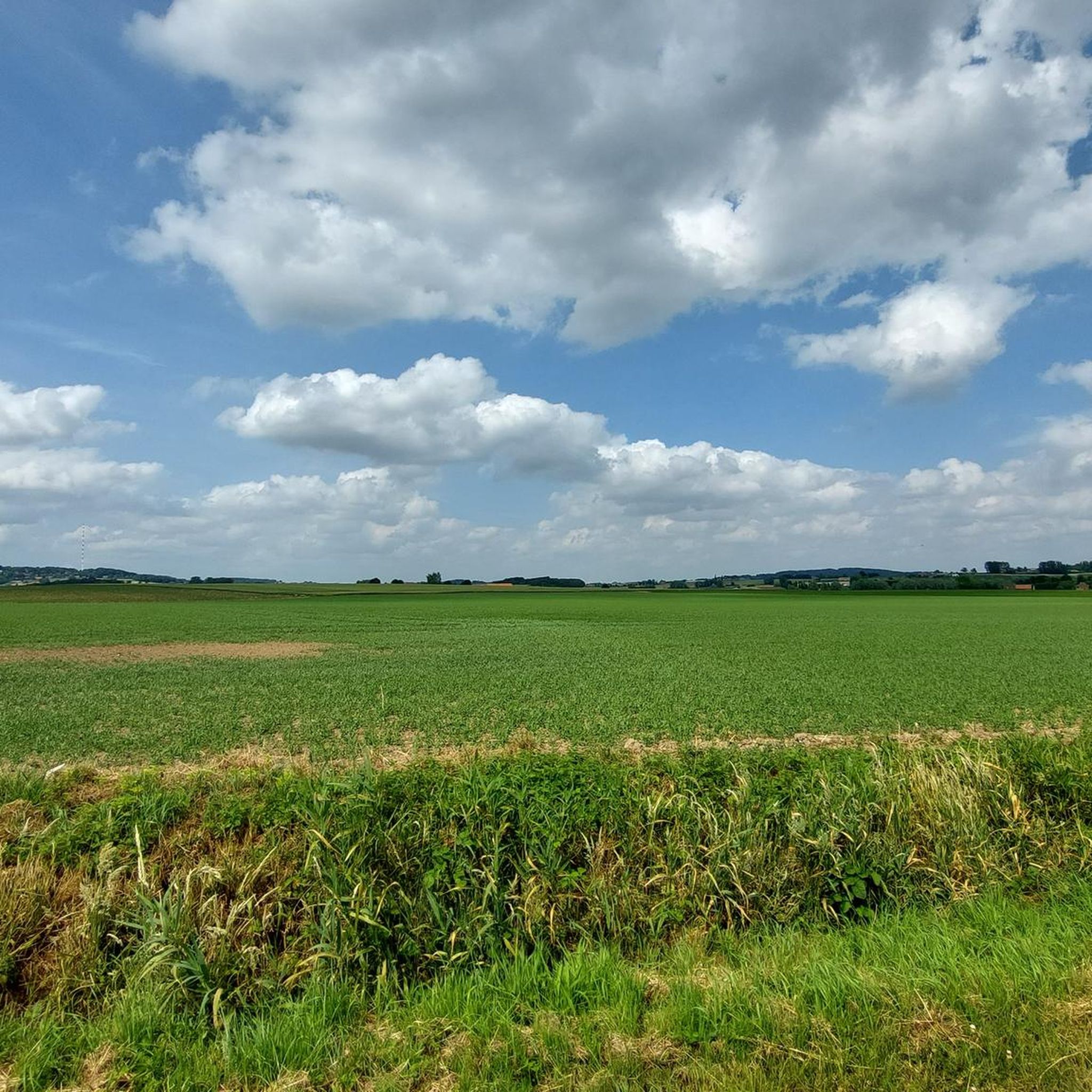
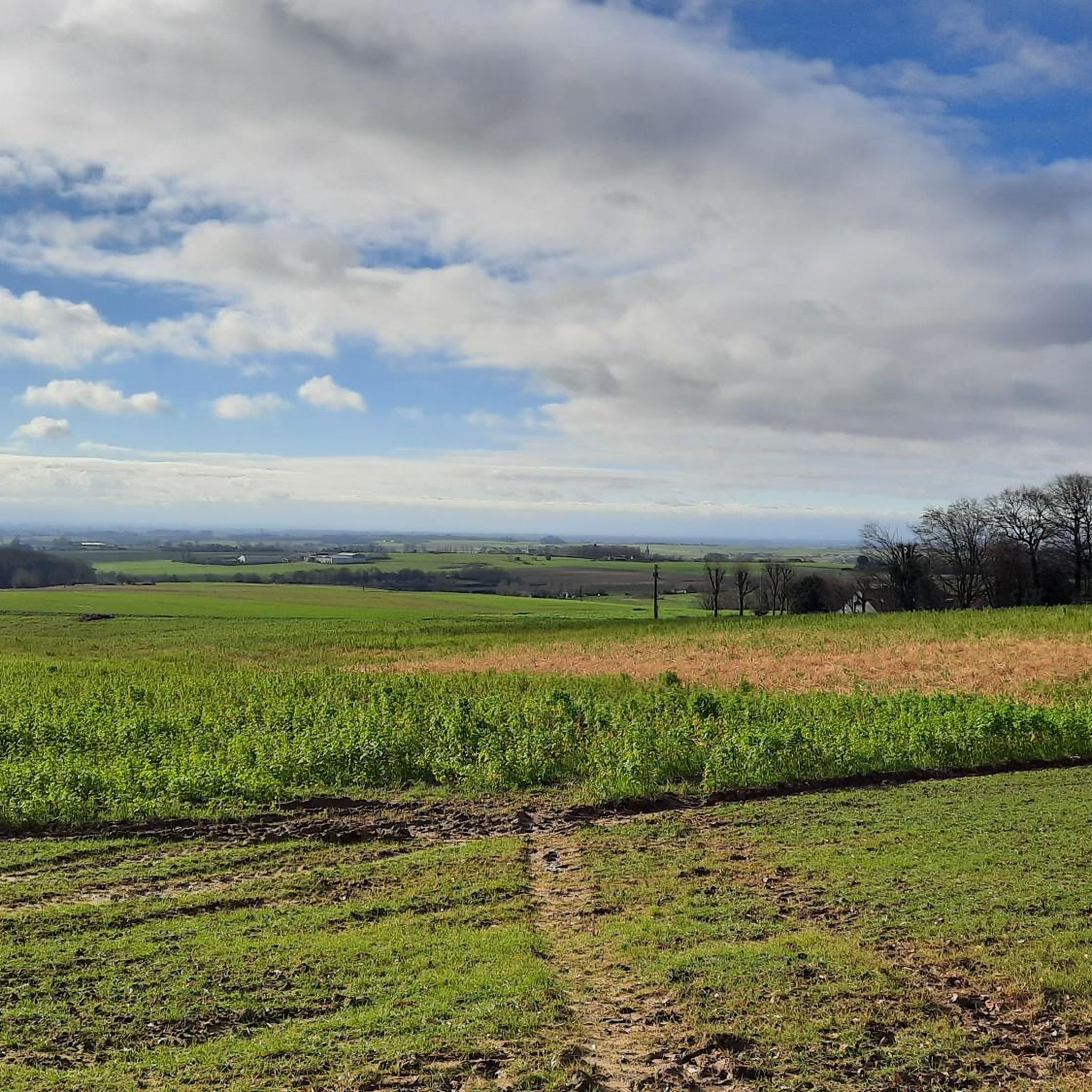
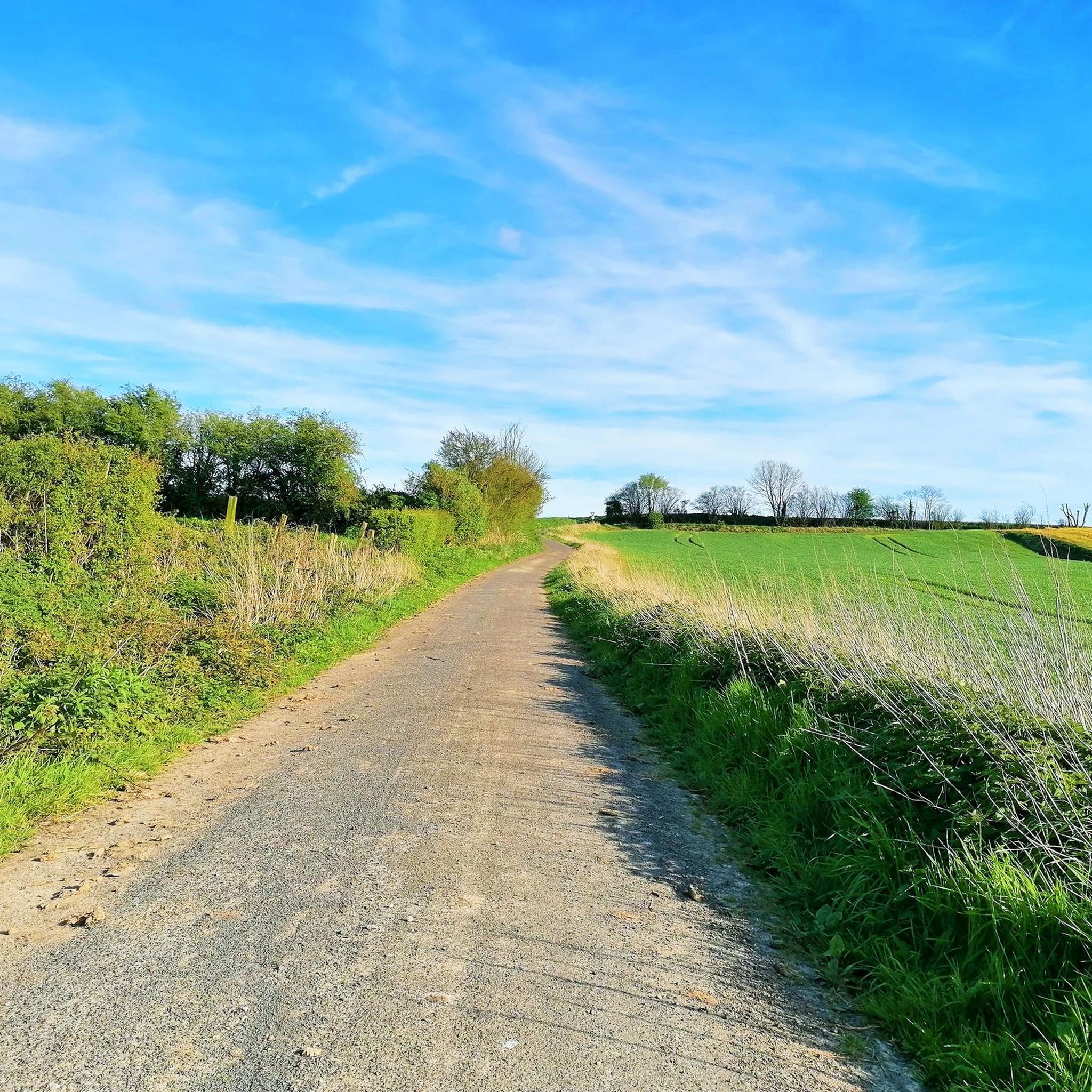
Touring cycling around Méteren is characterized by rolling hills and picturesque countryside in French Flanders. The region features prominent hills such as Mont des Cats and Mont Noir, which offer challenging ascents. Cyclists can encounter varied terrain, including cobbled sections, within the West-Flemish Hills, providing a diverse riding experience. The area's well-suited road network supports a range of cycling routes.
Best touring cycling routes around Méteren
- The most popular touring cycling route is Mont des Cats Abbey – Magnificent view…
Last updated: July 1, 2026
4.0
(5)
27
riders
53.9km
03:21
510m
510m
Hard bike ride. Very good fitness required. Mostly paved surfaces. Suitable for all skill levels.
5.0
(1)
15
riders
19.0km
01:12
200m
200m
Moderate bike ride. Good fitness required. Mostly paved surfaces. Suitable for all skill levels.

Sign up for free
3.0
(3)
8
riders
29.6km
01:53
300m
300m
Moderate bike ride. Good fitness required. Mostly paved surfaces. Suitable for all skill levels.
5.0
(1)
5
riders
13.2km
00:49
130m
130m
Easy bike ride. Great for any fitness level. Mostly paved surfaces. Suitable for all skill levels.
5.0
(1)
5
riders
12.0km
00:41
40m
40m
Easy bike ride. Great for any fitness level. Mostly paved surfaces. Suitable for all skill levels.
Get access to more routes and recommendations from other explorers.
Sign up for free
Already have an account?
Our route recommendations are based on thousands of hikes, rides, and runs completed by other people on komoot.
Start today with a free account
Your next adventure awaits.
Login or Signup

Tips from the Community

On the top of Kasselberg once stood about twenty windmills. The last mill caught fire on October 30, 1911, which could be seen far into the surrounding area. In 1947, the Ruytoor mill in Arneke was purchased by the local Syndicat d'Initiative, to be opened to the public on July 14, 1949. The mill has two different installations: it functions as a gristmill, which produces organic flour. An electric installation functions as an oil mill, for the production of both rapeseed oil and linseed oil. Near the mill, there is an orientation table and a statue of Maréchal Foch.
1
0

The Drievenmeulen is a post mill located in the municipality of Steenvoorde in the Nord department of France. The mill was built in 1774 in Somain by Quentin Hennion. There, it served as an oil mill. In 1901, the mill was purchased by Mr. Desbonnets and moved to Steenvoorde, where it served as a corn mill. In 1938, the two wooden sails broke and were replaced by iron ones. The cap was also damaged and was replaced by one from the Vanneufville mill, located in Sint-Silvesterappel. On November 13-14, 1940, a storm severely damaged about twenty windmills, and the roof and sails of the Drievenmeulen were also destroyed. The roof was replaced by that of the Ledringem windmill, which had been destroyed by war in May 1940. In March 1974, the miller ceased his work and continued to give tours of his mill, which he maintained well. However, the miller, and later his wife, died, and in 1988 the mill was put up for sale. In 1993, it was purchased by the municipality of Steenvoorde, where restoration work took place from 1995 to 1997. The mill was reopened on October 3, 1998. (c) https://nl.wikipedia.org/wiki/Standerdmolen The mill is currently not (or no longer?) accessible.
0
0
In 1526 a hall church was built. This had a crossing tower that dated from the 11th century and had a high spire, so that the total height was 45 meters. In 1902 this church was hit by fire. https://nl.wikipedia.org/wiki/Godewaarsvelde
3
0

Church from 1932, by Louis-Marie and Louis-Stanislas Cordonnier. The church has features of the neo-Romanesque, neo-Byzantine and art-deco styles.
2
0

This castle was the seat of the lordship of Flêtre. The Van Vleteren family ruled here, succeeded in 1364 by the Van Houtte family. Between 1364 and 1380, Jan van Houtte had a fortified castle built. It was equipped with a wooden gallery between the castle and the freestanding tower, from which the soldiers could hurl projectiles at the besiegers. Later, as military technology advanced, these were replaced by machicolations. In 1532, the lordship passed through marriage to the Wignacourt family. In 1656, Flêtre, under Jacob van Wignacourt, was elevated to a county. The last Count of Flêtre, Balthasar-Philippe de Wignacourt, died in poverty in 1810. During the French Revolution, the castle was expropriated and largely demolished to reuse the building materials. However, the keep was so massive that demolition was decided against. In the early 19th century, the estate was purchased by an industrialist, who built a house on the site of the demolished castle and converted the keep into a reception hall, with Louis XV-style wall paneling. Later, the estate was purchased by Edmond Vanuxem, a brewer in Ardres. He commissioned the construction of the current brick castle, completed in 1872. After the First World War, the moats were filled in. https://nl.wikipedia.org/wiki/Kasteel_van_Wignacourt
1
0
The church originally dates back to the 14th century, as we know that the lord of Vleteren, Jan van Houtte, was buried here in 1398. The church initially had two naves, and a third was added later. In 1727, the two oldest naves were demolished and replaced by two new ones, each as high as the third, creating a hall church. The church had no tower, but the bells hung in a bell tower (a freestanding bell tower in the shape of a closed wooden tower). In 1799, the church was sold publicly. However, the asking price was extremely high. The demolition crew was called in. This led to a popular uprising. Eventually, the parishioners were able to buy back the church for a much lower price. In 1903, a tower was completed and the bell tower was demolished. In 1906, there was another uprising, when the church property was inventoried in the context of the Separation of Church and State Act. The church was damaged during the First World War and also lost some of its treasures, including the 16th-century stained glass windows and a regency altarpiece. https://nl.wikipedia.org/wiki/Sint-Mattheuskerk_(Vleteren)
3
0
The current hall church is a 16th century Gothic-style conversion of the original Romanesque church from the second half of the 12th century. The brick part of the nave and the lower part of the tower are remains of the old church. The pseudo-Romanesque gable with rose window and part of the octagonal crossing tower are 19th century. In the church you will find the mausoleums of the first counts of Watou, Karel van Ydeghem (+ 1630) and Maria van Cortewyle and of the mystic Karel Grimminck (1676-1728). The church has been a protected monument since 1939. https://nl.wikipedia.org/wiki/Sint-Bavokerk_(Watou)
3
0
Frequently Asked Questions
How many touring cycling routes are available around Méteren?
There are over 20 touring cycling routes around Méteren, offering a variety of experiences for different skill levels. You can find options ranging from easy loops to more challenging climbs.
What are the difficulty levels of touring cycling routes in Méteren?
The routes around Méteren cater to various abilities. You'll find 9 easy routes, 8 moderate routes, and 3 difficult routes, ensuring there's something for every touring cyclist.
What natural landmarks or viewpoints can I see while cycling around Méteren?
The region is rich in scenic viewpoints and natural landmarks. You can cycle to the summit of Mont Noir (West) or enjoy panoramic views from Mont des Cats Abbey. The Hellegat Forest also offers beautiful natural scenery, especially vibrant with wildflowers in spring.
Are there any historical sites or cultural attractions accessible by bike near Méteren?
Yes, Méteren and the wider Flanders Fields region are steeped in history. You can visit the Mont des Cats Abbey, famous for its Trappist beer, or encounter World War I memorials and cemeteries along many routes. The Locre No 10 Cemetery is one such historical site.
Are there challenging climbs or cobbled sections for experienced touring cyclists?
Absolutely. The area is known for its challenging terrain, including significant climbs like Mont des Cats, which features gradients up to 18%. You'll also find classic cobbled sections, or 'plugstreets,' reminiscent of professional races, particularly on routes such as the Bailleul Belfry – Kemmelberg cobbled climb loop from Méteren.
Are there any circular touring cycling routes around Méteren?
Many routes around Méteren are designed as loops, allowing you to start and end in the same location. Examples include the popular Mont des Cats Abbey – Magnificent view loop from Méteren and the Magnificent view – Katsberg loop from Méteren.
What is the best time of year for touring cycling in Méteren?
The spring and autumn months generally offer the most pleasant conditions for touring cycling in Méteren, with milder temperatures and beautiful scenery. Spring brings blooming wildflowers, while autumn showcases vibrant foliage. Always check local weather forecasts before heading out.
Can I find places to eat or drink along the cycling routes?
Yes, the region offers various options for refreshments. The Mont des Cats Abbey has its own brewery, and nearby towns like Bailleul and Hazebrouck feature local markets and cafes. Méteren itself has local dining experiences like the Ferme de l'Haghedoorn.
What do other touring cyclists say about the routes around Méteren?
The touring cycling routes around Méteren are highly regarded by the komoot community, with an average rating of 4.4 stars from over 500 reviews. Cyclists often praise the blend of challenging climbs, scenic views, and the historical context of the routes.
Is it possible to access Méteren's cycling routes using public transport?
While Méteren is well-connected by road, public transport options for cyclists with bikes can vary. It's advisable to check local bus or train schedules and their bike carriage policies in advance, especially if planning to reach specific starting points like Mont des Cats or Kemmelberg.
Where can I park my car when starting a touring cycling route in Méteren?
Méteren and surrounding villages typically offer public parking facilities. For specific routes, it's best to check the route details on komoot for recommended starting points and parking availability. Many routes, like the Steenwerck – Feuter Dreve loop from Café du Bon Coin, often start near establishments with parking.
Are there family-friendly touring cycling routes in Méteren?
While some routes feature challenging climbs and cobbled sections, there are also easier, flatter options suitable for families. Look for routes marked as 'easy' on komoot, which typically avoid the steepest ascents and most demanding terrain, offering a more relaxed experience through the picturesque countryside.
Most popular attractions around Méteren

Get inspired with the komoot mobile app


Explore more
Browse the best Cycling routes in other regions.
