The best MTB trails around Saint-Jeoire
4.3
(501)
3,077
riders
12
rides
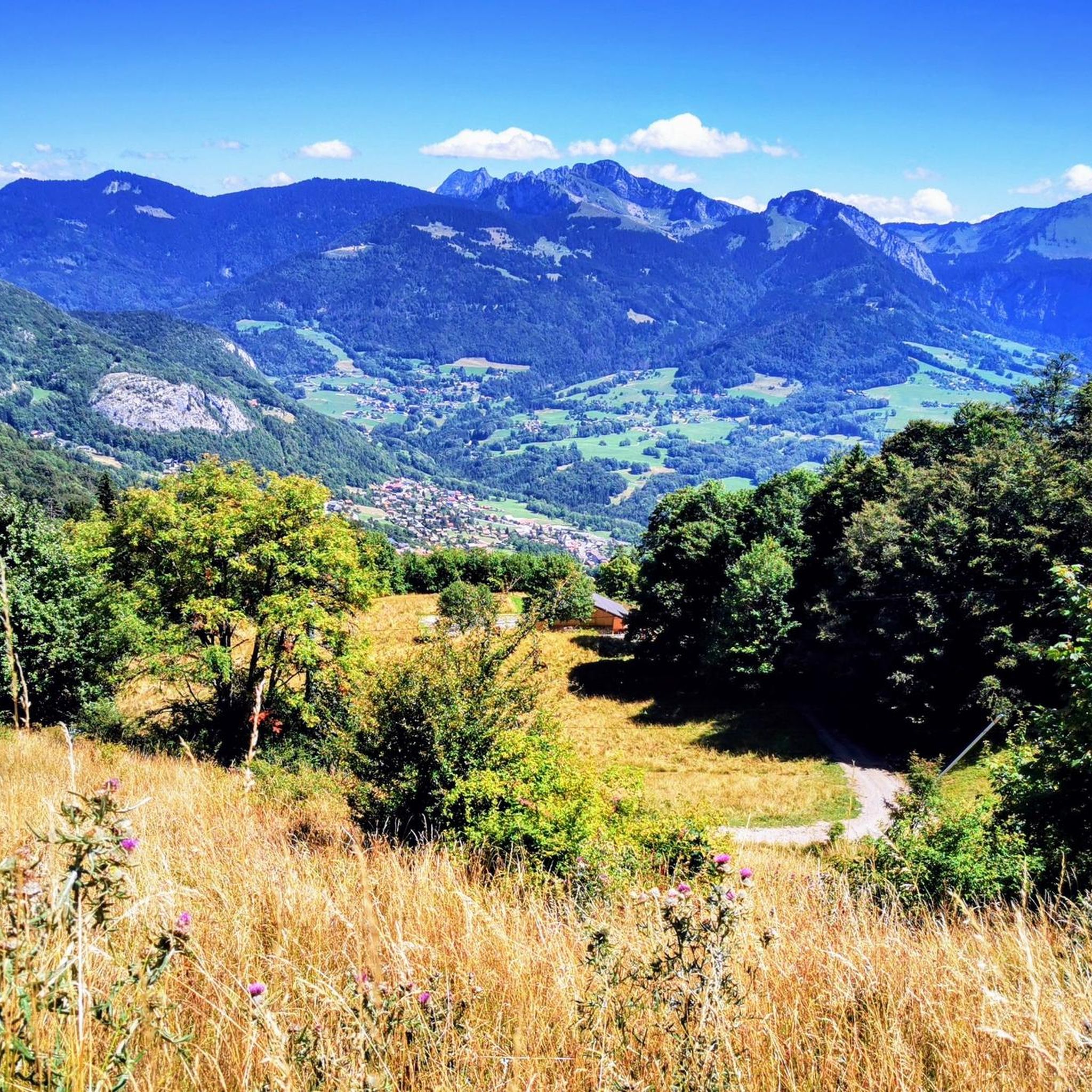
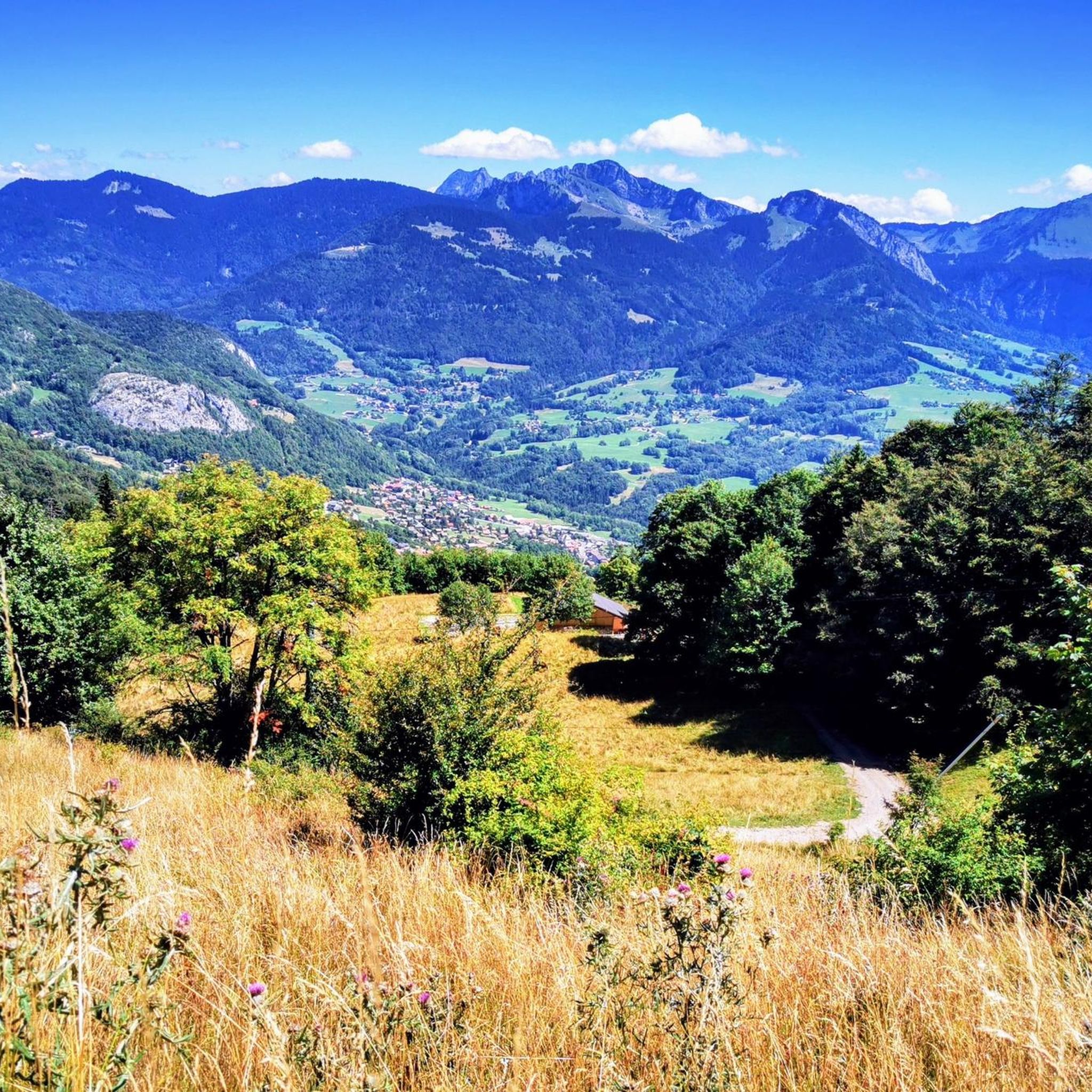
Mountain biking around Saint-Jeoire offers diverse landscapes with challenging terrain. The region features verdant valleys, dense fir forests, and notable mountain passes like Col de Cou and Jambaz Pass. Its location near the Chablais massif provides varied elevation and views of the Mont-Blanc range, catering to different skill levels. The Plaine-Joux Plateau also offers marked circuits for mountain biking.
Best mountain bike trails around Saint-Jeoire
- The most popular mountain bike trail is Gorges du Pont du Diable – Pont du…
Last updated: June 28, 2026
3.8
(4)
26
riders
Moderate mountain bike ride. Good fitness required. Suitable for all skill levels.
4.0
(3)
10
riders
18.6km
02:21
920m
920m
Hard mountain bike ride. Very good fitness required. Advanced riding skills necessary.

Sign up for free
3.0
(2)
15
riders
42.9km
03:54
1,160m
1,160m
Hard mountain bike ride. Very good fitness required. Advanced riding skills necessary. Some portions of the route may require you to push your bike.
5.0
(1)
10
riders
25.3km
02:39
900m
900m
Hard mountain bike ride. Good fitness required. Advanced riding skills necessary. Some portions of the route may require you to push your bike.
5
riders
43.1km
03:18
950m
950m
Hard mountain bike ride. Very good fitness required. Suitable for all skill levels.
Get access to more routes and recommendations from other explorers.
Sign up for free
Already have an account?
Our route recommendations are based on thousands of hikes, rides, and runs completed by other people on komoot.
Start today with a free account
Your next adventure awaits.
Login or Signup
Tips from the Community


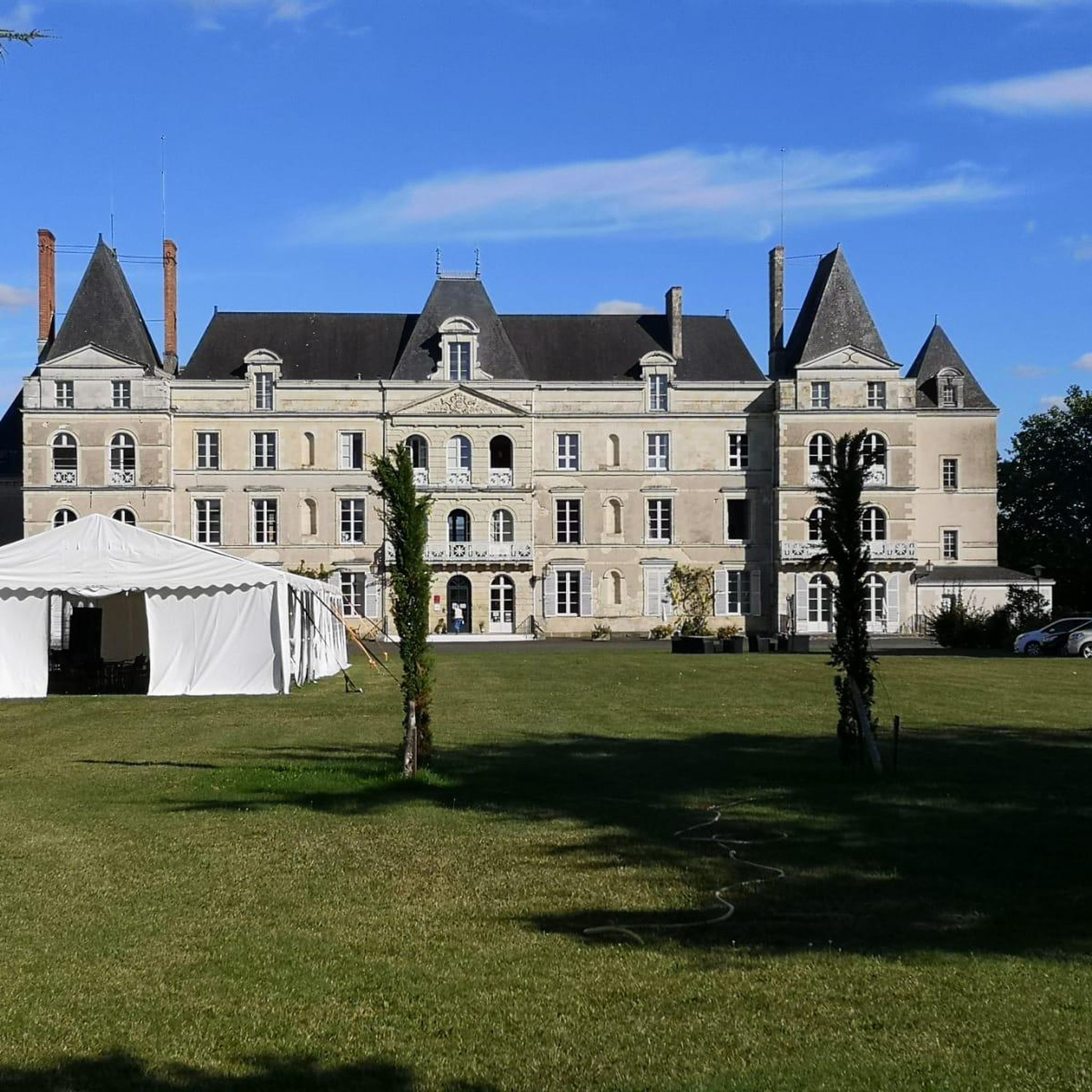
This chapel, dedicated to Saint Bruno, founder of the Carthusian Order, was built on the remains of the former convent church of the Carthusian monastery of Sainte-Marie de Vallon[1]. In 1543, the Carthusians of Vallon were forced to leave their monastery, which was dismantled[1]. When they regained possession of their property in 1607, they found only ruins of the old charterhouse. Only a few sections of the walls remained standing[1]. After building their fortified house in Génicot[2] on the right bank of the Brevon (now on the lake), they erected a chapel in the part of the old charterhouse, in homage to Saint Bruno and in memory of the monks who preceded them. Since the walls of the choir of their former convent church and those of the sacristy had not collapsed, a nave surmounted by a wooden vault was built in 1651[3]. In 1793, it was sold as national property[3]. Abandoned by its new owners, it then passed to the Gougain family, along with the entire property known as "La chèvre"[1]. In 1833, the Carthusians returned to work repairing the walls and vault, redoing the roof, and installing a bell tower. Bishop Pierre-Joseph Rey inaugurated the renovated chapel during the summer of 1836[3]. It received various donations, including from Converset David François Marie[citation needed]. In 1847, it was finally transferred to the churchyard[1]. Processions would go there to pray for rain or good weather; but Bishop Louis Rendu banned these events in 1852[citation needed]. In 1855, it was burned to the ground. A violent wind blew as the Abbey building burned and burning embers set it alight in turn[1]. Nothing new remained except the walls. M Chappaz undertook a collection throughout the parish and had repairs carried out during 1856: plaster vault, roof, bell tower, gallery, floor, altar[3]. On July 11, 1857, the renovated chapel was blessed.
1
0
Born on September 6, 1799, in Sévillon, a hamlet of Onnion, son of Marin Jacquard de Sévillon and Marie Monge de Mégevette, he studied at the minor seminary of Mélan, located in the former Mélan charterhouse in Taninges, then at the major seminary of Chambéry. He completed his theological studies at the Seminary of Foreign Missions in Paris, where he was ordained a priest on March 15, 1823. His journey to Cochinchina (Vietnam) lasted two and a half years, arriving in Cochinchina, where he landed clandestinely on January 5, 1826. He took the name Kinh Gan Lam and participated in the life of the Church in this region of the world, where, along with two other missionaries and thirty priests from Cochinchina, he accompanied 70,000 Christians on their journey. King Minh Mang persecuted Christians. He wanted to deprive the Church of its leaders by keeping them under surveillance. Thus, as early as 1829, he detained François near Hué, his capital, asking him to act as his interpreter and explain recent European history; François was thus able to continue his missionary work to a minimum. In 1833, after the king's decree of general persecution, he was held prisoner in the Ai Lao penal colony for nearly two years, then in prison near the capital, where he was nevertheless asked to teach French to nine young men. He stated: "I have not stopped and will not stop preaching when I can." In 1838, he was sentenced to death, chained and given the "cangue" (a type of ladder around the head). On September 21, 1838, he was tortured and strangled, along with an 18-year-old Christian, Thomas Thien. In 1840, two years after his death, Pope Gregory XVI opened the beatification process and declared him Venerable. The Seville Oratory, near the chapel, commemorates this event. In 1900, Pope Leo XIII declared him Blessed. On June 19, 1988, Pope John Paul II canonized him along with 116 other martyrs of Vietnam. Annual pilgrimage to Seville in June and liturgical feast on September 23.
1
0
Intersection point Le Marquisat Altitude 875m
1
0
The Church of Saint Nicholas is a Catholic place of worship located in the commune of Mégevette in Haute-Savoie. The parish was formerly part of the Aulps Abbey. A first church, dating from the 10th century, was too small and dilapidated, and was replaced by the current one, which was built from 1872 to 1880. With its triple nave, it housed a thousand parishioners at the time. It is placed under the patronage of Saint Nicholas and Saint Theodule. Built in a style that blends "pseudo-Romanesque and Italian Renaissance," it is topped by an onion-domed bell tower. Beneath the church, a crypt—the Fernex family's funerary chapel—housed a 17th-century fresco, of which, unfortunately, almost nothing remains. Between 1975 and 1992, the church was completely restored.
0
0

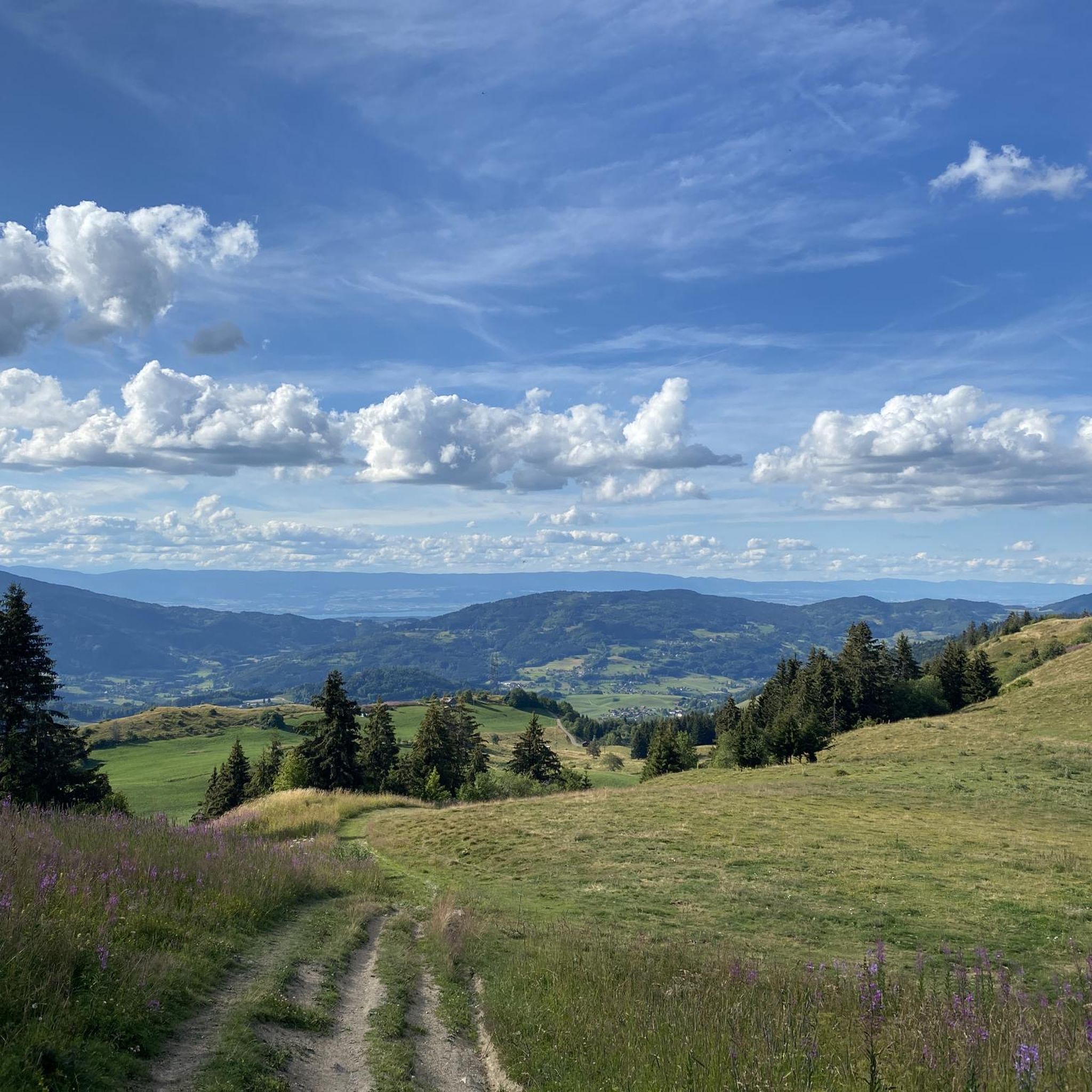
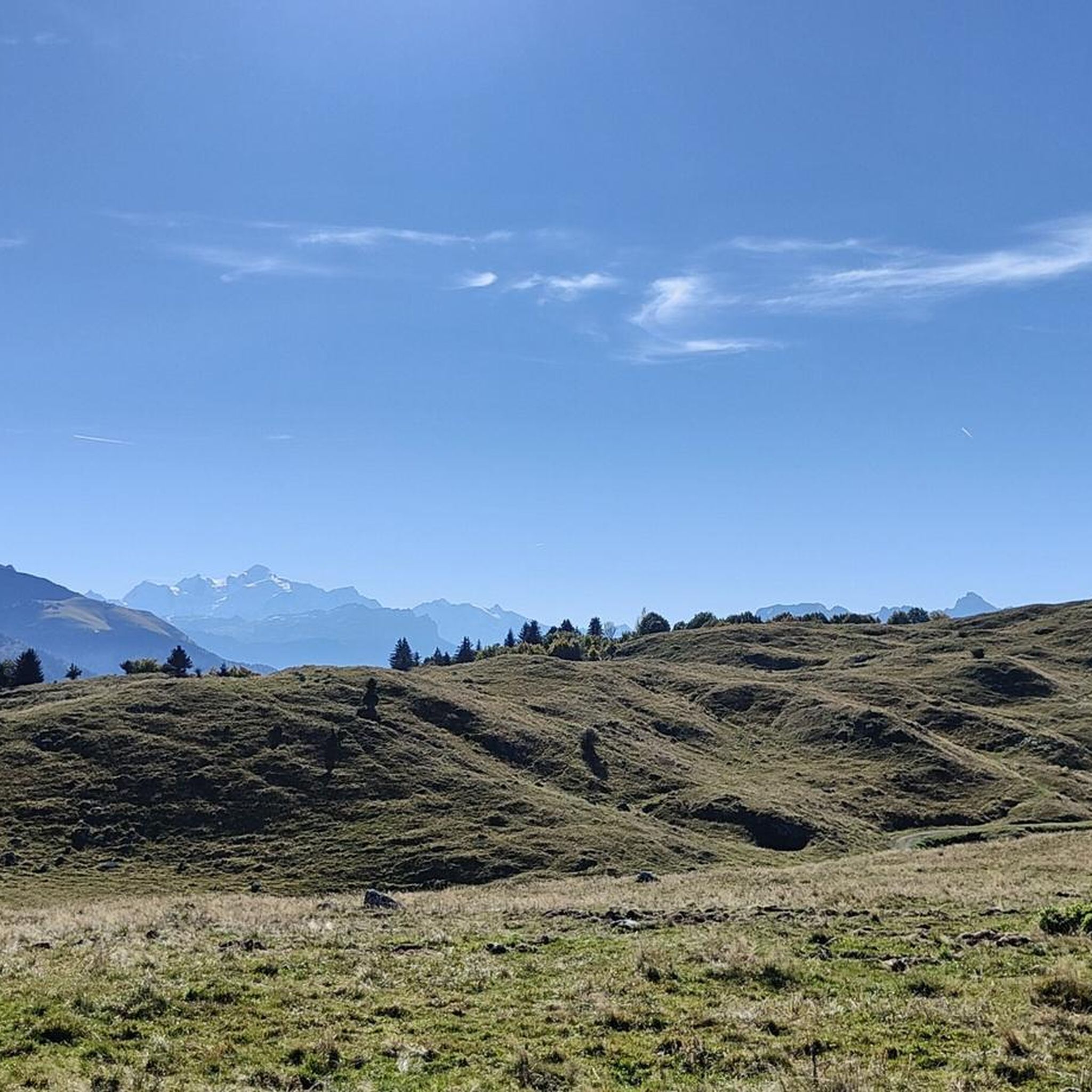
Beautifully situated lake and great mountain panorama.
3
0
Beautifully situated lake and great mountain panorama.
2
0
Pretty church that is worth a look.
0
0
Frequently Asked Questions
How many mountain bike trails are available in Saint-Jeoire?
There are over 10 mountain bike trails around Saint-Jeoire documented on komoot, catering to various skill levels from moderate to difficult.
What kind of terrain can I expect on mountain bike trails in Saint-Jeoire?
Mountain biking in Saint-Jeoire offers diverse terrain, including verdant valleys, dense fir forests, and challenging mountain passes such as the Col de Cou and Jambaz Pass. You'll encounter routes with significant elevation changes and varied surfaces.
Are there any easy mountain bike trails suitable for beginners or families in Saint-Jeoire?
While many trails in Saint-Jeoire are rated moderate to difficult, the region offers options for leisurely rides. The Plaine-Joux Plateau, for instance, features marked circuits that include gentler sections, providing a good starting point for less experienced riders or families. Always check the route details for specific difficulty ratings.
What are some scenic viewpoints or natural attractions accessible by mountain bike in Saint-Jeoire?
The Saint-Jeoire area is rich in natural beauty. You can enjoy panoramic views of the Mont-Blanc mountain range and the Geneva basin from the Plaine-Joux Plateau. Other notable natural attractions include the stunning Gorges du Pont du Diable, the serene La Gouille aux Morts, and the picturesque Lac Bénit. The summit of Le Môle also offers sweeping mountain vistas.
Are there any circular mountain bike routes in Saint-Jeoire?
Yes, many of the mountain bike trails in Saint-Jeoire are designed as loops. For example, the Gorges du Pont du Diable – Pont du Diable Cave loop from Saint-Jeoire is a popular moderate circular route. Another option is the more challenging Pont du Diable Cave – Gorges du Pont du Diable loop from Place du 1er Avril 1944.
What is the typical duration and distance for mountain bike trails in this region?
Trail durations and distances vary significantly. Moderate routes like the Gorges du Pont du Diable – Pont du Diable Cave loop from Saint-Jeoire can be around 23 miles (37 km) and take nearly 3 hours. More difficult trails, such as the Pointe des Brasses – La Joux Alpine Pasture loop from Saint-Jeoire, cover about 11 miles (18 km) but involve significant elevation gain, taking over 2 hours.
What do other mountain bikers say about the trails in Saint-Jeoire?
The mountain bike trails in Saint-Jeoire are highly rated by the komoot community, with an average score of 4.3 stars from over 500 reviews. Riders often praise the diverse landscapes, the challenge of the mountain passes, and the stunning views of the Mont-Blanc range.
What is the best season for mountain biking in Saint-Jeoire?
The best season for mountain biking in Saint-Jeoire is generally from spring through autumn. During these months, the weather is more favorable, and the trails are typically clear of snow, allowing for full access to the verdant valleys and mountain passes. Always check local weather conditions before heading out.
Are there any historical sites or cultural landmarks near the mountain bike routes?
Yes, the region around Saint-Jeoire also features historical sites. You can find the 13th-century Château de Beauregard and the ruins of the feudal castle of Turchon, adding a cultural dimension to your outdoor exploration.
Are there any advanced or challenging mountain bike routes in Saint-Jeoire?
Absolutely. Saint-Jeoire is known for its challenging terrain and significant elevation changes, making it ideal for advanced riders. Trails like the Pont du Diable Cave – Gorges du Pont du Diable loop from École Giffre, which is 18 miles (29 km) with substantial climbing, are rated as difficult and offer a demanding experience.
What are the elevation gains typically found on mountain bike trails in Saint-Jeoire?
Mountain bike trails in Saint-Jeoire often feature significant elevation gains due to the region's mountainous landscape. For example, the Pont du Diable Cave – Gorges du Pont du Diable loop from Place du 1er Avril 1944 includes over 1150 meters (3770 feet) of ascent, providing a challenging workout and rewarding views.
Most popular routes around Saint-Jeoire
Most popular attractions around Saint-Jeoire

Get inspired with the komoot mobile app


Explore more
Browse the best MTB trails in other regions.
