Attractions and Places To See around Saint-Georges-De-Luzençon - Top 20
Best attractions and places to see around Saint-Georges-De-Luzençon include a blend of historical sites, natural landscapes, and architectural marvels. Situated in the Cernon valley within the Grands Causses Regional Natural Park, the area offers diverse points of interest. Visitors can explore ancient ruins, prehistoric megaliths, and significant modern structures. The region provides opportunities to discover both cultural heritage and expansive natural beauty.
Best attractions and places to see around Saint-Georges-De-Luzençon
- The most popular attractions is Millau Viaduct, a bridge…
Last updated: July 6, 2026
The Creissels waterfalls
Highlight • Waterfall
Translated by Google •
Tip by

Pas Destrech Cross
Highlight • Viewpoint
Translated by Google •
Tip by

Sign up now to discover places like this
Get recommendations on the best single tracks, peaks, & plenty of other exciting outdoor places.
Sign up for free
Millau Viaduct Viewpoint
Highlight • Viewpoint
This bridge is …
Translated by Google •
Tip by

Millau
Highlight • Settlement
Translated by Google •
Tip by

Pont Lerouge
Highlight • Bridge
The fascinating Pont Lerouge historical gem on the River Tarn.
Translated by Google •
Tip by

Sign up for free to discover even more attractions around Saint-Georges-De-Luzençon.
Sign up for free
Already have an account?
Start today with a free account
Your next adventure awaits.
Login or Signup
Popular around Saint-Georges-De-Luzençon
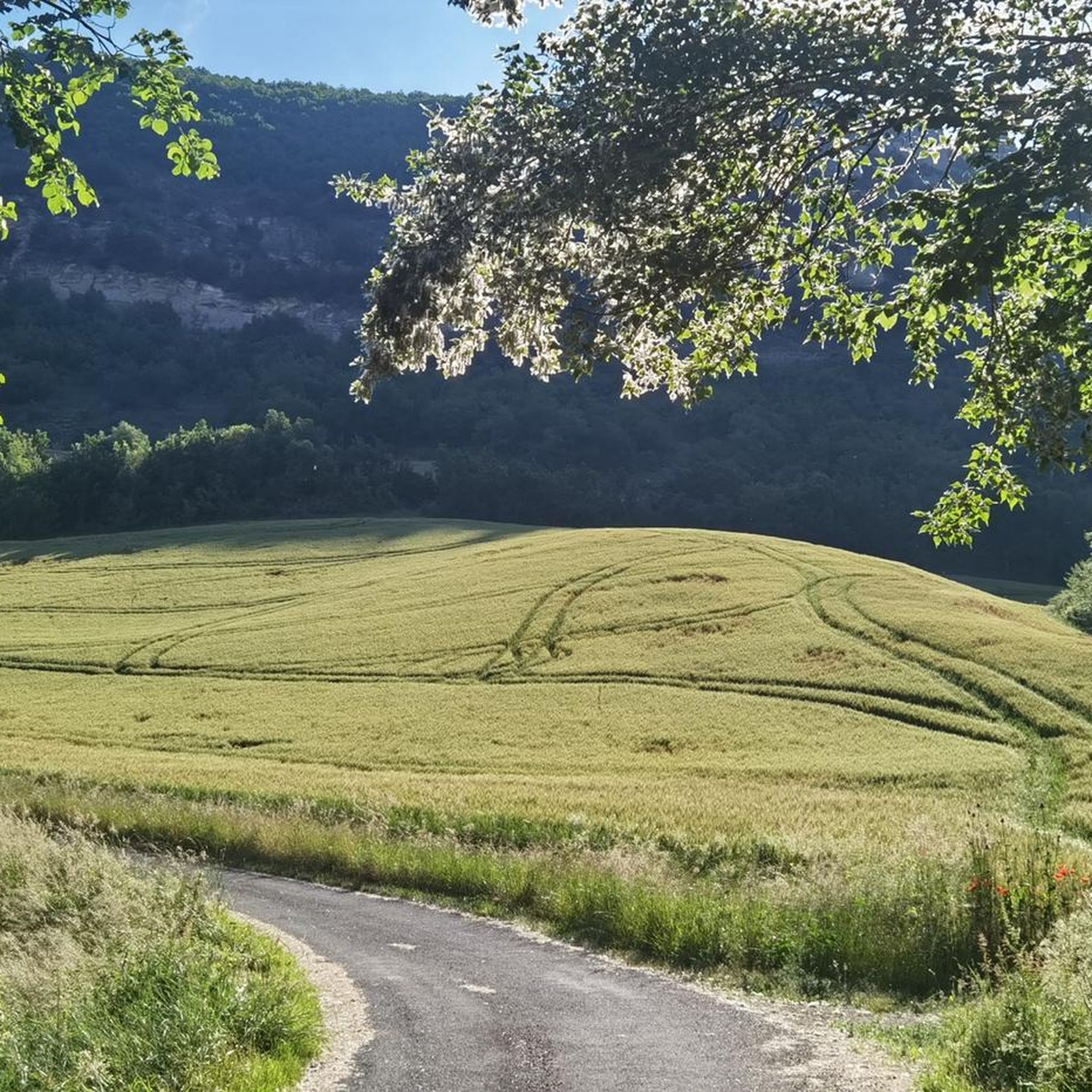
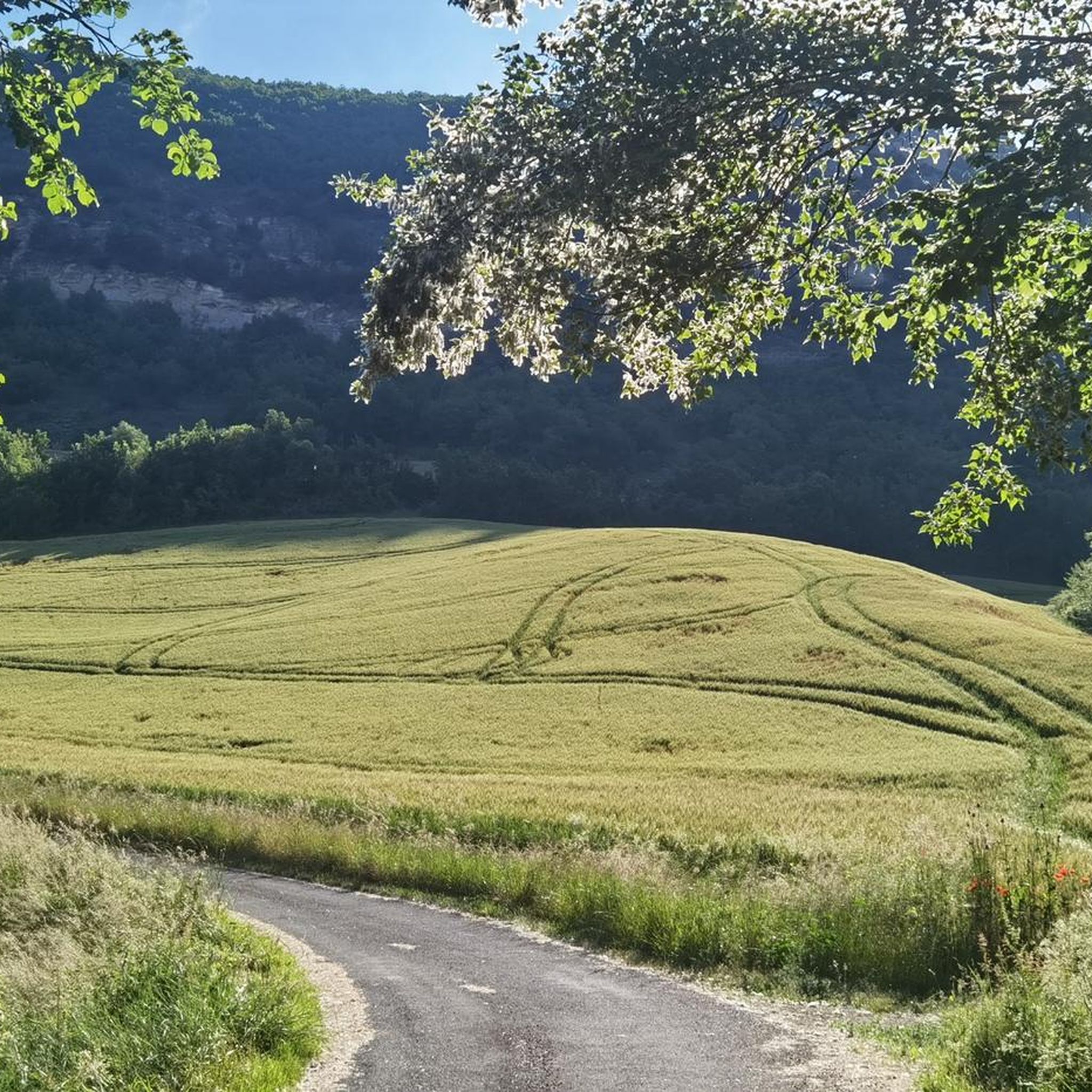
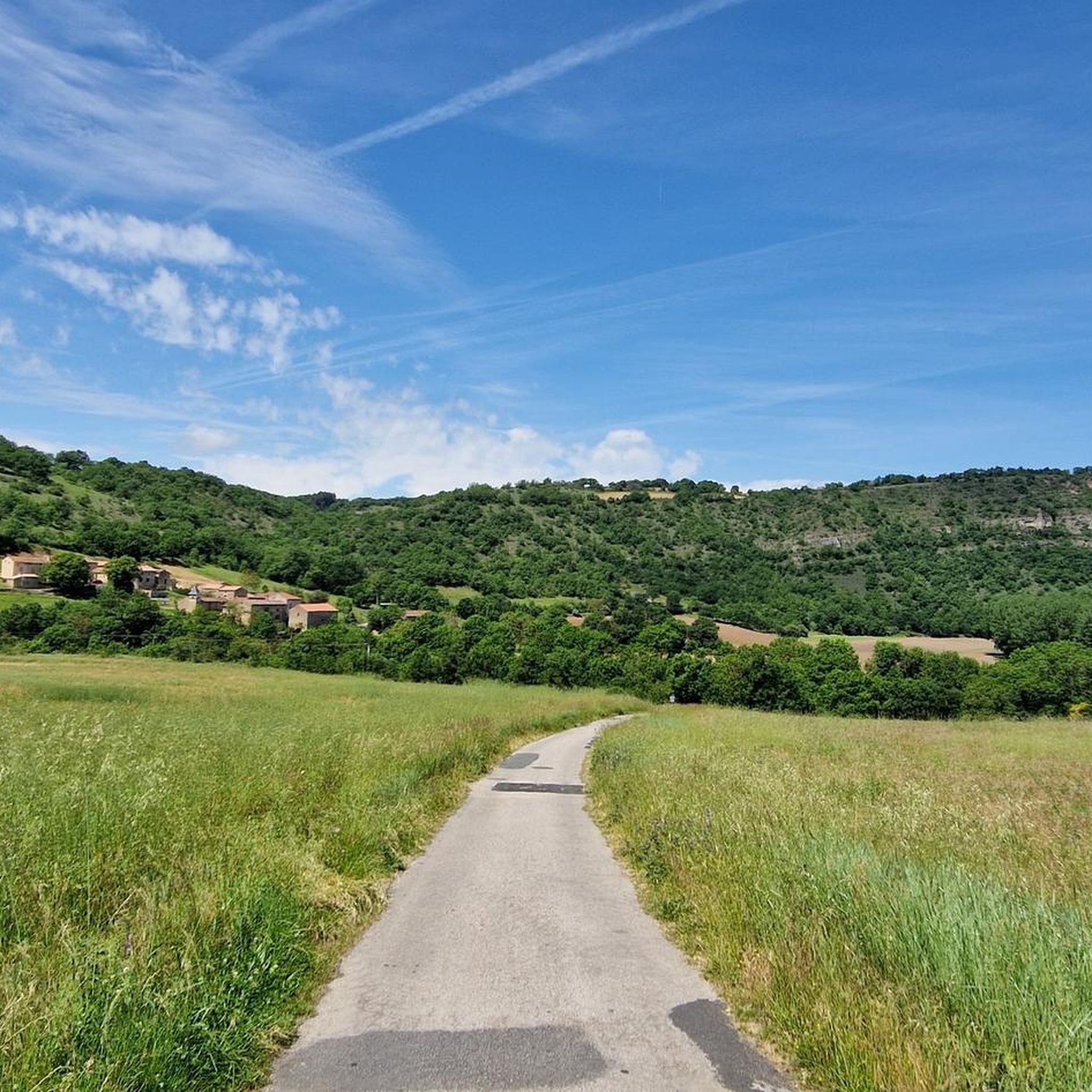

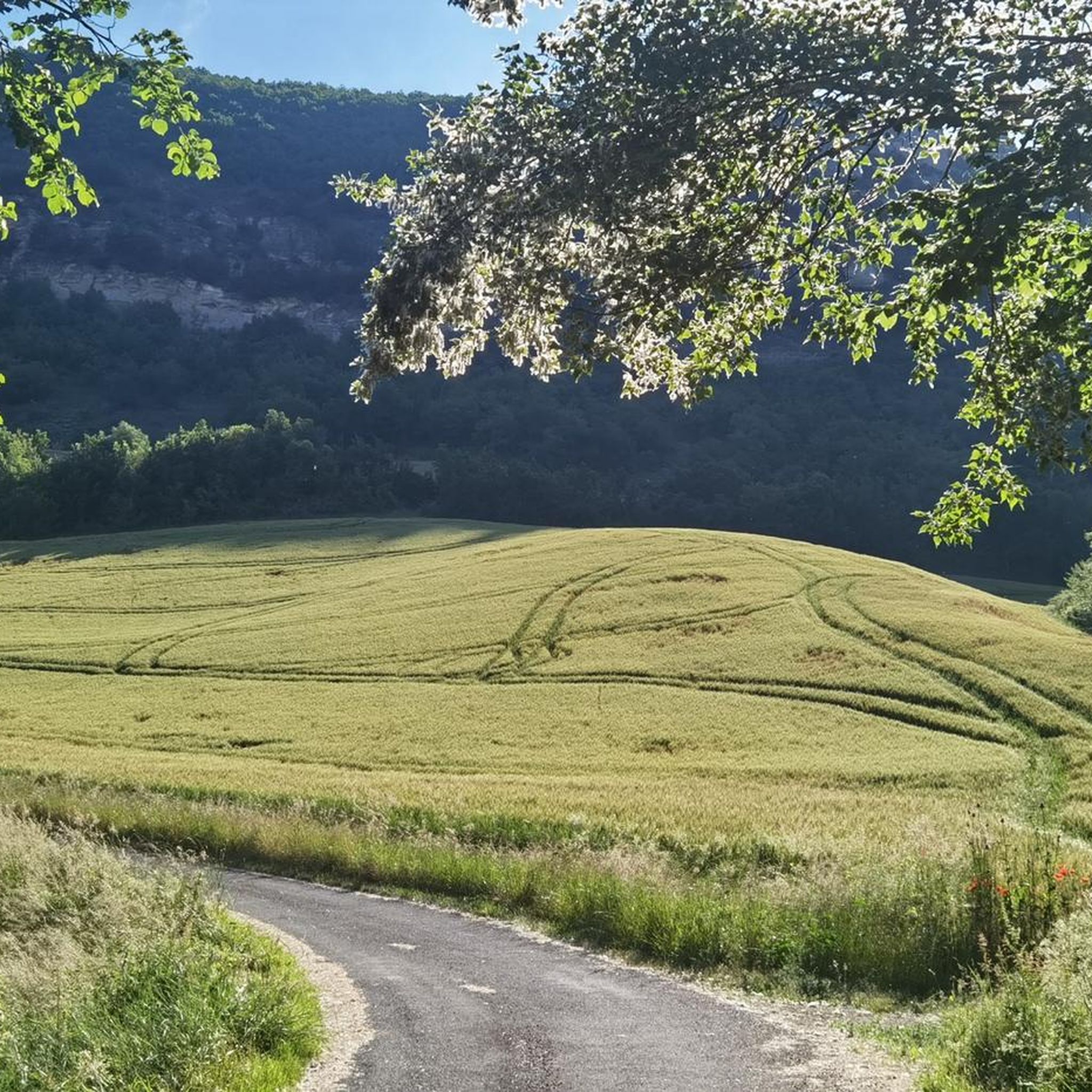
Tips from the Community

The Pas Destrech Cross, which the biker encounters here at the top, is a truly remarkable small sacred monument. Approaching it from behind, it appears to be made of black metal, but then you realize that this is only the basic framework for the wooden beams of the actual cross. Its shape is also rather unusual for a summit cross: the longitudinal and transverse beams, which are of equal length, are each provided with another short beam at the end, giving the viewer the impression of a square floor plan.
1
0
The Pas Destrech Cross, which hikers encounter here on the summit, is a truly remarkable small sacred monument. Approaching it from behind, it appears to be made of black metal, but then one realizes that this is only the basic framework for the wooden beams of the actual cross. Its shape is also rather unusual for a summit cross: the longitudinal and transverse beams are of equal length, with each end provided with another short beam, giving the viewer the impression of a square floor plan.
2
0

The Creissels waterfall is a true natural gem! It is a resurgence that flows constantly throughout the year, with a flow that varies. What makes this place so special is that it is loaded with calcium carbonate, which has allowed the formation of a magnificent tuff rock. In winter, when temperatures drop, the waterfall transforms into a magical spectacle. The icy concretions that form are simply magnificent, and it is fascinating to see how the waterfall can completely petrify at times. It is an ideal place for nature lovers and photographers in search of enchanting landscapes. I highly recommend visiting the Creissels waterfall, whether to admire its peaceful flow in summer or its incredible transformation in winter!
1
1


There is a separate exit from the motorway for the viewpoint, but you can also drive there from Millau.
1
1

Historical buildings: Pont Lerouge The fascinating Pont Lerouge historical gem on the River Tarn.
11
2
Frequently Asked Questions
What natural viewpoints offer the best panoramas around Saint-Georges-De-Luzençon?
For breathtaking views, visit the Pas Destrech Cross, a viewpoint on the edge of a cornice offering a dizzying panorama over Millau. Another excellent spot is the Millau Viaduct Viewpoint, which provides spectacular views of the viaduct, especially when clouds are low in the valley. The Belvédère de Luzençon also offers a 360-degree panoramic view of the surrounding Causses, including the Causse du Larzac and Causse Noir, and the Millau Viaduct.
Are there historical sites to explore in Saint-Georges-De-Luzençon?
Yes, Saint-Georges-De-Luzençon is rich in history. You can explore the ruins of the 13th-century Castle of the Counts of Toulouse, the 11th-century Romanesque Saint-Martial Chapel, and the 15th-century Fortified Farm at Brouzes, which is now a Historic Monument. The village also features the Saint-Georges Church and medieval streets in its historic center.
What family-friendly attractions are available near Saint-Georges-De-Luzençon?
Several attractions are suitable for families. The iconic Millau Viaduct and its dedicated Millau Viaduct Viewpoint are impressive for all ages. The town of Millau itself offers a rich historical and cultural heritage, along with playgrounds and landscapes for sports. The nearby village of Peyre, listed as one of France's 'Most Beautiful Villages,' is also a charming family outing.
Can I find any prehistoric sites or megaliths in the area?
Yes, the region around Saint-Georges-De-Luzençon features prehistoric testimonies. You can discover four dolmens, including the Crottes dolmen and the Puech del Pous dolmens, as well as three menhirs located at the Côte de Labro, the Crottes, and the Puech del Pous.
What outdoor activities, like hiking or cycling, can I do near Saint-Georges-De-Luzençon?
The area within the Grands Causses Regional Natural Park offers numerous opportunities for outdoor activities. For hiking, you can find trails like the 'Peyre Troglodyte Village – Peyre Village loop' or 'Les Cathédrales descent loop'. Cyclists can explore routes such as the 'Tour du Viala-du-Pas-de-Jaux – Sainte-Eulalie-de-Cernon loop'. You can find more details and routes on the dedicated guides for hiking, road cycling, and running around Saint-Georges-De-Luzençon.
Are there any charming villages or towns worth visiting close to Saint-Georges-De-Luzençon?
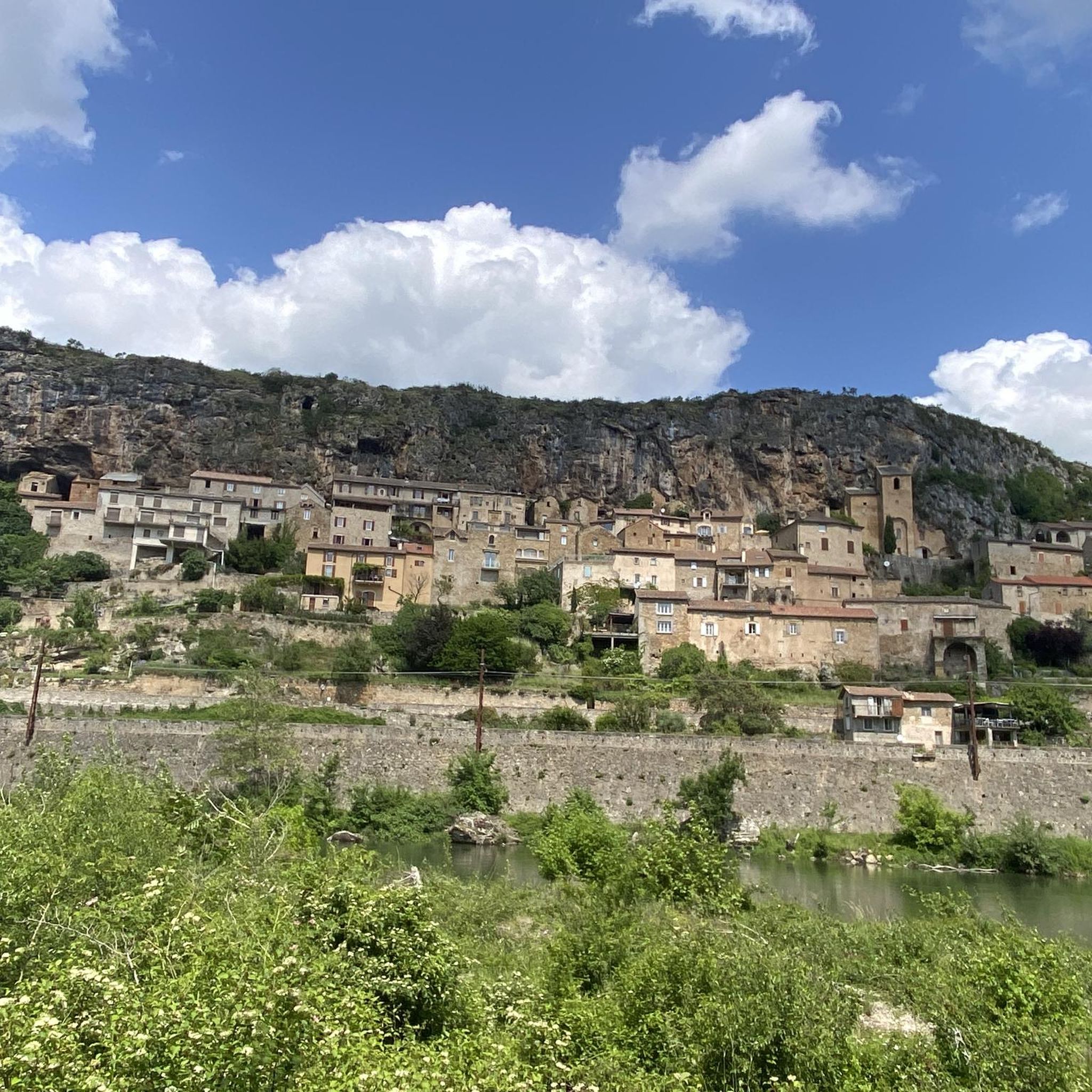
Absolutely. Just 3 km away is Peyre, recognized as one of France's 'Most Beautiful Villages.' The lively traditional town of Millau is about 8 km distant and well worth a visit. Further afield, you can explore La Roque-Sainte-Marguerite in the Gorges de la Dourbie (approx. 20 km) and Brousse-le-Chateau (approx. 30 km), another 'Most Beautiful Village.'
What is the best time of year to visit Saint-Georges-De-Luzençon for outdoor exploration?
The region, being part of the Grands Causses Regional Natural Park, is ideal for outdoor activities during spring, summer, and early autumn. These seasons offer pleasant weather for hiking, cycling, and exploring the natural landscapes and historical sites. Summer provides longer daylight hours, while spring and autumn offer milder temperatures and beautiful scenery.
Are there any wheelchair accessible attractions around Saint-Georges-De-Luzençon?
The Millau Viaduct Viewpoint is noted as being wheelchair accessible, allowing visitors to appreciate the scale of this impressive structure. It's always recommended to check specific accessibility details for other sites directly before your visit.
What are some unique cultural landmarks in Saint-Georges-De-Luzençon itself?
Within the village, you can discover the Saint-Georges Church and the historic center with its medieval streets and stonework basements. A notable cultural landmark is the Marianne Fountain on the church square, a work by Carrier Belleuse, Rodin's teacher, featuring four bronze lion heads spouting potable water, gifted by the mayor in 1880.
What do visitors particularly enjoy about the attractions near Saint-Georges-De-Luzençon?
Visitors frequently highlight the stunning panoramic views, especially from spots like the Pas Destrech Cross and the Millau Viaduct Viewpoint. The sheer scale and engineering marvel of the Millau Viaduct itself are often mentioned as impressive. The blend of rich historical heritage, from ancient chapels to prehistoric megaliths, combined with the expansive natural beauty of the Grands Causses Regional Natural Park, is also highly appreciated.
Can I find places to eat or stay in Saint-Georges-De-Luzençon?
While Saint-Georges-De-Luzençon is an authentic town, for a wider selection of cafes, pubs, and accommodation, the nearby town of Millau (about 8 km away) offers more options. You'll find various dining and lodging choices there to suit different preferences.
Are there any dog-friendly activities or trails in the area?
Many of the outdoor trails within the Grands Causses Regional Natural Park are generally dog-friendly, provided dogs are kept on a leash and owners follow local regulations. For specific dog-friendly trails, it's best to check individual route descriptions on Komoot or local signage. Always ensure your dog is well-behaved and that you clean up after them.
Most popular routes around Saint-Georges-De-Luzençon
Most popular attractions around Saint-Georges-De-Luzençon

Get inspired with the komoot mobile app


Explore more
Still not found the Highlight you’re looking for? See guides of the top attractions in other regions:
