The best walks and hikes around Böhen
4.5
(4523)
19,633
hikers
948
hikes
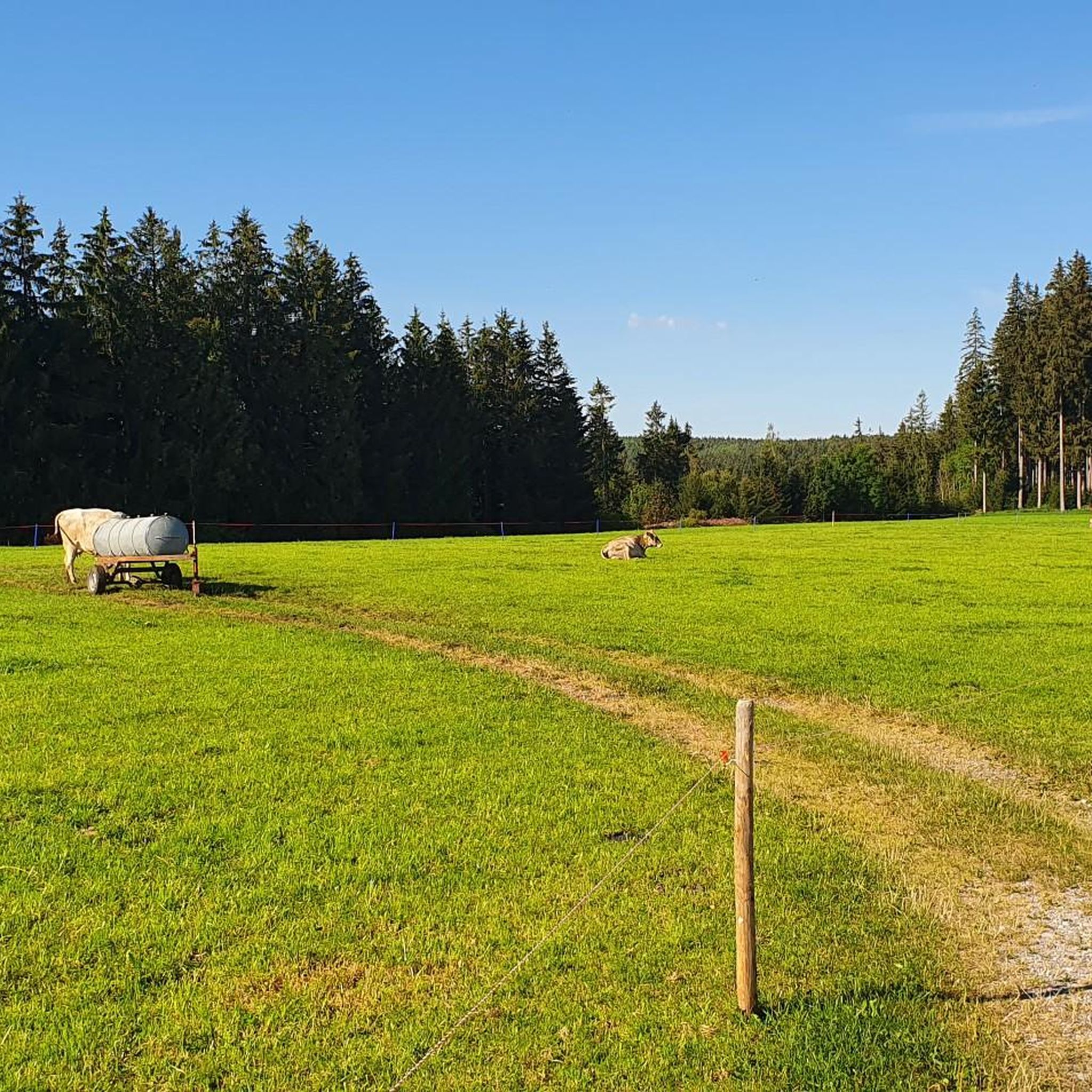
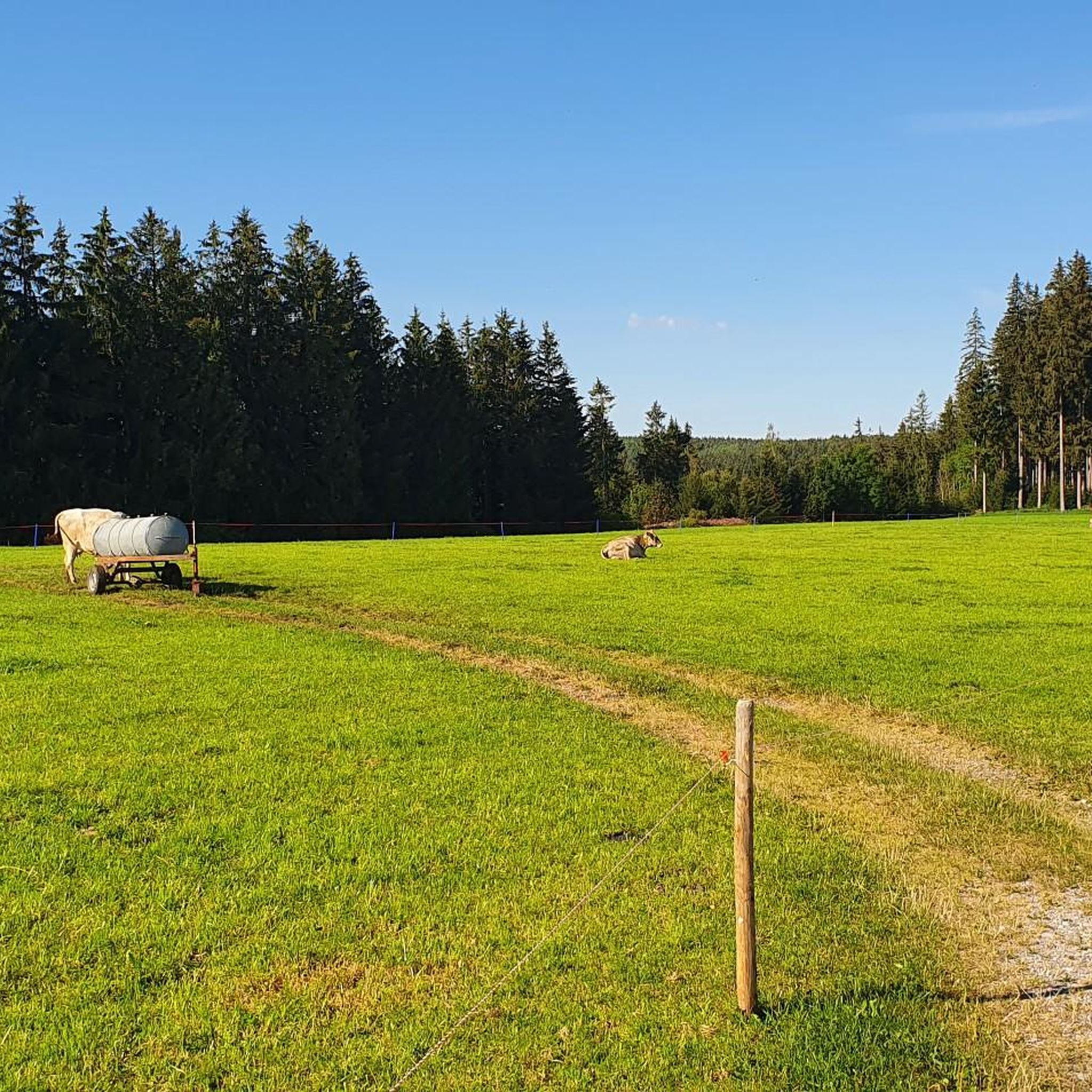
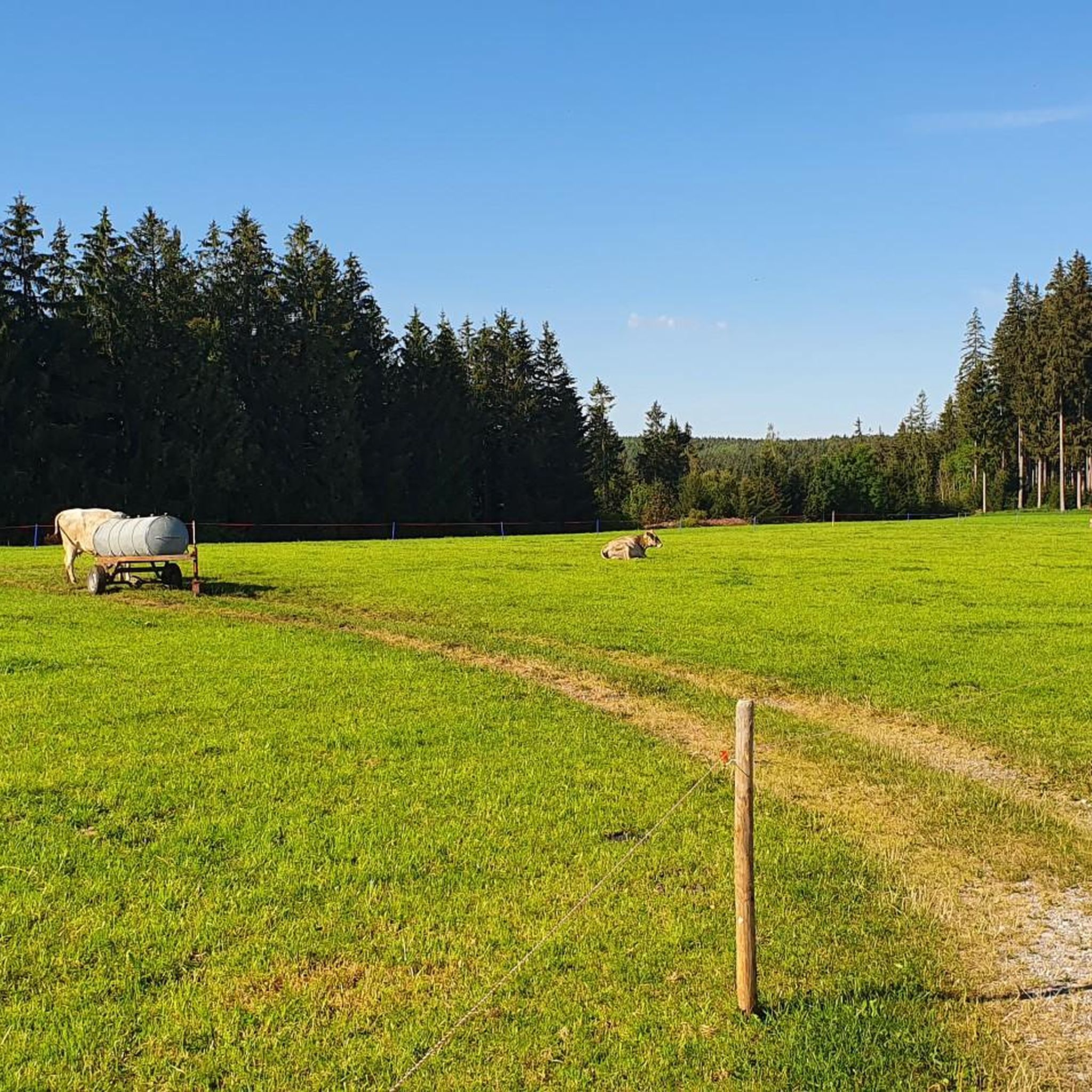
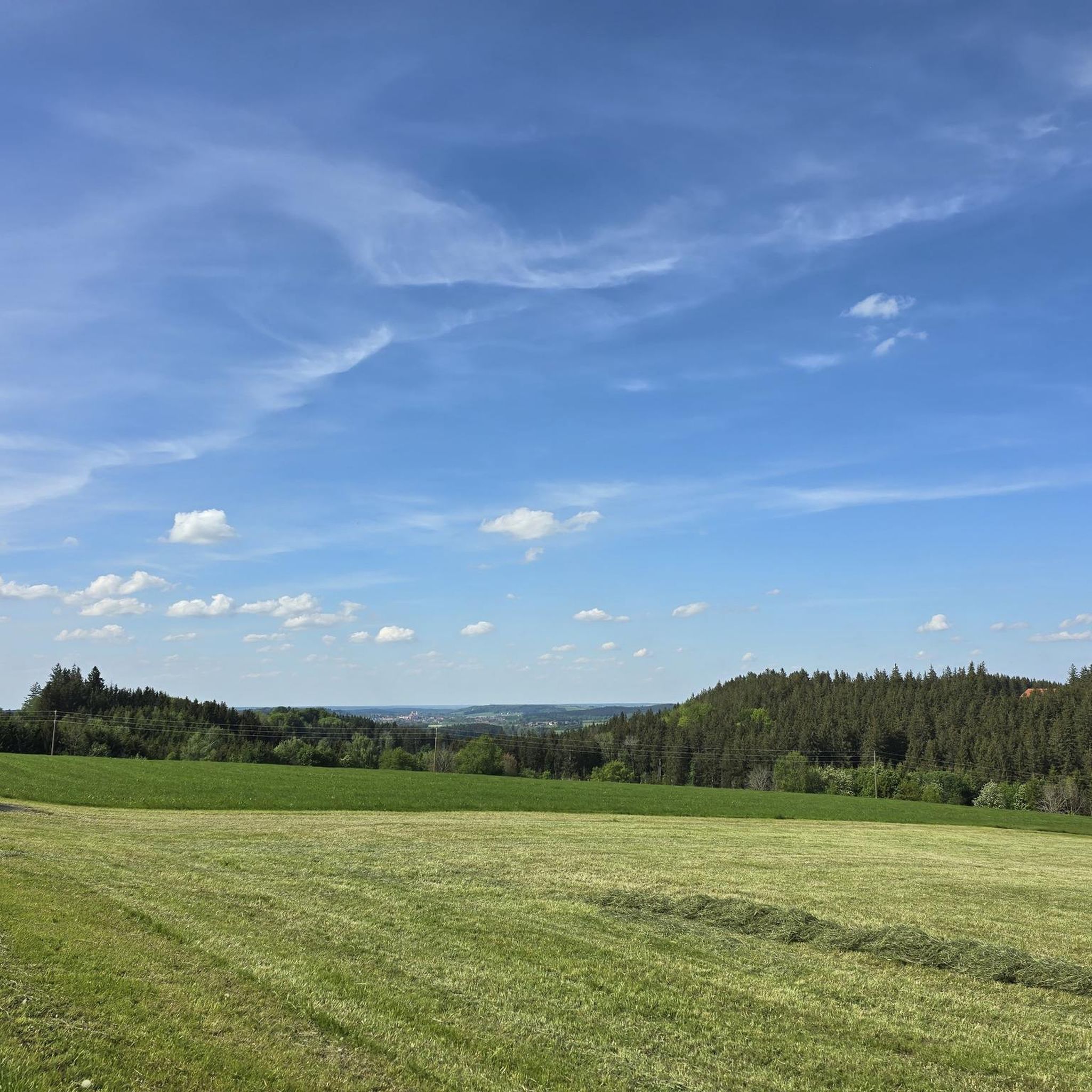
Hiking around Böhen, located in Germany's Allgäu region, offers diverse outdoor experiences. The landscape is characterized by rolling hills, expansive green meadows, and picturesque lakes, providing varied scenery for hikers. As the highest village in the Unterallgäu, Böhen provides panoramic views of the mountains to the south. The terrain includes tranquil ponds, riverine paths, and unique geological formations.
Best hiking trails around Böhen
- The most popular hiking route is Motzabach Riverside Trail – German Levada loop from Wolfertschwenden, a…
Last updated: August 19, 2026
4.6
(75)
303
hikers
15.9km
04:27
310m
310m
Moderate hike. Good fitness required. Easily-accessible paths. Suitable for all skill levels.
4.7
(25)
76
hikers
6.96km
01:57
130m
140m
Easy hike. Great for any fitness level. Easily-accessible paths. Suitable for all skill levels.

Sign up for free
4.3
(7)
34
hikers
8.75km
02:24
140m
140m
Moderate hike. Good fitness required. Easily-accessible paths. Suitable for all skill levels.
4.7
(3)
19
hikers
Easy hike. Great for any fitness level. Easily-accessible paths. Suitable for all skill levels.
4.8
(5)
28
hikers
6.15km
01:43
110m
110m
Easy hike. Great for any fitness level. Easily-accessible paths. Suitable for all skill levels.
Get access to more routes and recommendations from other explorers.
Sign up for free
Already have an account?
Our route recommendations are based on thousands of hikes, rides, and runs completed by other people on komoot.
Start today with a free account
Your next adventure awaits.
Login or Signup
Tips from the Community

Beautiful and quiet corner of the Unterallgäu with a great view.
0
0

Beautiful Kneipp facility
0
0

There are various hiking trails, but the one along the water is especially great for children.
0
0

The "Geological Organs" are conglomerate rocks where carbonic acid seepage water has gradually eroded the limestone over millennia. The resulting stone tubes are up to 15 meters high.
1
0

The stroller-friendly hiking trail is easy to walk. A highlight for families with children, as the Motzabach stream runs along the entire length of the trail. Children can play in it or float boats.
1
0

Ottobeuren Benedictine Abbey The Benedictine abbey was founded in 764. In 972, Bishop Ulrich of Augsburg obtained from Emperor Otto I the exemption from all imperial burdens and the free election of an abbot. From 1102 to 1145, under Abbot Rupert I, the Hirsau Reform was adopted for Ottobeuren, and a new monastery and church were completed. In 1365, the abbey lost its independence to Augsburg. During the Peasants' War and the Schmalkaldic War in the mid-16th century, the church was severely damaged and subsequently rebuilt in the Renaissance style. From 1630 to 1635, during the Thirty Years' War, the monastery buildings were misused and plundered. In 1710, Abbot Rupert II Neß succeeded in regaining imperial immediacy and began construction in 1711, which was largely completed in 1766. In 1802, the church and monastery became Bavarian state property as part of the secularization process. In 1805, the church became the parish church of Ottobeuren. In 1834/35, the monastery first came under the Augsburg Priory and then became an independent abbey again in 1918. In 1926, Pope Pius IX declared the church a minor basilica. Today, the complex is a monastery with a school (grammar school and secondary school) and serves as an educational institution. In 1964, the complex was stylishly renovated for the 1200th anniversary celebrations. Text / Source: https://dcsy.de/B_Ottobeuren/ott_klostergeschichte.htm#:~:text=In%20year%20764%20%20the%20Benedictine abbey%20was founded.%20972, and%20a%20new building%20of%20monastery%20and%20church%20was completed.
14
0
Basilica of St. Alexander and St. Theodore, Ottobeuren The magnificent basilica, dedicated to the two Roman martyrs Alexander (162) and Theodore (306), is certainly one of the most beautiful Baroque churches in southern Germany. With its two 82-meter-high onion domes, it stands on a gently rising ridge west of the market square, visible from afar above the valley of the western Günz River. Due to its dominant, free position within the entire building complex, the basilica plays an undeniable presiding role. This concept of placing the church in front of the monastery was not, however, an Ottobeuren invention. Rather, it can be traced back to the famous Swabian architectural theorist Joseph Furtenbach, who published it in 1628 in his work "Architectura Civilis" as the ideal form for a women's monastery. Other monasteries were also built according to this pattern: Kempten in 1651, Seedorf/CH in 1682, Obermarchtal in 1686, Holzen in 1696, Klosterwald in 1714, Sießen in 1716, and Fiecht/Tyrol in 1707. The foundation stone was laid on September 27, 1737, at the present main portal. During the reigns of Abbots Rupert Neß and Anselm Erb, it was built as a monastery church from 1737 to 1766 by Simpert Kraemer (until 1748) and Johann Michael Fischer. The very rich late-Bavarian furnishings include dome and ceiling frescoes and altarpieces by Johann Jakob and Franz Anton Zeiller from Tyrol, stucco figures by Johann Joseph Christian, and stucco work by Johann Michael Feuchtmayer the Younger. It boasts two widely renowned Baroque choir organs by Karl Joseph Riepp: the four-manual Trinity Organ with 47 stops and the two-manual Holy Spirit Organ with 27 stops, both with a French sound. The choir stalls are by Martin Hermann (carpentry) and Johann Joseph Christian (reliefs). The focal point of the church is the Romanesque crucifix (ca. 1220). The church's unusual north-south orientation is due to its location within the overall complex, whose floor plan is in the shape of a cross. In 1926, the monastery church was elevated to a Papal Basilica/Basilica Minor by Pope Pius XI. Text / Source: Benedictine Abbey of Ottobeuren, Sebastian-Kneipp-Str. 1, Ottobeuren https://www.abtei-ottobeuren.de/content/klosteranlage/die-basilika/
14
0
Beautiful path and bridge over the Motzabach to Ottobeuren
1
0
Frequently Asked Questions
How many hiking trails are available around Böhen?
Böhen offers a wide variety of hiking experiences, with over 880 trails to explore. These routes cater to different preferences, from easy strolls to more challenging excursions through the picturesque Allgäu landscape.
Are there easy hiking trails suitable for beginners in Böhen?
Yes, Böhen has a significant number of easy hiking trails, with over 520 routes classified as easy. An excellent option for beginners is the Bossarts Geological Organs – Kneipp basin with seating area loop from Wolfertschwenden, a 3.8-mile (6.1 km) trail that leads through gentle hills and past natural features.
Are there family-friendly hiking options around Böhen?
Many of Böhen's trails are suitable for families, especially the numerous easy routes. The region's rolling hills and green meadows provide a pleasant backdrop for walks with children. Consider the Idyllic Pond – Pond on the Mühlbach loop from Böhen, an easy 4.5-mile (7.2 km) path that offers scenic views and a manageable distance for most families.
Can I find circular hiking routes in Böhen?
Yes, the majority of hiking routes around Böhen are circular, allowing you to start and end at the same point. A popular circular route is the Motzabach Riverside Trail – German Levada loop from Wolfertschwenden, which is 9.9 miles (15.9 km) long and follows a riverside path through varied terrain.
What natural features or landmarks can I see while hiking near Böhen?
The Böhen region, nestled in the Allgäu, is rich in natural beauty. You'll encounter rolling hills, expansive green meadows, and serene lakes. Hikers can also discover specific landmarks such as the Ottobeuren Market Square and Basilica, or the Blue Suspension Bridge over the Iller.
Are there hikes that pass by lakes or water features in Böhen?
Absolutely. The region around Böhen is dotted with picturesque lakes and water features. You can find routes that lead to places like Ehwiesmühle Pond or Idyllic Pond. The Idyllic Pond – Ehwiesmühle Pond loop from Böhen is a moderate 5.4-mile (8.8 km) trail that specifically features views of a picturesque pond and surrounding meadows.
Are hiking trails around Böhen dog-friendly?
Generally, the hiking trails in the Böhen region are dog-friendly, offering plenty of open spaces and natural paths for you and your canine companion. It's always advisable to keep dogs on a leash, especially near livestock or in nature reserve areas, and to carry waste bags. The varied terrain of meadows and gentle hills is well-suited for walks with dogs.
When is the best time of year to go hiking in Böhen?
The best time for hiking in Böhen is typically from spring through autumn (May to October). During these months, the weather is generally mild, and the landscapes are lush and vibrant. The picturesque lakes also offer opportunities for swimming or paddling in the warmer months. Winter hiking is possible, but conditions can vary, and some paths might be snowy or icy.
Is parking available at trailheads in Böhen?
Yes, parking is generally available at or near the trailheads in and around Böhen. Many routes start from towns like Böhen or Wolfertschwenden, where public parking options are usually accessible. It's always a good idea to check local signage for any specific parking regulations or fees.
What do other hikers enjoy the most about hiking in Böhen?
The hiking experiences in Böhen are highly rated by the komoot community, with an average score of 4.5 stars from over 3,200 reviews. Hikers frequently praise the region's diverse and appealing landscapes, characterized by rolling hills, green meadows, and serene lakes. The well-maintained trails and the opportunity to immerse oneself in the beautiful Allgäu nature are often highlighted as key attractions.
Are there any viewpoints offering mountain views in the Böhen area?
While Böhen itself is characterized by rolling hills, some routes in the broader Allgäu region, accessible from Böhen, do offer magnificent mountain views. These are typically found on more sporty circular routes that venture into higher elevations of the surrounding area, providing panoramic vistas of the distant Alps.
Can I combine hiking with other outdoor activities in Böhen?
Yes, Böhen's natural setting allows for combining hiking with other outdoor activities. The surroundings are excellent for cycling and e-biking, with varied routes traversing meadows. Additionally, the nearby lakes invite visitors to engage in water sports like swimming or paddling during warmer periods, offering a refreshing complement to a hike.
Most popular attractions around Böhen

Get inspired with the komoot mobile app


Explore more
Browse the best Hikes in other regions.
