The best road cycling routes around Mary-Sur-Marne
4.4
(42)
1,215
riders
141
rides
Road cycling routes around Mary-sur-Marne are characterized by the flat and accessible paths along the Marne River, Canal Latéral à la Marne, and Ourcq Canal. The region features rolling hills and vineyards of the Champagne region, offering varied terrain for cyclists. Forested areas, such as those found in the Montagne de Reims Regional Nature Park, also contribute to the diverse landscape. This combination provides options ranging from riverside rides to routes with gentle inclines.
Best road cycling routes around Mary-sur-Marne
…Last updated: July 10, 2026
5.0
(1)
7
riders
48.3km
02:17
450m
450m
Moderate road ride. Good fitness required. Mostly well-paved surfaces and easy to ride.
7
riders
52.3km
02:24
500m
500m
Moderate road ride. Good fitness required. Mostly well-paved surfaces and easy to ride.

Sign up for free
4
riders
41.9km
02:12
550m
550m
Moderate road ride. Good fitness required. Mostly well-paved surfaces and easy to ride.
7
riders
63.4km
02:52
550m
550m
Moderate road ride. Good fitness required. Mostly well-paved surfaces and easy to ride.
4
riders
58.3km
02:36
510m
510m
Moderate road ride. Good fitness required. Mostly well-paved surfaces and easy to ride.
Get access to more routes and recommendations from other explorers.
Sign up for free
Already have an account?
Our route recommendations are based on thousands of hikes, rides, and runs completed by other people on komoot.
Start today with a free account
Your next adventure awaits.
Login or Signup


Tips from the Community

Colomban of Luxeuil, also known as Saint Colomban, was an Irish monk who evangelized the rural populations of Gaul, Germany, Helvetia and Italy in the Middle Ages. In the life of Saint Colomban, written around 640, the monk Jonas of Bobbio indicates that Colomban and his companions were welcomed by the family of Authaire, an aristocrat at the court of Austrasia. The domus where this servant of Théodebert (or Thibert), king of Austrasia and friend of Colomban, resided, is said to be located in the commune of Ussy-sur-Marne. In the church, a 19th-century stained glass window reminds us of this meeting. The church is listed as a Historic Monument for its nave dating from the 11th and 12th centuries, as well as for the stained glass windows of its chapel of the Virgin dating from the 16th century.
0
0

A very beautiful section of road along the Clignon between Montigny-l'Allier and Gandelu
0
0

Nice perspective of the emblem of the former oil activity with its church.
0
0

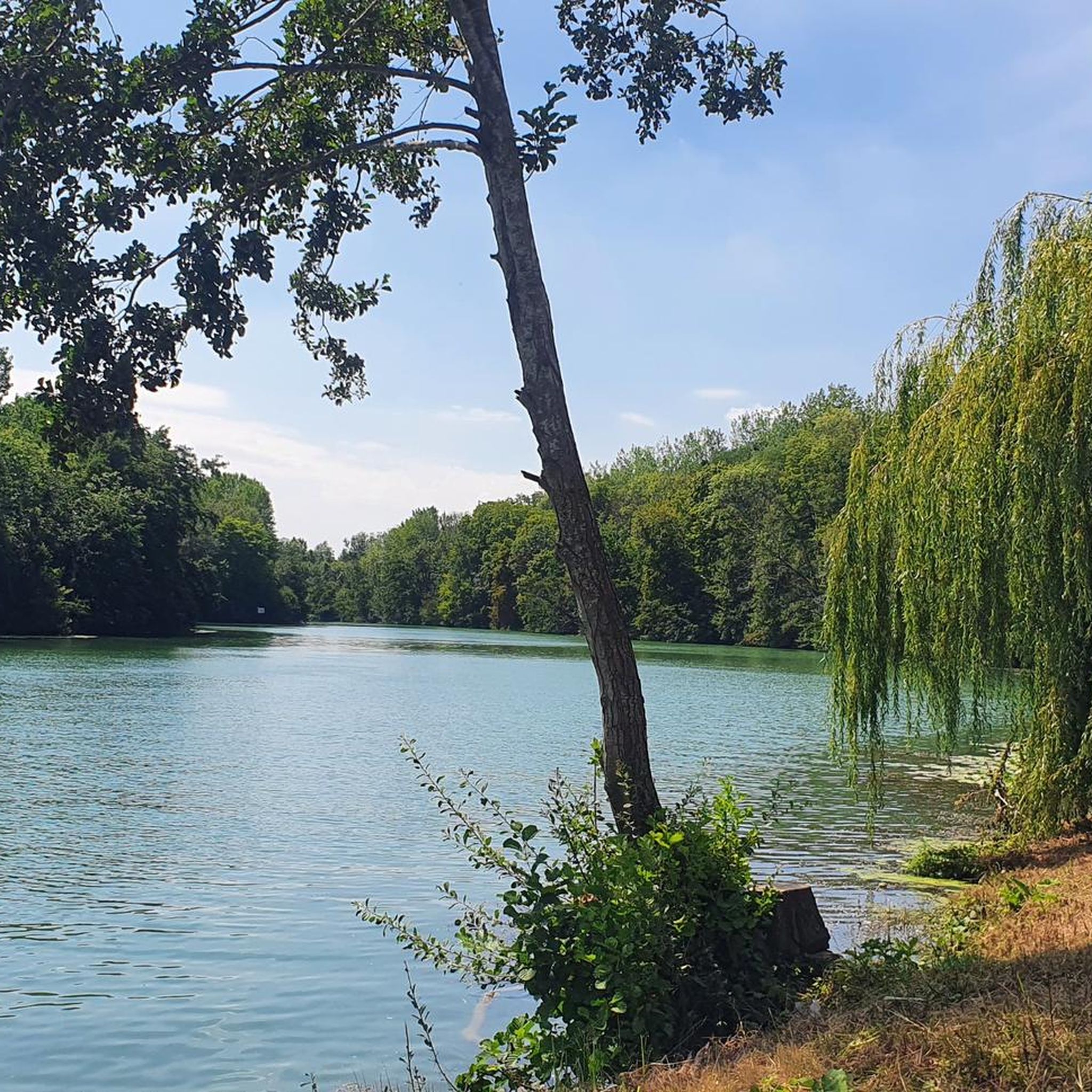
Bridge overlooking the Marne near the Grand-Voyeux nature reserve.
0
0

This derrick, visible from the road, is one of the last active oil wells in the historic Coulommes deposit (see the must-see "Derrick de Coulommes"), which was the initiator of oil exploitation in Seine et Marne.
0
0
There is oil in France! In fact, 64 oil and gas deposits are currently in operation, mainly in the Aquitaine Basin and in the Paris Basin. Annual French production amounts to 0.8 million tonnes of oil, which represents 1% of the country's consumption. Production in Brie dates back to the 1950s, when France aimed for oil self-sufficiency and began a series of major research programs in Seine-et-Marne. The first oil discovery was made here on February 22, 1958, at a depth of 1,875 m in the basement of the village of Coulommes. This deposit has produced around two million tonnes of oil, but of the fifty-seven wells drilled since 1958 on the concession, only four are still active. This derrick was installed here by the municipality of Coulommes to commemorate this event. Following the fluctuations in the price of black gold, the oil companies plan to resume exploration and the re-exploitation of the deposits of Seine et Marne.
0
0

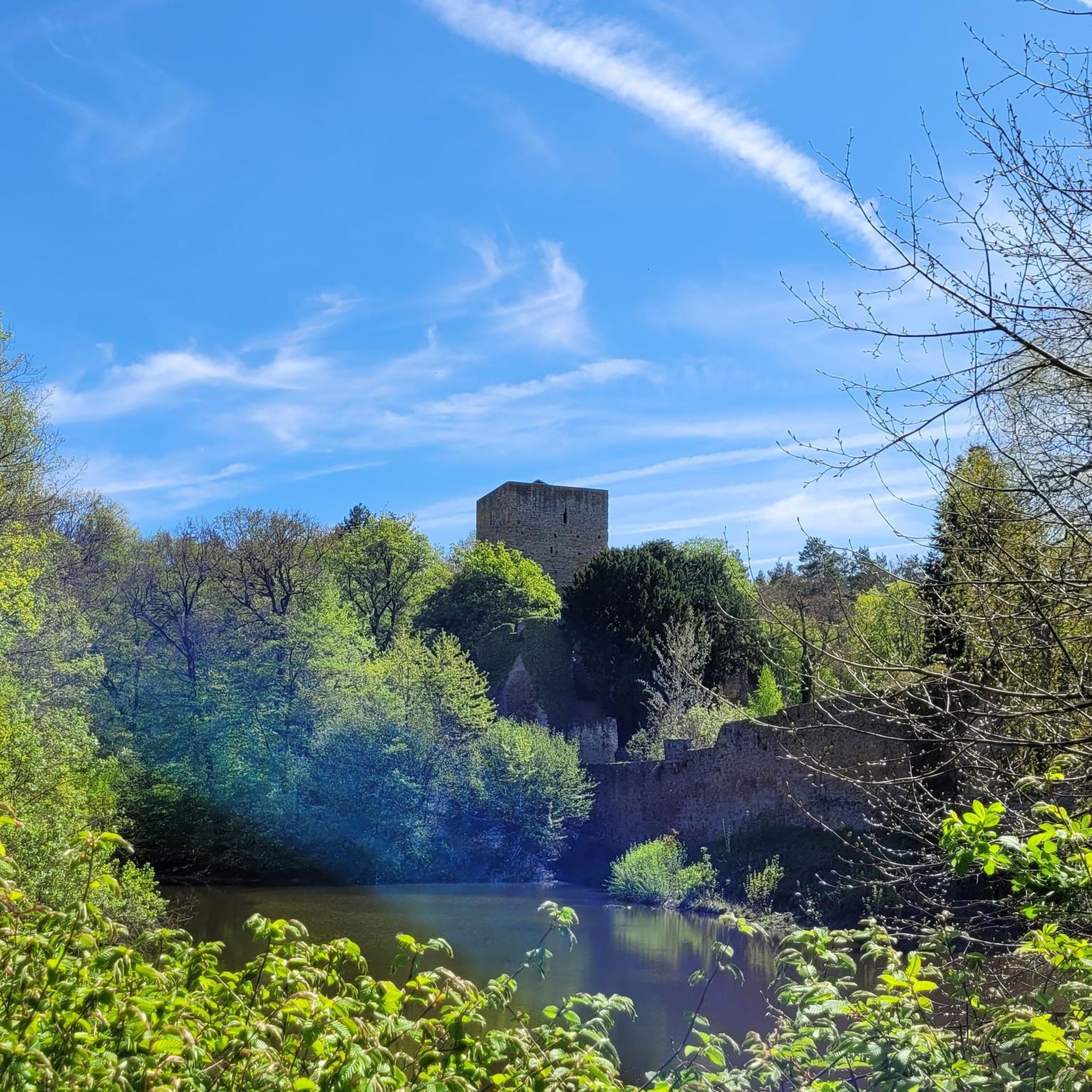
Former stronghold of the Counts of Valois, the fortified castle was built around 1390 by Jean de Sépoix, advisor to King Charles V, on the site of an old fortified house. Currently only the square keep remains. The house was burned down during the Fronde.
0
0

The forest of Montceaux offers an ideal setting for practicing many sports, including running. This forest massif near the Marne covers 685 hectares and is full of marked trails. The site is very well preserved and therefore it lends itself particularly well for a moment of disconnection from everyday life!
0
0
Frequently Asked Questions
What kind of terrain can I expect on road cycling routes around Mary-sur-Marne?
The region offers a diverse landscape for road cyclists. You'll find flat and accessible paths along the Marne River, Canal Latéral à la Marne, and Ourcq Canal. Further out, the rolling hills and picturesque vineyards of the Champagne region provide more dynamic terrain with gentle inclines. Some routes also venture into forested areas, such as those found near the Montagne de Reims Regional Nature Park.
Are there road cycling routes suitable for beginners or families in Mary-sur-Marne?
Yes, Mary-sur-Marne offers several easy road cycling options, particularly along the river valleys and canals. These flat, accessible paths are ideal for leisurely rides and families. For example, segments of the Véloroute de la Vallée de la Marne provide mellow rides on quiet, paved roads right by the Marne. There are 16 easy routes available in the area.
What are some longer distance road cycling routes available near Mary-sur-Marne?
For longer rides, consider exploring the V52 itinerary, also known as the Marne Valley cycle path, which stretches 65 km from Dormans to Moncetz-Longevas, passing through the Champagne region. Another option is the Sennevieres pond – Trebuchet loop from Lizy-sur-Ourcq, a moderate 60.2 km path offering scenic views of ponds and rural landscapes.
Are there any circular road cycling routes around Mary-sur-Marne?
Yes, many routes in the area are designed as loops. Popular circular routes include the Le Clignon loop from Lizy-sur-Ourcq, a 48.1 km trail with varied terrain, and the Saint-Authaire Church loop from Lizy-sur-Ourcq, a 41.9 km trail leading through agricultural fields and past historical points.
What interesting landmarks or viewpoints can I see along the road cycling routes?
Road cycling routes around Mary-sur-Marne offer several points of interest. You can pass by historical sites like the Saint-Authaire Church or the Houssoy Castle. The Monument Notre-Dame de la Marne - Barcy is another significant landmark. Many routes also offer scenic views of the Marne River and the surrounding vineyards, especially in the Champagne region.
What is the best time of year for road cycling in Mary-sur-Marne?
The spring and autumn months generally offer the most pleasant conditions for road cycling in Mary-sur-Marne, with mild temperatures and beautiful scenery. Summer can also be enjoyable, though it's advisable to start earlier in the day to avoid the midday heat. Winter cycling is possible, but some paths might be less maintained, and weather conditions can be more challenging.
Are there any advanced road cycling routes with significant climbs near Mary-sur-Marne?
While the region is known for its river valleys and gentle inclines, some routes do offer more challenging sections. The Champagne region's rolling hills provide opportunities for moderate climbs. For example, the Saint-Authaire Church loop from Lizy-sur-Ourcq features an elevation gain of nearly 550 meters over its 41.9 km distance, making it a good option for those seeking more elevation.
What do other road cyclists enjoy most about road cycling in Mary-sur-Marne?
The area is highly rated by the komoot community, with an average score of 4.5 stars from over 30 reviews. Road cyclists often praise the varied terrain, which includes both flat riverside paths and rolling vineyard hills, as well as the scenic views and historical points of interest along the routes. The well-maintained network of routes also contributes to a positive cycling experience.
Can I find routes that pass through charming villages or offer cafe stops?
Absolutely. Many routes in the Marne Valley pass through picturesque villages. For instance, the V52 itinerary goes through charming villages like Hautvillers, known for its Benedictine abbey. The Meaux Marne Ourcq area also offers cycling tours that highlight local heritage, where you can often find opportunities for cafe stops and to sample local produce like Brie cheese. For more information on Hautvillers, you can visit tourisme-hautvillers.com.
How many road cycling routes are available around Mary-sur-Marne?
There are over 150 road cycling routes available around Mary-sur-Marne, catering to various skill levels. This includes 16 easy routes, 125 moderate routes, and 12 difficult routes, ensuring there's something for every road cyclist.
Are there any routes that focus on historical sites or battlefields?
Yes, the Meaux Marne Ourcq area, close to Mary-sur-Marne, offers cycling tours that highlight local heritage and battlefields. Routes like 'Brie cheese and battlefields' (21.8 km) and 'Battle of the Marne 1914' (33.31 km) provide a historical context to your ride. You can also visit the Musée de la Grande Guerre in Meaux for further exploration.
What are some less crowded road cycling trails in the area?
While popular routes can see more traffic, many of the paths along the Canal Latéral à la Marne and the Ourcq Canal, as well as segments of the Véloroute de la Vallée de la Marne, offer quiet, paved roads that are generally less crowded. Exploring routes further into the agricultural fields, such as the Monument of the Four Roads – Chambry National Necropolis loop from Lizy-sur-Ourcq, can also provide a more tranquil experience.
Most popular attractions around Mary-Sur-Marne

Get inspired with the komoot mobile app


Explore more
Browse the best Road cycling routes in other regions.
