The best road cycling routes around Veyssilieu
4.4
(220)
2,970
riders
390
rides
Road cycling routes around Veyssilieu are situated within the Balcons du Dauphiné area of the Isère department, offering diverse terrain. The region features a mix of wide-open plains, rolling hills, and views of surrounding mountain ranges such as Jura, Bauges, Chartreuse, Belledonne, and Vercors. Cyclists can find routes along the Isère River valley and dedicated greenways. This varied landscape provides options for different cycling preferences.
Best road cycling routes around Veyssilieu
- The most popular road cycling route is Balconies of…
Last updated: July 2, 2026
3.3
(3)
28
riders
84.4km
03:58
880m
870m
This moderate 52.5-mile (84.4 km) road cycling route in the Balcons du Dauphiné offers diverse landscapes and medieval heritage.
5.0
(6)
21
riders
64.1km
03:20
980m
980m
Hard road ride. Very good fitness required. Some segments of this route may be unpaved and difficult to ride.

Sign up for free
21
riders
56.1km
02:31
600m
600m
Moderate road ride. Good fitness required. Mostly well-paved surfaces and easy to ride.
5.0
(2)
32
riders
48.9km
02:17
570m
570m
Moderate road ride. Good fitness required. Mostly well-paved surfaces and easy to ride.
9
riders
82.3km
03:27
290m
290m
Moderate road ride. Good fitness required. Some segments of this route may be unpaved and difficult to ride.
Get access to more routes and recommendations from other explorers.
Sign up for free
Already have an account?
Our route recommendations are based on thousands of hikes, rides, and runs completed by other people on komoot.
Start today with a free account
Your next adventure awaits.
Login or Signup
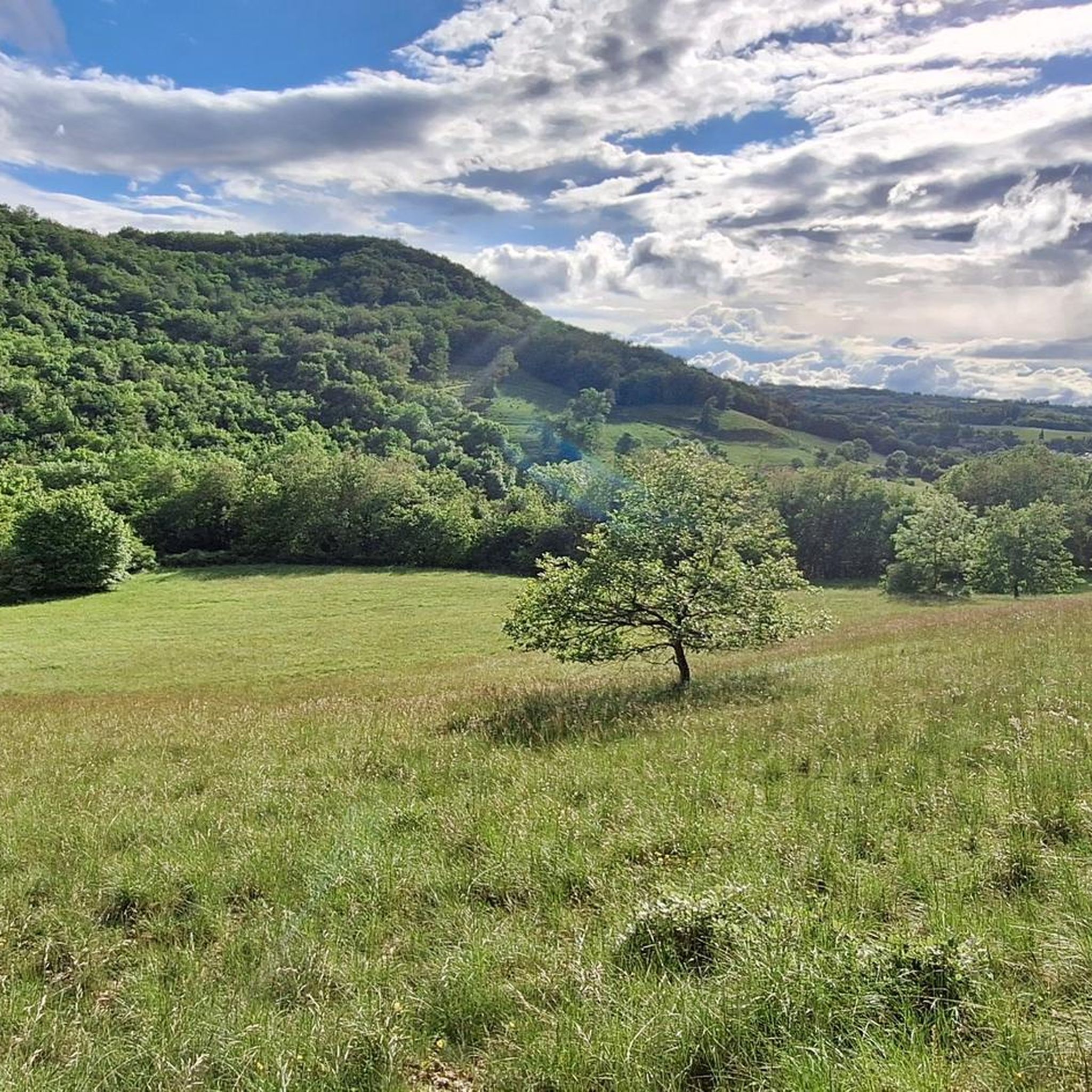
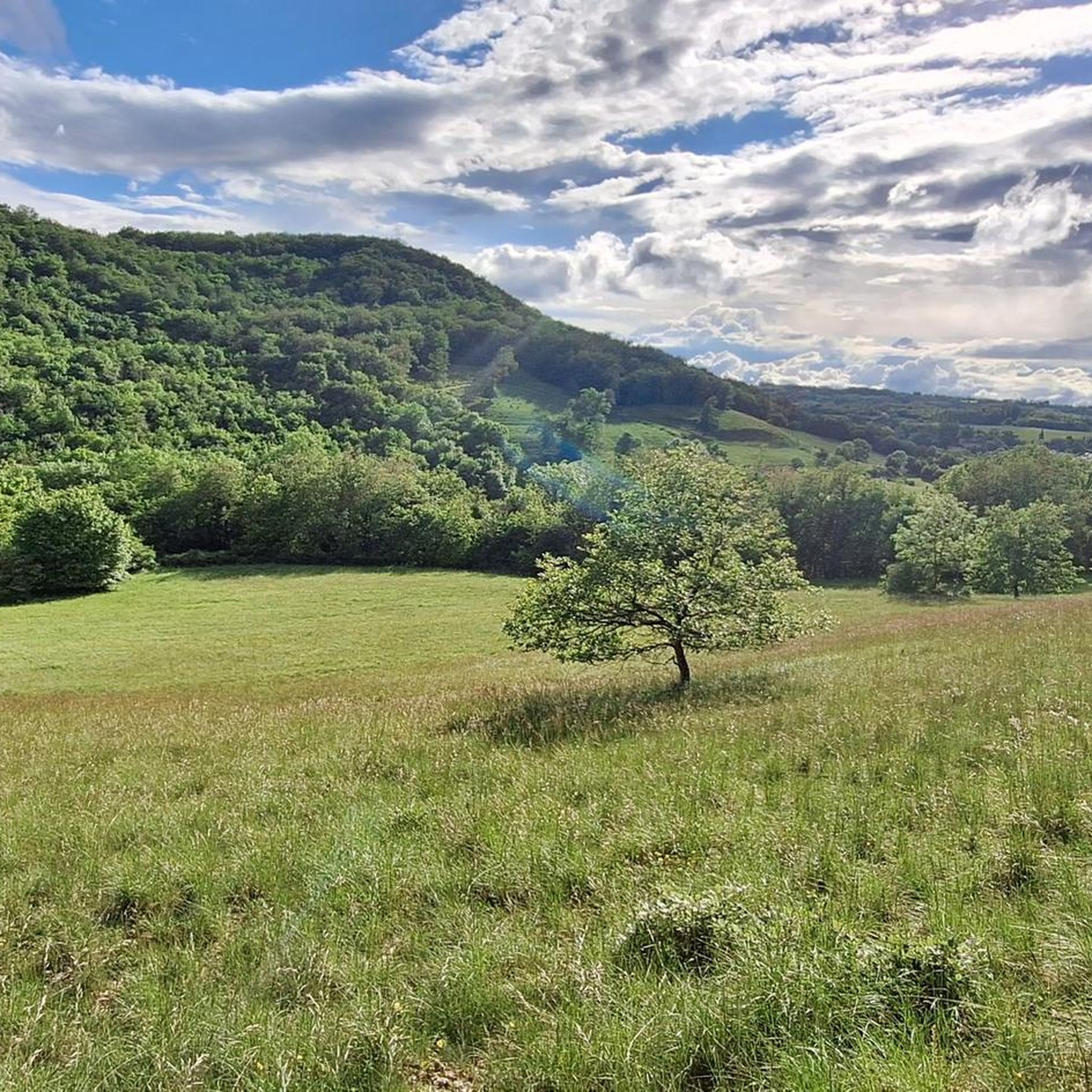
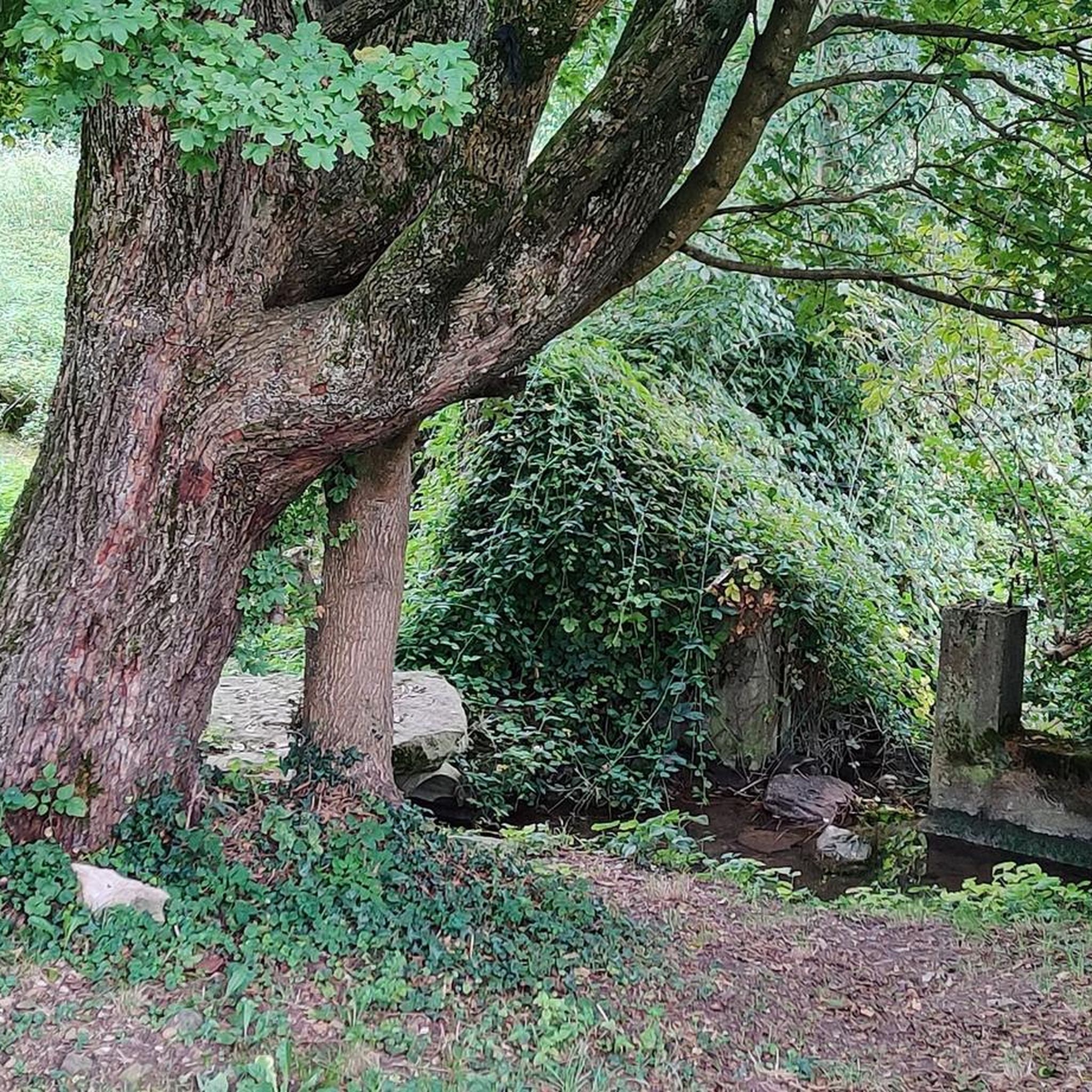
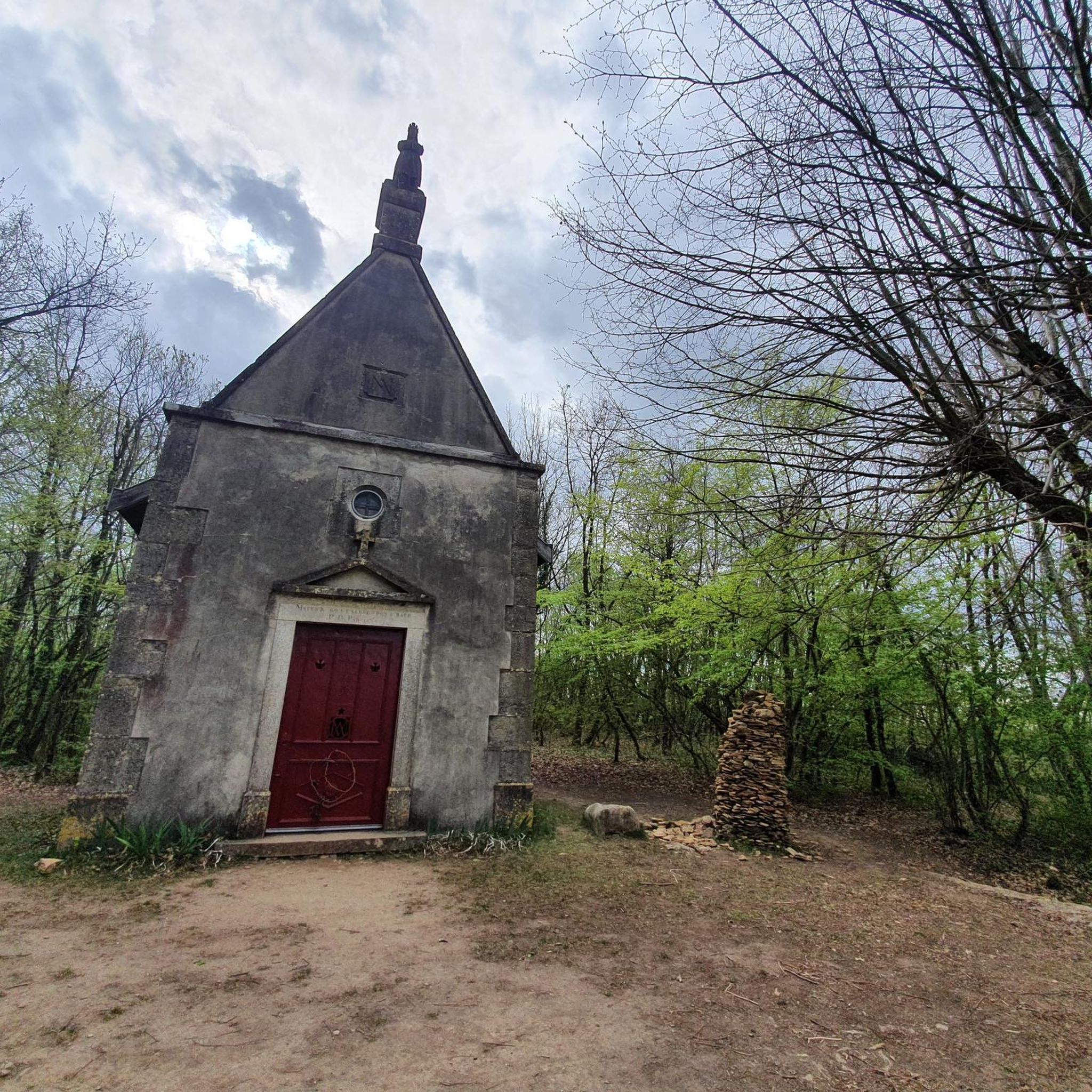

Tips from the Community

Beautiful little town, quite touristy, but worth the detour
0
0

Beautiful stone village and World Heritage Market Hall
0
0

Although first mentioned in 1540, the Cingle fortified house was undoubtedly built in the second half of the 14th century by the Pèlerin family. Originally composed of a main tower and a wing back to the west, it perhaps originally included a curtain wall. During the 15th century, the south wing was extended towards the west, a main building comprising a lower room and an upper room was attached to the north of the main tower, while a turret occupied on the first floor by an oratory and on the second by a dovecote is built to the east, projecting. A wing including the kitchen on the ground floor is also built at right angles to the north of the courtyard. The farm itself retains some architectural elements dating from the 16th century. Source: Ministry of Culture
1
0

The track is not equipped until the end although obligatory it ends on a gravel path
0
0
The Bienassis fortified house, built by the Vallin family at the end of the 14th century, was organized around an enclosed courtyard and included a pavilion surrounded by watchtower turrets. The current building was completed in 1897 for Casimir Gournet, who wanted to give the old feudal residence the appearance of a medieval castle. Alphonse de Lamartine made several stays in Bienassis with his friend Nicolas Prosper Guichard, between 1804 and 1808. The castle, built of limestone rubble, consists of an L-shaped building covered with a long-pitched roof covered with mechanical tiles extended to the south by a high quadrangular tower with a porch in the work. The north wing has four levels of elevation: three cellars on the basement floor, a square floor and an attic floor. The tower rises on three levels: a ground floor with ribbed vaults and two square floors, the buildings are crowned with false machicolation. The corner turrets are covered with conical slate roofs. The stained glass windows of the ground floor living room are decorated with two bust-length women and two bust-length men in rondels. The coat of arms of the Joubert de Montlevon family can be found on one of the windows of the first living room on the ground floor. In the library, two shields with scrolling scroll motifs, a shield decorated with three female heads, a shield decorated with a passing griffin, and a shield decorated with two hammers with the initials C G for Casimir Gournet adorn the windows. Source: Châteaux de France
0
0
Magnificent and immense pond, dominated by Château Saint-Julien, also called Château Saint-Jullin.
0
0
This 19th century wash house is remarkable for its size and the quality of its workmanship. Located on the side of the road, it measures more than 11 m. long and shelters a vast basin fed by the waters of the Amby. Its imposing framework supports a slate roof. This washhouse was built in 1873 by Pierre Chatelard, mason, Pierre Marin, master stonemason and Benoît Reynaud, carpenter. Source: balconies of Dauphiné Tourisme
0
0
Frequently Asked Questions
How many road cycling routes are available around Veyssilieu?
There are over 350 road cycling routes around Veyssilieu, offering a wide range of options for all skill levels. These routes are highly rated by the komoot community, with an average score of 4.3 stars from over 180 reviews.
What kind of terrain can I expect on road cycling routes near Veyssilieu?
Road cycling around Veyssilieu offers a diverse landscape, from wide-open plains and rolling hills to spectacular mountain scenery. You'll find routes traversing the Isère River valley, with views of the Jura, Bauges, Chartreuse, Belledonne, and Vercors mountain ranges. This variety ensures options for both gentle rides and more challenging ascents.
Are there any easy or beginner-friendly road cycling routes in the Veyssilieu area?
Yes, the region caters to all levels. Out of the 350 available routes, 34 are classified as easy, making them suitable for beginners or those looking for a more relaxed ride. These routes often feature manageable distances and lower elevation gains, such as sections of the La Belle Via which offers peaceful riverside cycling.
What are some challenging road cycling routes around Veyssilieu for experienced riders?
For experienced riders seeking a challenge, there are 66 difficult routes available. One such route is the Château Delphinal of Crémieu – Crémieu, medieval town loop from Saint-Marcel-Bel-Accueil, which covers 36.2 miles (58.3 km) with significant elevation gain, passing through historical areas.
Are there any circular road cycling routes near Veyssilieu?
Yes, many routes in the region are designed as loops. For instance, the Balconies of Dauphiné Loop is a popular 52.4 miles (84.4 km) circular route offering expansive views. The Balcons du Dauphiné area itself provides cycling loops, such as a 75 km circuit originating from Crémieu, characterized by a low elevation gain.
What historical or cultural landmarks can I see along road cycling routes in the area?
The region is rich in history. Many routes pass through charming villages and historical sites. You can explore the medieval town of Crémieu, which features architectural heritage and the Château Delphinal of Crémieu. Other notable castles include Château de Fallavier and Château de Bienassis. Veyssilieu itself has Gallo-Roman remains and a 14th-century church.
Are there dedicated greenways or traffic-free paths for road cycling near Veyssilieu?
Yes, the region features developed greenways and shared routes. Sections of La Belle Via, which traverses the Isère Valley, offer immersive experiences through picturesque, traffic-free greenways, ensuring a safe and enjoyable cycling experience with reduced traffic.
What is the best time of year for road cycling around Veyssilieu?
The Isère department generally offers excellent cycling conditions from spring through autumn. The varied terrain means you can find suitable routes for different seasons, but spring and early autumn provide pleasant temperatures and vibrant scenery, ideal for exploring both the plains and rolling hills.
Are there any specific regulations or permits required for road cycling in the Isère region?
Generally, no specific permits are required for road cycling on public roads and designated cycle paths in the Isère region. However, it's always advisable to follow standard road safety regulations and be aware of local signage, especially in natural parks or protected areas if your route takes you through them.
Can I find places to eat or stay along the cycling routes near Veyssilieu?
The region actively promotes cycling tourism with initiatives like the 'Accueil Vélo' label, which ensures services and equipment for cyclists. Many routes pass through charming villages and towns where you can find cafes, restaurants, and accommodation options. The medieval town of Crémieu, for example, is a good spot for a break.
What are the options for parking or public transport access to cycling routes near Veyssilieu?
While specific parking details for every trailhead are not available, many towns and villages along the routes, such as Crémieu, offer public parking. For public transport, the broader Isère department has a network that can connect you to various starting points, though direct access to every route by public transport might vary. Planning your route in advance with komoot can help identify convenient access points.
What do other road cyclists enjoy most about road cycling in Veyssilieu?
The area is highly rated by the komoot community, with an average score of 4.3 stars. Reviewers often praise the diverse terrain, from rolling hills to mountain views, and the opportunity to combine cycling with exploring historical sites like the medieval town of Crémieu. The well-maintained paths and scenic beauty are frequently highlighted.
Most popular routes around Veyssilieu
Most popular attractions around Veyssilieu

Get inspired with the komoot mobile app


Explore more
Browse the best Road cycling routes in other regions.
