Attractions and Places To See around Saint-Jean-De-Soudain - Top 20
Best attractions and places to see around Saint-Jean-De-Soudain include a variety of historical sites and natural areas. The region offers diverse points of interest, from medieval towns and castles to tranquil lakes. Visitors can explore locations that highlight both cultural heritage and outdoor opportunities.
Best attractions and places to see around Saint-Jean-De-Soudain
- The most popular attractions is Morestel Medieval Town and Castle, a medieval town and castle that offers a glimpse into historical architecture. Its medieval character makes it a notable stop for those interested in local heritage.
- Another must-see spot is Chateau de Chapeau Cornu, a castle with historical significance. The site was originally a fortified house and provides views of the surrounding area.
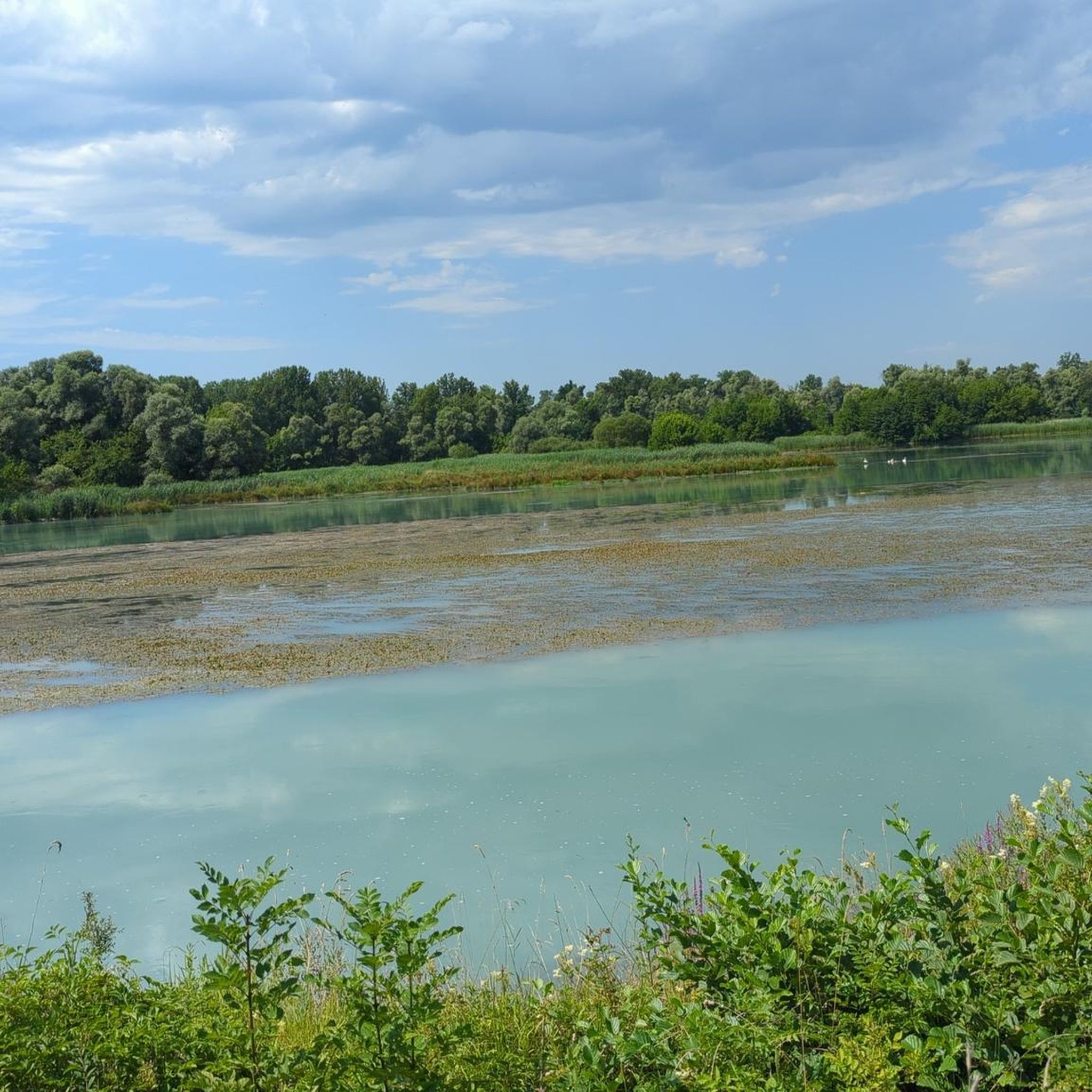
- Visitors also love Étang de la Rosière, a lake that provides a relaxing setting. This pond, fed by the Loudon stream, was built in the 18th century and is now a protected natural place with hiking trails.
- Saint-Jean-De-Soudain is known for its historical sites, natural landscapes, and religious buildings. The area provides a variety of attractions to see and explore.
- The attractions around Saint-Jean-De-Soudain are appreciated by the komoot community, with more than 50 upvotes and 8 photos shared.
Last updated: July 2, 2026
Étang de la Rosière
Highlight • Lake
Translated by Google •
Tip by

Chateau de Chapeau Cornu
Highlight • Other
Translated by Google •
Tip by

Sign up now to discover places like this
Get recommendations on the best single tracks, peaks, & plenty of other exciting outdoor places.
Sign up for free
Morestel Medieval Town and Castle
Highlight • Castle
Translated by Google •
Tip by

Saint Joseph Chapel
Highlight • Religious Site
Translated by Google •
Tip by

ViaRhôna Gravel Section Between Groslée and La Balme
Highlight (Segment) • Cycleway
Translated by Google •
Tip by

Sign up for free to discover even more attractions around Saint-Jean-De-Soudain.
Sign up for free
Already have an account?
Start today with a free account
Your next adventure awaits.
Login or Signup


Tips from the Community

Found somewhat by chance and at a very affordable price, this hotel restaurant is a superb stopover for a bike ride!
0
0

This church is dedicated to Saint Joseph, the foster father of Jesus Christ. He—like Zechariah, the father of John the Baptist—is a man on the threshold between the Old and New Testaments. Joseph came from the House of David, one of the twelve tribes of Israel. He was a carpenter by trade and the betrothed of the Blessed Virgin Mary. Saint Joseph's feast day in the calendar of saints is March 19th; in addition, the Church celebrates the feast of "Joseph the Worker" on May 1st.
0
0

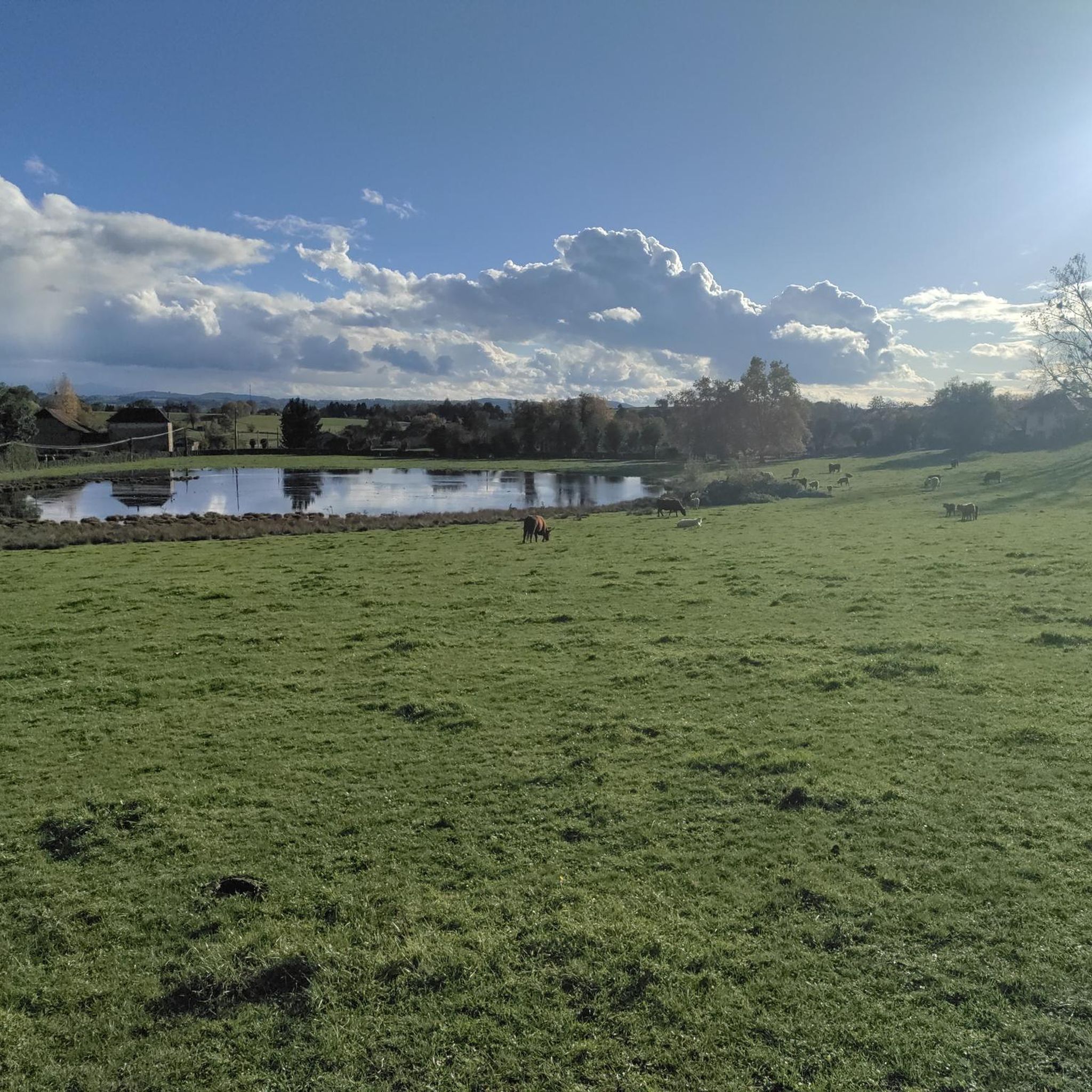
Lovely view of the pond. A little cool spot when it's hot.
0
0

Hello, is this suitable for road biking? Or only for gravel? Thanks 🙂
0
0

A pretty, medieval town that is certainly worth more time to visit than we could take while driving through.
0
0

Beautiful cycle paths in a wonderful location.
0
0
Lovely little town. The music festival is particularly recommended.
0
0

Chapeau Cornu Castle was originally a fortified house built on the site of an ancient Roman camp. Between 800 and 1100, feudalism took hold. The sovereigns of Vienna and the Bishop created “rear fiefdoms” to ensure security and repel attackers. In the 12th and 13th centuries, there were two allied families: the Capellas and the Cornutis. It is by derivative of these 2 Latin names that “Chapeau Cornu” was born. In 1300, Amédée de Rossilon was governor of Chapeau Cornu. He left this property to his nephews Pierre and Louis Chapel. After Pierre's death in 1358, Louis succeeded him. Pierre will leave 2 daughters, one of whom Antonia marries the Knight Etienne Laure, Lord of Veyssillieu. The latter was killed by the English while fighting under Duguesclin. His son Jacquemont Laure avenged him and his daughter Béatrice married Imbert de Groslée, Seneschal of the King, in 1413. His sons and descendants remained in Chapeau Cornu until 1650. It was in 1601 that Chapeau Cornu took the name Château. But in 1638, the Castle fell into disuse. The last occupants, the Matthieu de Rame couple, left no children and in 1693, the property passed to Aymard Micha de Burcin. He expanded the estate through multiple purchases and died in 1755, donating all his property to his cousin Philippe Guillaume de Grammont. After the storming of the Bastille on the night of July 25 to 26, 1789, “the great fear” began. A band of rioters, determined to destroy the property of the squires, arrived in Chapeau Cornu at 1 a.m. The steward at the time had the idea of treating them as guests and opened the doors of the wine cellars to them. The damage underground is impressive: the undrinked wine is emptied but the castle remains intact. After the Revolution, the castle was purchased by Jean André Barge from the de Certeau family. He diverted the bed of the stream coming from the hill which then passed into the castle. He had the large buildings to the south-east and east built on the vault. Ruined, he sold part of the land to people from Vignolles. In 1855, the castle and 80 hectares surrounding it were bought by his son Ferdinand de Certeau. The estate remained in the family until 1891. The Bourgoin Court then ordered a judicial liquidation and had the property sold in several lots. Source: Vignieu website
1
0
Frequently Asked Questions
What natural attractions can I explore around Saint-Jean-De-Soudain?
You can visit Étang de la Rosière, a protected natural area with a tranquil lake, perfect for relaxing and hiking. It's fed by the Loudon stream and offers a peaceful setting.
Are there historical sites to visit near Saint-Jean-De-Soudain?
Yes, the region is rich in history. You can explore Morestel Medieval Town and Castle, which offers a glimpse into historical architecture. Another significant site is Chateau de Chapeau Cornu, originally a fortified house with a long history.
What are some family-friendly activities available?
Both Morestel Medieval Town and Castle and Étang de la Rosière are considered family-friendly. The medieval town provides an engaging historical experience, while the lake offers space for walks and enjoying nature.
Where can I find good viewpoints in the area?
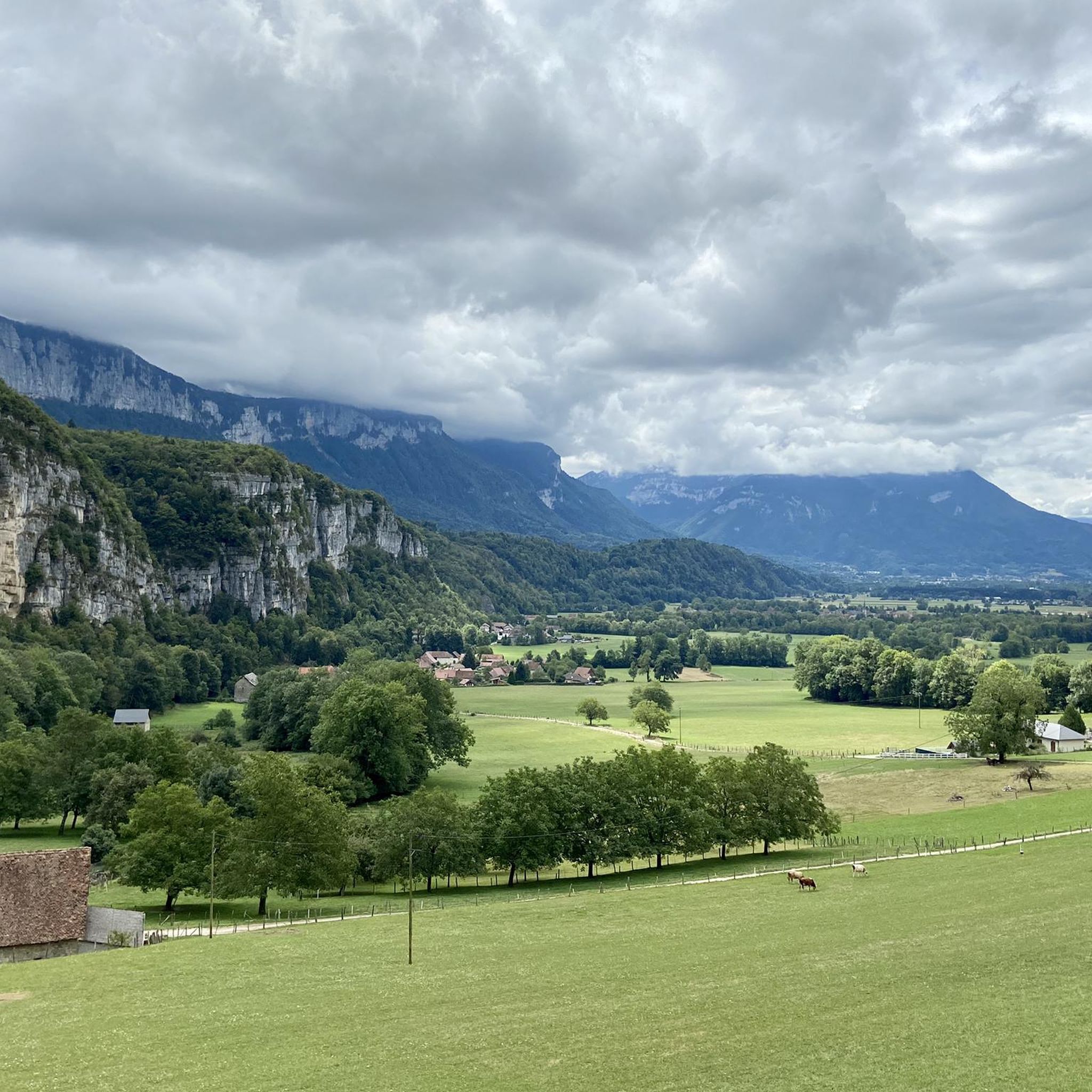
For stunning panoramic views, head to Saint Joseph Chapel. It offers a magnificent perspective of the Chartreuse mountains and the Terres Froides plain. Étang de la Rosière also provides lovely views of the pond itself.
Are there hiking opportunities near these attractions?
Yes, many hiking trails start from Étang de la Rosière. For more detailed hiking routes around the region, you can explore the Hiking around Saint-Jean-De-Soudain guide, which includes easy options like the 'Old Washhouse of Montcarra – Wooden pontoon loop'.
What cycling routes are available in the Saint-Jean-De-Soudain area?
The region features parts of the ViaRhôna, such as the ViaRhôna Gravel Section Between Groslée and La Balme, which is well-laid out for cycling. For a wider selection of road cycling routes, check out the Road Cycling Routes around Saint-Jean-De-Soudain guide.
What do visitors enjoy most about the attractions here?
Visitors appreciate the historical depth of sites like Morestel Medieval Town and Castle for its charming character. The peaceful setting and hiking opportunities at Étang de la Rosière are also highly valued, especially for relaxation and nature immersion.
Are there any religious buildings of interest?
Yes, the Saint Joseph Chapel is a notable religious building. Beyond its spiritual significance, it's also recognized for offering magnificent views of the surrounding landscape.
Can I find easy walking trails suitable for all abilities?
Yes, the area around Saint-Jean-De-Soudain offers easy walking trails. For example, the 'Old Washhouse of Montcarra – Wooden pontoon loop' and the 'Étang de la Feuillée – Chantillin pond loop' are both rated as easy in the Hiking around Saint-Jean-De-Soudain guide.
What kind of running trails are available?
You can find various running trails, including moderate options like the 'Château de Cuirieu loop from La Tour-du-Pin' or the 'Running loop from Cessieu'. More details are available in the Running Trails around Saint-Jean-De-Soudain guide.
Are there any hidden gems or less-known spots worth visiting?
While not strictly 'hidden,' the Saint Joseph Chapel is a charming spot that offers a unique combination of historical interest and breathtaking views, making it a rewarding discovery for many visitors.
Most popular routes around Saint-Jean-De-Soudain

Get inspired with the komoot mobile app


Explore more
Still not found the Highlight you’re looking for? See guides of the top attractions in other regions:
