The best cycling routes around Ban-De-Sapt
4.5
(214)
2,040
riders
234
rides
Touring cycling around Ban-De-Sapt features routes through varied terrain, including passes, lakes, and forested areas. The region is characterized by rolling hills and significant elevation changes, offering diverse challenges for cyclists. Many routes traverse natural landscapes, providing opportunities to experience the local environment. This area provides a mix of challenging climbs and more gentle paths suitable for different skill levels.
Best touring cycling routes around Ban-De-Sapt
- The most popular touring cycling route is Lac de la Plaine – Lac de…
Last updated: May 7, 2026
5.0
(1)
19
riders
Moderate bike ride. Good fitness required. Mostly paved surfaces. Suitable for all skill levels.
18
riders
64.6km
04:18
990m
990m
Hard bike ride. Very good fitness required. Mostly paved surfaces. Suitable for all skill levels.

Sign up for free
4.3
(3)
12
riders
22.6km
01:28
300m
300m
Moderate bike ride. Good fitness required. Mostly paved surfaces. Suitable for all skill levels.
5.0
(1)
11
riders
27.0km
01:33
100m
100m
Easy bike ride. Great for any fitness level. Mostly paved surfaces. Suitable for all skill levels.
5.0
(2)
8
riders
41.3km
02:55
750m
750m
Hard bike ride. Very good fitness required. Mostly paved surfaces. Suitable for all skill levels.
Get access to more routes and recommendations from other explorers.
Sign up for free
Already have an account?
Our route recommendations are based on thousands of hikes, rides, and runs completed by other people on komoot.
Start today with a free account
Your next adventure awaits.
Login or Signup
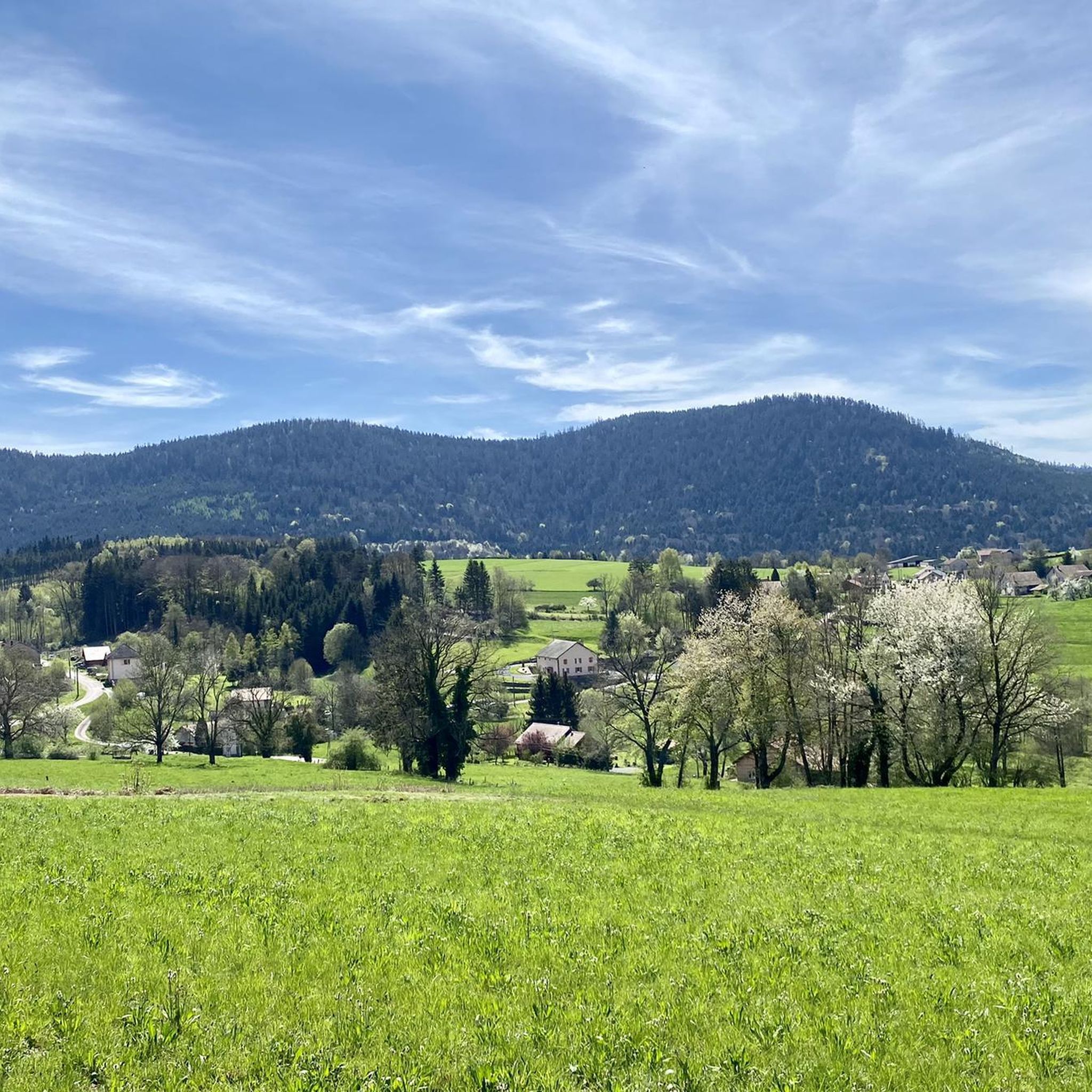
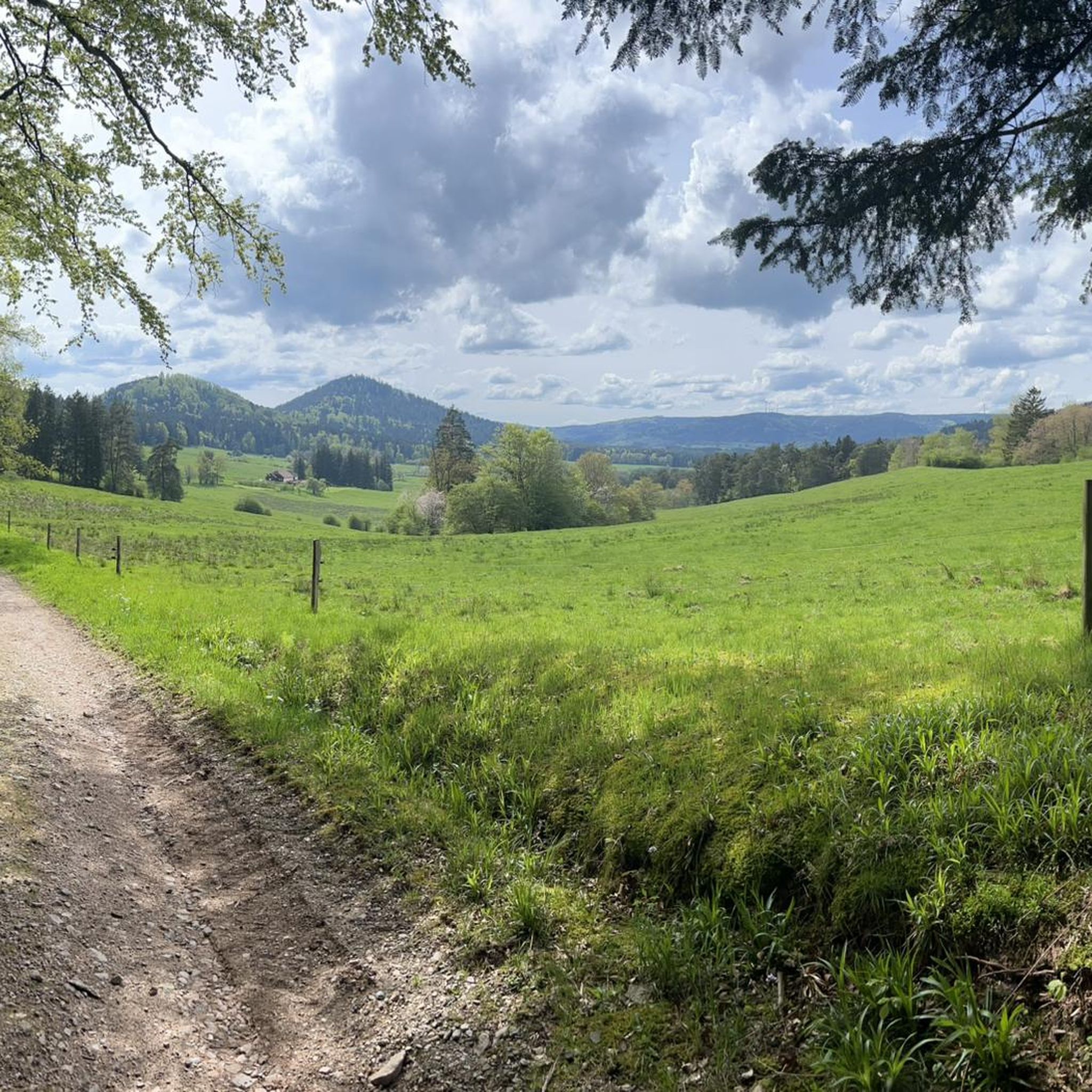
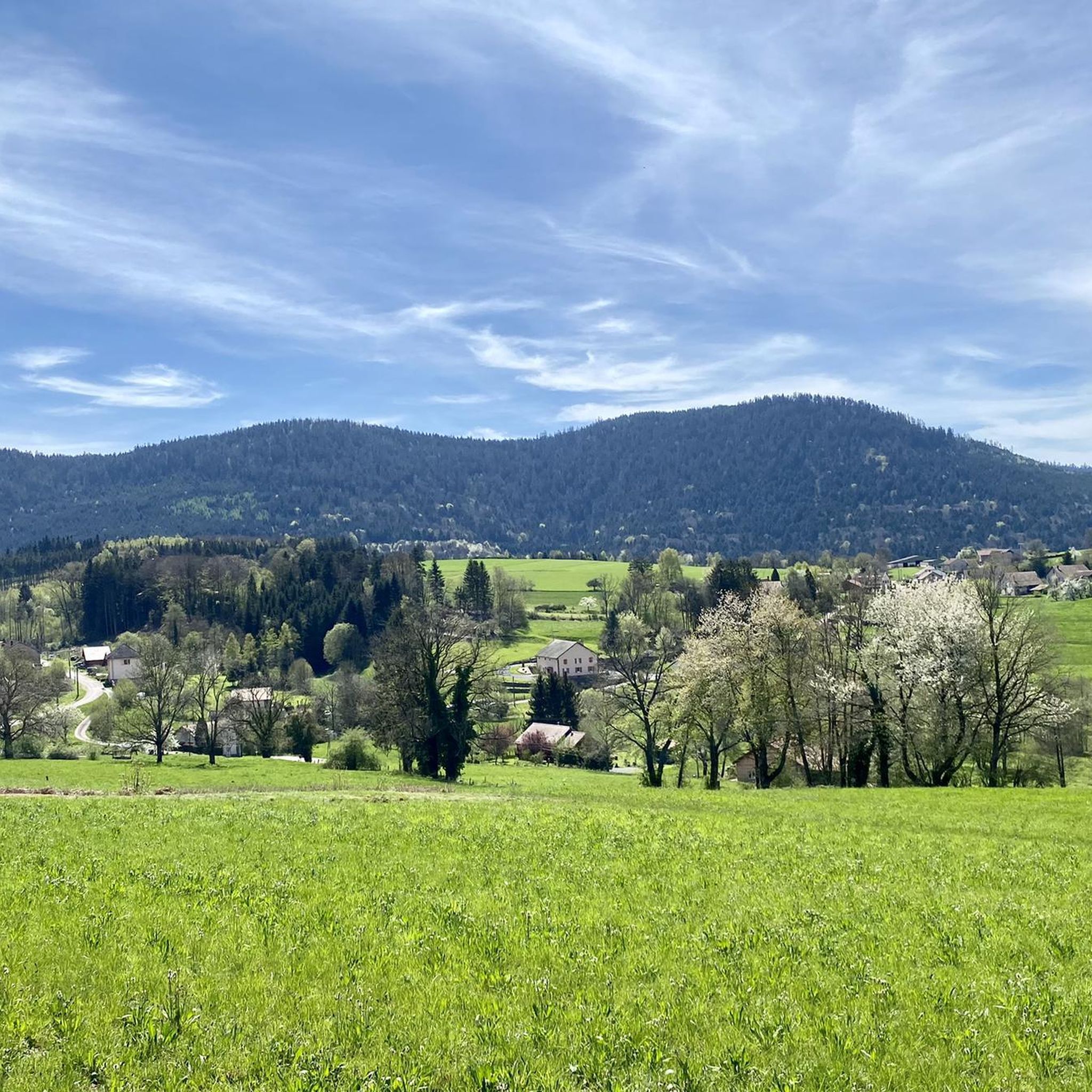
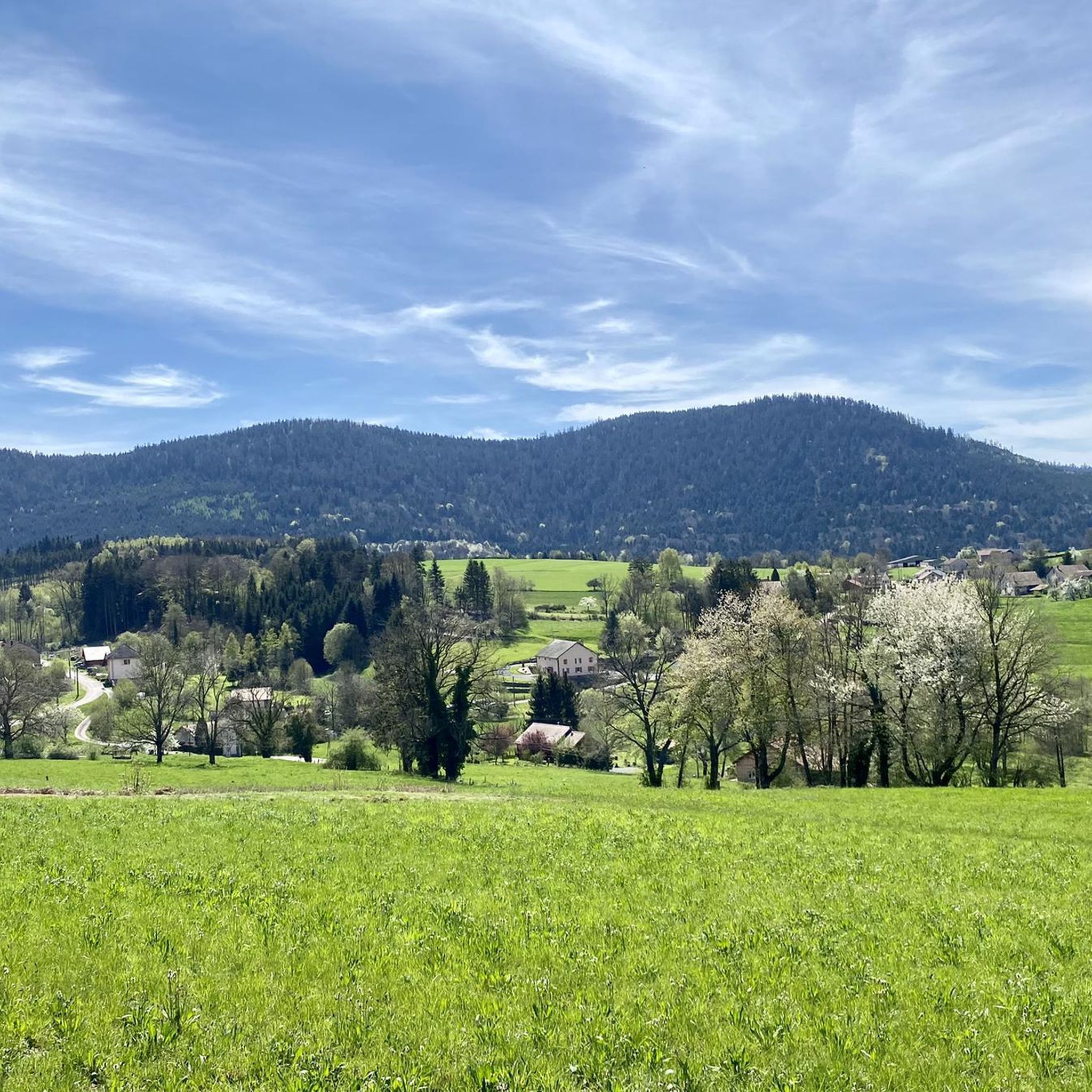

Tips from the Community

Beautiful route, pleasant but lots of bikers...
0
0

yes up there you have a good view
1
0

Nestled in a verdant valley, Saint-Dié-des-Vosges is a charming Vosges town with a rich historical and cultural heritage. Blending conviviality, culture, history, and nature, it appeals to both heritage enthusiasts and lovers of wide-open spaces.
0
0


Originally built in the 12th century, this church was rebuilt and expanded in the 18th century. The square Romanesque bell tower was raised in 1712 and topped with a striking onion-shaped dome, built by Polish carpenters at the initiative of Stanislas Leszczyński, King of Poland and Duke of Lorraine. The church was badly damaged during WWI, but was restored in the 1920s. Inside, you will find stained glass windows by Frères Ott (Strasbourg) and murals in friezes. The church has been protected as a historical monument since 1995.
2
0
Historic village in the Vosges Ban-de-Sapt is located on a strategic height in the Vosges and was the scene of fierce fighting during WWI, especially around the côte 627. Today it is a peaceful place with a rich culture of remembrance. The Nécropole nationale de la Fontenelle, original trenches, a panoramic table and a rare steel observation capsule from WWI make the village a unique destination for those who want to combine nature and history.
7
0
This military cemetery at the top of Côte 627 commemorates the fierce battles of 1915 between French and German troops in the Vosges. The necropolis was built between 1921 and 1923 and contains 2,346 graves, 1,382 of which are in ossuaries. At its heart is a monumental memorial – a “phare” or lighthouse – designed by Émile Bachelet, visible from the entire valley. The site was strategically crucial: on 22 June 1915, German troops took the heights, but on 8 and 9 July the French recaptured the terrain.
8
0
This granite memorial stone marks the exact location of the Western Front on 18 July 1918, during the final Allied offensives of the First World War. It is part of a series of 118 "Bornes du Front" designed by French sculptor and veteran Paul Moreau-Vauthier. Each stone bears a helmet on a laurel wreath and commemorates fierce fighting at that location. The borne at La Fontenelle commemorates the fierce battle in the Vosges, where French and German troops fought each other for a long time.
9
0
Frequently Asked Questions
How many touring cycling routes are available around Ban-De-Sapt?
There are over 240 touring cycling routes around Ban-De-Sapt, offering a wide variety of options for different skill levels and preferences.
Are there easy touring cycling routes suitable for beginners or families?
Yes, Ban-De-Sapt offers over 30 easy touring cycling routes. An example is the Liberty Tower – Saint Martin Church loop from Frapelle, which is 27.3 km long and features minimal elevation gain, making it suitable for a relaxed ride.
What kind of challenging routes can I find for advanced touring cyclists?
For advanced touring cyclists, there are over 140 difficult routes. These often include significant climbs over mountain passes. A challenging option is the Col de Steige – Urbeis Pass loop from La Chapelle, a 64.5 km path with extensive views and nearly 1000 meters of elevation gain.
Are there circular touring cycling routes in Ban-De-Sapt?
Many of the touring cycling routes in Ban-De-Sapt are circular, allowing you to start and end at the same point. For instance, the Lac de la Plaine – Lac de la Plaine loop from Au Vieux Pré is a 52.6 km circular route around the lake.
What are the typical distances and durations for touring cycling routes in the area?
Route distances vary significantly, from shorter rides around 20-30 km to longer excursions over 60 km. Durations can range from 2-3 hours for moderate routes to 4-5 hours or more for difficult, longer paths, depending on your pace and the terrain.
What can I see along the touring cycling routes in Ban-De-Sapt?
The routes often pass by historical sites and natural landmarks. You might encounter places like the Trail of the Hamlets Fallen for France – La Fontenelle, the La Bure Celtic Camp, or the impressive Saint-Dié Cathedral. Many routes also offer views of mountain peaks such as High Rock.
When is the best time of year for touring cycling in Ban-De-Sapt?
The best time for touring cycling in Ban-De-Sapt is typically from spring through autumn (April to October). During these months, the weather is generally mild, and the natural landscapes are at their most vibrant. Some higher passes might still have snow early in spring or late in autumn.
What do other touring cyclists enjoy most about cycling in Ban-De-Sapt?
The area is highly rated by the komoot community, with an average score of 4.5 stars from over 230 reviews. Reviewers often praise the diverse terrain, including scenic lakes, challenging mountain passes, and peaceful shaded forest paths, as well as the opportunities to explore historical sites.
Are there any routes that combine shaded paths with mountain passes?
Yes, some routes offer a mix of terrain. The Hantz Pass – Shaded bicycle path loop from Ban-de-Sapt is a great example, leading through shaded bicycle paths and over a mountain pass, providing both cooler sections and panoramic views.
Are there moderate touring cycling routes available?
Yes, there are over 70 moderate touring cycling routes. These routes offer a good balance of distance and elevation, suitable for cyclists looking for a bit of a challenge without extreme difficulty. An example is the Liberty Tower – Saint-Dié Cathedral loop from Hurbache, a 22.7 km route with moderate climbs.
Is it possible to find parking near the touring cycling routes?
While specific parking information for every route start isn't always detailed, many routes begin or pass through villages and towns where public parking is generally available. It's advisable to check local maps or komoot tour details for suggested starting points that may include parking facilities.
Most popular routes around Ban-De-Sapt
Most popular attractions around Ban-De-Sapt

Get inspired with the komoot mobile app


Explore more
Browse the best Cycling routes in other regions.
