The best MTB trails around Bludesch
4.5
(3320)
16,050
riders
220
rides
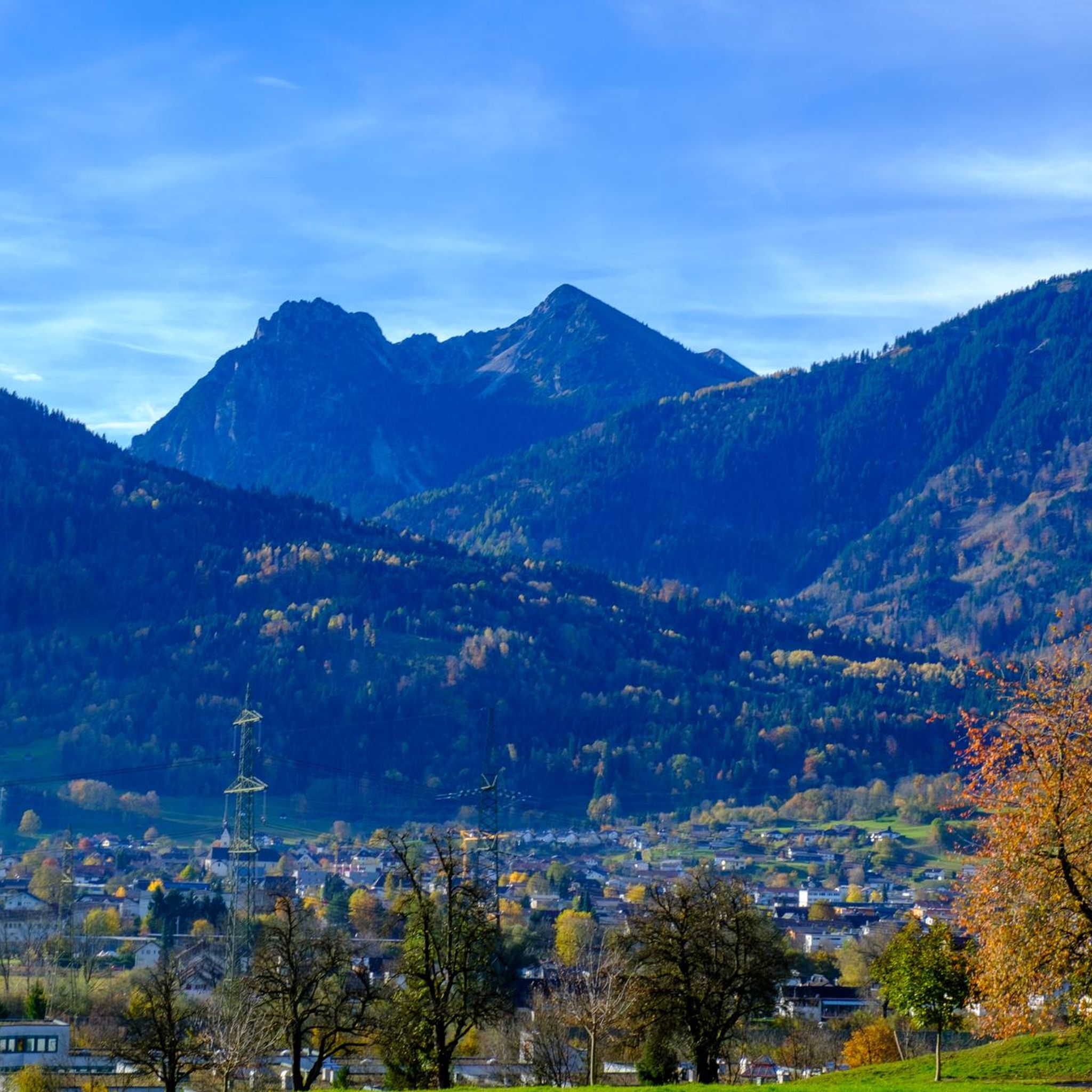
Mountain biking around Bludesch offers diverse terrain characterized by significant elevation gain, leading through alpine pastures, dense forests, and past mountain ponds. The region features varied landscapes, from challenging mountain ascents to scenic valley paths. Riders can expect a mix of singletrack and wider forest roads, providing a range of experiences for different skill levels. The area's topography makes it suitable for those seeking mountain bike trails Bludesch with elevation gain.
Best mountain bike trails around Bludesch
- The most popular…
Last updated: July 1, 2026
4.6
(46)
194
riders
38.9km
03:22
1,100m
1,100m
Hard mountain bike ride. Very good fitness required. Suitable for all skill levels.
4.5
(41)
173
riders
29.1km
02:37
790m
790m
Moderate mountain bike ride. Good fitness required. Suitable for all skill levels.

Sign up for free
4.7
(32)
137
riders
30.0km
02:51
1,100m
1,100m
Hard mountain bike ride. Very good fitness required. Suitable for all skill levels.
4.5
(19)
89
riders
18.3km
02:16
820m
820m
Moderate mountain bike ride. Good fitness required. Suitable for all skill levels.
4.5
(13)
79
riders
47.2km
04:49
1,570m
1,570m
Hard mountain bike ride. Very good fitness required. Advanced riding skills necessary. Some portions of the route may require you to push your bike.
Get access to more routes and recommendations from other explorers.
Sign up for free
Already have an account?
Our route recommendations are based on thousands of hikes, rides, and runs completed by other people on komoot.
Start today with a free account
Your next adventure awaits.
Login or Signup
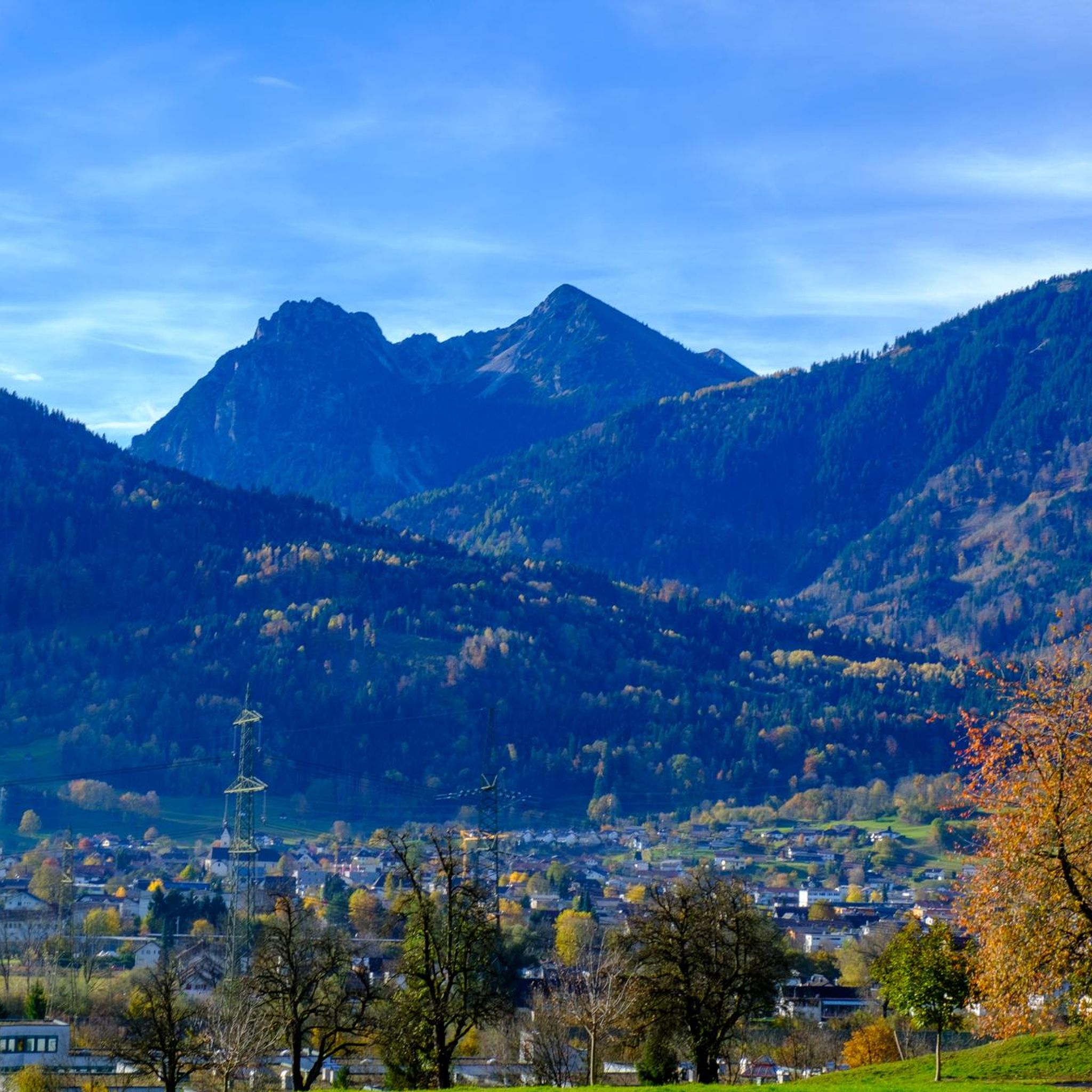
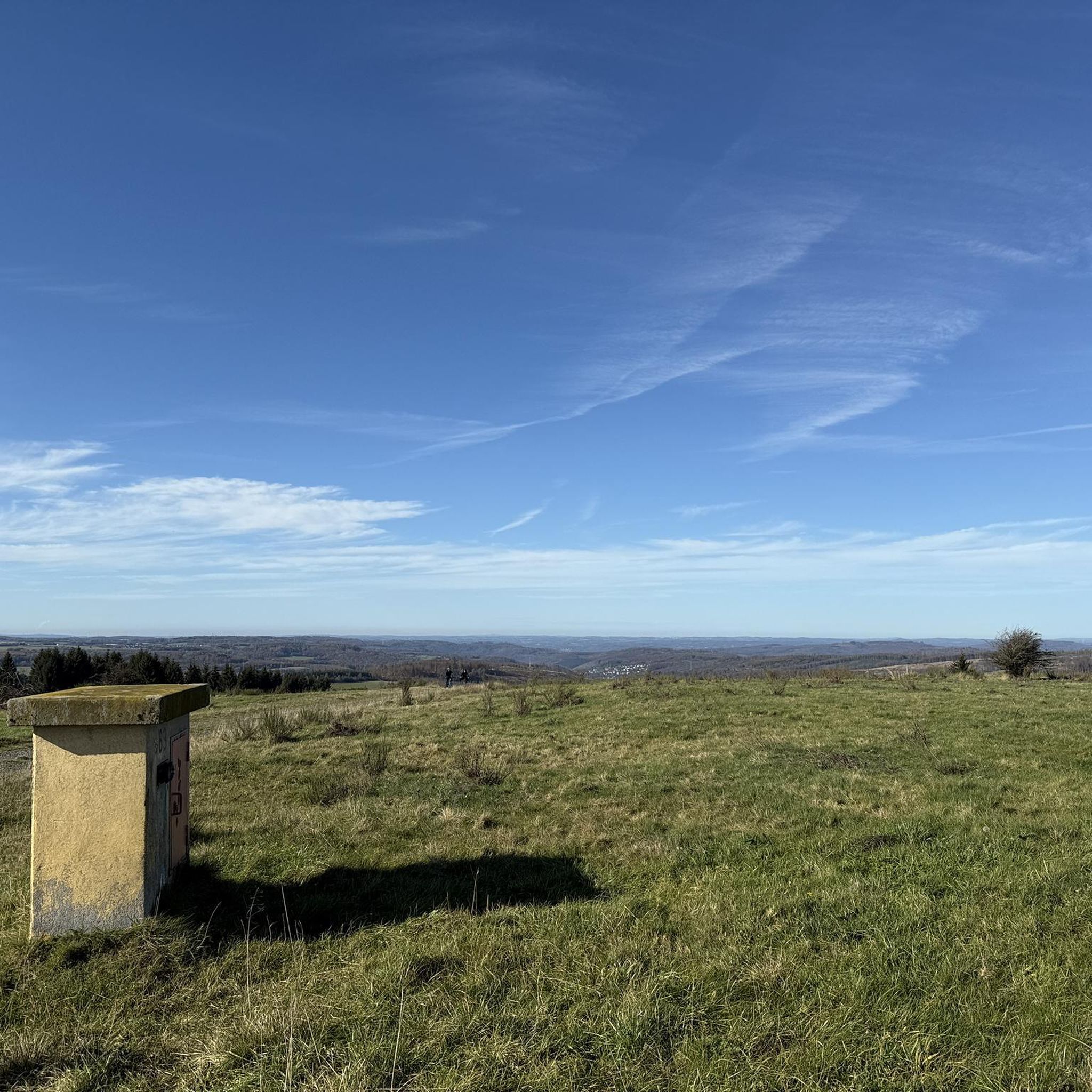
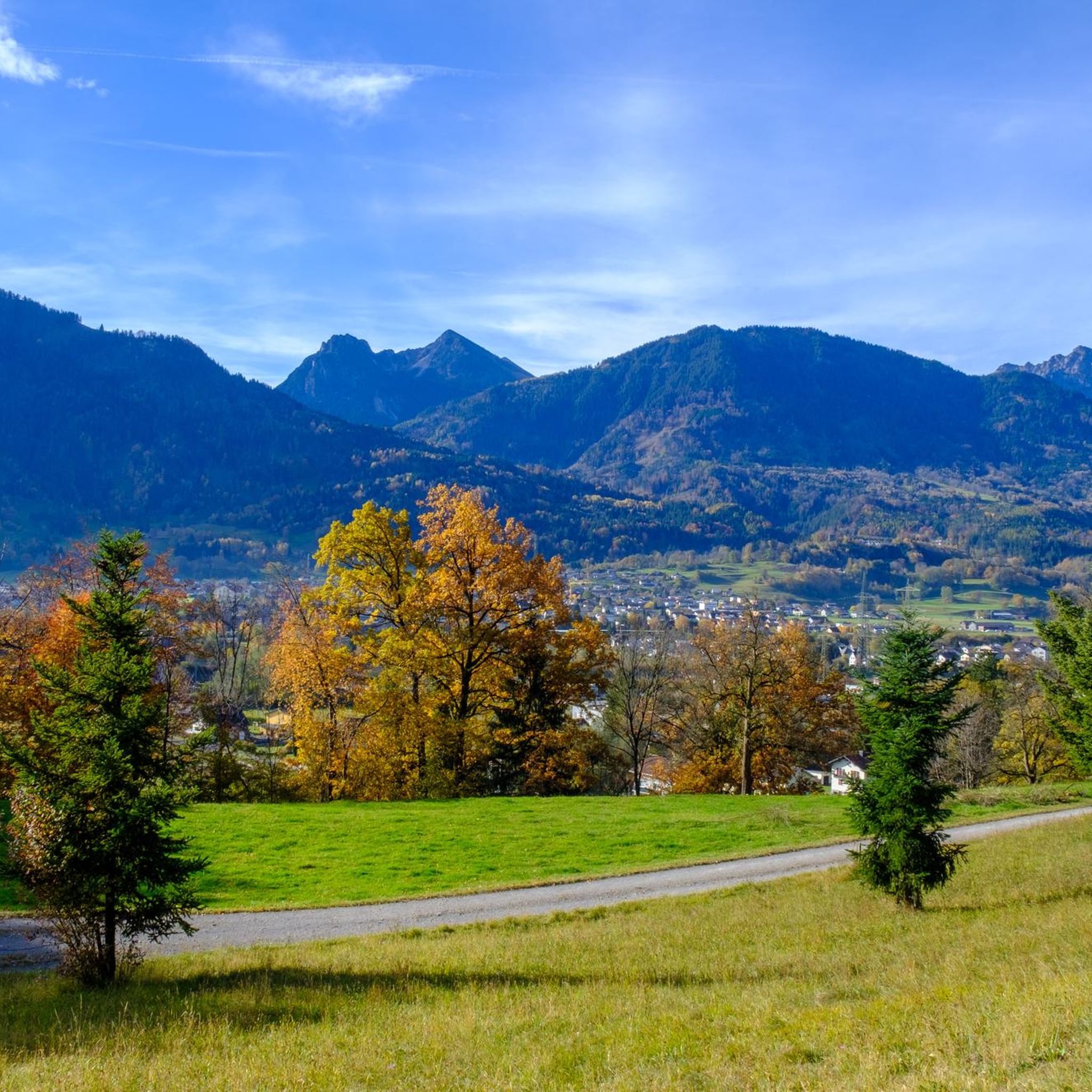
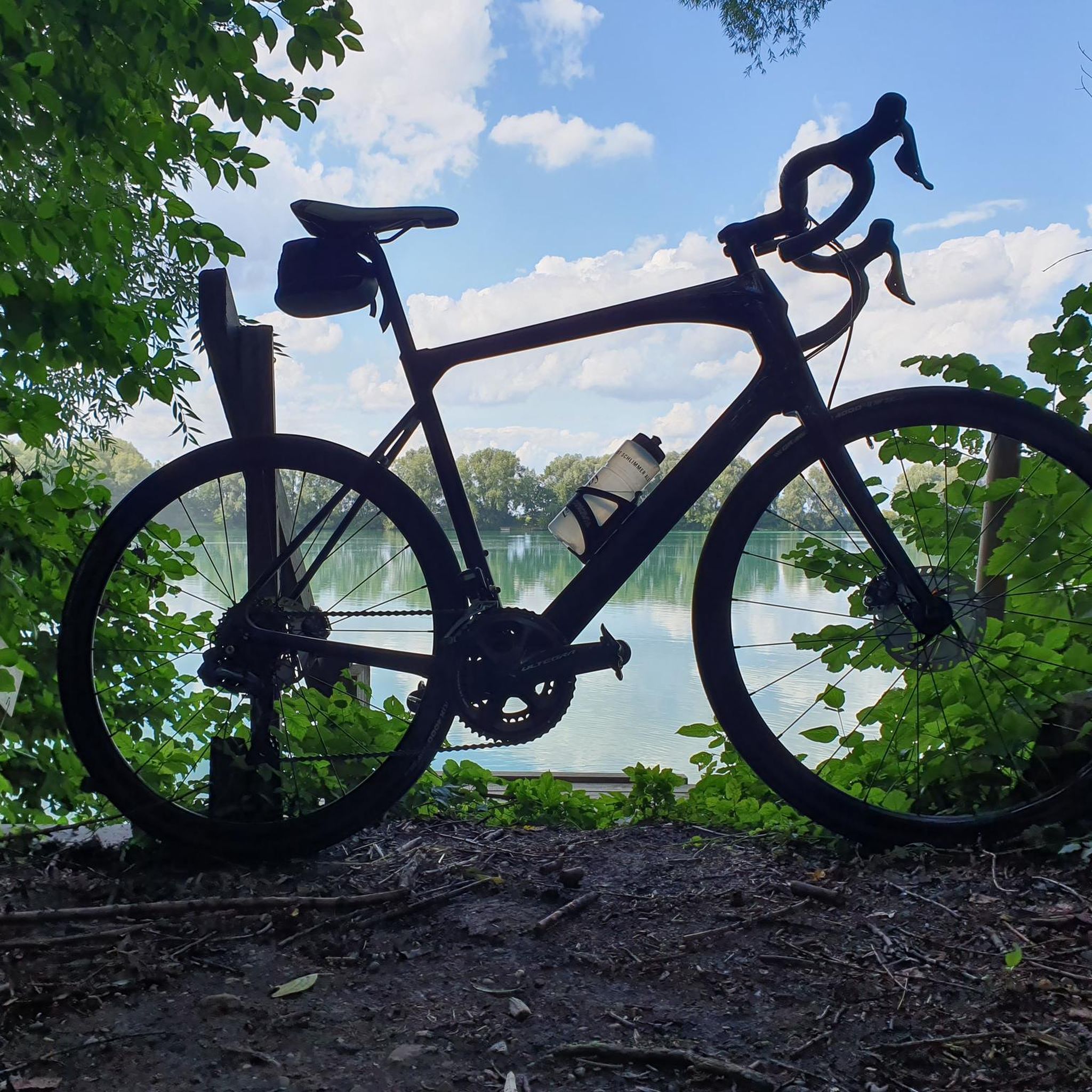

Tips from the Community

Montiola Weiher, Thüringen The Montjola-Weiher were created in 1837 for the use of water power for the textile industry in Thüringen. Besides that, the Montjola-Weiher have been a popular destination for excursions and a local recreation area. The Montjola-Weiher (also: Montjola-See or Montiola-Weiher, 686 m above sea level) are located on the Quadern high plateau in the municipality of Thüringen. The Montjola-Weiher were created in 1837 for the operation of the spinning and weaving mill founded by John Douglass and partners. In the 1980s, the ponds were dredged. In 2016, Montjola-Weiher II was renovated and redesigned for approximately 250,000 Euros[2] and the infrastructure was slightly expanded.[3][4] At the same time, a "Historical Experience and Educational Trail" was established, illustrating the long history of water power utilization for industry in Thüringen. A significant portion of the costs was funded through the LEADER action program of the European Union. In 2024, to relieve the ponds and as flood protection, an approximately 700-meter-long tunnel was laid using the Micromining method, which diverts the excess water of the Schwarzbach via the Schlosstobel into the Lutz. In spring 2025, the planting of the renatured pond took place with the participation of students from the Thüringen primary school. Text / Source: Austria-Forum https://austria-forum.org/af/AustriaWiki/Montjola-Weiher
14
0
Montiola Weiher, Thüringen The Montjola ponds were created in 1837 for the utilization of water power for the textile industry in Thüringen. In addition, the Montjola ponds have since been a popular destination for excursions and a local recreation area. The Montjola ponds (also: Montjola-See or Montiola-Weiher, 686 m above sea level) are located on the Quadern high plateau in the municipality of Thüringen. The Montjola ponds were created in 1837 for the operation of the spinning and weaving mill founded by John Douglass and partner. In the 1980s, the ponds were dredged. In 2016, Montjola pond II was renovated and redesigned for approximately 250,000 Euros[2], and the infrastructure was slightly expanded.[3][4] At the same time, a "Historical Experience and Educational Trail" was established, illustrating the long history of water power utilization for industry in Thüringen. A significant portion of the costs was funded through the European Union's LEADER action program. In 2024, a roughly 700-meter-long tunnel was laid using the micromining method to relieve the ponds and provide flood protection, diverting excess water from the Schwarzbach via the Schlosstobel into the Lutz. In the spring of 2025, planting of the renatured pond took place with the participation of students from the Thüringen elementary school. Text / Source: Austria-Forum https://austria-forum.org/af/AustriaWiki/Montjola-Weiher
14
0

Transition from the Walgau to the large Walsertal valley. Waypoint between Hoher Fraßen (Rapenschrofenweg) to the west, Breithorn and Els Alpe to the east.
0
0

steep but quiet climb up to the Alpe
0
0


Beautiful forest route, easy to ride. 2 bridges have to be crossed, can either go over the bridge or through the stream.
0
0

Beautiful root trail through the forest between Schnifis and Düns.
0
0
Frequently Asked Questions
How many mountain bike trails are available around Bludesch?
There are over 220 mountain bike trails around Bludesch, offering a wide range of options for different skill levels. This includes approximately 37 easy, 112 moderate, and 78 difficult routes.
Are there any easy or beginner-friendly mountain bike trails in Bludesch?
Yes, Bludesch offers several easy mountain bike trails suitable for beginners. These routes typically feature less challenging terrain and elevation. You can find around 37 easy trails in the area.
What kind of elevation gain can I expect on mountain bike trails in Bludesch?
Mountain biking around Bludesch is characterized by significant elevation gain, as many trails lead through alpine pastures and forests. For example, the difficult route Dünser Älpele – Montjola Pond loop from Nenzing involves over 1,100 meters of ascent, providing a challenging experience for those seeking substantial climbs.
Are there family-friendly mountain bike trails in the Bludesch region?
While many trails in Bludesch involve significant elevation, there are options suitable for families. Look for routes categorized as 'easy' or 'moderate' which often follow wider forest roads or valley paths, providing a more relaxed experience for all ages.
What are some challenging mountain bike trails for advanced riders in Bludesch?
Advanced riders seeking a challenge will find numerous difficult trails. The Scenic Trail to Els Alpe – Elsalpe loop from Schlins is a demanding option, covering over 46 km with more than 1,500 meters of elevation gain. Another difficult route is the Dünser Älpele – Montjola Pond loop from Bludesch, which features substantial climbs through alpine meadows.
What is the best time of year for mountain biking in Bludesch?
The best time for mountain biking in Bludesch is typically from late spring to early autumn (May to October). During these months, the weather is generally favorable, and trails are clear of snow, allowing access to higher alpine routes. Always check local weather and trail conditions before heading out.
Are there any circular mountain bike routes around Bludesch?
Yes, many mountain bike trails in Bludesch are designed as circular routes, allowing you to start and end at the same point. Examples include the S1 Trail Endpoint – View of Nenzinger Berg loop from Thüringen and the Alpe Rona – Alpe Rona Cheese Dairy loop from Nenzing.
What are some scenic highlights or attractions along the mountain bike trails?
The trails around Bludesch offer scenic views of alpine landscapes, dense forests, and mountain ponds. You might encounter natural attractions like Montjola Pond or Lake Galina. For panoramic views, some routes lead towards peaks such as the Mondspitze Summit Cross or Schillerkopf summit.
What do other mountain bikers enjoy most about the trails in Bludesch?
The mountain bike trails in Bludesch are highly rated by the komoot community, with an average score of 4.5 stars from over 3,200 reviews. Riders often praise the diverse terrain, the challenging climbs, and the stunning alpine scenery, including views of alpine pastures and mountain ponds.
Is it possible to reach mountain bike trails in Bludesch using public transport?
Bludesch is generally well-connected by public transport within the Vorarlberg region. While specific trailheads might require a short ride or walk from the nearest stop, many starting points are accessible. It's advisable to check local bus and train schedules for the most convenient connections to your chosen trail's starting point.
Are there parking facilities available near the mountain bike trailheads?
Yes, many popular mountain bike trailheads in and around Bludesch offer designated parking areas. These are often found near villages or popular starting points for outdoor activities. Specific parking availability can vary by trailhead, so it's recommended to check the route details or local signage.
Can I find cafes or refreshment stops along the mountain bike routes?
Many mountain bike routes in the Bludesch region pass by or near traditional alpine huts (Alpen) or small villages where you can find cafes and restaurants. These establishments often offer local refreshments and meals, especially during the main season. It's a good idea to check opening times in advance, particularly for remote huts.
Most popular routes around Bludesch
Most popular attractions around Bludesch

Get inspired with the komoot mobile app


Explore more
Browse the best MTB trails in other regions.
