The best walks and hikes around Bludesch
4.6
(10787)
54,364
hikers
803
hikes
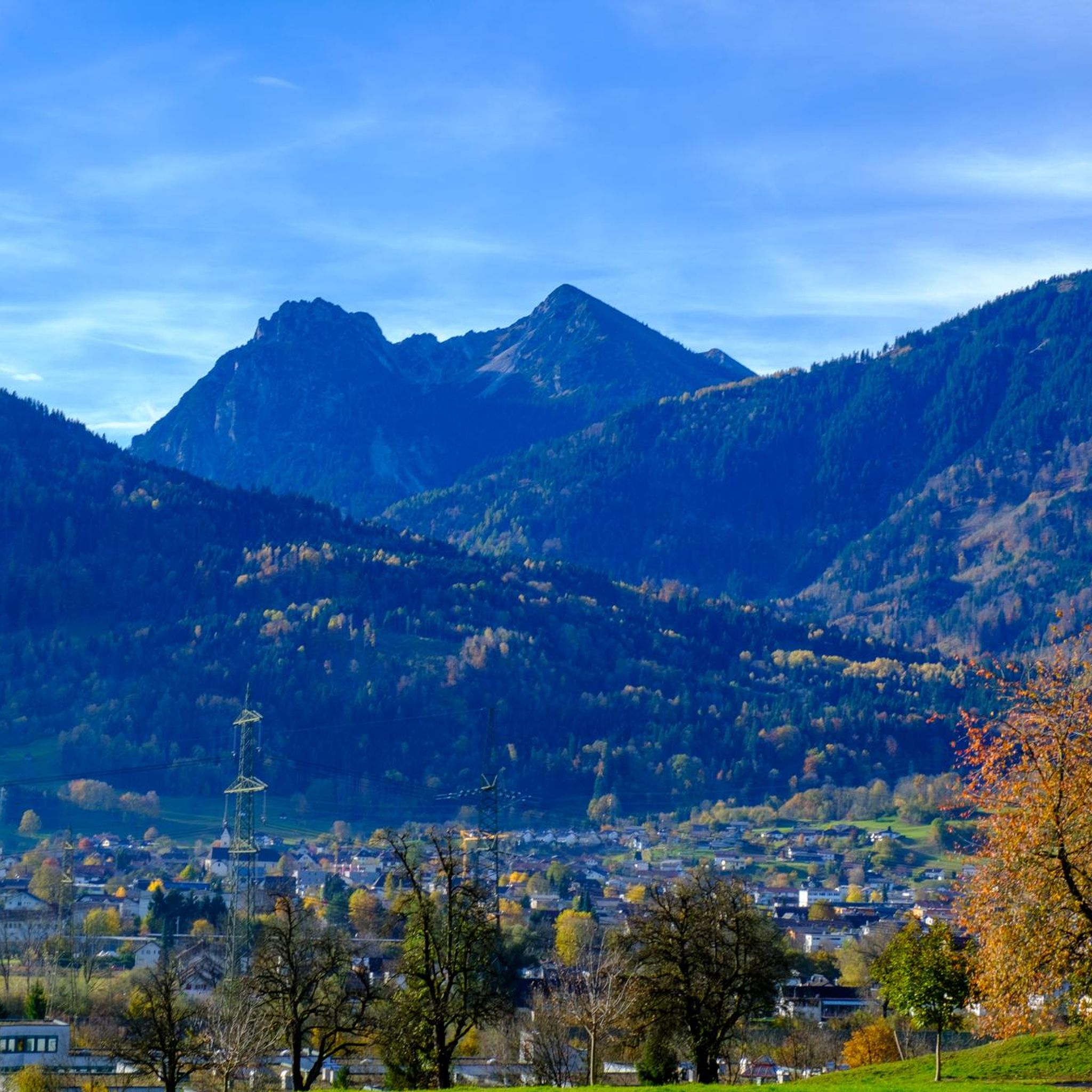
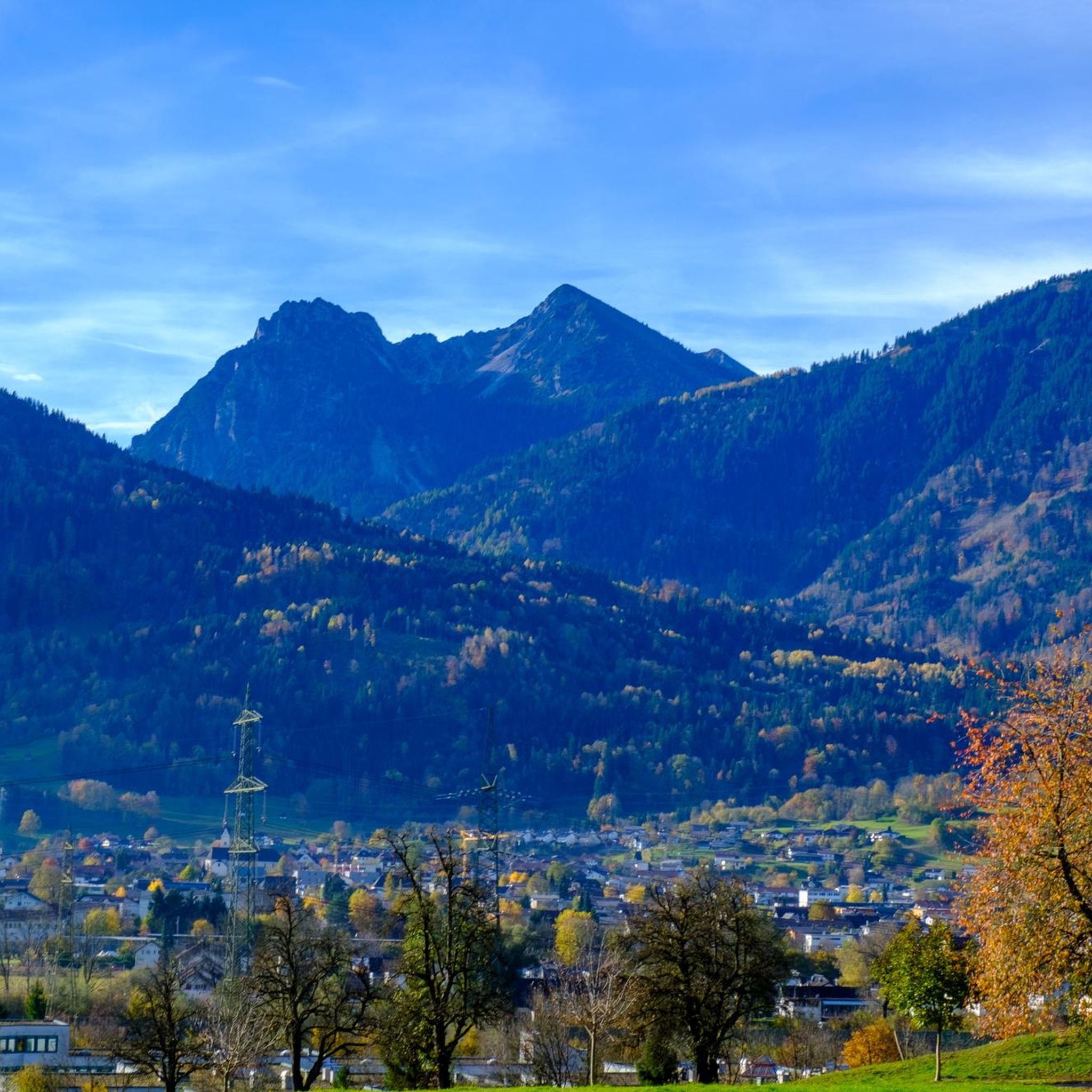
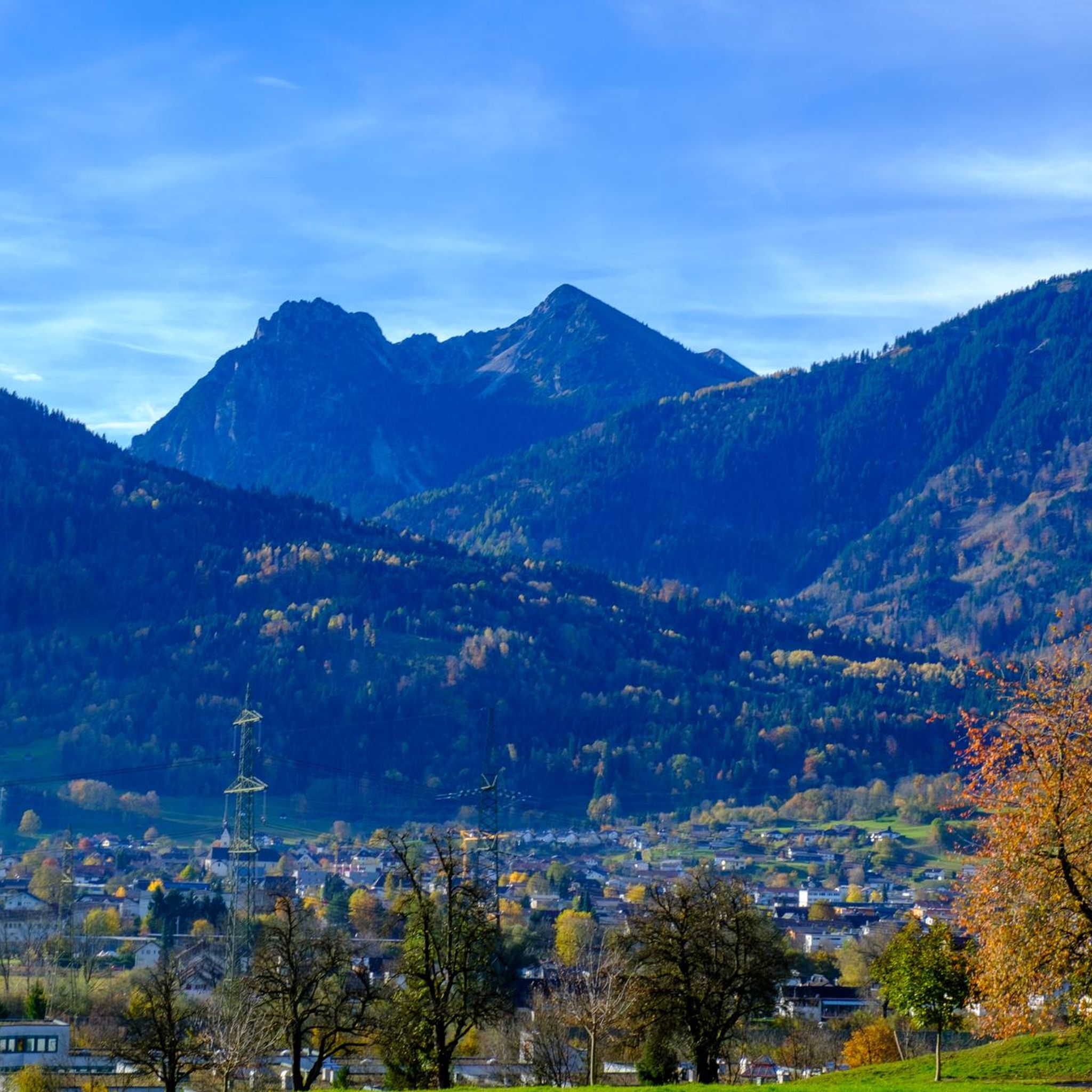
Hiking around Bludesch offers diverse natural landscapes within the Bludenz region of Vorarlberg, Austria. The area features an alpine environment with mountains, valleys, and forests. Hikers can explore spectacular natural formations such as gorges and waterfalls, alongside serene mountain lakes. The terrain includes sunny pine forests and alpine meadows, providing varied hiking experiences.
Best hiking trails around Bludesch
- The most popular hiking route is Montjola Waterfall – Montjola Pond loop from Thüringen, a 5.0 miles (8.0 km) trail that takes 2 hours 30 minutes to complete. This route features the scenic Montjola Waterfall and Montjola Pond.
- Another top favourite among local hikers is Mengschlucht Gorge – Mengschlucht Gorge loop from Nenzing, a moderate 4.7 miles (7.5 km) path. This trail leads through the impressive Mengschlucht Gorge, characterized by its natural formations.
- Local hikers also love the Dünser Berg Forest Trail – View from Dünserberger Älple loop from Schnifis, an 8.8 miles (14.2 km) trail leading through forest terrain with expansive views, often completed in about 5 hours 45 minutes.
- Hiking around Bludesch is defined by alpine scenery, deep gorges, and cascading waterfalls. The network offers options for various ability levels, from easy walks to challenging alpine routes.
- The routes in Bludesch are highly rated by the komoot community with an average score of 4.6 stars from over 9,000 reviews. More than 48,000 hikers have used komoot to explore Bludesch's varied terrain.
Last updated: July 1, 2026
4.3
(32)
97
hikers
8.07km
02:32
310m
310m
Moderate hike. Good fitness required. Mostly accessible paths. Sure-footedness required.
5.0
(5)
36
hikers
14.2km
05:45
890m
890m
Hard hike. Very good fitness required. Mostly accessible paths. Sure-footedness required.

Sign up for free
4.6
(38)
135
hikers
7.50km
02:39
330m
330m
Moderate hike. Good fitness required. Mostly accessible paths. Sure-footedness required.
5.0
(1)
13
hikers
13.8km
04:02
370m
370m
Moderate hike. Good fitness required. Easily-accessible paths. Suitable for all skill levels.
3.0
(1)
23
hikers
10.2km
02:55
240m
240m
Moderate hike. Good fitness required. Easily-accessible paths. Suitable for all skill levels.
Get access to more routes and recommendations from other explorers.
Sign up for free
Already have an account?
Our route recommendations are based on thousands of hikes, rides, and runs completed by other people on komoot.
Start today with a free account
Your next adventure awaits.
Login or Signup

Tips from the Community

This impressive waterfall is clearly visible even from the road and attracts hikers and cyclists with its majestic sight. The path up only rises slightly, but we repeatedly stop to enjoy the magnificent view of the roaring water. I am surprised by the size of this natural wonder: with a drop of about 30 meters, the water plunges over several cascades a total of around 80 meters into the depths, down to the Schwarzbach power station at the foot of the mountain. Since 1955, this waterfall has been protected as a Vorarlberg natural monument, which underscores its special significance for the region. The source of the Montjolabach, which feeds the waterfall, is one of the most abundant drinking water sources in all of Vorarlberg. This interplay of natural power and sustainability makes the waterfall a fascinating excursion destination for nature lovers.
0
0

Gasthaus Sonne, Jagdbergstraße, Thüringerberg The Gasthaus Sonne in Thüringerberg has a long history, connected to the tradition of Vorarlberg inn culture. It is a part of this tradition, a piece of the past that must also be preserved for the future. Tradition and innovation do not exclude each other. The inn offers a combination of solid regional specialties and refined creations, the inviting ambiance of classic guest rooms and modern room furnishings, convivial Jass rounds and seminar guests, business travelers and those seeking relaxation. The inn is known for its excellent menu and the magnificent view of the surrounding landscape. Text / Source: Gasthaus Sonne, Jagdbergstraße 29, Thüringerberg https://www.sonne-gasthaus.at/ https://www.thueringerberg.at/Dorfleben/Gasthaus_Sonne
15
0
Montiola Weiher, Thüringen The Montjola-Weiher were created in 1837 for the use of water power for the textile industry in Thüringen. Besides that, the Montjola-Weiher have been a popular destination for excursions and a local recreation area. The Montjola-Weiher (also: Montjola-See or Montiola-Weiher, 686 m above sea level) are located on the Quadern high plateau in the municipality of Thüringen. The Montjola-Weiher were created in 1837 for the operation of the spinning and weaving mill founded by John Douglass and partners. In the 1980s, the ponds were dredged. In 2016, Montjola-Weiher II was renovated and redesigned for approximately 250,000 Euros[2] and the infrastructure was slightly expanded.[3][4] At the same time, a "Historical Experience and Educational Trail" was established, illustrating the long history of water power utilization for industry in Thüringen. A significant portion of the costs was funded through the LEADER action program of the European Union. In 2024, to relieve the ponds and as flood protection, an approximately 700-meter-long tunnel was laid using the Micromining method, which diverts the excess water of the Schwarzbach via the Schlosstobel into the Lutz. In spring 2025, the planting of the renatured pond took place with the participation of students from the Thüringen primary school. Text / Source: Austria-Forum https://austria-forum.org/af/AustriaWiki/Montjola-Weiher
14
0
Montiola Waterfall, Thüringen The Montjola waterfall has a main drop of about 30 m and is located at the northern end of the municipality of Thüringen. The total drop, over several stages down to the power station of the Schwarzbach power plant, is about 80 m. The waterfall has been designated as a "Vorarlberg Natural Monument" since 1955. Text / Source: wikipedia.org https://de.wikipedia.org/wiki/Montjola-Wasserfall
14
0
Montiola Weiher, Thüringen The Montjola ponds were created in 1837 for the utilization of water power for the textile industry in Thüringen. In addition, the Montjola ponds have since been a popular destination for excursions and a local recreation area. The Montjola ponds (also: Montjola-See or Montiola-Weiher, 686 m above sea level) are located on the Quadern high plateau in the municipality of Thüringen. The Montjola ponds were created in 1837 for the operation of the spinning and weaving mill founded by John Douglass and partner. In the 1980s, the ponds were dredged. In 2016, Montjola pond II was renovated and redesigned for approximately 250,000 Euros[2], and the infrastructure was slightly expanded.[3][4] At the same time, a "Historical Experience and Educational Trail" was established, illustrating the long history of water power utilization for industry in Thüringen. A significant portion of the costs was funded through the European Union's LEADER action program. In 2024, a roughly 700-meter-long tunnel was laid using the micromining method to relieve the ponds and provide flood protection, diverting excess water from the Schwarzbach via the Schlosstobel into the Lutz. In the spring of 2025, planting of the renatured pond took place with the participation of students from the Thüringen elementary school. Text / Source: Austria-Forum https://austria-forum.org/af/AustriaWiki/Montjola-Weiher
14
0
Dünserberg Generations Tree Conceived by carpenter Heinrich and Birgit, this trunk was felled. We thought it was wonderful that this trunk should be preserved for future generations. Richard took the trunk to Futsch, where it had to be stripped of its bark. Once the support was attached, it was carefully buried here. Now, settle down in this beautiful spot and rest your weary limbs. Winkel – Egg – Hanisberg, Dünserberg “Alpe Äussere Egg”
14
0
St. Benedict's Chapel (Dünserberg) St. Benedict's Chapel was built in 1886 by the residents of Bischa, primarily financed by Johann Jakob Hartmann. It was consecrated on October 11, 1888, by the Most Reverend Abbot Basilius I of Einsiedeln. The altar was built in the Romanesque style and painted by Father Rudolph Blättler. Two bells hang in the tower, one dedicated to St. Benedict, the other without a date. During the Second World War, one bell remained in Düns, but in 1950 it was moved to the chapel along with a new bell. The chapel was renovated in 1975 under the auspices of the Dünserberg Agricultural Community. Text / Source: Vorarlberg Walser Association, Walserstraße 333, Mittelberg https://www.vorarlberger-walservereinigung.at/vwvwp/duenserberg/
12
0

Frequently Asked Questions
How many hiking trails are available around Bludesch?
Bludesch offers a wide network of over 800 hiking trails, catering to various skill levels and preferences. You'll find everything from easy walks to challenging alpine routes.
What types of terrain and difficulty levels can I expect on hikes in Bludesch?
The Bludesch region features diverse terrain, including alpine scenery, deep gorges, lush forests, and blossoming alpine meadows. You can find easy walks, moderate hikes requiring good fitness, and difficult routes demanding very good fitness and alpine experience. For example, the Dünser Berg Forest Trail – View from Dünserberger Älple loop from Schnifis is a challenging 14.2 km route through forest terrain.
Are there any circular hiking routes in Bludesch?
Yes, many of the hiking trails around Bludesch are designed as circular routes. A popular example is the Montjola Waterfall – Montjola Pond loop from Thüringen, which is an 8 km moderate trail featuring scenic natural attractions.
What natural landmarks or features can I see while hiking in Bludesch?
The Bludesch area is rich in natural beauty. You can explore spectacular formations like the Bürs Gorge Trail and the Mengschlucht Gorge. Cascading waterfalls, such as the Montjola Waterfall and the Glingabrunn Waterfalls, are also prominent features. Additionally, crystal-clear mountain lakes like the Lünersee offer serene views.
Are there any family-friendly hiking options in Bludesch?
Yes, Bludesch offers several easy walks suitable for families and beginners. These trails often traverse gentle terrain through forests and meadows, providing an enjoyable outdoor experience for all ages. The region also features themed trails that lead to special natural attractions.
What do other hikers enjoy most about the trails in Bludesch?
The trails in Bludesch are highly rated by the komoot community, with an average score of 4.6 stars from over 9,000 reviews. Hikers often praise the diverse natural landscapes, the well-maintained paths, and the stunning alpine scenery, including the impressive gorges and waterfalls.
Are there any mountain huts or restaurants along the hiking trails?
Yes, the region features mountain huts and restaurants that serve as excellent rest stops. For instance, the Frassenhütte Mountain Restaurant offers stunning views and regional dishes, providing a welcome break during longer treks.
Can I reach viewpoints with panoramic views in the Bludesch area?
Absolutely. Muttersberg, known as the local mountain of Bludenz, offers impressive panoramic views from its elevation of 1,401 meters. You can reach it via various hiking routes or by cable car for quicker access to vistas stretching across the Verwall and Rätikon peaks to the Swiss Alpstein range.
What is the best time of year to go hiking in Bludesch?
The best time for hiking in Bludesch is generally from spring to autumn. Spring brings blossoming alpine meadows, while summer offers warm weather for exploring. Autumn provides vibrant colors and pleasant temperatures. Some trails may also be accessible for winter hikes, but conditions can vary.
Are there any hikes that feature gorges or canyons?
Yes, the Bludesch region is known for its impressive gorges. You can hike through the spectacular Mengschlucht Gorge – Mengschlucht Gorge loop from Nenzing, a moderate 7.5 km path. Another notable option is the Bürserschlucht Trail, which showcases a near primeval forest-like landscape formed by water and ice.
Are there any trails that lead to mountain lakes?
Yes, the region boasts beautiful mountain lakes. The breathtaking Lünersee, located at an altitude of almost 2,000 meters, is a prominent feature offering serene hiking paths and opportunities for nature immersion. While not directly in Bludesch, it's a significant nearby attraction.
What kind of wildlife can I expect to see on hikes in Bludesch?
The diverse natural environment of Bludesch, with its forests, meadows, and alpine areas, supports a variety of wildlife. Hikers may spot local birds, small mammals, and a rich array of flora, including rare plants and flowers, particularly in the blossoming alpine meadows.
Most popular routes around Bludesch
Most popular attractions around Bludesch

Get inspired with the komoot mobile app


Explore more
Browse the best Hikes in other regions.
