The best cycling routes around Taizé
4.6
(403)
2,687
riders
159
rides
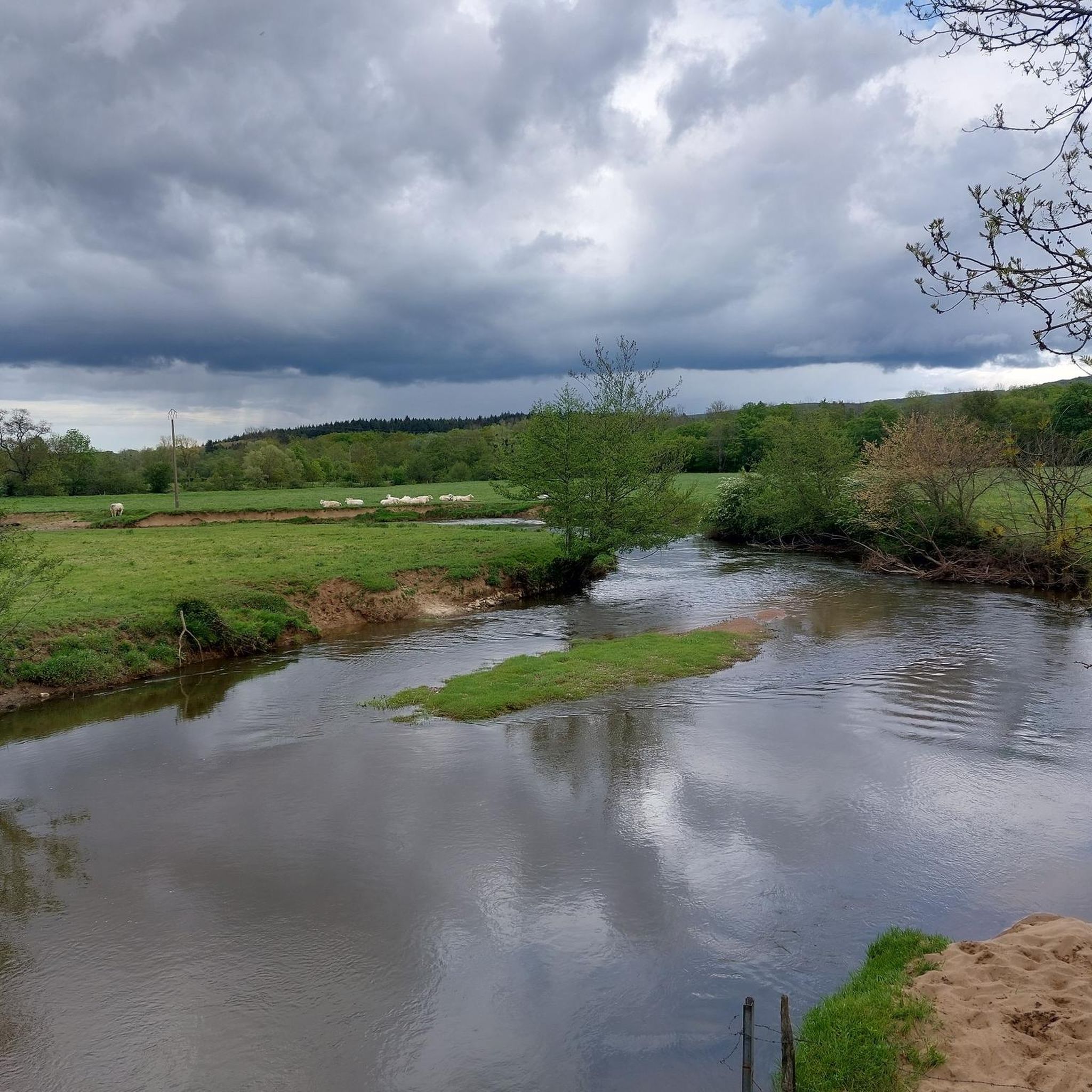
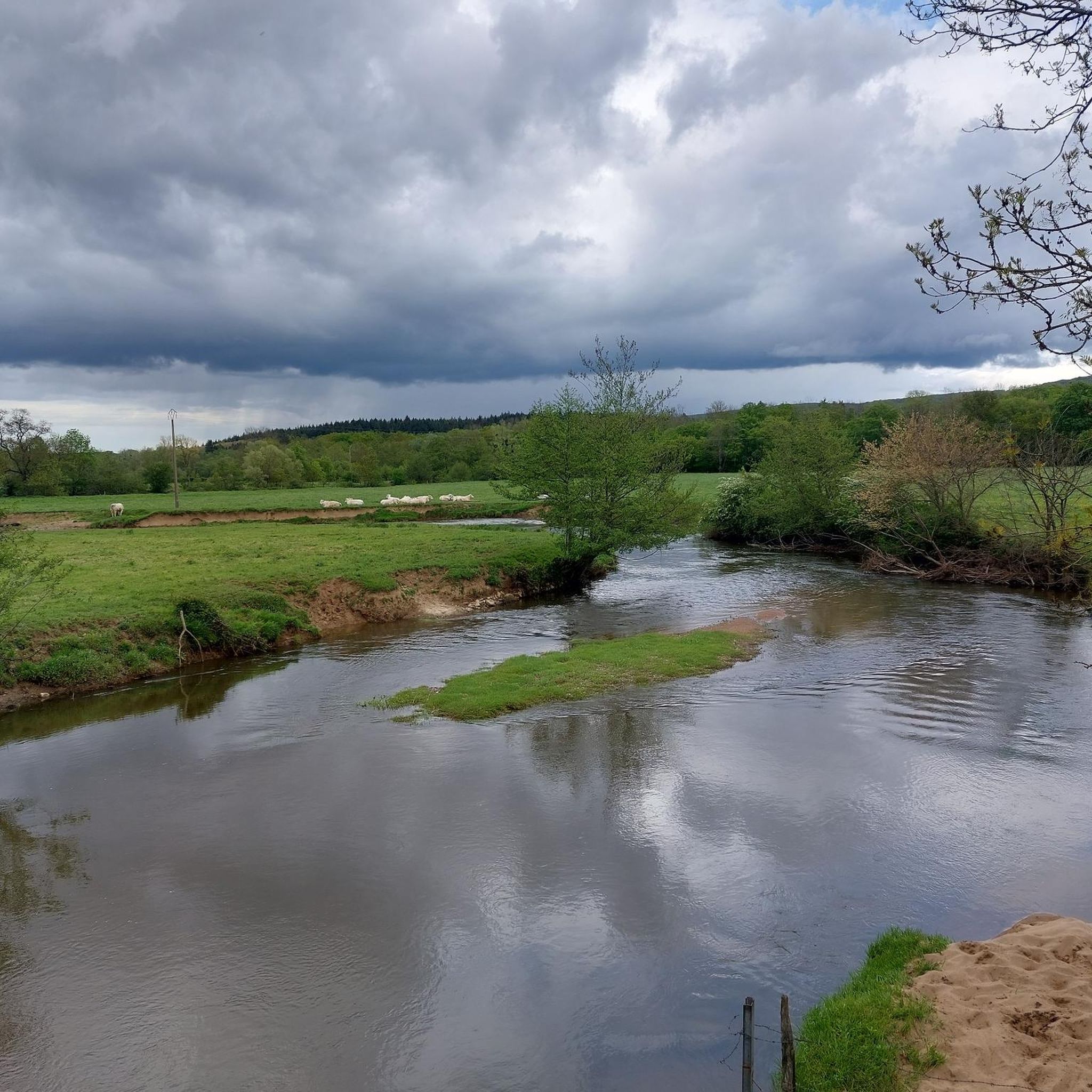
Touring cycling around Taizé, located in Burgundy, France, offers a landscape characterized by rolling green farmlands, dense broadleaf forests, and extensive vineyards. The region features a well-developed network of cycling routes, including the "Voie Verte" (Greenway), which provides mostly flat, traffic-free paths. River valleys, such as those of the Grosne and Guye, contribute to the scenic beauty. This infrastructure makes the area suitable for various cycling abilities.
Best touring cycling routes around Taizé
- The most popular touring cycling route is…
Last updated: June 28, 2026
5.0
(9)
24
riders
Moderate bike ride. Good fitness required. Mostly paved surfaces. Suitable for all skill levels.
4.3
(4)
14
riders
Hard bike ride. Very good fitness required. Mostly paved surfaces. Suitable for all skill levels.

Sign up for free
4.8
(42)
388
riders
22.3km
01:18
130m
130m
Easy bike ride. Great for any fitness level. Mostly paved surfaces. Suitable for all skill levels.
4.8
(16)
75
riders
33.9km
02:07
230m
230m
Moderate bike ride. Good fitness required. Mostly paved surfaces. Suitable for all skill levels.
4.8
(8)
60
riders
Easy bike ride. Great for any fitness level. Mostly paved surfaces. Suitable for all skill levels.
Get access to more routes and recommendations from other explorers.
Sign up for free
Already have an account?
Our route recommendations are based on thousands of hikes, rides, and runs completed by other people on komoot.
Start today with a free account
Your next adventure awaits.
Login or Signup


Tips from the Community

Relaxed riding on good and level ground and mostly shady.
1
0
A route through a green corridor, that brings joy.
1
0
The Saint-Martin church in Chapaize is a beautiful, old church. Its huge, 35-meter-high tower can be seen from afar. The church was built almost 1000 years ago in the Romanesque style, it has thick stone walls and round arches.
3
0
The Château de Cormatin is a magnificent moated castle from the early 17th century. The castle was built between 1606 and 1625 by the Marquises d'Huxelles. It houses the best-preserved state rooms from the Louis XIII era in all of France. Famous are the "Gilded Rooms" (Salles Dorées) with lavish paintings, sculptures, and gilded ceilings. The extensive grounds, covering around 12 hectares, are among the most beautiful gardens in France. Highlights in the outdoor area include a large boxwood labyrinth, an open-air Baroque theatre, water features, and a historic vegetable garden. This spot only offers a brief glimpse of the rear grounds.
2
0
Great route through picturesque hilly cultural landscape.
1
0
Founded in 910, the Benedictine abbey developed into the starting point of the Cluniac reform movement. In the High Middle Ages, it was one of the most influential religious and political centers in Western Europe. At its peak, the Cluny congregation comprised around 1,200 monasteries with over 20,000 monks across the continent. Cluny was independent of secular rulers and local bishops. It was directly subordinate to the Pope in Rome.
1
0
The Crainseny Viaduct (French: Viaduc de Crainseny) is a historic railway bridge in the south of the Côte Chalonnaise region. The viaduct was built in 1882. It has a total length of 246 meters, spans the valley at a height of around 23 meters, and features a distinctive curve with a radius of 400 meters. The masonry bridge consists of 16 elegant round arches, each with a span of 12 meters. Originally, the railway ran here on the Étiveau-Montchanin line, connecting the towns of Saint-Gengoux-le-National and Montchanin. Train services were discontinued in 1969.
0
0
The church Notre-Dame-de-la-Nativité in the French municipality of Malay in the department. The Romanesque parish church was first mentioned in a document in 1095. It once served as Deanery (Doyenné) of the famous Abbey of Cluny. The oldest, eastern part with the choir and transept was built at the end of the 11th century. The three-nave nave was added in the mid-12th century, followed by the construction of the striking bell tower. The historic building has been classified as a Monument historique and is state-protected since June 16, 1931.
0
0
Frequently Asked Questions
How many touring cycling routes are available around Taizé?
There are over 160 touring cycling routes around Taizé, offering a wide range of options for different skill levels and preferences. The komoot community has explored more than 2800 of these routes.
What kind of terrain can I expect on touring cycling routes near Taizé?
The region around Taizé is characterized by diverse terrain, including rolling green farmlands, dense broadleaf forests, and extensive vineyards, particularly in areas like the Côte Chalonnaise. You'll also find routes along river valleys, such as the Grosne and Guye, and dedicated flat paths like the Voie Verte.
Are there easy, family-friendly touring cycling routes in Taizé?
Yes, Taizé is very suitable for families and leisure cyclists. The "Voie Verte" (Greenway) is a dedicated, mostly flat, and traffic-free cycle path built on disused railway lines, offering shaded sections perfect for an easy ride. One such route is the Voie verte of Southern Burgundy – View of Cluny loop from Ameugny, which is 12.9 miles (20.8 km) long.
Are there challenging touring cycling routes for experienced cyclists?
Absolutely. While the region offers many gentle rides, there are also more challenging routes with significant elevation gain. For example, the Hilly circuit starting from Masilly — greenway, Donzy, Château de Cormatin is a difficult 20.8 miles (33.4 km) path featuring substantial climbs and historical sites.
What historical sites or landmarks can I explore along the cycling routes?
The region is rich in history. You can cycle past the vestiges of the Romanesque Benedictine Cluny Abbey, visit the 17th-century Renaissance Cormatin Castle with its formal gardens, or discover charming medieval villages like Brancion. Many routes also pass by beautiful Romanesque churches, such as the Sainte-Marie-Madeleine Church.
Are there scenic viewpoints or natural features to look out for?
Yes, the routes offer numerous scenic views. You'll cycle through picturesque vineyards, rolling farmlands, and along tranquil rivers. A notable natural landmark is the "Roche de Solutré," a limestone escarpment offering magnificent panoramic views. Cyclists can also experience the unique "Tunnel du Bois Clair," a 1600-meter tunnel on the greenway.
Can I visit vineyards or taste local produce during my cycling tour?
Yes, the Taizé area is part of Burgundy, famous for its world-class Pinot Noir and Chardonnay. Many cycling routes lead directly through vineyards, particularly in the Côte Chalonnaise and Lamartinien valley, offering opportunities to enjoy the scenery and potentially stop at local producers for tastings.
What are the typical conditions of the cycling paths in Taizé?
The cycling infrastructure around Taizé is excellent. Many routes, especially the Voie Verte and Voie Bleue, are asphalted and traffic-free, built on disused railway lines or following river courses. These paths often feature shaded sections, providing comfortable riding conditions.
Are there circular touring cycling routes available around Taizé?
Yes, many routes are designed as circular tours, allowing you to start and end at the same point. An example is the Circuit through fields, hills and villages from Cormatin to Culles-les-Roches, a 23.4 miles (37.6 km) loop that takes you through varied terrain and charming villages.
What do other touring cyclists enjoy the most about touring cycling in Taizé?
The area is highly rated by the komoot community, with an average score of 4.7 stars from over 400 reviews. Reviewers often praise the region's well-developed network of cycling routes, the diverse and captivating scenery including vineyards and historical sites, and the accessibility for various skill levels, from easy greenways to more challenging hilly circuits.
What is the best time of year for touring cycling in Taizé?
Spring and autumn generally offer the most pleasant conditions for touring cycling in Taizé, with milder temperatures and beautiful landscapes. Summer can also be enjoyable, especially on routes with shaded sections like the Voie Verte, but it's advisable to start earlier in the day to avoid the midday heat.
How can I find more information about cycling in Burgundy?
For broader information on cycling throughout the region, you can explore resources like Burgundy Tourism or France Vélo Tourisme, which provide details on the comprehensive network of cycle paths, including the Tour of Burgundy.
Most popular attractions around Taizé

Get inspired with the komoot mobile app


Explore more
Browse the best Cycling routes in other regions.
