Attractions and Places To See around Ploërdut - Top 20
Attractions and places to see around Ploërdut include a variety of historical sites, religious buildings, and natural features within this commune in Brittany, France. The area is recognized for its architectural and historical heritage, featuring Romanesque structures and archaeological sites. Ploërdut offers diverse landscapes, including rivers and forests, making it suitable for exploring cultural landmarks and outdoor paths.
Best attractions and places to see around Ploërdut
- The most popular attractions is Sainte-Barbe Chapel and Renaissance Staircase, Le Faouët, a…
Last updated: October 19, 2026
Chapelle Sainte-Anne des Bois
Highlight • Monument
Translated by Google •
Tip by

Sainte-Barbe Chapel and Renaissance Staircase, Le Faouët
Highlight • Religious Site
Translated by Google •
Tip by

Sign up now to discover places like this
Get recommendations on the best single tracks, peaks, & plenty of other exciting outdoor places.
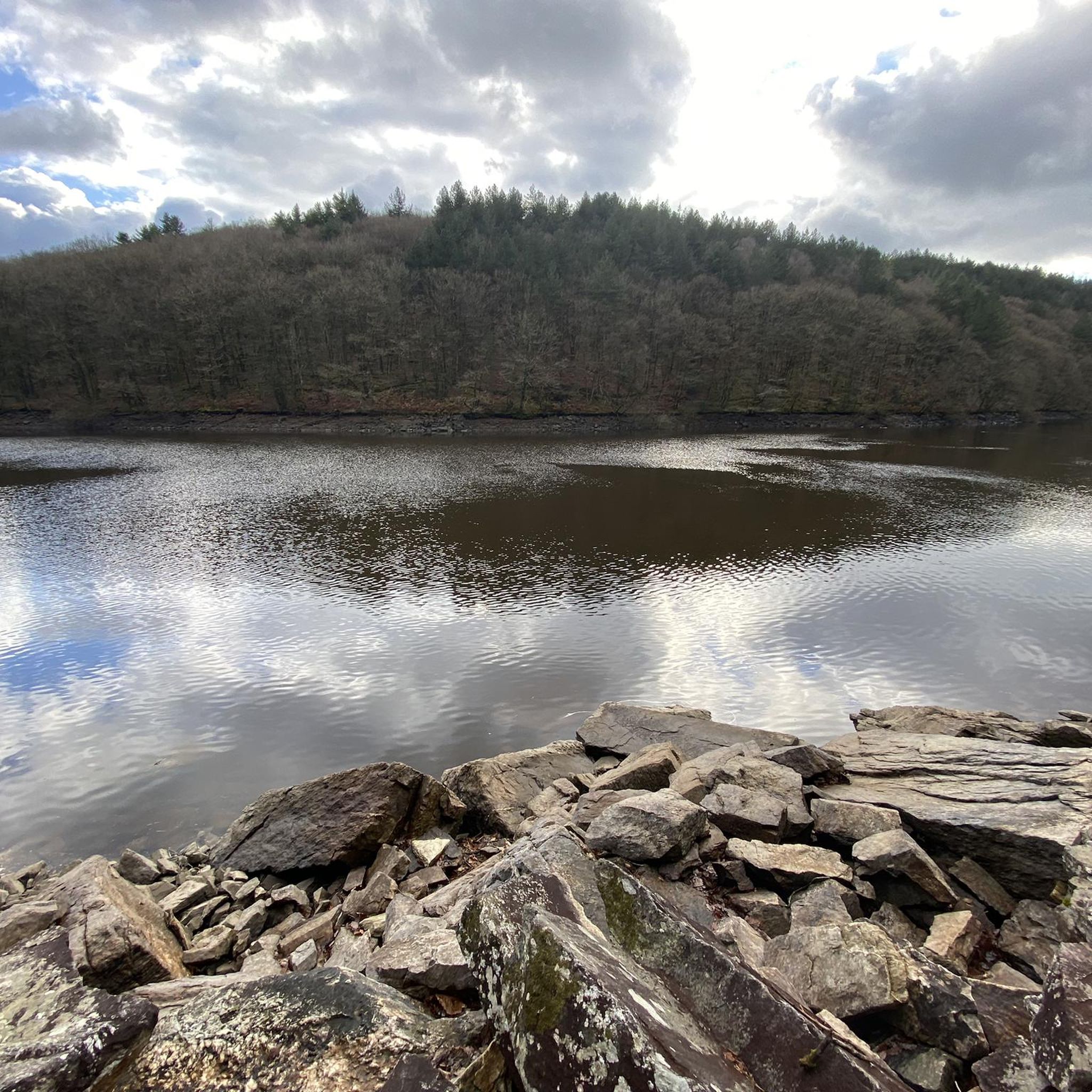
Path between two bodies of water on the Nantes-Brest Canal
Highlight • Trail
The landscape is constantly changing. The canal meanders through the countryside here.
I love this landscape, and it's a good mood to drive here.
Translated by Google •
Tip by

Notre-Dame de Crénénan Chapel
Highlight • Religious Site
There are …
Translated by Google •
Tip by

Quistinic lock
Highlight • Other
Translated by Google •
Tip by

Sign up for free to discover even more attractions around Ploërdut.
Already have an account?
Start today with a free account
Your next adventure awaits.

Tips from the Community

Built in 1865 by the Countess of Cossé-Brissac, this chapel was built in homage to Saint Anne, in accordance with the promise made at the birth of her daughter. It is distinguished by its door surmounted by a rosette-shaped stained-glass window and a steeple with a granite balcony. Modest in size, the chapel was initially reserved exclusively for the service of the lords of the manor.
0
0

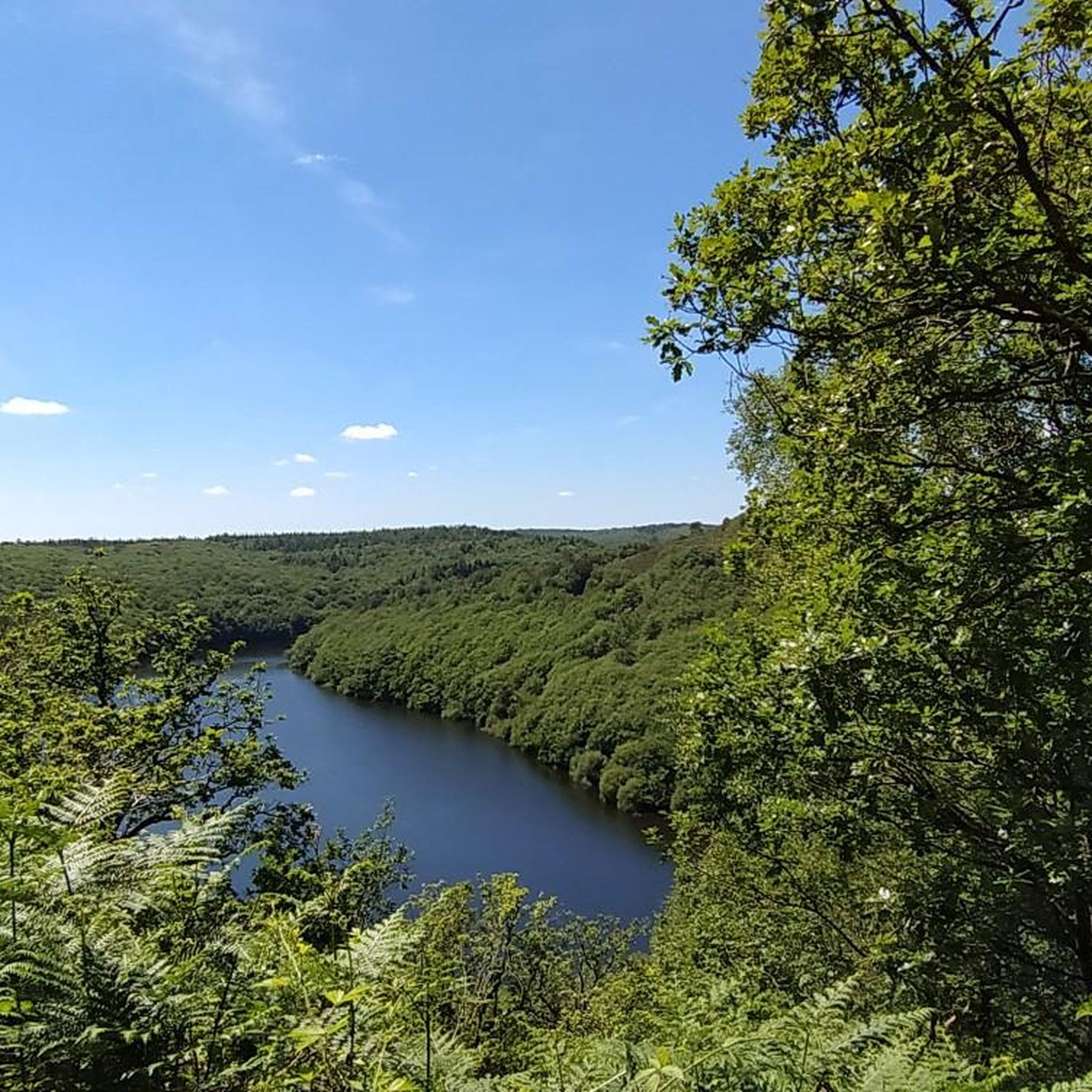
A stretch on the dam before the Trehu Moron dam. The landscape is constantly changing. The canal meanders through the countryside here. I love this landscape, and it's a good mood to drive here.
1
0

Saint Anna is the mother of the Blessed Mother Mary, who is not attested in the biblical texts, i.e. the grandmother of Jesus Christ. However, it is mentioned in apocryphal (i.e. not included in the canon of the Bible) writings, for example in the so-called “Protoevangelium of James”. There is no historically reliable information about Anna's life, but there are numerous traditional stories, which are summarized, for example, in the medieval "Legenda Aurea" by the Dominican monk Jacobus de Voragine. Among other things, she is the patroness of the St. Anna Church in Düren (North Rhine-Westphalia, Germany), where a piece of her skull has been kept as a relic since the beginning of the 16th century. In the church calendar, Saint Anna's memorial day - together with her husband Joachim - is on July 26th.
1
0

North of the village of Le Faouët, on a ridge, stands the late Gothic Chapel of Sainte-Barbe, built between 1489 and 1512. A remarkable Renaissance staircase leads down to the chapel, which is located just below the summit plateau. - https://de.wikipedia.org/wiki/Le_Faou%C3%ABt_(Morbihan)#Kapelle_Sainte-Barbe - https://www.france-voyage.com/frankreich-stadte/le-faouet-20502/kapelle-sainte-barbe-15016.htm
2
0

A beautiful chapel on the edge of the park of the Château de Pont-Calleck. It was built in 1865 by a countess on the occasion of the birth of her daughter.
2
0

One of the friendliest locks in the area. Possibility to arrive from Glomel by small paths
0
0

A great spot for those who love pure mountain biking. Root, stone, ascent and descent at all costs 🌳🚵
0
0

These locks and a levy separate the canal de Nantes à Brest from the river that opens up to a wide lake
0
0
Frequently Asked Questions
What historical and cultural sites can I explore in Ploërdut?
Ploërdut is rich in heritage. You can visit the impressive Saint-Pierre Church, a rare Romanesque example with parts from the 11th century. The Locuon Site features a unique Gallo-Roman granite quarry and the charming Saint-Yon church. Don't miss the 15th-century Notre-Dame de Crénénan Chapel with its prominent bell tower and surrounding dry-stone drinking cellars, which are listed as historical monuments. Other notable chapels include Lochrist Chapel and Saint-Michel Chapel. You can also follow the Heritage Trail in the village to see manor houses and historical stone buildings.
Are there any unique archaeological sites in the area?
Yes, the Locuon Site is a significant archaeological area. It features the only visible Gallo-Roman granite quarry in Western Europe, complete with ancient exploitation traces. The site also includes the Saint-Yon church, the Notre-Dame de la Fosse chapel nestled against a rock face, and a fountain, all accessible via a monumental granite staircase.
What outdoor activities are available around Ploërdut?
Ploërdut offers diverse landscapes perfect for outdoor activities. You can explore numerous hiking trails, such as the Crénénan Circuit (9.5 km or 11 km) which passes by the Crénénan chapel, or the Sources de l'Aër Walking Trail (13 km or 18 km) where you can discover an old Roman road. The region is also traversed by fish-rich rivers like the Scorff and Aër, and features the Ploërdut Forest for nature walks. For more structured routes, consider the cycling routes or running trails available in the area.
Are there family-friendly attractions or activities in Ploërdut?
Absolutely! The Notre-Dame de Crénénan Chapel is listed as family-friendly, offering an interesting historical visit. The Path between two bodies of water on the Nantes-Brest Canal is also a family-friendly trail and cycle way, providing a pleasant and scenic experience for all ages. Exploring the various hiking trails like the Crénénan Circuit can also be a great family outing.
Where can I find scenic views or natural beauty spots?
For magnificent views, visit the Sainte-Barbe Chapel and Renaissance Staircase, Le Faouët, which stands on a ridge and offers a superb panorama. The Path between two bodies of water on the Nantes-Brest Canal provides constantly changing and beautiful landscapes as the canal meanders through the countryside. Additionally, the Ploërdut Forest and the rivers Scorff and Aër offer tranquil natural settings.
What are some notable religious buildings to visit?
Ploërdut is home to several significant religious buildings. The Saint-Pierre Church is a rare Romanesque structure dating back to the 11th century. The 15th-century Notre-Dame de Crénénan Chapel is well-known for its bell tower and historical dry-stone buildings. Other chapels include Lochrist Chapel, Saint-Michel Chapel (17th century with a wooden altarpiece), the Chapel of the Trinity, and the Chapel of the Madeleine. You can also visit Chapelle Sainte-Anne des Bois, built in 1865.
Are there any cycling routes near Ploërdut's attractions?
Yes, the region offers several cycling opportunities. The Path between two bodies of water on the Nantes-Brest Canal is a dedicated cycle way, perfect for a leisurely ride. For more extensive cycling, you can explore the cycling routes around Ploërdut, which include options like the 'Access to Dordu Pond – Stone Archway in Ploërdut loop' for a moderate 26 km ride.
What do visitors enjoy most about the attractions around Ploërdut?
Visitors appreciate the blend of historical depth and natural beauty. The magnificent views from sites like the Sainte-Barbe Chapel and the constantly changing landscapes along the Nantes-Brest Canal path are frequently highlighted. The historical significance of chapels like Notre-Dame de Crénénan and the unique Gallo-Roman quarry at Locuon also draw considerable interest.
Can I find any hidden gems or less-known spots in Ploërdut?
While many sites are well-known, the dry-stone drinking cellars surrounding the Notre-Dame de Crénénan Chapel are a unique feature, listed as historical monuments, and offer an intriguing glimpse into local traditions. The Locuon Site's Gallo-Roman quarry, being the only one of its kind in Western Europe with visible traces, is also a remarkable and perhaps less-advertised gem for history enthusiasts.
Are there any specific hiking trails recommended for exploring the region's nature?
Yes, several trails allow you to immerse yourself in Ploërdut's natural surroundings. The Crénénan Circuit, available in 9.5 km or 11 km versions, takes you past the Crénénan chapel, its fountain, and the Pêcherie bridge. The Sources de l'Aër Walking Trail, a longer option at 13 km or 18 km, offers a chance to visit the village of Locuon and discover an old Roman road. Additionally, the GRP Scorff Blavet Océan Loop No. 2 explores the wider Pays Pourleth region.
What is the best time to visit Ploërdut for sightseeing and outdoor activities?
Ploërdut's charm, with its historical buildings and scenic countryside, makes it an appealing destination throughout much of the year. For outdoor activities like hiking and cycling, the warmer months from spring to early autumn (April to October) generally offer the most pleasant weather. During these times, the natural features are vibrant, and conditions are ideal for exploring the trails and historical sites.
Most popular routes around Ploërdut

Get inspired with the komoot mobile app


Explore more
Still not found the Highlight you’re looking for? See guides of the top attractions in other regions:
