Attractions and Places To See around Cons-La-Grandville - Top 20
Best attractions and places to see around Cons-La-Grandville, a commune in northeastern France, offers a blend of historical heritage and natural beauty. The area is characterized by its picturesque setting overlooking the Chiers river, with remnants of its industrial past and significant cultural sites. Visitors can explore a variety of landscapes, from forested valleys to historical fortifications.
Best attractions and places to see around Cons-La-Grandville
- The most popular attractions is Moulaine Valley Stream, a river that features a single…
Last updated: October 9, 2026
Cons-la-Grandville Castle
Highlight • Castle
Translated by Google •
Tip by

Longuyon Totem
Highlight • Other
Translated by Google •
Tip by

Sign up now to discover places like this
Get recommendations on the best single tracks, peaks, & plenty of other exciting outdoor places.
14th Regiment Hussars Bridge
Highlight • Bridge
Translated by Google •
Tip by
Saint-Denis Church
Highlight • Other
Translated by Google •
Tip by

Moulaine Valley Stream
Highlight (Segment) • River
Translated by Google •
Tip by

Sign up for free to discover even more attractions around Cons-La-Grandville.
Already have an account?
Start today with a free account
Your next adventure awaits.
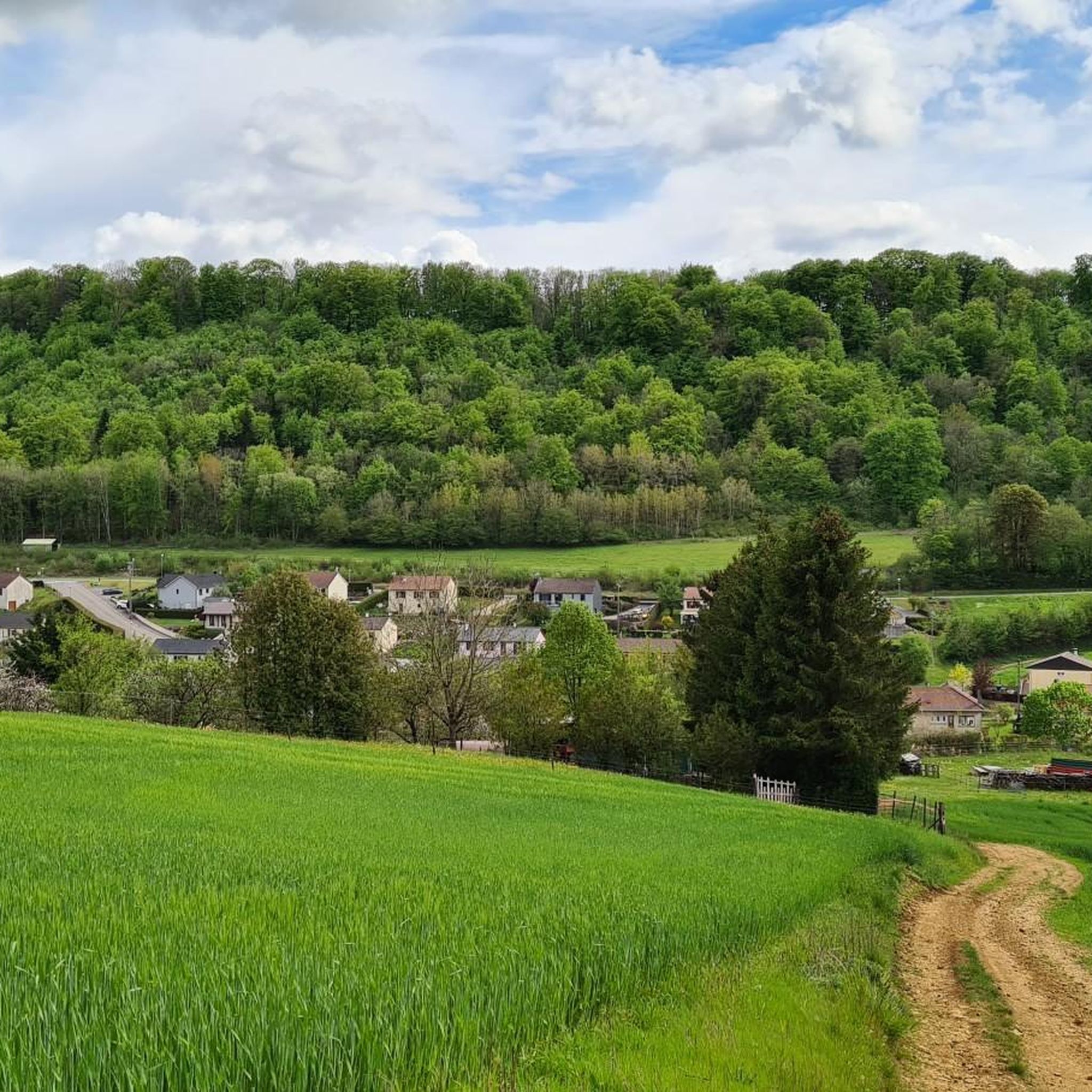
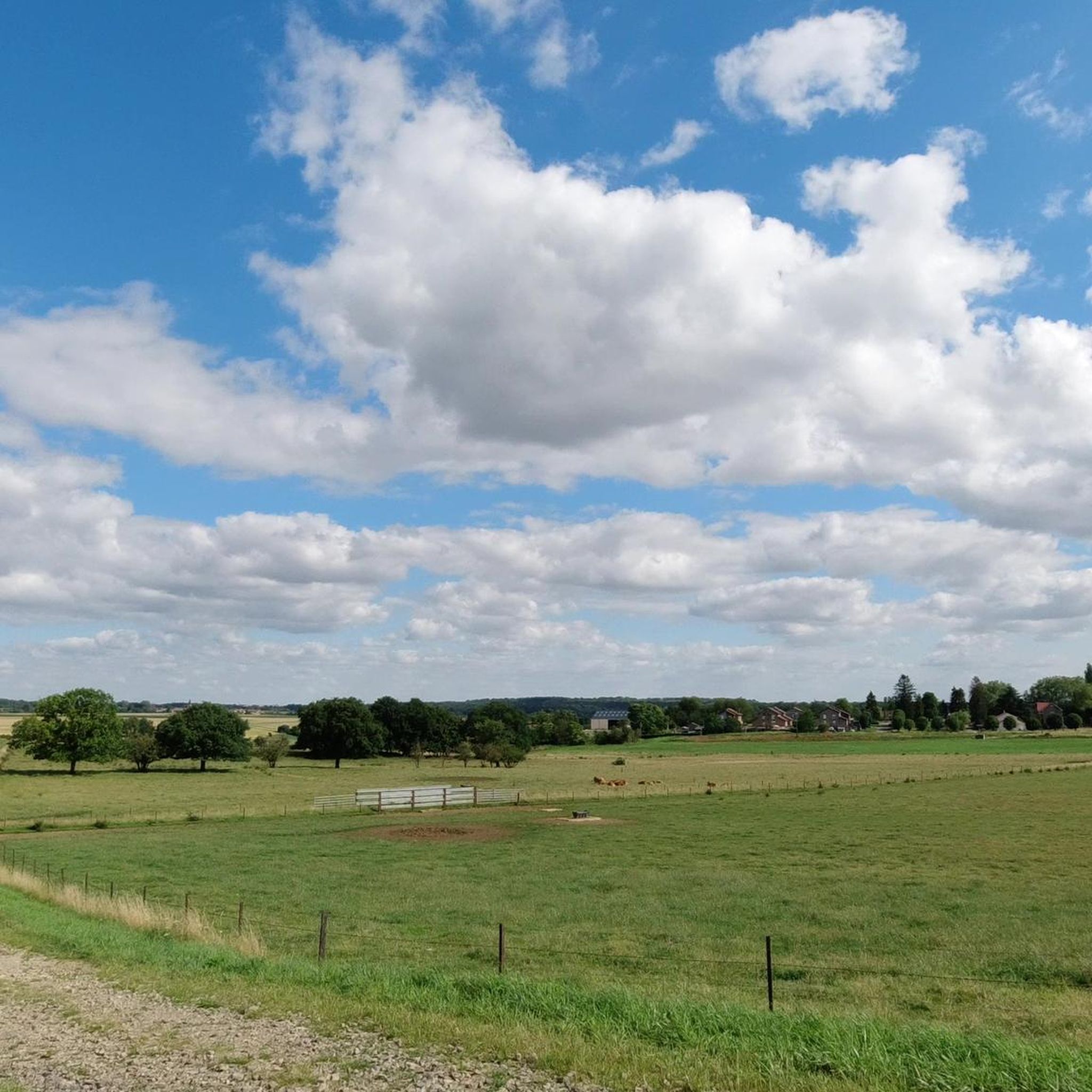
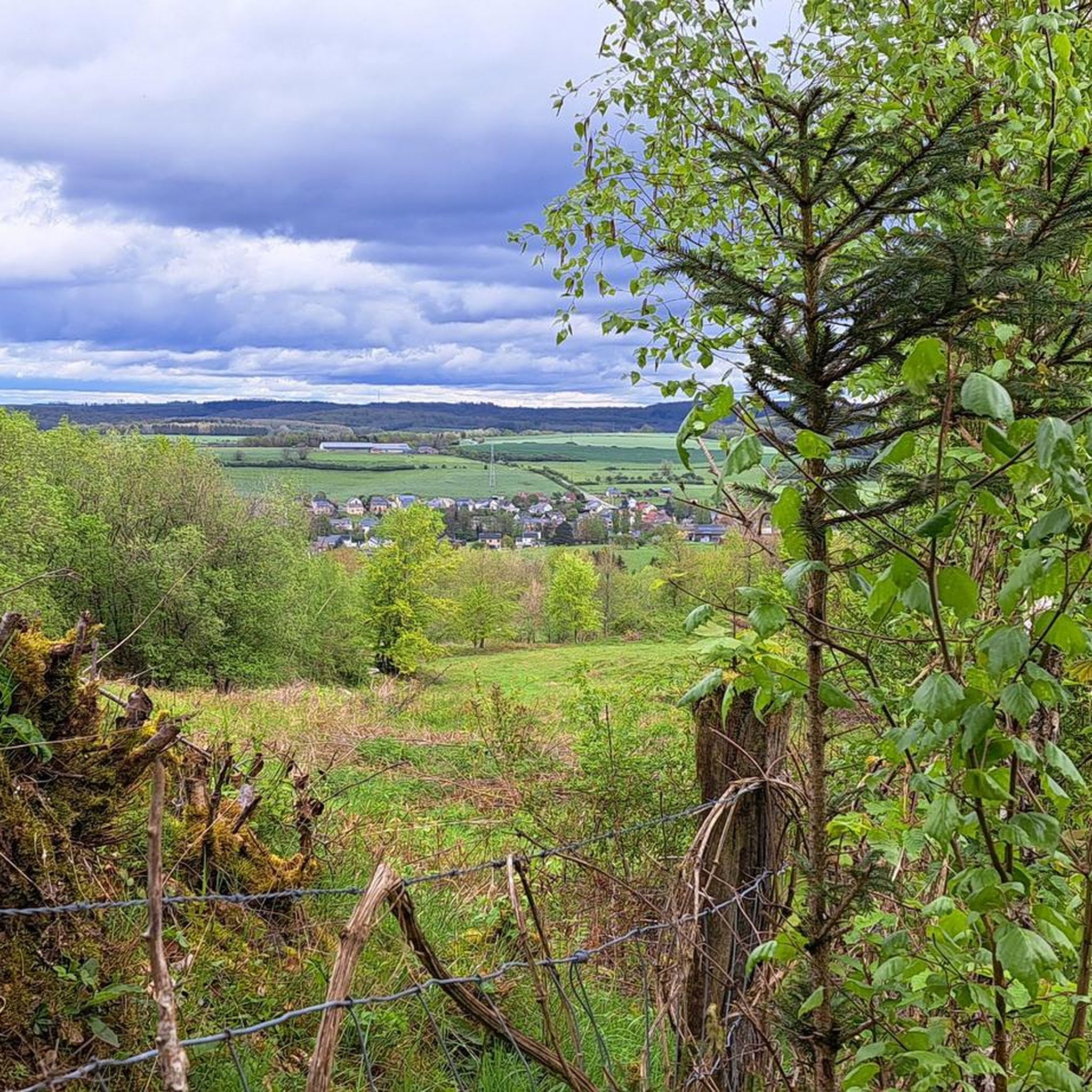
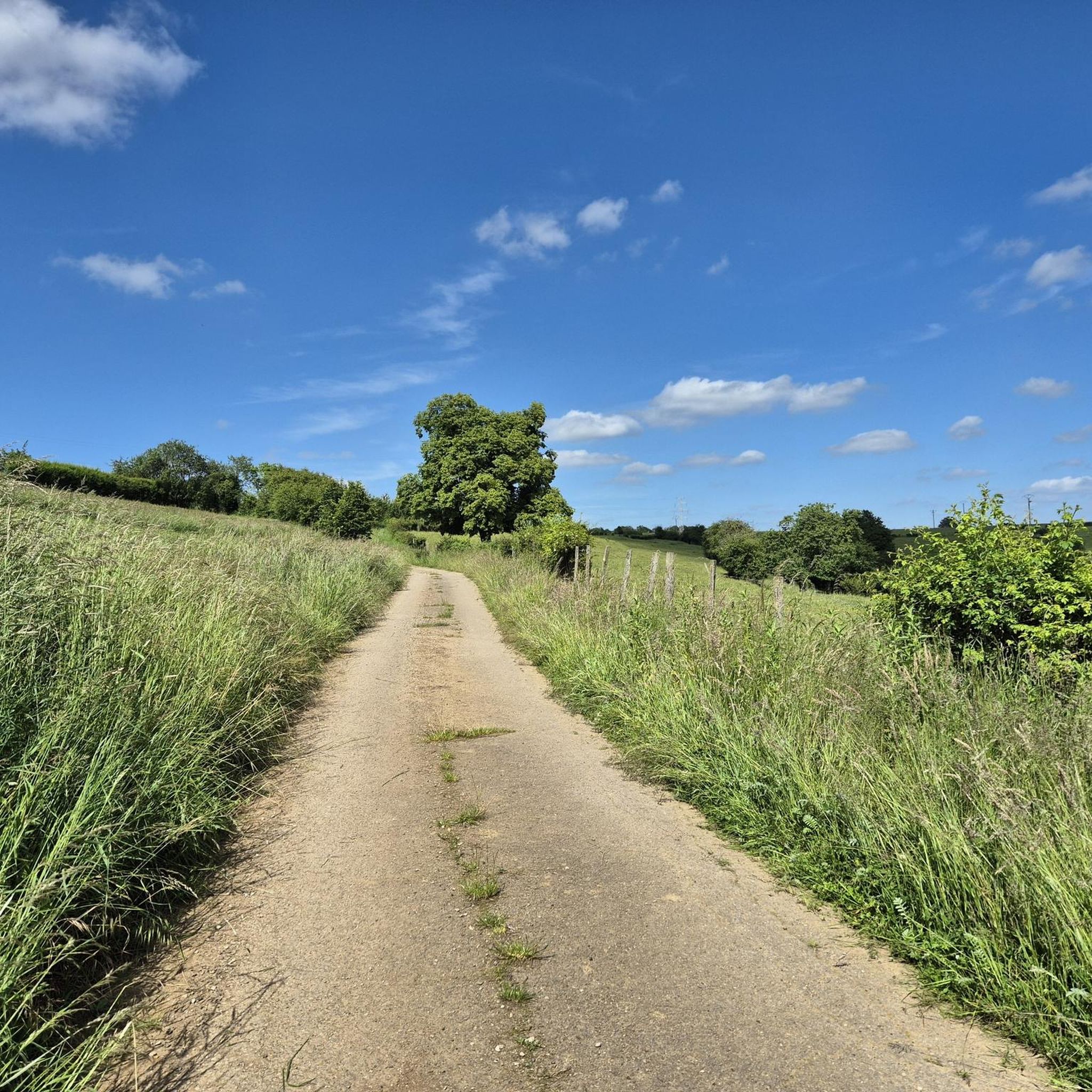
Tips from the Community

🏰 **Château de Cons-la-Grandville – A Journey Through the Centuries** The imposing castle of **Cons-la-Grandville**, near the border with Luxembourg, combines Romanesque origins with Renaissance and Baroque architecture. Built on the foundations of a Gallo-Roman villa, it was expanded and remodeled several times from the 11th century onwards. Particularly worth seeing: the Romanesque cloister, the elegant façade, and the magnificent courtyard. 🕰️ The château was the residence of the noble de Cons family, later also a monastery, and has been lovingly restored. Today it is a listed monument and open to visitors. **Tip:** Be sure to visit the cloister – one of the oldest preserved of its kind in Lorraine. Ideal as a stopover on the way between France and Luxembourg.
0
0

Saint-Denis Church of Ville-Houdlémont, parish church, isolated in the middle of the forest. Church common to Ville-Houdlémont, Saint-Pancré and Bure-la-Ville until an unknown date in the 19th century, built in 1547 of which part of the bell tower remains. Bell tower raised in 1756 (date shown by the cornice of the west facade). Nave rebuilt during the 18th century. Choir enlarged in 1830 and construction of two sacristies on each side of the choir. Re-drilling of the bays of the nave in 1831, to bring them into line with those of the choir. Chapel keeper's house to the south of the church transformed during the 19th century. Note that a fresco of the Gallic goddess Epona was once found on this site.
2
0
Charming little historic town with an excellent restaurant Le Gras Q
1
0

The castle of Cons-la-Grandville is a castle which dates from the 11th century and which has been transformed and restored over the centuries. You can admire the architecture and sculptures of the castle, which combine Romanesque, Renaissance and classical styles. You can also explore the park and village of Cons-la-Grandville, surrounded by hills and woods.
3
0

A relatively inconspicuous gate at the wayside. But with a lot of history.
1
0

Stationed in Longuyon in 1954, with an air base in Marville, the Canadians left our region in 1966/1967 following General DE GAULLE's decision in 1966 to no longer belong to NATO. The Canadians, in thanks for the welcome received by the French, proposed to the municipality, chaired by Robert DRAPIER, to build a totem characteristic of the Canadian nation. It was inaugurated on March 11, 1967 by the Indian chief KHUT LA CHA and his squaw "Princess of Peace", in the presence of the mayor and the city council, as well as the 4 colonels who had succeeded each other at the base. After many Indian dances and songs to the accompaniment of a tambourine, the chief gave his headdress to Colonel CHRISTIE, the last base commander, who unveiled the plaque affixed to the Totem's base. As a testimony to the warm welcome given by the French people to all Canadian personnel of the First Wing, Royal Canadian Air Force, who stayed at Marville Base from 1954 to 1967. Worn out over the years, our unusual Totem was replaced thanks to Canadians from the LAHR base in Germany. Renovated and carved from larch, 5.40 meters high, the new brand new totem was re-inaugurated by Pierre MERSCH, Mayor, on June 8, 1986. It is regularly maintained and some parts have been refurbished. weather and pollution would soon have overcome this memory of the past. In 2005, the second Totem, which still retained the original sculptures and designs, had to be replaced. It is now in resin, which should make it more resistant to the test of time. (https://www.longuyon.fr/Patrimoine/Totem.html)
2
0
This bridge, known in Ethe as Pont des Arminis, was built in 1873 to support the passage of the railway line from Virton Ville to Marbehan. It became Pont du 14e Hussards in memory of the French cavalrymen killed there on August 22, 1914. pass and repass under the bridge and are massacred by German machine guns. Colonel DE HAUTECLOCQUE is seriously wounded, his son Bernard is killed like hundreds of hussars" (Information taken from the logbook of Second Lieutenant Charles FOUSSARD/4th squadron , found after the war) (Source: Website of the Belgian Luxembourg Tourist Federation).
2
0

If you drive directly on the stream it is a bit more difficult and you like to get wet.
0
1
Frequently Asked Questions
What historical sites can I explore in Cons-la-Grandville?
Cons-la-Grandville is rich in history. You can visit the impressive Cons-la-Grandville Castle, which blends Romanesque, Renaissance, and classical styles. Other notable historical sites include the Benedictine Prieuré, the Gothic Église Saint-Étienne (or Saint-Hubert) with its 11th-century Romanesque crypt, the 19th-century Haut-Fourneau (blast furnace), and remnants of medieval ramparts around the town.
Are there any natural attractions or scenic spots in the area?
Yes, nature lovers will enjoy the Moulaine Valley Stream, a nature reserve featuring a heavily forested valley with crystal-clear water. Nearby, you can explore the vast Parc Naturel Régional de Lorraine, offering diverse landscapes. The Prieuré grounds also host a Parc botanique du Prieuré, perfect for a pleasant botanical walk by the river.
What kind of outdoor activities can I do around Cons-la-Grandville?
The region offers various outdoor activities. You can find numerous trails for running, mountain biking, and road cycling. For instance, there are running loops from nearby villages like Lexy and Ugny, MTB trails like the Wind turbine loop, and road cycling routes that pass by the castle and through scenic areas.
Are there any family-friendly attractions in Cons-la-Grandville?
The Cons-la-Grandville Castle is categorized as family-friendly, offering an engaging historical experience for all ages. Exploring the natural beauty of the Moulaine Valley Stream or the botanical park at the Prieuré can also be enjoyable for families.
What is the Saint-Denis Church and where is it located?
The Saint-Denis Church is a parish church built in 1547, notable for its isolation in the middle of the forest. It features a bell tower raised in 1756 and a nave rebuilt in the 18th century. It's a serene and historically significant spot to visit.
Can I learn about the region's industrial past?
Yes, Cons-la-Grandville preserves elements of its industrial heritage. You can see the Haut-Fourneau, a former 19th-century blast furnace, which stands as a classified historical monument. The Moulin de Cons-la-Grandville, though no longer operational, also represents another aspect of the town's industrial past.
What are some interesting places to visit near Cons-la-Grandville?
Beyond Cons-la-Grandville, you can explore Longwy, a UNESCO World Heritage site known for its Vauban fortifications and earthenware. Mont-Saint-Martin offers a charming village with a Romanesque church and panoramic views. History enthusiasts might also visit nearby forts of the Maginot Line or the impressive Gothic Basilique d'Avioth.
What is the 14th Regiment Hussars Bridge?
The 14th Regiment Hussars Bridge, also known as Pont des Arminis, was built in 1873 for a railway line. It was later renamed in memory of French cavalrymen killed there during World War I, making it a significant historical monument with a poignant story.
Are there any unique cultural sites in the vicinity?
Beyond the local church and priory, the region boasts unique cultural sites. The Longuyon Totem, for example, is a distinctive monument commemorating the Canadian presence in the area from 1954 to 1967, showcasing a blend of local history and international connections.
What do visitors say about the attractions around Cons-la-Grandville?
Visitors appreciate the blend of historical and natural beauty. The Cons-la-Grandville Castle is praised for its architecture and historical depth, with tips highlighting its Romanesque cloister and elegant facade. The Moulaine Valley Stream is highly recommended for its beautiful landscape and clear water, despite some challenges with litter.
Is there a botanical garden or park to visit?
Yes, the grounds of the Prieuré de Cons-la-Grandville include a Parc botanique du Prieuré. Here, you can enjoy a pleasant botanical walk where various 'Fabulous Trees' have found refuge by the river, offering a tranquil natural experience.
Can I find information about the local geology or natural landscape?
The region is characterized by its picturesque setting overlooking the Chiers river, with a landscape of hills and woods. The Moulaine Valley Stream, for instance, features crystal-clear water that partly originates from old mine shafts, flowing over numerous small rock steps, showcasing a unique geological formation.
Most popular routes around Cons-La-Grandville
Most popular attractions around Cons-La-Grandville

Get inspired with the komoot mobile app


Explore more
Still not found the Highlight you’re looking for? See guides of the top attractions in other regions:
