Attractions and Places To See around Lemud - Top 4
Best attractions and places to see around Lemud include its tranquil setting within the Moselle department of the Grand Est region in north-eastern France. The commune serves as a base for exploring cultural and natural attractions in the surrounding area, including the cities of Metz and Nancy. While Lemud itself is a small commune, its immediate vicinity features points of interest like Pange Castle.
Best attractions and places to see around Lemud
- The most popular attractions is Mont Saint-Pierre,…
Last updated: June 29, 2026
Pange Castle
Highlight • Castle
Translated by Google •
Tip by

Mercy Castle
Highlight • Castle
Translated by Google •
Tip by
Sign up now to discover places like this
Get recommendations on the best single tracks, peaks, & plenty of other exciting outdoor places.
Sign up for free
Mont Saint-Pierre
Highlight • Viewpoint
Translated by Google •
Tip by

Domangeville Bridge Monument
Highlight • Monument
Translated by Google •
Tip by

Start today with a free account
Your next adventure awaits.
Login or Signup



Tips from the Community

The origin of “Pont-à-Domangeville is lost in the mists of time. The Roman road from Metz to the Rhine already passed through there. Under the old regime, it was a tiny separate lordship, with a toll bridge. Usually blocked and padlocked, to cross it you had to pay a fee, depending on the livestock and products passed through. The lordship belonged in the 13th century to the Saint-Vincent de Metz abbey, then to the successive lords of Domangeville; in 1716, to the Laubrussels, then to the Leuryses, finally to the Thomas de Pange. It included, in addition to the bridge, the road - 50 toises on this side, 18 beyond - the bed of the Nied on both sides and, on the south-east bank, land with a hostelry (current Mayot farm) . In 1789, the community of Bazoncourt declared in its list of grievances “the enlightenment of the State and the kindness of the King will undoubtedly eliminate a right of final injustice perceived at Pont-à-Domangeville. However poor a plowman he may be, he pays three does and several pay without passing through.” After the revolution, the bridge had to be repaired. Paradoxically, the general council had the expenditure entered in the 1814 and 1815 rolls of the localities which had subscribed to the bridge in 1766. On this ordeal is inscribed: “This monument of our redemption was erected by the care of MM. De Pange, de Courten, Devaux and Dauphin, Commissioners responsible for the reconstruction of this bridge, in the year of our Lord 1816. During the reconstruction work and near the bridge, Joseph GRANDIDIER de Hernicourt and François ANIEL perished in the waters on July 20 from Domangeville, both attached to the service of the neighboring farm »
1
0

Two people died during the reconstruction of the bridge over the Nied Française in Domangeville in 1816.
1
0

The castle used to be a breathtaking gem and lived up to its purpose - a kind of architectural resistance against the German occupation. It is currently completely run down and is more reminiscent of a lost place. Apparently it was sold in 2021 to a Nancy-based company that wants to refurbish it (along with the chapel) and develop it into residential and commercial units. As of now (June 2023) not much seems to have happened.
1
0

Erected in 1905, the Château de Mercy was built in response to the architectural shift in the region under German occupation. It is thus possible to admire its clearly French style.
3
0
This typical castle of classicism was built in the 18th century. Property of the Pange family, it is entrusted to an association responsible for making it a house of arts, encounters and cultures. Besides the building, the gardens are also splendid. More information is available on the chateau website: http://www.chateaudepange.fr/.
1
0

The Chateau de Mercy is a real eye-catcher! Unfortunately, it is dilapidated, a real lost place! Update July 2024: The chateau is currently undergoing extensive renovation.
0
0
The castle dates from 1720 and was the residence of the Marquis de Pange. It is still family-owned today and unfortunately (currently) not open to the public.
0
0

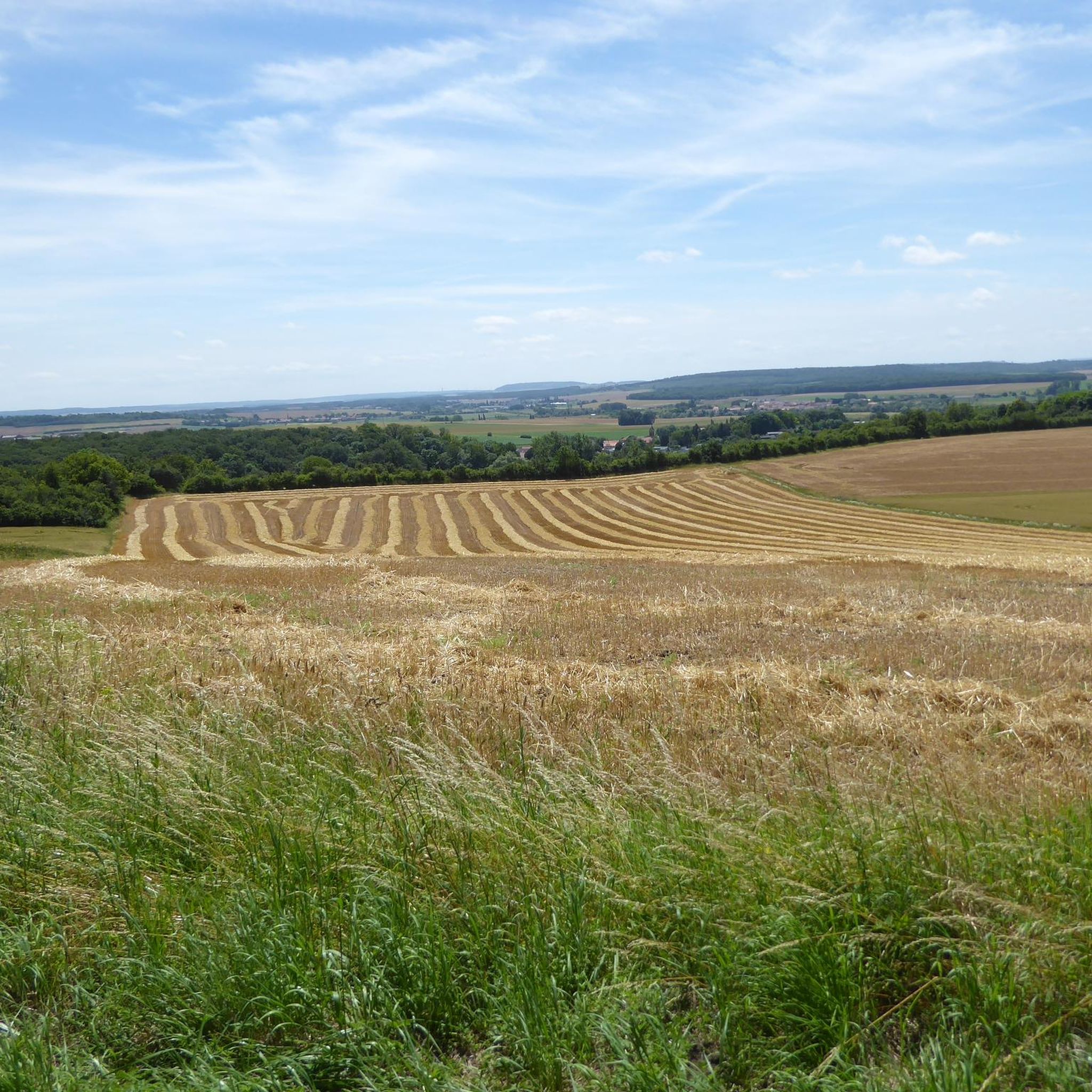
Panoramic view of the Lorraine plateau. Picnic area
1
0
Frequently Asked Questions
What historical landmarks can I visit near Lemud?
Beyond the local church in Lemud, you can explore several significant historical sites. These include the Pange Castle, an 18th-century classical castle with splendid gardens, and the Mercy Castle, built in 1905 with a distinct French architectural style. Additionally, the Domangeville Bridge Monument commemorates a historical event from 1816.
Where can I find panoramic views around Lemud?
For breathtaking panoramic views, head to Mont Saint-Pierre. This viewpoint offers expansive vistas of the Lorraine plateau, and on clear days, you can even see as far as the Vosges mountains. It also features a small chapel and cemetery.
Are there any natural attractions to see near Lemud?
While Lemud is situated within the Rhin-Meuse basin, featuring local streams like the Aube, Dain, and Woivre, the most notable natural feature directly linked to an attraction is the remarkable gardens of Pange Castle. These gardens are considered a significant natural and cultivated highlight.
Are there family-friendly activities or attractions near Lemud?
Yes, for a family outing, the Mont Saint-Pierre viewpoint is considered family-friendly and offers a picnic area. Further afield, approximately 28 km from Lemud, you can visit the Parc zoologique d'Amnéville, a zoo and wildlife park that provides a great experience for all ages.
What kind of outdoor activities, like running or cycling, can I do near Lemud?
The area around Lemud offers various outdoor activities. For running, you can explore routes like the 'Bois de Féy loop from Rémilly' or the 'Running loop from Lemud'. Cyclists can enjoy road cycling routes such as the 'Bus Stop Fly Mural – Mont Saint-Pierre loop from Rémilly'. Mountain biking enthusiasts have options like the 'Pange Castle loop from Courcelles-sur-Nied'. You can find more details on these and other routes in the Running Trails around Lemud, Road Cycling Routes around Lemud, and MTB Trails around Lemud guides.
What cultural institutions are accessible from Lemud?
Lemud serves as a convenient base for exploring the richer cultural attractions of the surrounding area. In nearby Metz, approximately 15.5 km away, you can visit the Centre Pompidou-Metz, a significant modern art museum. The historic Metz Cathedral and the German Gate are also major cultural landmarks in Metz.
What is the best time of year to visit Lemud for outdoor activities?
The Moselle department generally experiences a temperate climate. Spring and autumn offer pleasant temperatures for exploring castles, gardens, and engaging in outdoor activities like cycling and running. Summer is also suitable, though it can be warmer. Winter activities are possible, but some outdoor routes might be less accessible depending on conditions.
Are there any unique or lesser-known historical sites worth visiting?
Beyond the more prominent castles, consider visiting the Church of the Assumption of the Blessed Virgin Mary in the nearby commune of Aube. This 12th-century church features an octagonal bell tower and houses a 15th-century Virgin and Child statue, classified as a historical monument. You can learn more about Aube on Wikipedia.
What local markets can I visit near Lemud?
To experience local life and find regional products, you can visit markets in several nearby towns. Faulquemont hosts a market on Thursdays, while Metz has markets on Wednesdays, Tuesdays, Thursdays, Saturdays, and Fridays. Saint-Avold also has a market on Fridays.
Is there public transport available to reach attractions from Lemud?
While Lemud itself is a small commune, public transport options to reach major attractions like Metz or Nancy are available from larger nearby towns. It's advisable to check local bus or train schedules for specific routes and timings to plan your visits to these cities and their attractions.
What do visitors enjoy the most about the attractions around Lemud?
Visitors particularly appreciate the diverse range of attractions, from historical castles to scenic viewpoints. The Mont Saint-Pierre is loved for its panoramic views and picnic opportunities. The architectural significance of Mercy Castle and the splendid gardens of Pange Castle are also highly valued by the komoot community.
Are there any religious sites of interest near Lemud?
Yes, in addition to the local church in Lemud, the nearby city of Metz boasts the impressive Metz Cathedral, a major historical and architectural landmark. Another notable religious site is the 12th-century Church of the Assumption of the Blessed Virgin Mary in Aube, known for its unique bell tower and ancient statue.

Get inspired with the komoot mobile app


Explore more
Still not found the Highlight you’re looking for? See guides of the top attractions in other regions:
