Top 12 Mountain Passes around Fourneaux
Mountain passes around Fourneaux are situated in the Maurienne Valley, a region within France's Auvergne-Rhône-Alpes known for its Alpine landscapes. The area offers access to numerous mountain passes, ranging from hiking trails to legendary cycling roads. These passes provide diverse terrain and views, connecting different valleys and offering routes for various outdoor activities. The location serves as a gateway to both local hiking passes and iconic road passes of the French Alps.
Best mountain passes around Fourneaux
- The most popular…
Last updated: June 26, 2026
Col de la Vallée Étroite
Highlight • Mountain Pass
Translated by Google •
Tip by

The old road to Col de la Roue
Highlight (Segment) • Trail
Translated by Google •
Tip by

Sign up now to discover places like this
Get recommendations on the best single tracks, peaks, & plenty of other exciting outdoor places.
Sign up for free
Col de la Rho
Highlight • Mountain Pass
Translated by Google •
Tip by

Col de la Rhô
Highlight (Segment) • Mountain Pass
Translated by Google •
Tip by
Col de Chavière
Highlight • Mountain Pass
Translated by Google •
Tip by
Sign up for free to discover even more mountain passes around Fourneaux.
Sign up for free
Already have an account?
Start today with a free account
Your next adventure awaits.
Login or Signup
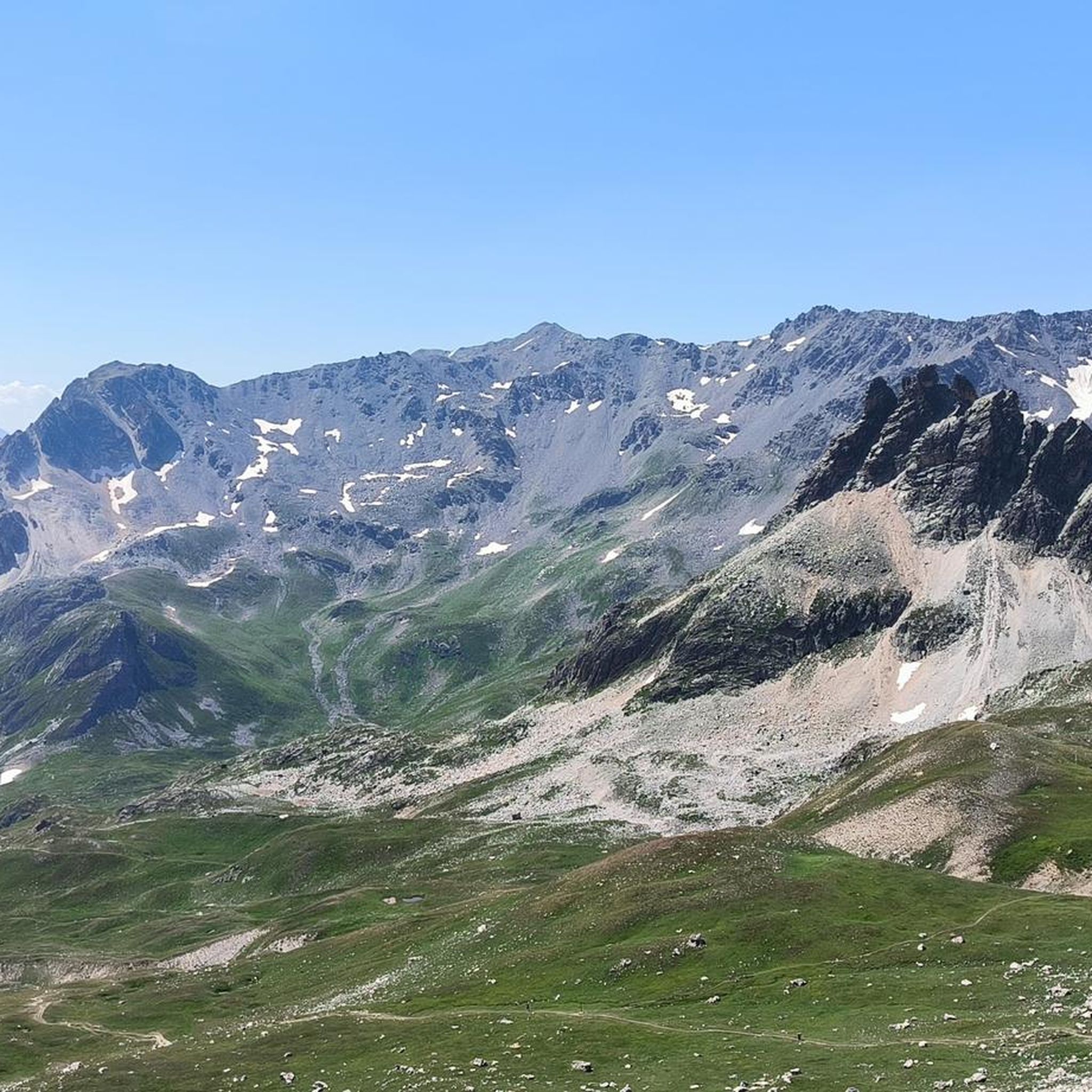
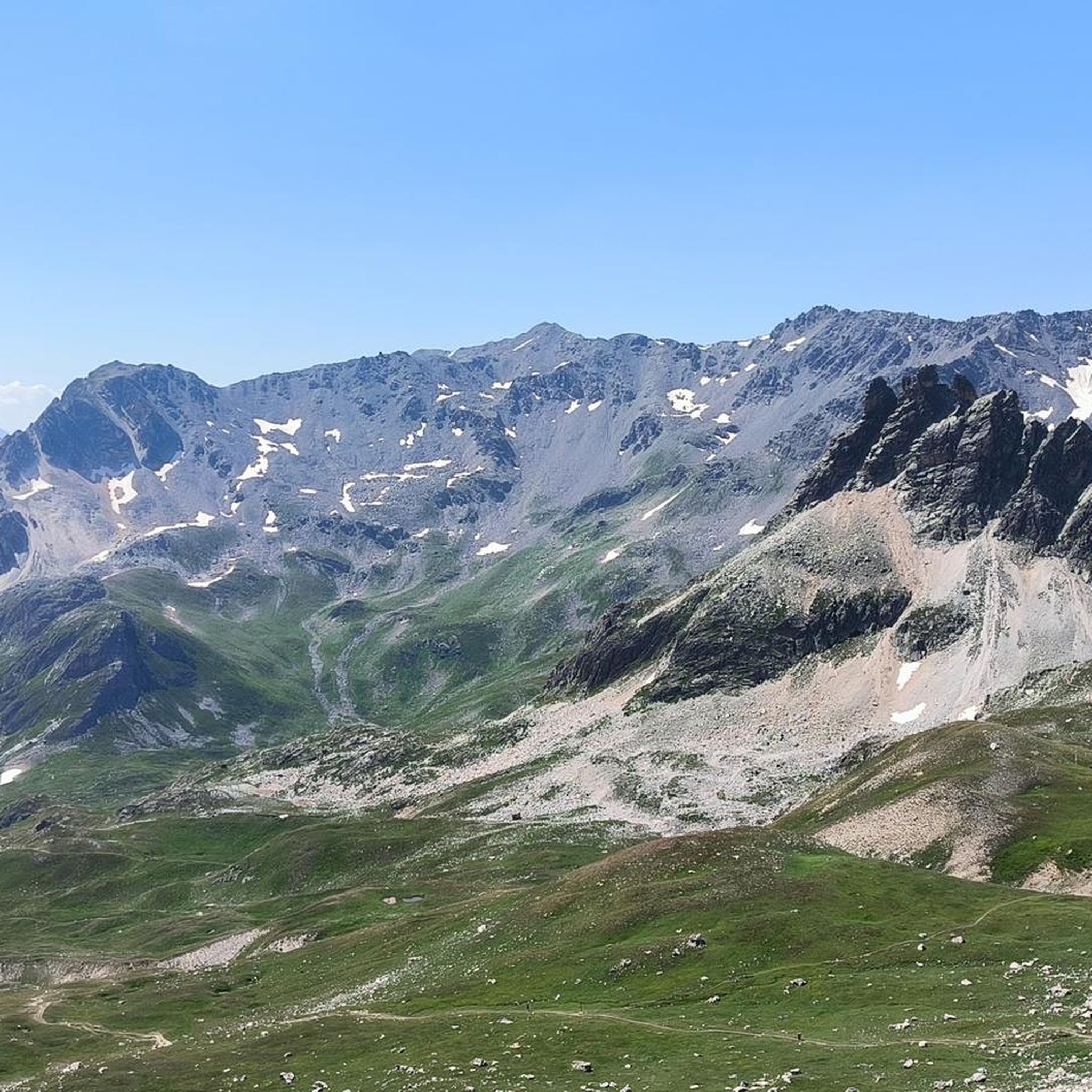
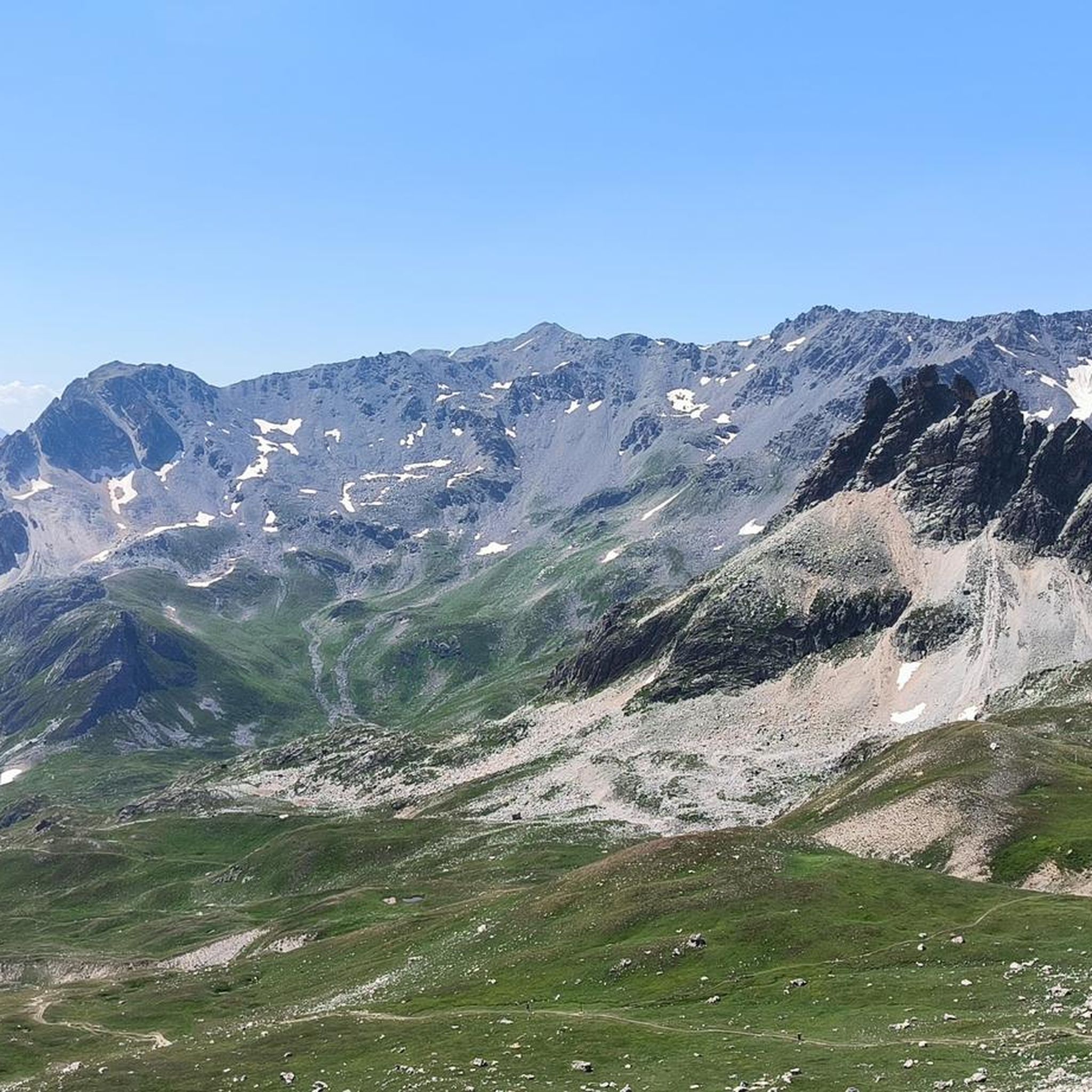
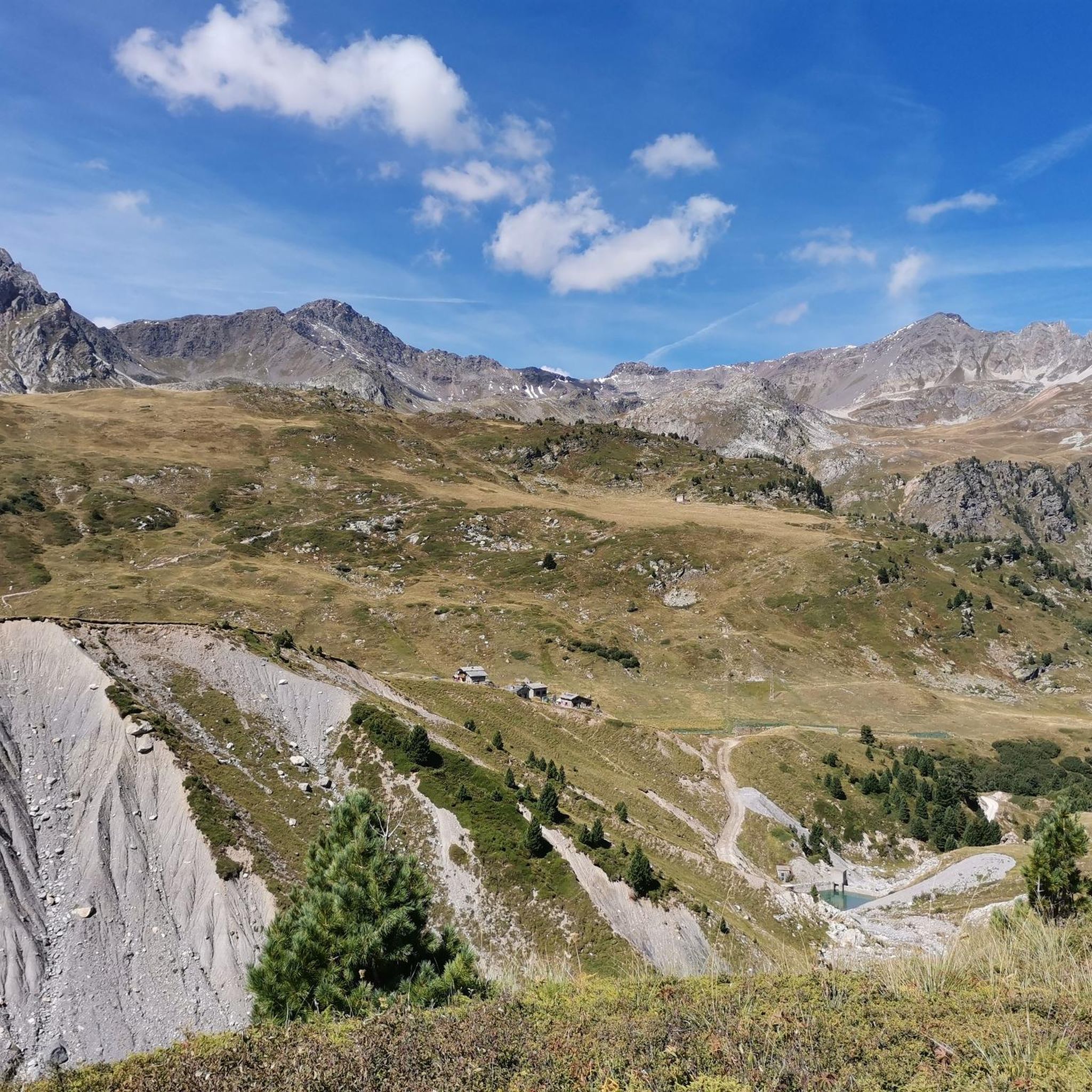
Tips from the Community

near the Thabor refuge
0
0
Italian-French border, you can get there by pushing the mountain bike the last 50/100 meters of DSL
0
0

Beautiful scenery, both the climb and the descent on gravel are a bit challenging. A bit of portage on the climbs and also at least 1km of walking on the descents.
1
0

https://youtu.be/Kl8aY-ksp7c?si=lv9_5ko1gQxpJgSM A classic during the Alpine Crossing to the south, as it's well-ridden. The steep downhill section isn't that long and can be pushed without difficulty, so I had no problem with it.
0
0

Also known as the Col de la Vallée-Étroite. We've already ridden the pass twice on our tours to the Mediterranean. While the climb from Modane is scenically charming, I only recommend the descent at the beginning. The "technical section" is the opposite of a highlight for me.
1
0

Pass which brings together several routes of passage according to different locations
0
1

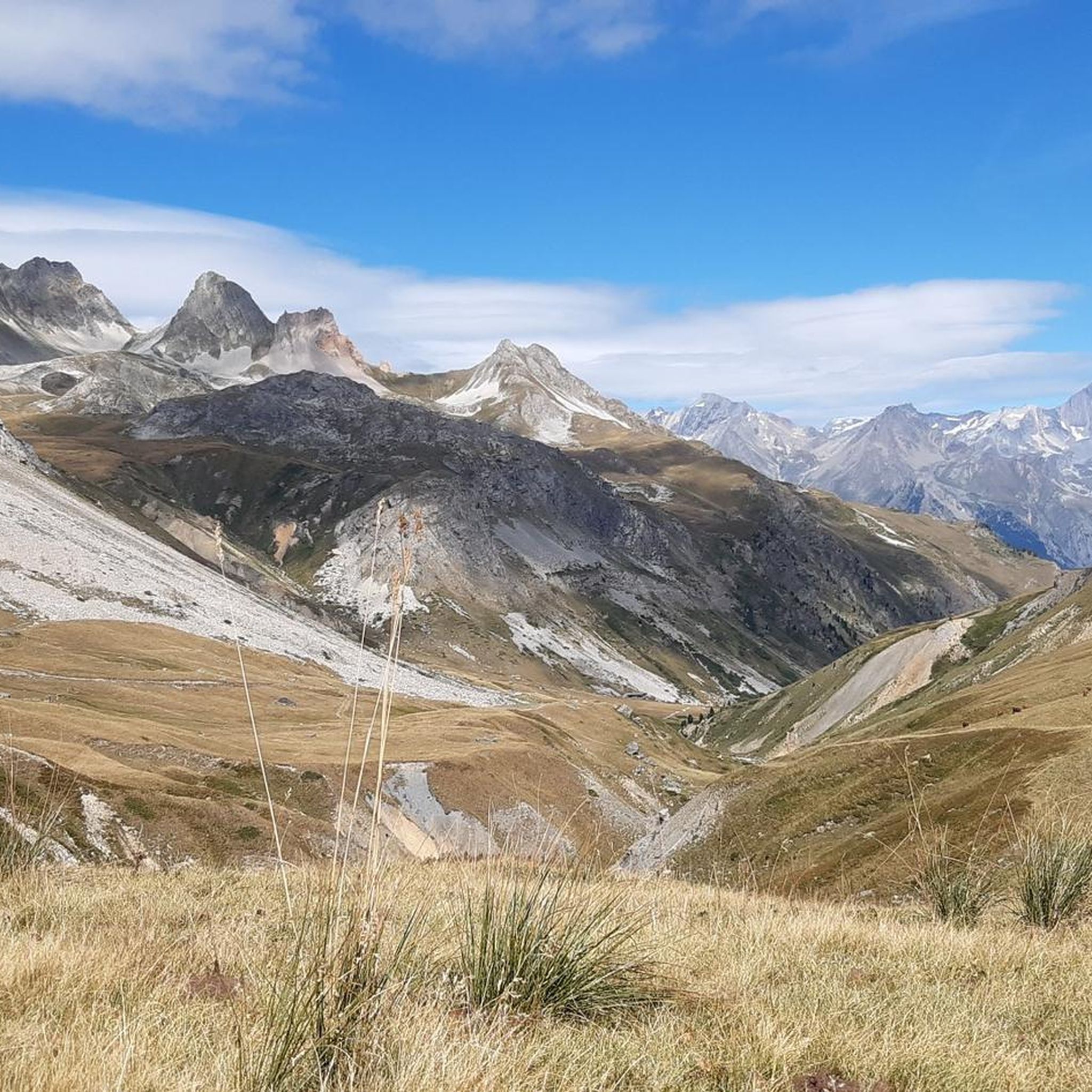
The Vallée Étroite pass, linking Maurienne (Modane) to Piedmont (Bardonèche) at the foot of Mont Thabor (3178m), was integrated into the "Maginot line" of the Alps in the 1930s-40s as a border pass. Following the Franco-Italian agreements of 1947, the border was moved a few kilometers from Le Mélézet, placing part of the Vallée Étroite under French sovereignty. The pass can be reached from two slopes.
1
0

fairly large landslide...be careful when crossing.
0
0
Frequently Asked Questions
What are some of the most scenic mountain passes around Fourneaux?
The region around Fourneaux is rich in scenic mountain passes. For breathtaking panoramic views, consider the Col de Chavière, known for its almost lunar landscape and stunning vistas. The Col de la Rho, on the Italian-French border, also offers spectacular views. For road cyclists, the Col de l'Iseran, often called the 'King of the Alps,' provides dramatic, rugged landscapes and is considered the highest paved pass in the Alps.
Are there challenging mountain passes for experienced hikers or cyclists near Fourneaux?
Absolutely. For hikers, the Col de la Masse, situated in the Vanoise massif, is a challenging ascent to 2,922 meters, offering exceptional panoramic views and technical sections. Cyclists can tackle legendary Tour de France climbs like the Col de l'Iseran (2,764m), Col du Galibier (2,642m), Col de la Madeleine (1,993m), Col du Glandon (1,924m), and Col de la Croix de Fer (2,067m), all known for their significant elevation gains and demanding routes.
What kind of wildlife can I expect to see on the mountain passes?
The Alpine environment around Fourneaux is home to diverse wildlife. On passes like the Col de Chavière and Col de la Masse, it's not uncommon to spot ibex (bouquetin) and marmots. These animals are well-adapted to the high-altitude terrain and are a highlight for many visitors.
Are there any historical sites or features on the mountain passes?
Yes, several passes have historical significance. The Col de la Vallée Étroite, for instance, was part of the Maginot Line between 1928 and 1940. The Col du Mont Cenis, located on the border between France and Italy, has a long history as an important Alpine passageway. Additionally, the old military road leading to Col de la Roue offers a glimpse into the region's past.
What is the best time of year to visit the mountain passes around Fourneaux?
The best time to visit the mountain passes largely depends on your activity. For road cycling and driving, most major road passes like the Col de l'Iseran are generally open from June to October, after the winter snows have cleared. Hiking at higher altitudes, such as the Col de la Masse or Col de Chavière, is best undertaken from late spring to early autumn (June to September) when trails are clear of snow and weather conditions are more stable. Always check local conditions before heading out.
Are there any family-friendly activities or easier routes near Fourneaux's mountain passes?
While many passes are challenging, the Maurienne Valley offers various activities. For families, consider exploring the lower sections of valleys or designated walking paths. While specific 'easy' mountain passes are not highlighted in the data, many areas offer less strenuous routes. For running, there are moderate difficulty routes like the 'Modane – Modane loop from Modane' or 'Replaton Fort loop from Freney' which can be suitable for active families. You can find more options in the Running Trails around Fourneaux guide.
What outdoor activities can I do near the mountain passes around Fourneaux?
The region around Fourneaux is a hub for outdoor activities. Besides exploring the mountain passes themselves, you can find numerous opportunities for cycling, road cycling, and running. There are challenging cycling routes such as the 'Ascent of Col de l'Iseran – Iseran Pass loop from Modane' and various running trails like the 'Waterfall loop from Fourneaux'. For more detailed information, explore the Cycling around Fourneaux, Road Cycling Routes around Fourneaux, and Running Trails around Fourneaux guides.
What do visitors enjoy most about the mountain passes around Fourneaux?
Visitors frequently praise the stunning natural beauty and the sense of accomplishment from tackling challenging routes. The panoramic views from passes like the Col de Chavière and the historical significance of sites like the Col de la Vallée Étroite are highly appreciated. Many also enjoy the opportunities for wildlife spotting, particularly ibex and marmots, and the unique, almost lunar landscapes found at higher elevations.
Are there any mountain passes that are particularly popular for mountain biking?
Yes, the region offers excellent mountain biking opportunities. The old road to Col de la Roue is described as magnificent for mountain bike lovers, offering breathtaking views and enjoyable sections. The single-track path to Col de la Rhô is also noted for its technical challenge and superb views, though it may require some pushing in parts.
How accessible are the mountain passes from Fourneaux?
Fourneaux's location in the Maurienne Valley makes it a convenient base for accessing many prominent Alpine passes. While some passes like the Col de la Masse require hiking from nearby trailheads, many legendary road passes such as Col de l'Iseran, Col du Mont Cenis, and Col du Galibier are reachable by car or bicycle from the valley floor, often involving significant ascents on well-maintained roads.
What should I be aware of regarding weather conditions on these mountain passes?
Mountain weather can be unpredictable and change rapidly, especially at higher altitudes. Even in summer, conditions can vary from sunny to cold, windy, or rainy. Snow can persist on higher passes well into summer, and early snowfalls can occur in autumn. Always check the local weather forecast before your trip, dress in layers, and be prepared for all conditions. For passes like Col de Chavière, snow can make sections difficult even in mid-July.
Most popular attractions around Fourneaux

Get inspired with the komoot mobile app


Explore more
See even more epic mountain passes by checking out these guides around Fourneaux:
