The best running trails around Nieulle-Sur-Seudre
4.1
(104)
5,384
runners
243
runs
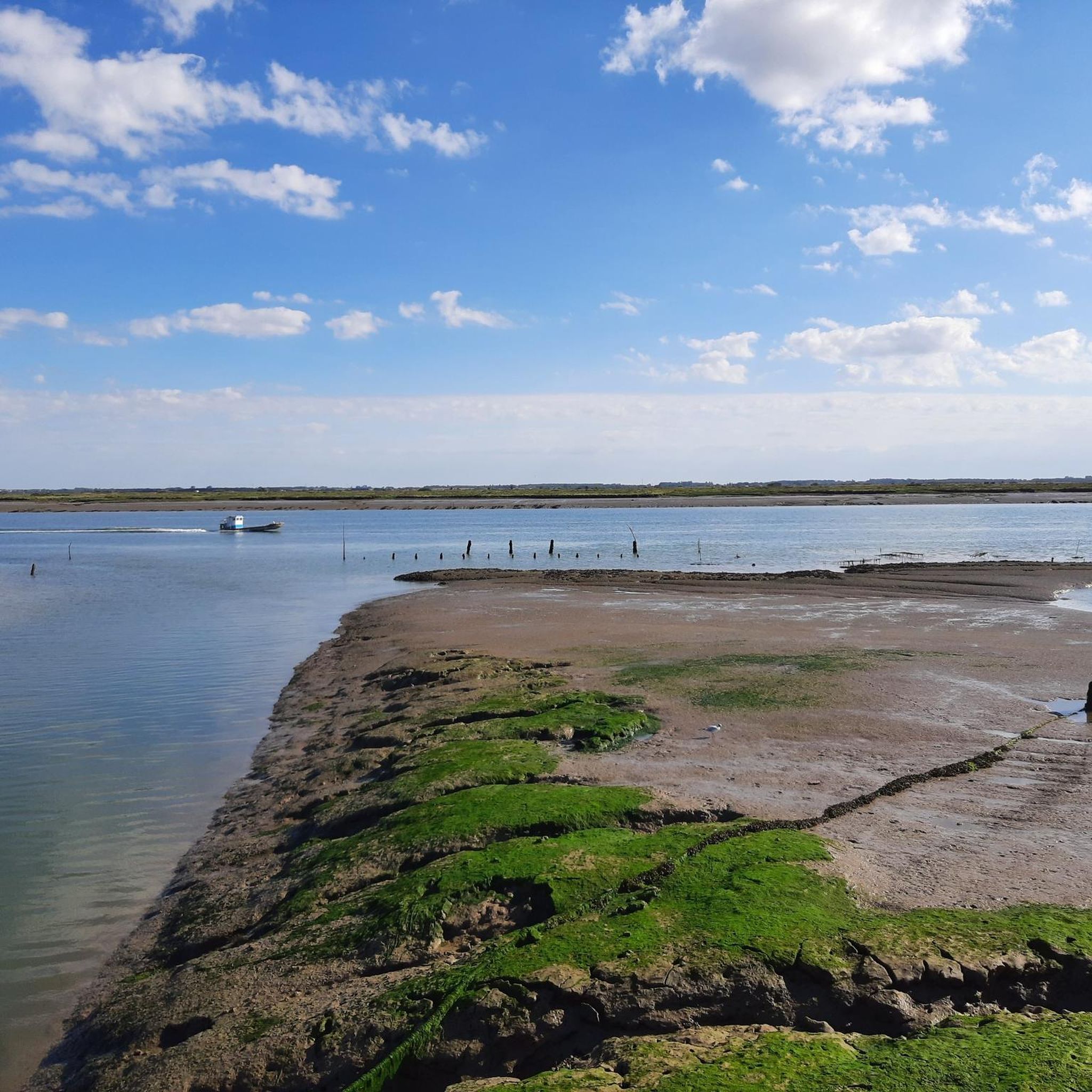
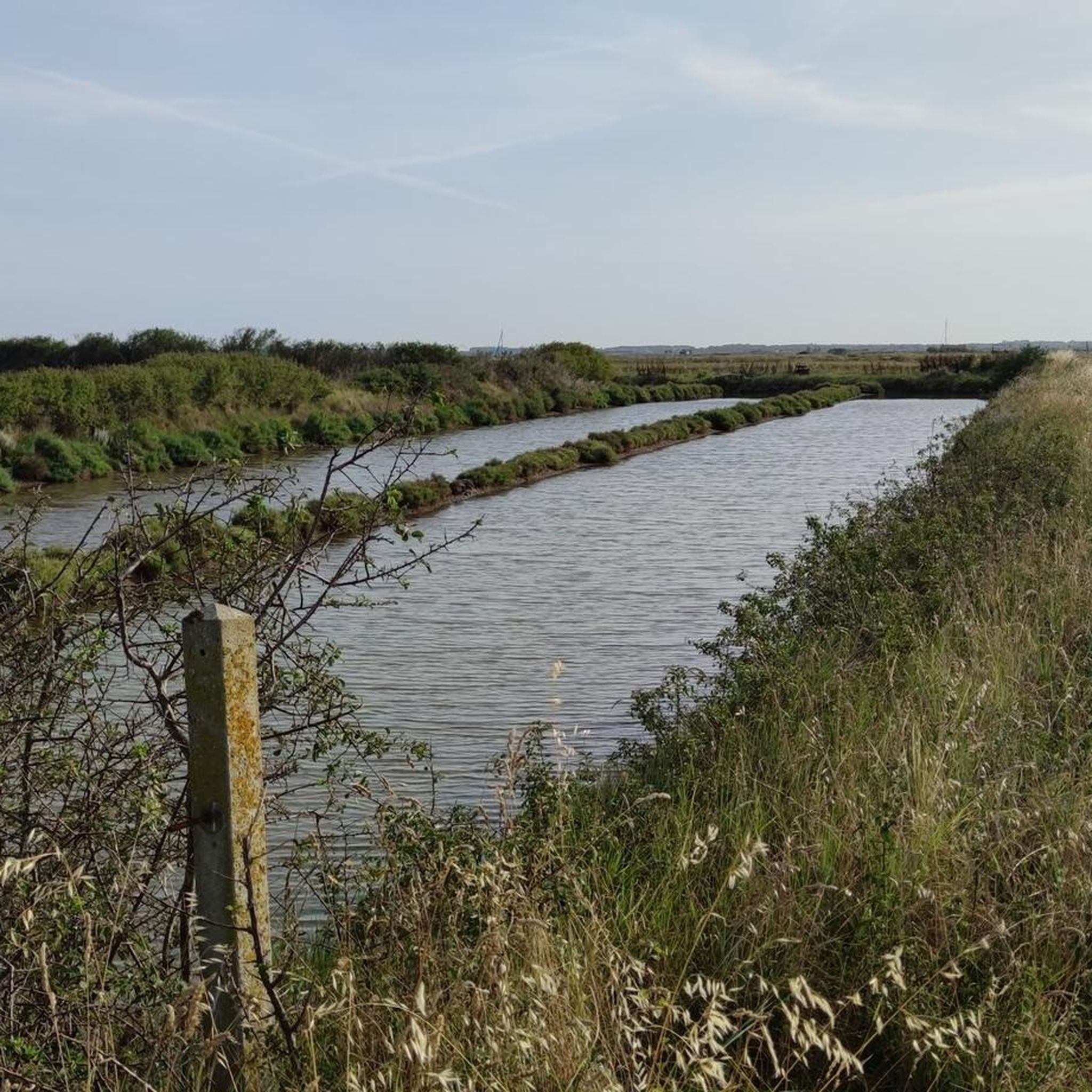
Jogging around Nieulle-Sur-Seudre offers access to diverse natural landscapes, primarily characterized by the extensive Marais de la Seudre (Seudre marshes). This region features a mosaic of wet meadows, historical salt marshes, and oyster parks, providing generally flat terrain ideal for running. The Seudre River is a central element, with many routes following its course through oyster farming areas. The area's network of pathways allows for exploration of these unique marshland and coastal environments.
Best jogging routes around Nieulle-Sur-Seudre
- The most…
Last updated: July 11, 2026
16
runners
Moderate run. Good fitness required. Mostly paved surfaces. Suitable for all skill levels.
3.0
(1)
3
runners
5.02km
00:32
20m
20m
Moderate run. Good fitness required. Mostly paved surfaces. Suitable for all skill levels.

Sign up for free
7
runners
7.54km
00:48
20m
20m
Moderate run. Good fitness required. Mostly paved surfaces. Suitable for all skill levels.
8
runners
Moderate run. Good fitness required. Mostly paved surfaces. Suitable for all skill levels.
7
runners
10.3km
01:04
40m
40m
Moderate run. Good fitness required. Mostly paved surfaces. Suitable for all skill levels.
Get access to more routes and recommendations from other explorers.
Sign up for free
Already have an account?
Our route recommendations are based on thousands of hikes, rides, and runs completed by other people on komoot.
Start today with a free account
Your next adventure awaits.
Login or Signup
Tips from the Community

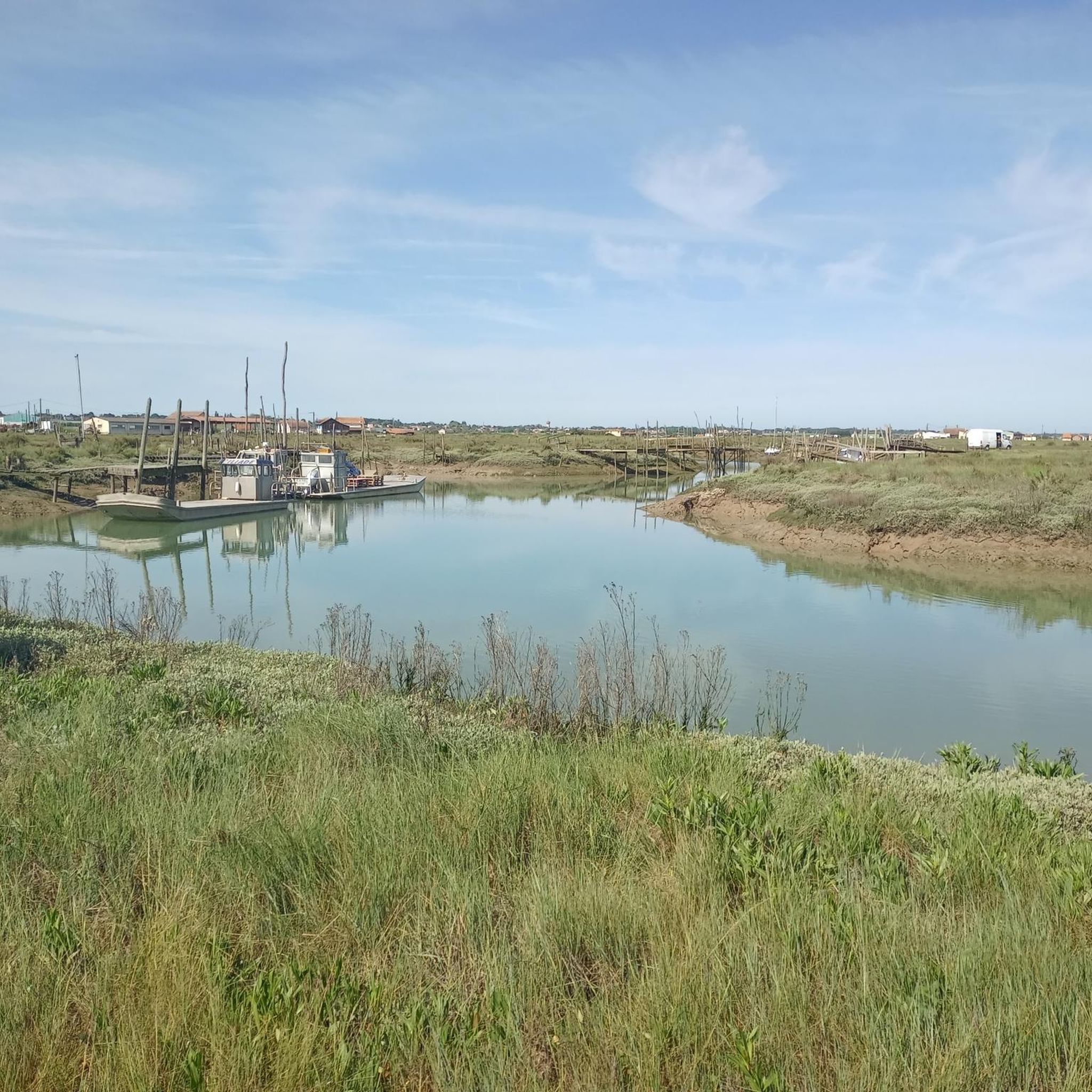
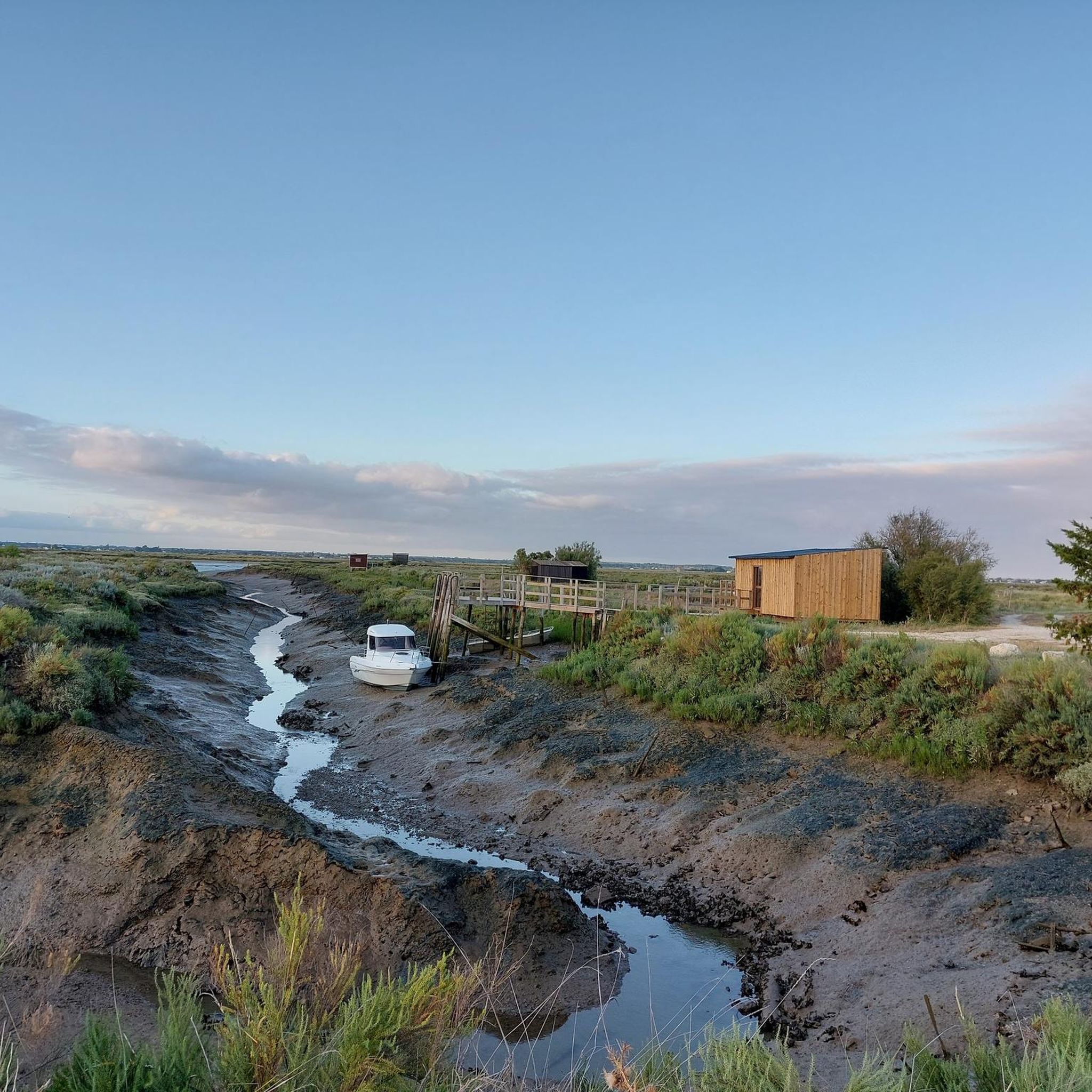
Chaillevette, from the Saintongeais "Chaille" which means "pebble" is a small town in Charente Maritime with 1620 inhabitants, on the Arvert Peninsula. Nestled on the left bank of the Seudre, in a setting of salt marshes, punctuated by "claires" where oysters are refined. The refinement gives them this blue-green color and this typical iodized flavor. Oyster farming by oyster farmers is an essential resource for maintaining two pretty ports: The port of Chatressac, (which almost entered history in the 17th century, having been considered for a time to accommodate the Grand arsenal maritime du Ponant wanted by Louis XIV, which was finally built further north and gave birth to the city of Rochefort), and the port of Chaillevettte. Typical with their oyster huts in various and shimmering colors, bordering the channel and welcoming barges, these two ports have managed to preserve their picturesque character. However, you can enjoy local products in the "tasting huts" and especially the oysters that make our town famous as the "cradle of the oyster". Each of these ports is animated each year by the July 14 festival in Chatressac and the August 15 festival in Chaillevette. In the Chaillevetonne countryside, the cultivation of cereals such as wheat or corn finds its place, without forgetting the vines, which will be used to produce, among other things, the Charente country wine, pineau and cognac.
0
0
The first church was in the old cemetery of Chaillevette, but as the Catholic population grew, it was decided to build a second, larger one, 500 meters away, near a square that used to be a cemetery. Nothing remains of the first church. The current church, with a very simple plan, was consecrated in 1777. Inside the Saint-Pierre church is an ex-voto three-masted trading barge from the 19th century, the Saint-Victor. The ship is suspended from the vault and supported by a base.
0
0
The SAINT-PIERRE church dominates the village from its fortified bell tower. Original in many ways, the Romanesque building houses a holy water font made of a real shell. From the side, you reach the small garden of the chevet, well hidden. Stone sarcophagi (Merovingian or Carolingian depending on the source) bear witness to the archaeological excavations that the church has undergone. There are many stories in Mornac but that of the fire of August 2, 1943 marked the identity of the village. Indeed, the bell tower has not always had this appearance. It had the more traditional shape of a spire until lightning struck it. Many young students come to Mornac-sur-Seudre to participate in the clearing and the excavations that follow. Seduced by the local atmosphere, many of them stayed and opened the first craft workshops in the village, some of which are still present, such as pottery and leather.
0
0
Succeeding a Merovingian church whose remains were discovered in 1951 (as well as a cemetery dating from the 6th century), the foundation of the current church could date back to the 10th or 11th century. with a modernization in the 12th century, where it takes more or less its current appearance. The bell tower was destroyed during the Hundred Years' War and then rebuilt with the facade in the 15th century. A fire due to a violent storm affected the bell tower in 1943. The upper part was reinterpreted by the addition of square bays giving it a defensive character. The slate spire has not gone up. The Saint-Pierre church is a Romanesque building with certain archaic features. The facade, of great severity, dates from the 15th century. Almost devoid of ornamentation, it consists of a broken arched portal with prismatic moldings, confined by a Gothic niche (on the right) and surmounted by a narrow bay. The nave, formerly divided into 5 bays, now has only 4, separated by columns backed by pilasters. The whole was originally covered with ribbed vaults, destroyed in 1837, replaced by an arched vault and subsequently dismantled in turn. The nave is covered with an exposed framework. Large transept arches delimit the square of the transept, covered with a barlong dome on squinches. The crosspieces are covered with a pointed barrel vault, and are extended by apsidioles. Semi-circular arcades, supported by fine columns with capitals decorated with plant or geometric motifs, punctuate the walls of the apse, covered with an oven bottom where traces of frescoes dating from the 12th century are visible, although degraded. century. The walls of the nave, the transept and part of the choir retain traces (from the 17th century) of the funeral liter of a lord of Mornac. The exterior offers, on the north wall, the remains of a Romanesque portal (11th century). The bedside, typical of the Saintongeais Romanesque, is made up of 3 horizontal registers, delimited by cords. The last level is made up of an arcade formed of arched arcades carried by columns with capitals decorated with plant, animal or geometric motifs. The whole is surmounted by a cornice with modillions where animals and human or demonic faces are represented. Buttress columns topped with capitals decorated with interlacing and stylized plants punctuate the walls
0
0

The market hall on the Place des Halles, which was probably built in the 16th century, consists of three naves that are divided by pillars made of quarry stone masonry. The open hall is closed by an octagonal tiled roof, which was renewed in the 20th century.
2
0

There you can discover a unique blend of Romanesque architecture and medieval history. The church, which dates from the 11th or 12th century, has a characteristic tower and a severe 15th century facade. Don't miss the intriguing barlong dome of the transept and the remains of Merovingian sarcophagi near the choir.
3
0

This is one of the many maintenance stations found in Charente Maritime. It's quite handy if you need to repair your bike or inflate your tires.
1
0
Le Mornac-sur-Seudre is a small town beside the waterways of the Marais salant de Mornac. There is a railway museum in the center, as well as several cafes and restaurants.
1
0
Frequently Asked Questions
How many running routes are available around Nieulle-sur-Seudre?
There are over 220 running routes available in the Nieulle-sur-Seudre area, offering a wide variety of options for all skill levels. These routes traverse the unique landscapes of the Seudre marshes and along the Seudre River.
What kind of terrain can I expect on the jogging trails in Nieulle-sur-Seudre?
The terrain around Nieulle-sur-Seudre is predominantly flat, characterized by the extensive Marais de la Seudre (Seudre marshes). You'll find a mosaic of wet meadows, historical salt marshes, and oyster parks, making for generally easy and accessible running conditions. While mostly flat, some routes may have slight elevation changes, such as the Mornac-sur-Seudre – The market halls in Mornac-sur-Seudre loop with about 40 meters of elevation gain.
Are there easy running routes suitable for beginners or a relaxed jog?
Yes, Nieulle-sur-Seudre offers several easy running routes perfect for beginners or those looking for a relaxed jog. Out of the many available, 14 routes are specifically classified as easy. These paths generally feature minimal elevation and smooth surfaces, ideal for enjoying the scenery at a comfortable pace.
Can I find longer running trails for more endurance-focused training?
Absolutely. For those seeking longer distances, routes like the Bicycle Repair Station loop from Chaillevette cover over 10 kilometers, providing ample opportunity for endurance training. Many routes in the region can also be combined or extended to create longer runs through the expansive marshlands.
What kind of natural features or wildlife might I encounter while running?
The Seudre marshes are a protected Natura 2000 site, rich in biodiversity. While running, you might spot various protected bird species such as the Bluethroat, White Stilt, and Marsh Harrier. The marshes are also home to unique plant life like Micheli's Clover and Sea Wormwood. Keep an eye out for mammals like the European Otter, especially along the Seudre River.
Are there any historical or cultural landmarks along the running routes?
Yes, the region offers glimpses into its rich history. Many routes pass through picturesque oyster farming areas and charming villages. You might encounter 'saloches,' small conical stone shelters dating back to the 16th century, or explore the historical divisions of Nieulle into 'Petit Nieulle' and 'Grand Nieulle.' The nearby village of Mornac-sur-Seudre, often featured in routes like the Mornac-sur-Seudre – The market halls in Mornac-sur-Seudre loop, is also recognized as a 'Most Beautiful Village' with medieval charm. You can also explore highlights like the Riberou Port or the Mornac-sur-Seudre Marshes.
What do other runners say about the trails in Nieulle-sur-Seudre?
The running routes in Nieulle-sur-Seudre are highly regarded by the komoot community, holding an average rating of 4.0 stars from over 90 reviews. Runners frequently praise the scenic views of the marshlands, the tranquility of the paths, and the unique experience of running through historical oyster farming areas.
Are the running paths in Nieulle-sur-Seudre suitable for families?
Many of the routes, especially the 14 easy ones, are well-suited for families. The generally flat terrain and well-integrated network of paths make them accessible for a leisurely family jog or walk, allowing everyone to enjoy the natural beauty and fresh air of the Seudre marshes.
Can I bring my dog on the jogging trails?
While specific regulations can vary, generally, dogs are welcome on many of the outdoor paths in the Nieulle-sur-Seudre region, especially in rural and marshland areas. It's always recommended to keep your dog on a leash, particularly in protected natural areas like the Marais de la Seudre, to protect local wildlife and ensure a pleasant experience for all users.
Are there circular running routes available?
Yes, many of the running routes around Nieulle-sur-Seudre are designed as circular loops, offering convenient starting and ending points. Examples include the Running loop from Croix de Chalons and the Port of Chaillevette loop, allowing you to explore the diverse landscapes without retracing your steps.
Is there parking available near the running trailheads?
Given the region's focus on outdoor activities, many trailheads and popular starting points in and around Nieulle-sur-Seudre offer convenient parking options. For specific routes, it's advisable to check the route details on komoot, as parking information is often provided there.
What is the best time of year to go running in Nieulle-sur-Seudre?
The spring and autumn months are generally ideal for running in Nieulle-sur-Seudre. During these seasons, the weather is typically mild and pleasant, and the natural landscapes of the marshes are particularly vibrant. Summer can be warm, so early morning or late afternoon runs are recommended, while winter offers a unique, tranquil experience, though paths might be damp.
Most popular routes around Nieulle-Sur-Seudre
Most popular attractions around Nieulle-Sur-Seudre

Get inspired with the komoot mobile app


Explore more
Browse the best Running Trails & Routes in other regions.
