The best cycling routes around Nieulle-Sur-Seudre
4.4
(1126)
8,403
riders
208
rides
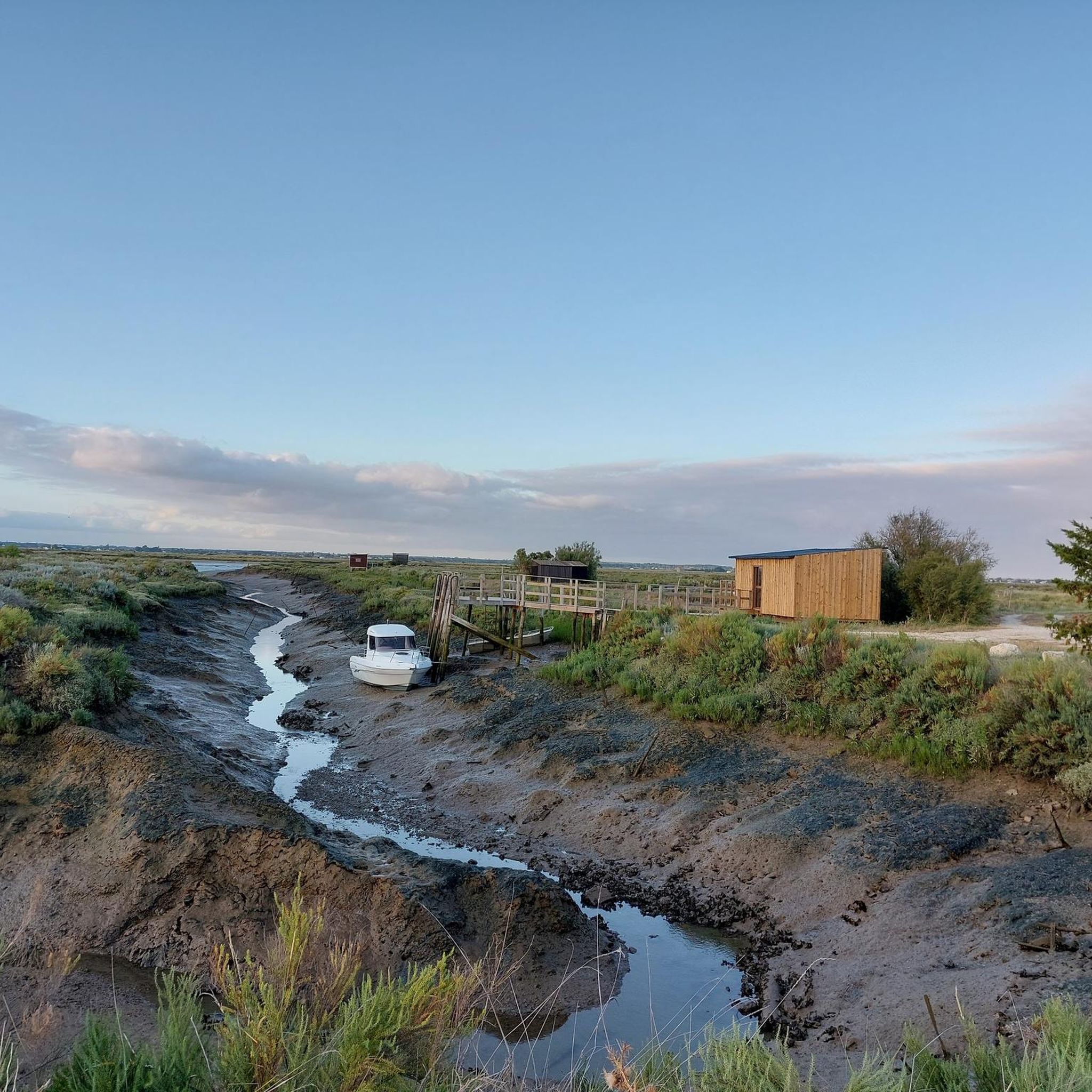
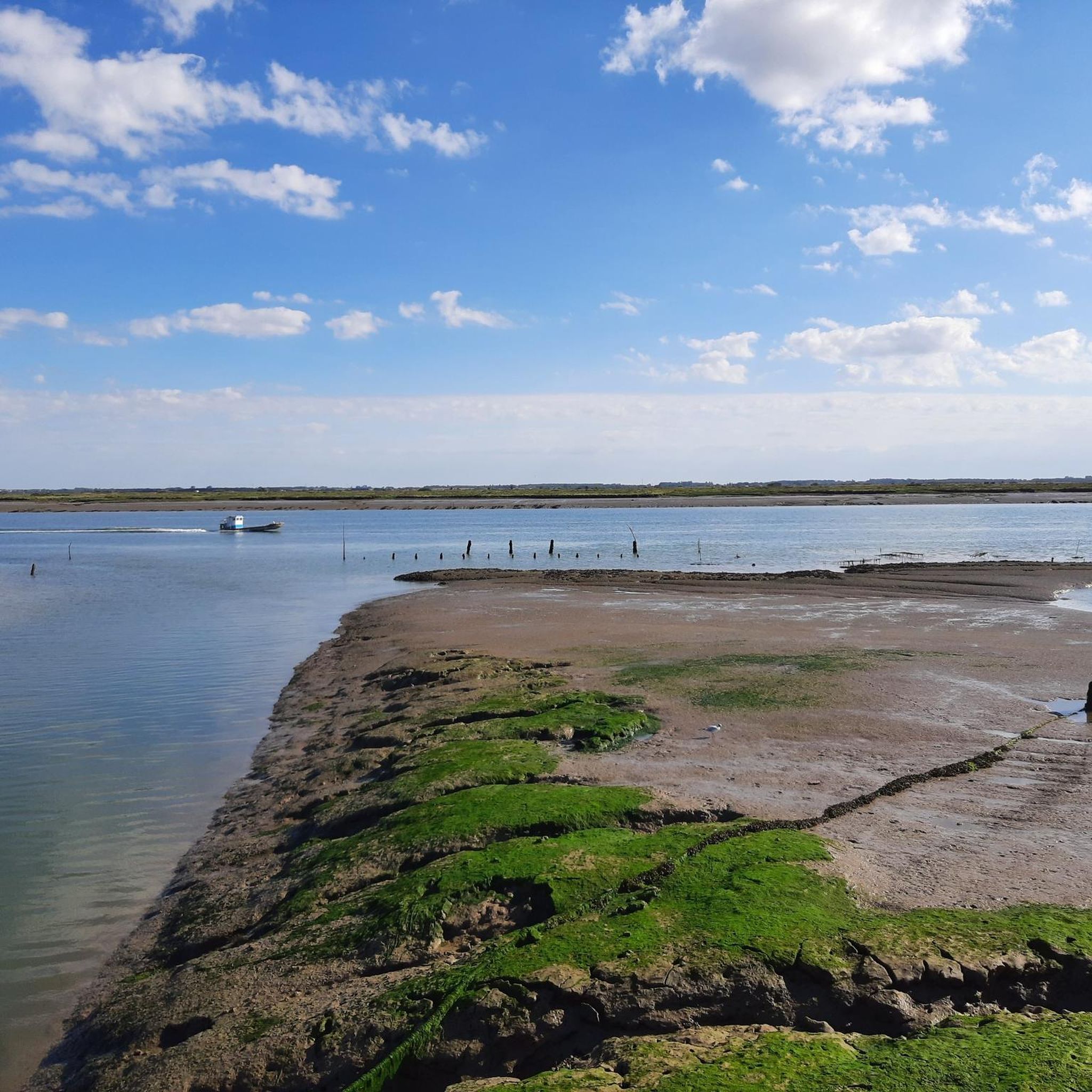
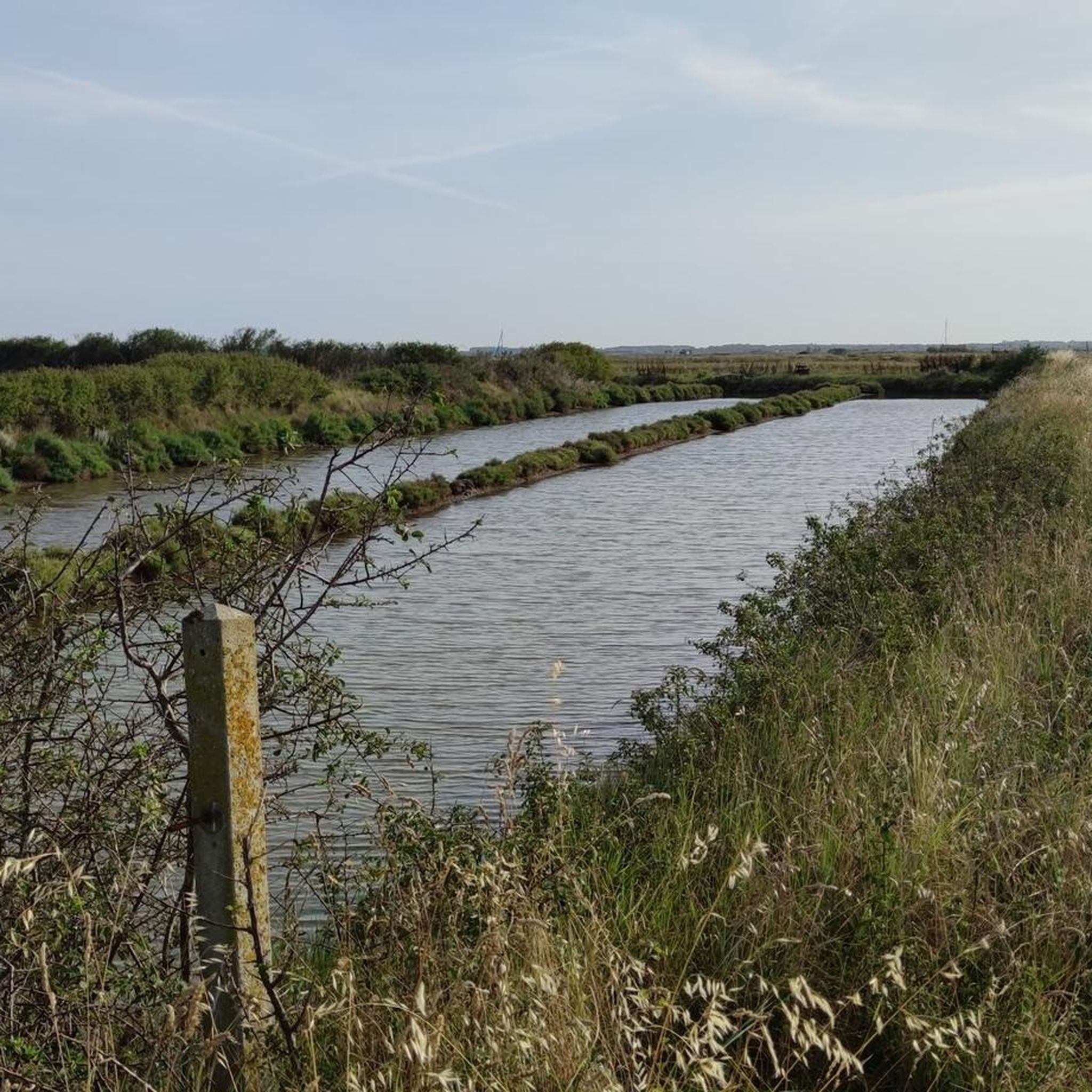
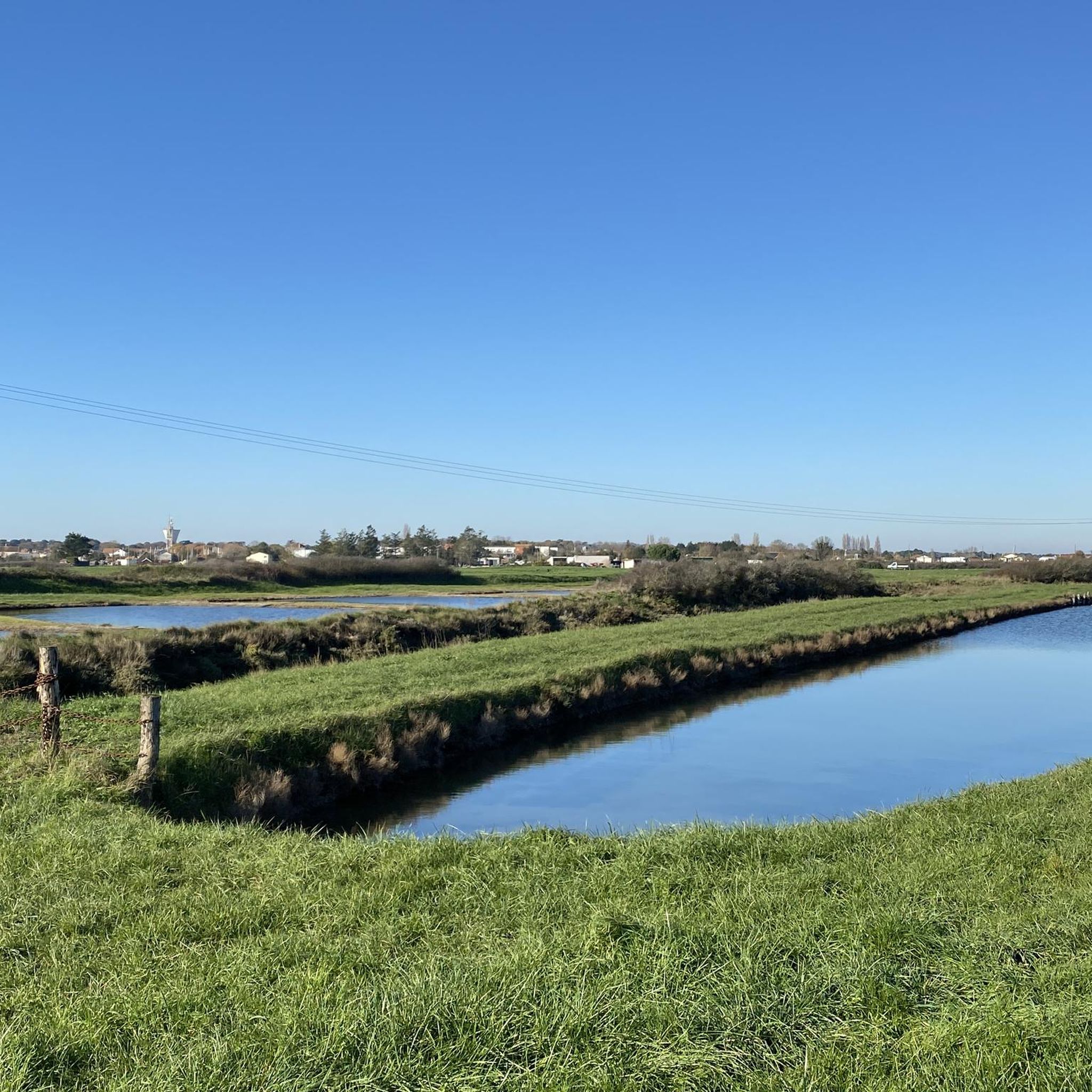
Touring cycling around Nieulle-Sur-Seudre features a landscape characterized by the expansive Seudre marshes and salt marshes, offering a predominantly flat terrain ideal for cycling. The region includes the Seudre river, with routes often following its banks through oyster farming areas. This wetland environment is a protected Natura 2000 site, providing a unique setting for outdoor exploration.
Best touring cycling routes around Nieulle-Sur-Seudre
- The most popular touring cycling route is Ocean Path at Les Mathes – Côte sauvage loop from Le…
Last updated: July 3, 2026
4.8
(138)
970
riders
Moderate bike ride. Good fitness required. Mostly paved surfaces. Suitable for all skill levels.
2.2
(5)
42
riders
72.8km
04:16
290m
290m
Moderate bike ride. Good fitness required. Mostly paved surfaces. Suitable for all skill levels.

Sign up for free
5.0
(23)
34
riders
37.6km
02:10
120m
120m
Moderate bike ride. Good fitness required. Mostly paved surfaces. Suitable for all skill levels.
4.3
(3)
25
riders
Easy bike ride. Great for any fitness level. Mostly paved surfaces. Suitable for all skill levels.
4.3
(3)
24
riders
Easy bike ride. Great for any fitness level. Mostly paved surfaces. Suitable for all skill levels.
Get access to more routes and recommendations from other explorers.
Sign up for free
Already have an account?
Our route recommendations are based on thousands of hikes, rides, and runs completed by other people on komoot.
Start today with a free account
Your next adventure awaits.
Login or Signup
Tips from the Community

The carrelets of Saint-Palais-sur-Mer are among the most emblematic elements of the Charente coastline. Their history blends traditional fishing, tourist development, and local heritage. 🐟 Origin of the carrelets Originally, the word "carrelet" referred to a square fishing net used since the 17th century. A precise description can be found as early as 1769, in the writings of the scholar Henri-Louis Duhamel du Monceau, who mentioned this type of fishing on the Saintonge coast. 👉 At that time, these were not yet the current huts, but simply a net operated from rudimentary structures. ⚓ Artisanal fishing structures The first local carrelets were simple wooden platforms, built by the fishermen themselves to stand above the water. They were mainly used to catch shrimp, fish, and crabs near the shore, without going out to sea. 👉 It was a family and coastal fishery, less dangerous than sea fishing. 🏖️ 19th – early 20th century: transition to a leisure activity At the turn of the 20th century, with the rise of seaside resorts like Saint-Palais, the carrelets evolved. Holidaymakers and notable figures adopted this practice: construction of fixed jetties, appearance of huts on stilts. The carrelets then became places for relaxation as much as for fishing. 👉 They already contributed to the postcard image of the coast. 🪵 After 1945: democratization and multiplication After the Second World War, the number of carrelets increased sharply. They became a symbol of popular leisure and conviviality. The transition was gradually made from a means of subsistence to a recreational activity. 🌊 Storms and reconstruction The carrelets are fragile in the face of storms: 1999: massive destruction (up to 90% in some areas) 2010 (Xynthia storm): new damage Many have been rebuilt identically, respecting tradition. 🏛️ Today: protected heritage In Charente-Maritime, there are about 400 carrelets. They are: integrated into the public maritime domain allocated by administrative authorization (often renewed every 5 years) Since 2018, they have been recognized as cultural heritage of the department. 👉 In Saint-Palais, they can be observed in particular: at Pont du Diable at the conche du Concié at the Puits de l’Auture
0
0

Very beautiful church. A must-see!
0
0

A beautiful trail with pine scents. A real treat.
0
0

Splendid beaches all along this magnificent route.
0
0

It's a bike path without cars, but be careful, use Komoot and don't trust the "wise" advice of jokers.
1
0
The port of Royan is located between the Foncillon district and the Grande Conche beach, in the heart of the city. Ideally located at the mouth of the Gironde, in the immediate vicinity of the Atlantic Ocean and opposite Port-Médoc, it consists of a marina with a thousand rings and a fishing port, specializing in “noble” species (sole, meagre, sea bass, etc.). You will find the harbor master's office, the Fishing Port and the auction, as well as a covered shopping arcade, “Les voûtes du Port”, which extends the shopping arcades of the “Front de Mer”. Port, 1100 sheltered places – Reception pontoon – Secure pontoons. Access pass is 0.30 m above the zero of the nautical charts. Basins after dredging 2.30 m from the zero of the nautical charts. Services: water, electricity (220 V) on pontoon, toilets, WC, showers, handling in closed technical area, recovery of careening water, grey water and black water pumps, maintenance and ship repair workshops, ship chandlers on the port, wifi, 24/24 CB fuel, slipway. V.H.F. 9. The port is sheltered from all winds because it is protected by the landing stage of the ferries which ensure the crossing of the Gironde for the crossings to the Pointe de Grave/Le Verdon-sur-Mer.
1
0
Frequently Asked Questions
What is the terrain like for touring cycling in Nieulle-sur-Seudre?
The region is predominantly characterized by the expansive Seudre marshes and salt marshes, offering a largely flat relief. This makes for easy and enjoyable rides, ideal for touring cyclists seeking a relaxed experience through unique wetland environments.
How many touring cycling routes are available around Nieulle-sur-Seudre?
There are over 220 touring cycling routes in the Nieulle-sur-Seudre area, catering to various skill levels. You'll find a wide selection, with more than 140 routes classified as easy, 67 as moderate, and 11 as difficult.
Are there easy touring cycling routes suitable for beginners or families?
Yes, Nieulle-sur-Seudre is an excellent destination for beginners and families due to its predominantly flat terrain. Many routes are classified as easy, such as the Ocean Path at Les Mathes – Bicycle Repair Station loop from Le Train des Mouettes - Chaillevette, which is just over 30 km long and offers a gentle ride.
What natural features can I expect to see while cycling in this region?
You'll cycle through the expansive Seudre marshes and salt marshes, a protected Natura 2000 site. This wetland is home to diverse flora and fauna, including protected species like the Bluethroat and various herons. Routes often follow the picturesque banks of the Seudre river, winding through active oyster farming areas.
Are there any notable attractions or landmarks accessible by bike?
Absolutely. You can cycle to Riberou Port, an authentic oyster-farming port, or explore the historical salt marshes. The nearby village of Mornac-sur-Seudre, recognized as one of France's most beautiful villages, is also a popular cycling destination. Other sites like the Saint-Pierre Church of Hiers-Brouage and the Mornac-sur-Seudre Marshes are also within cycling distance.
Can I find circular touring cycling routes in Nieulle-sur-Seudre?
Yes, many of the touring cycling routes in the region are circular, allowing you to start and end at the same point. For example, the Ocean Path at Les Mathes – Côte sauvage loop from Le Train des Mouettes - Chaillevette is a popular circular route exploring coastal areas and natural features.
What do other cyclists say about their experience in Nieulle-sur-Seudre?
The touring cycling routes around Nieulle-sur-Seudre are highly rated by the komoot community, with an average score of 4.4 stars from over 1,300 reviews. Cyclists often praise the flat, accessible terrain, the ecological richness of the Seudre marshes, and the cultural insights offered by the oyster ports and salt production.
When is the best time of year to go touring cycling in Nieulle-sur-Seudre?
The flat terrain makes cycling enjoyable for much of the year. However, spring and autumn offer pleasant temperatures and less crowded routes. The region's natural beauty, especially the marshes, is vibrant during these seasons. Summers are also popular, but can be warmer.
Are there options for longer touring cycling adventures from Nieulle-sur-Seudre?
Yes, the area connects to larger cycling itineraries such as La Vélodyssée and La FlowVélo®, offering opportunities for extended touring. Within the local network, routes like L'Équille – Port of Royan loop from Nieulle-sur-Seudre provide a moderate 72.5 km journey, connecting Nieulle-sur-Seudre with the Port of Royan and varied scenery.
Where can I find amenities like cafes or places to eat along the routes?
The region is known for its oyster cultivation, so you'll find opportunities for fresh oyster tastings, particularly in areas like Port Paradis. Many routes pass through charming villages and oyster ports where local cafes and restaurants offer refreshments and regional specialties. Mornac-sur-Seudre, for instance, is a great spot for a break.
Is Nieulle-sur-Seudre a good destination for dog-friendly cycling?
While specific dog-friendly routes aren't highlighted, the flat and open nature of the marshlands and riverbanks generally makes for pleasant cycling with well-behaved dogs on a leash. Always ensure your dog is comfortable with the distance and check local regulations for protected natural areas.
Are there any specific cultural experiences related to the region's heritage that I can explore by bike?
Yes, the region is rich in cultural heritage tied to its natural landscape. You can cycle through historical salt marshes to learn about traditional salt production, or visit oyster farming areas to observe the local fishing culture and even enjoy fresh oyster tastings. The authentic oyster-farming port of Port Paradis is a prime example of this.
Most popular routes around Nieulle-Sur-Seudre
Most popular attractions around Nieulle-Sur-Seudre

Get inspired with the komoot mobile app


Explore more
Browse the best Cycling routes in other regions.
