Top 8 Mountain Passes around Argentine
Best mountain passes around Argentine traverse the Andean landscapes, offering diverse natural features and historical significance. These routes often connect Argentina with neighboring Chile, showcasing high-altitude environments and varied terrain. From challenging unpaved tracks to scenic viewpoints, the region provides access to remote areas and unique ecosystems.
Best mountain passes around Argentine
- The most prominent mountain passes in Argentina include high-altitude routes that reach elevations of more than 4000 meters. These passes are known for their dramatic scenery and challenging…
Last updated: June 26, 2026
Col du Grand Cucheron
Highlight (Segment) • Mountain Pass
Translated by Google •
Tip by

Col de la Madeleine
Highlight • Mountain Pass
Translated by Google •
Tip by
Sign up now to discover places like this
Get recommendations on the best single tracks, peaks, & plenty of other exciting outdoor places.
Sign up for free
Ascent of Col de la Madeleine from La Chambre
Highlight (Segment) • Climb
Translated by Google •
Tip by

Col de Champlaurent
Highlight • Mountain Pass
Translated by Google •
Tip by

Valmorel Summit Ascent (1300 m)
Highlight • Summit
Translated by Google •
Tip by

Sign up for free to discover even more mountain passes around Argentine.
Sign up for free
Already have an account?
Start today with a free account
Your next adventure awaits.
Login or Signup
Tips from the Community

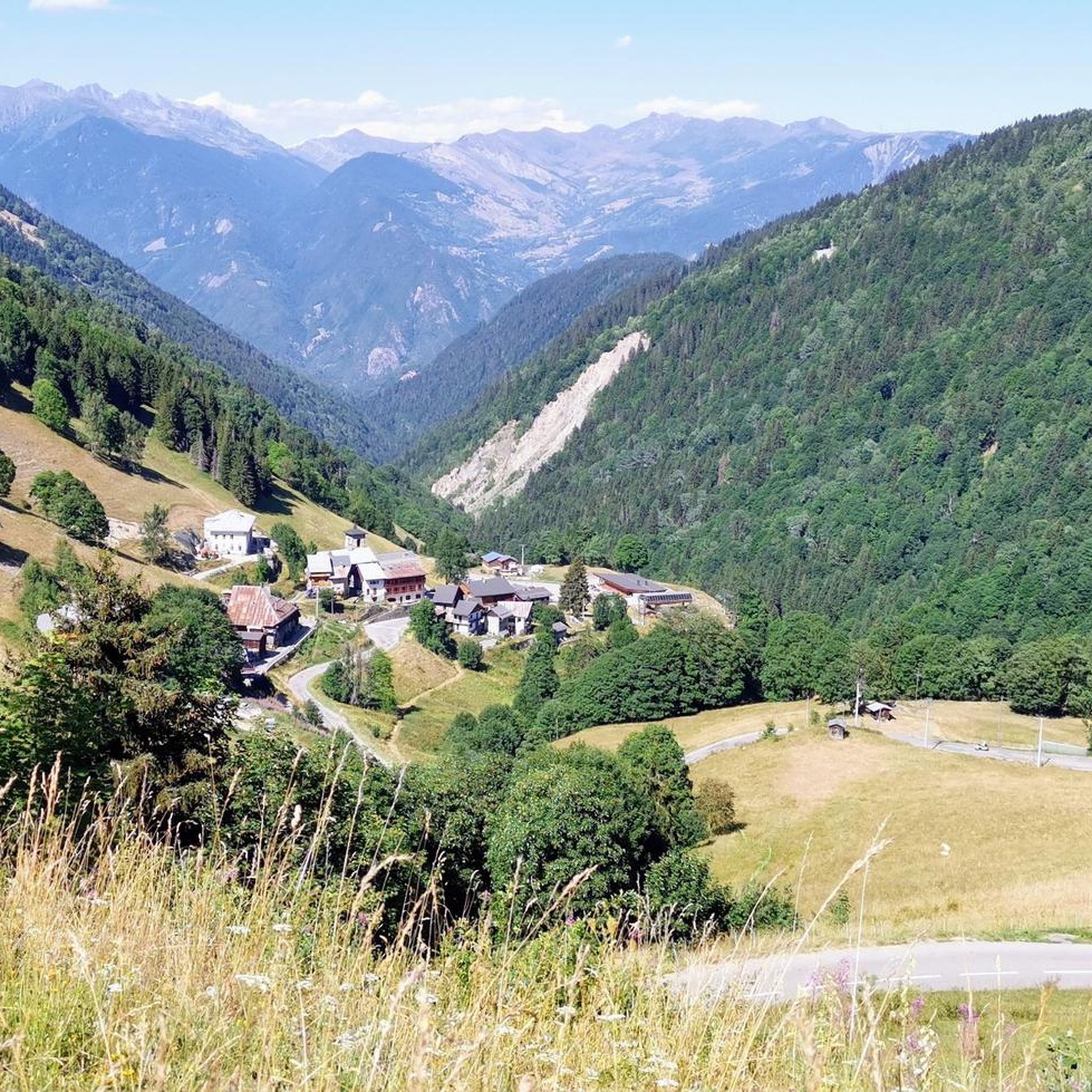
magnificent view of the snow-capped mountains at the end of May
1
0

Quite an easy climb, however the terminal was missing due to work at the summit on the day of my ascent (mid-August 2024), hoping to return soon!
0
0

Large parts of the tour have very little traffic, so you can enjoy the beautiful nature even more.
1
0

This is the classic southern slope of the pass, which begins at La Chambre. With a vertical drop of 1,591 m, a length of 19.3 km, and an average gradient of 7.9%, it's a colossus. The initial section has many hairpin bends and is covered with trees and vegetation. The intermediate section is probably the toughest. From the Saint François Longchamp ski resort, where there is a gentler section, there are a beautiful 5 km of completely open terrain where you can see the entire final section. Descending this pass is a delight because you build up speed and it also has all kinds of curves.
0
0
On its southeast side, from Epierre, it is a beautiful port. The vast majority is covered by trees, which do not allow great views of the valley; However, the road is very winding, with continuous curves that make it very bearable. It is an area to enjoy cycling since there is hardly any traffic.
0
0

The Col de la Madeleine connects the Tarantaise and Maurienne valleys. It is part of the family of exceptional passes with more than 1,500 meters of vertical drop on each of its sides.
1
0

The pass cannot be adequately described in words! Hardly any traffic, small, good street, never really steep, lots of nature (from Albertville), gigantic mountain panorama the higher you go, ..... .
0
0

The Col du Grand Cucheron from La Corbière is 11.6 kilometers long with a total elevation gain of 805 meters. The average slope is 6.94% with maximum slopes of 13.1%. A good climb to do during the summer months as there is quite a bit of shade.
2
0
Frequently Asked Questions
What are some of the most historically significant mountain passes in Argentina?
Argentina's mountain passes are rich in history. The Paso Internacional Cristo Redentor (also known as Los Libertadores or Uspallata Pass) is particularly notable. It was a crucial route used by José de San Martín's army in 1817 to liberate Chile from Spanish rule. The pass is also home to the iconic Christ the Redeemer of the Andes statue, symbolizing peace between Argentina and Chile.
Which mountain passes offer the most spectacular high-altitude scenery?
For breathtaking high-altitude scenery, consider Paso de Agua Negra, which reaches an elevation of 4,780 meters (15,682 feet). It features narrow canyons, steep mountains with mineral-rich colors, and unique 'penitents' (frozen snow formations). Another excellent choice is Paso de Jama, offering surreal high-altitude deserts, vast salt flats, and towering volcanoes at 4,200 meters (13,780 feet).
Are there any mountain passes known for extreme adventure and challenging drives?
Absolutely. Abra del Acay in Salta Province is renowned as the highest road pass in the Americas, reaching almost 5,000 meters (16,259 feet). It's a challenging gravel road that forms part of the famous Ruta Nacional 40, promising an unforgettable high-altitude driving experience. Paso de Sico also offers a more adventurous, less-traveled alternative with a challenging unpaved section on the Argentinian side.
When is the best time to visit Argentina's mountain passes?
The warmer months are generally the best time to visit, typically from October to May. Many high-altitude passes, such as Paso de Agua Negra, can close during winter (June to September) due to heavy snowfall. Paso de Jama is generally open year-round, but temporary closures can occur due to weather conditions.
What kind of natural features can I expect to see along these passes?
The mountain passes around Argentina showcase incredible natural diversity. You can expect to see dramatic Andean peaks, arid high-altitude deserts, vast salt flats, and towering volcanoes, especially along the 'Ruta de los Seismiles' near Paso de San Francisco. Unique geological formations like 'penitents' can be found at Paso de Agua Negra, and the Cuesta de Lipán offers expansive views of dry, windswept mountainsides.
Which mountain passes are important commercial or transport links?
The Paso Internacional Cristo Redentor is a primary transport link connecting Argentina's Mendoza Province with Valparaíso, Chile. Paso de Jama is also a vital commercial artery, connecting Jujuy Province in Argentina with San Pedro de Atacama in Chile.
Can I see wildlife while exploring the mountain passes?
Yes, wildlife sightings are possible. For instance, along the Cuesta de Lipán in Jujuy Province, visitors often spot vicuñas and llamas, adding to the natural allure of the landscape.
Are there opportunities for hiking near the mountain passes in Argentina?
Yes, the region around Argentina's mountain passes offers numerous hiking opportunities. You can find various trails, from moderate to difficult, allowing you to explore the stunning Andean landscapes on foot. For more details on specific routes, check out the Hiking around Argentine guide.
What other outdoor activities are available near these mountain passes?
Beyond hiking, the areas surrounding Argentina's mountain passes are excellent for other outdoor sports. You can find extensive options for running trails and gravel biking, offering diverse terrain for all skill levels. These activities provide fantastic ways to experience the region's natural beauty.
Which mountain pass is known for its dramatic switchbacks and panoramic views?
The Cuesta de Lipán in Jujuy Province is famous for its dramatic switchbacks. It climbs significantly from 2,192 meters to 4,170 meters in just 17 kilometers, offering expansive, unobstructed panoramas due to the lack of forests on its dry, windswept mountainsides.
Are there any mountain passes that connect to famous routes?
Yes, Abra del Acay, known as the highest road pass in the Americas, forms part of the famous Ruta Nacional 40, a legendary route that traverses much of Argentina's western side.
What makes Paso de San Francisco unique among Argentina's mountain passes?
Paso de San Francisco stands out for its spectacular views of numerous towering volcanoes. Located on the border with Chile, it offers panoramic vistas along the 'Ruta de los Seismiles' (Route of the Six Thousands), making it a paradise for those who appreciate dramatic volcanic landscapes and high-altitude scenery.
Most popular routes around Argentine
Most popular attractions around Argentine

Get inspired with the komoot mobile app


Explore more
See even more epic mountain passes by checking out these guides around Argentine:
